What A Bench Laser Cell Does In Practice
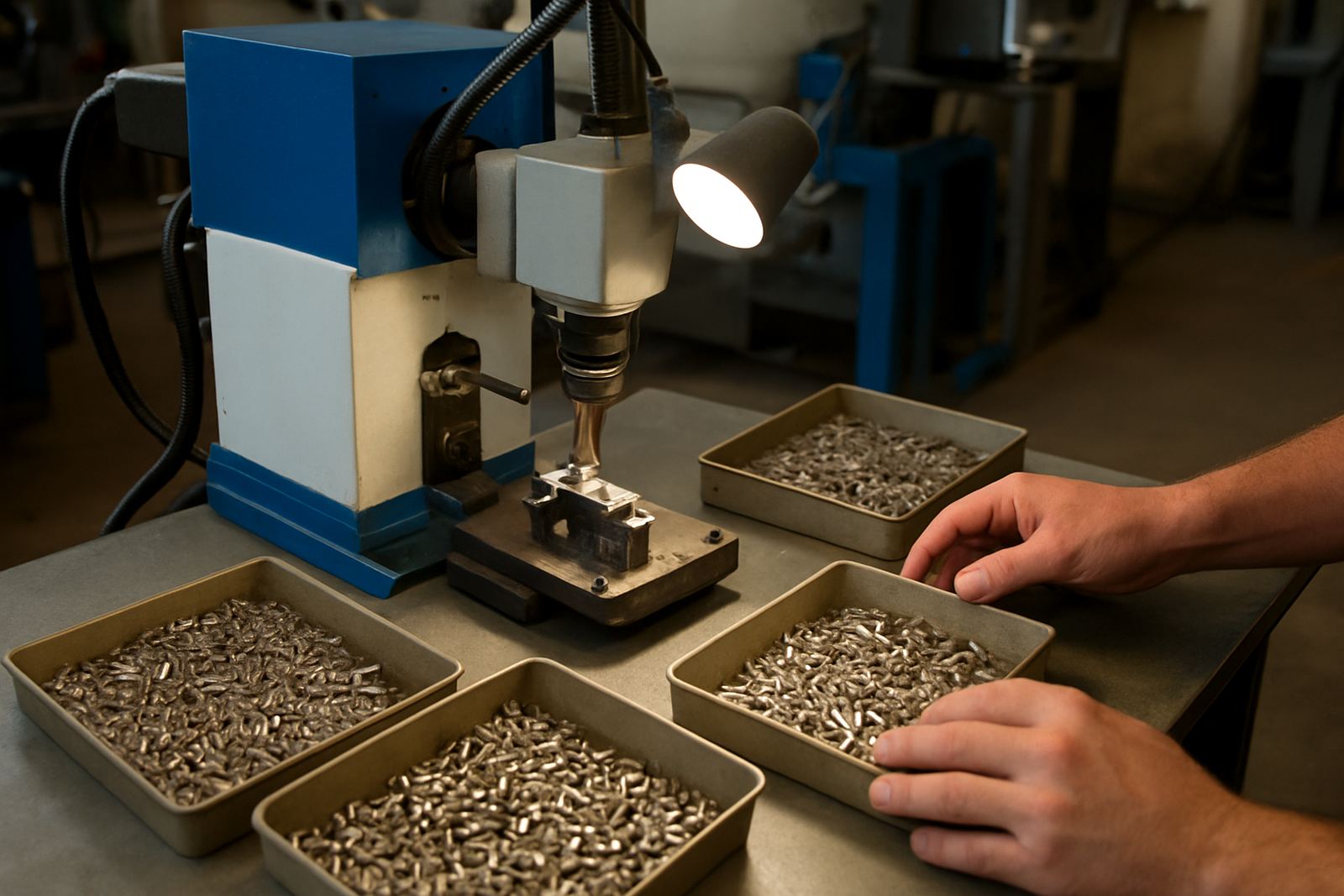
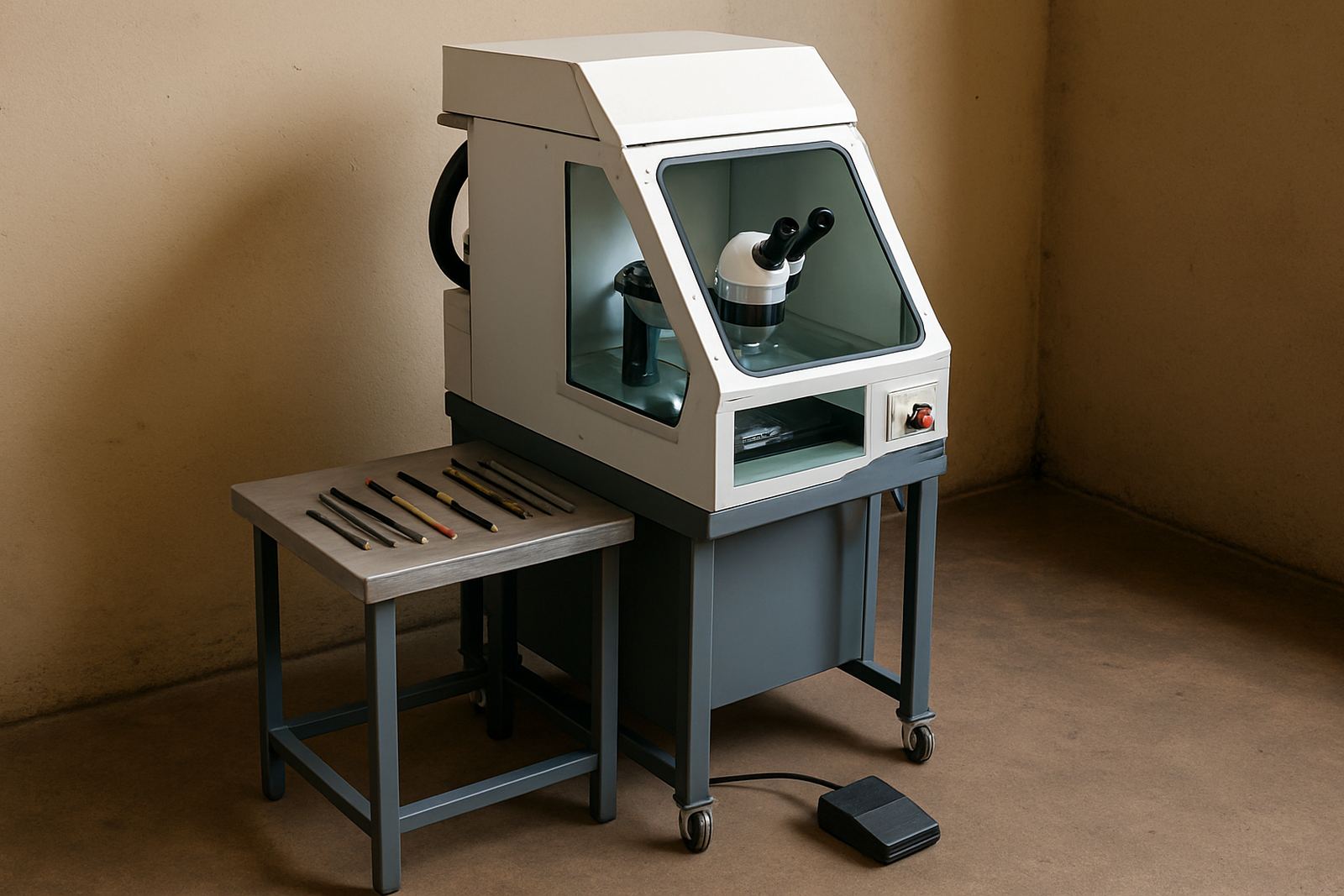
A bench laser cell is a compact enclosed welding station built for close control work on small components. It is used where the operator needs accurate heat input, a clean viewing area and enough working room for jewellery-type detail, tooling repairs, mould touch-ups, thin stainless sections and non-critical prototype joining. The enclosure helps keep the work zone contained, which is useful when you are handling tiny parts, sharp edges and repeat jobs all day.
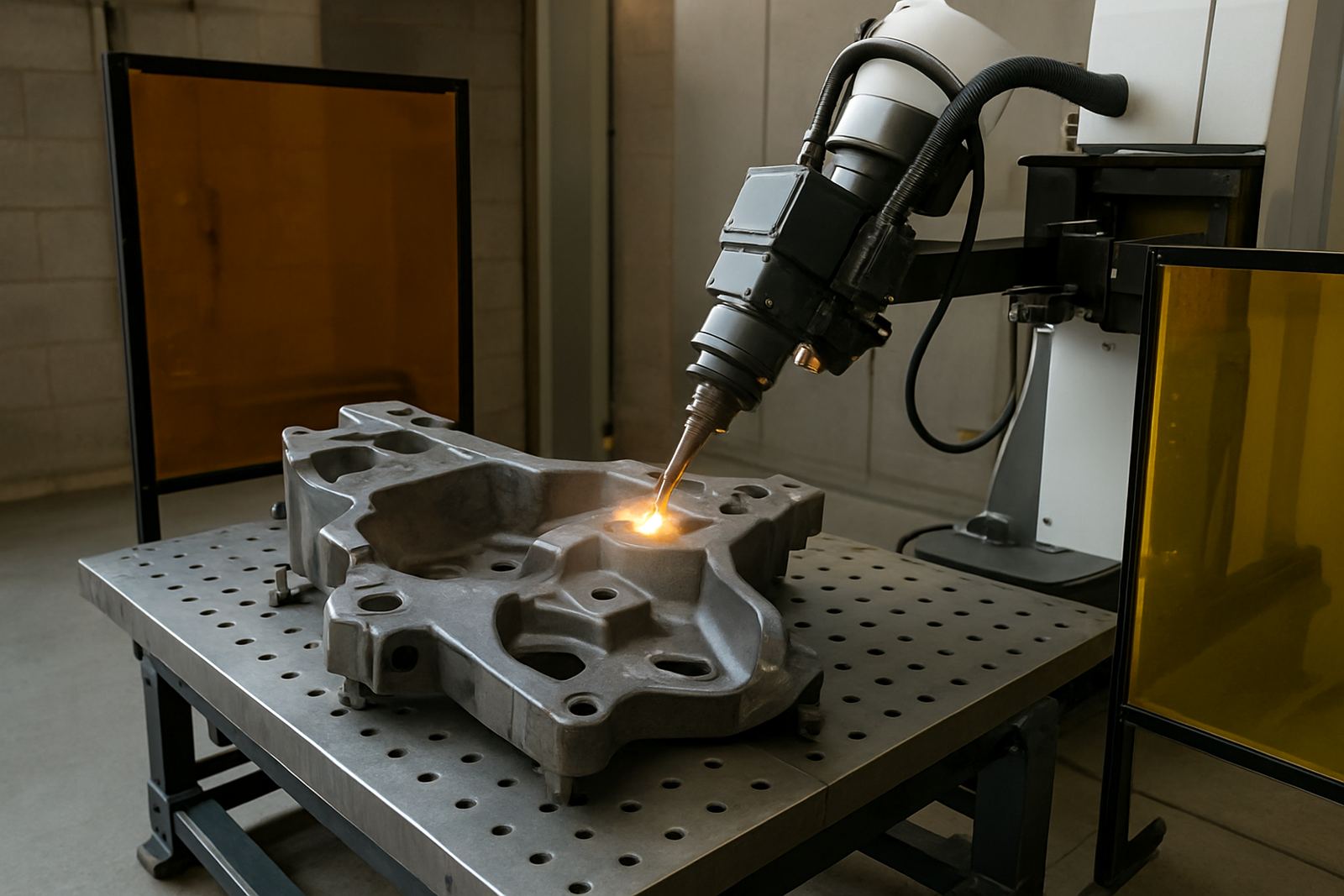
For job-shop work, the main advantage is control. The beam can be directed precisely at a crack line or build-up edge without spreading heat across the whole part. That means less distortion, less post-work straightening and fewer lost parts. In a Centurion or Pretoria workshop, where mixed batch work comes in from machine shops, maintenance teams and makers, a bench cell is often the right fit for small to medium production runs as well as one-off repairs.
- Fine manual laser welding for small components
- Controlled repair of cracks, chipped edges and worn spots
- Suitable for stainless, aluminium and many tool steels
- Works well for short-run batch jobs and repeat detail work
Sizes, Layout Options And Working Envelope
The standard bench laser cell is compact enough for a normal workshop bay, yet open enough inside for careful hand movement and part rotation. Common configurations are a single-operator bench cell with front access, or a slightly larger enclosed cell with more side clearance for awkward shapes. For most local job-shop environments, the right size depends on the biggest part you need to hold, the torch access required and how often you swap jobs during the day.
Typical working envelopes range from small precision pieces up to hand-held repair components around 300 mm to 600 mm in length, depending on the internal table and the fixture set-up. If you are dealing with mould inserts, small dies, brackets or sensor housings, it helps to check the clear opening, the internal table height, and whether the cell can accept custom jigs. A good fit saves time every shift, especially when the workshop is already juggling load-shedding, courier deadlines and urgent turnaround jobs.
- Compact enclosed bench format for tight workshop spaces
- Optional fixed table, rotary support or simple fixture plate
- Suitable for left- or right-handed operator layouts
- Can be set up for one-off repairs or repeat batch work
Where The Bench Cell Suits Best
This type of cell suits workshops that repair small parts rather than large fabrications. It is well matched to mould and die rooms, precision maintenance teams, prototype labs, light manufacturing, instrument repair and specialist service centres. In Gauteng especially, the bench laser cell is popular where parts come in with tight tolerances and the client wants the item saved rather than remade.
It is also a practical choice for coastal or humid sites where certain parts corrode and need local build-up instead of full replacement. A controlled enclosure helps keep the operator focused on the repair while the part is cleaned, prepped and welded in a steady workflow. For workshops in Pretoria East, Midrand, Rosslyn, Jet Park and beyond, it can become the go-to station for quick turnaround work that still needs careful finish.
- Precision repairs on small metal parts
- Mould, tool and die support work
- Prototype and sample joining
- Batch repair jobs with consistent finish
Power, Gas And Site Requirements
Installation needs depend on the exact cell configuration, but a solid floor, enough ventilation and a stable electrical supply are the basics. Most units need a dedicated power point or isolated supply, with attention to surge protection if the site sees frequent load-shedding changeovers. Where the workshop runs a generator or inverter system, it is important to confirm starting load and running stability before the cell is connected.
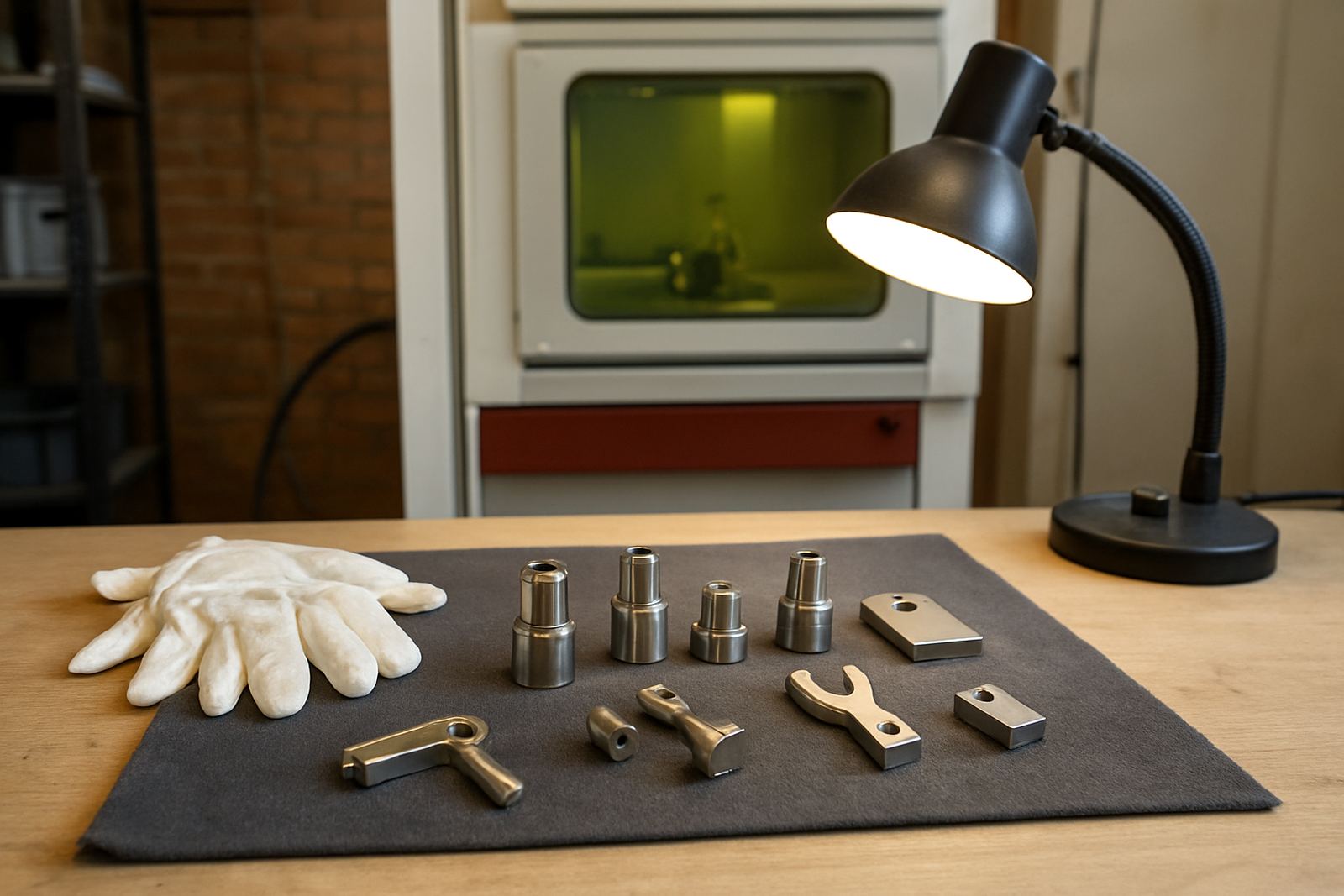
Shielding gas requirements depend on the material and the welding process setup. In many fine manual jobs, an inert gas such as argon is used to protect the weld area and keep the finish clean. Gas flow must be set correctly, because too much flow can disturb the process and too little can leave the weld surface marked. You will also want proper bench lighting, a clean compressor line if air is used for ancillary equipment and enough space for safe loading and unloading. That includes room for gloves, lenses and small tools within easy reach, not scattered across the shop.
- Check supply voltage and phase before ordering
- Allow for inert gas bottles or central gas supply
- Plan for ventilation and fume extraction in the room
- Keep the area dry if the workshop sits near the coast
Care, Cleaning And Servicing Between Jobs
A bench laser cell stays accurate only if it is kept clean. Dust, grinding grit and metal splash can affect viewing, fixtures and optical components, so daily wipe-downs matter. Operators should clear swarf, check the enclosure seals and make sure the table and jigs are free of residue before the next part goes in. If the cell is used for stainless and aluminium work in the same week, cleaning between materials helps reduce contamination and finish issues.
Regular servicing should cover alignment checks, window condition, cooling where fitted, gas lines and general electrical safety. In busy workshops, we recommend setting a basic maintenance routine by hours of use, not just by calendar date. That makes it easier to keep track of wear on lenses, filters and moving parts. A small fault caught early is cheaper than a full stop later, and it avoids delaying customer jobs that already have tight delivery times.
- Daily cleaning of the table, enclosure and viewing areas
- Periodic check of gas lines, seals and filters
- Inspect fixtures for wear and heat damage
- Keep spares for consumables and common wear items
What To Check Before You Place An Order
Before ordering, measure the parts you repair most often and note the biggest job you want the cell to handle. Check the clear internal size, access opening, table load capacity, fixture options and the type of materials you work on. If your team handles crack repair on thin sections, ask about fine control settings and how the cell manages low heat input. If you do batch work, make sure the set-up allows repeat positioning without wasting time on each piece.
Also confirm the workshop conditions. If the unit will sit in a shared bay, ask about footprint, extraction route, noise and cable entry. If your site has power interruptions, find out how the cell responds to changeovers and whether additional protection is needed. For job-shop operators in Pretoria, Centurion and nationwide, those small checks save a lot of trouble once the first urgent repair lands on the bench.
- Largest part size and clearance needed
- Materials to be welded most often
- Power supply, gas supply and extraction layout
- Fixture needs for repeat jobs and small batches
Key facts
| Cell type | Compact enclosed bench laser welding cell |
|---|---|
| Typical use | Fine manual welding, repair and small-part restoration |
| Working size | Small component format with custom fixture options |
| Suitable materials | Stainless steel, aluminium and selected tool steels |
| Workshop fit | Centurion, Pretoria, Gauteng and nationwide job-shop use |
| Service support | Installation guidance, maintenance and servicing by job request |