What the Open Access Cell is used for
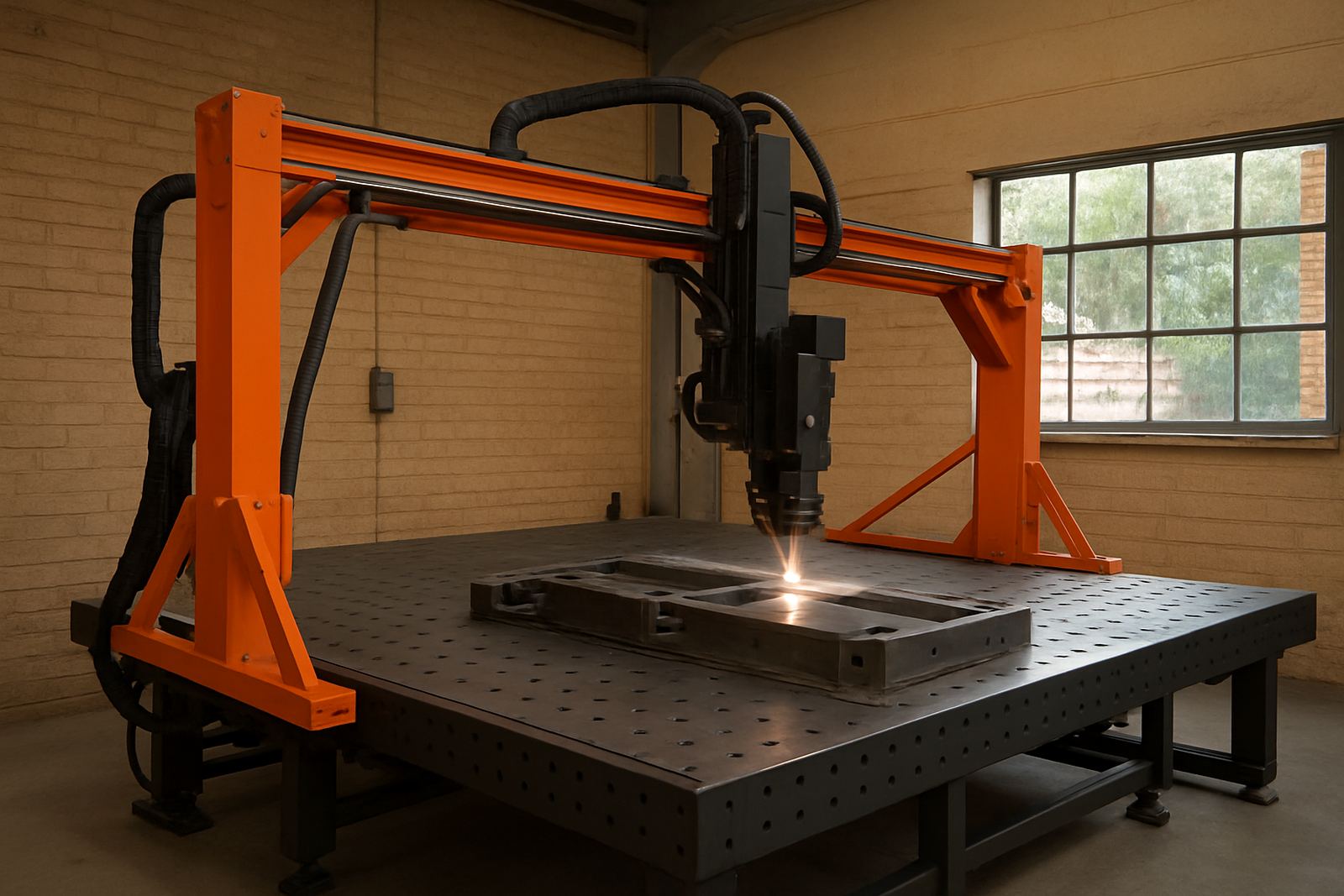
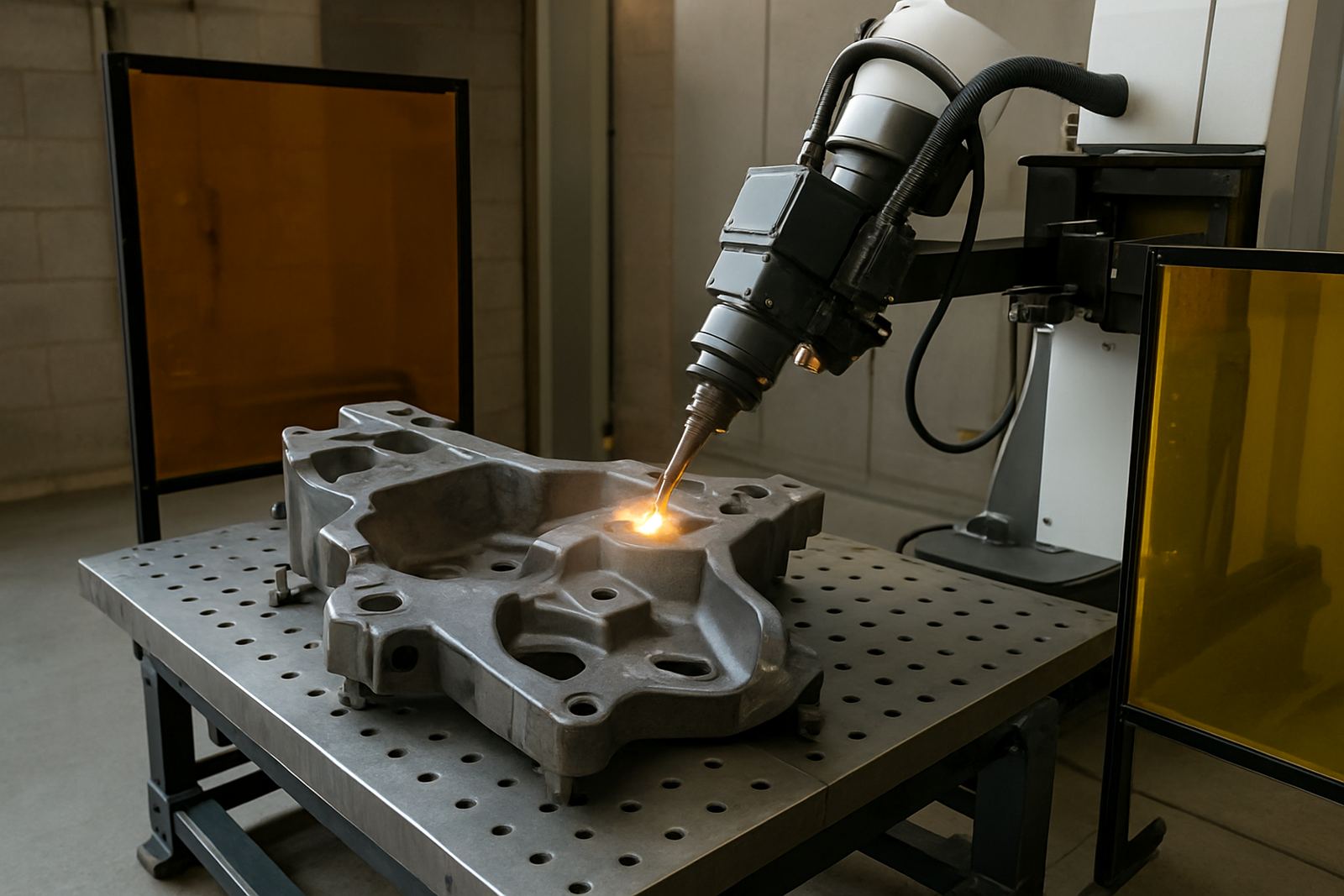
An Open Access Cell is a practical laser welding setup for parts that need clear access from more than one side. It suits awkward geometry, odd shapes, larger components and jobs where the operator must shift the torch, fixture or viewing angle often. In a job-shop environment this matters, because a bracket, mould insert, thin flange or worn edge may not sit neatly in a fixed enclosure. The open format lets us build the right fixturing around the work instead of forcing the workpiece to suit the machine.
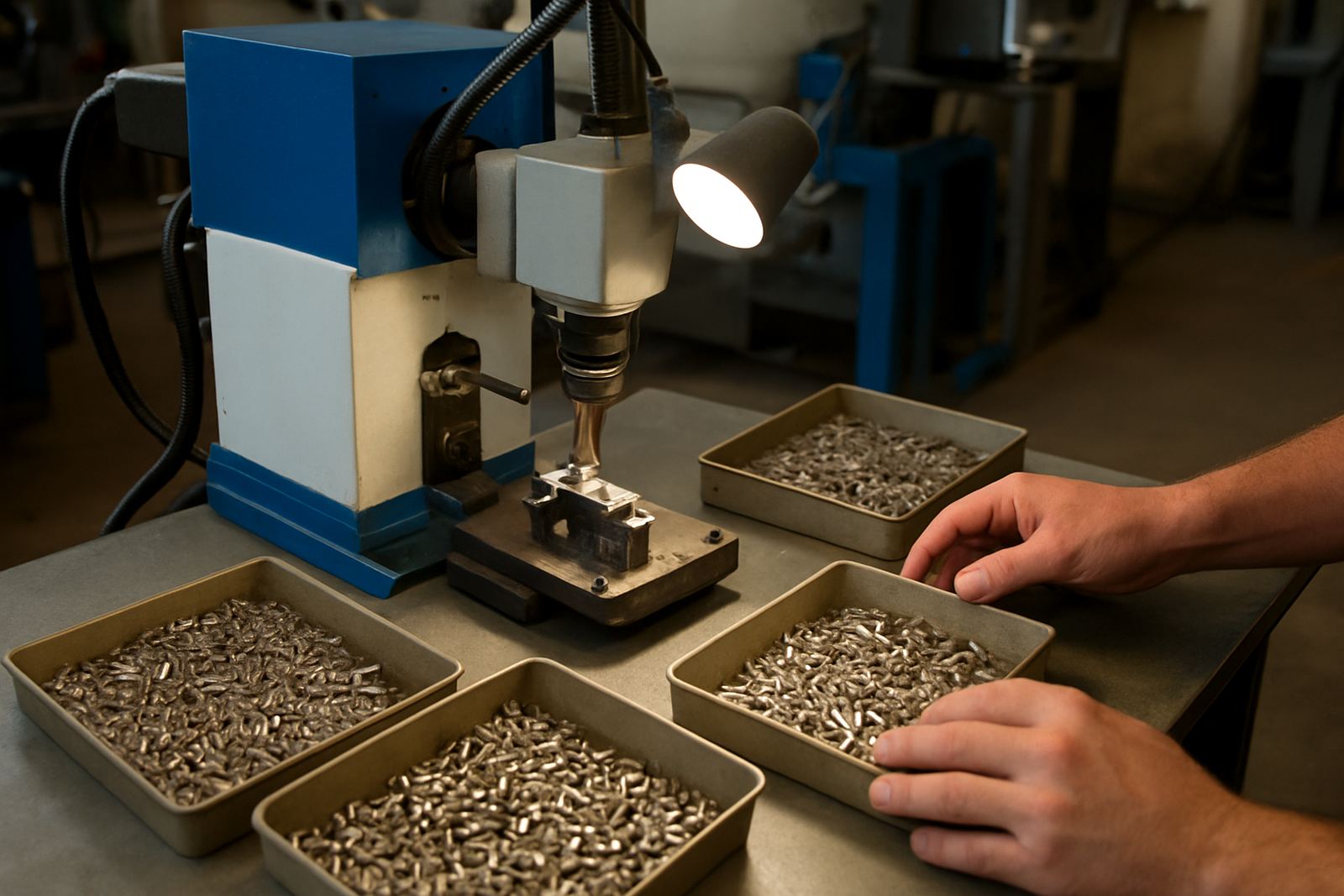
We use this setup for precision welding, crack repair, edge build-up, part restoration, prototype joining and batch work. It is also useful when a customer sends in small mixed jobs that need sorting, checking and returning with consistent finish. For many clients the advantage is simple: less time spent struggling to reach the repair point, and more control over heat input, bead placement and repeatability.
Typical sizes and access options
Because the cell is built around the job, the working envelope can be adjusted to suit the part and the fixture. Common setups range from compact repair stations for small precision parts through to wider benches for longer mould sections or assemblies. The actual size depends on reach, clamp positions and how much room is needed for loading, turning and post-weld inspection.
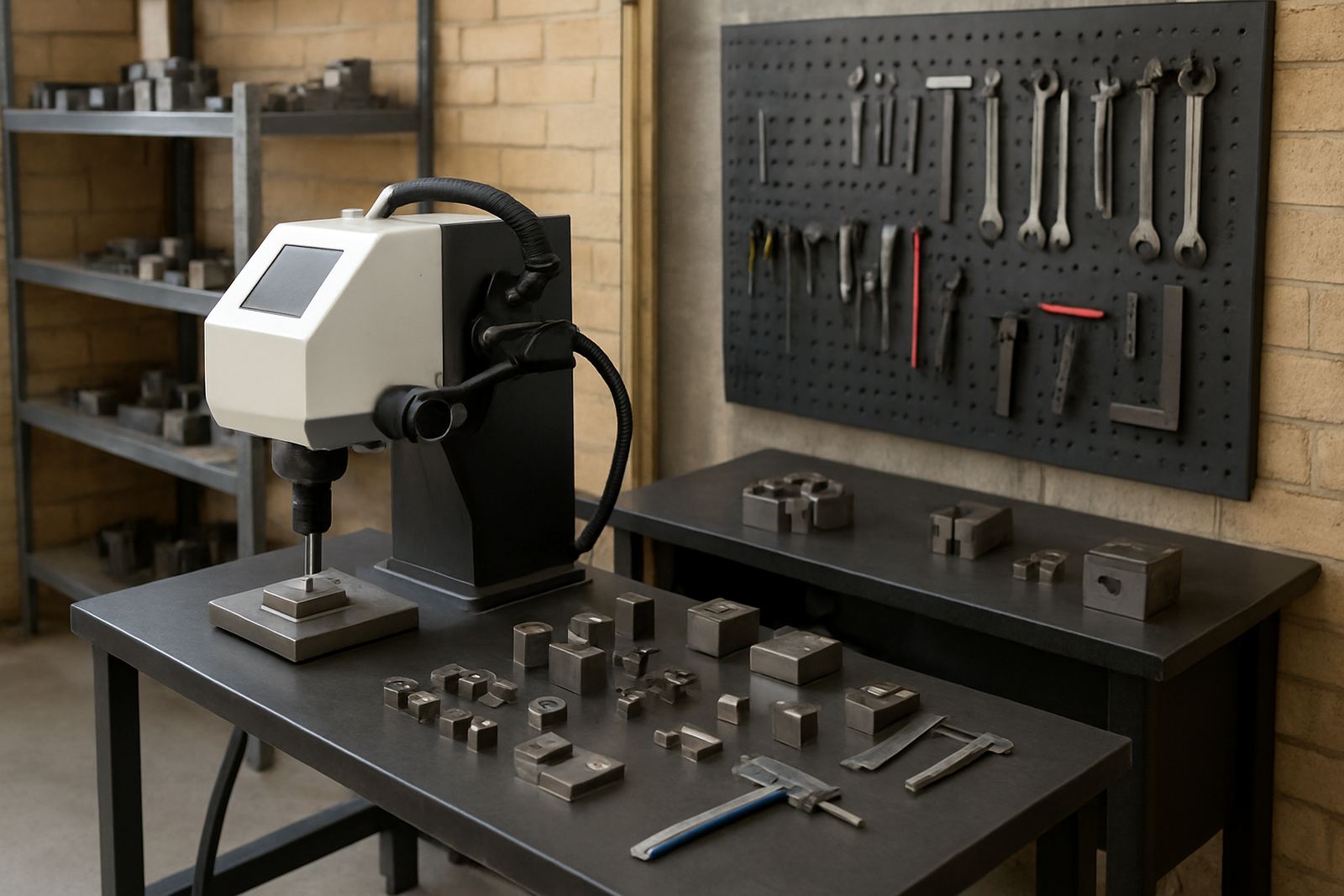
- Small-part setup: suitable for fine repair work, inserts, pins and short sections.
- Mid-size setup: suited to mould and die work, tooling edges and mixed workshop jobs.
- Larger open bay setup: used for bigger fabrications, restoration and parts with limited access.
- Custom fixture plates and locating pins: helpful where repeat positioning is needed.
- Lift, turn or tilt accessories: useful for heavy parts and awkward weld angles.
In practice, we first look at the part, the weld line and the finish required. That tells us whether the job needs a low bench, a raised stand, a rotating fixture or a very open side approach. Some customers only need one-off access for a repair, while others want a repeat setup for ongoing production work.
Where this setup suits best
The Open Access Cell is a good fit for industries that deal with precision metal parts, short-run production and repairs that must be handled carefully. We see it used on mould and die work, stainless components, aluminium repairs, tooling, machine parts and restoration jobs where surface finish matters. It is also useful for manufacturing sites that need a local job-shop partner for overflow work or urgent repairs, especially when a part cannot be sent out for long periods.
For Gauteng customers the open format works well because parts can be delivered, assessed and returned without unnecessary delay. From Pretoria and Centurion through to Midrand, Rosslyn and Jet Park, many jobs arrive with a deadline and limited room for error. The cell gives us the flexibility to handle those jobs properly, even if the part is dirty, uneven or has previous repair work on it. That is often the difference between a rushed patch and a proper rework.
Installation, power and gas requirements
The Open Access Cell is usually installed in a clean workshop area with enough floor space for loading, clamping and inspection. Good lighting is important, as is a stable bench or frame for the fixture system. The floor should be level and free of dust build-up, because fine contamination can affect both the weld area and the finished clean-up. If the cell is used in a shared factory, the surrounding area should allow safe movement of parts and enough access for the operator and inspector.
Power needs depend on the welding equipment and any support items, but most setups require a dedicated supply, correct earthing and protection against voltage dips. In South Africa, load-shedding planning matters, so many shops arrange backup power or schedule critical work around stable supply windows. Gas requirements vary by application and shielding method, and we confirm the correct gas flow, regulator setup and cylinder handling before work starts. If the job involves stainless or aluminium repairs, the shielding and preparation steps must be checked carefully, otherwise the finish can suffer.
- Dedicated electrical supply with correct protection
- Stable benching or fixture frame
- Clear loading and unloading space
- Shielding gas or assist gas as specified for the job
- Good extraction and ventilation where needed
Care, servicing and day to day use
Like any precision welding setup, the Open Access Cell works best when it is kept clean and checked often. Fixtures should be inspected for wear, clamp marks and alignment drift. The work surface must be cleared of swarf, dust and grinding residue before a new part is loaded. On repair jobs, especially those coming in from coastal areas such as Durban, Gqeberha or Cape Town, we look out for corrosion, salt contamination and pitting before welding starts. A quick clean-up at the start can save rework later, no point chasing avoidable defects.
Regular servicing should include cable checks, gas line checks, fixture alignment, lens or viewing component inspection where applicable, and a general review of safety controls. If the cell is used for batch work, it helps to keep a simple job card record showing part number, fixture used, filler or repair method and any special notes. That makes repeat work quicker and helps maintain consistent quality from job to job.
What to confirm before ordering
Before you place an order or send parts in for assessment, it helps to confirm a few practical details. The more accurate the brief, the faster we can set up the correct access, fixture and welding method. This is especially important for thin sections, mixed materials and parts with previous damage where heat control matters. If the drawing is missing, clear photos and measurements are the next best thing.
- Part size, weight and overall shape
- Material type and thickness
- Where the repair or weld line is located
- Whether the job is one-off, prototype or batch work
- Finish requirement after welding, for example grind flush or leave as-welded
- Any heat-sensitive areas, inserts, seals or machined faces nearby
If you are unsure, send the part details first and we will advise on the best access approach. For customers outside Pretoria, our nationwide courier jobs service can handle collection and return, while local clients can use the Centurion Workshop, Pretoria East Support or Midrand Collections points where suitable.
Key facts
| Product | Open Access Cell |
|---|---|
| Primary use | Precision laser welding and repair on awkward or large parts |
| Working format | Open-sided access with custom fixturing |
| Typical applications | Crack repair, edge build-up, mould and die, thin section welding, part restoration |
| Power requirement | Dedicated supply, exact rating confirmed to job and equipment setup |
| Gas requirement | Shielding or assist gas as specified for material and weld method |