What a Toolroom Laser Cell is used for
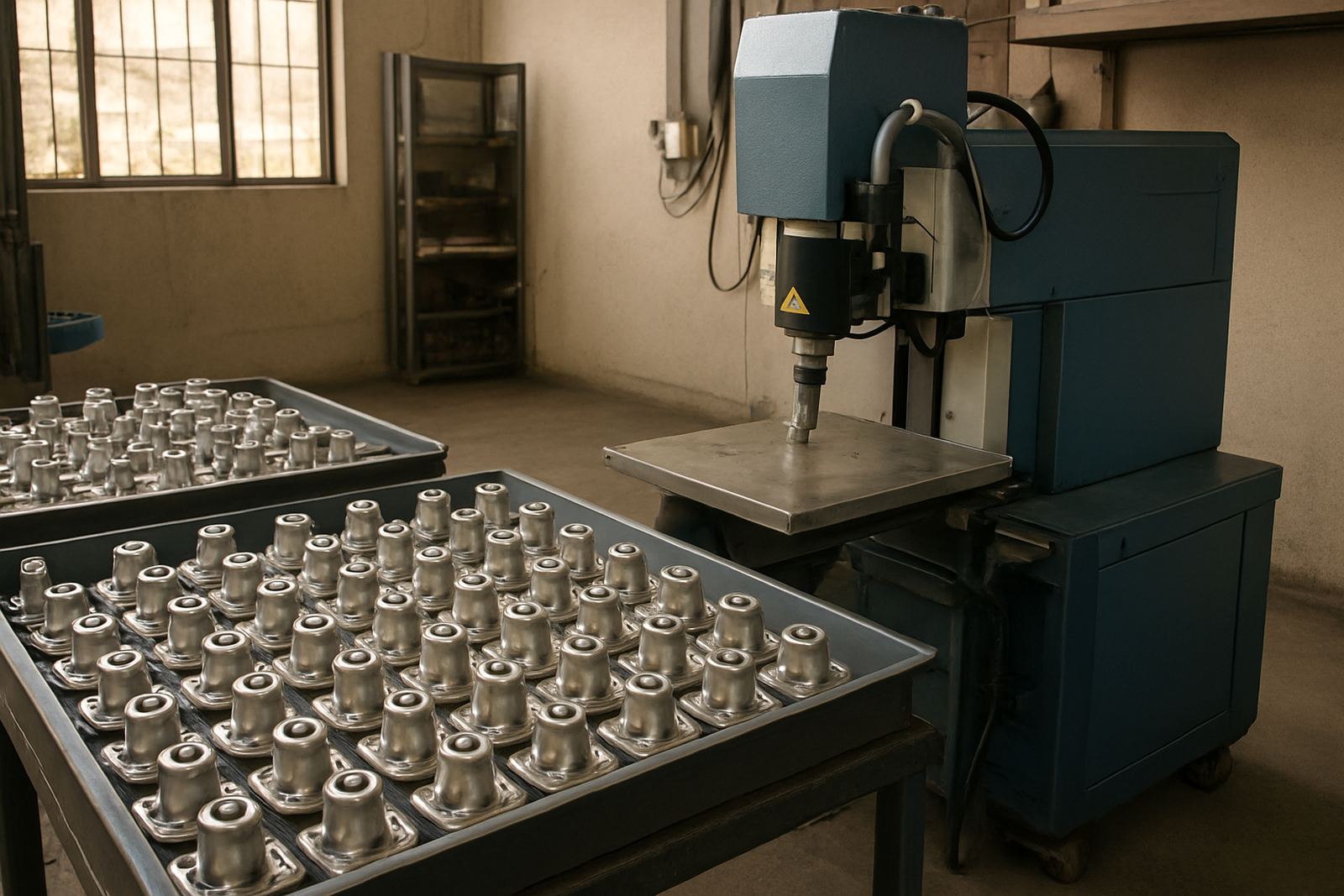
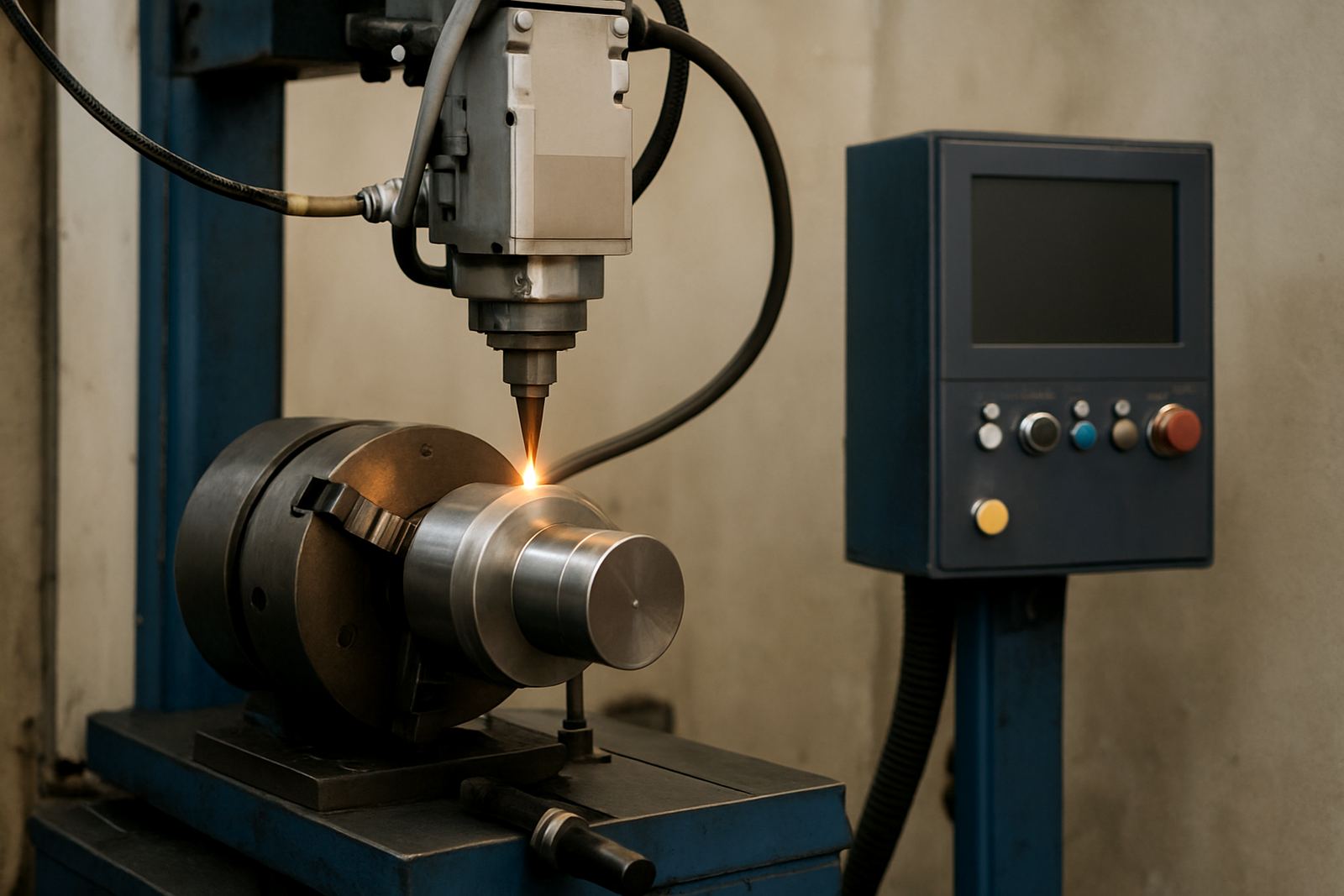
A toolroom laser cell is a workshop-focused laser welding setup built for close work on small and medium parts. It is used where standard repair welding is too coarse or too hot, especially on mould details, dies, jigs, fixtures, shafts, worn edges and thin sections that can distort if overheated. In a busy Gauteng maintenance department, that means less downtime and fewer parts written off because the repair area is too localised or the heat affected zone is too wide.
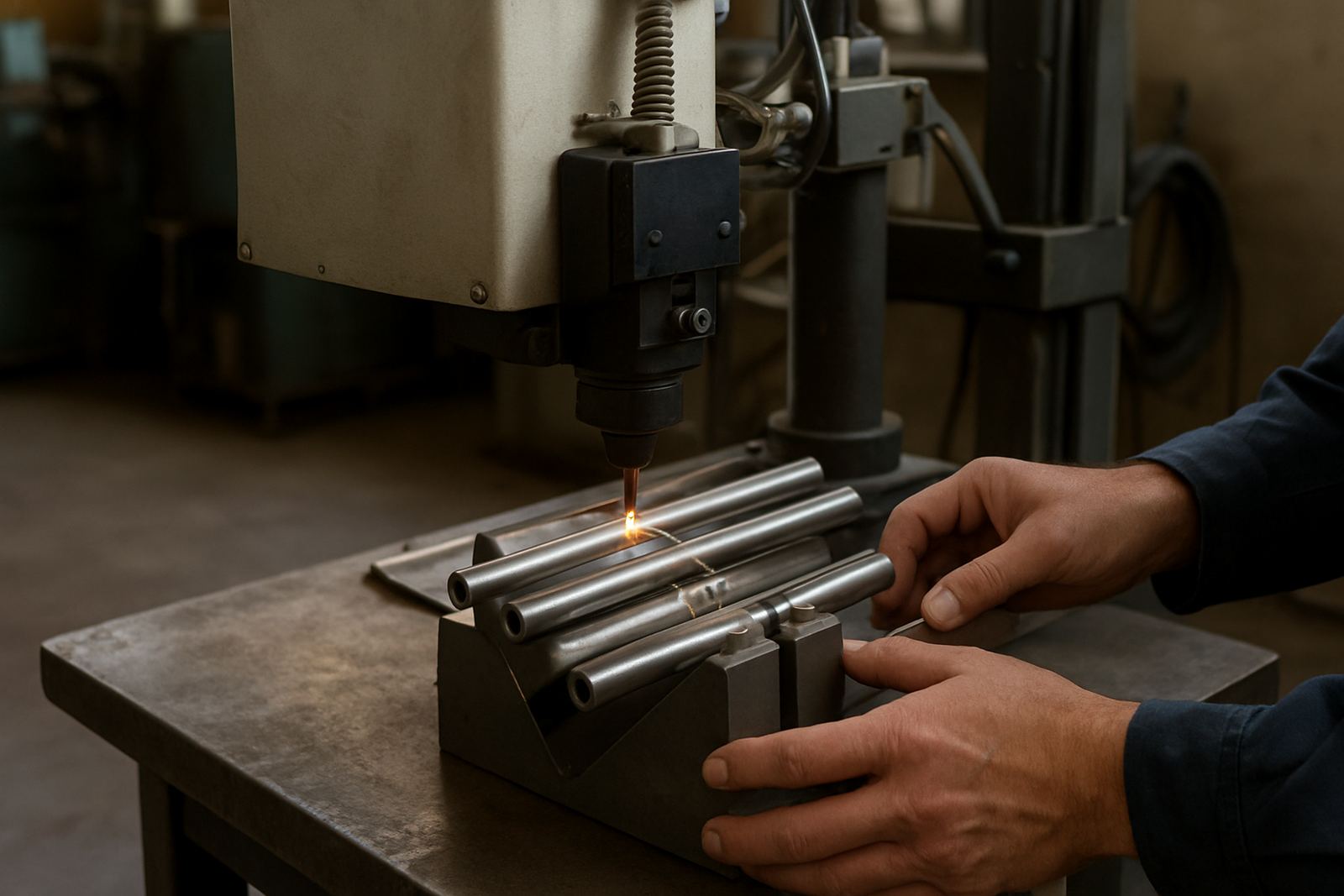
The cell is not a general fabrication booth. It is set up for precision hand guided welding, local build-up and controlled repair work on parts that need accurate finishing afterwards. That makes it suitable for toolrooms in Pretoria, Centurion, Midrand, Rosslyn, Jet Park and other industrial areas where teams need a practical repair station for day-to-day breakdowns and planned maintenance.
Typical sizes and layout options
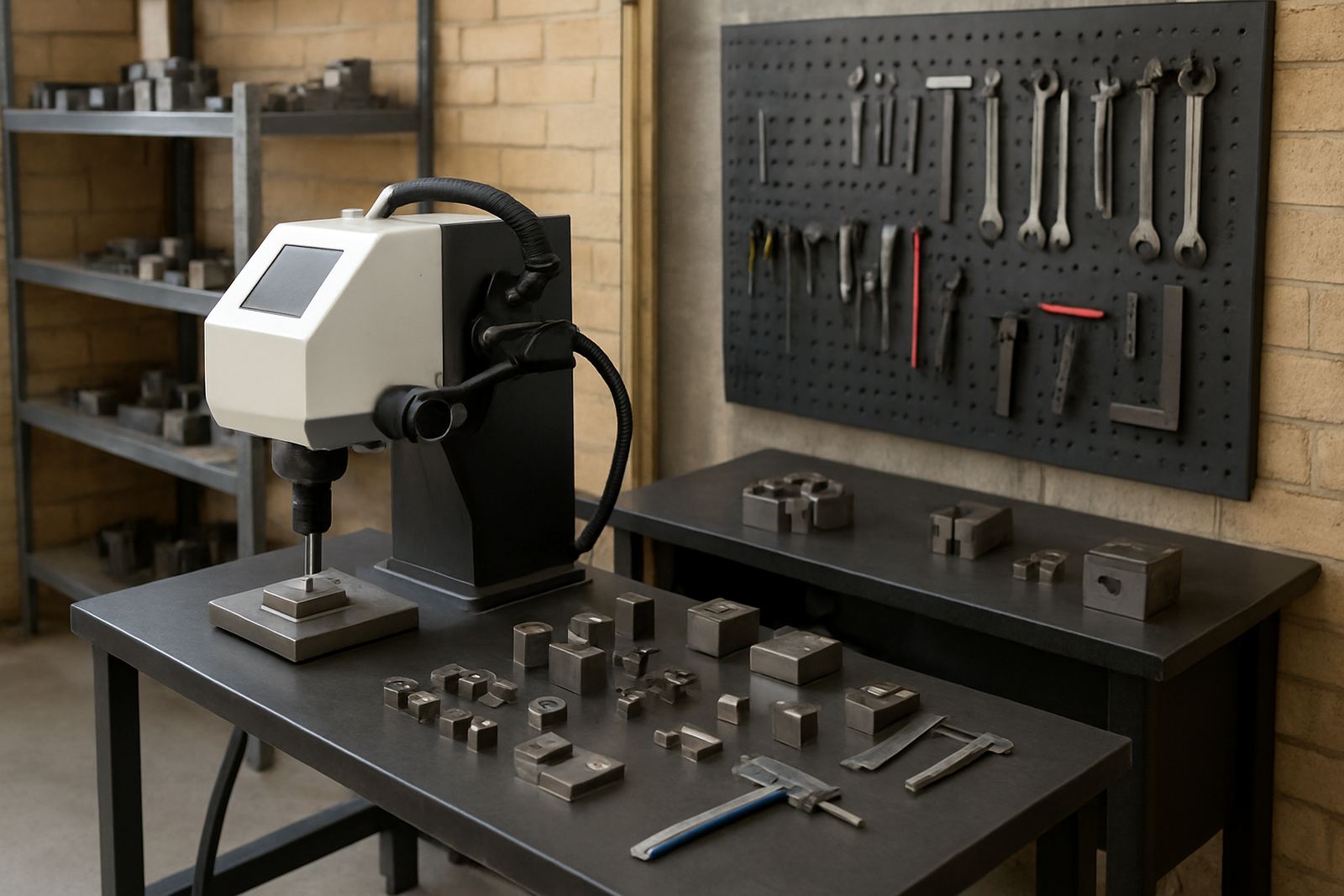
Toolroom laser cells are normally specified around the parts being handled, the amount of bench space available and how often the cell will be used. Some workshops need a compact single operator station for one-off repairs. Others need a larger layout with space for part preparation, inspection, clamps and post-weld finishing. For job-shop style work, a cell can be arranged so one technician works while another is cleaning, masking or measuring the next part.
- Compact cell for small tools, inserts and fine repairs
- Standard cell for mixed maintenance work and tooling support
- Larger cell with extra working area for repeat jobs and batch repairs
- Bench-mounted setup for restricted rooms or tight access areas
- Floor-standing setup for heavier components and more frequent use
Lighting, extraction and part handling matter as much as the machine itself. A cramped room with poor access slows everything down, and if parts must be moved through multiple areas the risk of damage goes up. In humid coastal conditions, enclosed storage for consumables and cleaned parts is also worth planning from the start.
Where it suits best in South African workshops
This type of cell suits maintenance departments, press tool rooms, moulding facilities, engineering workshops and plants that carry their own repair backlog. It is useful where replacement lead times are long or where a part has to be recovered quickly to keep production moving. It also works well for prototype support, short runs and repeat parts that need the same repair method each time.
It is especially practical when the shop handles stainless, tool steel, mild steel and selected aluminium repairs. Common uses include worn edges, chipped corners, cracked features, local build-up before re-machining, thin wall repairs and joining small sections on complex components. For plants dealing with load-shedding, the value is not just the weld quality but the ability to keep critical tooling available without waiting on outside schedules.
- Toolrooms and die shops
- Mould maintenance areas
- Production support workshops
- Engineering and repair departments
- Short-run job shops needing precise local welding
Power, gas and installation needs
Before ordering a toolroom laser cell, check what power is available at the site and whether the supply is stable enough for the intended duty cycle. Some sites will need dedicated single or three phase supply, proper earthing and protection against voltage swings. In areas where outages are common, backup power planning should include the full cell, extraction and any cooling system that must keep running after the arc stops.
Shielding gas requirements should match the material range and the repair standard expected by the workshop. The gas line must be clean, dry and sized for the actual flow needed. If the site is near the coast, extra care is needed to keep moisture out of lines and storage. Installation should also allow for extraction, fire safety clearance, secure part clamping and a clear path for moving components in and out of the cell.
- Confirm electrical supply and breaker capacity
- Check space for extraction and safe operator movement
- Plan gas supply, regulators and dry storage
- Allow room for cooling equipment if required
- Provide a stable bench or floor base for accurate work
Care, servicing and daily workshop discipline
A laser cell gives good results only when it is kept clean and set up properly. Lenses, nozzles, guards and the working area should be checked daily, especially in a toolroom where grinding dust and fine swarf can settle on surfaces. Operators should keep the beam path, clamps and viewing areas free of debris. Cables, hoses and connectors need regular inspection so small faults are caught before they become downtime.
Scheduled servicing should include alignment checks, cooling checks, gas leak checks and confirmation that the cell still holds its repeatable settings. If the unit is moved between bays or shared across shifts, a short handover checklist helps keep quality consistent. In plants with long hours and shift work, small care routines prevent expensive rework and protect the part being repaired.
What to check when ordering a cell
Ordering the right setup starts with the parts, not the machine. Measure the largest component you expect to repair, the smallest feature you need to touch and the material types that come through the door most often. If the cell will handle mould details, die corners or delicate stainless parts, ask for the working range and access angles to match those jobs. If your team does batch work, check whether the layout supports repeat clamping and fast part changeover.
It also helps to confirm who will use the cell and what level of training they already have. A workshop with an experienced operator may want a different arrangement to a maintenance team that needs a simpler, faster workflow. Ask about power draw, gas use, extractor needs, service access and the availability of spare consumables. The aim is to buy a setup that fits the workshop for years, not a unit that looks right on paper but becomes awkward in daily use.
- Largest and smallest parts to be welded
- Main materials and thickness range
- Type of repairs, build-up or joining needed
- Available floor space and access routes
- Power supply, gas supply and extraction provisions
- Operator skill level and expected daily output
How job-shop support helps busy maintenance teams
Not every plant needs a full-time in-house laser station. Some sites prefer to send selected work to a specialist workshop and keep only the most urgent repairs local. That is where a job-shop approach helps, especially when the work volume changes month by month. Parts can be collected from Centurion, Pretoria East, Midrand or Jet Park, then returned once repaired and checked.
For teams that need quick turnaround and clear communication, the support side matters just as much as the weld. A good setup should make it easy to describe the fault, confirm the material, agree the finish requirement and decide whether the part can be repaired or must be replaced. When the process is clear, maintenance managers can plan better and keep production moving with less guesswork.
Key facts
| Application | Workshop laser welding for maintenance, tooling and precision repairs |
|---|---|
| Part size range | Compact to medium components, depending on cell layout and access |
| Material range | Tool steel, stainless steel, mild steel and selected aluminium repairs |
| Typical work | Crack repair, edge build-up, thin section welding, part restoration |
| Utilities | Electrical supply, shielding gas, extraction and stable work surface |
| Service model | On-site support, workshop collection or nationwide courier jobs |