Built for repeat runs and shorter turnaround times
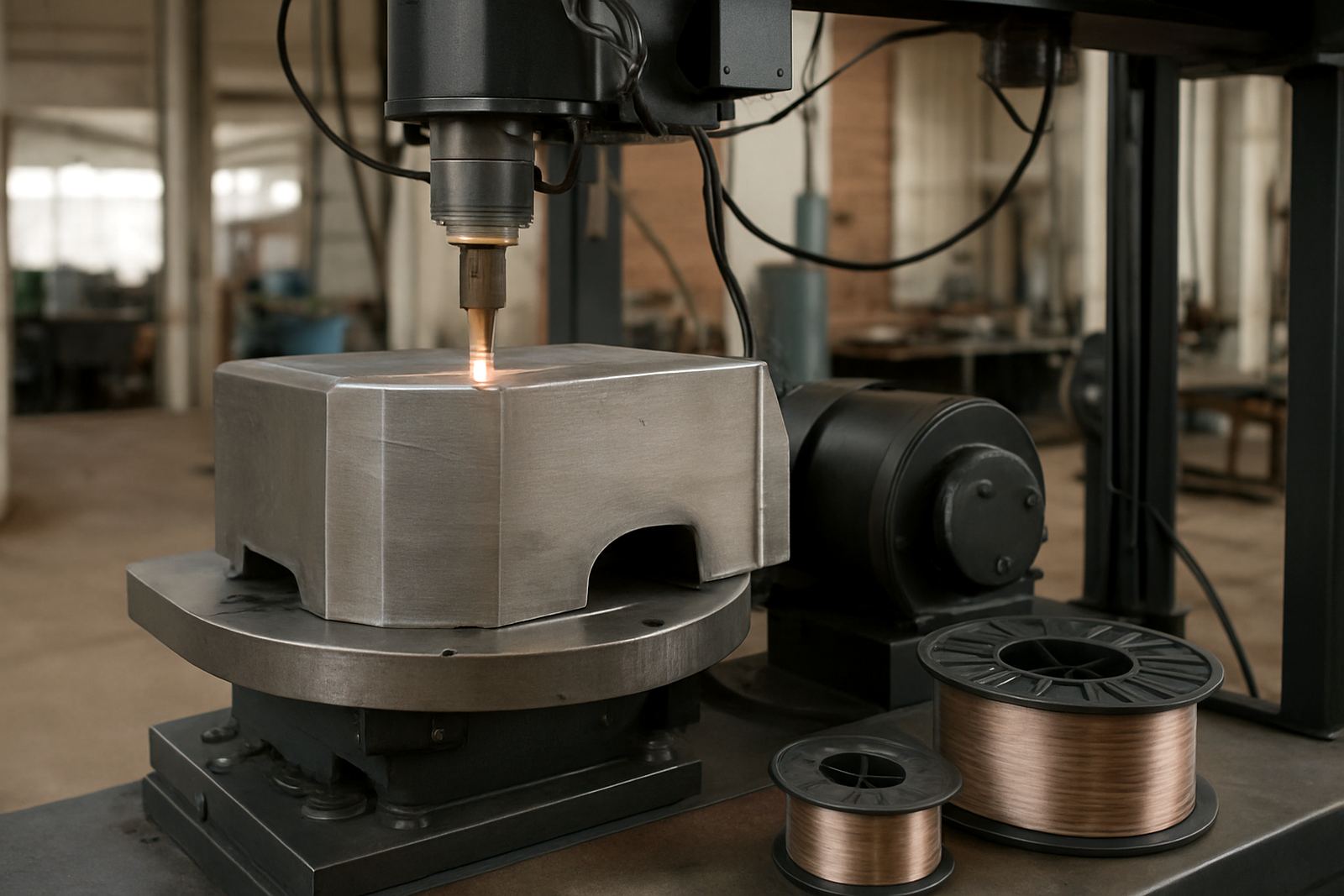
The batch production cell is used when the same part or a close family of parts must be welded many times with the same finish and fit. The layout keeps the work close to the operator, with dedicated part presentation, repeatable clamping and quick changeover between jobs. That matters when you have 20 parts in a morning or a few hundred over a week and cannot afford to keep resetting the whole workstation.
We use the cell for precision parts that need a clean weld bead, limited heat input and minimal distortion. In practice that makes it suitable for repaired components, small assemblies, thin sections and mixed metal work where the detail matters more than brute force. The setup is practical for the South African shop floor because it handles load-shedding interruptions better than many high-draw processes and it can be managed with a focused power backup plan.
Typical sizes, fixtures and output options
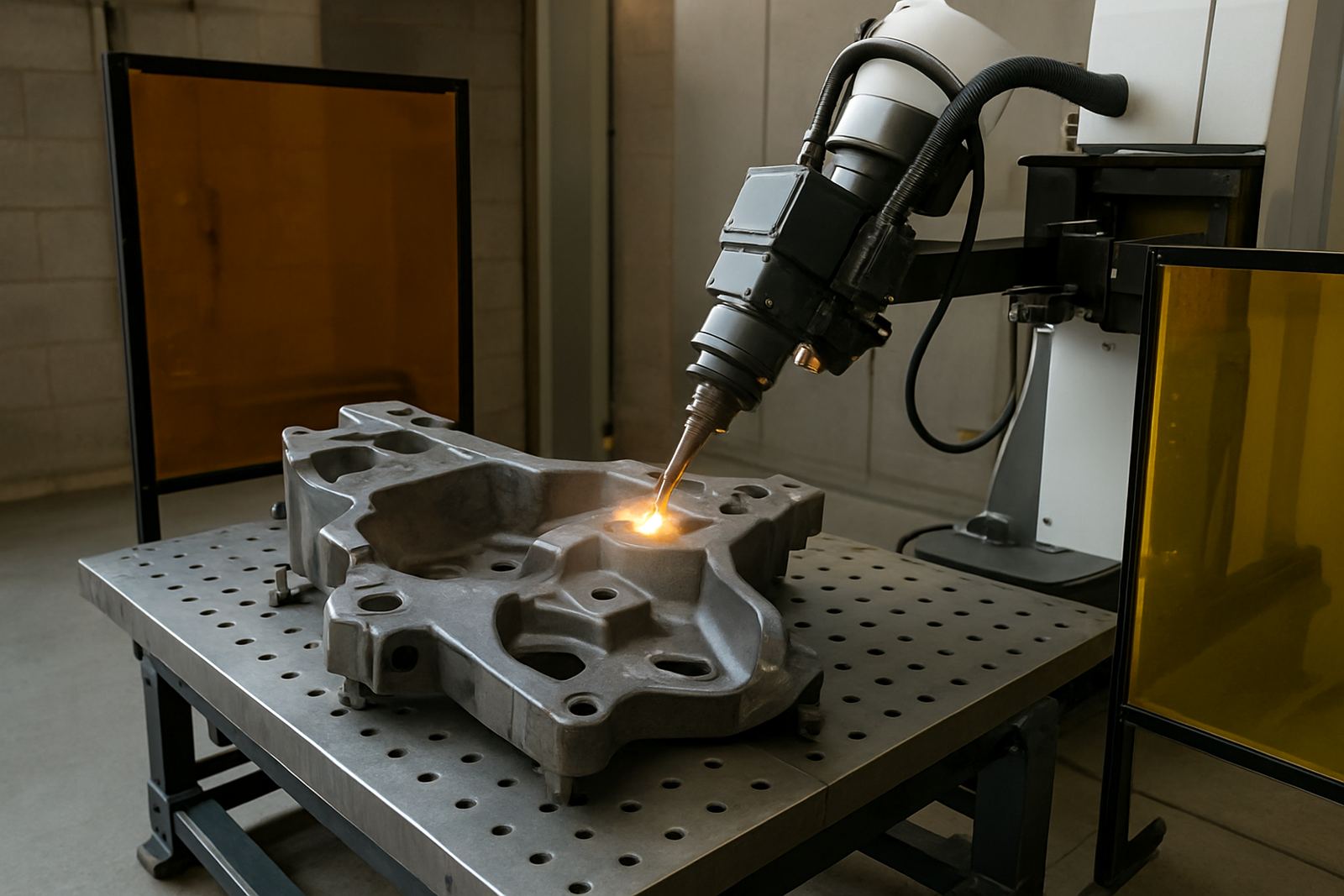
The cell is specified around the part rather than forcing the part to fit a fixed machine. Standard fixture beds are usually set up for small parts through to mid-size assemblies, with working envelopes commonly in the 300 mm to 1000 mm range depending on the job. For larger production pieces, the table and handling arrangement can be adjusted so the operator still keeps a comfortable reach and clear sightline.
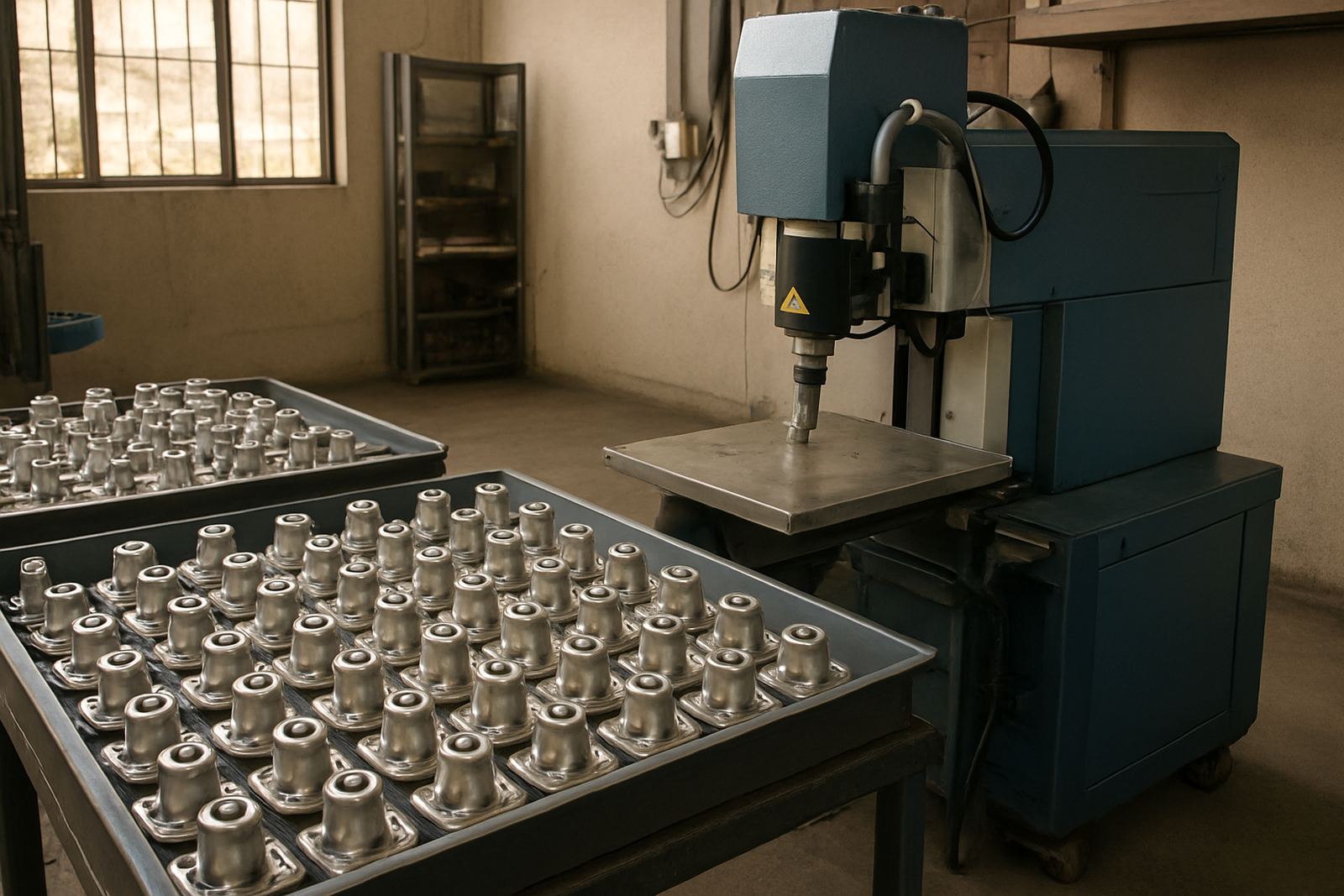
- Small parts tray setups for repeated component runs
- Dedicated jigs for alignment and gap control
- Rotary or indexed positioning for round and multi-face parts
- Clamp plates for thin sections that need low distortion
- Batch handling bins for in-feed and out-feed control
Output depends on part complexity, edge prep and inspection requirements. A simple repetitive run can move much faster than one-off repair work, while parts with close tolerances or cosmetic requirements will need slower handling and more checking. We always balance speed with accuracy so the batch doesnt drift as the run goes on.
Where this cell suits best
The batch production cell is a good fit for manufacturers and workshops that need consistent repairs or joining on a regular basis. It suits general engineering, tooling support, light fabrication, agricultural parts, pump and valve components, mould and die repair support, and specialist part restoration. Where a customer has recurring orders, the cell helps reduce setup time and keeps the process steady from the first part to the last.
- Repeating production parts with the same geometry
- Repair cycles for worn edges, cracked sections and damaged faces
- Prototype-to-batch transition work after an approved sample
- Short runs for subcontract manufacturing
- Parts needing clean welds with limited rework
For Gauteng clients, the cell is especially useful when a production line cannot be stopped for long. Collections from Midrand, Rosslyn, Jet Park and Pretoria East are common, while couriered jobs from other provinces can be slotted into the same queue once the part specs are confirmed.
Installation needs, power and gas supply
The cell does not need a huge footprint, but it does need a tidy, level area with safe access for loading, unloading and inspection. A clear work zone of roughly 12 to 20 square metres is usually enough for a compact cell, while busier batch work may need more space for staging. Good lighting helps with part alignment and final checking, especially on fine welds and polished finishes.
Power requirements depend on the exact welding set-up and support equipment. As a guide, allow for stable single-phase or three-phase supply depending on the job mix, with sufficient capacity for ventilation, extraction and any cooling support. Gas supply is job specific, but shielding gas and clean, dry lines are important for consistent weld quality. In coastal humidity conditions the gas and consumables need proper storage so moisture does not affect results.
We also recommend planning for extraction, noise control and safe fume management. If the cell will sit inside an active workshop, keep the traffic flow simple so operators are not carrying parts across machine paths or cluttered walkways.
Care, servicing and quality control on the line
A batch cell performs best when fixtures stay clean and repeatable. Check clamps, locating pins and seating faces at the start of each run, then again after any interruption or changeover. Dust, scale and fine swarf can shift a part by just enough to affect fit-up. That small movement leads to extra dressing later, so routine cleaning saves time.
- Inspect fixtures and replace worn contact points early
- Keep lenses, nozzles and shielding parts clean
- Record setup values for repeat jobs
- Check weld appearance and dimensions at set intervals
- Service extraction, gas lines and cooling equipment regularly
We also advise keeping sample parts from approved runs. That makes it easier to compare later batches and spot drift before a full production order is affected. In a busy shop, one missed setup step can hold up the whole shift, so a simple checklist is worth its weight in Rand.
What to confirm before you order a batch cell
Before placing a batch order, confirm the part material, wall thickness, size range and the number of pieces expected per run. It also helps to note whether the parts are new manufacture, repair work or mixed repeat orders. If the job has cosmetic requirements, say so upfront because that changes the finish and the amount of post-weld cleanup.
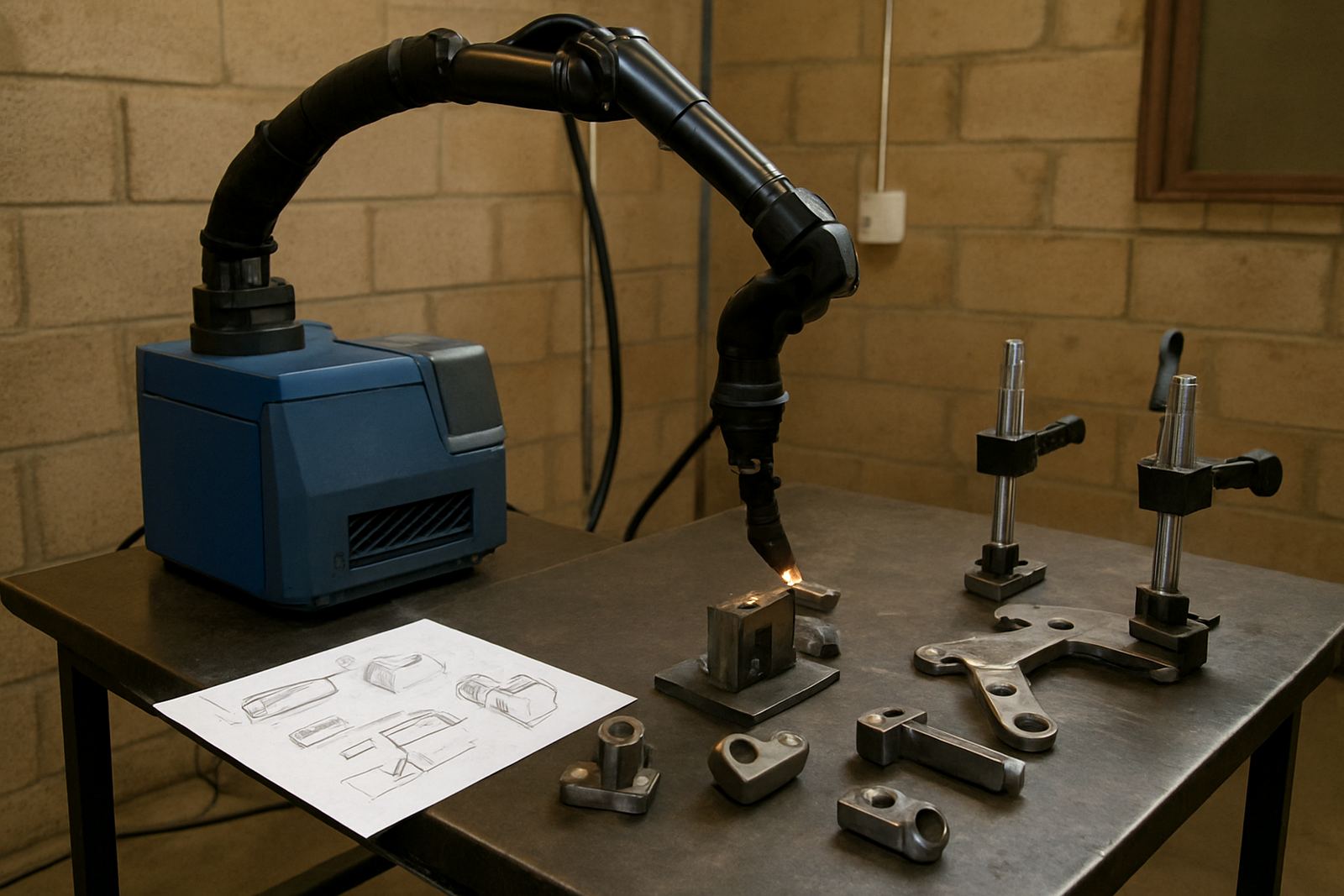
Send through any samples, sketches, photos or measurements you already have. The most useful details are edge condition, gap size, access around the weld area and whether the part needs to stay flat after welding. If the batch includes stainless, aluminium or mixed material parts, tell us where heat sensitivity is a concern so the process can be set correctly from the start.
For customers in Centurion and Pretoria we can coordinate collection, while nationwide courier jobs can be booked once the packing and part identification are agreed. Clear labelling on each batch saves time at receiving and keeps parts from being mixed up during return.