

How To Choose The Right Laser Welding Service
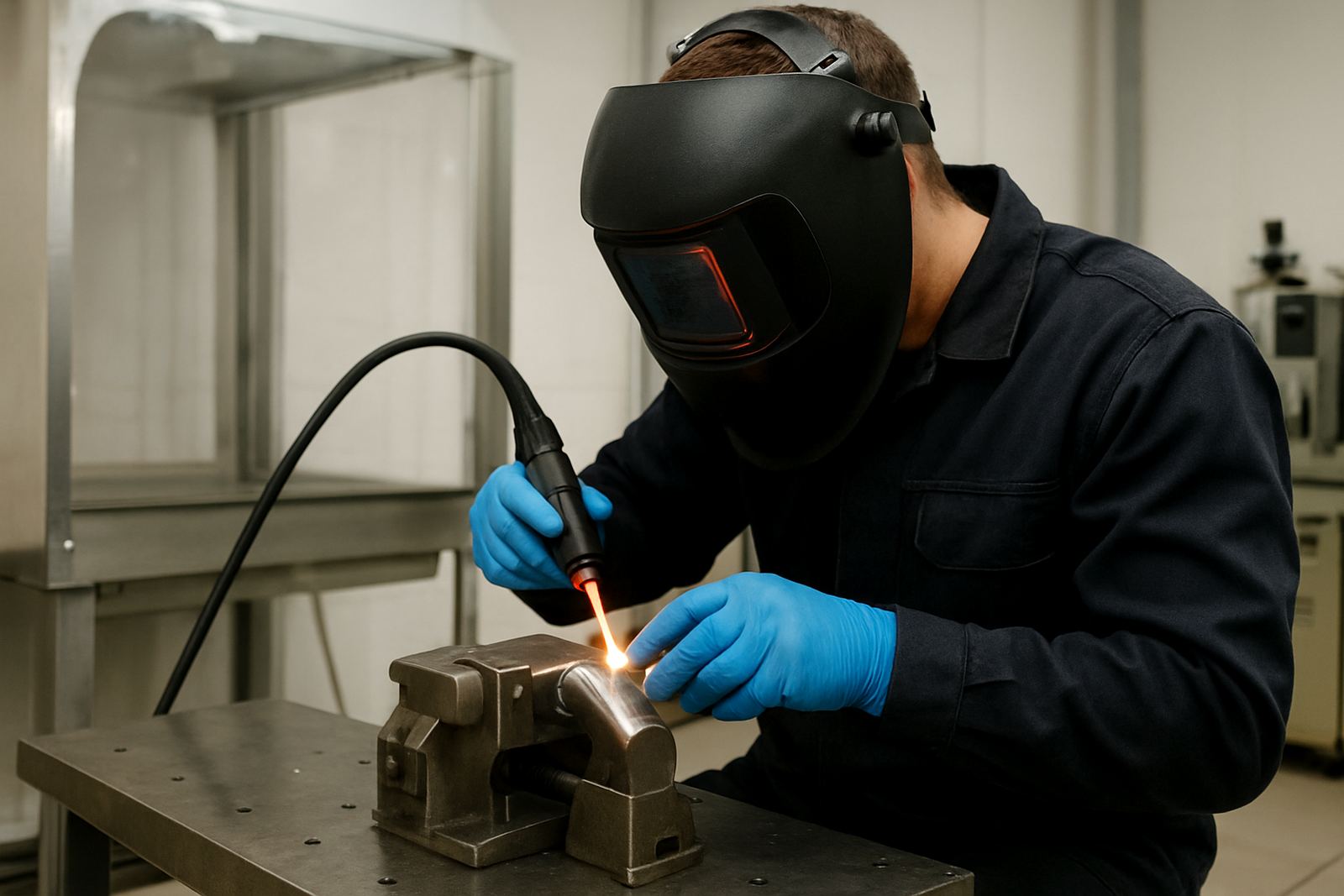
Laser welding is used where heat must be controlled and the finished part must stay accurate. If you are repairing a thin stainless fitting, a worn mould detail, or a cracked aluminium component, the right method depends on wall thickness, access, surface condition and how much post-work machining is allowed.
For clients in Pretoria, Centurion, Midrand, Rosslyn and Jet Park, we help determine whether the job needs local workshop handling or courier collection from elsewhere in South Africa. If a part is rare, costly or linked to a production line, the aim is usually to repair it with minimal distortion and as little downtime as possible.
- Small precision parts with tight tolerances
- Cracks near edges, holes, threads or corners
- Worn areas that need build up before machining
- Components that must keep a clean finish
- Jobs that need batch handling and repeatability
Precision Repairs For High-Value Components
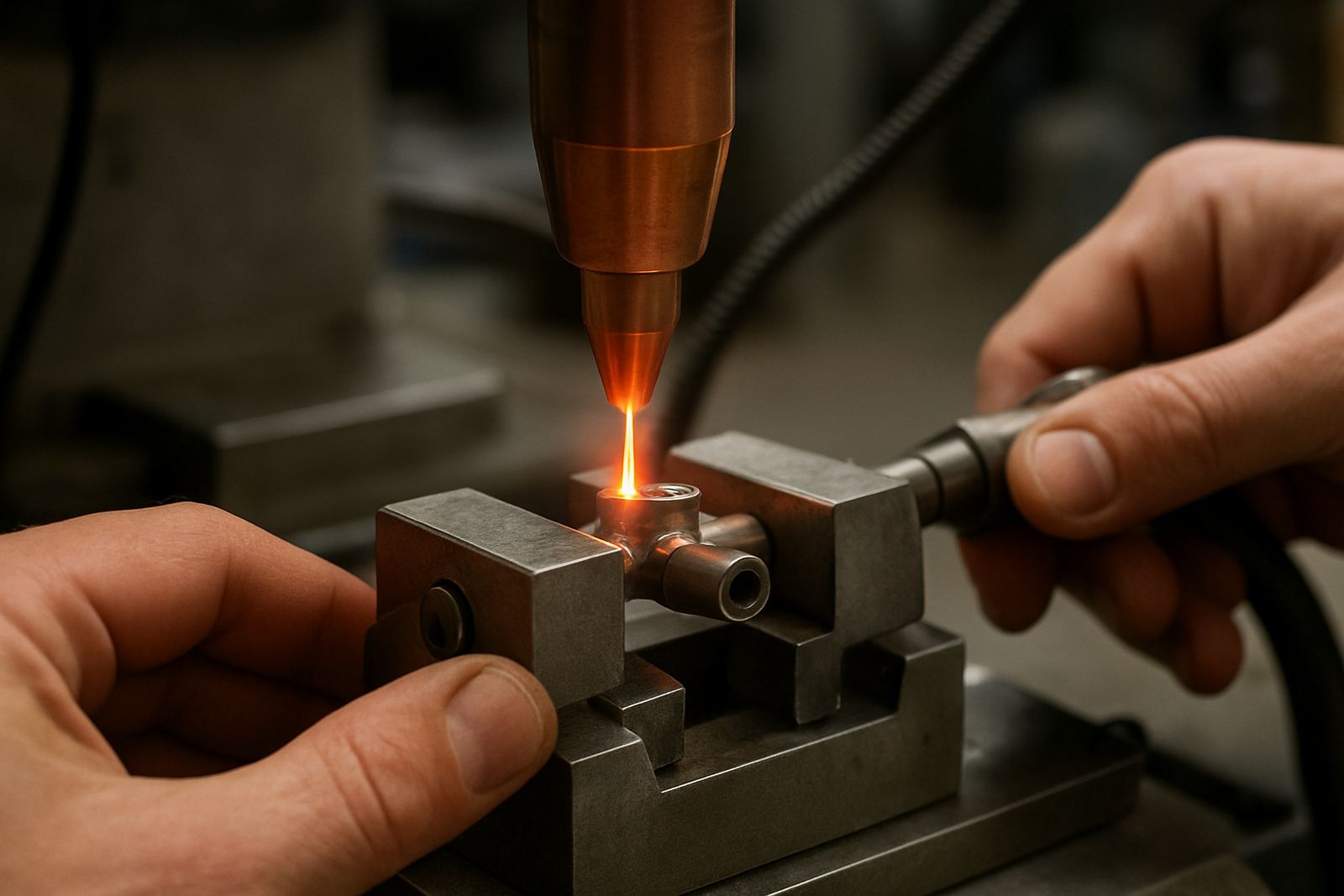
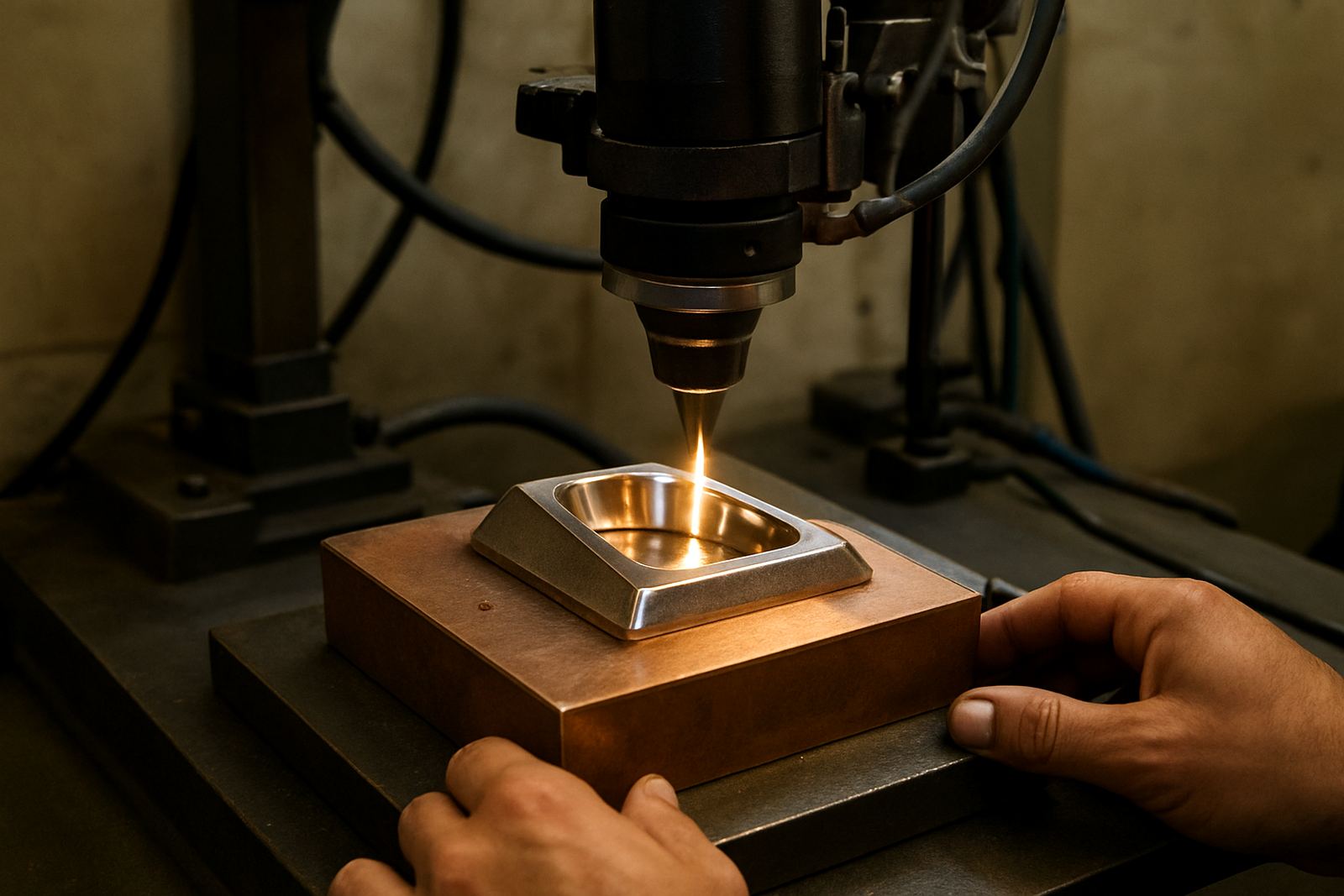
Precision laser welding is suited to parts where accuracy matters more than heavy deposit. It allows controlled work on small sections without putting unnecessary heat into the rest of the component. That makes it useful for toolroom items, fine assemblies and parts that would be expensive to replace.
We repair components that have worn, chipped, cracked or been damaged during handling and use. In many cases the part can be returned to service after welding and light finishing, which helps reduce replacement costs and short lead times. For coastal clients, this is also useful where humidity and corrosion have affected small metal parts.
- Fine joining of small metal sections
- Repair of localised damage and wear
- Recovery of parts with limited spare availability
- Controlled work on finished surfaces
Crack Repair, Edge Build Up And Part Restoration
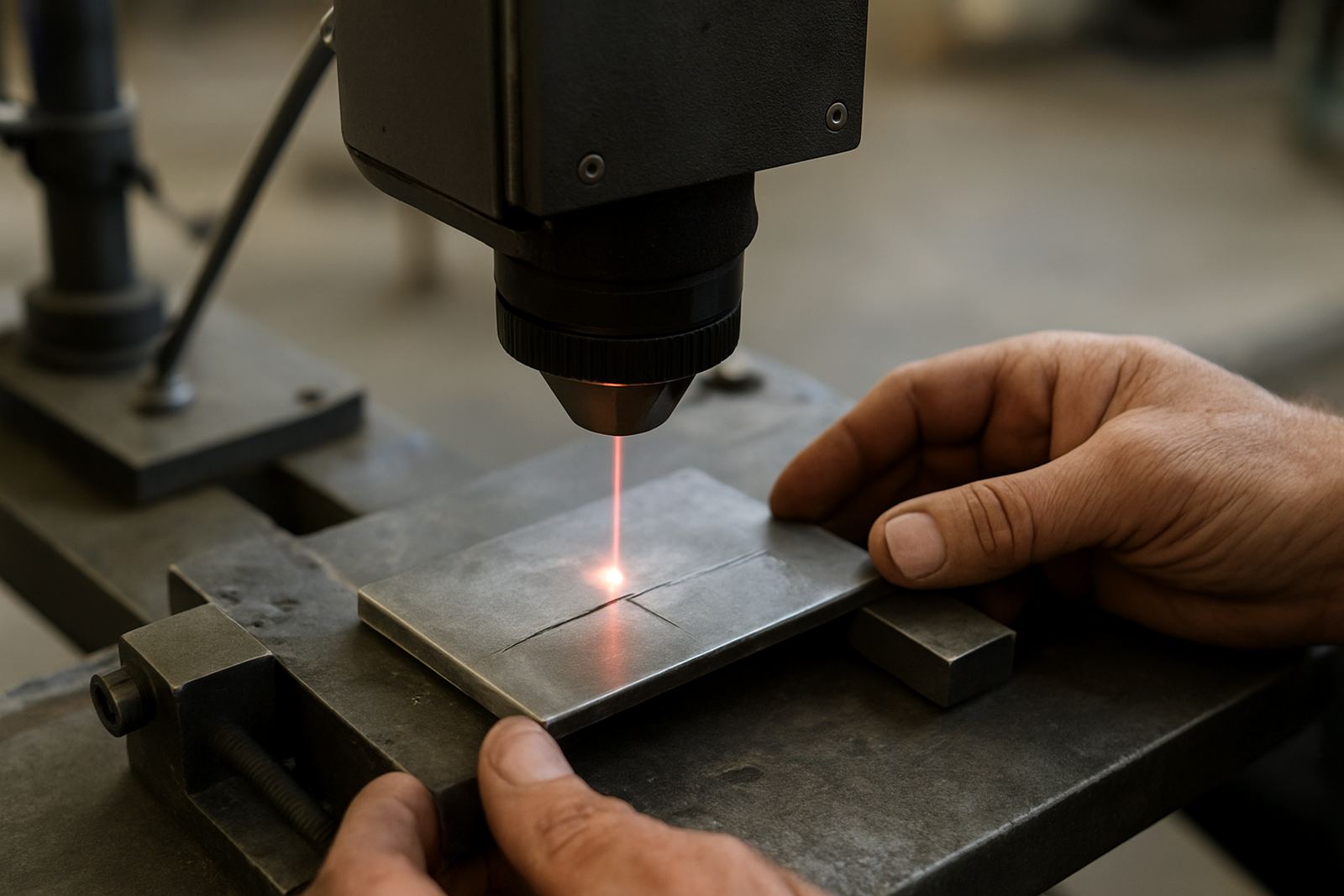
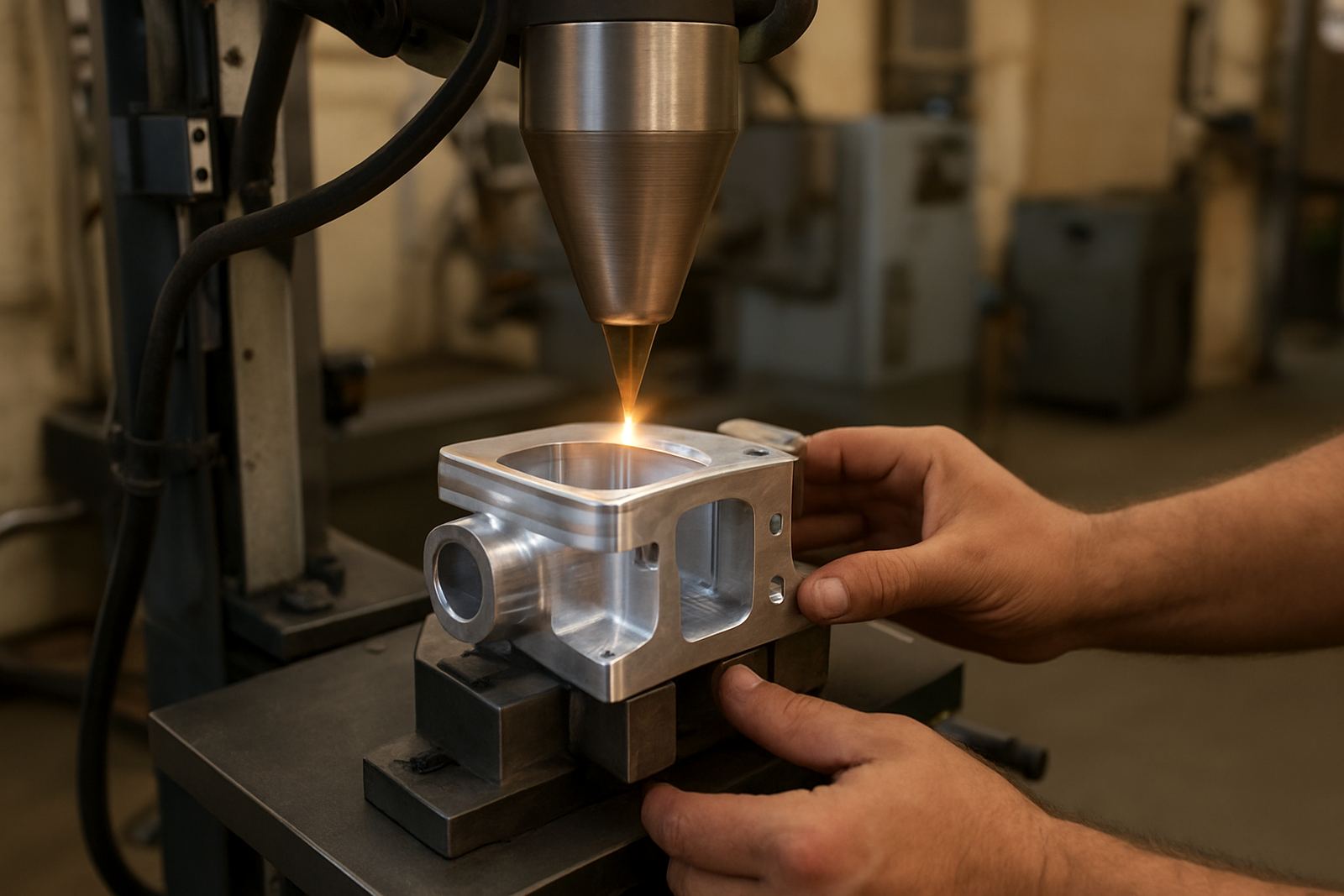
Cracks often start small but spread if the component is left in service. Our crack repair work focuses on stopping the damage, rebuilding the affected area and preparing the part for any final machining or fitting. Edge build up is useful where material has been lost through wear, grinding, impact or repeated use.
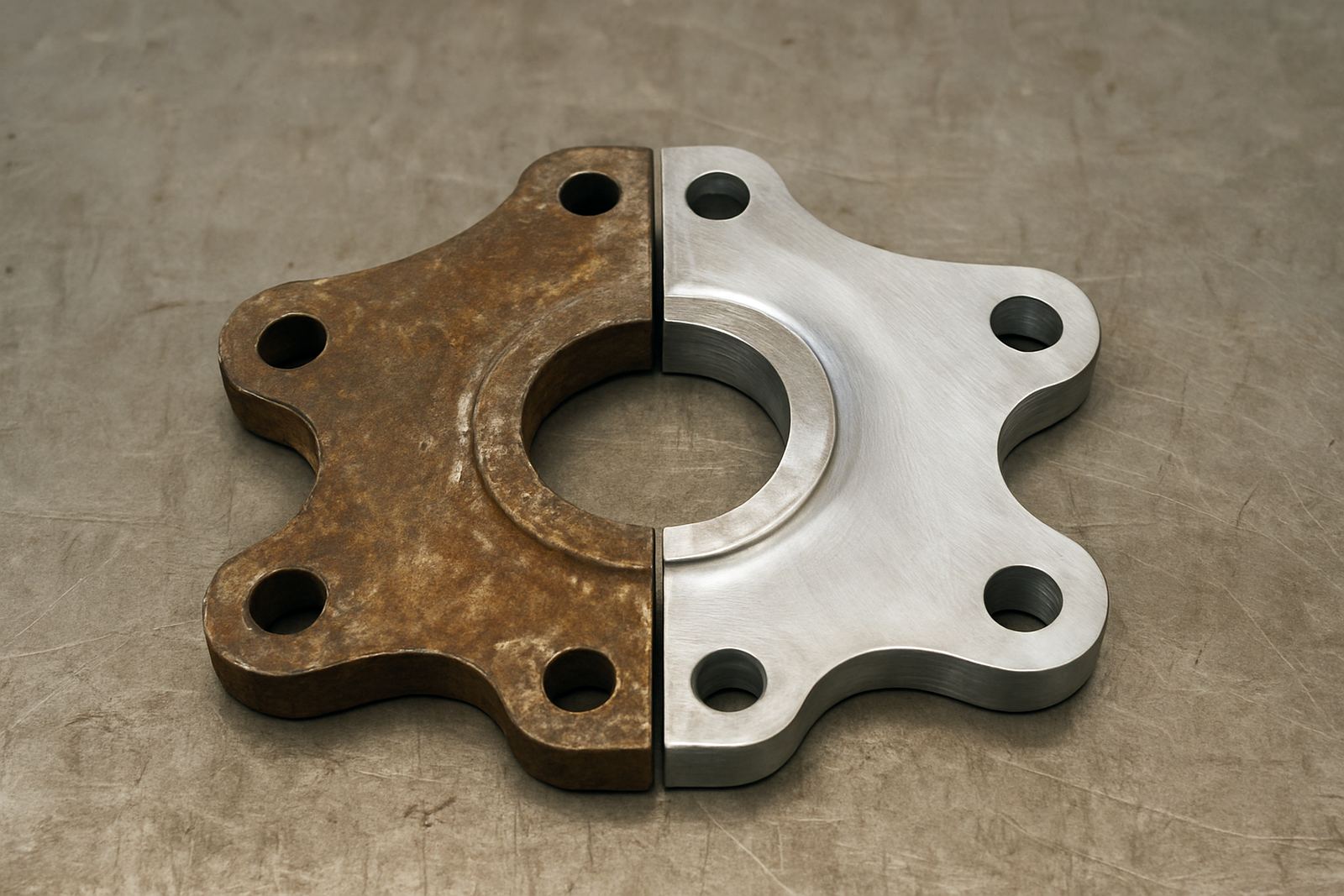
Part restoration is common on older equipment and production items that are still sound, but need local repair to keep operating. This can include corners, mounting points, sealing edges and worn contact surfaces. We assess the visible damage and the area around it before welding, because hidden fatigue or previous repair work can affect the result.
- Crack arrest and repair
- Edge build up for machining allowance
- Restoration of worn contact faces
- Repair of damaged mounting or locating areas
Mould, Die And Prototype Welding
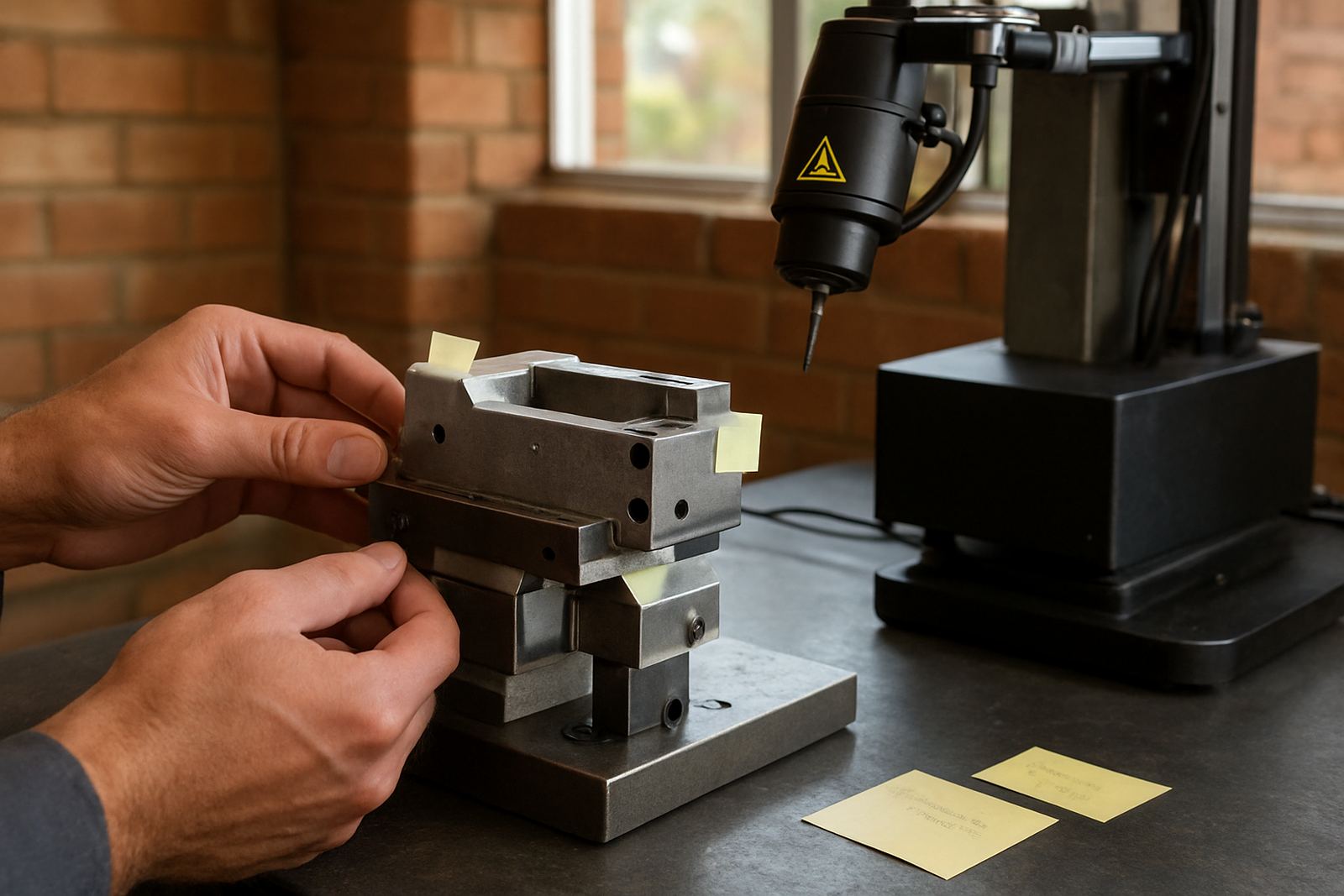
Mould and die work needs close control because the repaired section often affects fit, finish and repeat use. We handle repairs on tooling areas, fine features and local wear points where accuracy is needed for the next production run. In many cases the objective is to restore function without changing the working dimensions more than necessary.
Prototype joining is also part of our service range. When a new component is being developed, adjustments are often needed after testing or first-off inspection. Laser welding is useful here because it allows careful joining and rework without committing to a large repair method. That helps when the part is still being refined and time is tight.
- Mould detail repairs
- Die edge and feature restoration
- Prototype joining and modification
- Small-run rework for development parts
Stainless, Aluminium And Thin Section Work
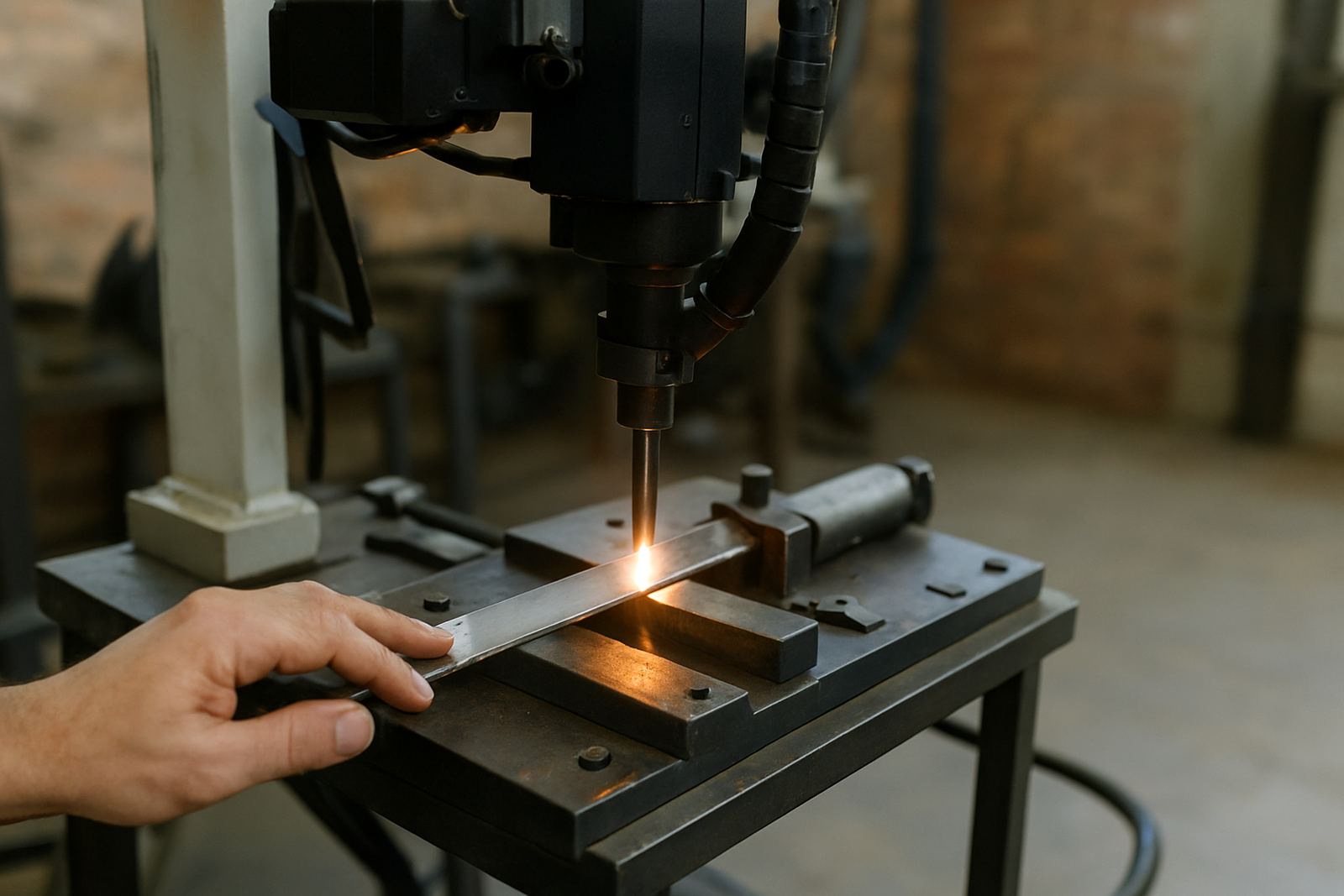
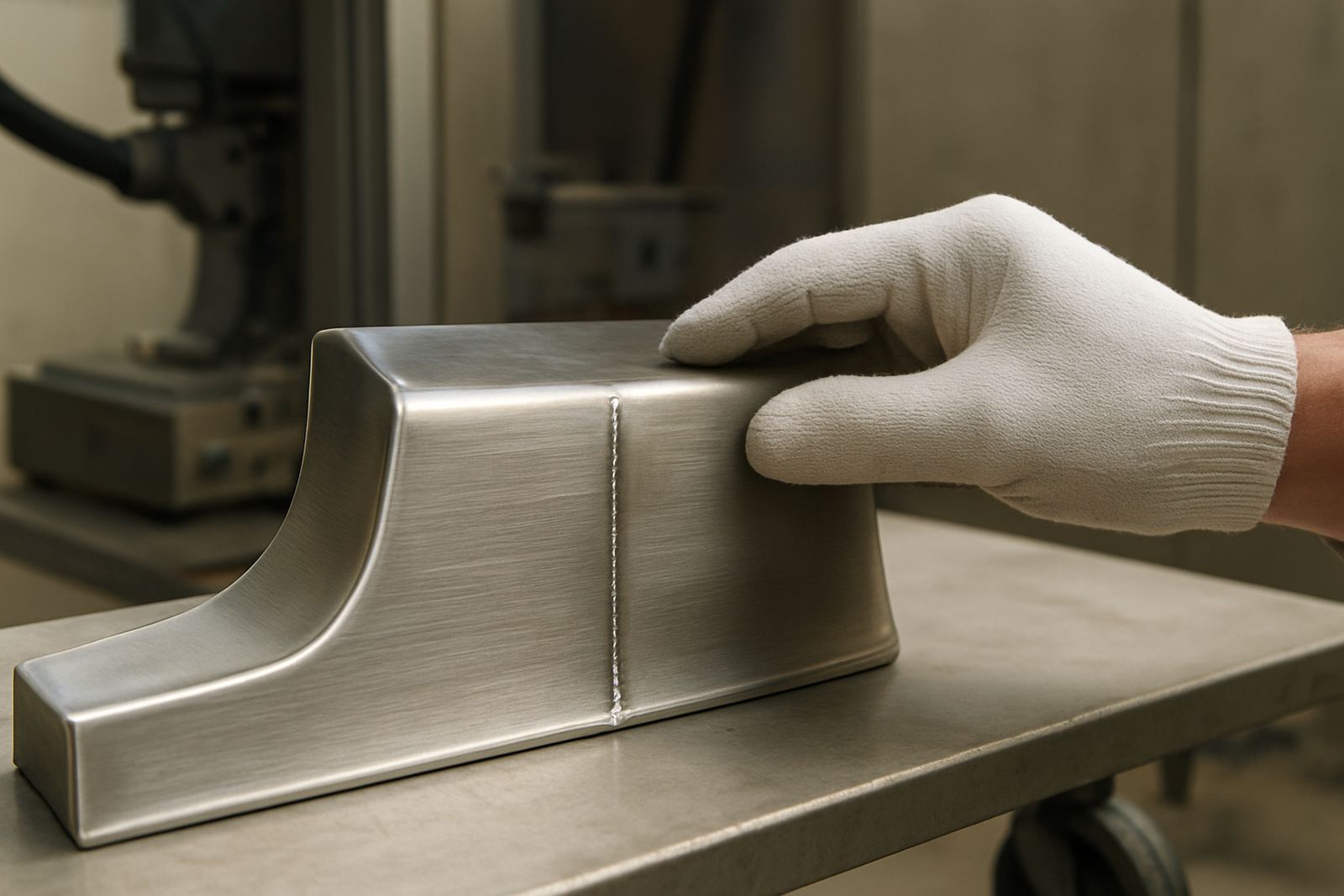
Different alloys respond differently to heat, so the work method must suit the material. Stainless repairs often need a clean finish and careful control around exposed surfaces. Aluminium repairs can be more demanding because the material conducts heat quickly and can show distortion if handled badly. Thin section welding needs steady control to avoid burning through or pulling the part out of shape.
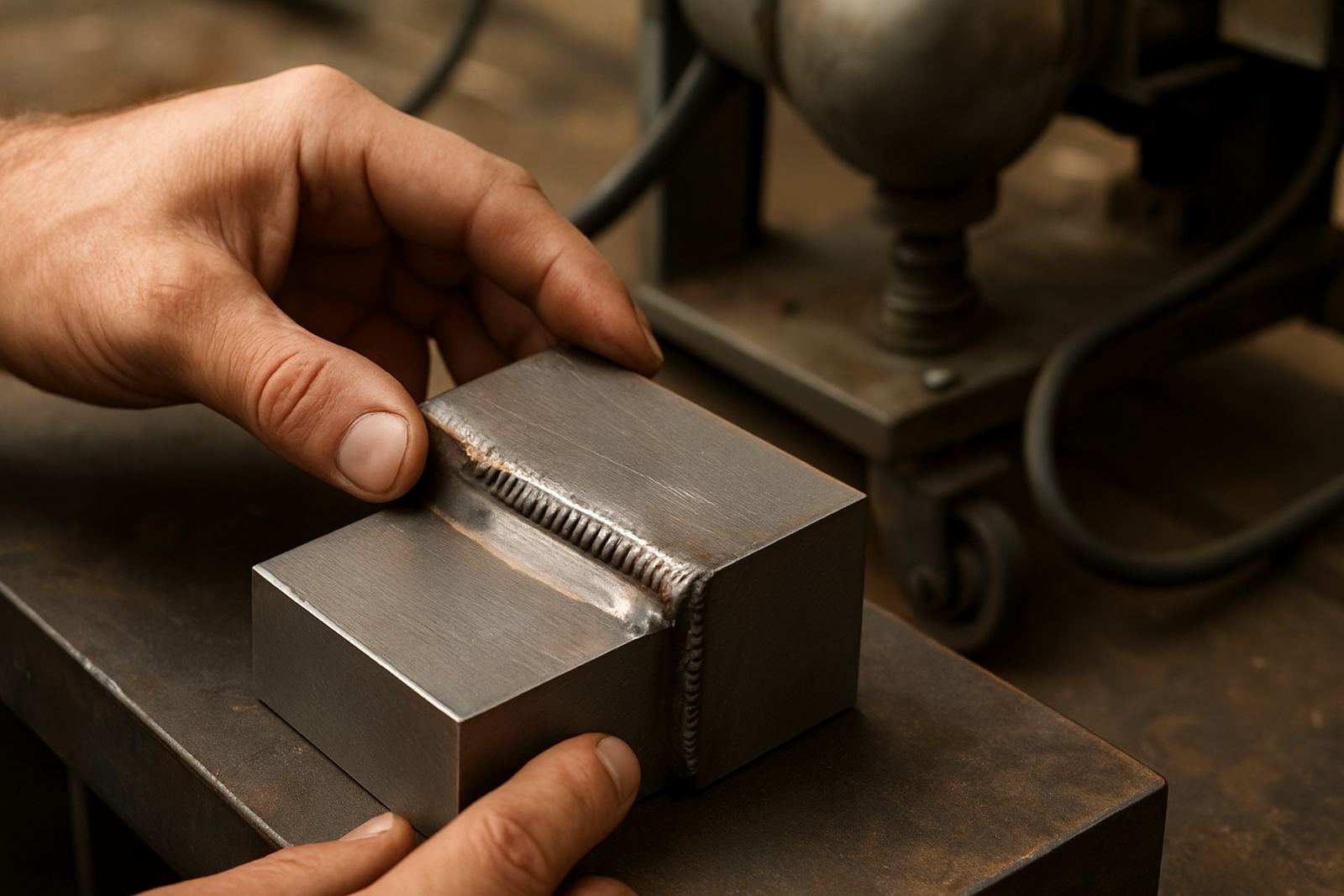
We regularly handle components where the thickness is low and the margin for error is small. This is common on light fabrications, precision housings and parts used in food, process and general engineering work. If the item will be polished, machined or coated afterwards, we plan the repair with that next step in mind.
- Stainless steel repairs
- Aluminium repairs
- Thin section joining
- Finish-aware repair planning
Batch Jobshop Welding And Nationwide Collections
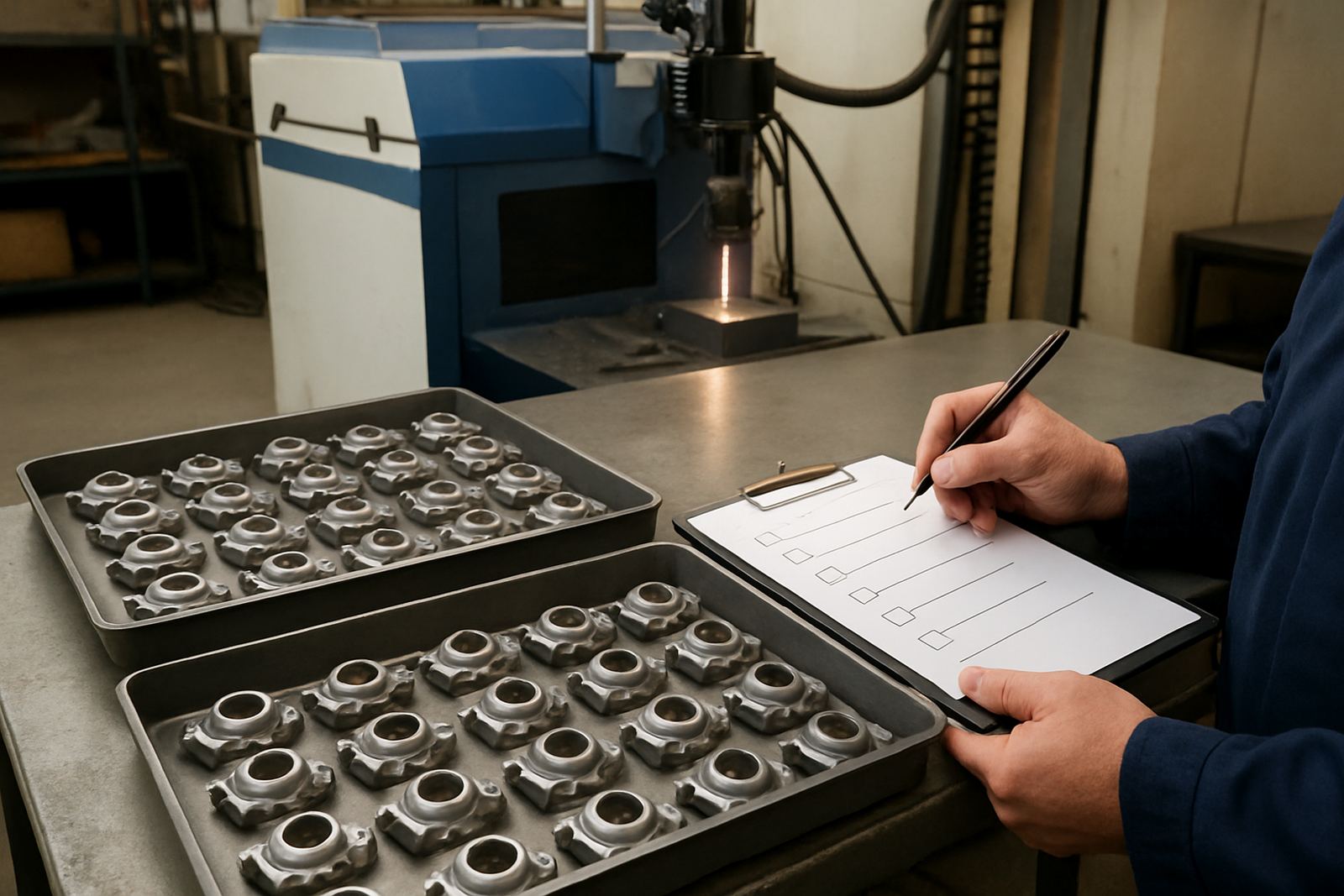
Some clients need one-off work, while others send repeat jobs in batches. Our job-shop setup is suited to both. From Centurion, we support Pretoria East, Midrand, Rosslyn and Jet Park, and we also handle courier jobs nationwide for clients who cannot deliver in person. This is useful for maintenance teams, manufacturers and repair workshops that need a dependable outside welding partner.
We keep the process practical. Parts can be sent for assessment, repaired, checked and returned with clear communication on turnaround. For sites affected by load-shedding or tight production schedules, it helps to have repairs handled off-site so work can continue on the line or in the workshop.
- Single-item emergency repairs
- Batch handling for repeated parts
- Courier-in, courier-out job-shop service
- Collections from Centurion and surrounding areas
What To Send When You Request A Quote
To quote accurately, we need to know what the part is, what it is made of and what happened to it. Photos are helpful, but the most useful details are the material, approximate size, the area that needs repair and whether the part must be machined, polished or fitted after welding. If there is a sample part or a matching component, send that too.
We can advise if a repair is likely to suit the item, or if the job needs a different approach. The best results come from matching the method to the component instead of forcing every repair into the same process.
Send a message through our contact form for assistance or to arrange a job from your site in Pretoria, Centurion or anywhere nationwide.