Controlled welding for parts that cannot take heat
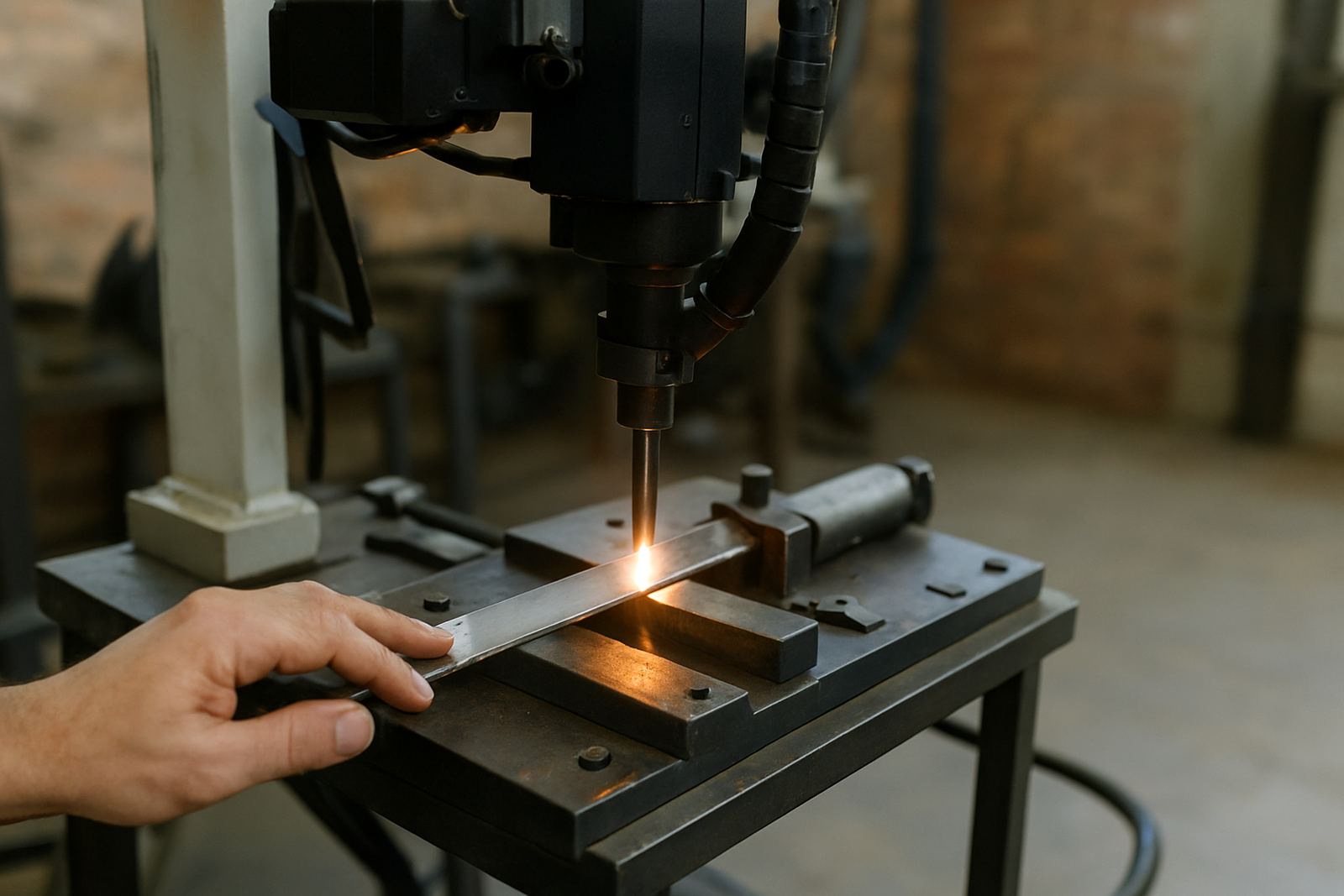
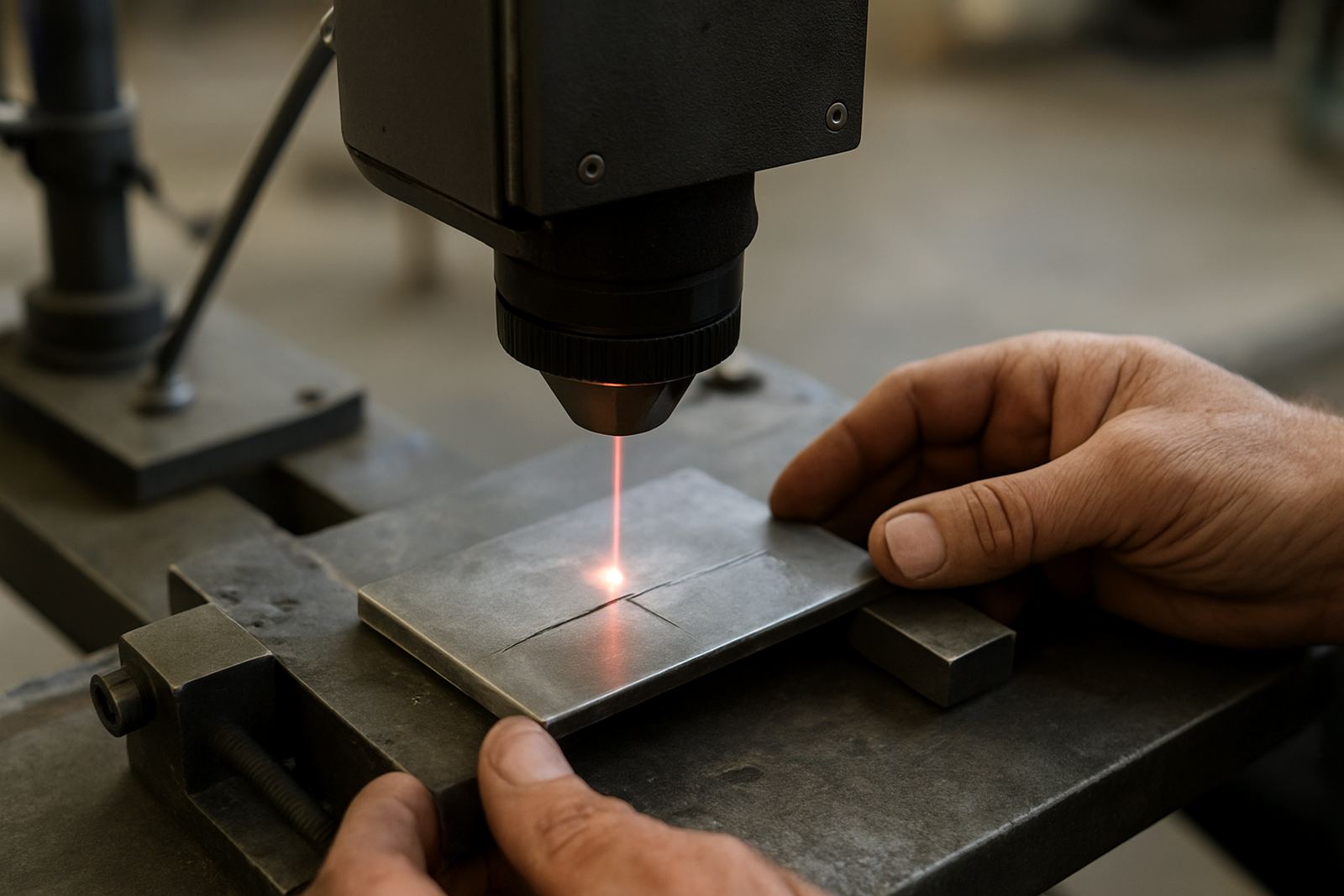
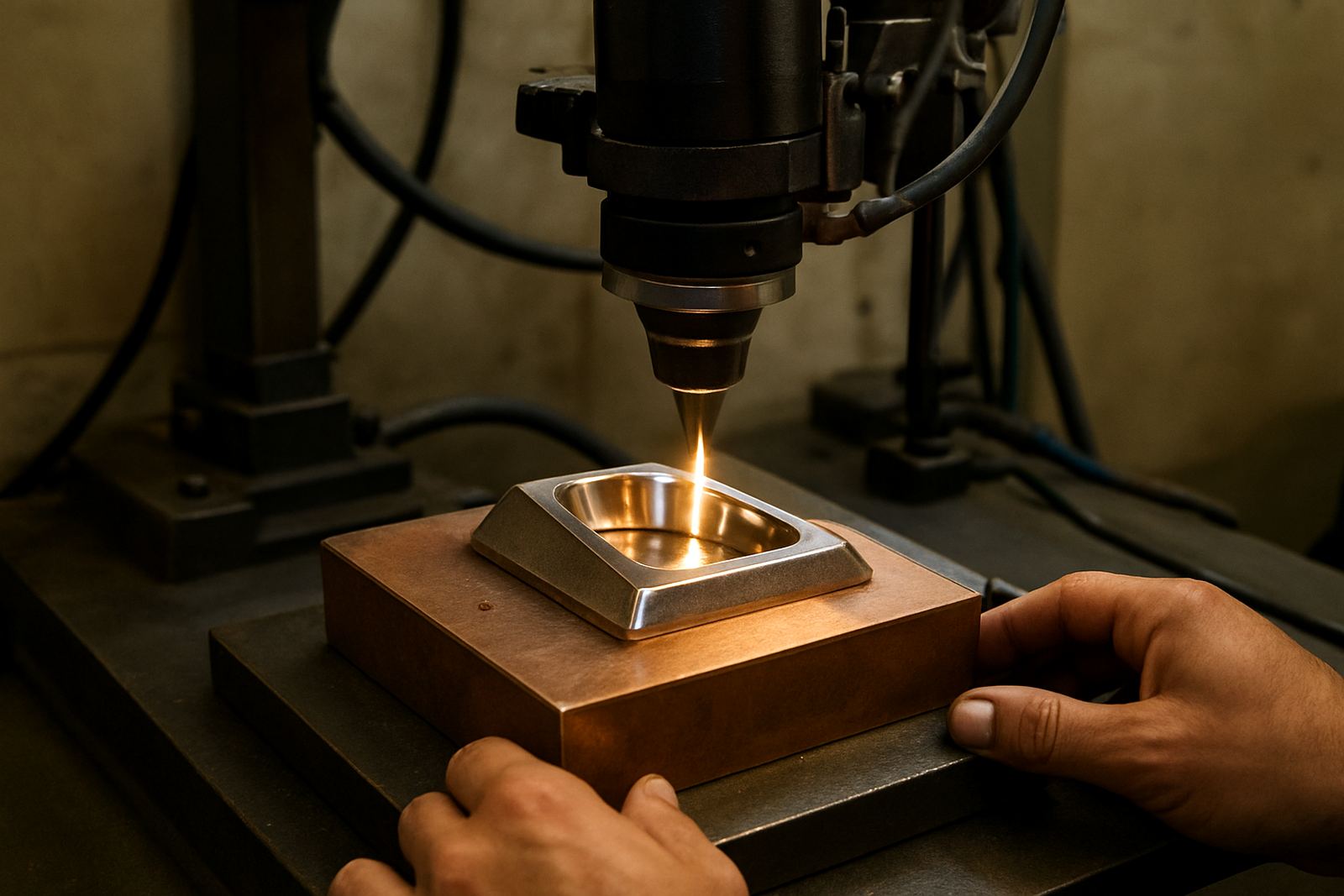
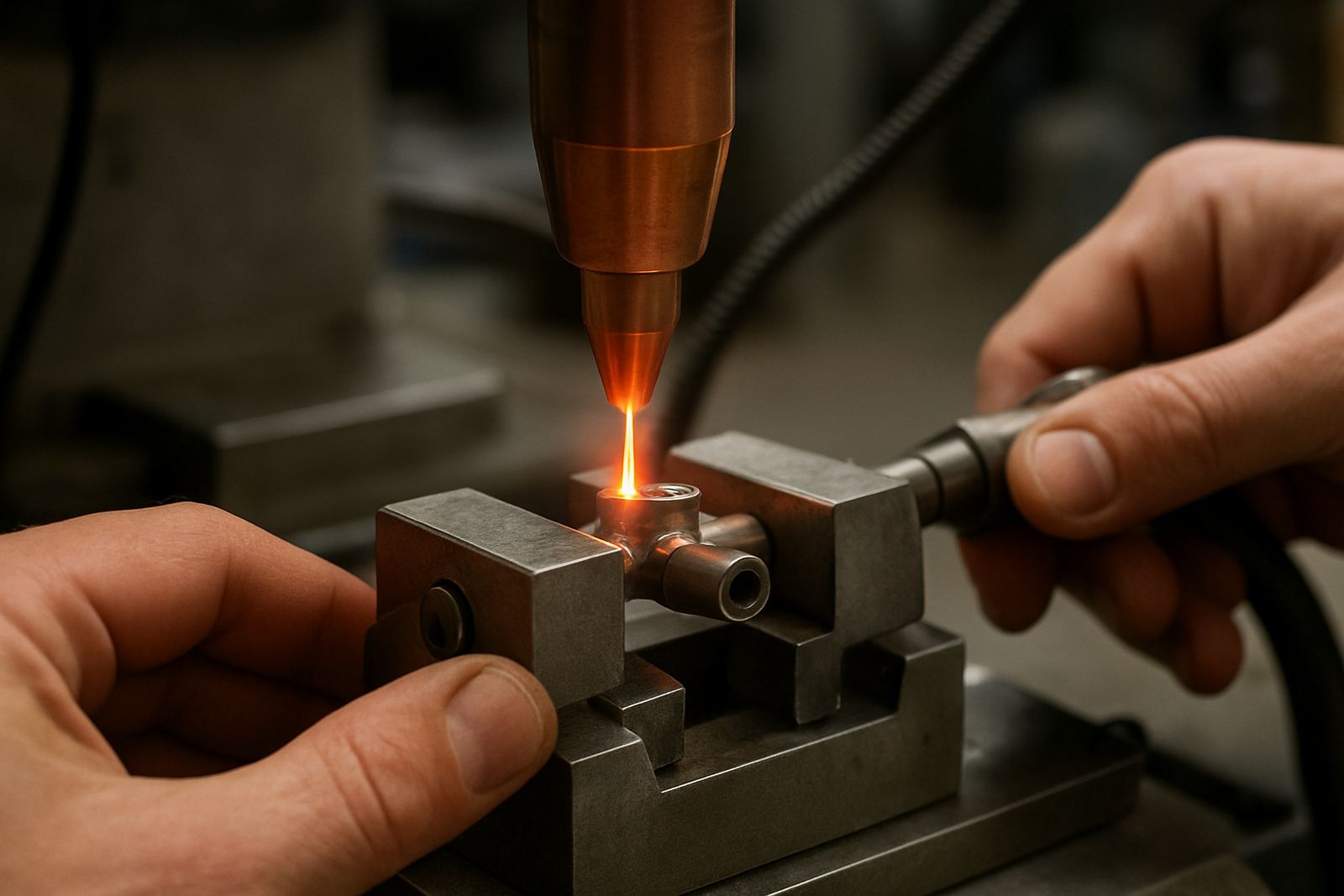
Precision laser welding is used when the part is too small, too valuable or too sensitive for conventional welding. The process concentrates heat into a very small area, which helps protect nearby features, reduce distortion and keep clean edges on finished components. It is well suited to mould and die work, fine mechanical parts, tool repairs, instrumentation, medical components, and other items where tolerances matter.
At our Centurion workshop, we work with parts that may only need a few millimetres of build-up or a local repair on a worn edge, crack or chipped section. The method is also useful where access is limited and a normal torch would be too bulky. For clients in Pretoria, Midrand, Rosslyn and Jet Park, this often means saving a part rather than replacing it, which can shorten downtime and reduce cost.
- Fine crack repair on compact parts
- Edge build-up on worn surfaces
- Joining small sections with minimal distortion
- Restoration of costly components and tooling
What is included in a precision laser welding job
Every job is assessed on the material, the damage and the finish required. We then confirm whether the part is suitable for laser welding and what preparation is needed before any work starts. If a part arrives with oil, oxide, paint or contamination, it may need cleaning or local preparation so the weld can take properly and hold up in service.
Our service can include crack tracing, local removal of damaged material, controlled filler addition, finishing to suit the application and basic inspection before dispatch. Where needed, we also assist with batch work for repeat parts, especially for manufacturers and maintenance teams that need consistent results across multiple items.
- Material assessment and weldability check
- Local cleaning and surface preparation
- Laser welding with fine control of heat input
- Visual inspection and dimensional checking
- Collection in Centurion or courier return nationwide
How the process works from quote to dispatch
Jobs normally start with photos, a clear description of the fault and, where possible, measurements or drawings. For more complex parts, we may ask for the item to be brought to the workshop or sent in for inspection. This helps us judge access, wall thickness, wear depth and the best repair method before we commit to a turnaround.
Once the scope is clear, we confirm lead time and pricing. Simple repair work can often be turned around quickly, while more detailed restoration or batch welding may take longer depending on the number of parts and the finish required. For local customers, collection from our Centurion base is straightforward. We also support Nationwide Courier Jobs for clients outside Gauteng.
- Send photos, material details and the fault description
- Receive a repair assessment and price estimate
- Approve the job and book in the part
- Welding, finishing and final checks
- Collection, courier dispatch or workshop handover
Typical specifications and working limits
Precision laser welding is chosen for its control, not for high-volume bulk metal movement. It works best on fine features, narrow sections and repair areas where a localised heat source is needed. The exact result depends on the base material, the thickness, the size of the defect and the finish required after welding.
We frequently handle stainless steel, mild steel, tool steel, aluminium and other common industrial metals, provided the part is suitable for this process. Thin sections can be especially challenging because too much heat can warp the part. That is why laser welding is often preferred on items with close tolerances, small edges and detailed geometry.
- Best for fine parts and tight access areas
- Suitable for thin sections and local repairs
- Commonly used on ferrous and non-ferrous metals
- Low distortion when compared with broader heat processes
- Useful for build-up in the 0.1 mm to 1.5 mm range on suitable jobs
Turnaround times, pricing and job-shop planning
Turnaround depends on the part size, the number of weld points, the need for finishing and whether the job is a single repair or a batch run. Many straightforward repairs can be completed within a short workshop window once the part is received and approved. More involved work, such as mould and die restoration or multiple identical items, is planned around the workshop schedule so the work is done properly the first time.
Our pricing approach is based on the actual time, preparation and complexity of the repair rather than a one-size-fits-all rate. That keeps costs fair for both small and large jobs. For urgent breakdown work, we can often prioritise according to production need, especially where a line stop or missing component is costing time. In Pretoria, Centurion and nearby industrial areas, this is often the difference between waiting days and getting back to work sooner.
- Quoted according to part condition and complexity
- Suitable for single items and batch jobs
- Urgent repairs can be prioritised when capacity allows
- Courier jobs are assessed once the part details are confirmed
Maintenance intervals and when to bring parts back
There is no fixed maintenance interval for every welded part, because service life depends on use, wear load, temperature and cleaning practices. In general, it is wise to inspect repaired items during normal service checks, especially on tooling, production parts and components exposed to vibration or repeated impact. Coastal humidity, chemical exposure and poor storage can shorten service life, so routine inspection matters just as much as the weld itself.
If a part is used in a harsh environment, we recommend checking it at the same intervals as the equipment it supports. For many industrial clients that means monthly, quarterly or during scheduled shutdowns. If you spot fresh cracking, edge wear, pitting or movement at the repair site, send the part in before the damage spreads. That is usually cheaper than waiting until the failure becomes bigger.
- Inspect during normal maintenance cycles
- Check more often on vibrating or load-bearing parts
- Review repaired items after exposure to heat, moisture or chemicals
- Rework may be needed if wear returns in the same area
Why clients choose our Centurion workshop
Laser Welders Jobshop has been working with precision repairs since 2008, with a team that understands both workshop detail and production deadlines. Marius van der Merwe leads the business, supported by operations, quality and client service staff who keep jobs moving and information clear. That matters when a part is needed back on site, a drawing needs checking or a batch needs to be split between rush work and planned work.
Clients choose us because we focus on practical outcomes. If a component can be repaired properly, we will tell you so. If replacement makes more sense, we will say that too. From Centurion and Pretoria East to Midrand, Rosslyn and Jet Park, we keep the process straightforward and the communication direct.
- Centurion workshop with nationwide courier support
- Specialist work for precision parts and repairs
- Clear assessments before any welding starts
- Consistent handling of small jobs and batch work
Key facts
| Service area | Centurion, Pretoria and nationwide |
|---|---|
| Process type | Controlled precision laser welding |
| Typical materials | Stainless steel, mild steel, tool steel, aluminium and similar industrial metals |
| Best for | Fine parts, tight areas, crack repair and quality-critical components |
| Turnaround | Depends on part condition, with urgent jobs assessed for priority |
| Contact | Our contact form |