

Why precision laser welding suits so many jobs
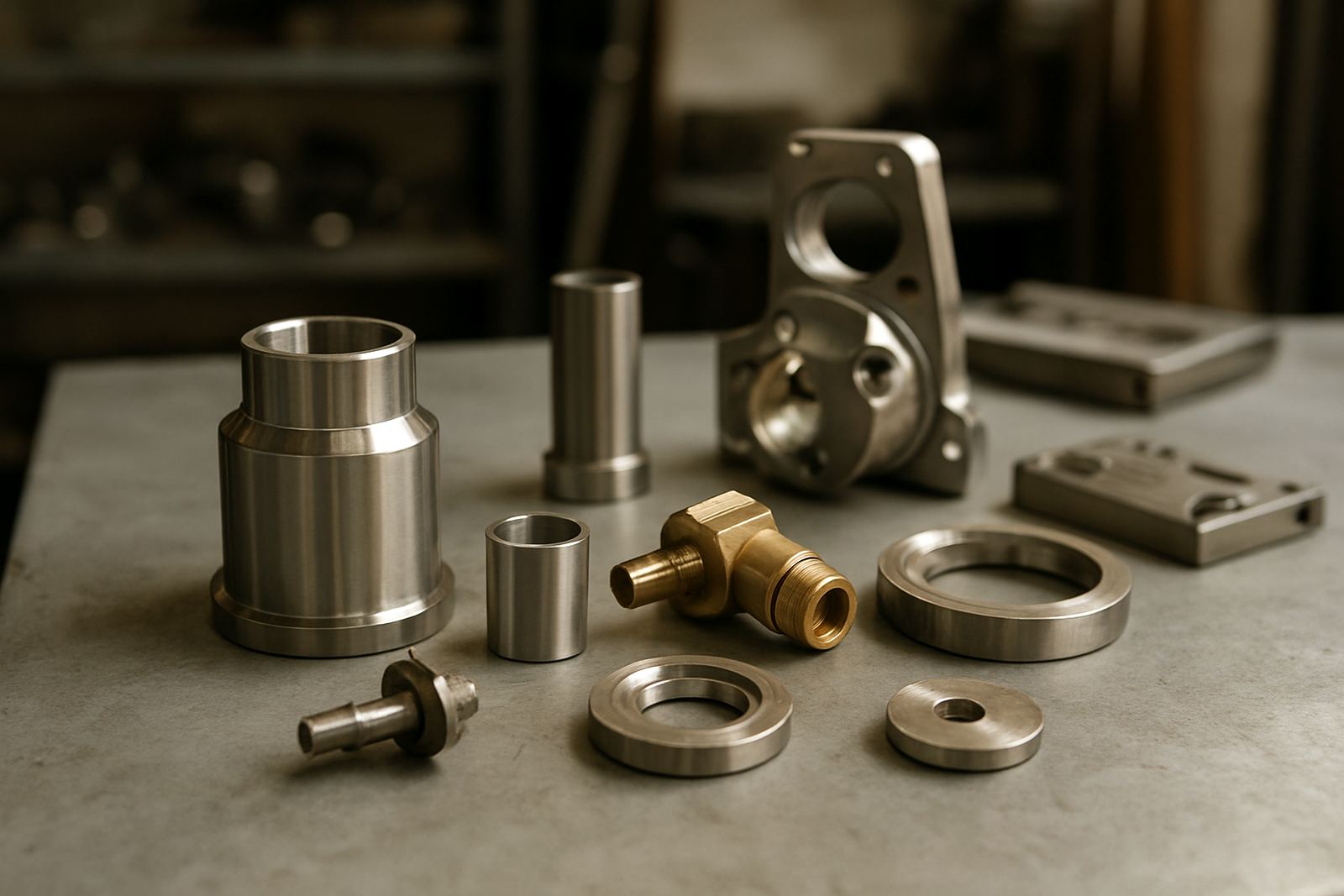
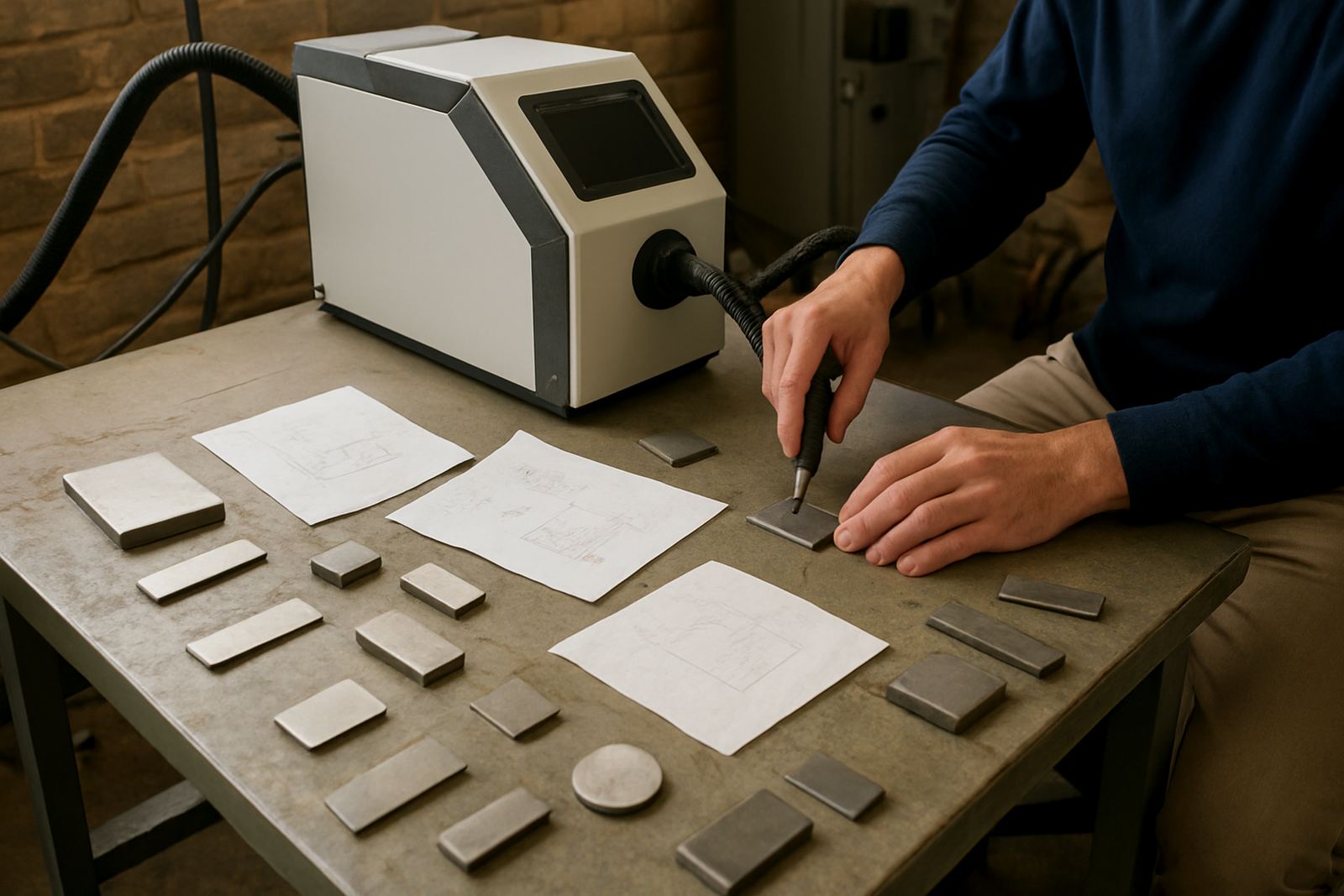
Laser welding is chosen where heat must stay local and the surrounding part must keep its shape. That matters on small components, fine edges and close-tolerance parts where grinding back a heavy weld would only create more work. In practice, the method helps reduce warping, protects machined surfaces and keeps post-weld finishing to a minimum.
At our Centurion workshop we see jobs from Pretoria, Midrand, Rosslyn and further afield, including courier work from coastal areas where corrosion or humidity has already affected the part. Some items are repaired to keep a machine running for one more shift, while others are restored so a spare can go back into service with no delay.
- Low heat input for thin and delicate parts
- Neat welds on visible surfaces and precision components
- Useful where re-machining must be kept to a minimum
- Suitable for both repairs and controlled joining work
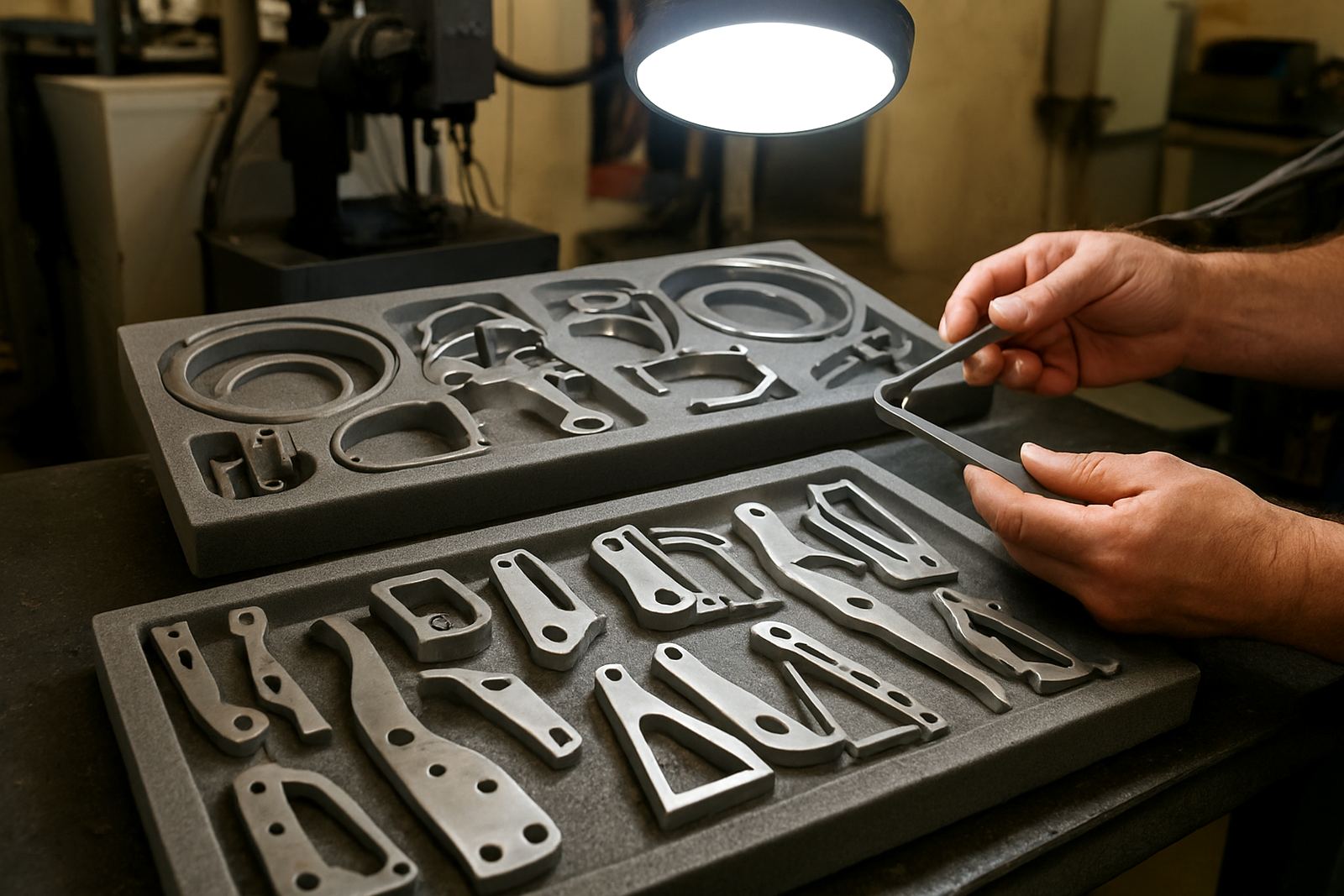
Mould and die repair for production equipment
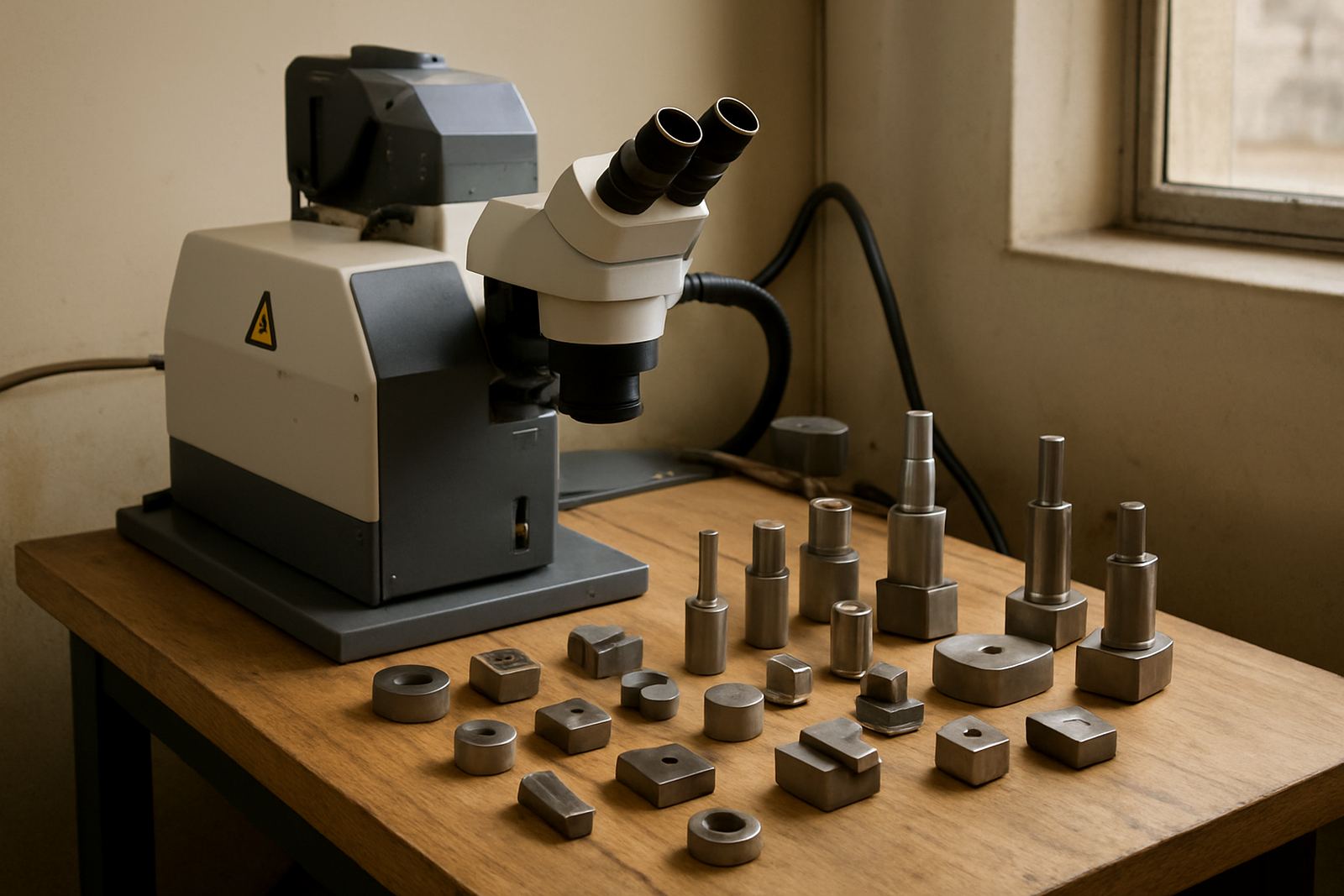
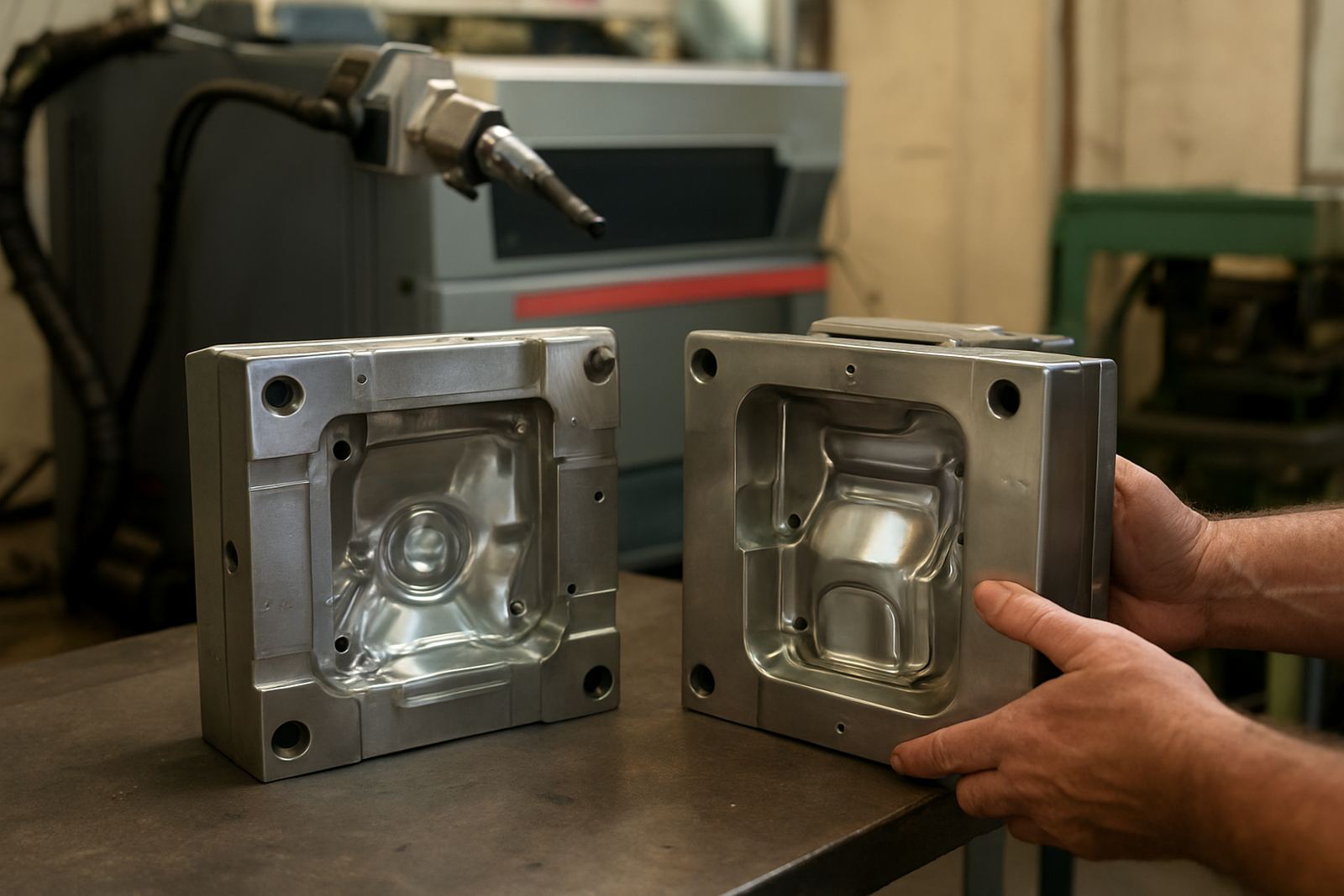
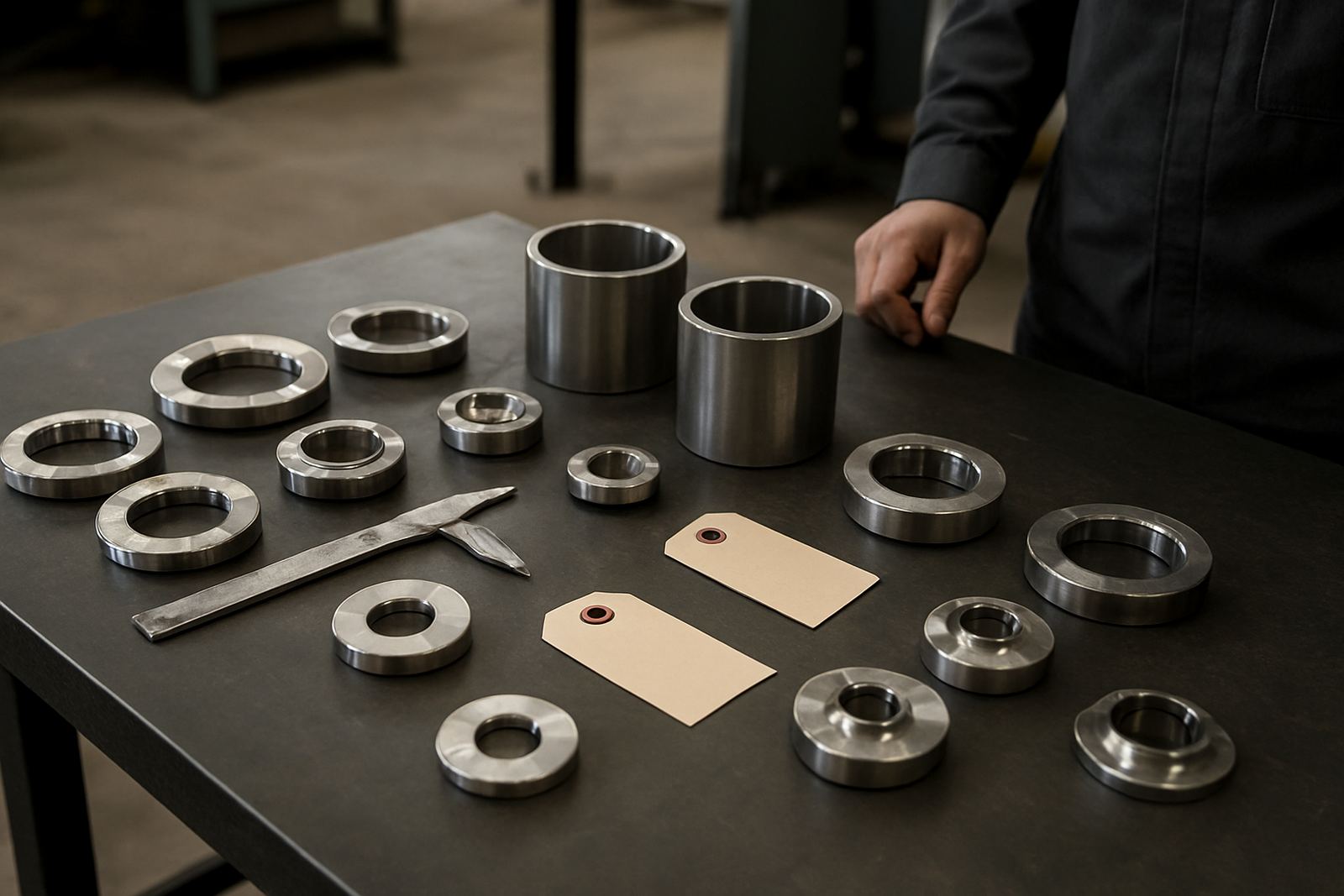
Moulds, dies and tooling often fail at the edges first, especially where repeated impact, wear or poor release conditions have caused chips and cracks. Laser welding can rebuild worn corners, repair damaged faces and close cracks without heating the full tool body. That helps preserve alignment and lets the repaired item go back into production with less downtime.
For manufacturing clients in Rosslyn, Jet Park and Pretoria East, turnaround is often as important as the repair itself. We assess the damage, check whether the part can be salvaged, then plan the weld so the finished face can still be machined or polished properly.
- Cracked mould sections
- Worn die edges and corners
- Chip repair on tool surfaces
- Local build-up before final machining
Thin section welding where distortion must stay low
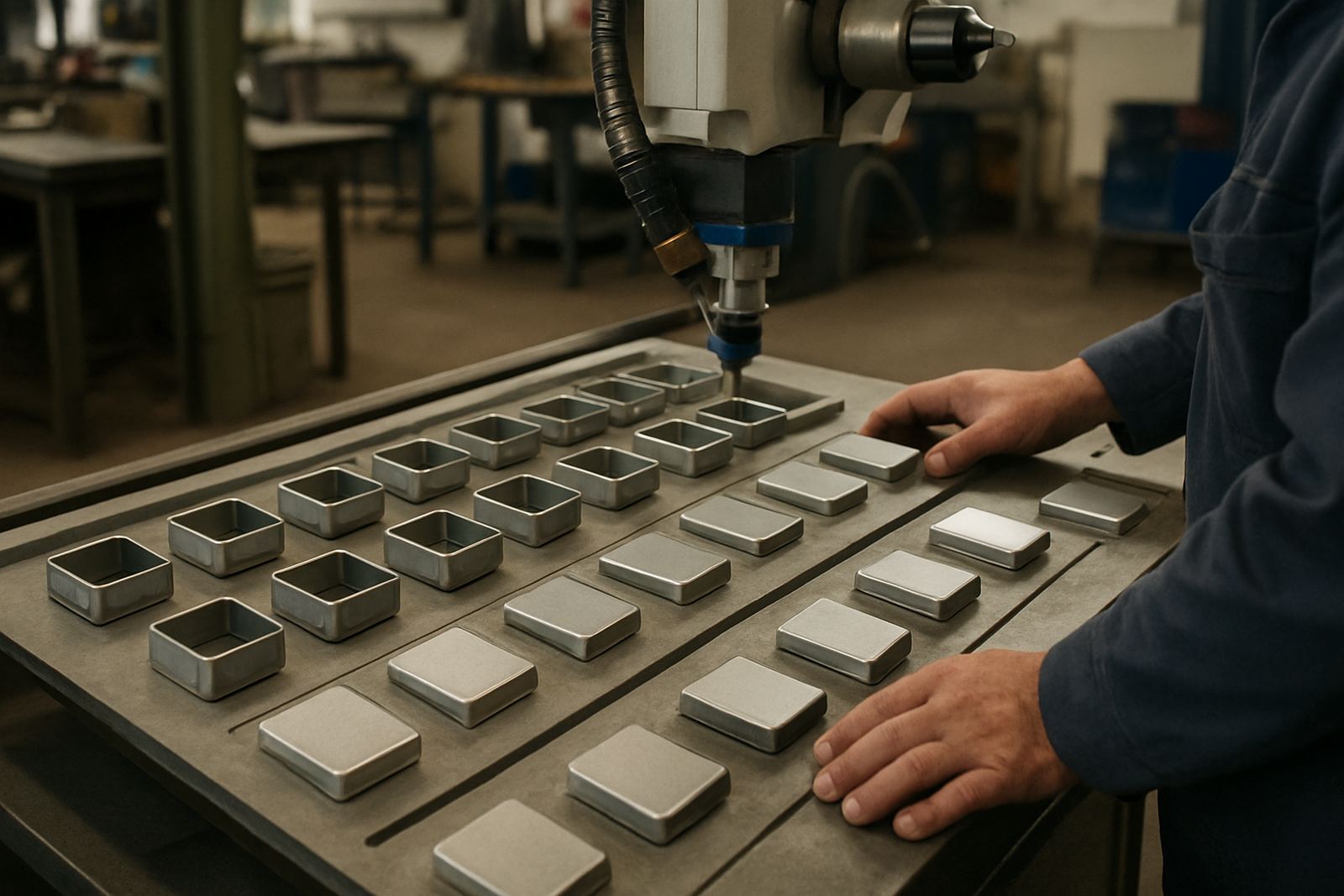
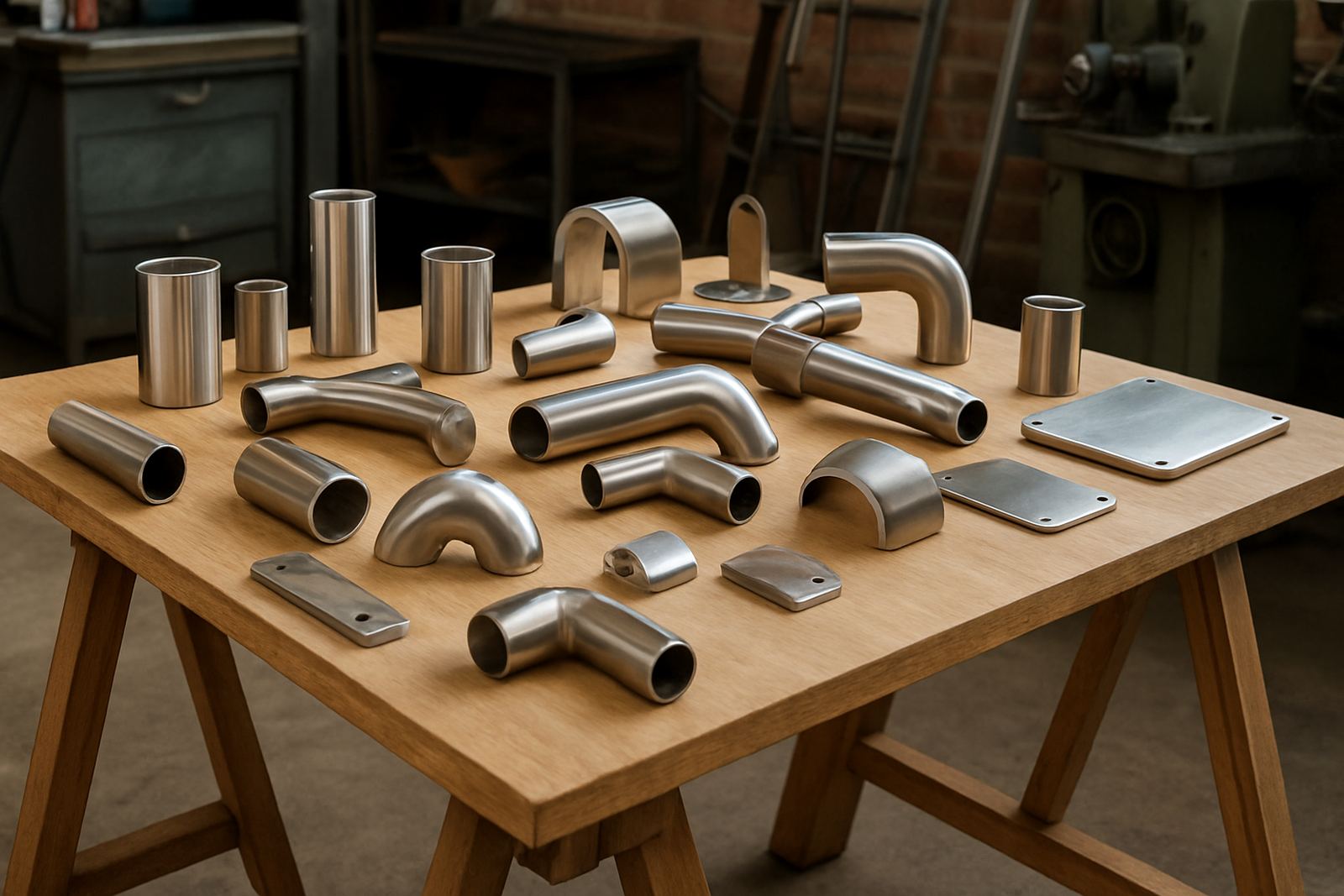
Thin material can move, buckle or burn through if the heat is not controlled properly. That is why laser welding is often used on small brackets, fine housings, precision covers and parts with tight fitment. The process allows short welds to be placed exactly where they are needed, which is useful when there is little room for clamps or extensive rework.
This is also where careful preparation matters. Clean edges, correct joint fit and the right approach to heat control all help keep the part usable. In summer, and especially in non-air-conditioned workshops during load-shedding, temperature control and handling become part of the job planning too.
- Thin stainless sections
- Light-gauge steel parts
- Small fabricated assemblies
- Parts with tight dimensional limits
Stainless and aluminium repairs for serviceable parts
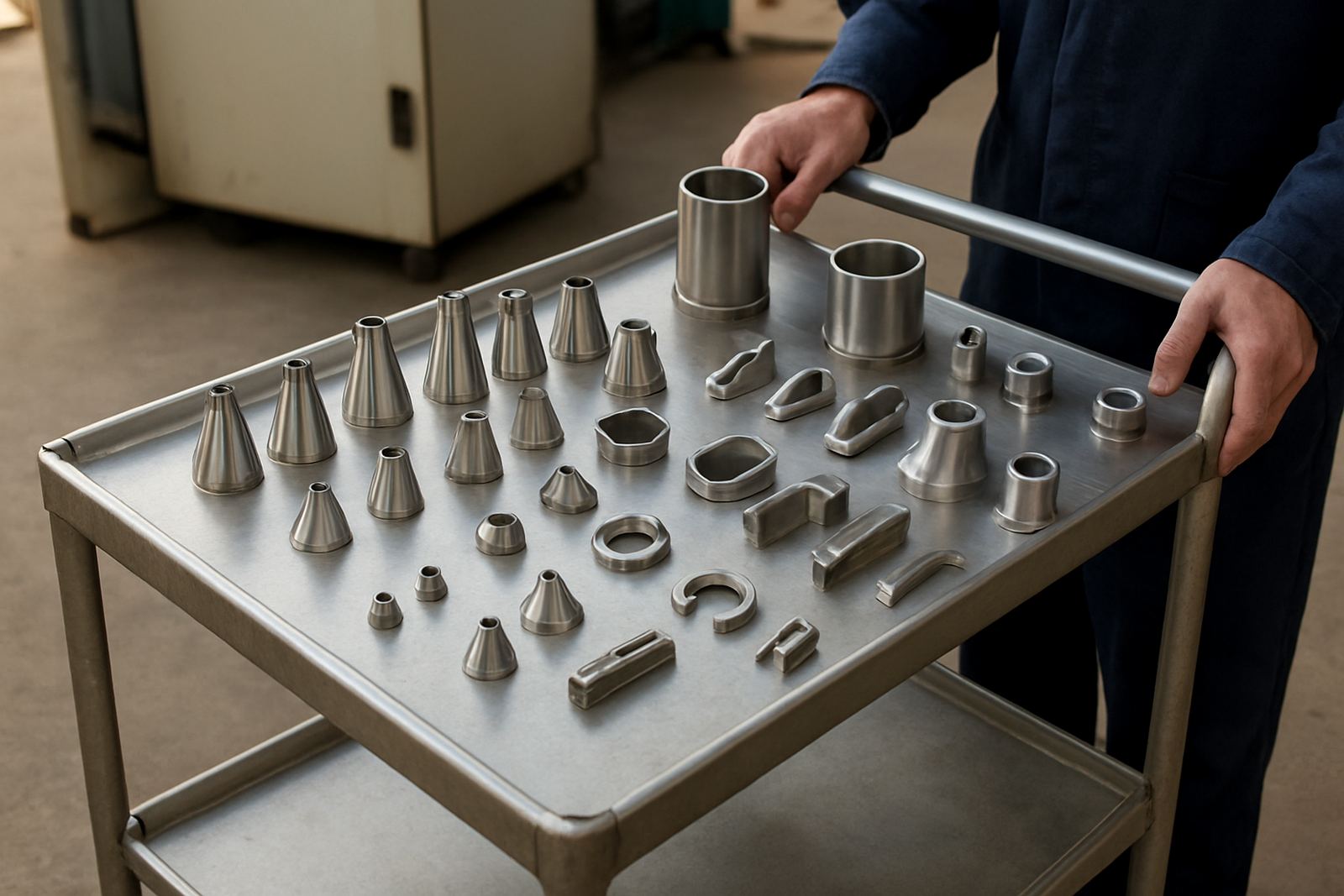
Stainless steel and aluminium come through the workshop for very different reasons, but both need proper handling. Stainless may be cracked, worn or contaminated from service in food handling, chemical or industrial environments. Aluminium often needs careful repair on housings, covers, brackets and non-structural components where finish and heat control are critical.
Because these materials behave differently under heat, the repair method has to match the part not just the material name. We look at wall thickness, contamination, access and whether the job is a repair or a new joining task. On many aluminium jobs, the real challenge is not the weld itself but keeping the part straight and usable afterwards.
- Stainless pump parts and housings
- Aluminium brackets and covers
- Corrosion-damaged edges
- Parts needing clean, local repairs
Part restoration and edge build-up for worn components
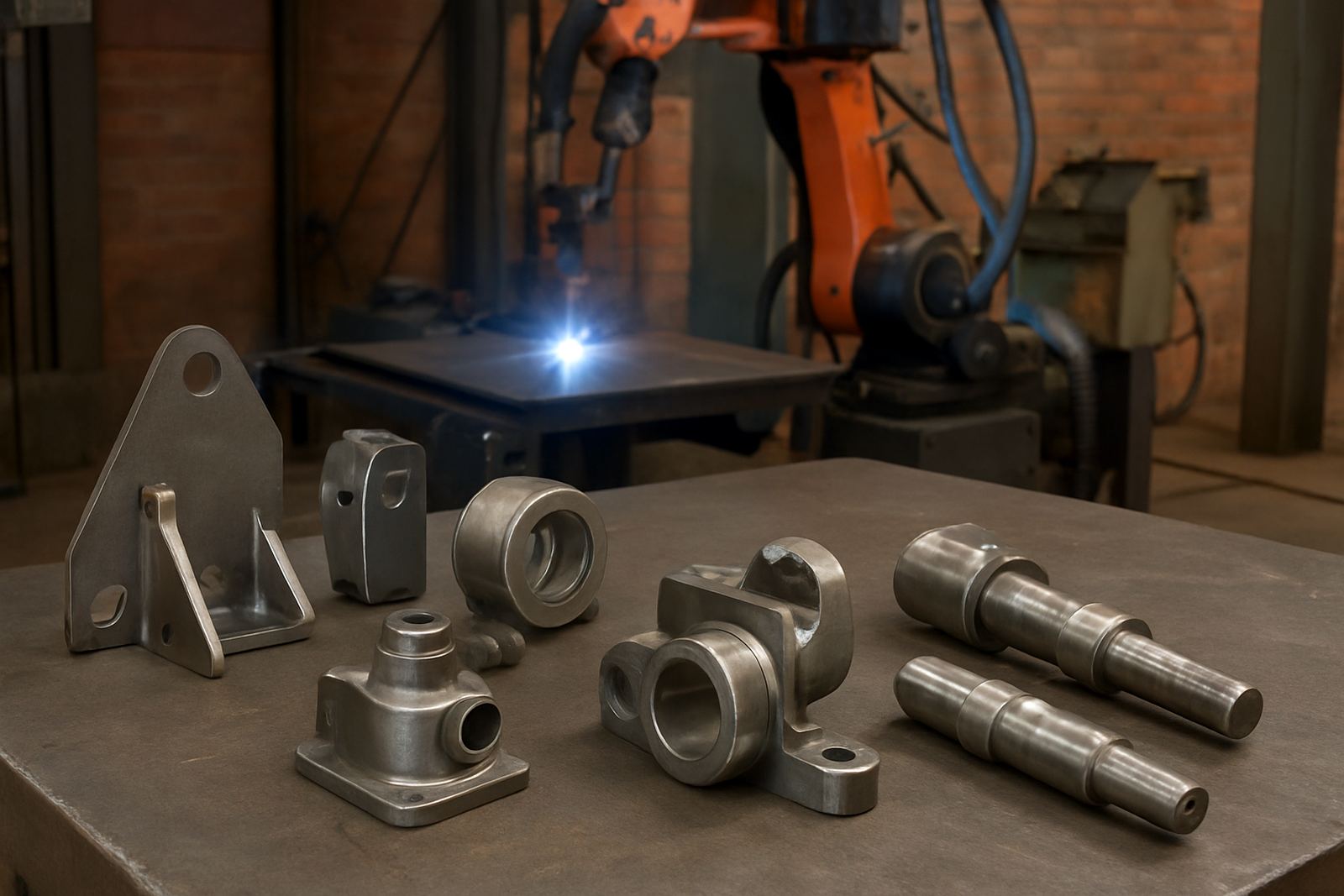
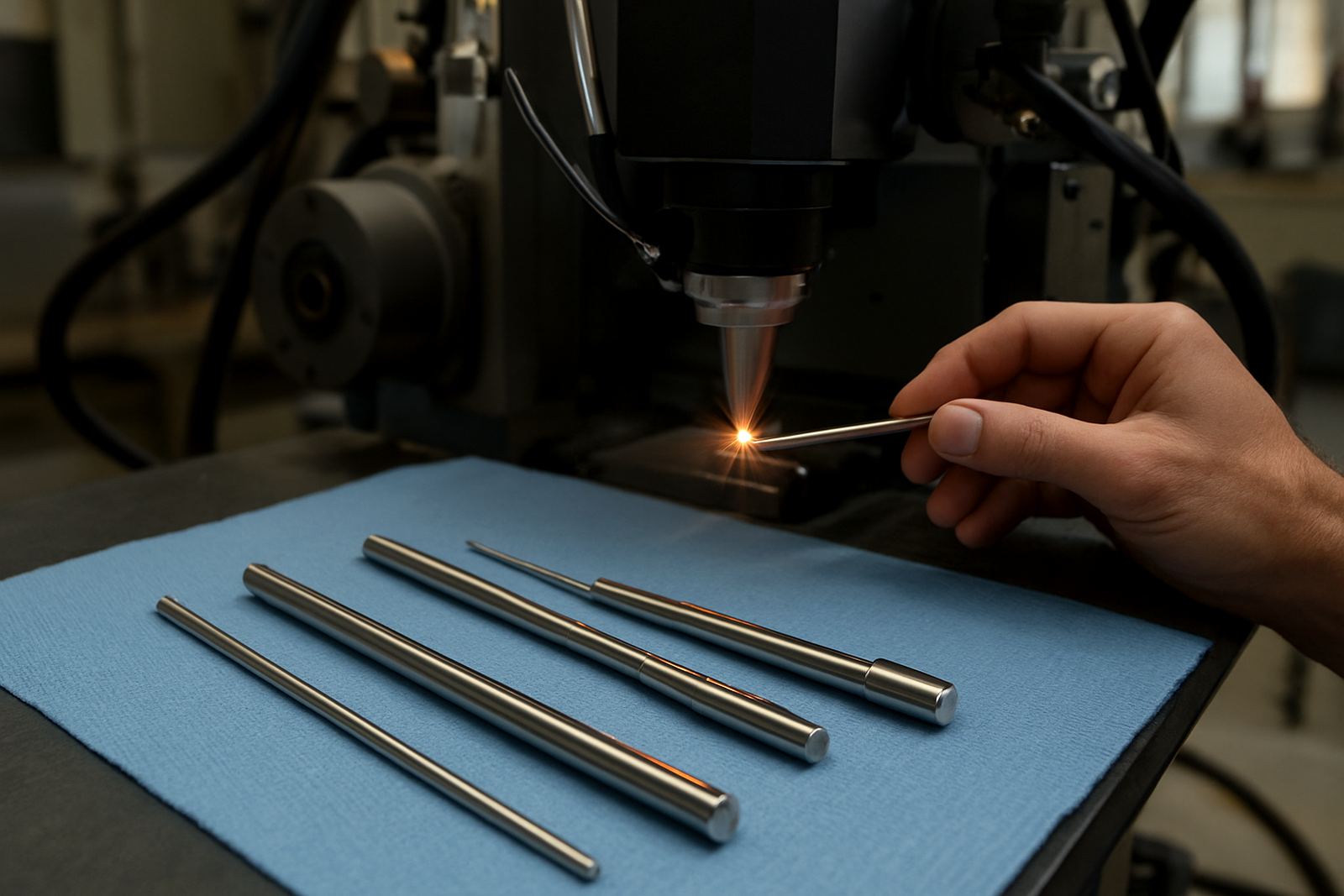
When a component is still sound but one area is worn, laser welding can restore material only where it has been lost. This is useful on shafts, seats, edges, locating features and contact points that are expensive to replace. The aim is not to overbuild the part, but to return it to a condition where it can be machined or fitted again.
Many repair jobs start with a quick photo from the client, then move to a proper inspection in the shop. If the part is too far gone we will say so early, because the point is to save time and avoid false expectations. If it is repairable, we plan the build-up so the next step whether machining, fitting or assembly is straightforward.
- Worn contact faces
- Locating surfaces and shoulders
- Damaged edges before re-machining
- Parts that need measured material build-up
How to choose the right application for your part
If you are not sure whether laser welding is the right choice, start with what the part must do after repair. A cosmetic touch-up has different needs to a production tool or a precision assembly. The key factors are material, thickness, access, finish and whether the part must hold size after welding. That is why one job may suit local repair in Centurion while another is better handled as a courier job from anywhere in South Africa.
Send clear photos, dimensions and a short note on the problem and we can advise on the best approach. The more accurate the information, the faster we can quote and plan the work. For repeat production jobs, batch planning also helps keep costs under control.
- What material is it made from?
- How critical is size after welding?
- Is it a repair, build-up or joining job?
- Will it need machining, polishing or assembly after?