When Automotive Parts Need Repair Not Replacement
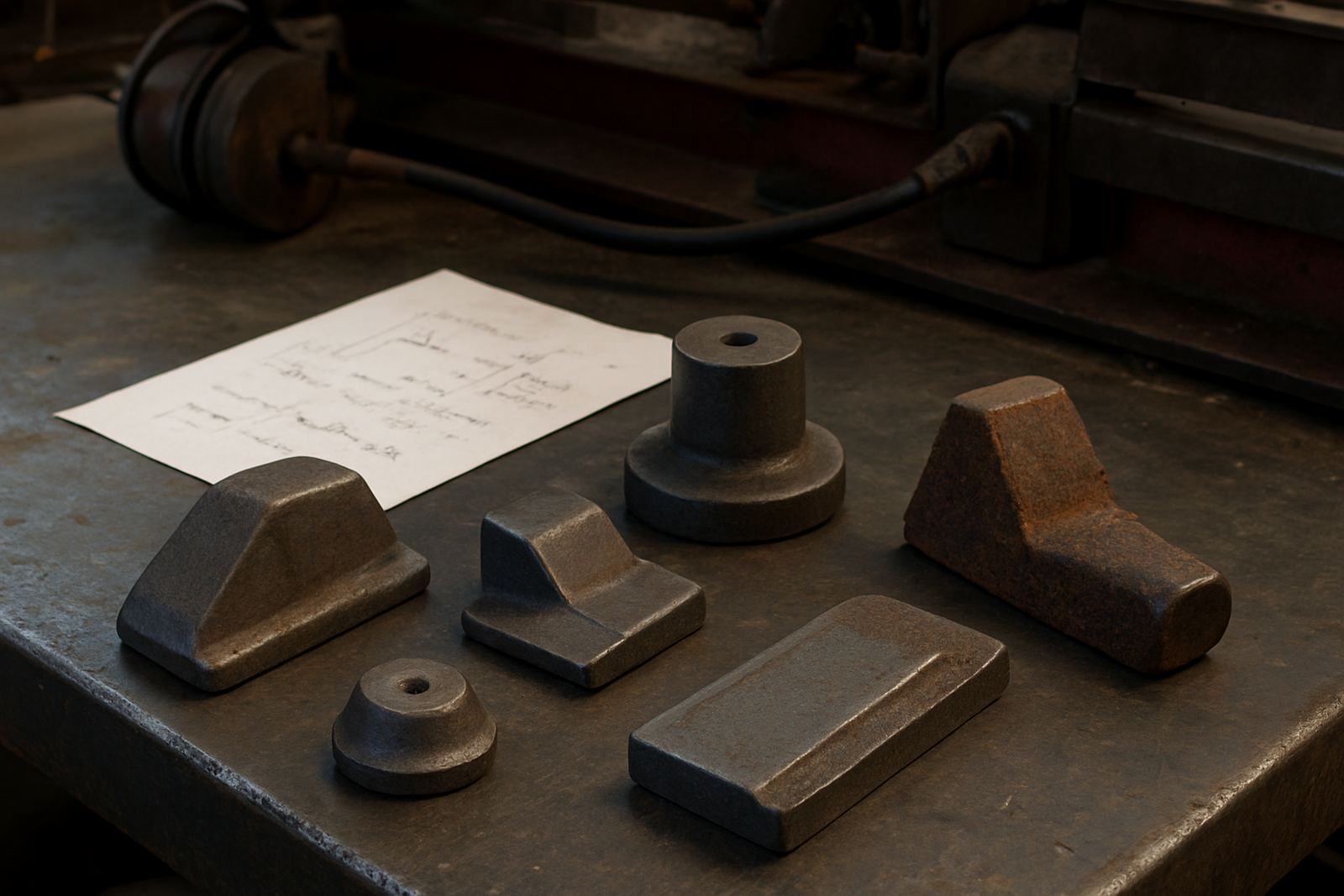
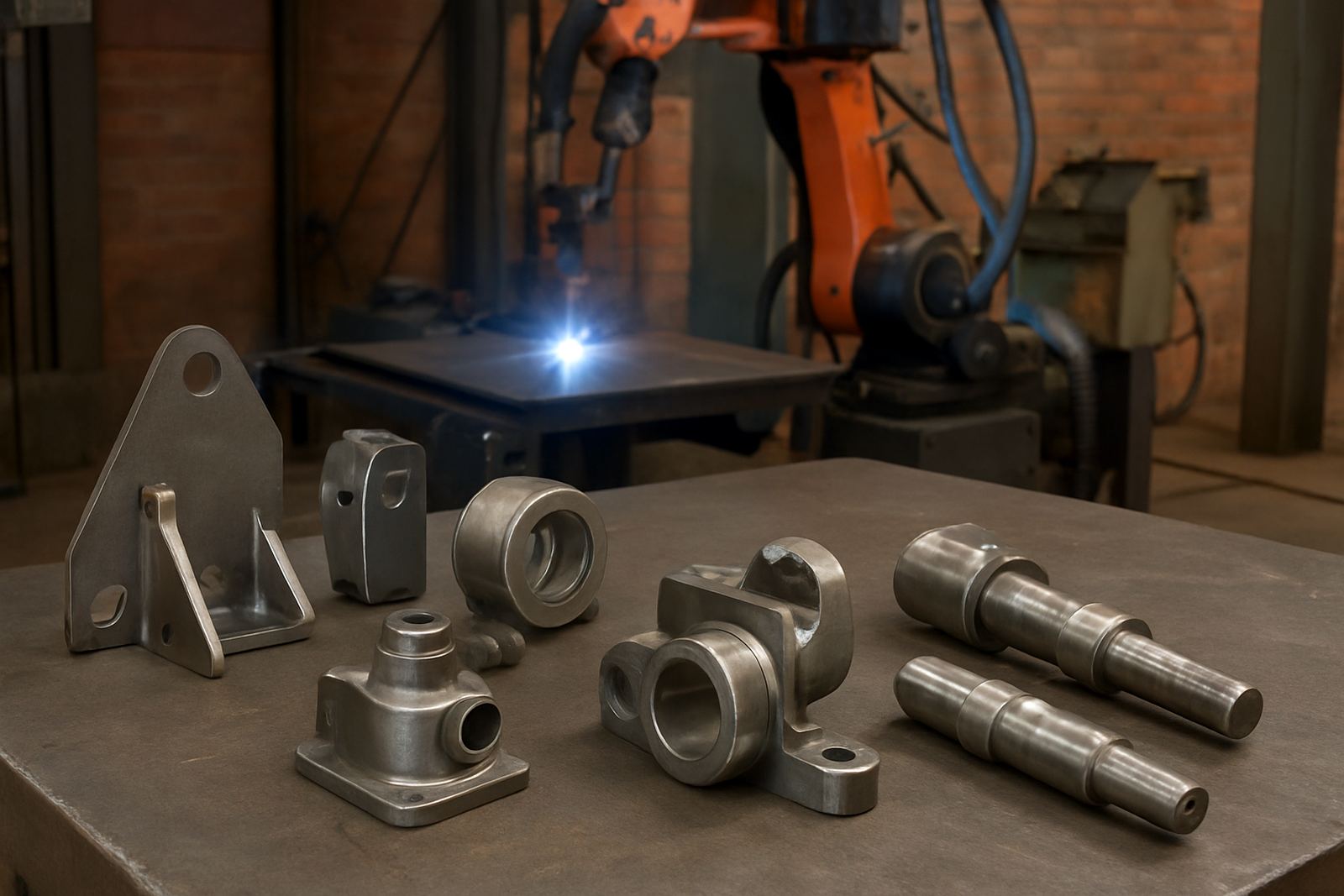
Automotive component work usually arrives with one of three problems: a cracked section, worn edge loss, or a small feature that no longer meets size. That can include brackets, housings, sensor mounts, valve bodies, clips, thin flanges and small machined items from supplier lines. In many cases the part is still usable if the damaged area is rebuilt carefully and the heat input kept under control.
For supply houses and repair teams, the main pressure is not only the weld itself. It is the time lost while a line waits, the risk of distortion on thin sections, and the cost of scrapping a part that should have been recovered. A laser welding shop is useful where the repair zone is small, the surrounding material must stay stable, and the finish needs minimal grinding.
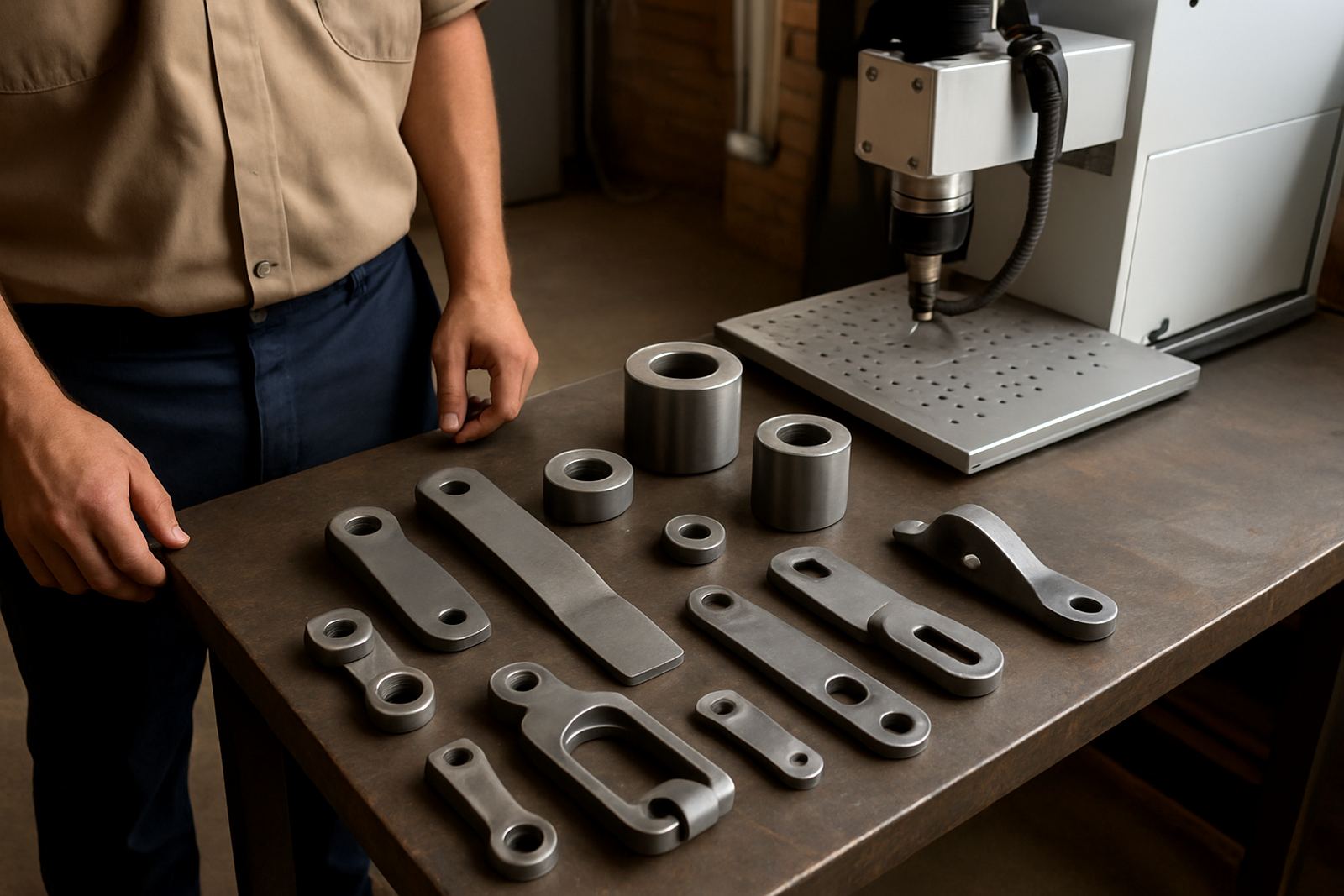
Typical Parts We See From Automotive Supply Work
Jobs usually arrive from OEM supply chains, aftermarket producers, rebuilders and maintenance teams around Gauteng, KZN, the Cape and the Free State. Some pieces are stainless, others aluminium or mixed metal assemblies. Many are small enough to courier in a padded crate, which helps with turnaround when the site is in Pretoria East, Rosslyn, Jet Park or further afield.
- Sensor brackets and mounting tabs
- Small housings and covers
- Thin wall flanges and lips
- Jigs, locating pieces and tooling inserts
- Prototype parts for fitment checks
- Worn edges on production components
Batch work is common too. Once the repair method is set, the same item can be handled in a run of 10, 25 or 100 pieces if the quality team has a stable drawing or sample to work from.
Equipment That Suits Small Automotive Welding Jobs
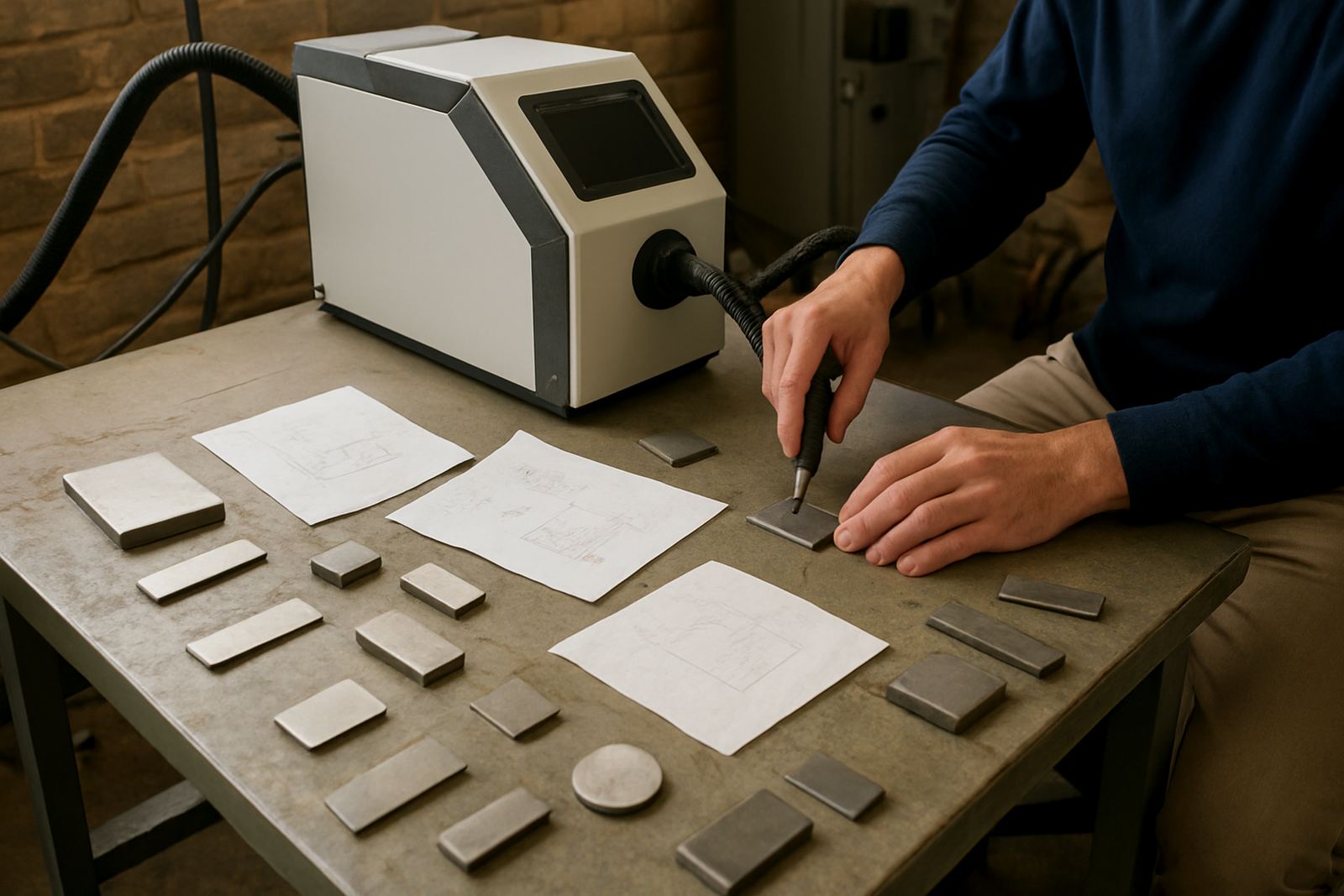
For this kind of work, the equipment set needs to suit fine detail rather than heavy structural welding. The workshop generally needs a laser welding setup with accurate beam control, a stable fixture table, hand tools for pre-cleaning, inspection lighting and measuring gear for checking the repaired zone. Where parts are heat sensitive, good clamping and short weld runs matter more than raw output.
For aluminium repairs, surface preparation is especially important because oxide layers and contamination can spoil the result. Stainless parts need careful cleaning too, while plated or coated items may need coating removed locally before welding starts. If the component has been through oil, coolant or road grime, cleaning time should be allowed for before the job is booked in.
- Fine control over heat and weld placement
- Small fixturing for repeat positioning
- Inspection tools for visual and size checks
- Cleaning area for oil, paint and oxide removal
- Pack-out space for labelled returns
How To Lay Out A Repair Job For Faster Turnaround
A clean job pack saves time and prevents mistakes. The best jobs arrive with the damaged part, a sample if one is available, measurements, and a short note on what must stay unchanged. If there is a fitment face, thread, seal area or clip location nearby, point it out early so the technician can protect it during repair.
For local customers in Centurion, Pretoria East or Midrand, drop-off and collection can be planned around urgent lines. For wider South Africa, courier work is practical if parts are packed properly and labelled clearly. Load-shedding should also be considered in the schedule, because some customer plants cannot afford a delay when power comes back late afternoon.
- Send clear photos from several angles
- Mark the exact crack or worn zone
- Include target dimensions if the part must fit another assembly
- Separate repaired parts by job number or batch code
- Wrap delicate edges so they do not nick in transit
Common Mistakes That Push Costs Up
One common mistake is sending a part without telling the workshop what the original size should be. Another is assuming any weld will do on a thin automotive piece. If the repair overheats the component, the part may still look acceptable but it can move out of tolerance and fail when assembled. That is why fine control is better than rushing through the job.
People also underestimate contamination. Oil trapped in pores, paint near the repair, or sealing compound in a cavity can ruin the weld path. On some jobs the extra cleaning step takes longer than the welding itself, and that is normal. It is better to spend fifteen minutes on prep than to scrap a casting after the first pass.
Another mistake is sending a batch with mixed versions in the same box. Small changes in hole position, wall thickness or alloy can make a big difference, so keep each variant separate and clearly marked.
Budget Ranges For Automotive Component Work
Pricing depends on material type, access, cleaning time, quantity and whether the job is a one-off or a repeated batch. Small crack repairs on simple parts may start from about R650 to R1,200 per item. More involved build-up work on thin or heat-sensitive components can sit between R1,200 and R3,500 per part. Prototype repair and first-off assessment usually costs more because setup and testing take extra time.
For batch welding, the unit rate often drops once the process is set and the fixture is sorted. A run of 20 to 50 similar parts may be priced as a batch rather than as single repairs. Courier in both directions, special cleaning, urgent turnaround and rework after failed prep can add to the final figure. The cleanest way to quote is from photos, measurements and one sample part if possible.
Why Automotive Buyers Use A Jobshop Setup
Automotive buyers often need a supplier who can handle both small repair work and regular repeat jobs without forcing a full production minimum. That is where a Centurion based jobshop helps. It gives procurement teams a local point for Gauteng work, while still supporting courier jobs from places like Durban, Gqeberha, Polokwane and Bloemfontein.
Laser Welders Jobshop is set up for precision work, quality checks and practical turnaround. For automotive components, that means the repaired part should come back ready for fitment or for the next stage in the process, with less rework and fewer delays. The focus is on keeping the component useful, not just welding it and hoping it holds.