When a mining part is worth repairing instead of replacing
In mining, the decision is often simple: if the component is expensive, slow to source, or tied to a shutdown window, controlled repair is usually the better option. Laser welding is well suited to precision parts that have worn at edges, picked up cracking around stress points, or lost material in small local areas. It is not for every item, but on the right job it can save weeks of lead time and a serious Rand outlay.
We are commonly asked to assess parts from screening, conveying, pumping, drilling support, wear tooling and specialist plant. The key question is whether the damage is local and whether the base material still has enough sound structure to work from. If the part has been overheated, bent badly, or is cracked right through a loaded section, we will say so upfront. That honesty matters more than trying to force a repair that will not hold.
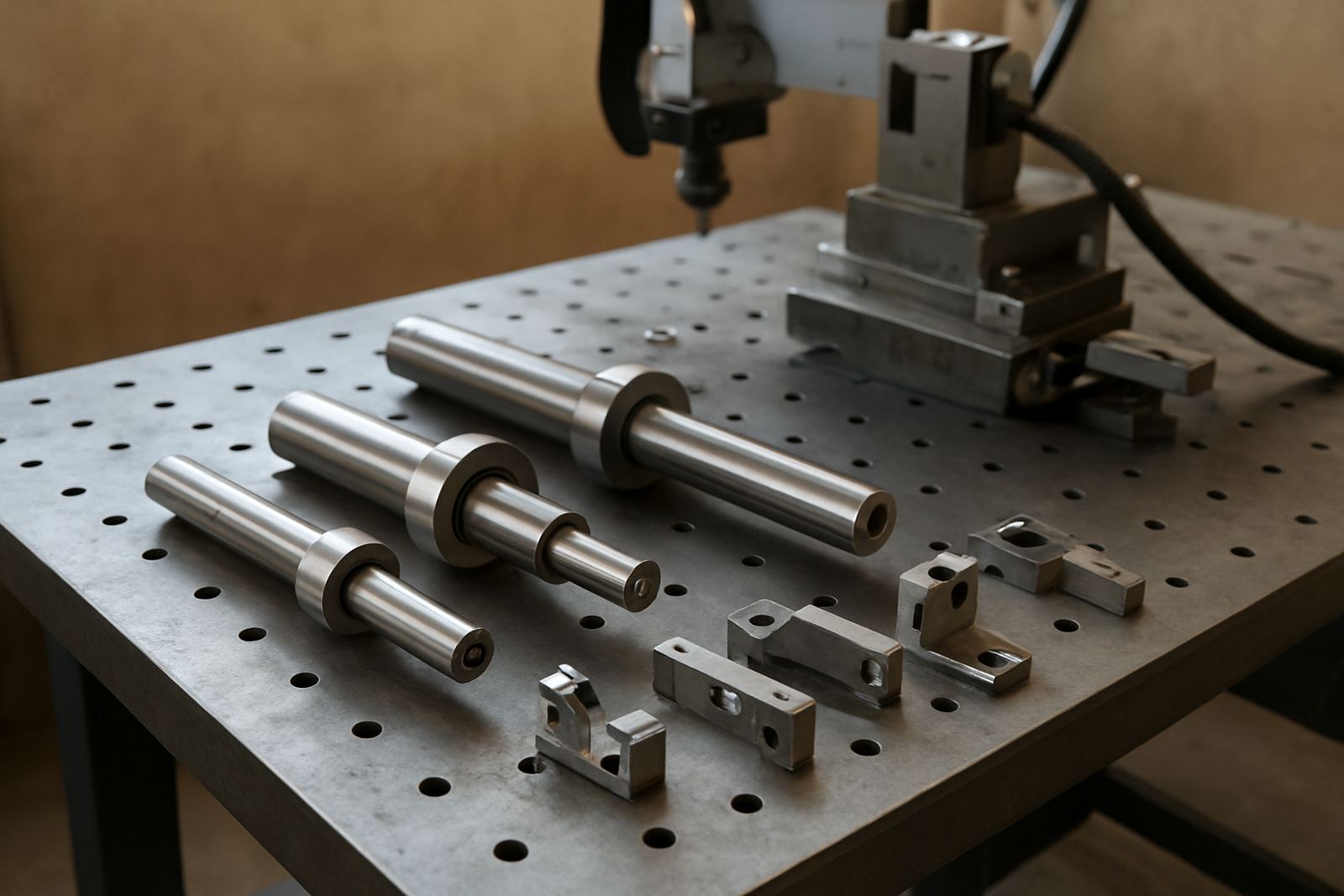
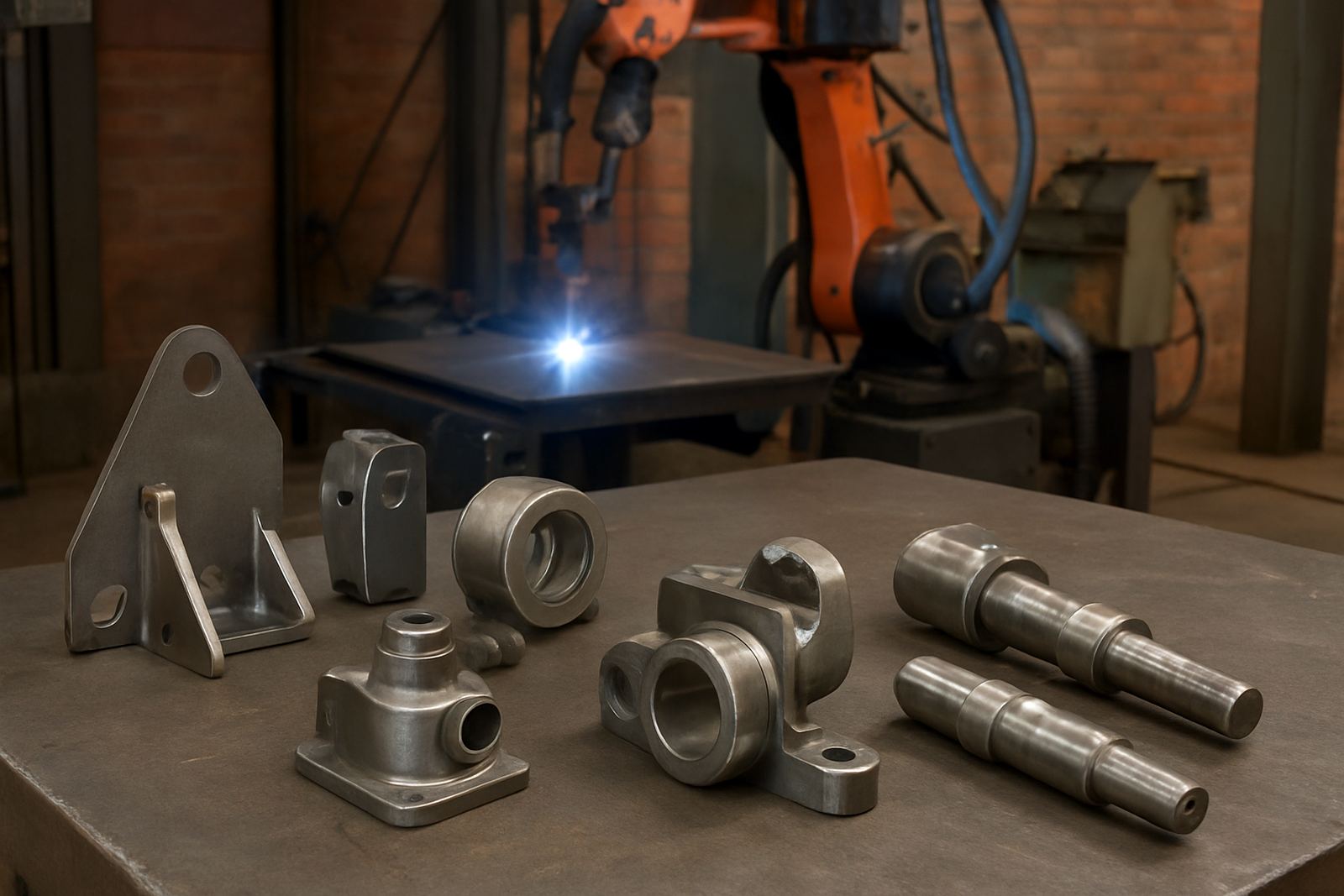
Typical mining components that come through the workshop
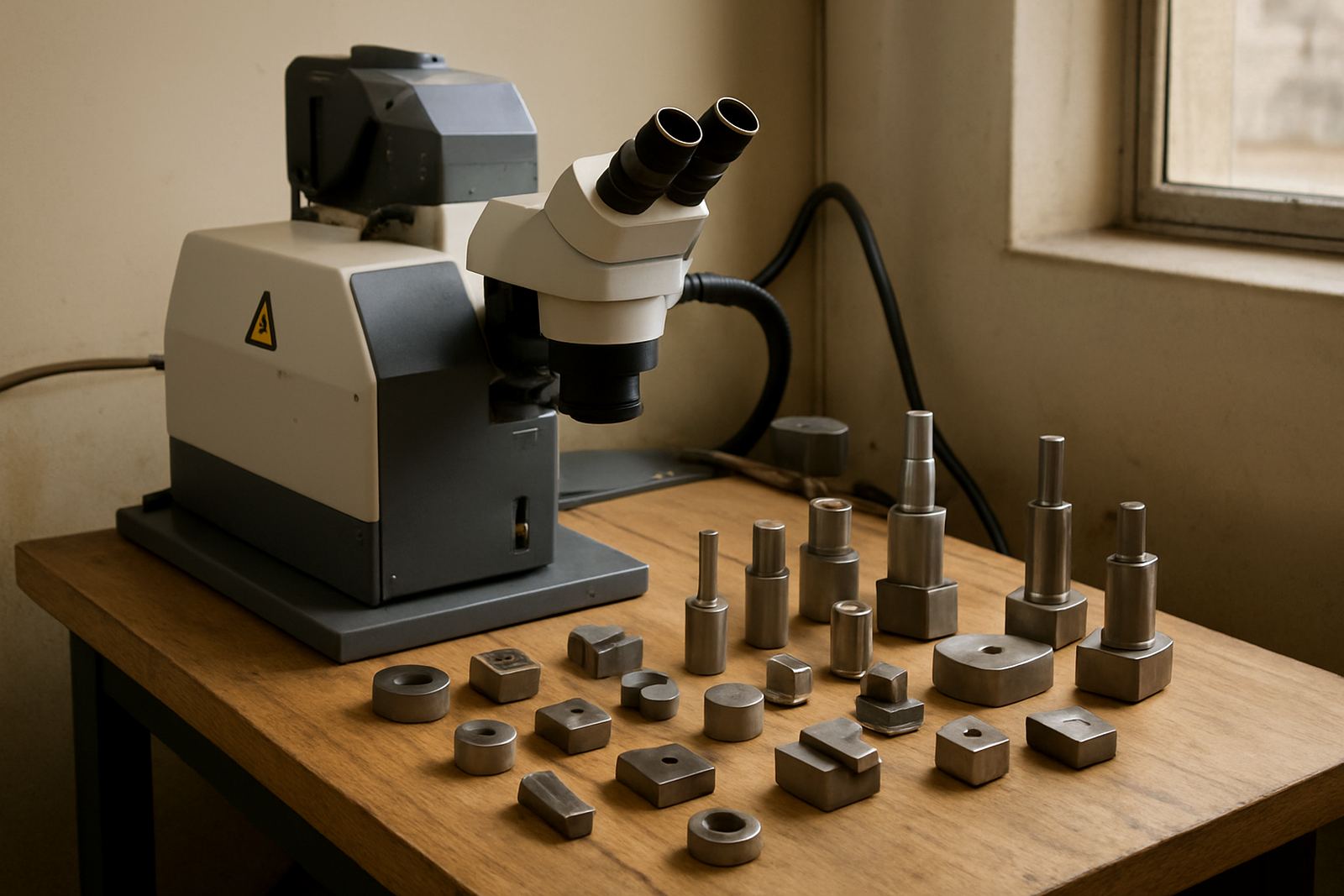
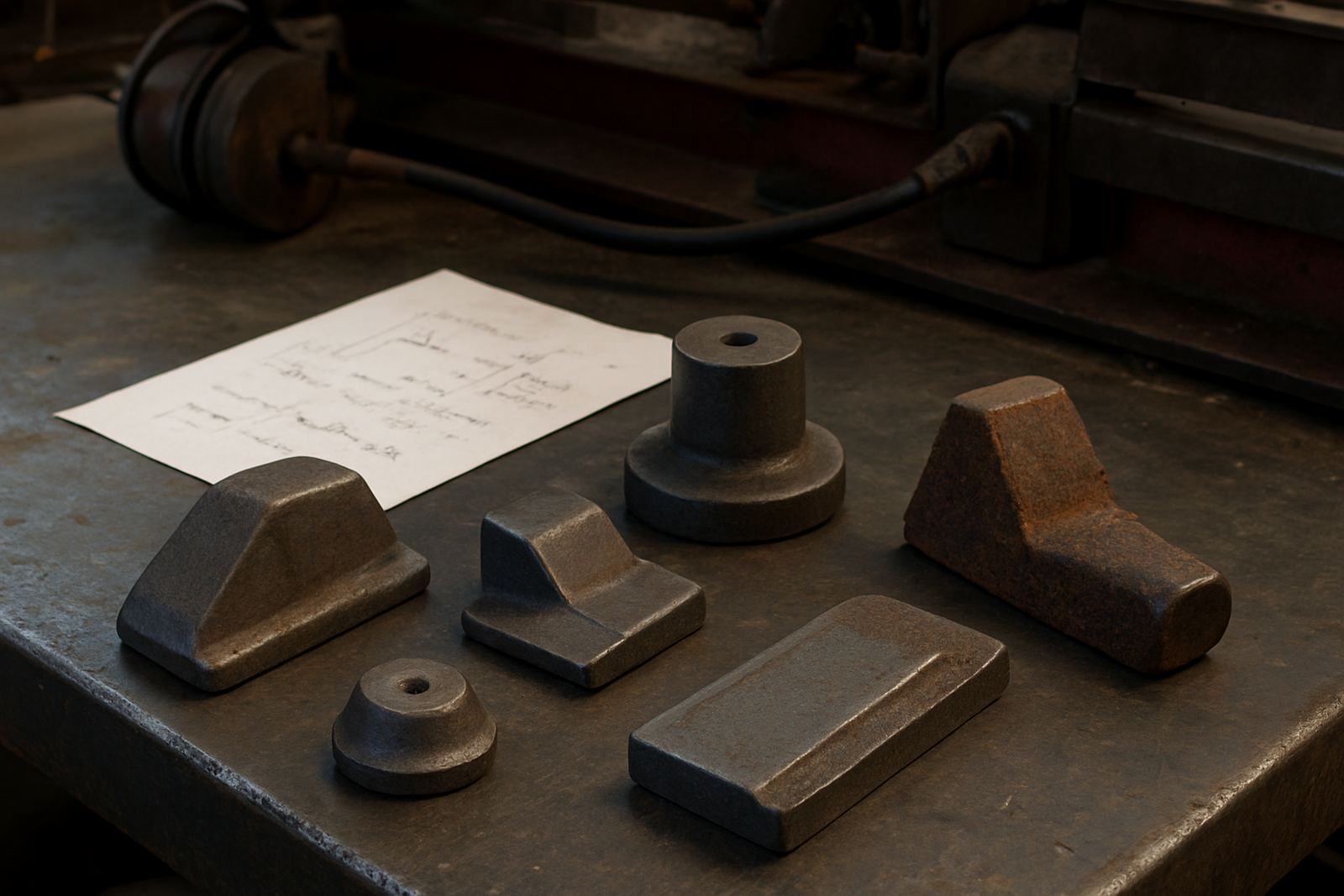
Mining jobs vary widely, from one-off emergency repairs to repeated batch work for contractors and maintenance teams. The most common pieces are usually small enough to transport by courier, but valuable enough that replacement is painful. In the Centurion workshop we often handle parts that need careful fixturing, fine build-up and close checking before they go back into service.
- Wear edges on housings, brackets and support lugs
- Cracked mounting points and tab ends
- Shaft ends, collars and locating features
- Moulded or machined sections on tooling and jigs
- Stainless and aluminium sub-assemblies from process plants
- Prototype items and small batch spares
On mining work, the practical issue is not only the weld itself but also how the repaired area will be handled afterwards. Parts may be greased, bolted, exposed to slurry, or run in dirty conditions. That means the finish, alignment and clean-up need to suit real site use, not just look neat on the bench.
How we plan the job so the repair actually lasts
Good planning starts with measurements, photos and a clear description of how the part failed. If the item is a repeat failure, we want the story of the part, not just the crack. For mining equipment this includes load direction, temperature, vibration and whether the component sees impact or steady wear. Those details help us choose the correct heat control and repair sequence.
Where possible, send the failed part cleaned enough for inspection. Heavy grease, scale and dust hide the true extent of the damage and can waste time. If the item is sensitive to distortion, tell us which faces are critical and which dimensions cannot move. That lets us plan fixturing and avoid chasing tolerance later.
- Mark the damaged area clearly with paint pen or chalk
- Keep mating parts together where they affect fit
- Send drawings, sample photos or a known good part if available
- State the material if it is known, even if only approximate
- Tell us if the item will be machined after welding
Common mistakes that turn a repair into another breakdown
Mining parts often arrive after an attempt to get one more shift out of them. That is understandable, but it can make the repair harder. The most common mistake is waiting until the crack has spread into a loaded section or through a mounting face. At that point a neat repair may no longer be enough because the surrounding metal has already been compromised.
Another problem is sending a part that has not been stripped properly. Rubber, oil, hard deposits and trapped moisture can affect the result and make inspection unreliable. Coastal humidity can also work against stored parts, especially items that sit at Richards Bay, Durban or other humid sites before transport. If a component has been sitting in the weather, dry it and package it well before courier collection.
There is also a cost mistake. Some clients compare a repair to the price of a new part only, without including freight, import delays, site downtime and the cost of re-installation. On mining work, that fuller picture matters. A repair at R3 500 may be far better than a replacement that costs R28 000 plus a week of lost production.
Budget ranges for mining equipment welding in Rand
Budget depends on size, material, access and how much preparation the part needs. Small crack repairs and edge build-up on minor components may start around R1 500 to R3 500, especially if the item is clean and straightforward. More involved work on precision mining parts, where alignment and finish are critical, often falls between R4 000 and R12 000.
For larger or repeated job-shop work, such as a batch of worn parts, the pricing is usually done after inspection and quantity confirmation. That keeps the rate realistic for both sides. If machining, stress relief, or detailed post-weld checking is needed, those items are priced separately so there are no surprises.
Transport also matters. Some customers drop off at Centurion, Pretoria East or Midrand, while others use courier jobs from Klerksdorp, Rustenburg, Secunda and further afield. For urgent mining support, we can plan around load-shedding and collection windows so the part is not sitting idle for longer than necessary.
Workshop flow for Pretoria, Gauteng and nationwide collections
Our work is based in Centurion, with support for Pretoria East, Midrand, Rosslyn and Jet Park collections, plus nationwide courier jobs. For mining clients, the practical arrangement is usually simple: send the part, we inspect it, confirm the repair path, and then carry out the welding and final check before it goes back. That suits maintenance teams who need clear timing and one point of contact.
Large mining operations often work on fixed shutdown windows, so the best approach is to pre-book the job and make sure the part arrives early enough for assessment. If the site has strict entry rules, include the delivery instructions and contact names. Municipal and site access rules can slow a collection more than the actual repair, especially where delivery vehicles must sign in or book a bay in advance.
- Courier the part with a packing note inside the box
- Keep all bolts, spacers and mating pieces labelled
- Give us your deadline before dispatch
- Ask for a photo update if the repair is time-sensitive
Why high-value mining parts suit precision laser repair
Laser welding is useful on mining components because it puts heat where it is needed and keeps the surrounding area more controlled than many general repair methods. That matters on precision parts where distortion, surface finish and fit all affect the next shift. It also helps on thin sections where too much heat would create a fresh problem.
For high-value components, the aim is not just to make a visible weld. The aim is to return a part that still fits, works and survives the next period of hard service. That is why we pay close attention to crack stop points, edge build-up, and the final condition of the repair. When the part is worth saving, the job should be done carefully the first time.