When printing parts start wearing before the machine should
Printing plants often call us when a roller lip has chipped, a mount has cracked, or a small bracket has worn away from repeated adjustment. These faults can stop a line as quickly as a bigger breakdown, because the parts involved are usually tied to registration, feed accuracy or tension control. In many cases the item is still structurally sound, but the working surface needs careful welding and re-machining so it fits back into service.
We see jobs from commercial print shops in Pretoria and Centurion, label converters in Midrand, and production lines in Rosslyn and Jet Park where downtime has to be kept short. Coastal humidity does not help stored parts either, so surface pitting and light corrosion are common on equipment brought in for repair from the Durban and Gqeberha sides. Where possible, we repair the item rather than replace it, which can save time and reduce the cost of sourcing imported spares.
Typical printing components we repair and build up
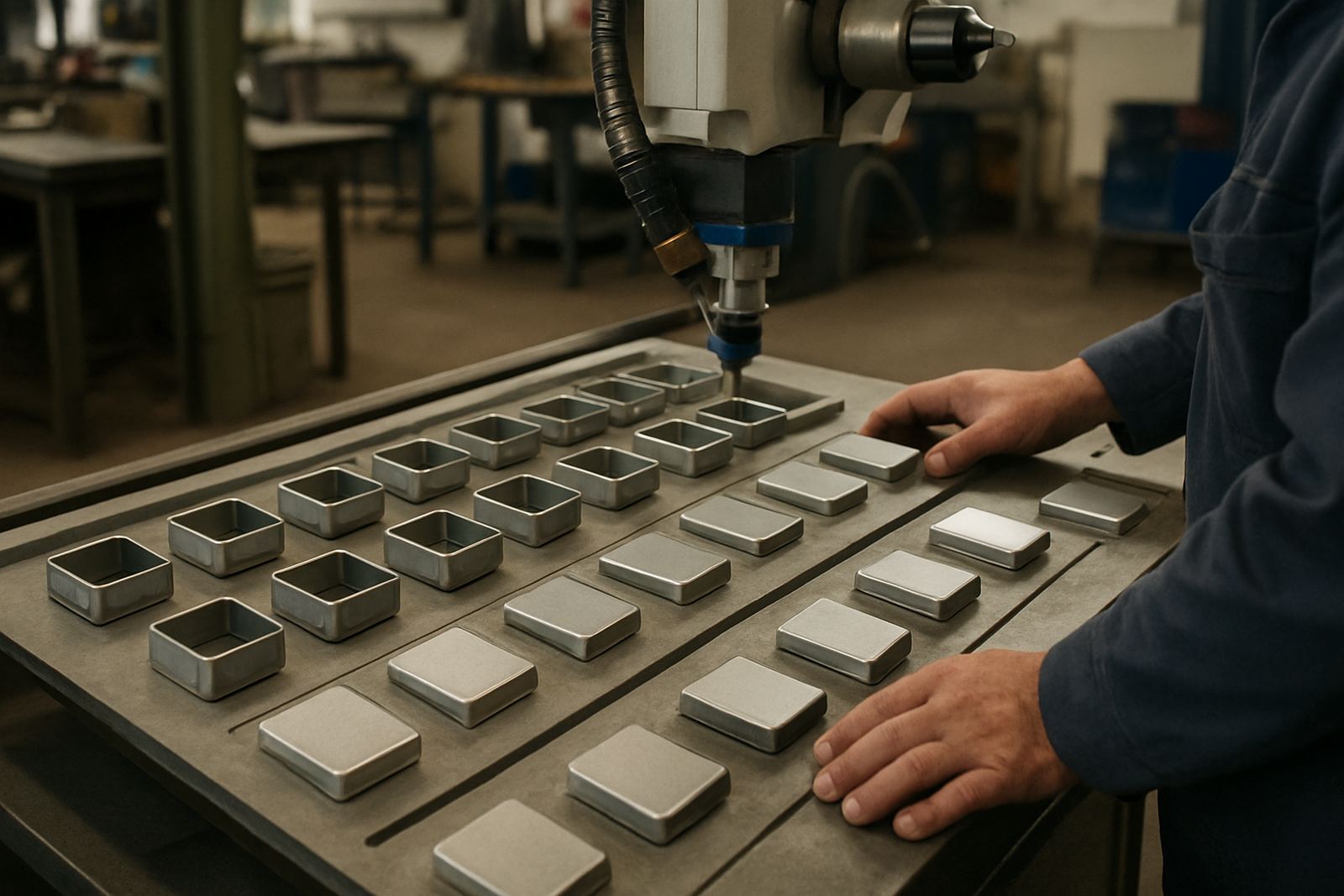
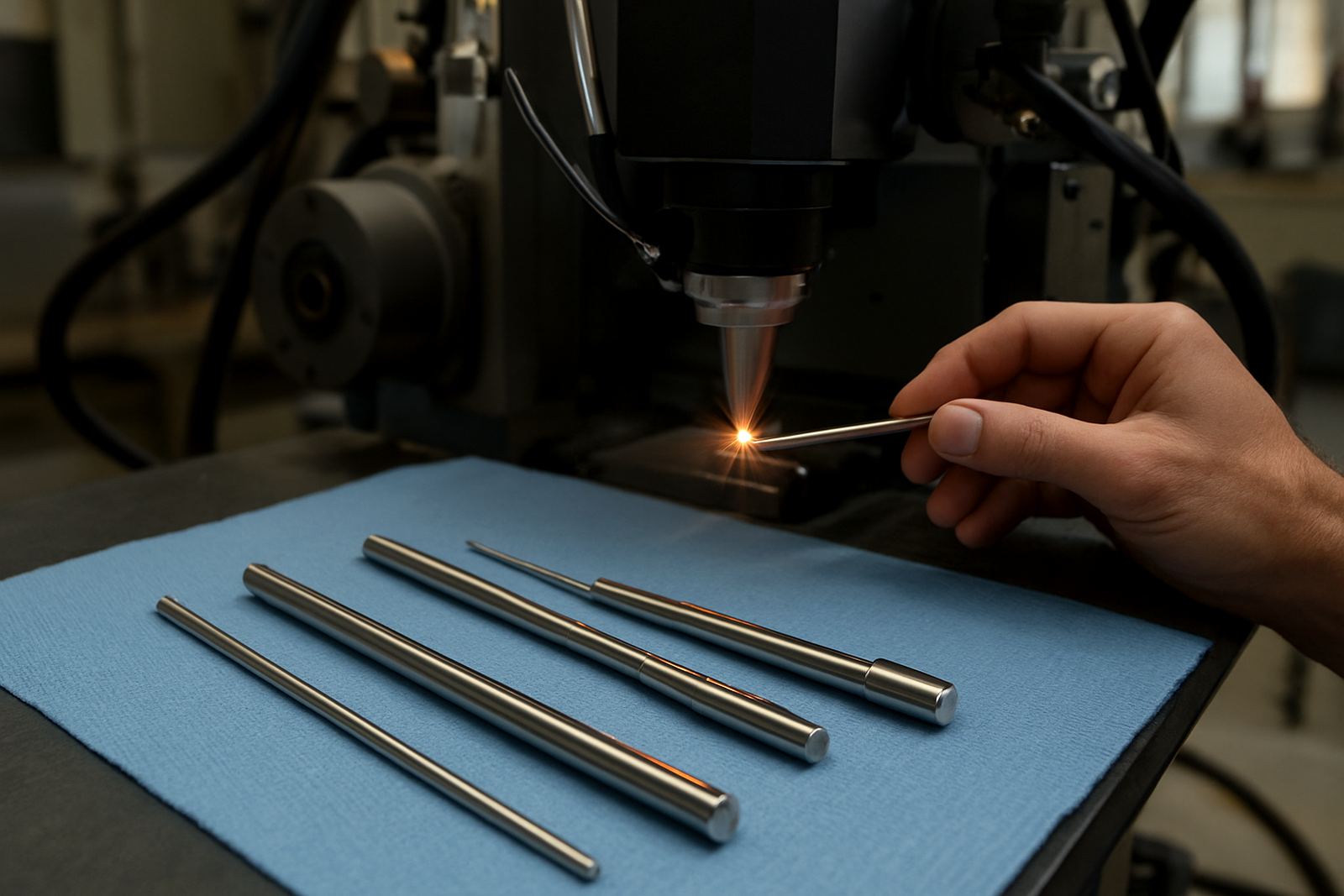
Printing equipment uses a mix of hardened, thin section and finely machined parts. Laser welding is suited to precise local repairs because heat is kept tight to the work area, which helps protect nearby bores, faces and threads. For components that cannot take broad heating, this matters a lot.
- Rollers with worn ends, chipped edges or damaged journals
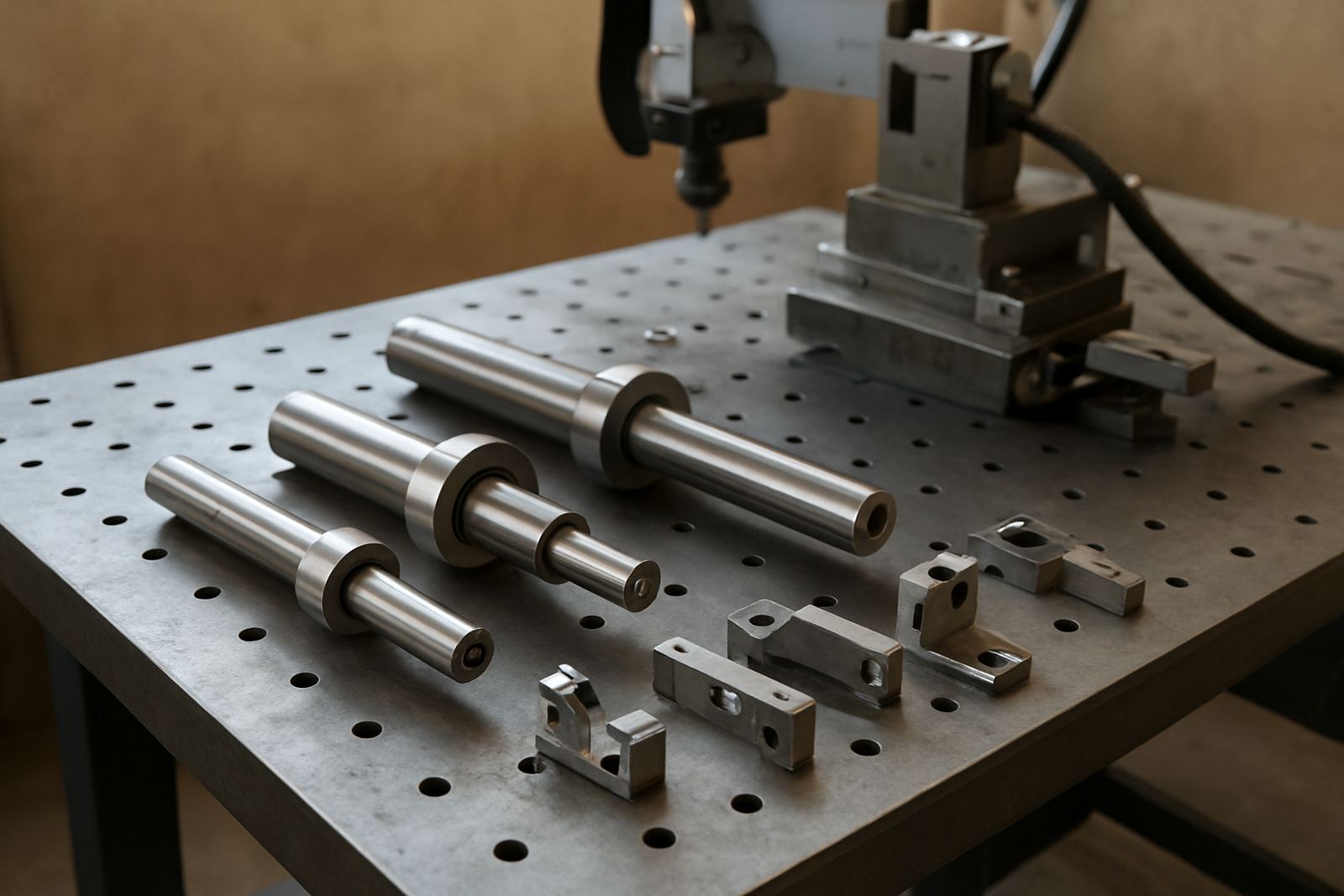
- Mounts, brackets and alignment plates with cracked corners
- Guide parts, stops and locating features on feeders and folders
- Small machine parts that need edge build up before re-machining
- Prototype fittings and trial components for short production runs
- Stainless and aluminium parts used on printroom support equipment
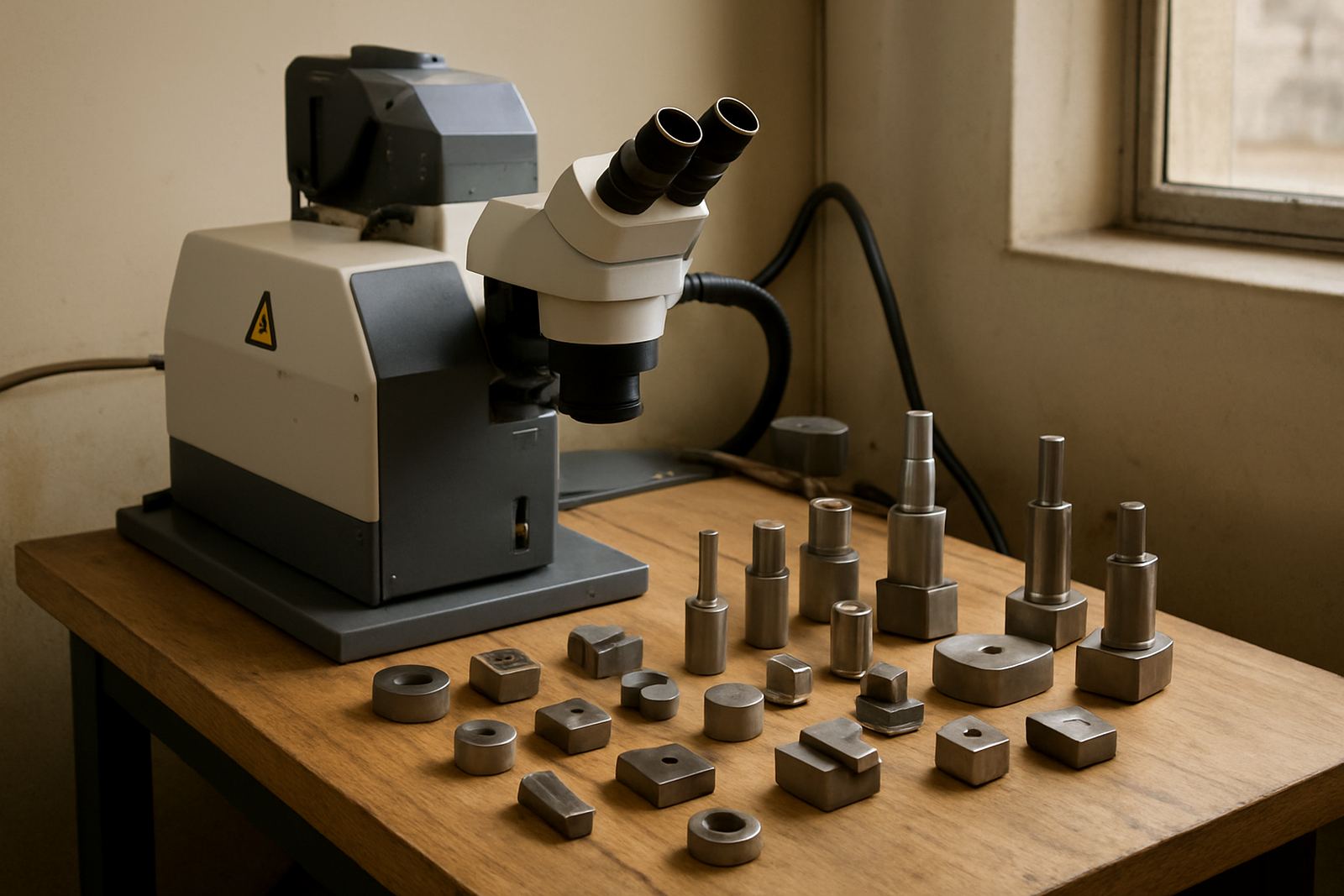
We also handle mould and die type work where printing-related tooling has been used for forming, cutting or guide applications. If a part is too thin for conventional welding or too valuable to scrap, laser welding is often the better option.
How we plan a repair around the machine and the run
Good planning starts with measuring the worn section properly. A part that looks small can affect a full stack-up, so we check where the wear sits in relation to bearings, shafts, guides and clamping points. If the part is part of a matched set, we ask for the related piece as well, because a single repair on its own can hide the real cause of the fault.
For printing components, the usual process is to inspect, clean, repair, then confirm the finished dimensions before collection or courier release. If the part must return to a line that runs in shifts, we can discuss sequencing so the client is not left waiting for a batch to finish. Where the item is coming from outside Pretoria, we often work from clear photos and measurements first, then confirm once the job arrives in the workshop.
- Bring samples, drawings or the worn part if you have them
- Tell us the machine make and the function of the part
- Share the target size, tolerance or fit if known
- Note whether the part runs hot, dry or under tension
- Let us know if the job is urgent or tied to a shutdown window
Common mistakes that make printing repairs more expensive
We often see clients try to save time by sending only a photo of the damaged area, then the part arrives and the repair plan changes because of hidden wear. Another common issue is machining back too much material before asking for advice, which can remove the only reference point left on the component. Once that happens the repair can still be done, but the re-fit takes longer.
Contamination is another problem. Oil, ink residue, adhesive, and corrosion can all affect weld quality if the part is not cleaned correctly before handover. On thin printing parts, people sometimes ask for a heavy weld bead when a fine local repair would be better. Too much heat can pull the part out of true and create extra straightening work. Small mistakes at the start can become costly later, especially when the machine has a tight tolerance stack.
Budget ranges for printing component welding in Rand
Most printing repair jobs are priced after inspection because size, material and finish all change the work involved. A small crack repair on a light bracket may sit in the lower hundreds of Rand, while a roller edge build-up or precision restoration job can move into the low thousands. Batch work and repeat parts are usually better value per item than one-off emergency callouts.
As a practical guide, small repairs often start from about R450 to R1,200, medium precision work is commonly in the R1,200 to R3,500 range, and more involved restoration or multiple-part jobs can run from R3,500 upwards. If a part needs courier collection, return delivery, or extra machining after welding, those costs are added separately. For production clients, we can quote on a sample first so you can compare repair cost against replacement or downtime risk.
- Small crack or chip repair: from about R450
- Precision build-up on a single component: from about R1,200
- Restoration or multi-part batch: from about R3,500
- Courier handling for nationwide jobs: quoted per consignment
Why printing clients bring parts to our Centurion workshop
Our Centurion base is convenient for Pretoria East, Midrand and Rosslyn, and we also support Jet Park service work plus courier jobs from across South Africa. Clients use us when they need careful welding, not general fabrication. That includes fine machine parts, worn edges, crack repairs and restoration work where the finish matters as much as the strength.
Led by Marius van der Merwe with a team that includes workshop, quality and client support staff, we keep the process practical and direct. If your printing line is waiting on a roller, mount or guide part, send it through with the details you have and we will advise on the next step. For urgent repairs or batch jobs, send a message through our contact form with photos, measurements and the town where collection or return is needed.