

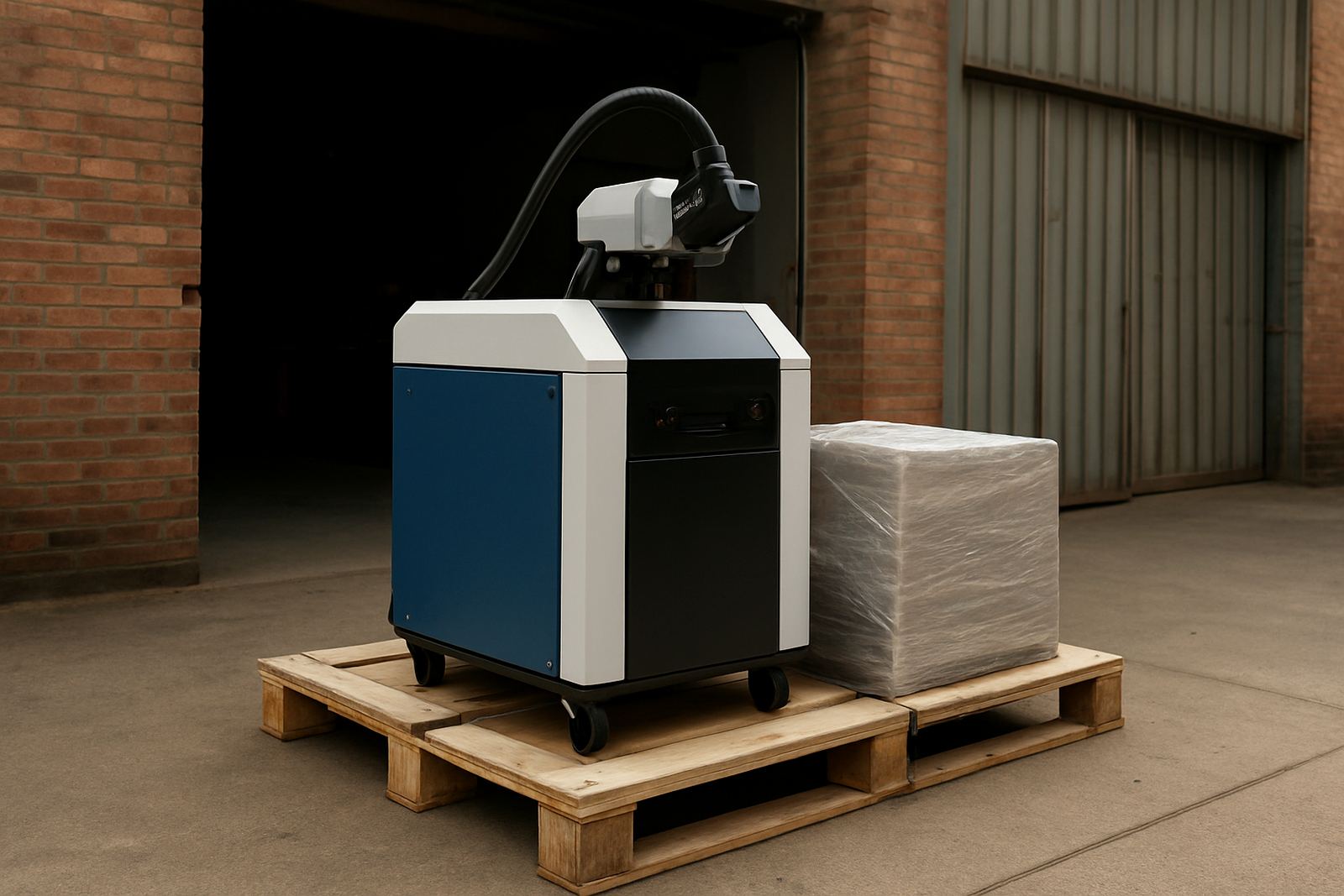
Choose a Cell Around the Job, Not Just the Machine
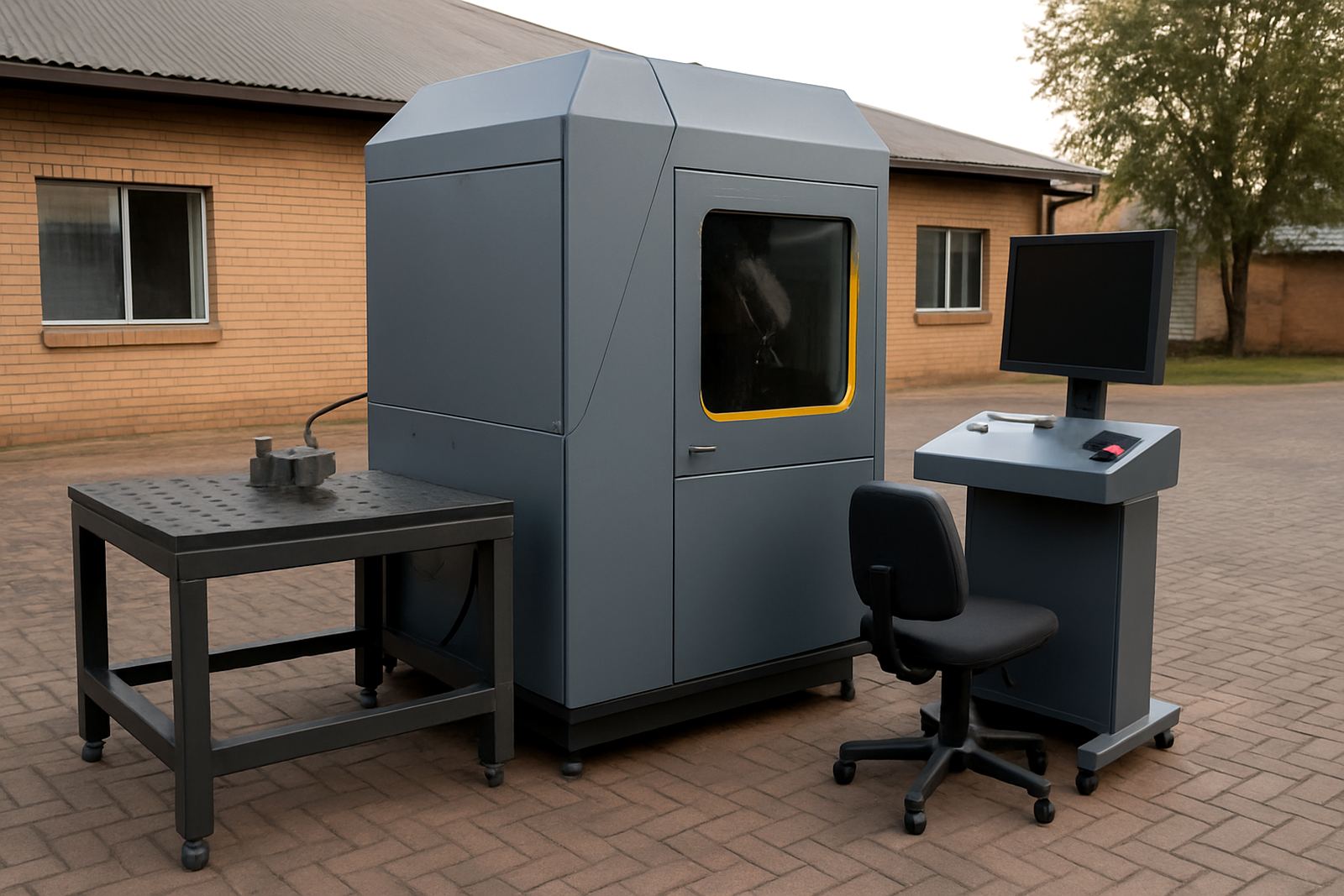
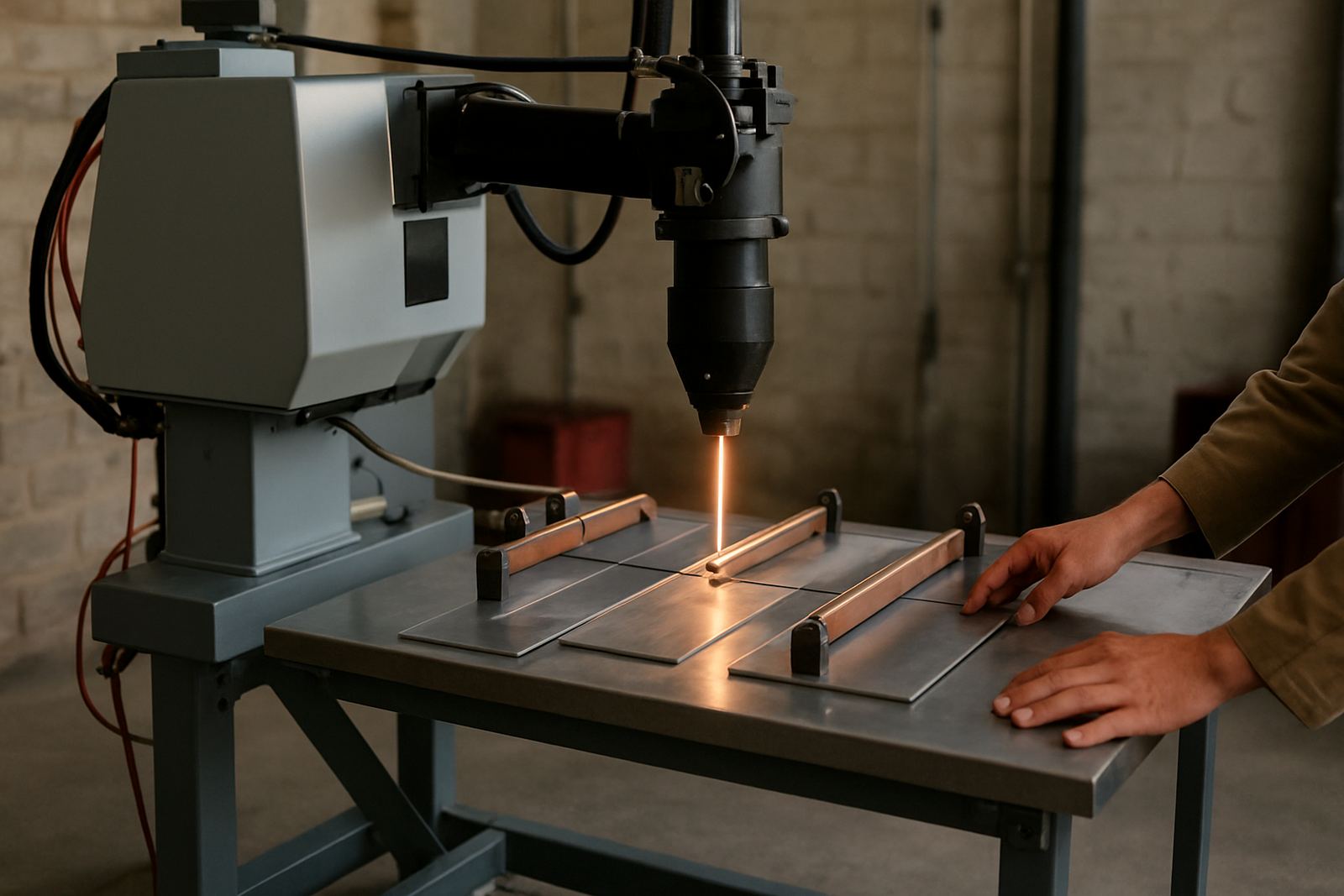
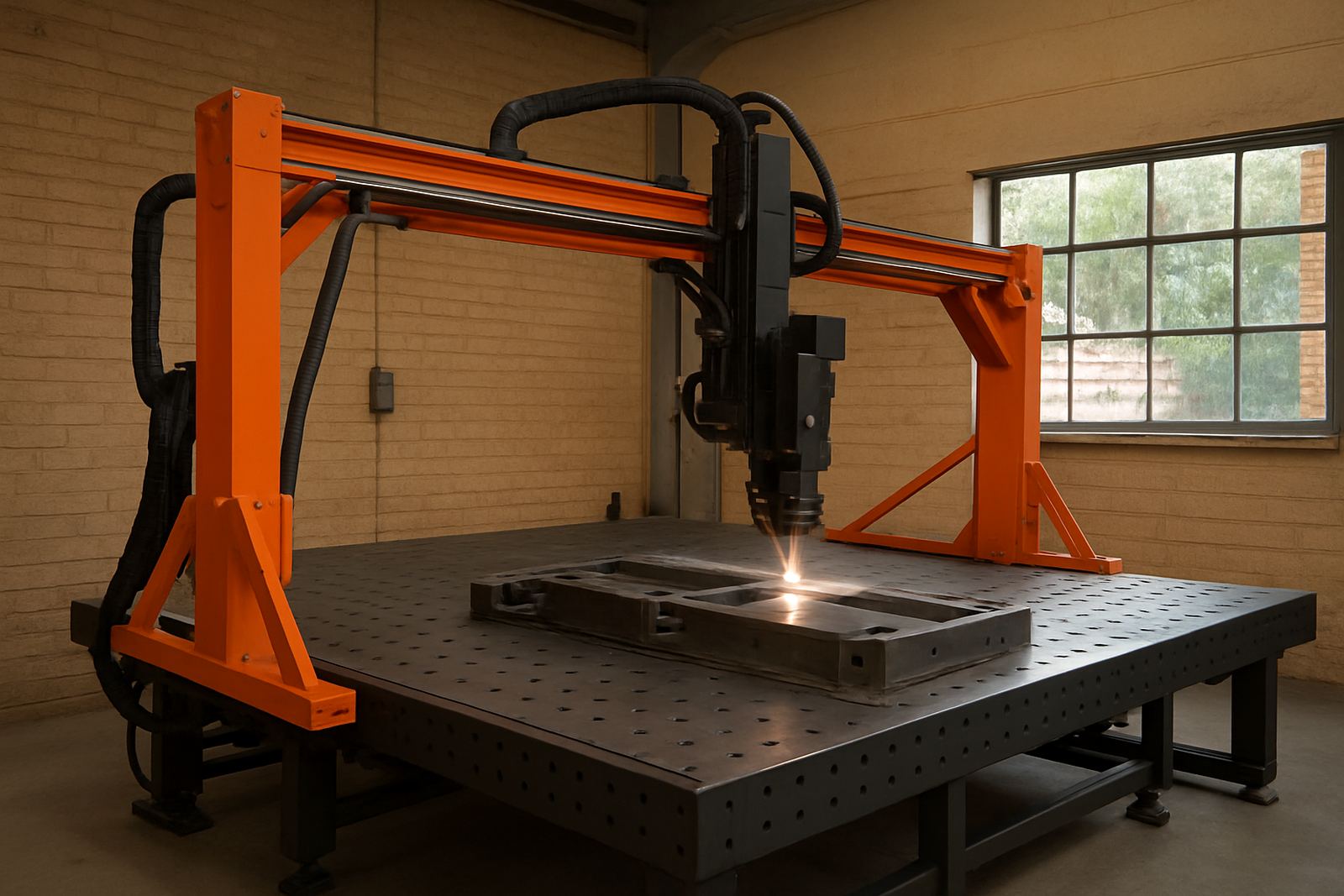
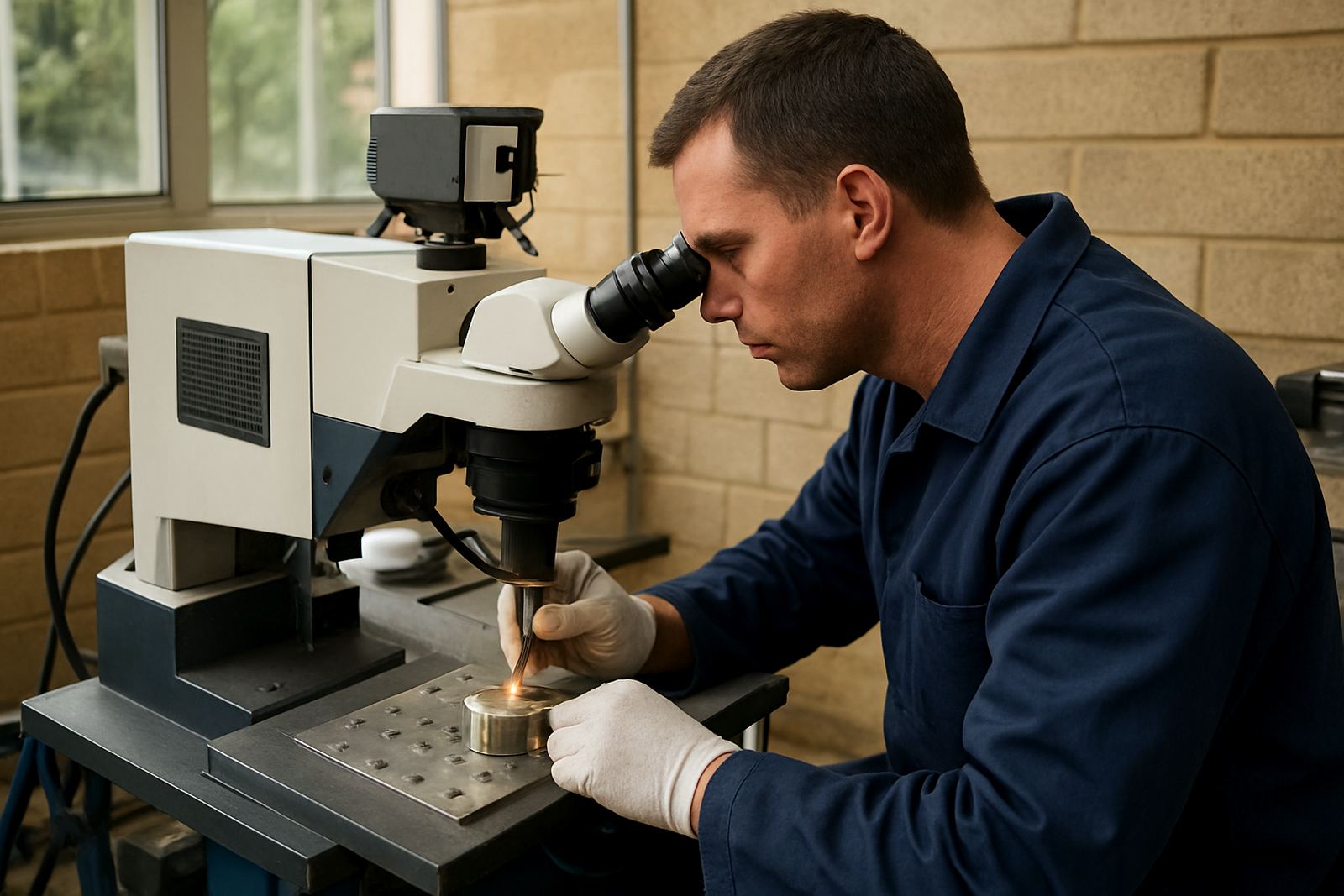
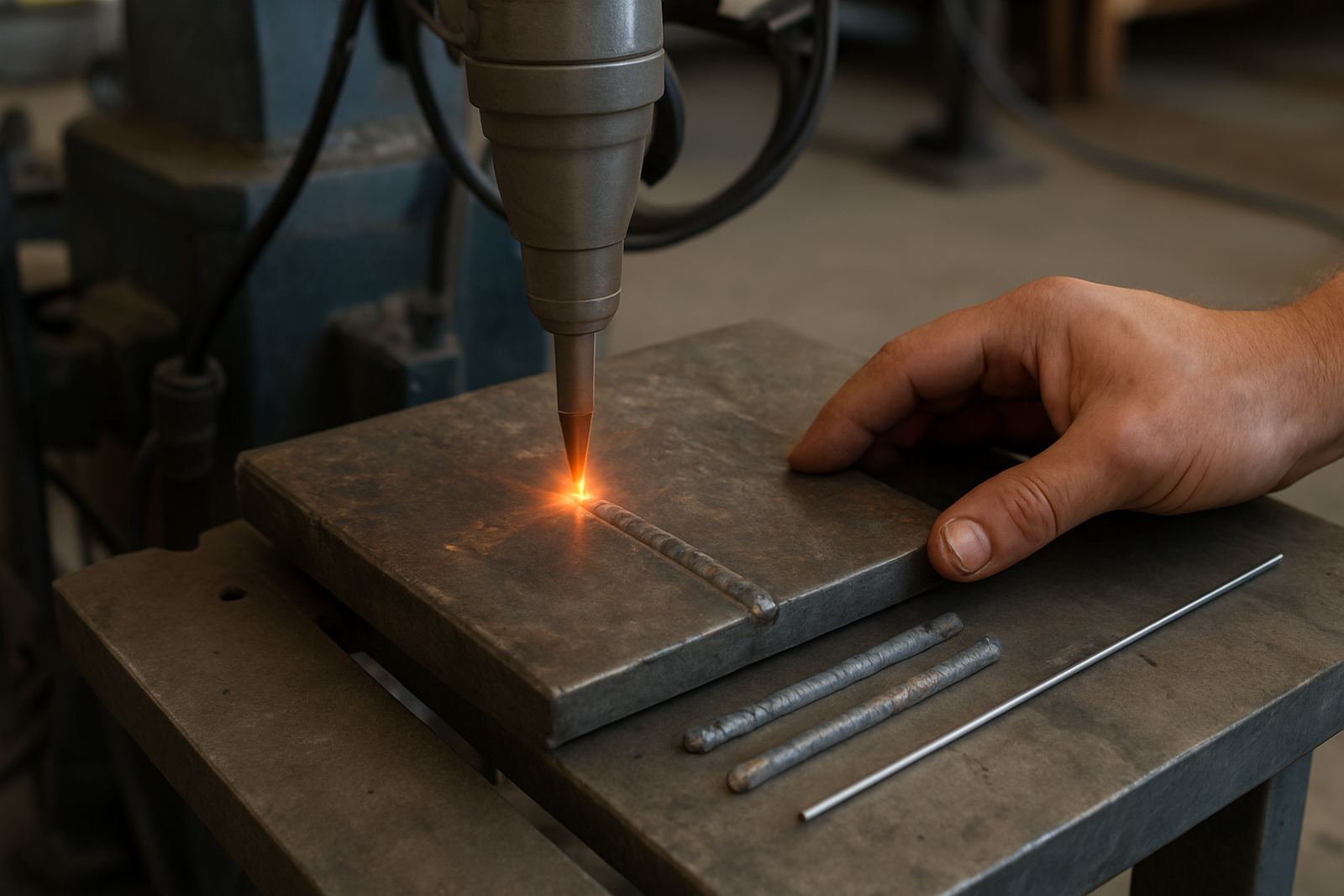
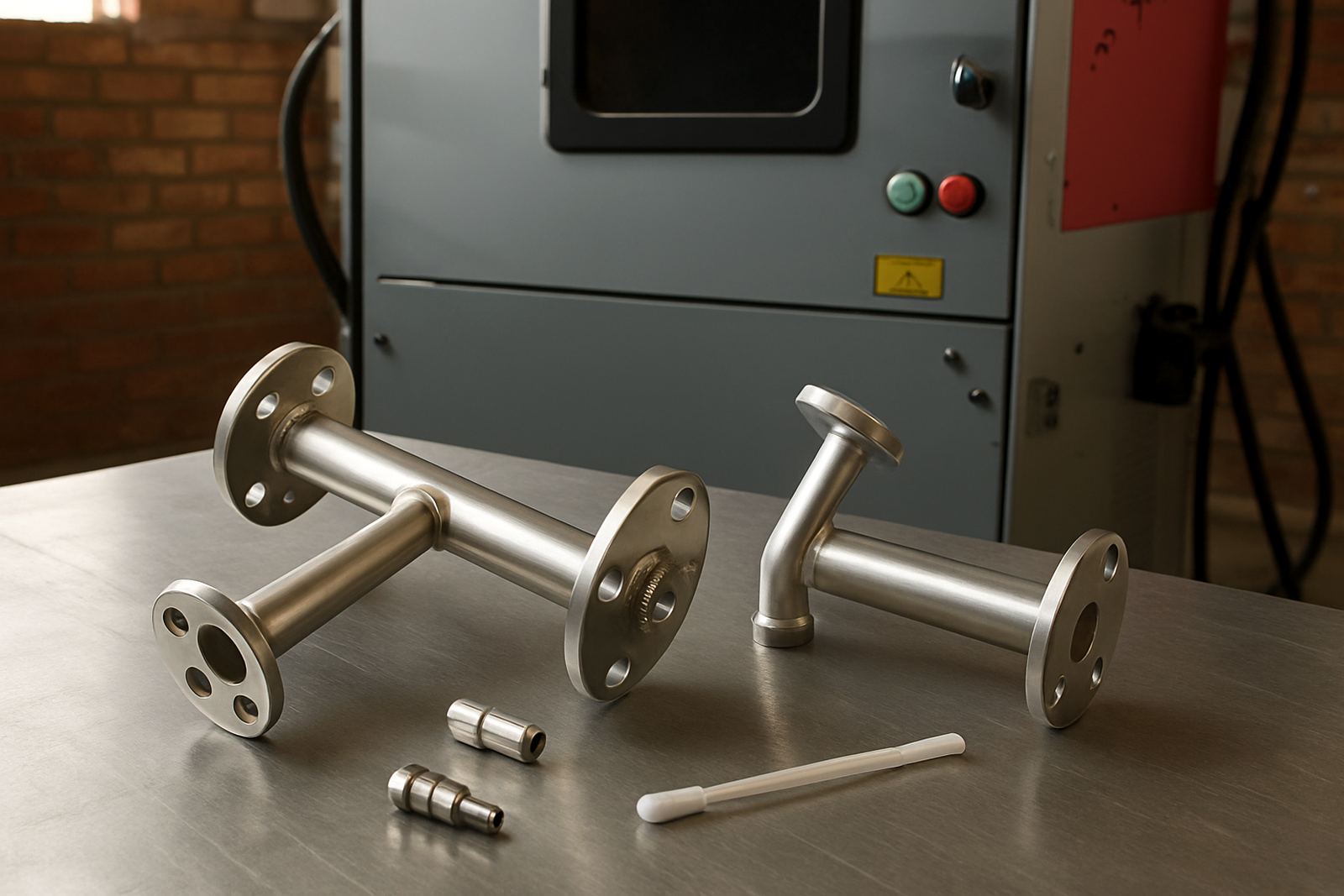
In a job-shop, the best cell is the one that fits the work coming in that week. A repair bench for a small precision part needs different spacing, shielding and part support than a cell set up for repeat production or mould and die work. At our Centurion base we often see clients arrive with mixed work, such as stainless wear repairs, aluminium build-up and prototype joining, so the cell has to stay flexible.
When choosing a setup, look at access to the weld zone, how the part will be clamped, whether you need magnification or local extraction, and how much movement the operator must make between clean-up, inspection and rework. In Gauteng, where many jobs move between Pretoria, Midrand and Jet Park, a practical layout saves time and reduces handling damage.
- Small parts and fine repairs need compact benches with stable support
- Prototype work benefits from easy repositioning and quick change-over
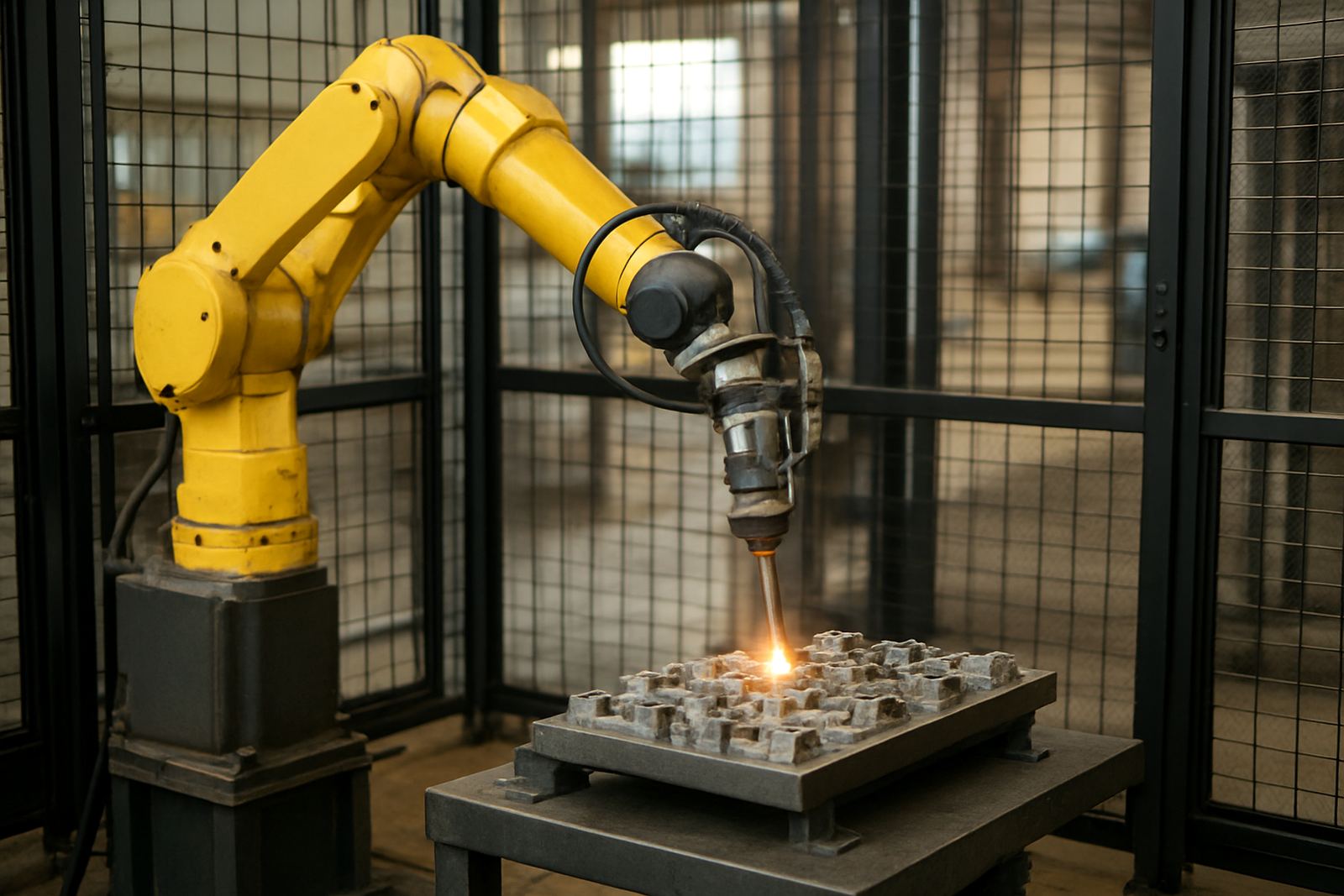
- Batch jobs need repeatable fixturing and clear part flow
- Heat-sensitive pieces need controlled spacing and careful shielding
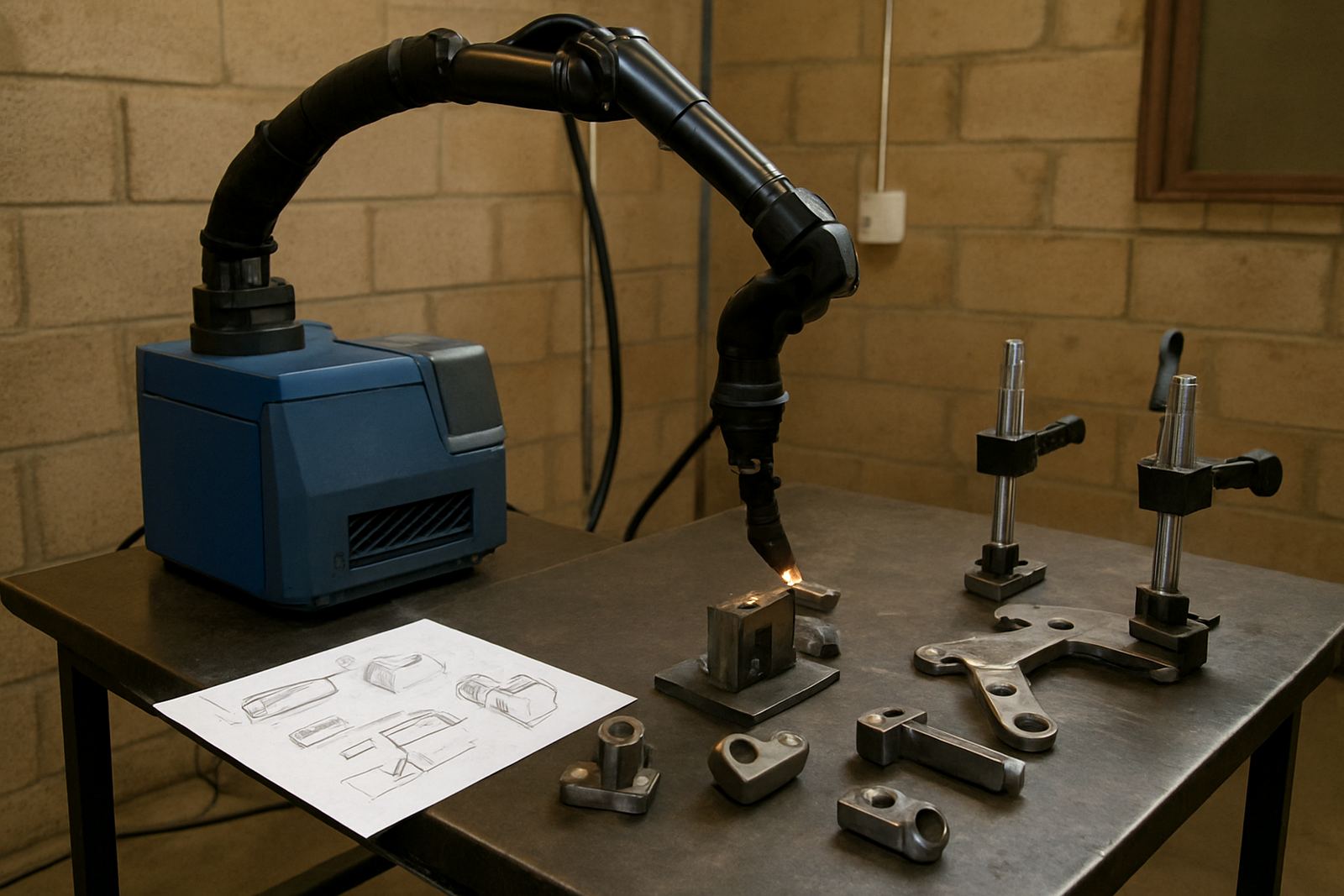
Repair Cells for Crack Work and Edge Build-Up
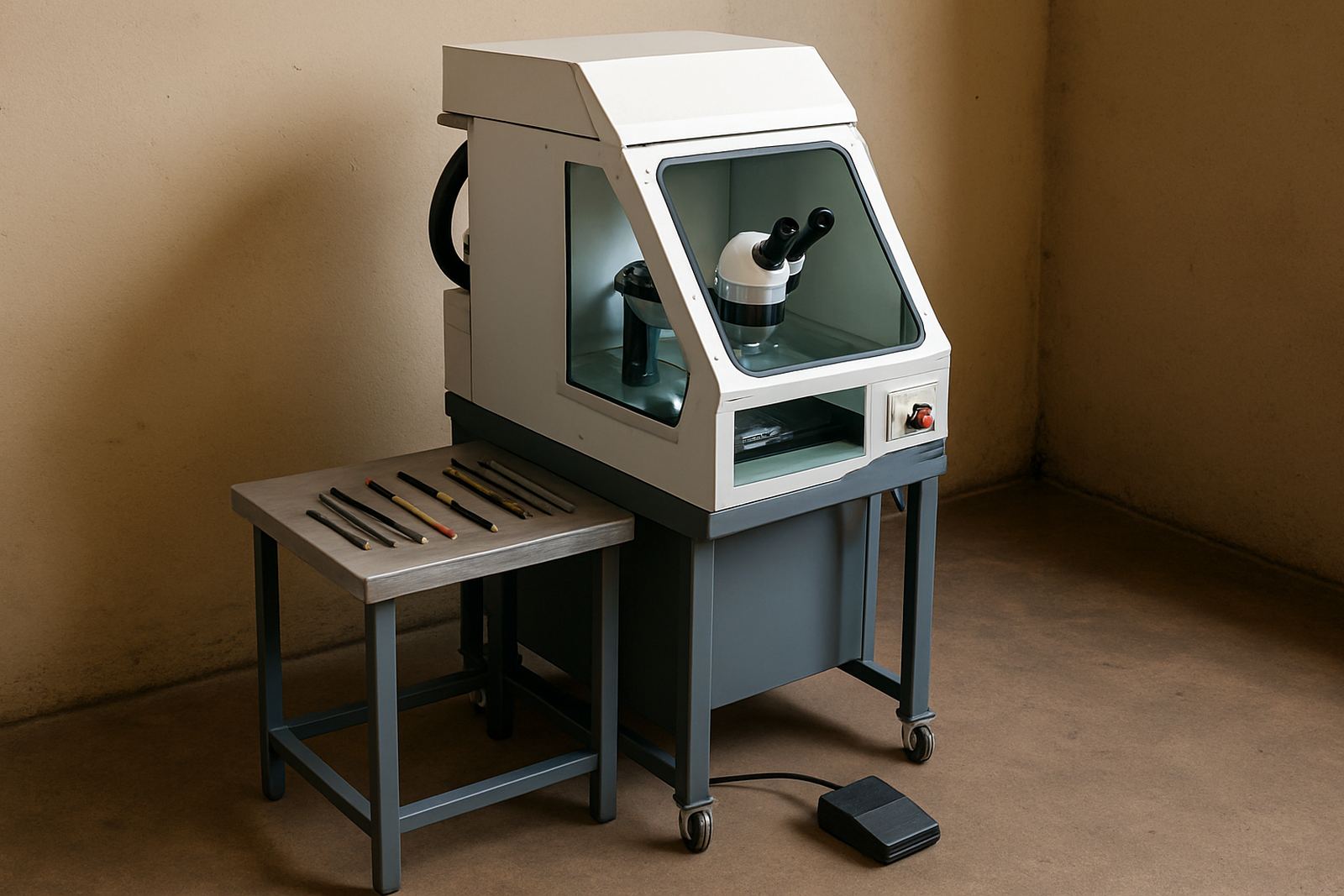
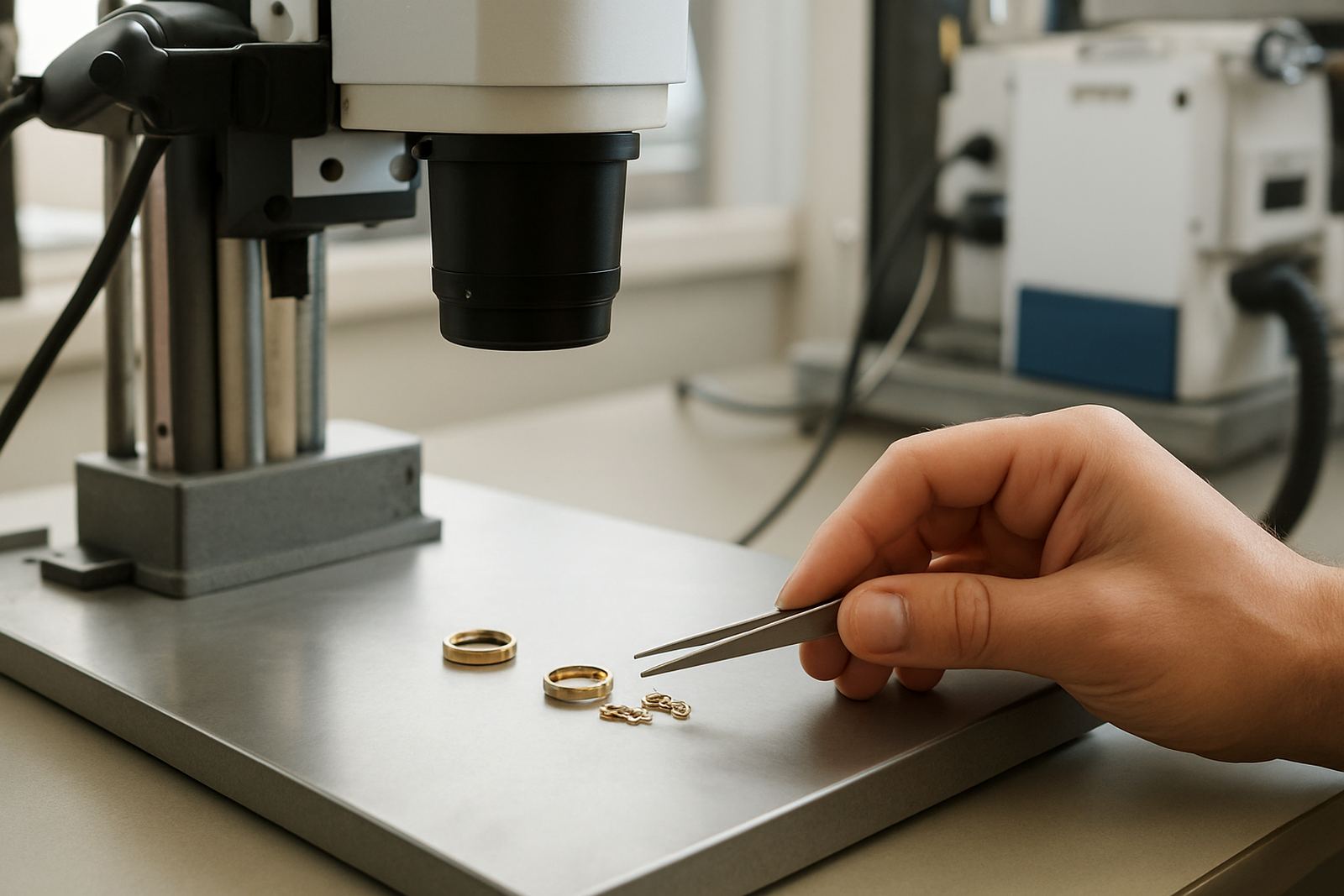
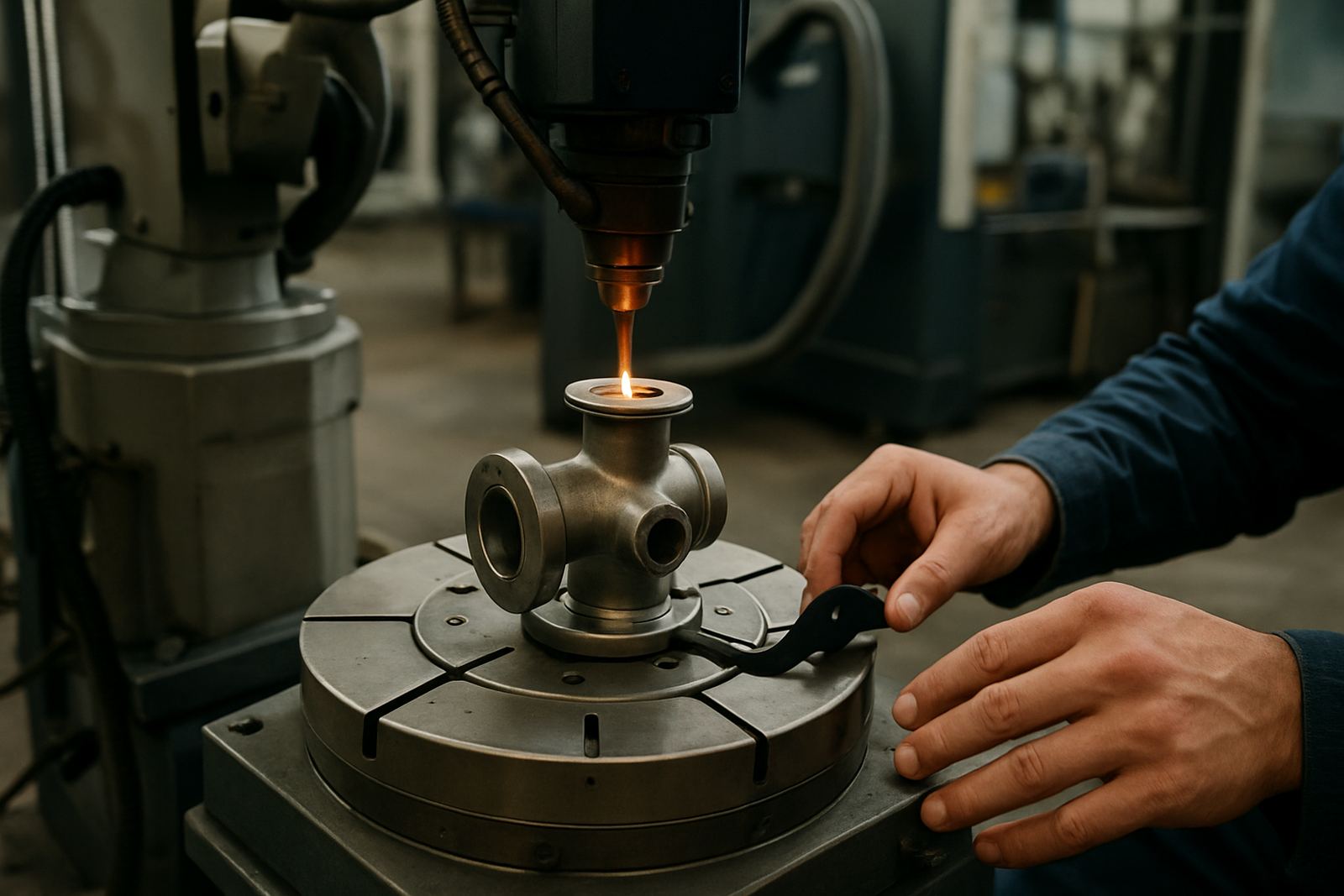
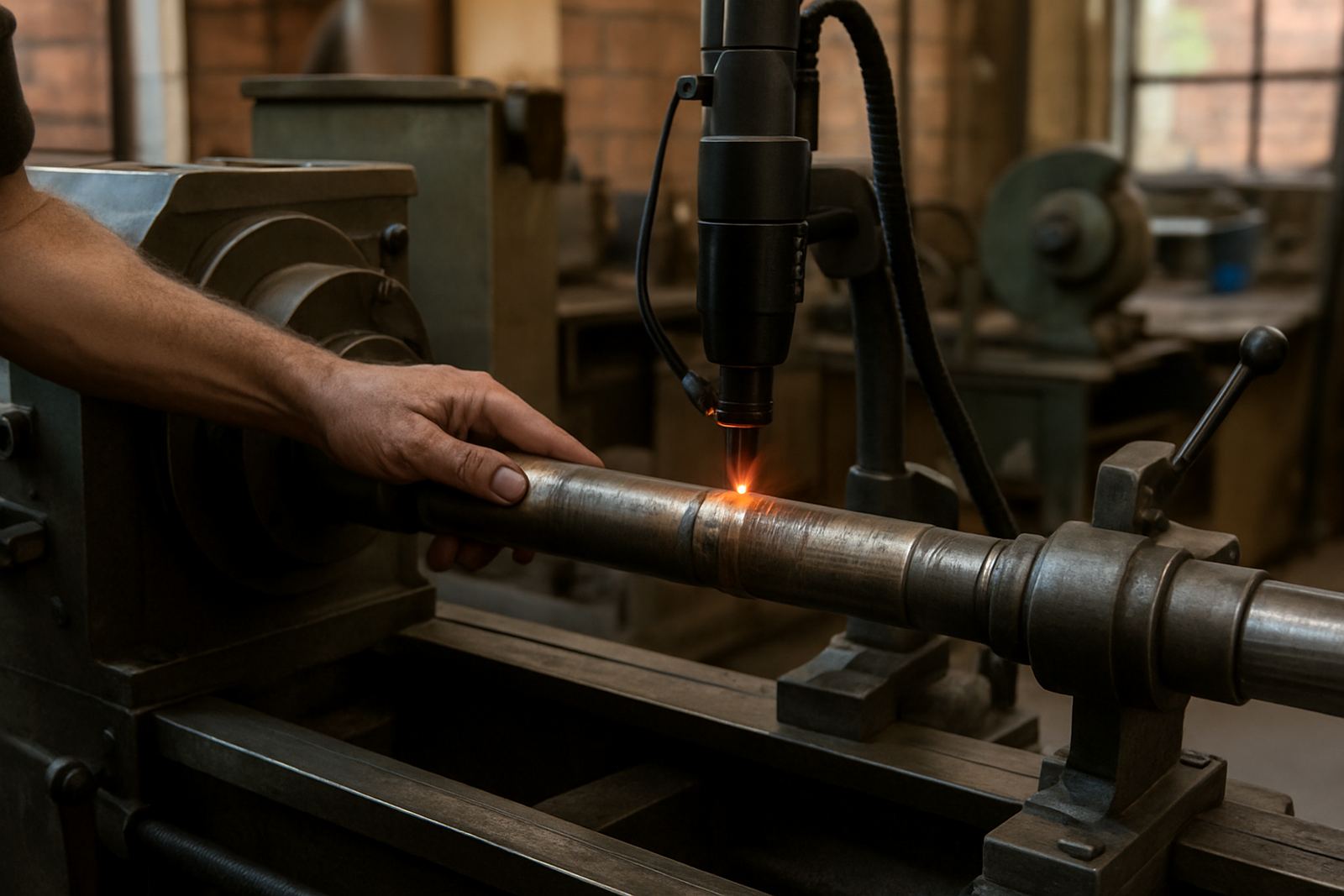
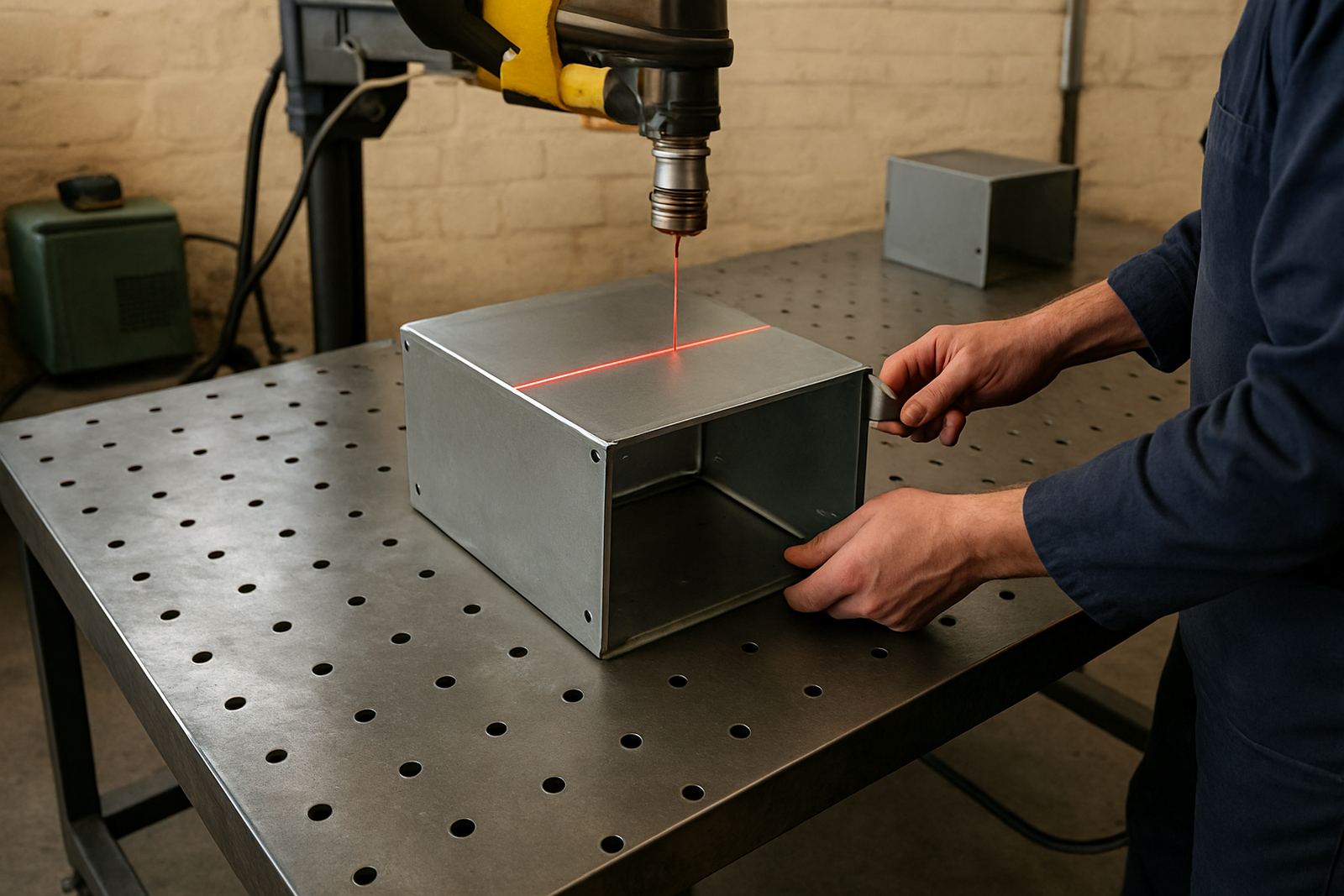
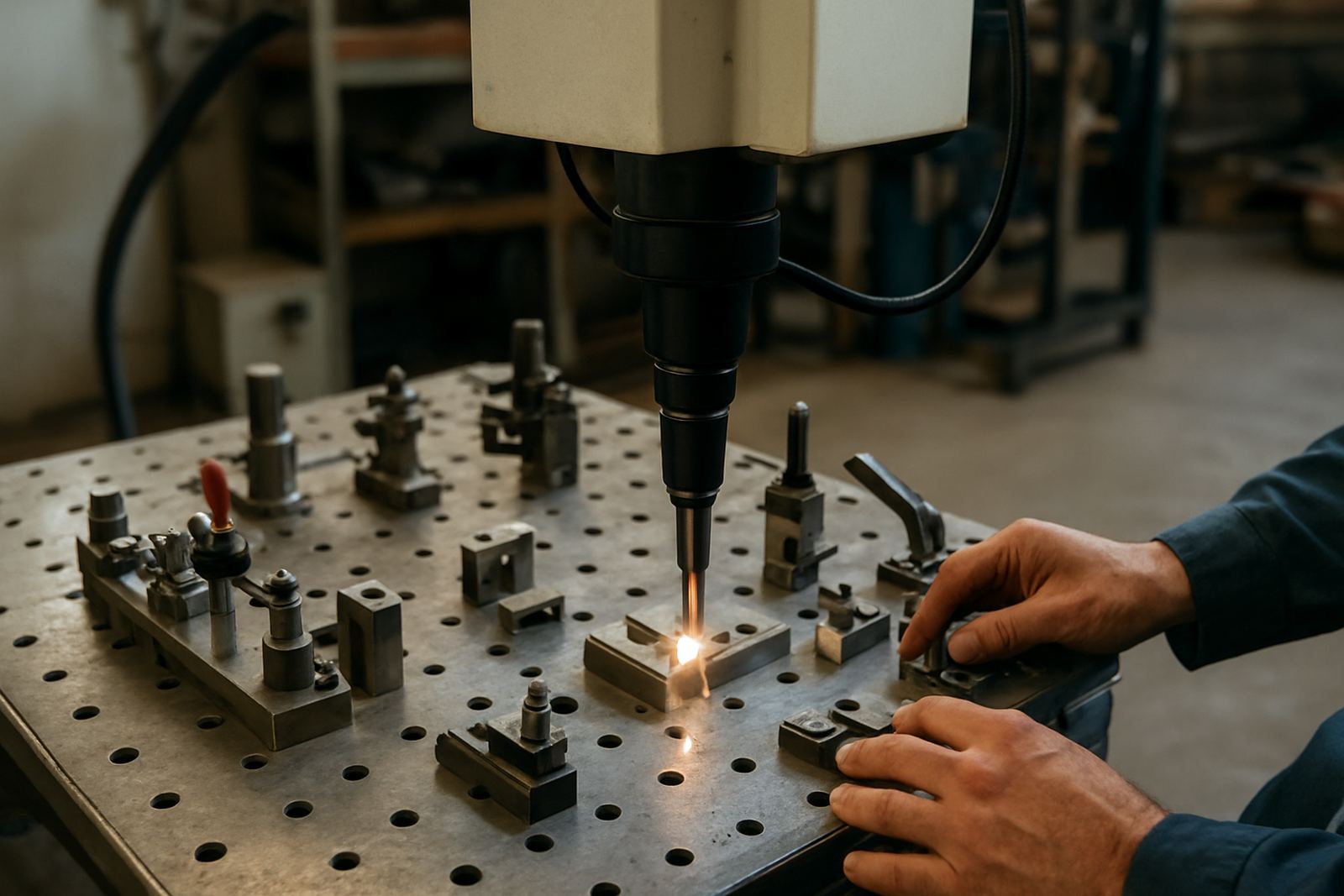
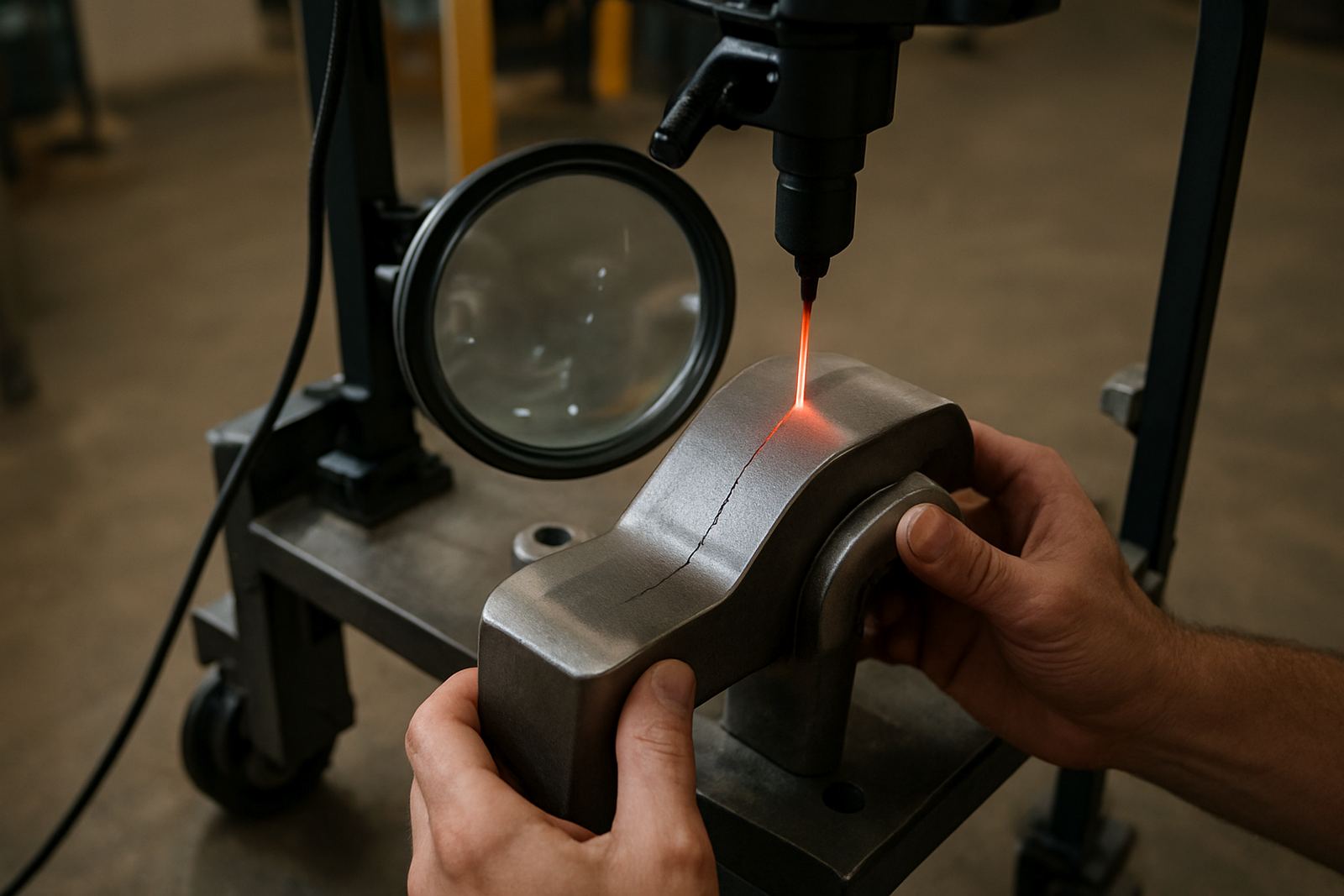
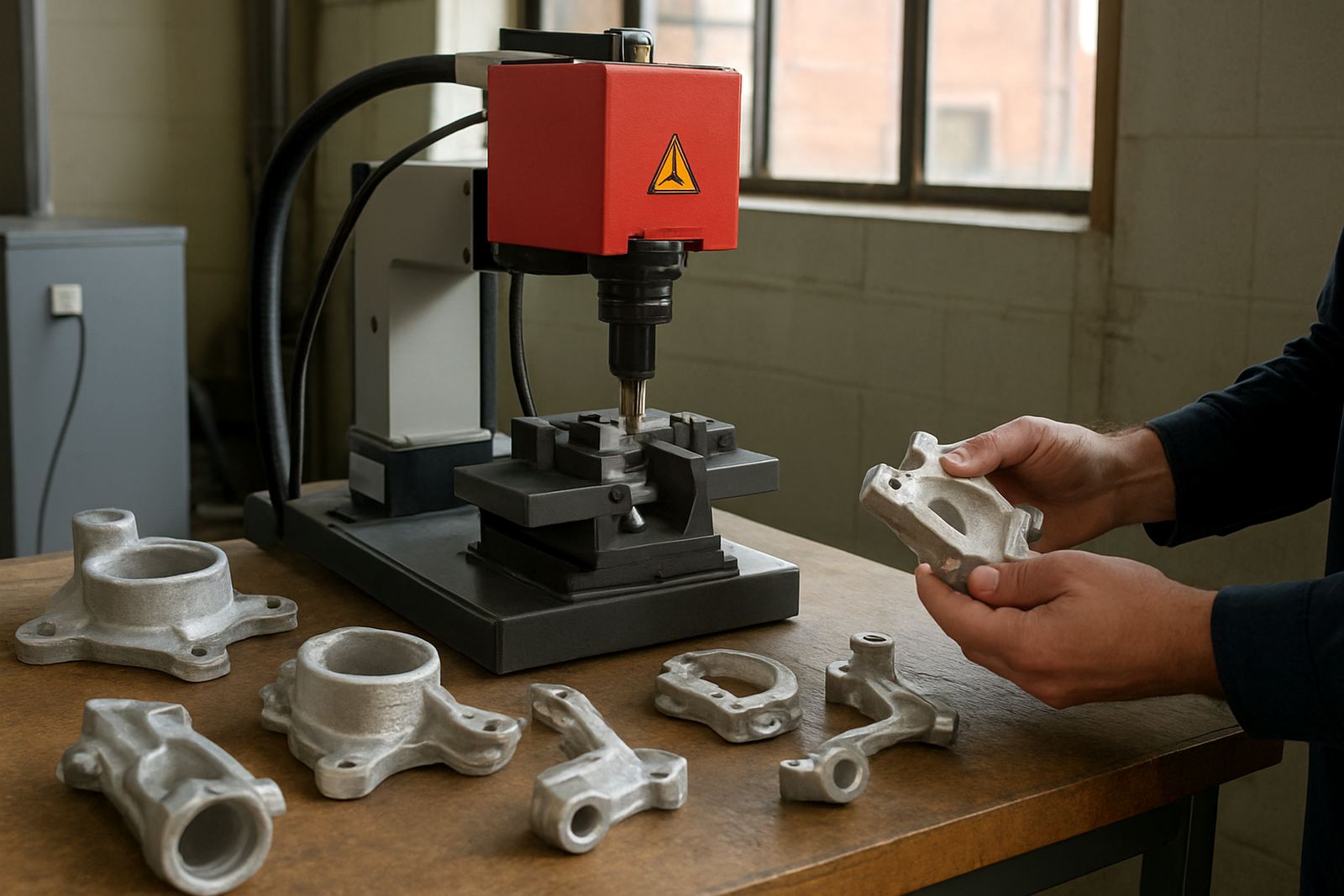
Repair cells are usually built for access and control. The aim is to hold the part securely, expose the damaged area properly, and keep the surrounding surface clean for finishing after the weld. This matters for crack repair, edge build-up and part restoration where the original dimensions must be kept as close as possible.
A good repair cell also handles uneven, worn or awkward shapes. That means adjustable supports, simple clamping and room for inspection before and after the pass. In coastal areas with humidity, keeping tools and jigs organised and dry helps avoid contamination and slows down surface issues. For workshop teams doing urgent turnarounds, less handling also means fewer marks and less rework.
- Stable clamping for distorted or damaged sections
- Space for cleaning, inspection and light finishing
- Good visibility on the repair line
- Easy access for stainless and aluminium jobs alike
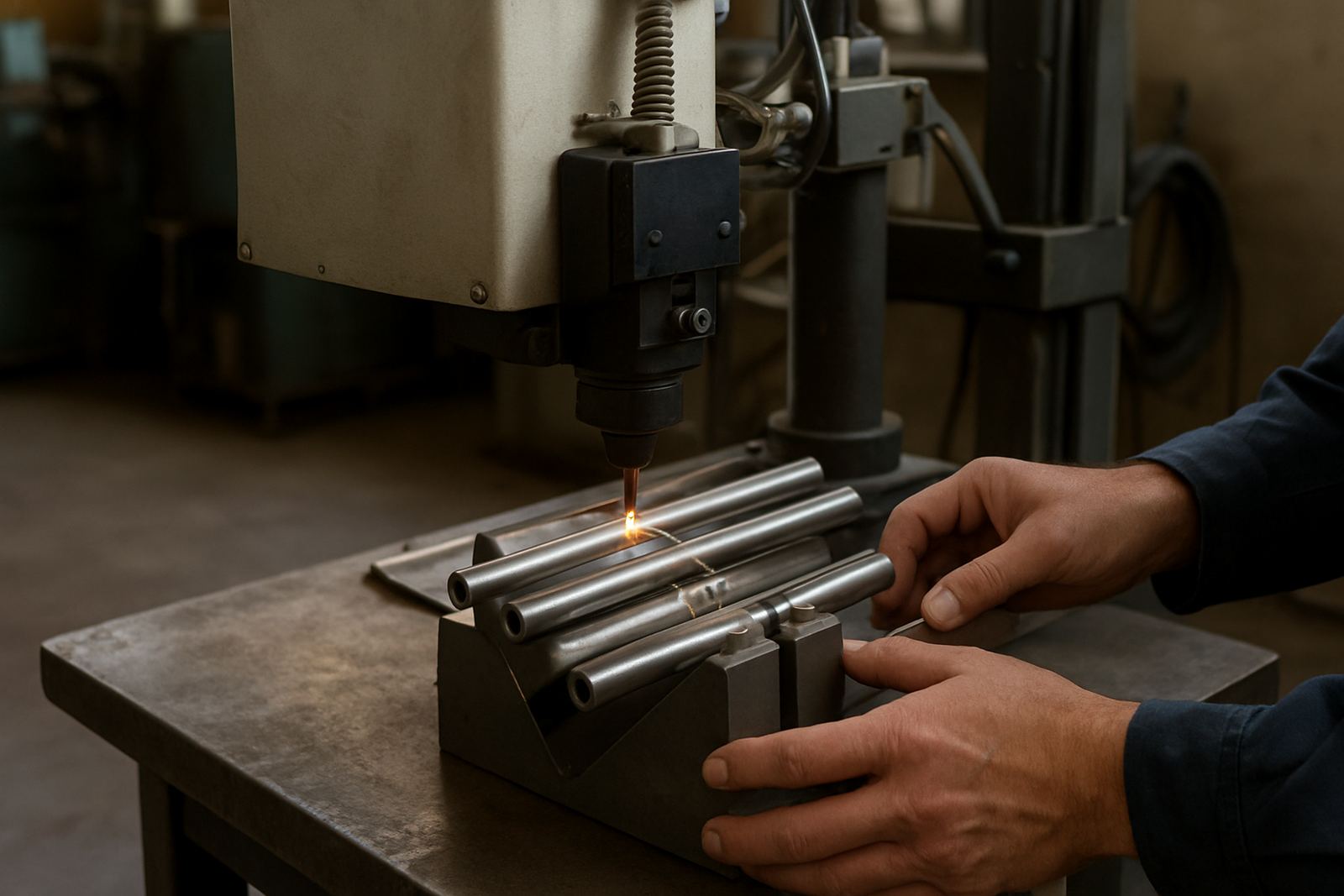
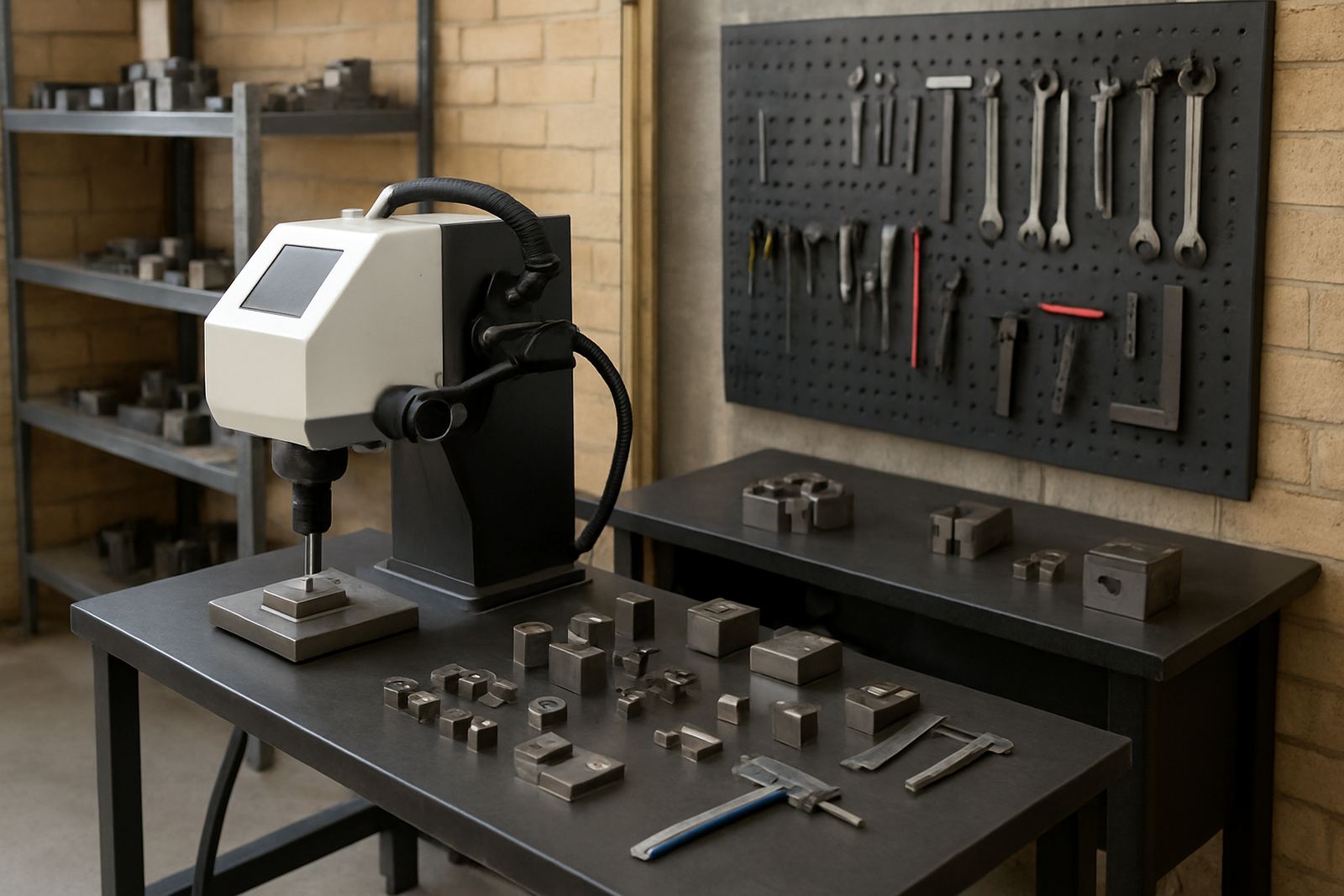
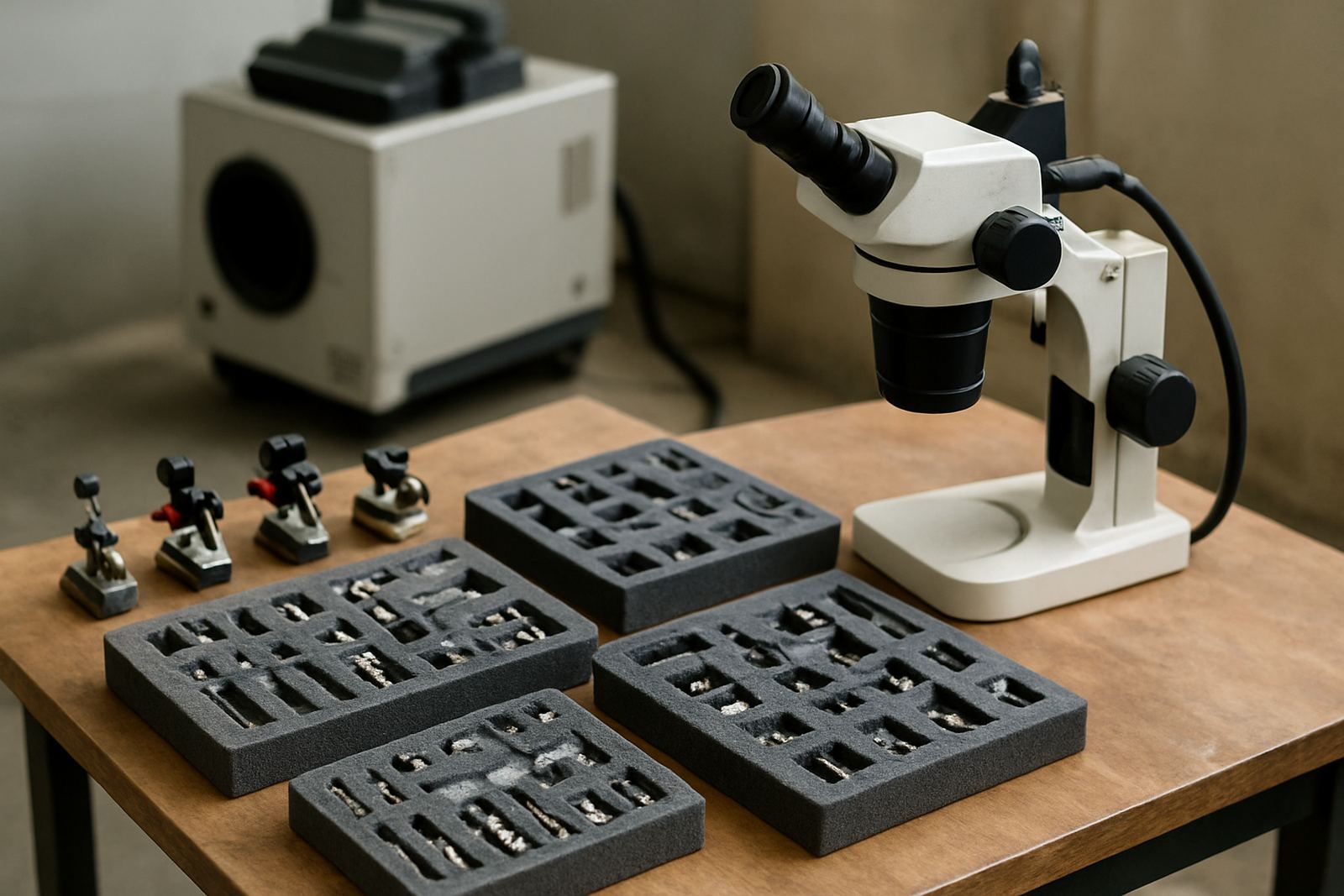
Prototype and Small-Batch Welding Benches
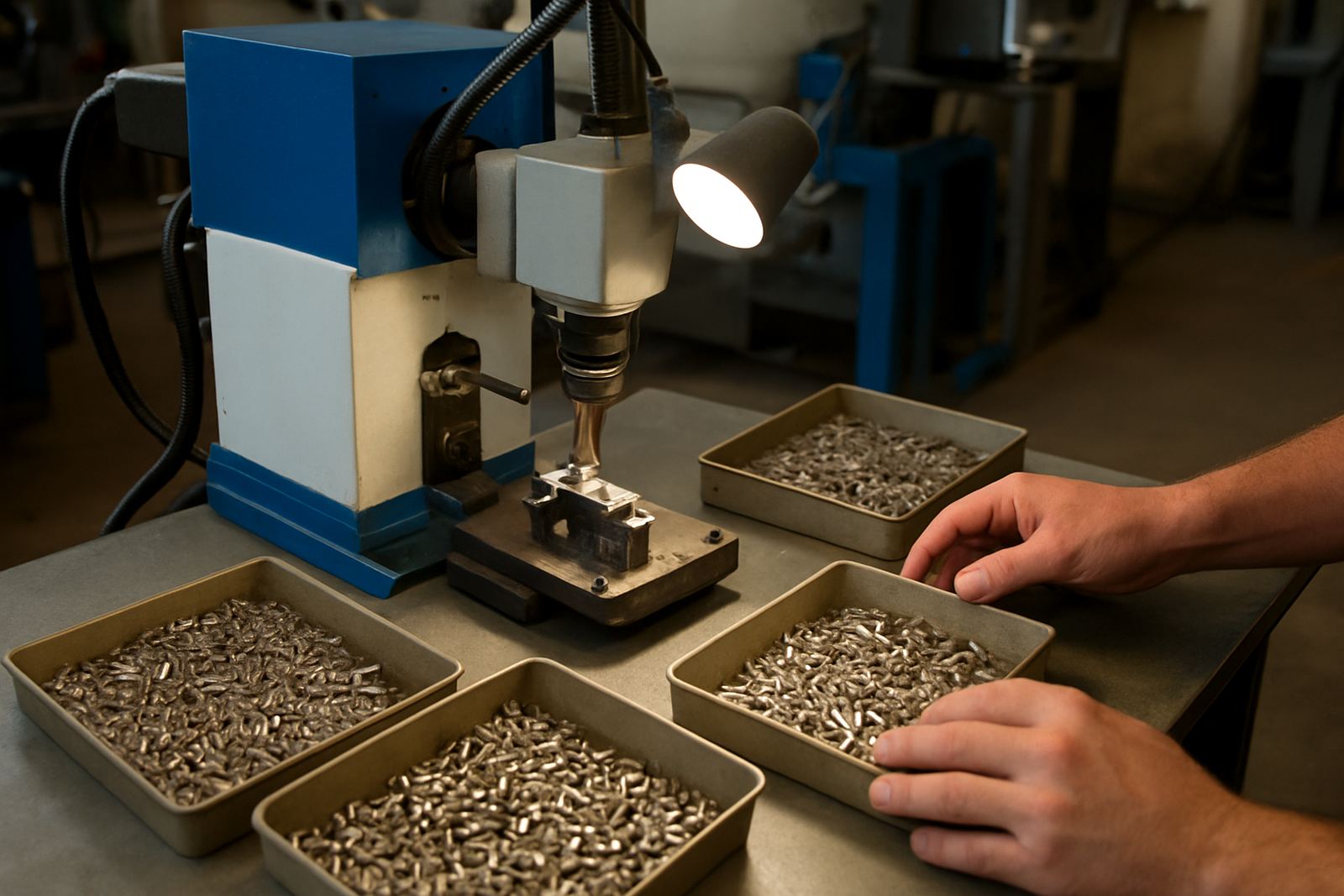
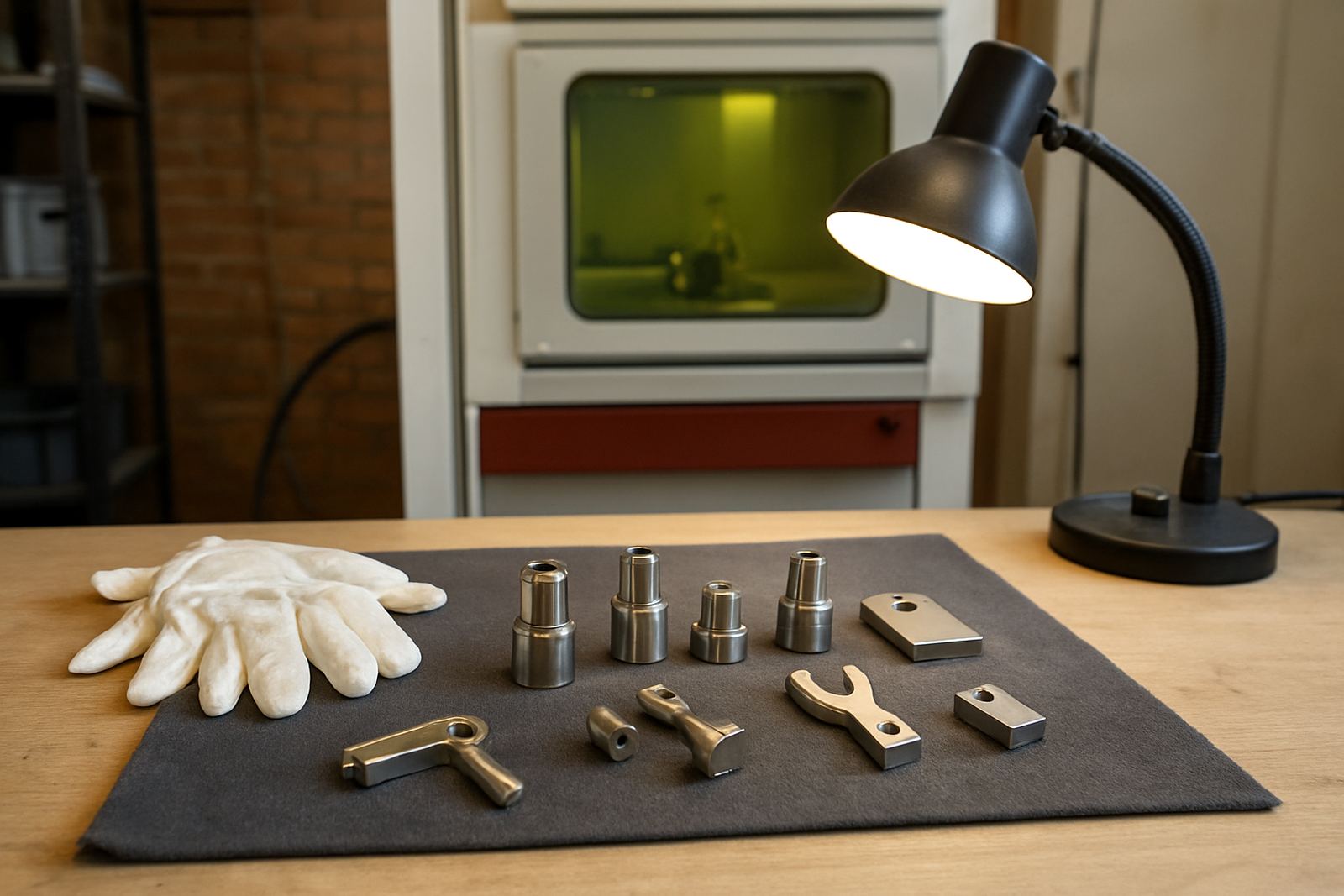
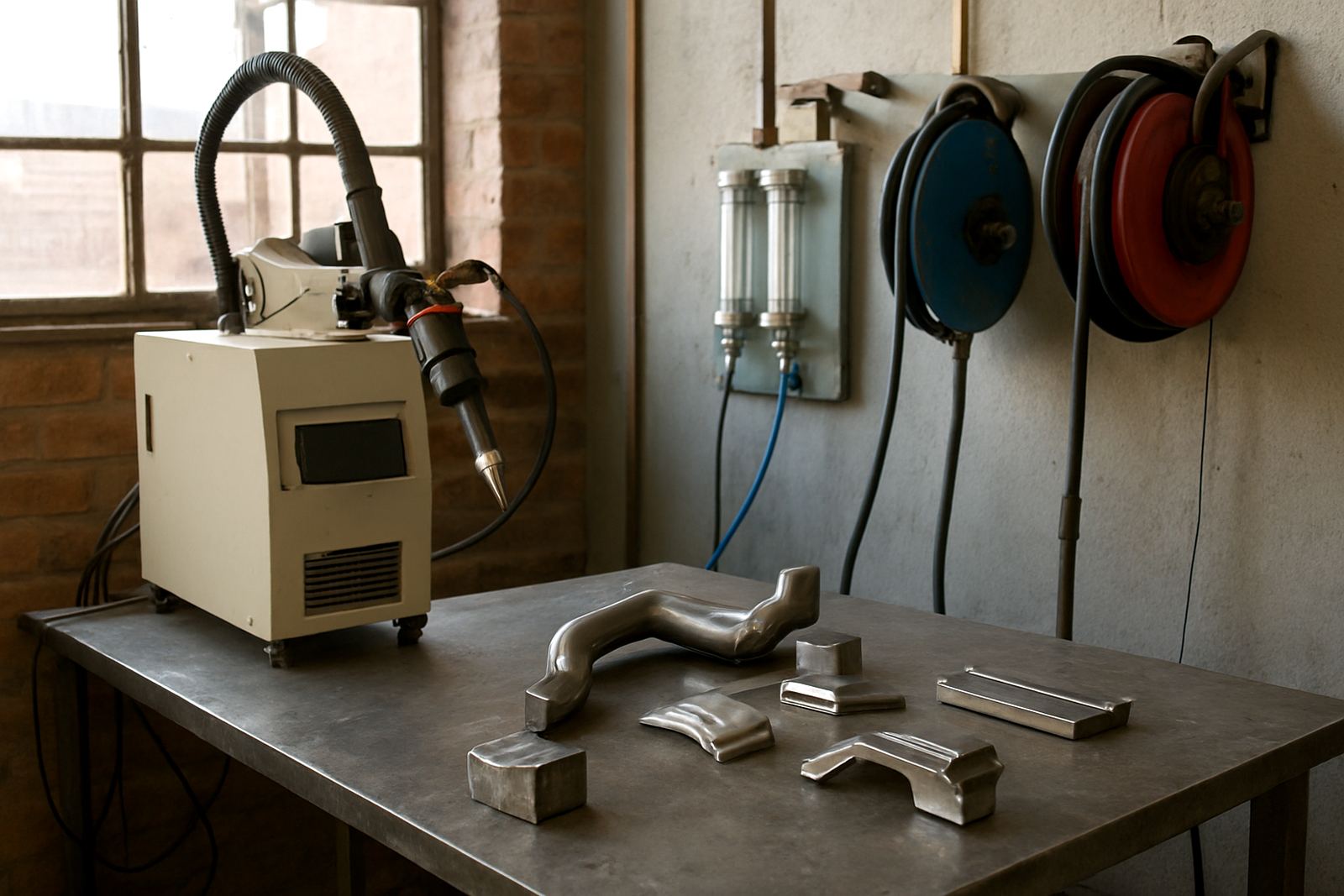
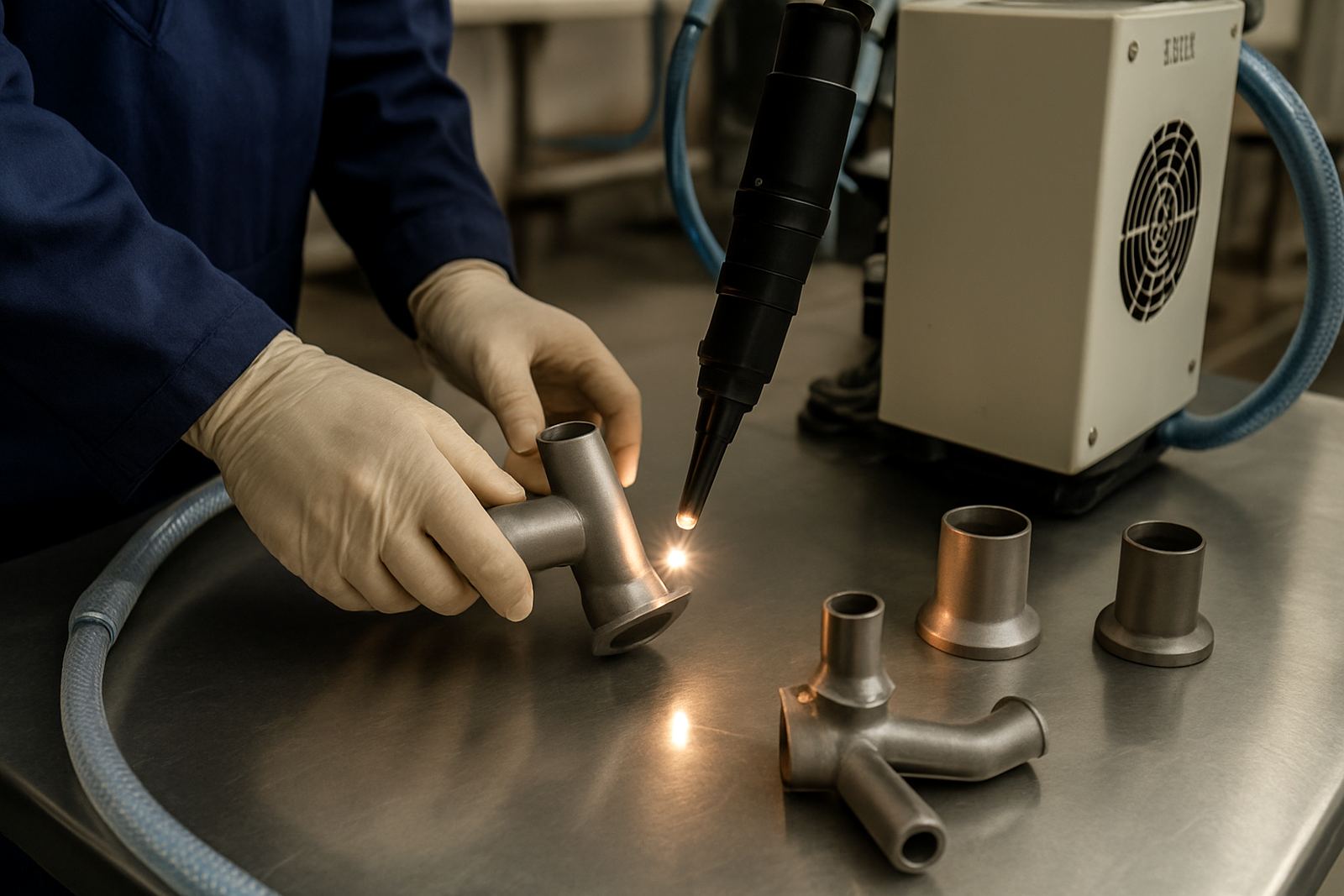
Prototype cells need flexibility because the part usually changes before the final run is approved. These benches are set up to make trial work faster, with room for adjustments, test pieces and repeated fit-up checks. For product developers and maintenance teams, that can shorten the time between first sample and accepted part.
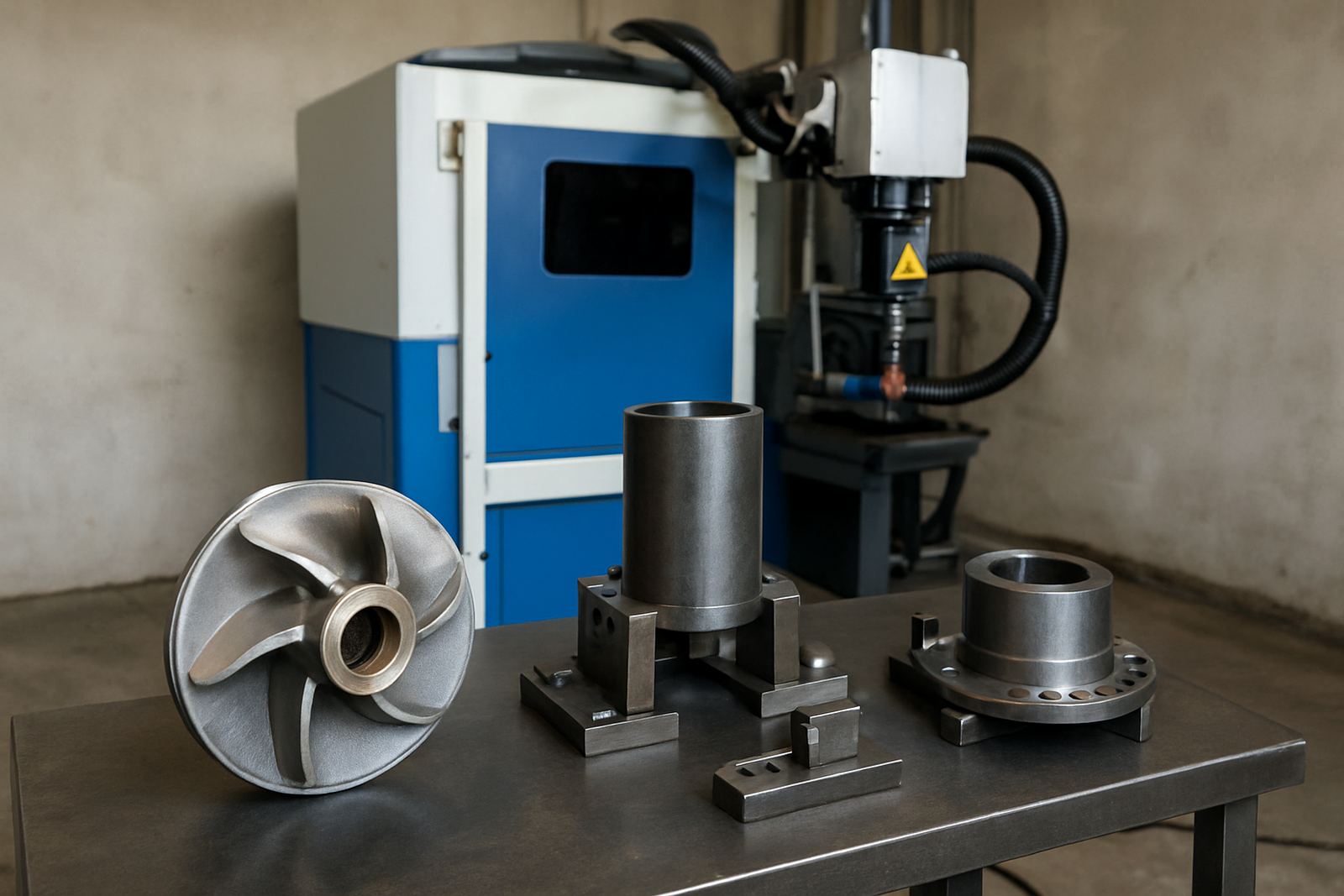
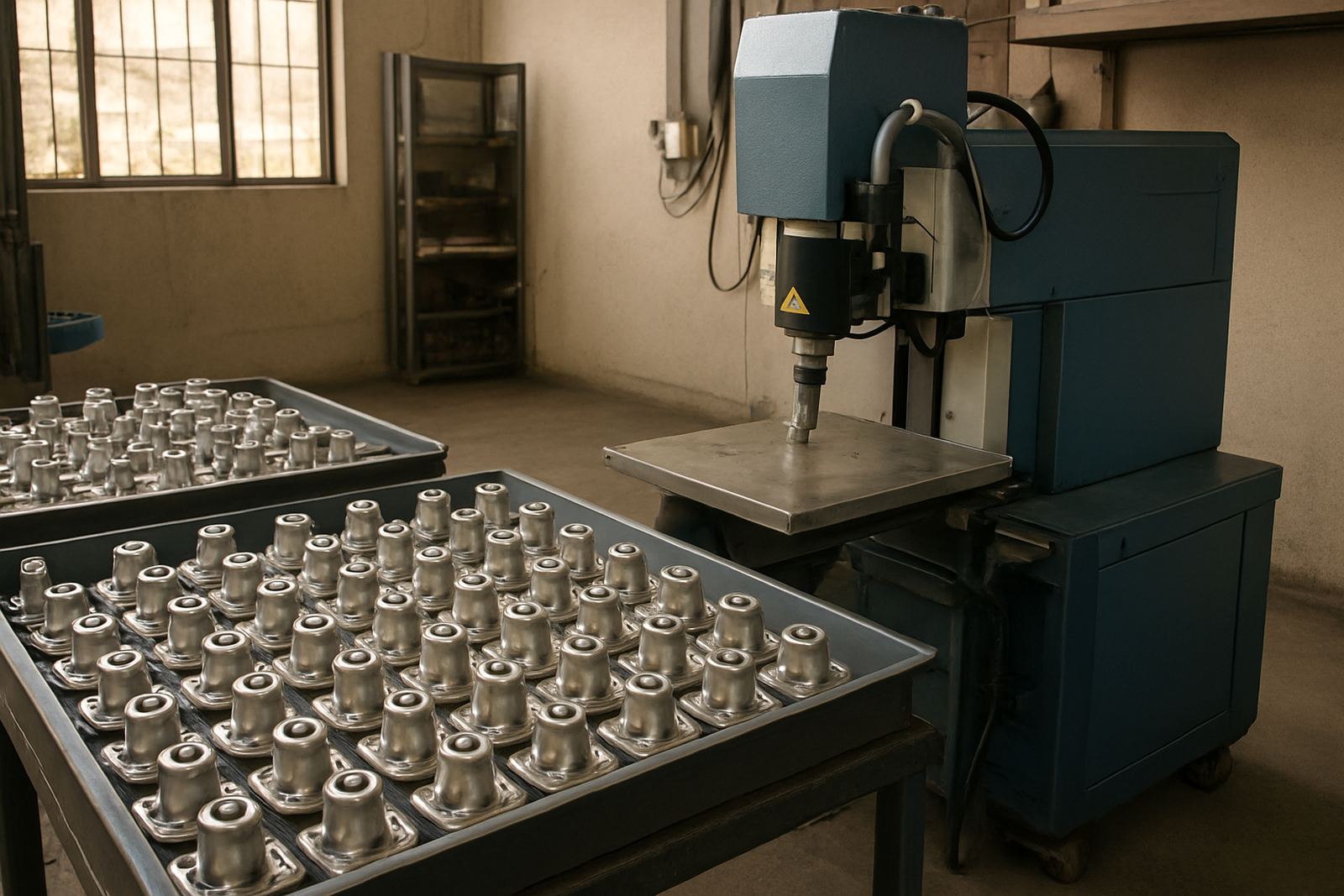
Small-batch welding also benefits from a tidy cell with defined positions for parts, filler materials and inspection tools. If a run includes several similar components, a repeatable bench layout helps the operator keep the weld sequence consistent. That is useful when work is coming in from different towns and the same spec has to be followed each time.
- Quick fixture changes for revisions and test fits
- Repeatable part position for short production runs
- Clear separation between weld, clean and inspect stages
- Suitable for batch work collected in Centurion or sent by courier
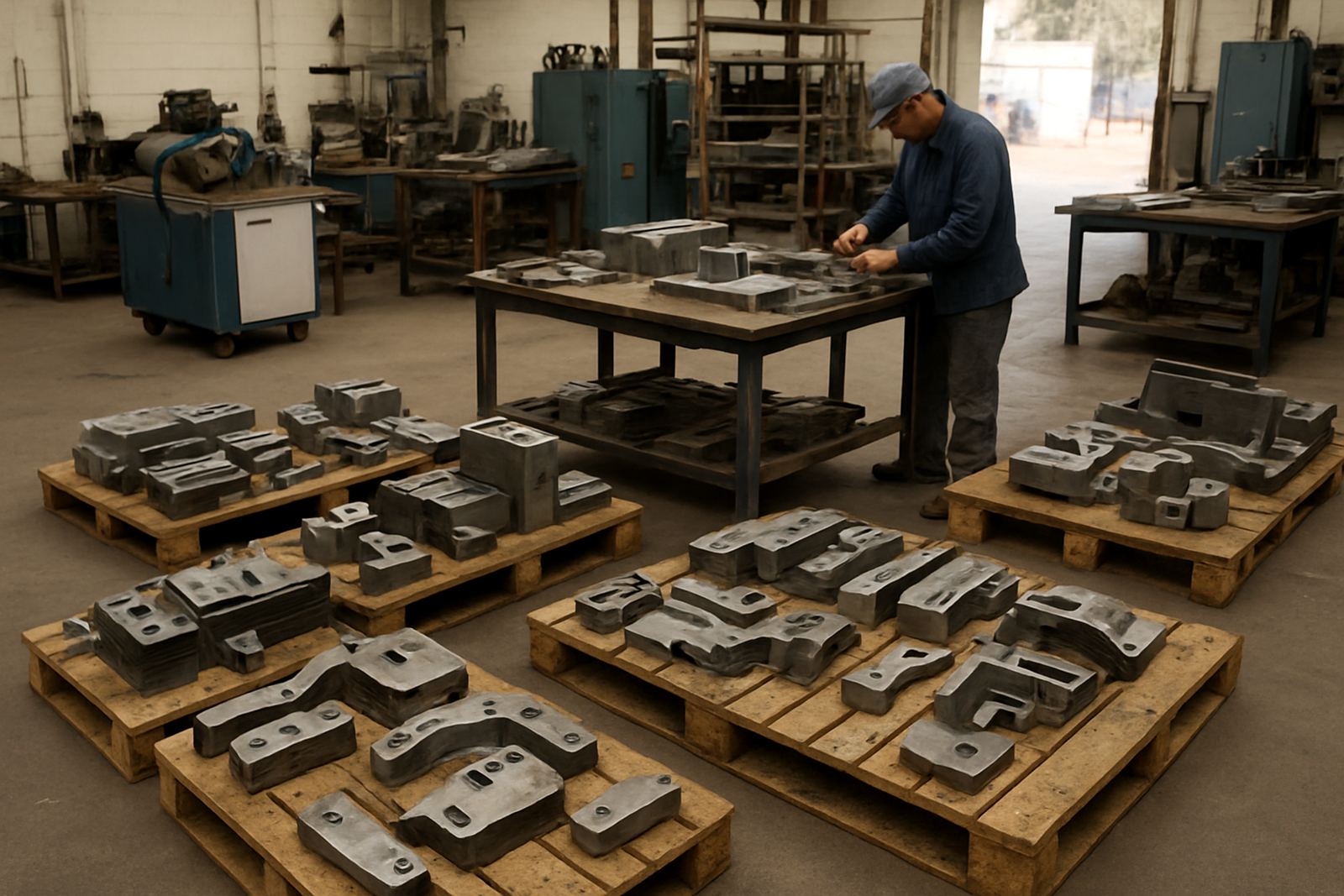
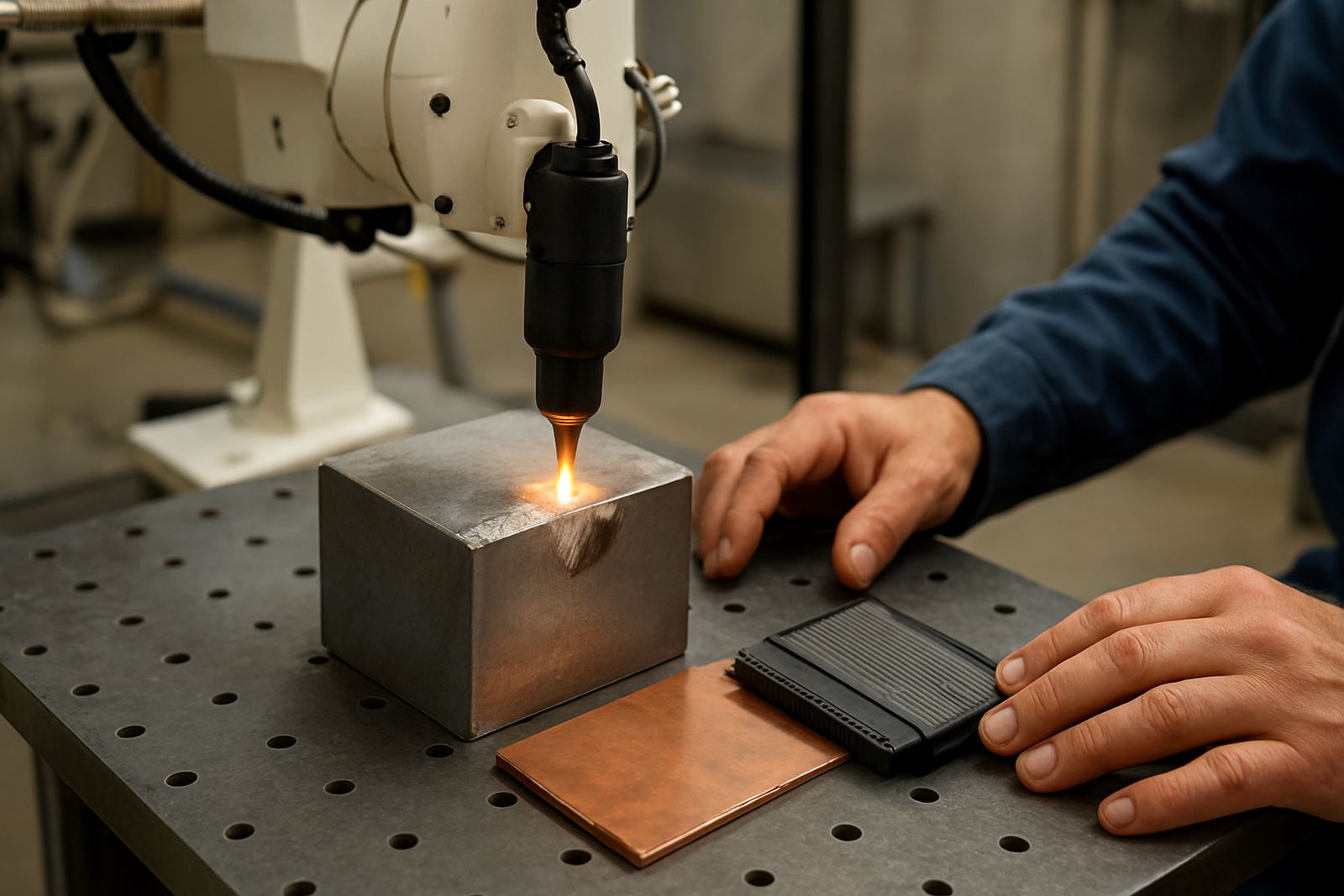
Workshop-Ready Support for Mould and Die Parts
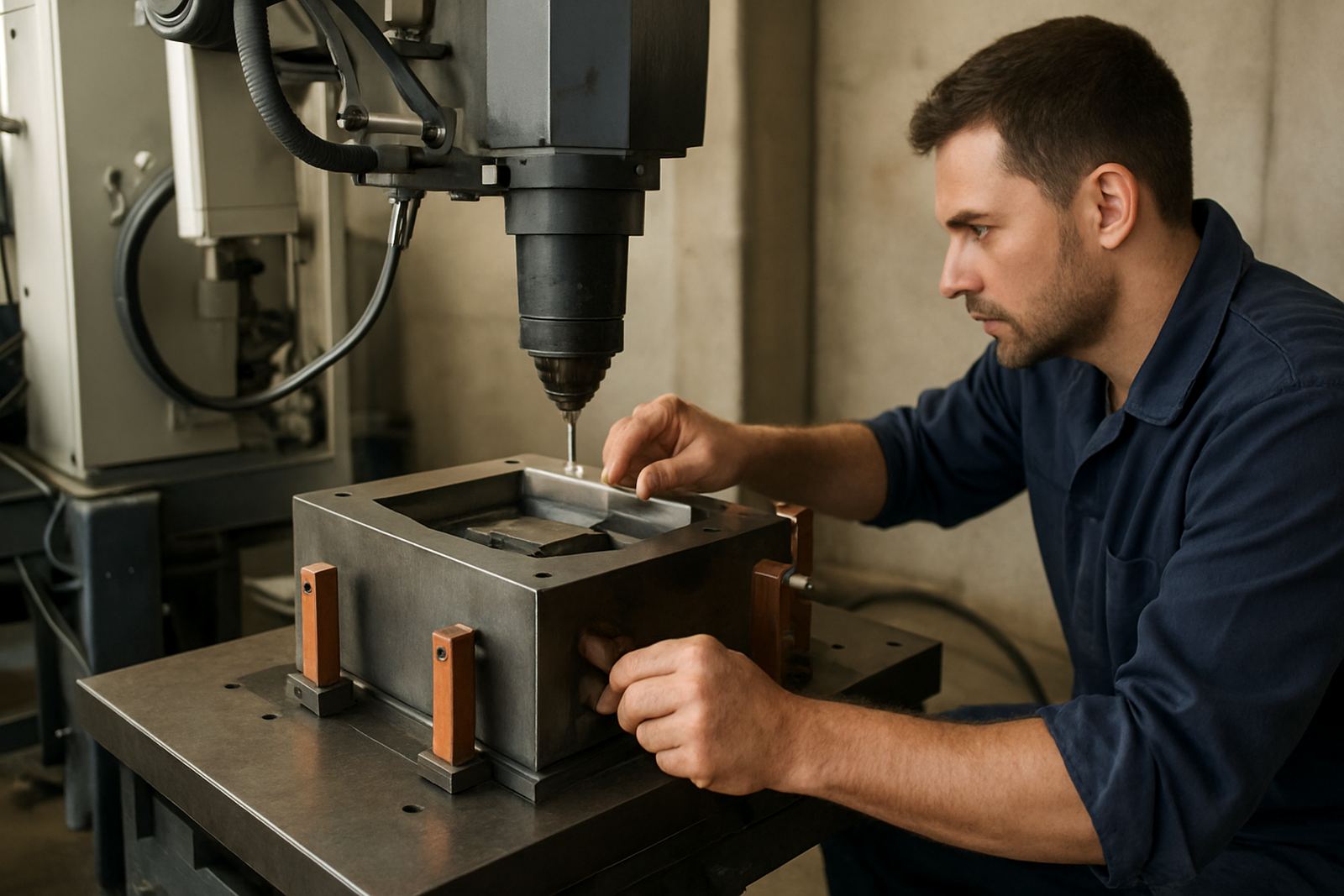
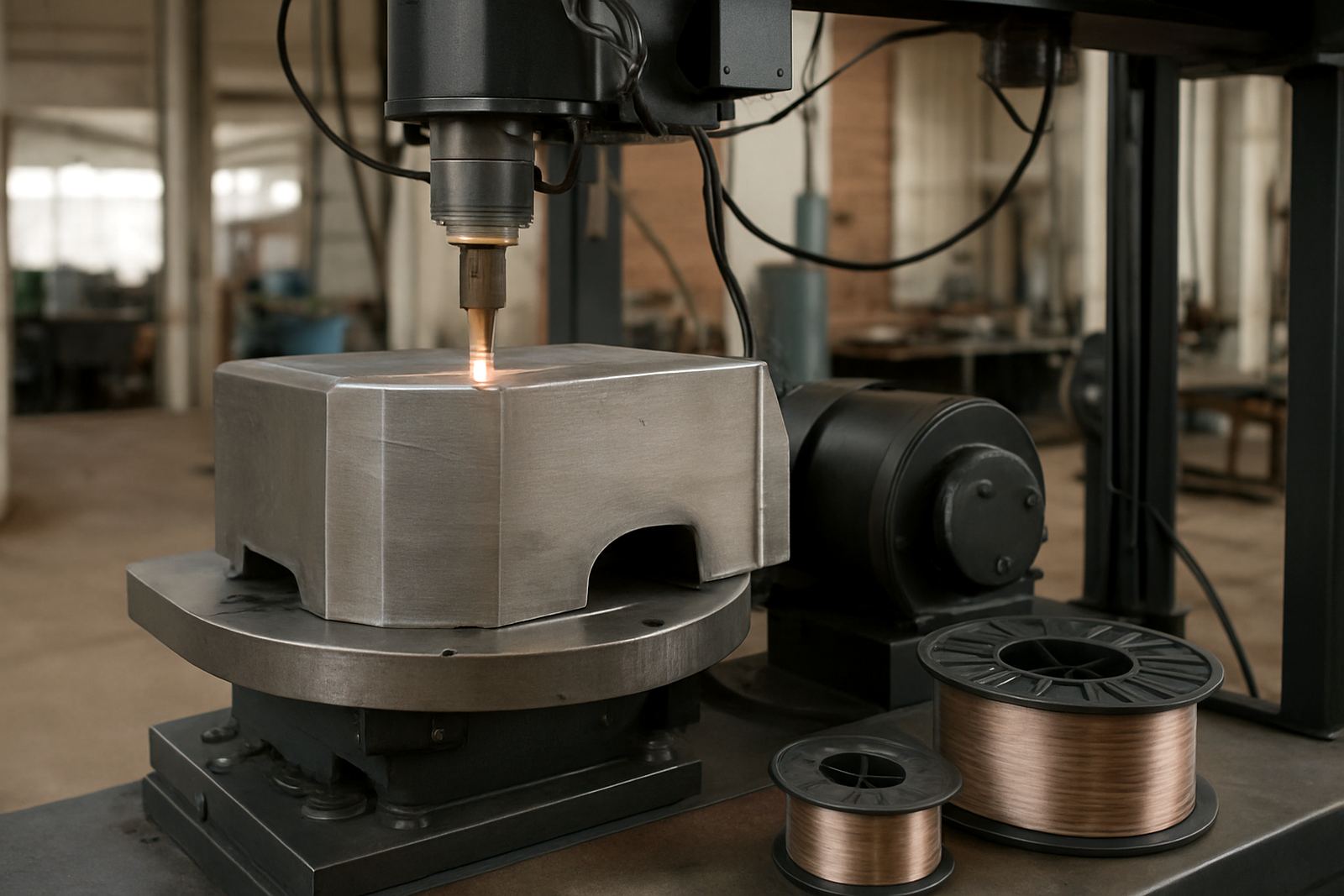
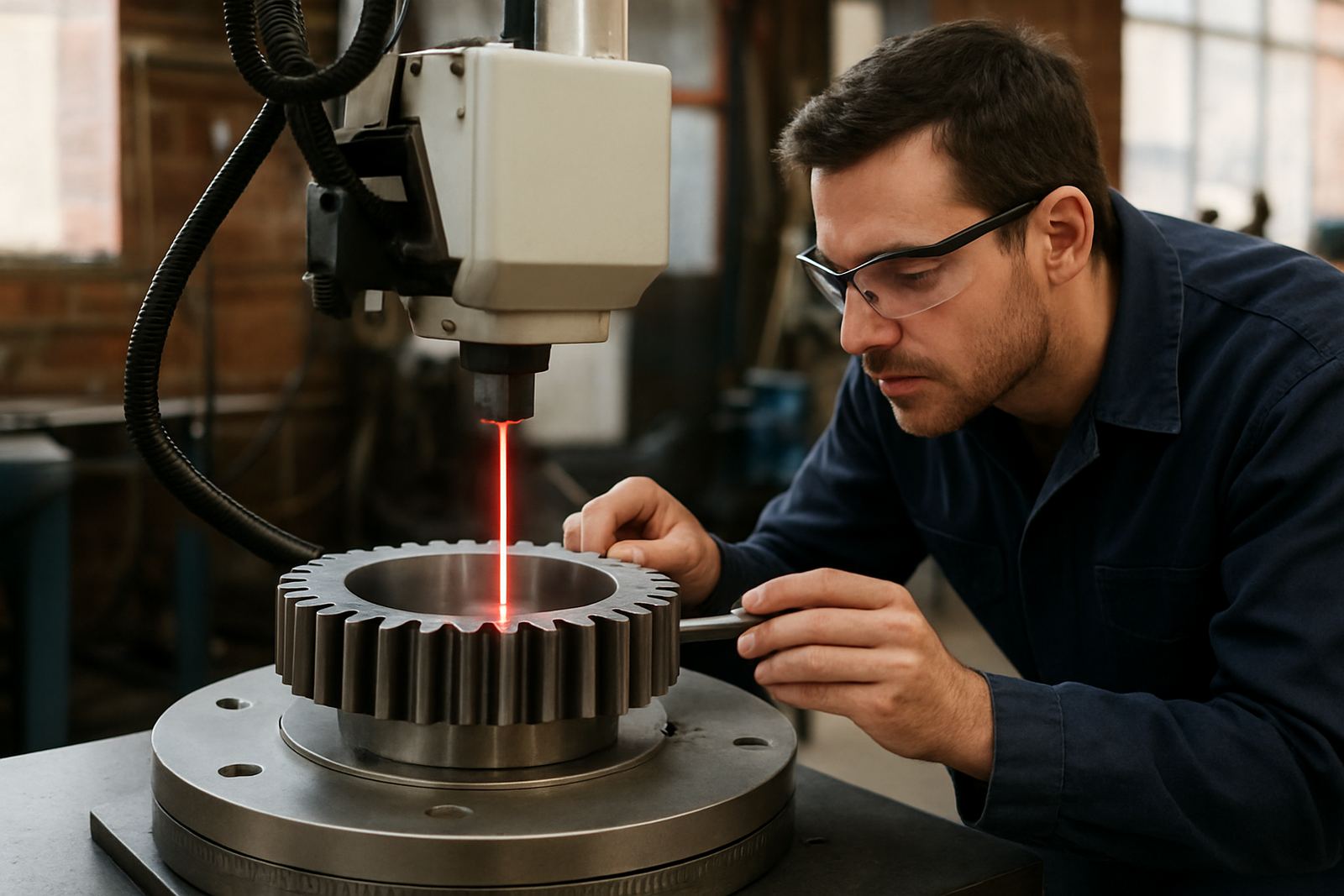
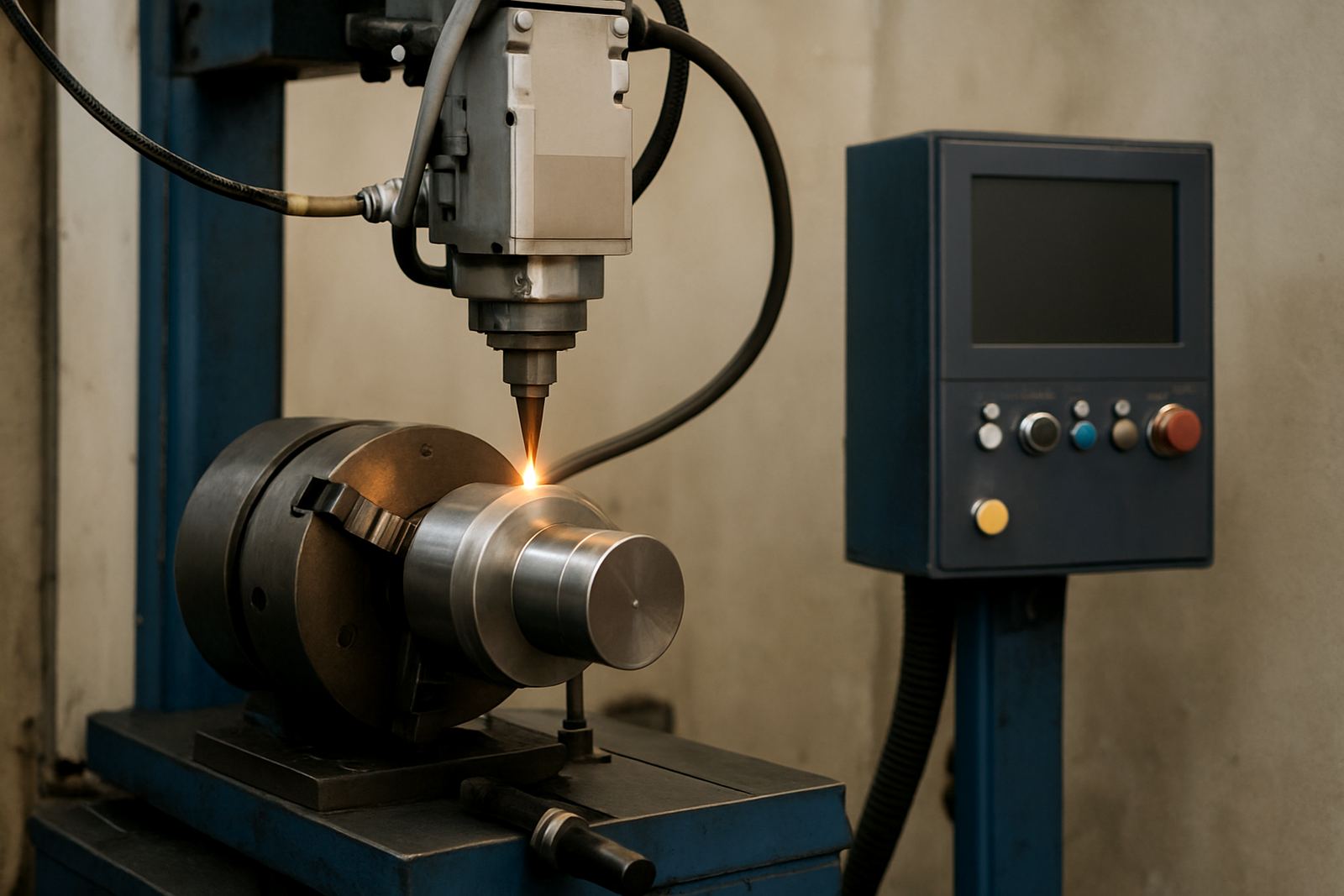
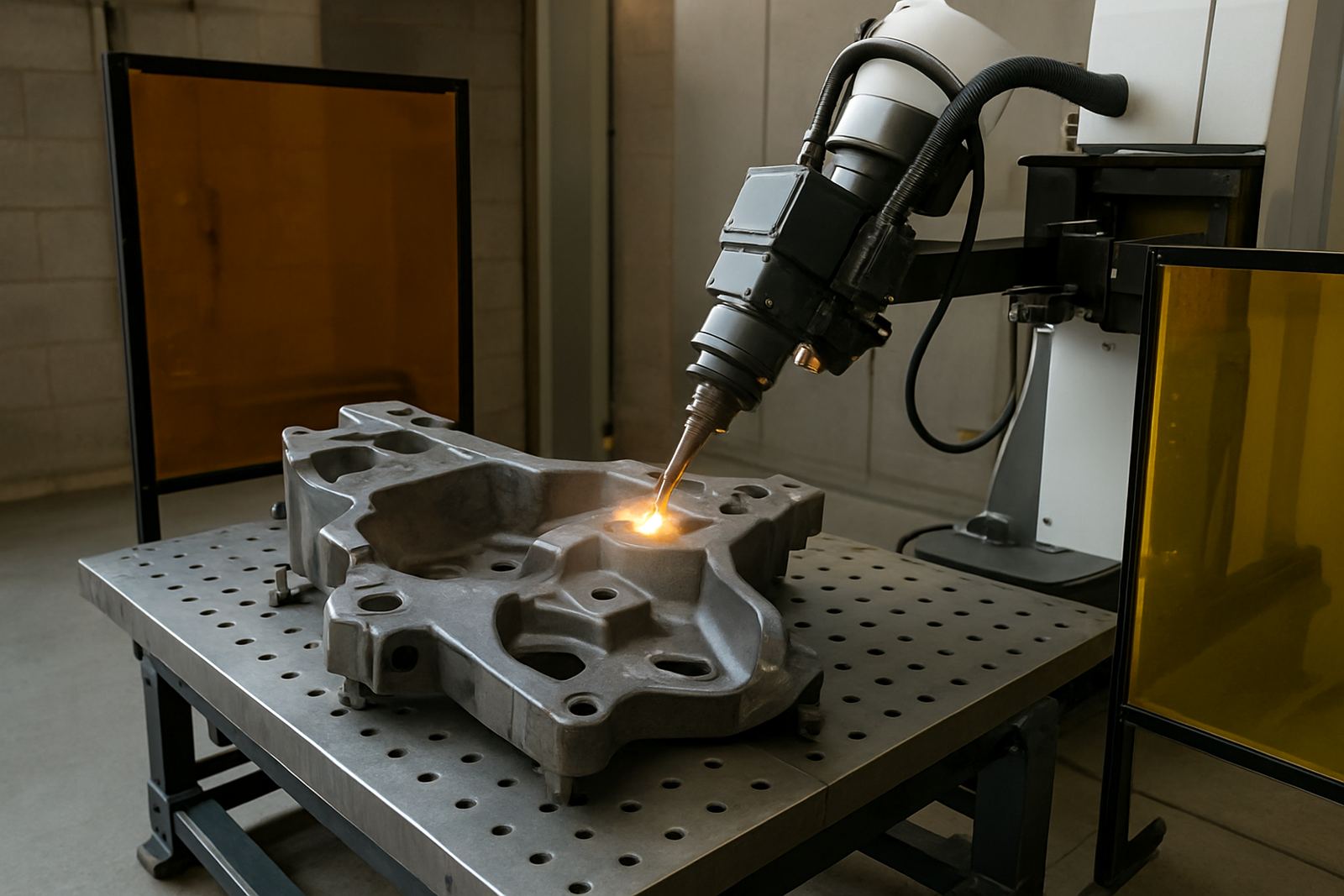
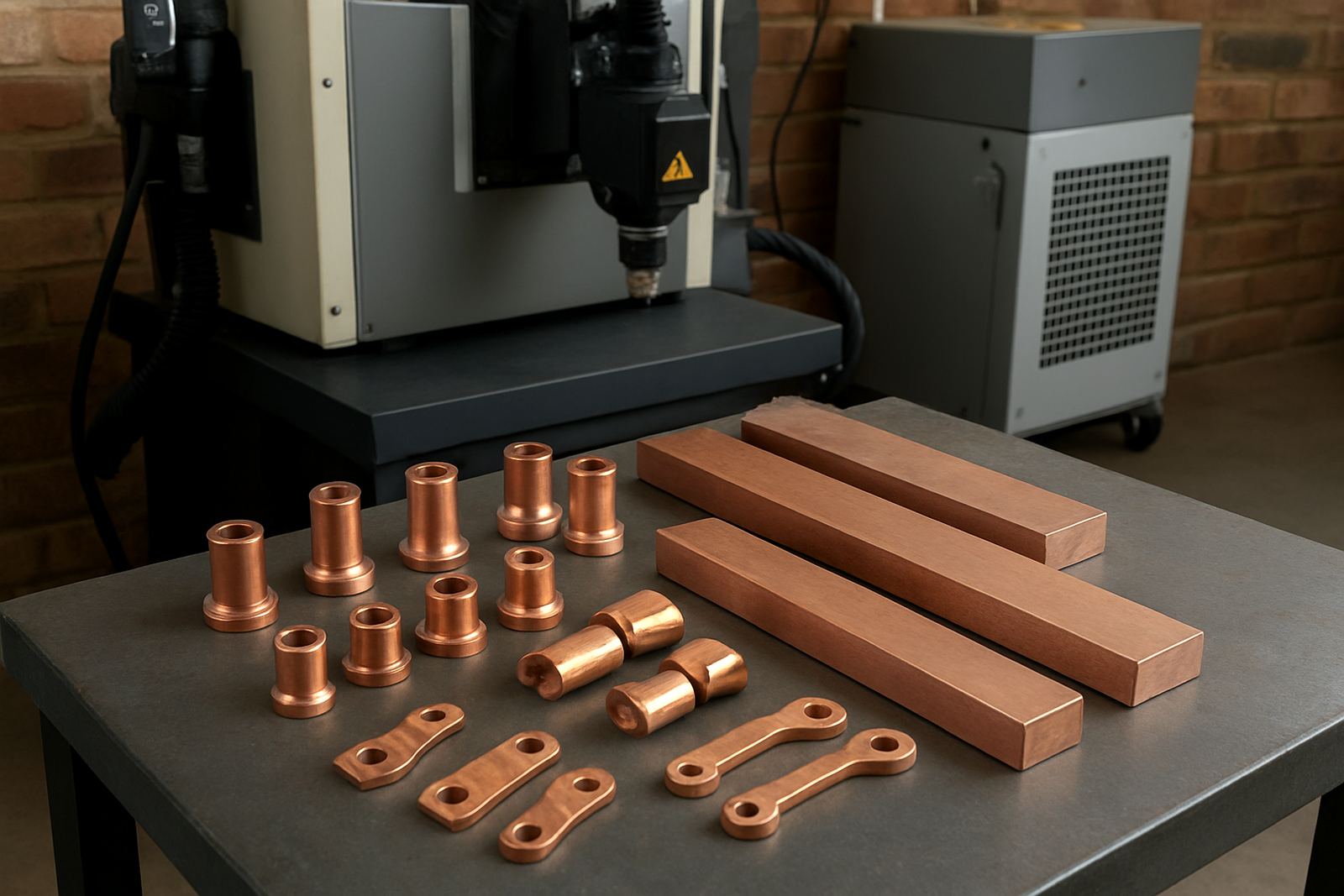
Mould and die work needs careful part handling because the detail is often fine and the cost of a mistake is high. A support cell for this kind of work gives the technician better access to corners, edges and worn faces without forcing the part into a poor position. That helps with build-up, edge repair and local correction before the part goes back into service.
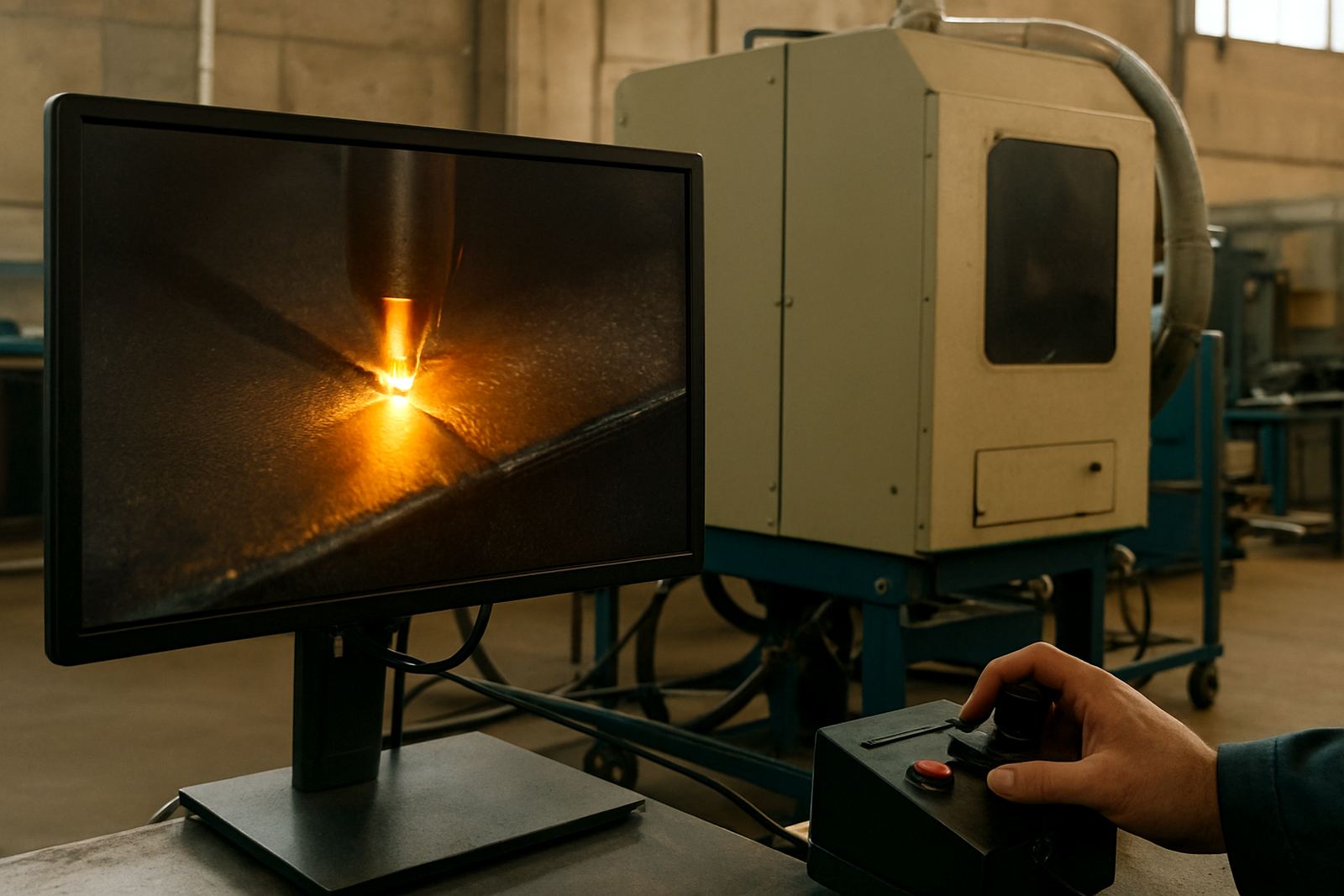
Support equipment should let the operator move between the weld area and the inspection point without lifting the work more than needed. Good lighting, a clean bench and proper part restraint make the difference between a controlled repair and a drawn-out job. On tighter tolerances, even a small slip in setup can mean extra machining later.
For this reason, many workshops keep dedicated fixtures for common sizes rather than one catch-all arrangement. It saves time and keeps the cell organised when multiple jobs are moving through at once.
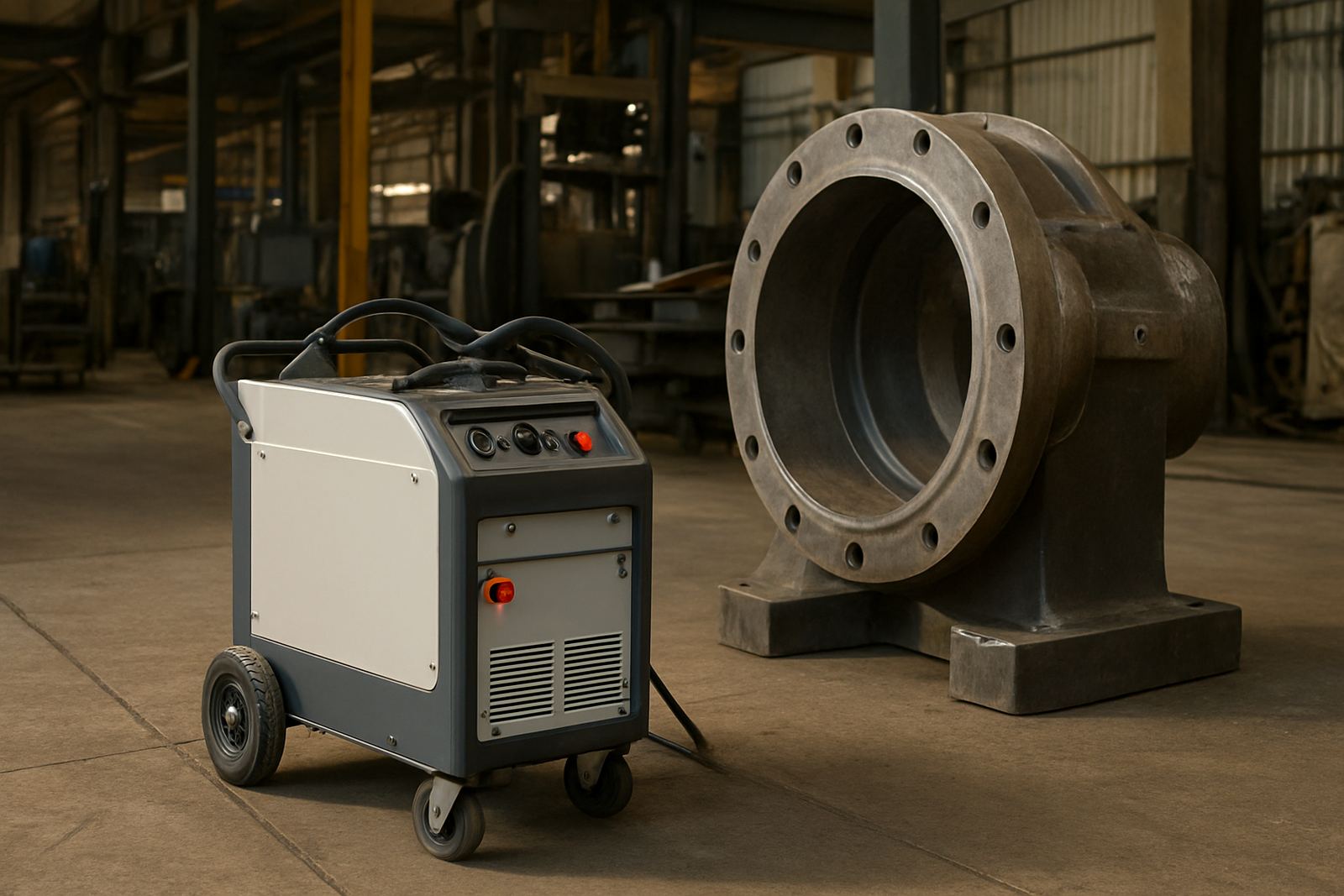
Cell Features That Help on South African Job-Shop Floors
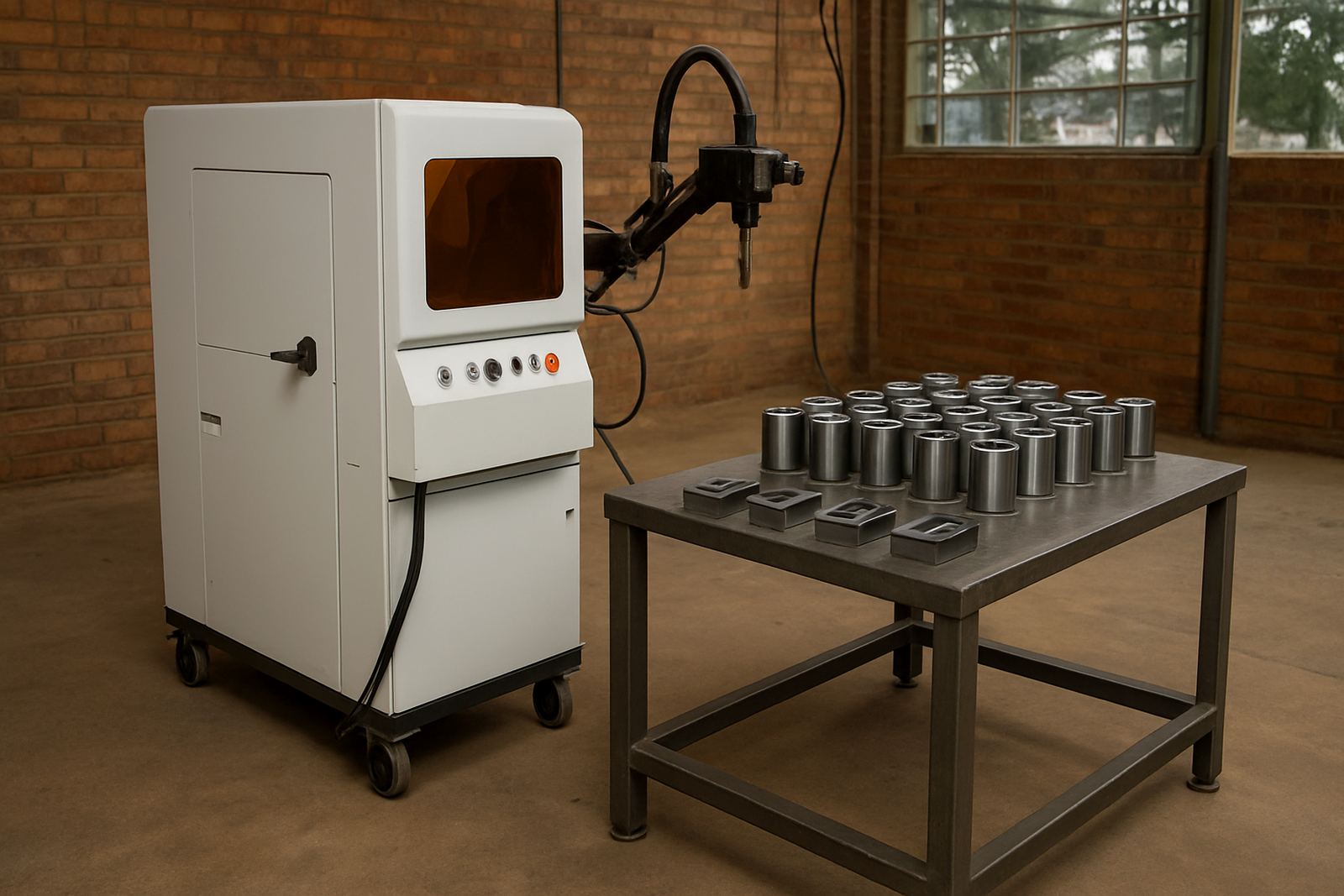
Across Pretoria, Rosslyn, Jet Park and Midrand, workshop conditions are not always ideal. Load-shedding, dust and changing humidity all affect how a cell performs day to day. A practical setup takes those conditions into account and stays usable when the power cuts, when the door stays open for deliveries, or when a rush job lands late in the afternoon.
These are the features we look for when matching a cell to the work:
- Compact footprint for busy floors where space is limited
- Reliable part holding during power interruptions and restarts
- Access for extraction and clean-up after welding
- Simple layout for faster job change-over
- Protection for sensitive parts in dusty or humid conditions
Nationwide Work Starts With the Right Setup
Not every job can come to one workshop, so the cell has to be suited to the way work travels. Some parts are collected in Pretoria East, some are sent in from manufacturing sites in Rosslyn, and some arrive by courier from further afield. The better the cell is matched to the task, the easier it is to keep quality steady from first sample to final piece.
For clients sending parts from outside Gauteng, the question is usually simple: does the setup suit the job size, the material and the finish required? If the answer is yes, the welding, inspection and packing stages all move faster. That saves both time and Rand, especially on urgent repairs.
Laser Welders Jobshop works from Centurion with job-shop support nationwide, so the cell choice is always tied to the practical side of the work, not just the spec on paper.