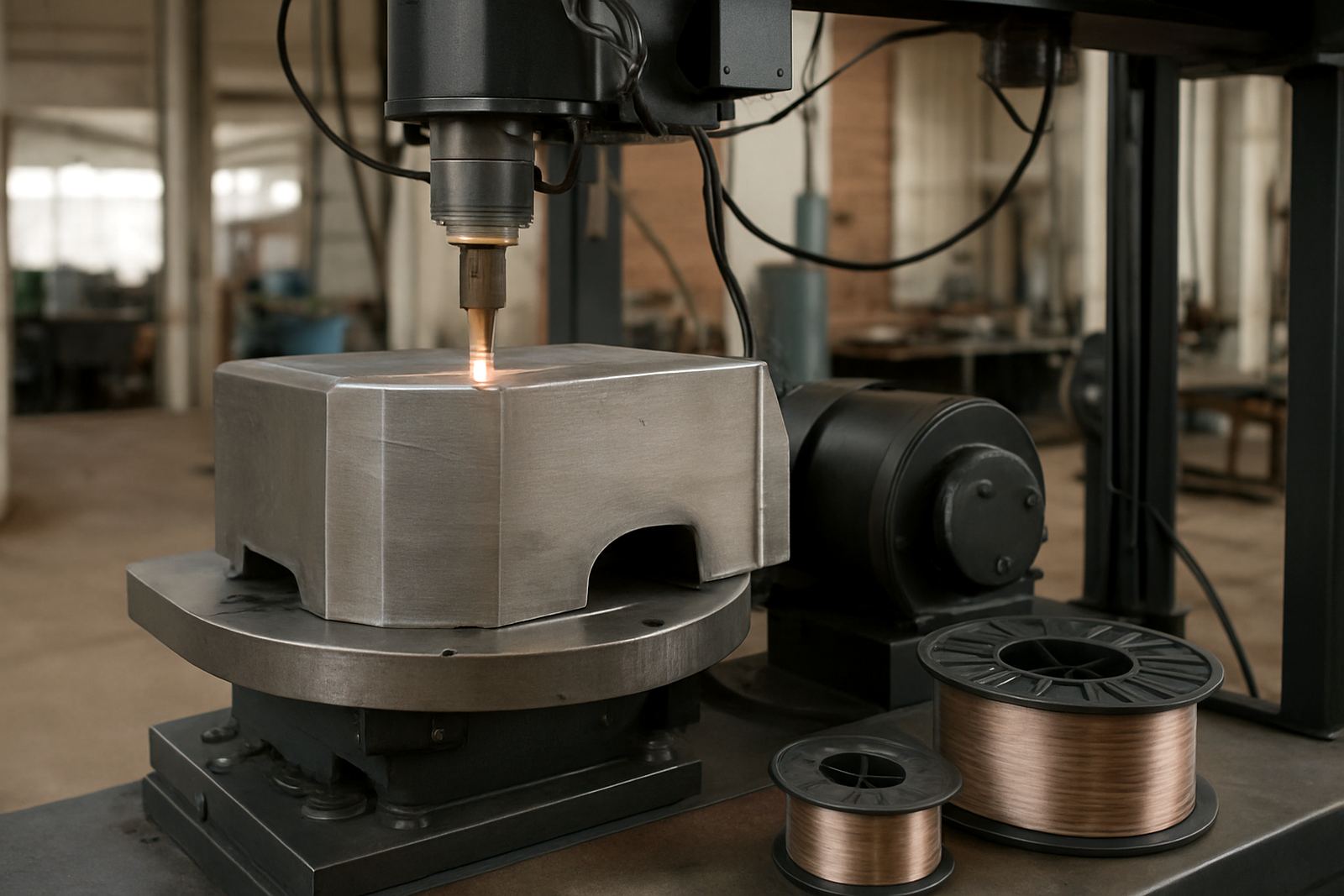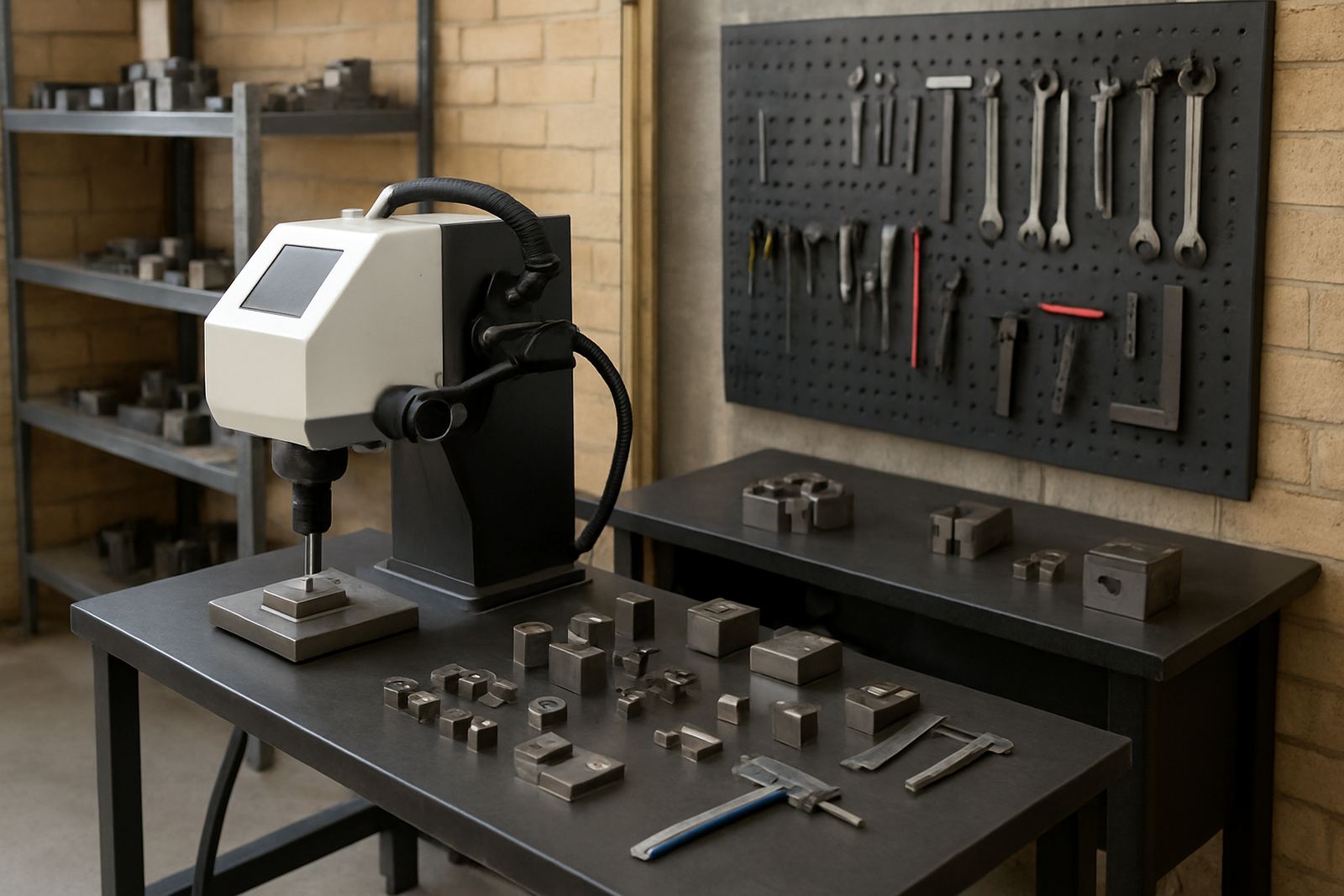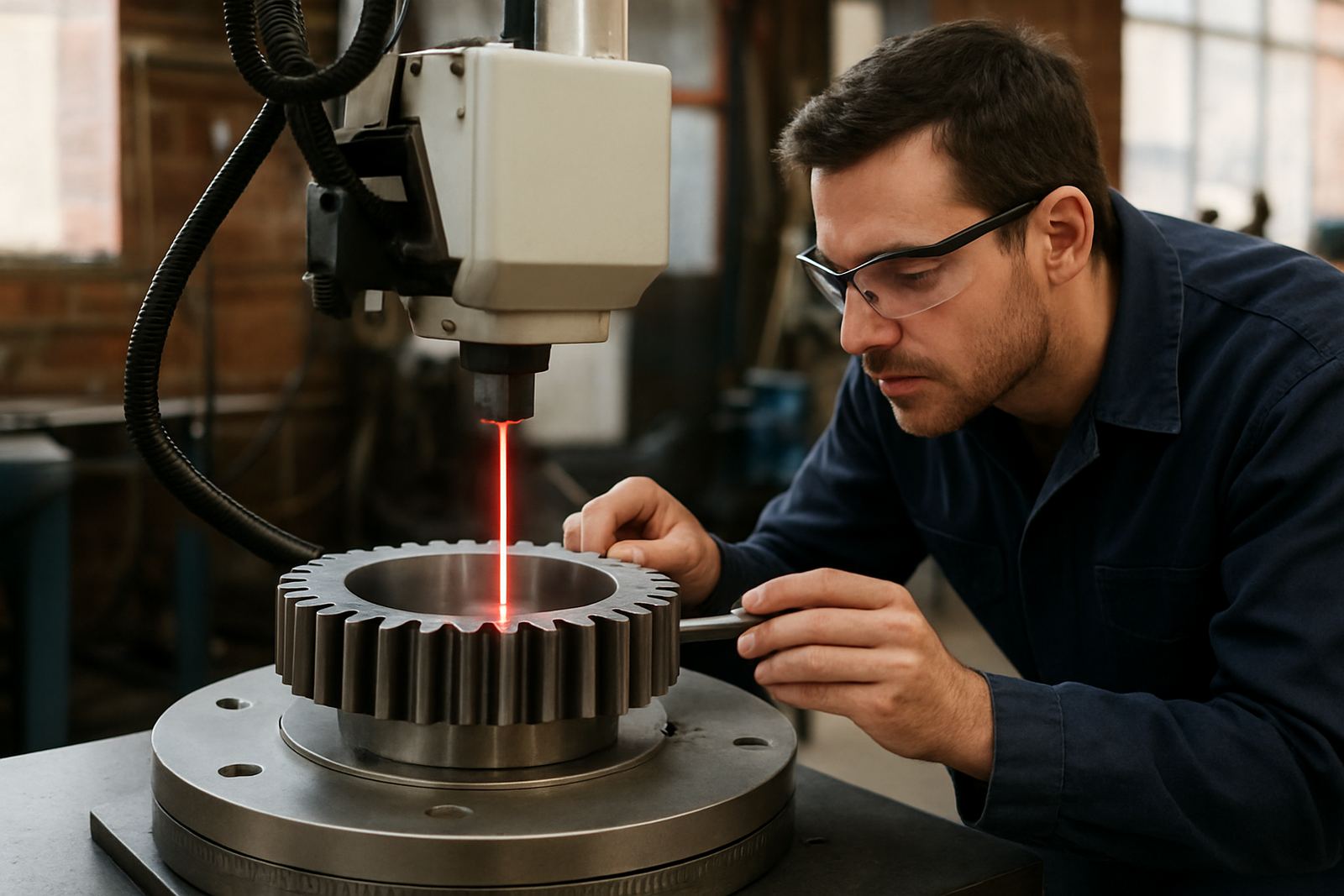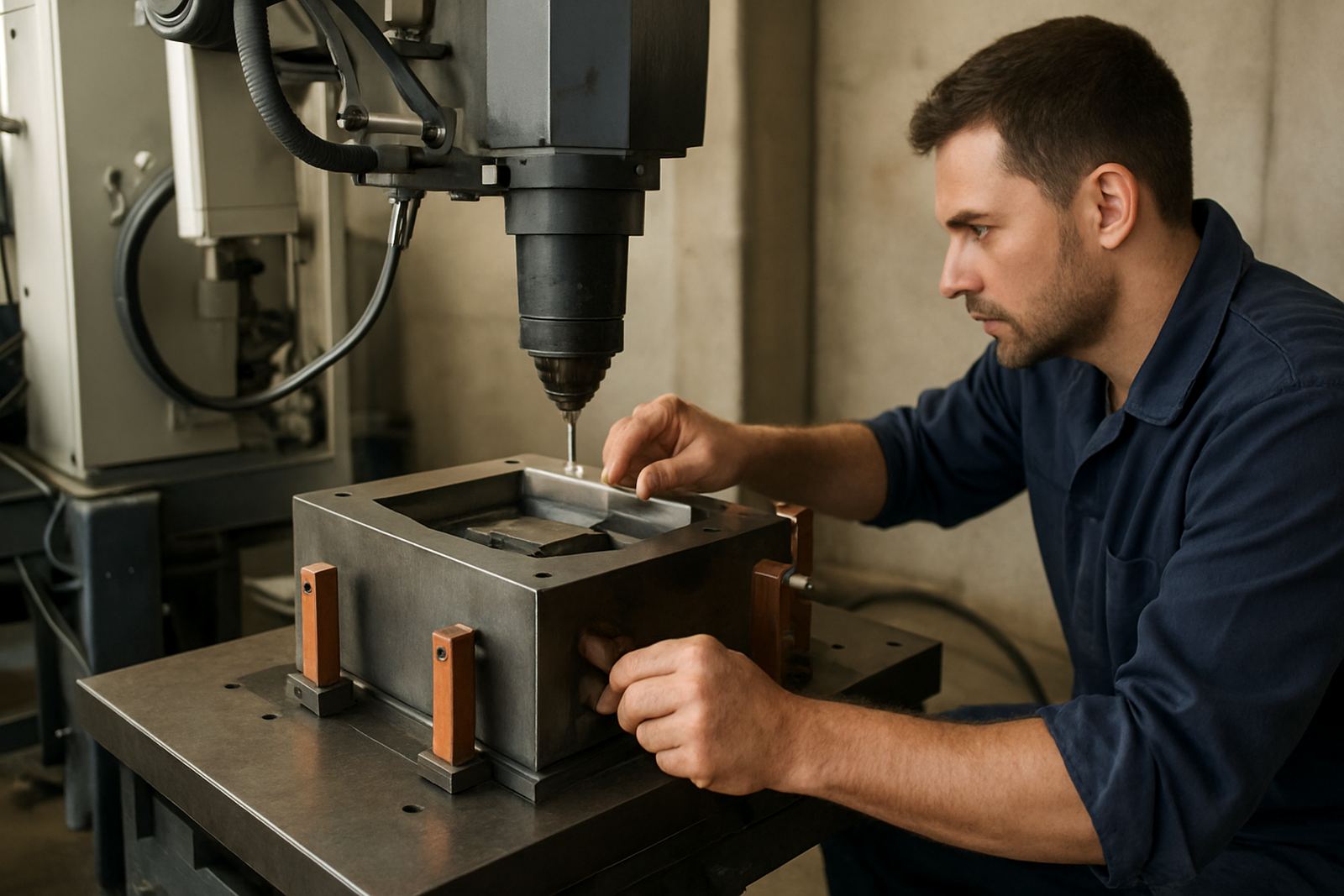
Built for mould and die restoration work
This repair cell is configured for fine welding on tool steel, stainless and selected aluminium components where heat input must stay tight and the finished profile must remain true. It is used for chipped parting lines, worn cavity walls, damaged ejector areas, gate wear and small crack repairs on production tooling. Because the weld is placed in a focused area, there is less grinding back later and less risk of warping thin sections.
In practice, the cell is suited to mould makers, maintenance departments, plastic processors and engineering shops that handle short turnaround jobs. It can also support prototype tools and one-off restoration work where a full strip and remachine is not practical. For plants in Centurion, Pretoria East, Midrand and Rosslyn, the job-shop setup keeps the work local, while courier jobs can be handled from anywhere in South Africa.
Typical sizes, access and workholding options
The repair cell is usually arranged around small to medium tool components, but the final setup depends on part weight, shape and access. Small inserts, die corners, cavity blocks and worn edges are straightforward. Larger mould sections can also be handled if the damaged zone is reachable and the part can be safely supported on the table or fixture. For batch work, repeat clamping points help keep each part in the same position for faster turnaround.
- Suitable for small inserts, cavity blocks, edge sections and mould repairs with localised wear
- Can be set up for single parts, repeat batches or staged repairs over more than one visit
- Fixture options depend on part size, wall thickness, distortion risk and access to the damaged area
- Best results come when the worn area is clean, stable and has enough material left for a proper build back
If a component is too large for easy handling, the workshop can still advise on stripping, transport and section-by-section repair planning. In some cases, a customer will bring only the damaged insert rather than the full tool, which reduces downtime and courier cost.
What the cell is used for on site and in workshop
This setup is especially useful where accuracy matters more than speed alone. A mould edge that has chipped by only a few tenths of a millimetre can affect flash, fit and part quality. The cell is also used for cavity touch-ups, shut-off face correction, crack arrest and local rebuilds before final machining or hand finishing. Because the heat affected zone is small, nearby detail is better preserved than with heavier repair methods.
It suits production environments that work with plastics, packaging, automotive parts, electrical housings, domestic fittings and light engineering tools. The same cell can also be used for die repair on wear points, guide areas and corners that need a careful fill and re-finish. For coastal customers, especially where humidity can cause surface corrosion while parts are in storage, repaired tooling should be protected quickly after processing.
Power, gas and workshop requirements
The cell needs a stable electricity supply, clean working space and proper ventilation. Most laser welding work benefits from standard workshop power with enough capacity for the machine and support equipment, although site checks should confirm the actual load before installation. Because load-shedding can interrupt scheduled repairs, many customers plan urgent jobs around backup supply or bring parts in during dependable power windows. A steady work area helps protect alignment and keeps the weld area consistent.
- Stable mains power with enough capacity for the welding unit and cooling or support systems
- Clean, dry working area free from grinding dust, oil and loose rust
- Dry shielding gas supply where required for the material and finish
- Safe lifting and handling for heavier mould sections and die components
Dry gas and clean surfaces matter more than many clients expect. Moisture, oil and scale can weaken the weld appearance and make finishing harder. If the part has been sitting in a humid store room or near a coastal dispatch bay, it should be cleaned and inspected before repair starts.
Care, finishing and repeat servicing
After repair, the part should be handled with the same care as any precision tool. That means correct cooling, careful grinding and polishing, then a check against the original profile before it goes back into service. Where required, the repaired area may still need machining or spark erosion work after welding. Good care extends the life of the repair and helps prevent a small defect from turning into a larger breakdown later on.
Routine servicing of the cell itself is also important. That includes keeping optics clean, checking alignment, confirming gas flow and making sure the work area stays free of dust and metal fines. A short maintenance routine before and after busy batches saves time and helps keep the finish consistent. Johan and the workshop team normally check wear patterns, while quality checks confirm the repair meets the intended rebuild.
What to check when ordering a mould repair job
Before sending a mould or die in for repair, the customer should confirm the material type, the exact area to be built up, the finish needed after welding and whether the part must return to production immediately. It also helps to know if there are critical dimensions, tight shut-off faces or heat-sensitive sections nearby. If the tool has previous repairs, that history matters because old welds can affect how the new work is planned.
- Material grade and hardness, if known
- Photos of the worn area from more than one angle
- Target dimensions after repair and any drawing references
- Whether final machining, polishing or fitting is included
- Deadline, collection point and transport method
For Centurion and Pretoria clients, collections can be arranged through the local workshop network. Nationwide jobs are usually sent by courier after the damage has been assessed and the repair scope agreed. That makes it easier to keep the process orderly, especially when there are several moulds in the queue or when a production line is under pressure.
Key facts
| Repair focus | Mould and die restoration with precise localised weld placement |
|---|---|
| Material range | Tool steel, stainless steel and selected aluminium components |
| Typical work | Worn edges, cavities, shut-off faces, cracks and chipped sections |
| Part size | Small inserts to medium tooling components, subject to access and handling |
| Site needs | Stable power, clean dry workspace and suitable shielding gas where required |
| Service area | Centurion, Pretoria, Midrand, Rosslyn and nationwide courier jobs |