

What Our Completed Jobs Show
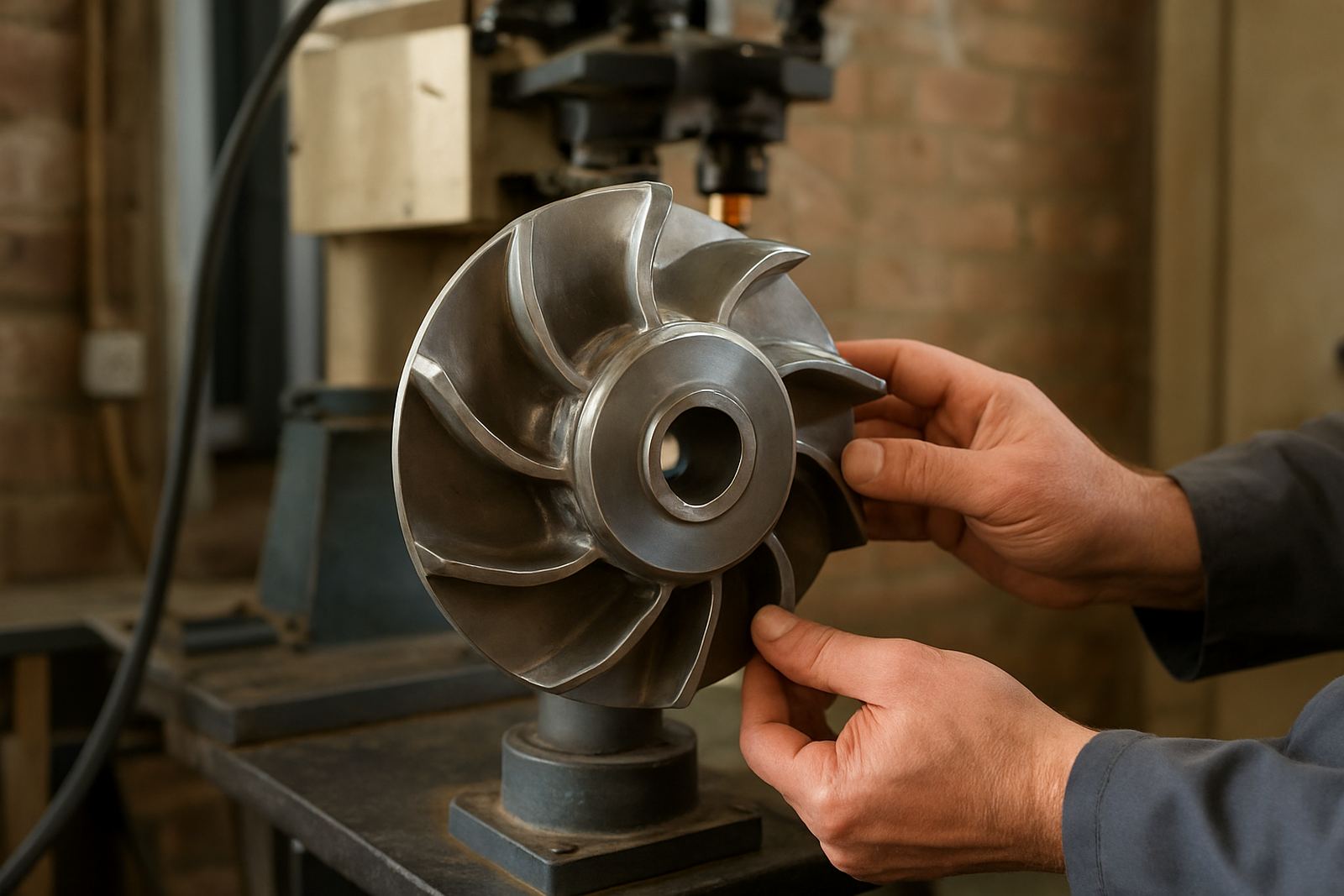
The completed jobs in this hub give a practical view of how laser welding is used on damaged parts, worn edges, fine components and production batches. Some jobs are one-off repairs for a machine part in Pretoria East or Midrand, while others are repeat workshop work for clients sending items by courier from Durban, Gqeberha, Rustenburg or Cape Town. The point is not only what was welded, but how the work was assessed first and finished to suit the part's next use.
If you are comparing options, start with the job that looks closest to your problem. A cracked mould insert is different from a stainless hinge pin, and a thin aluminium section needs a different approach to a heavy build-up repair. Our completed work pages help you see those differences before you book the job.
How To Choose The Right Project Page
Each page focuses on the repair challenge, the process used and the practical outcome. That makes it easier to match your part to a similar job rather than guessing from a service name alone. If the item must keep tight dimensions, look at precision welding and thin section work. If the damage is on a worn corner or edge, edge build-up and crack repair examples are a better fit.
- Choose crack repair for split sections, fatigue lines and damage around stressed points.
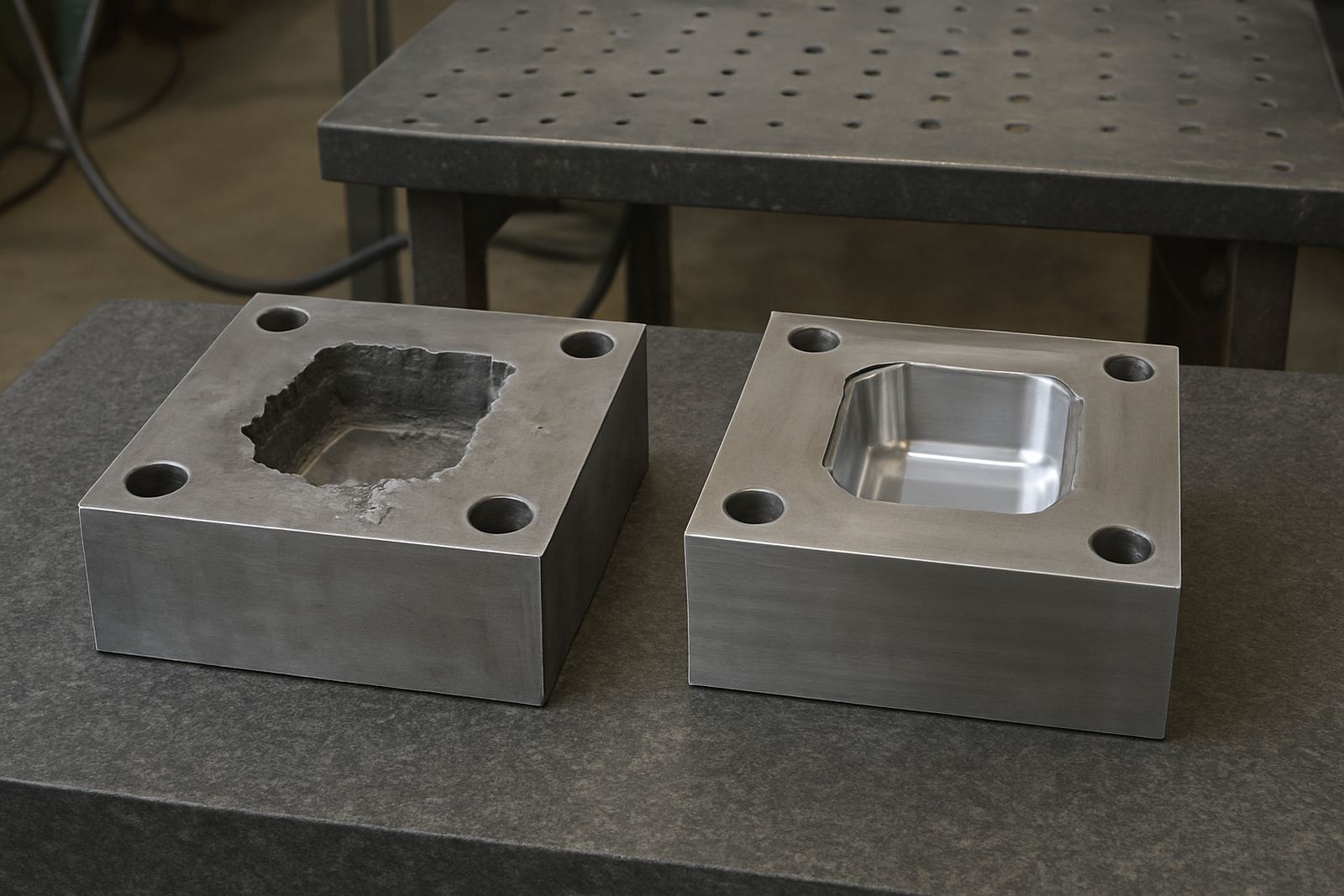
- Choose mould and die examples for tooling, inserts and parts that must keep clean edges.
- Choose part restoration for worn items that can be returned to service instead of replaced.
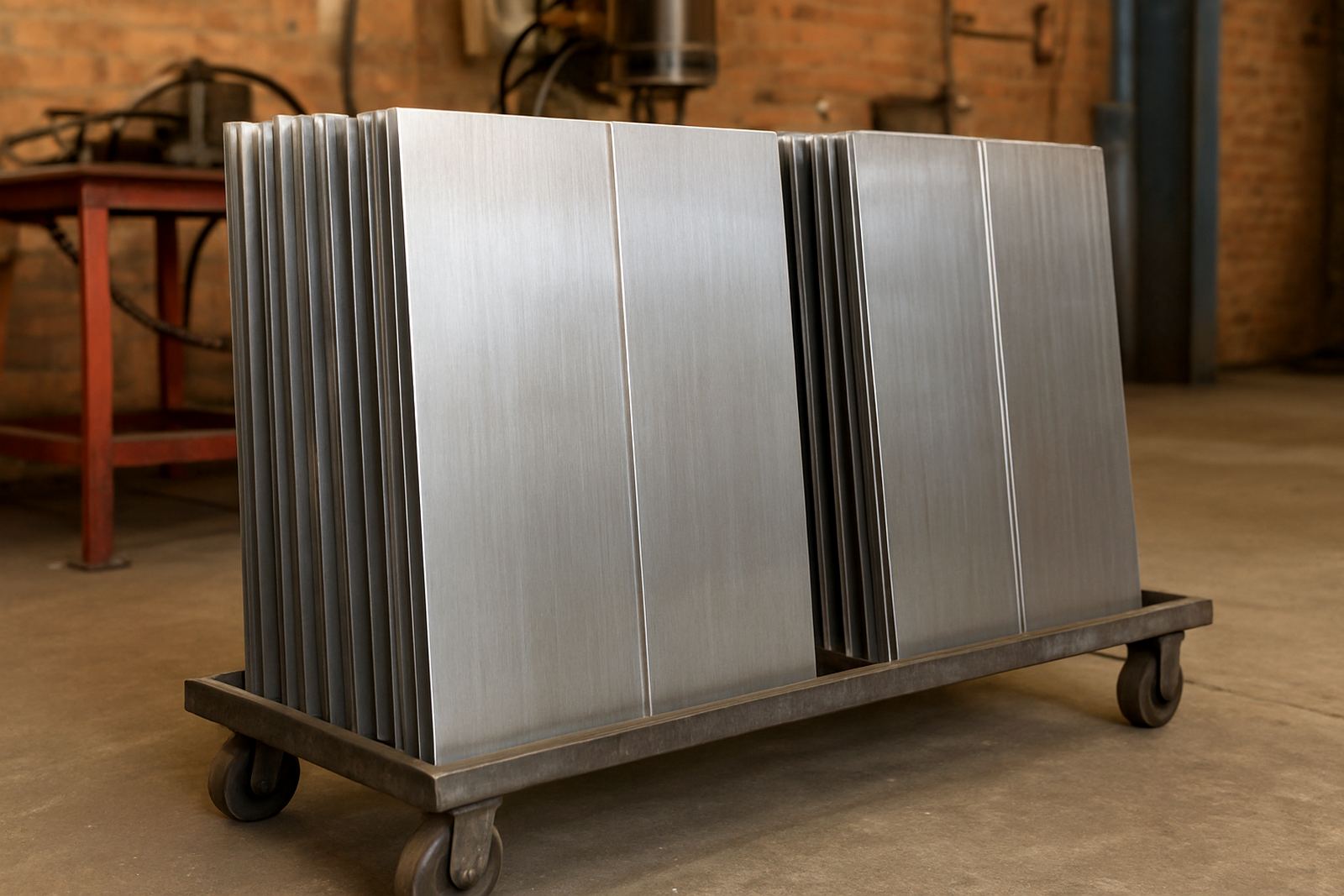
- Choose batch jobshop welding when the same item or fault repeats across a run.
If you are not sure, send a photo and a few dimensions through our contact form and the team will help you narrow it down.
Materials And Part Types We See Often
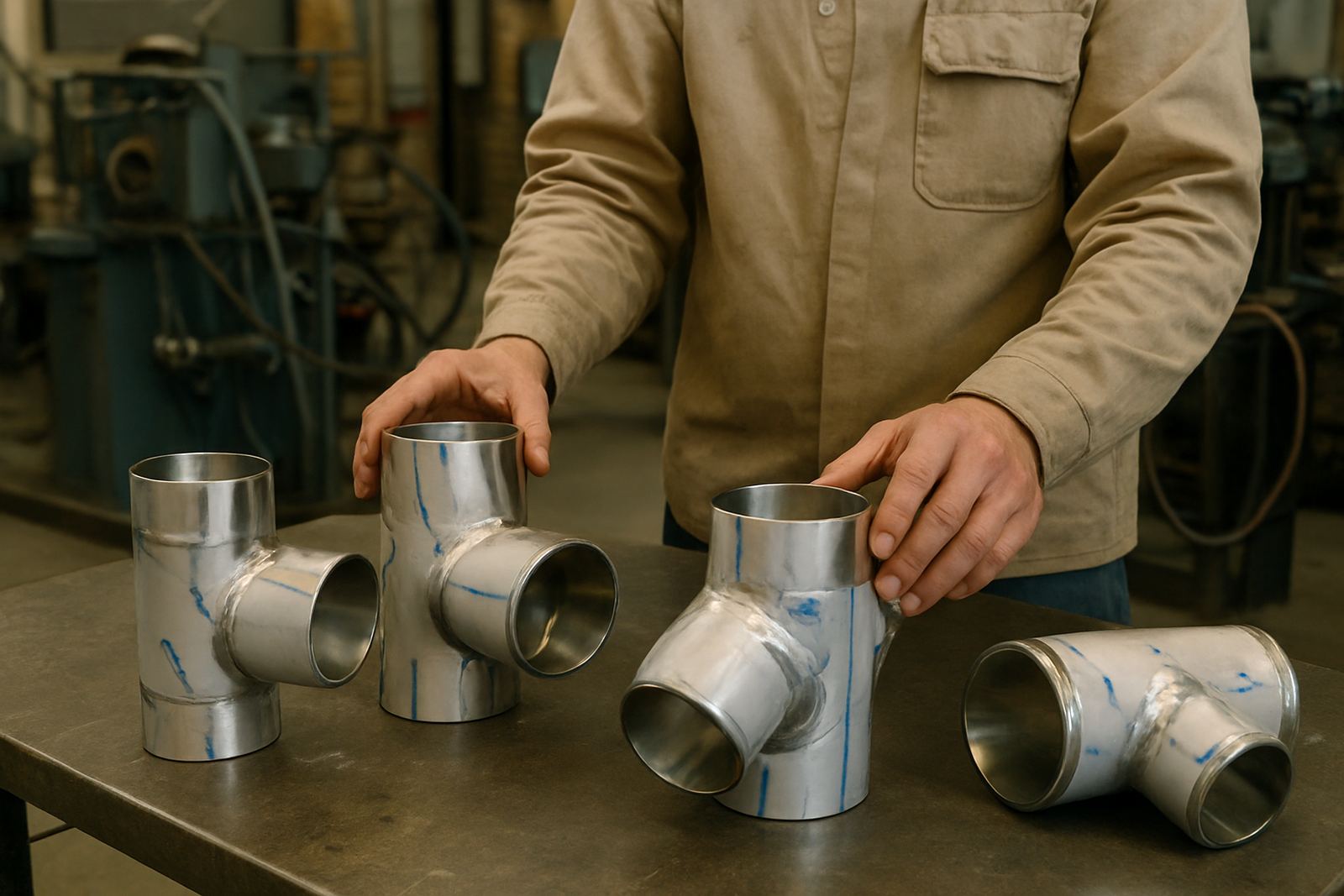
Our completed jobs include stainless steel, aluminium, tool steel, mild steel and mixed-material parts where a careful hand matters. In coastal areas like Durban and Port Elizabeth, corrosion and pitting often change the repair approach. In Gauteng, many jobs come in after machine wear, impact damage or repeat stress from daily production.
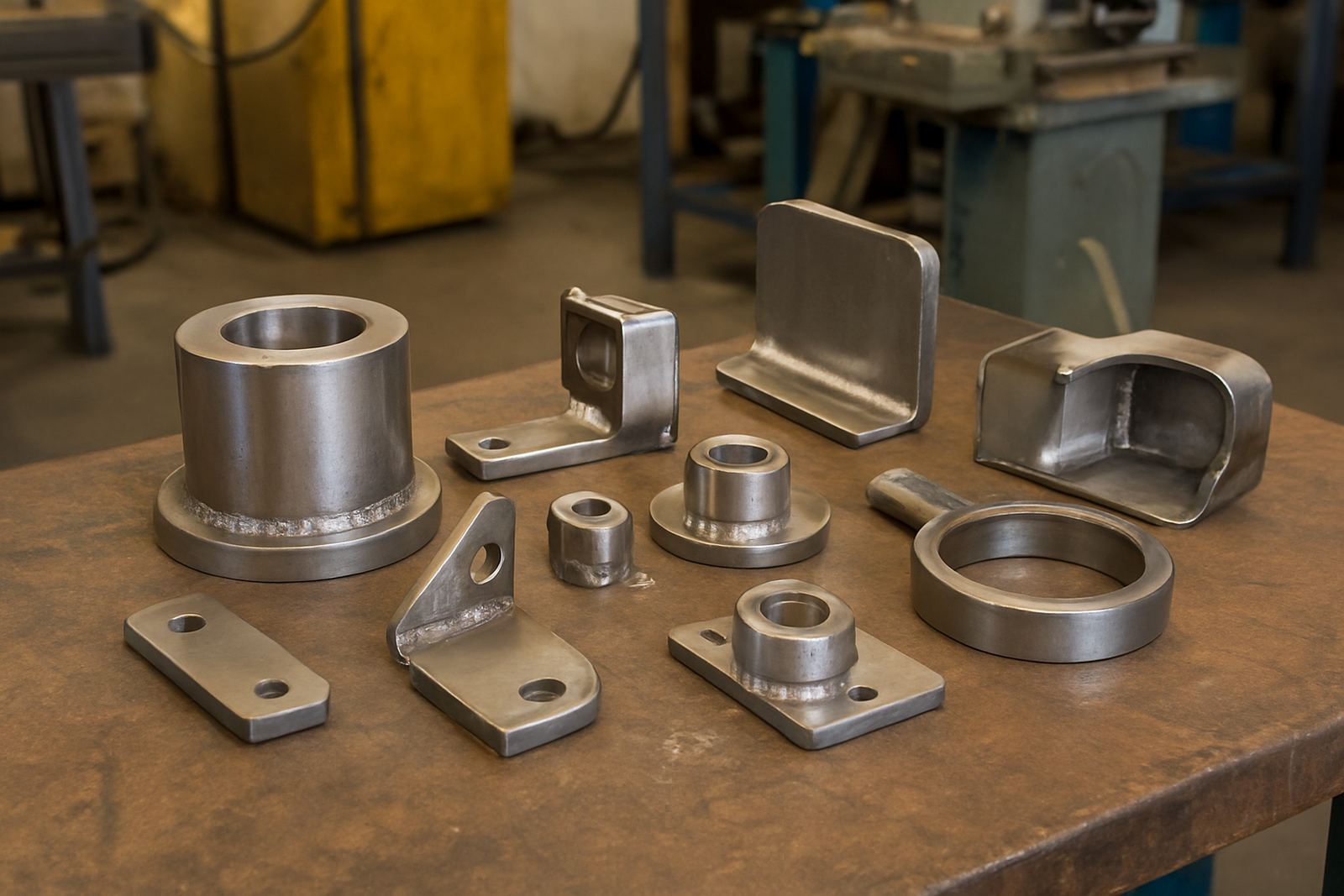
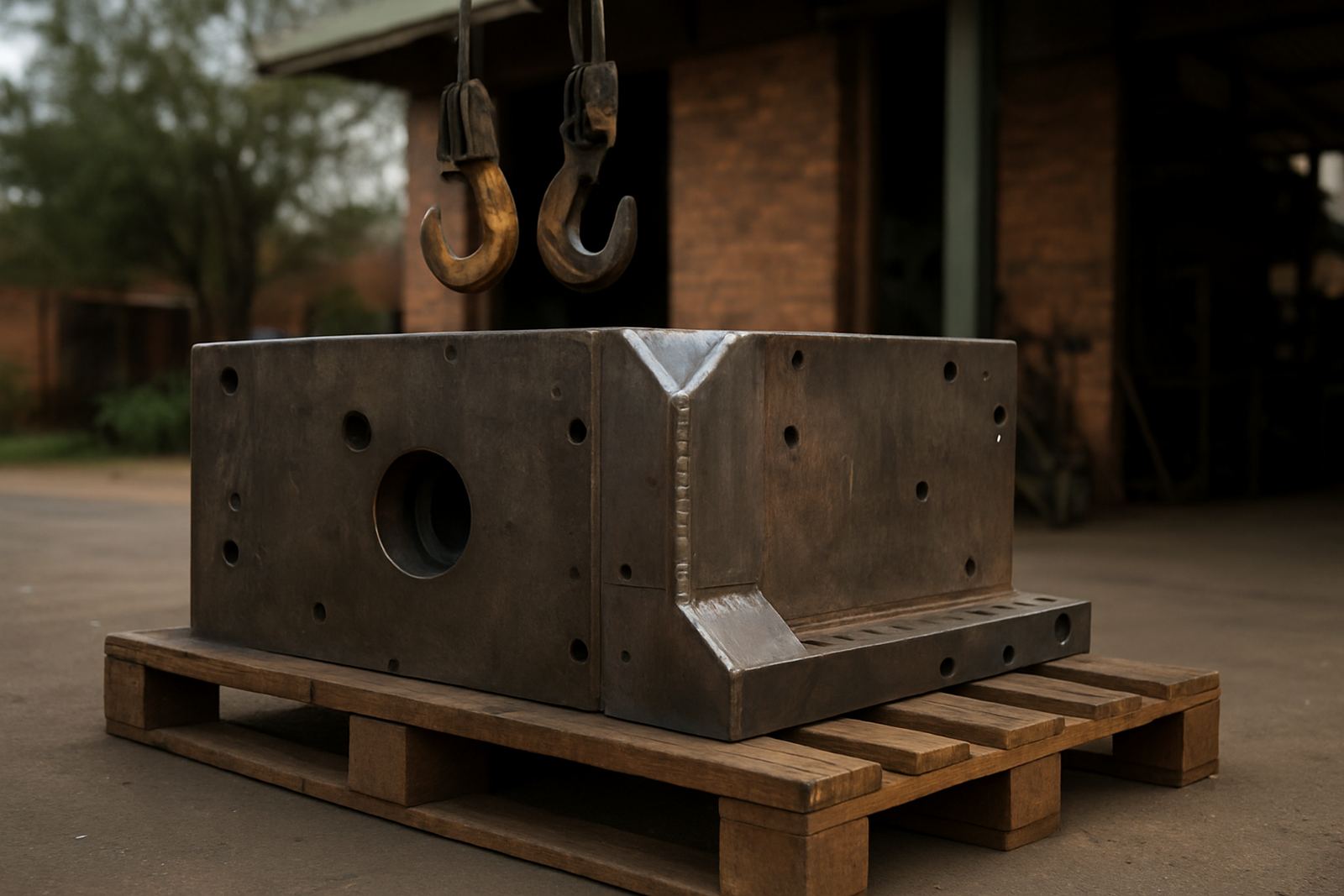
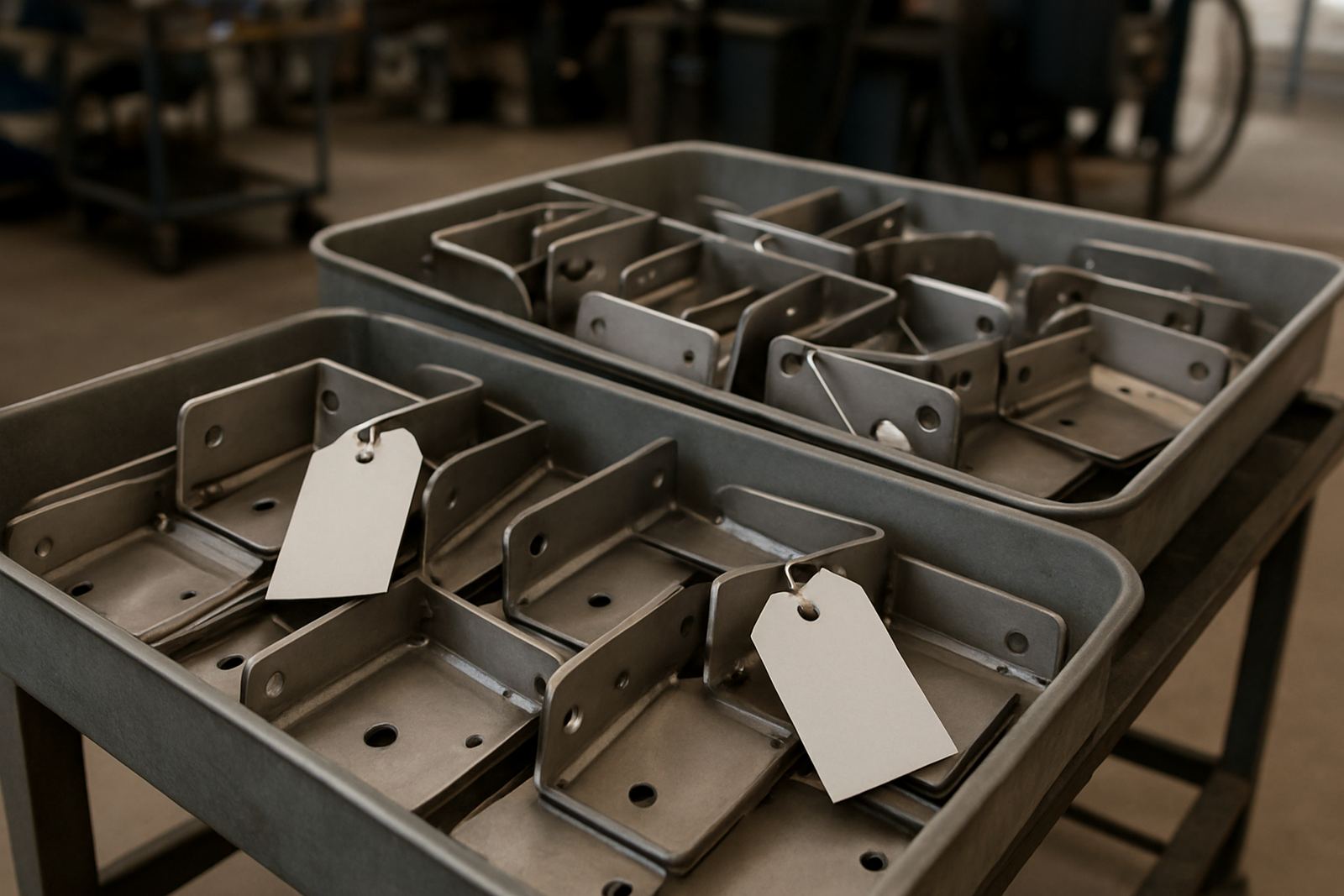
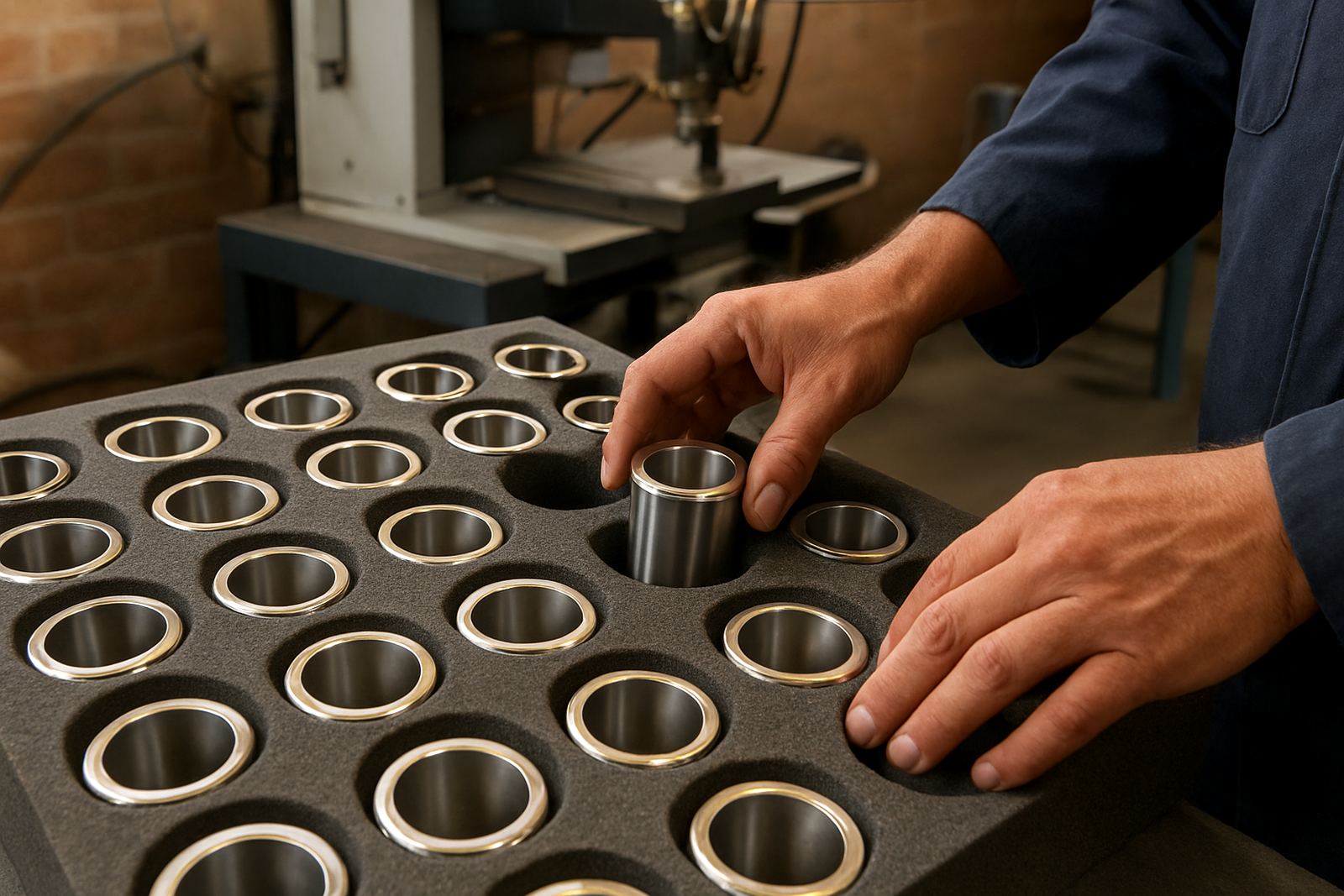
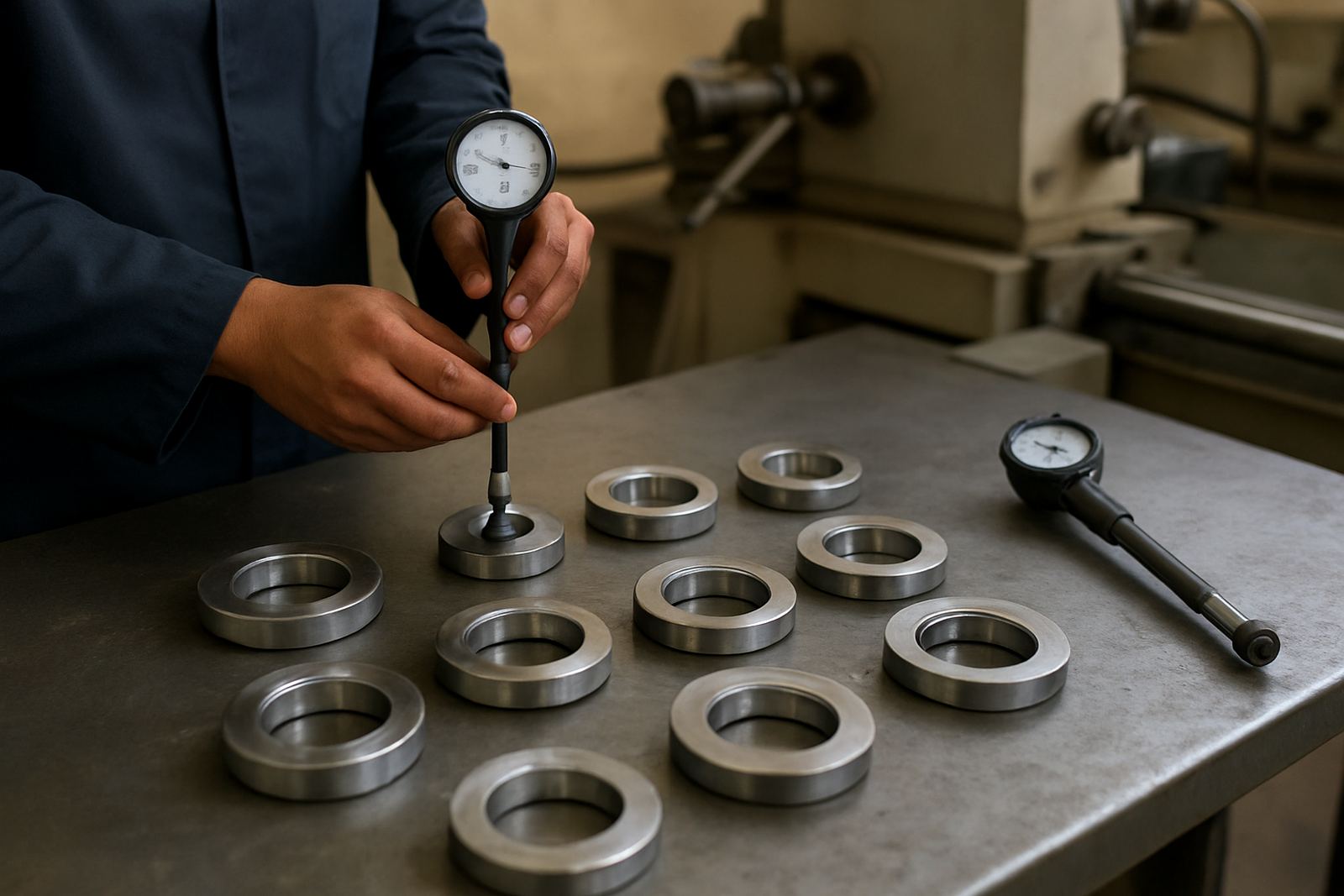
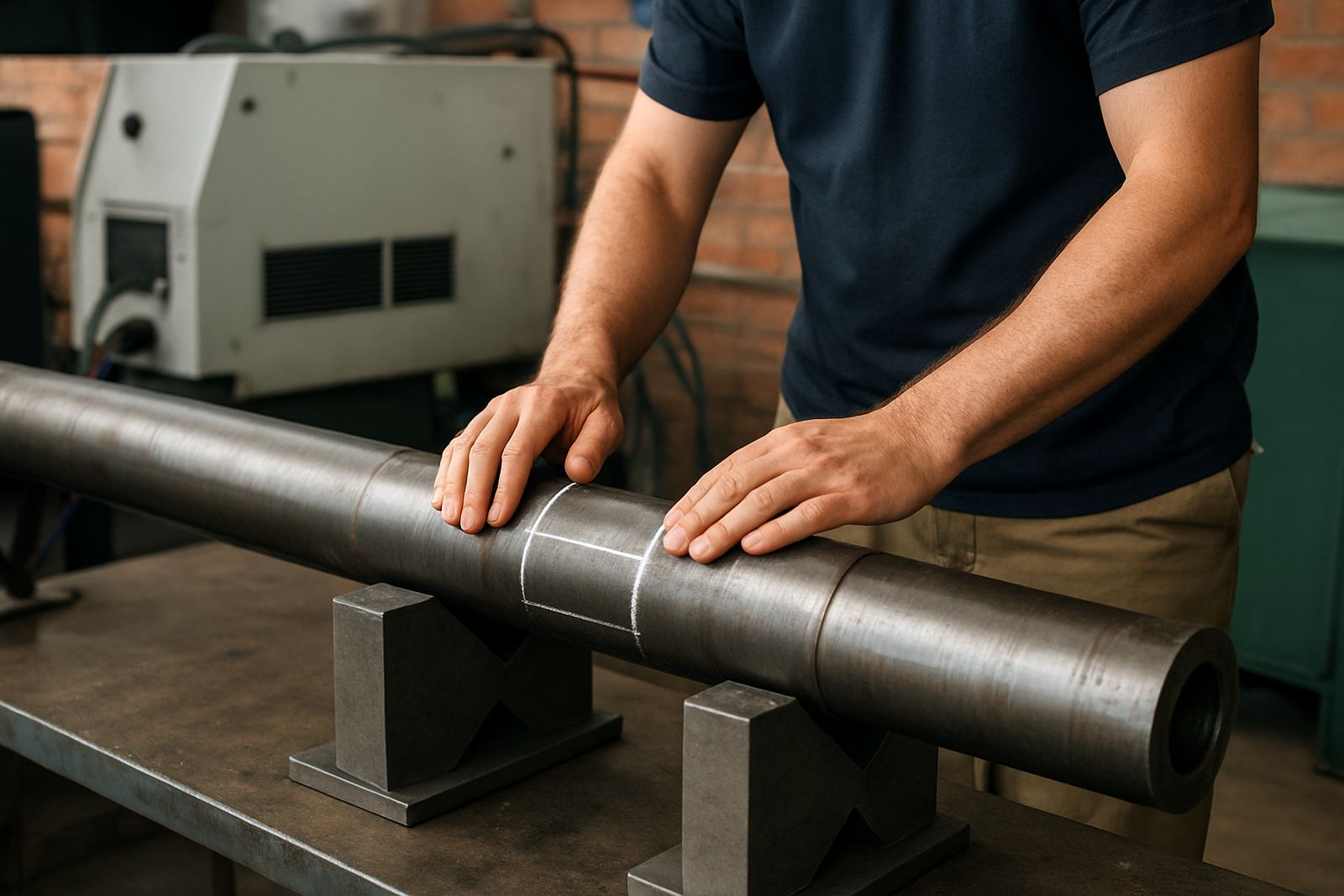
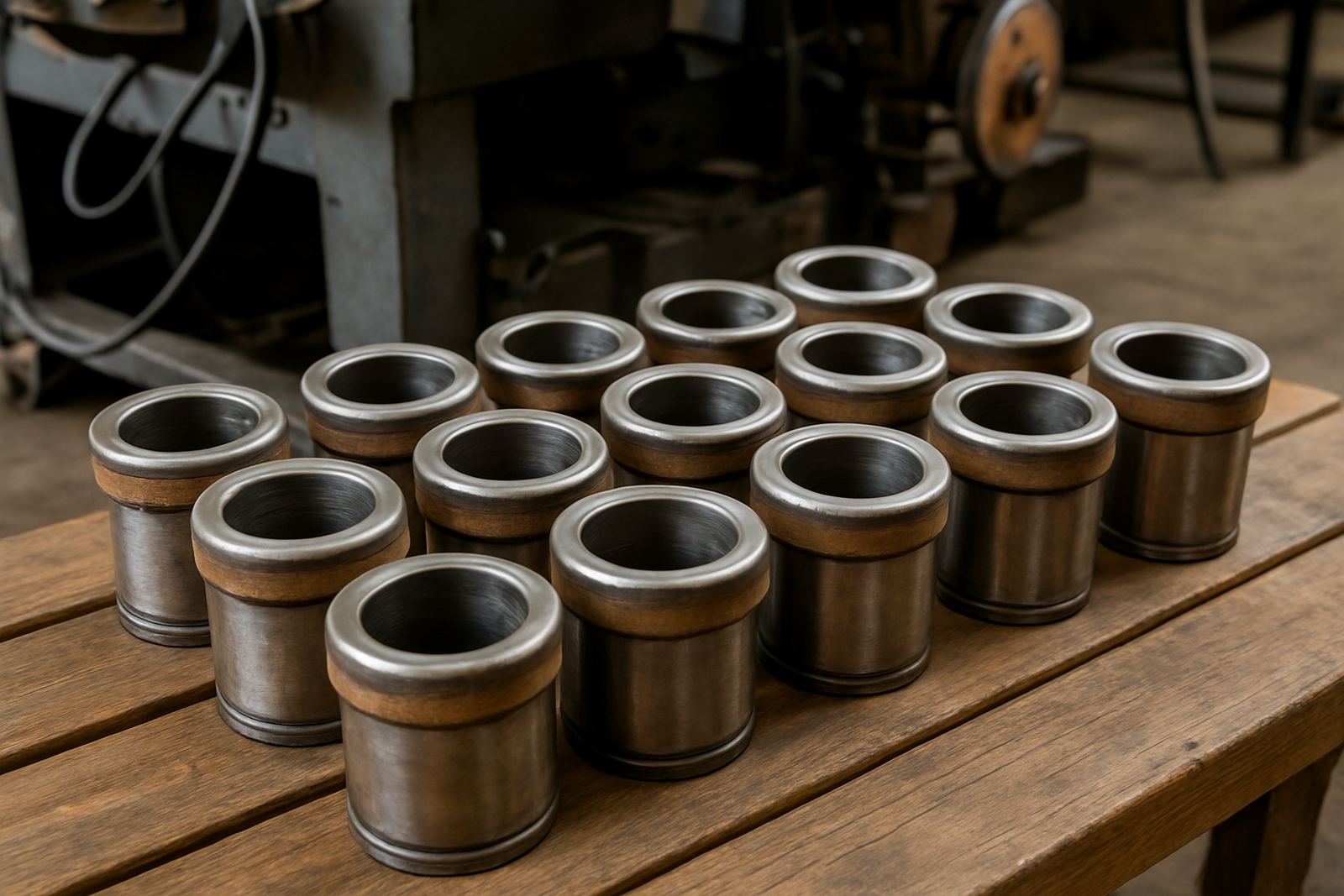
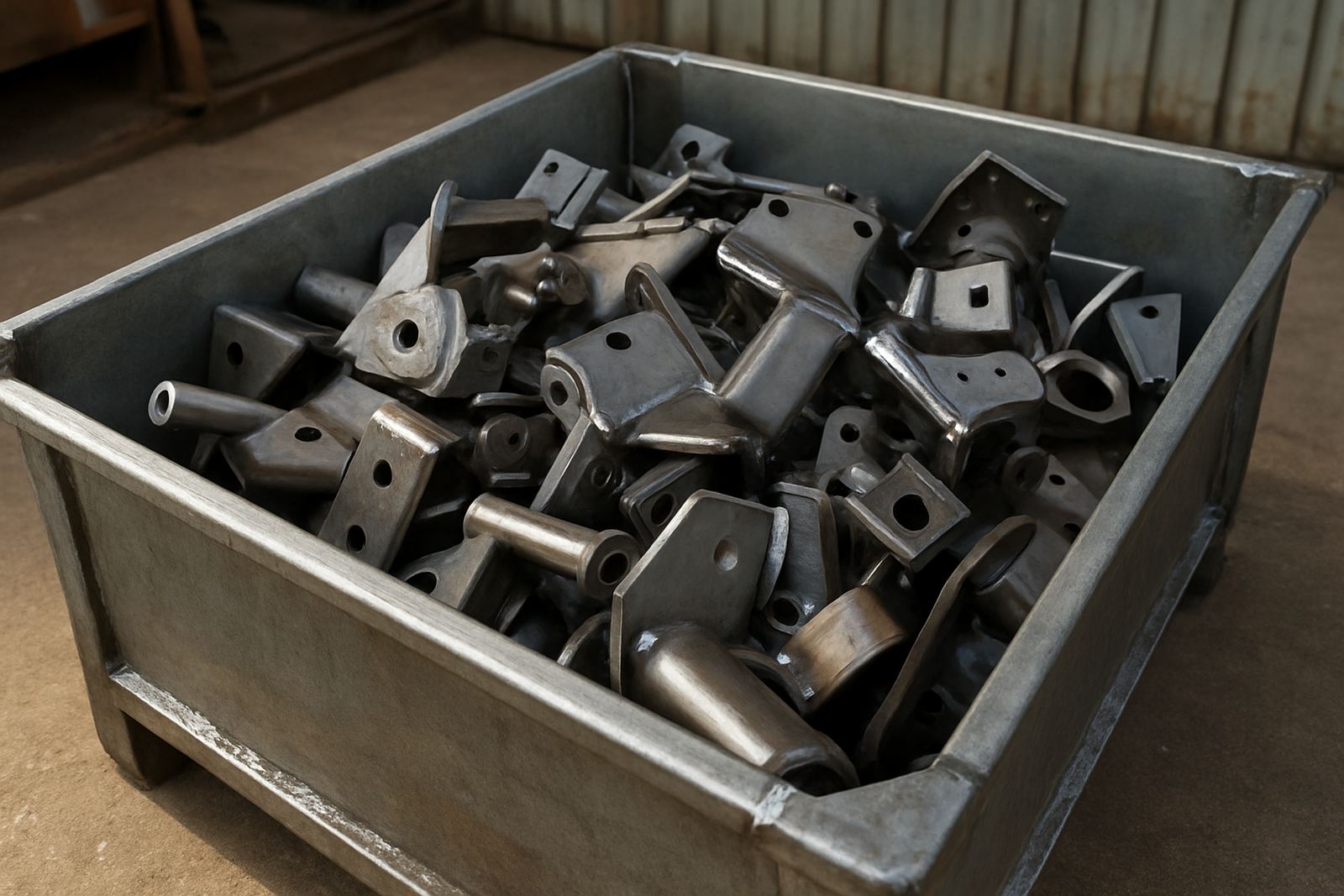
Typical items include mould inserts, brackets, housings, shafts, flanges, conveyor parts, thin covers, clamps and small precision components. Some parts are too large for a full strip-down, so the work is done in sections and checked as it progresses. That helps keep downtime manageable and the repair practical for the client.
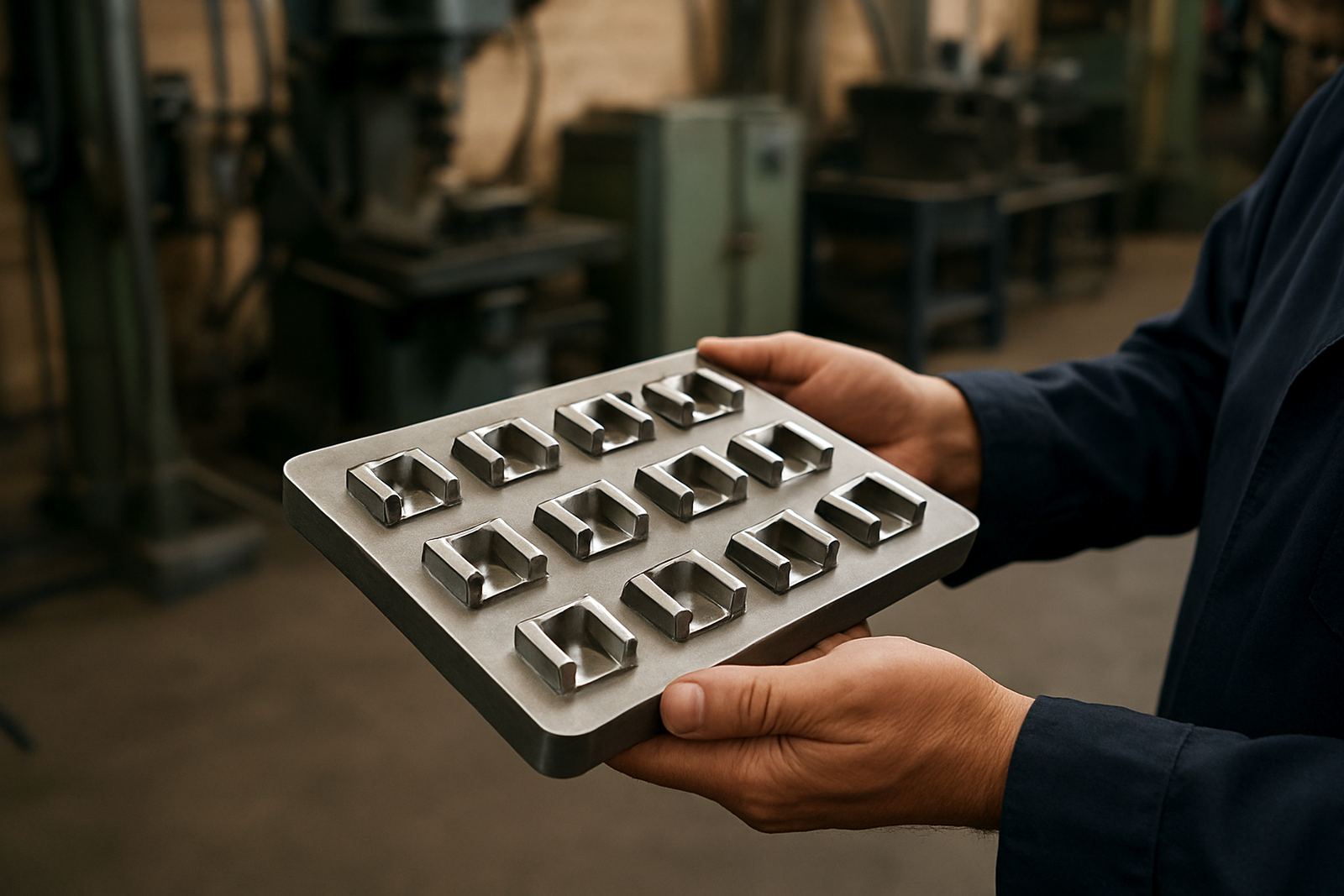
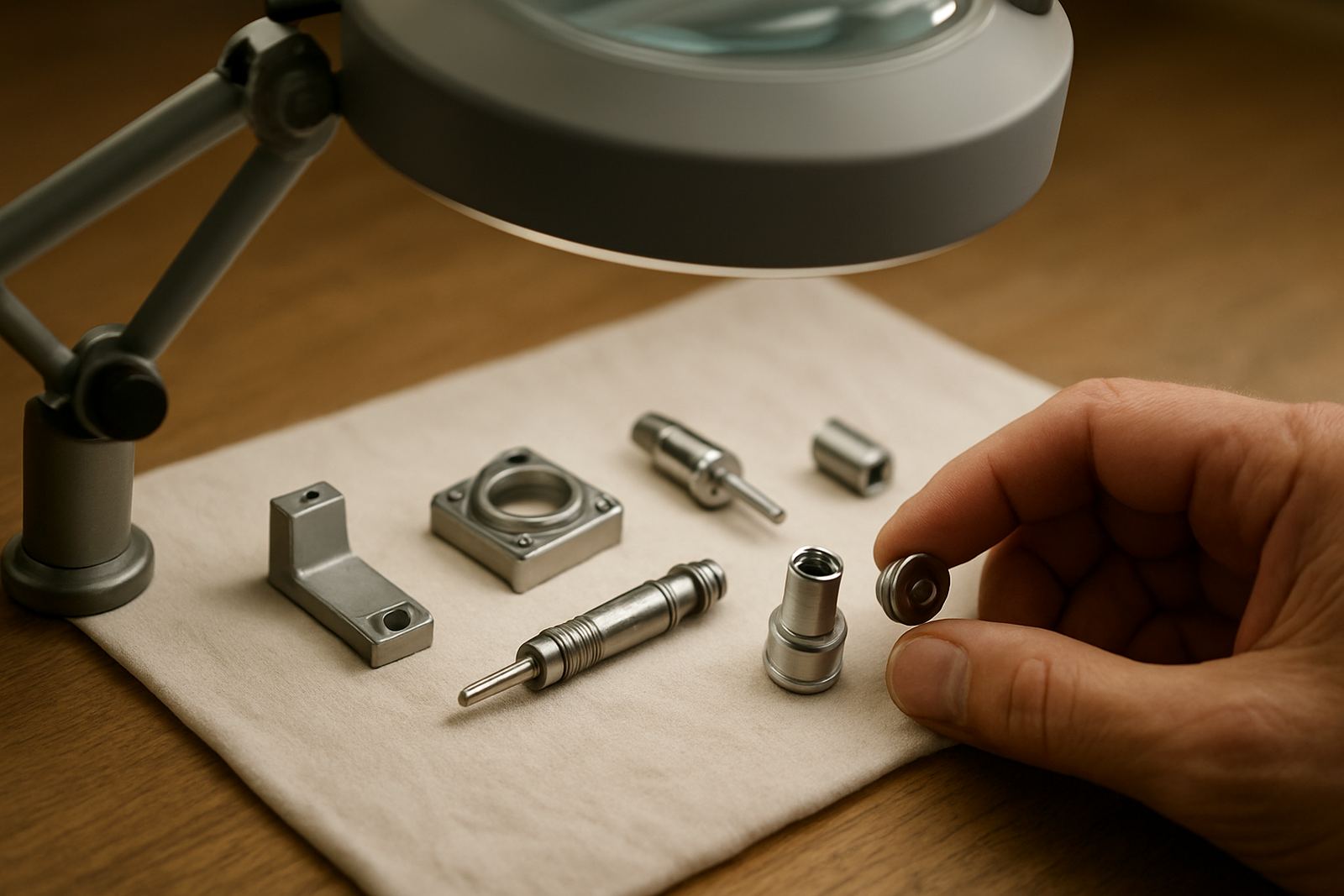
- Small precision parts for medical, industrial and fabrication work
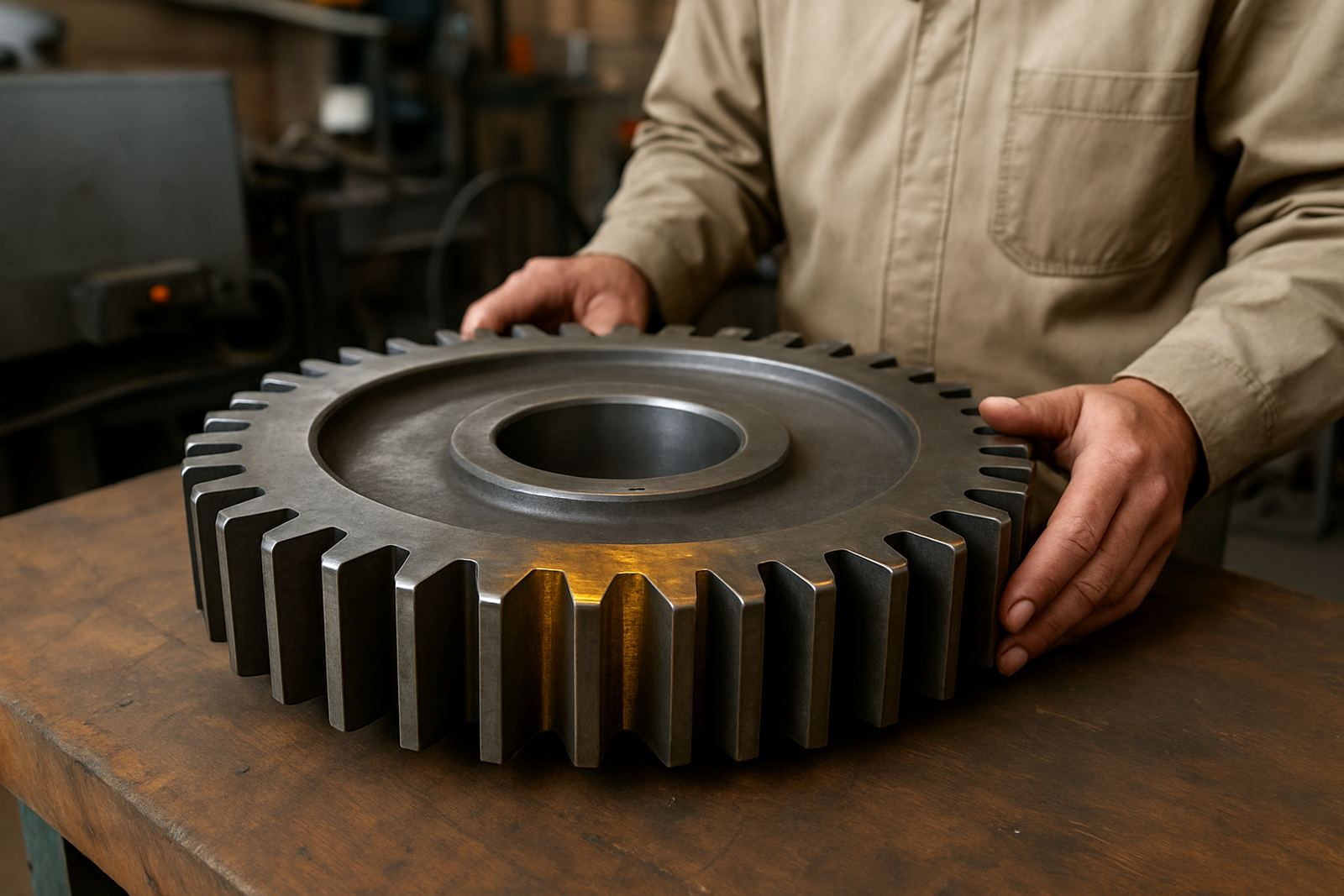
- Worn edges, chipped corners and damaged seating surfaces
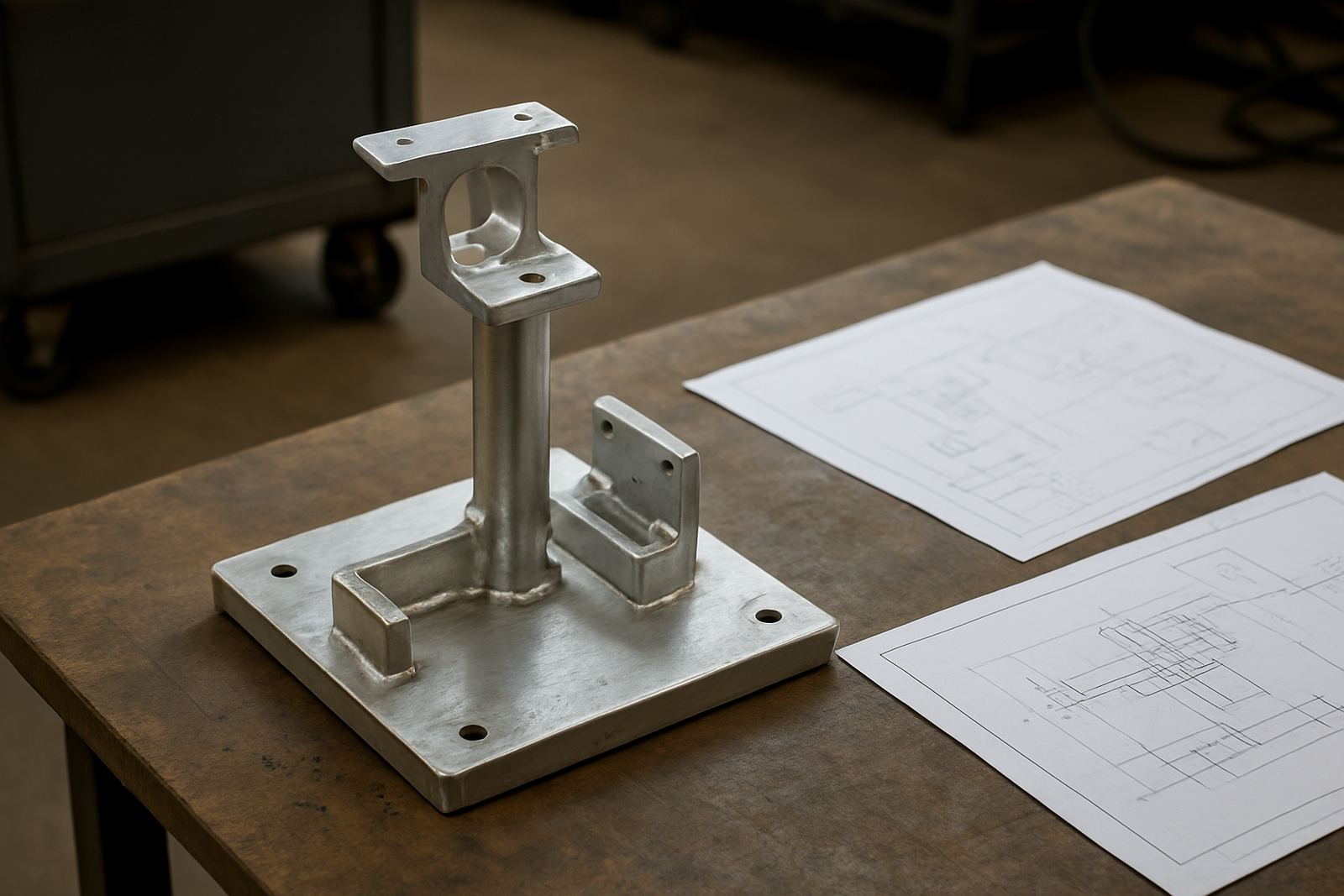
- Prototype parts where one corrected sample supports later production
What A Good Finished Job Needs To Achieve
A good repair is not only about filling metal. It must suit the final use of the part, whether that means later machining, fitting, polishing or direct return to service. On some jobs the visible finish matters a lot, while on others the main goal is strength, alignment and holding tolerance. The right result depends on the part and where it lives in the production line.
For workshop clients across South Africa, that practical outcome matters more than a long story about the weld itself. A repaired component must be usable, and it must not cause a second failure a week later. That is why each completed job page shows the issue, the approach and the end result in plain terms.
Workshop To Courier To Collection
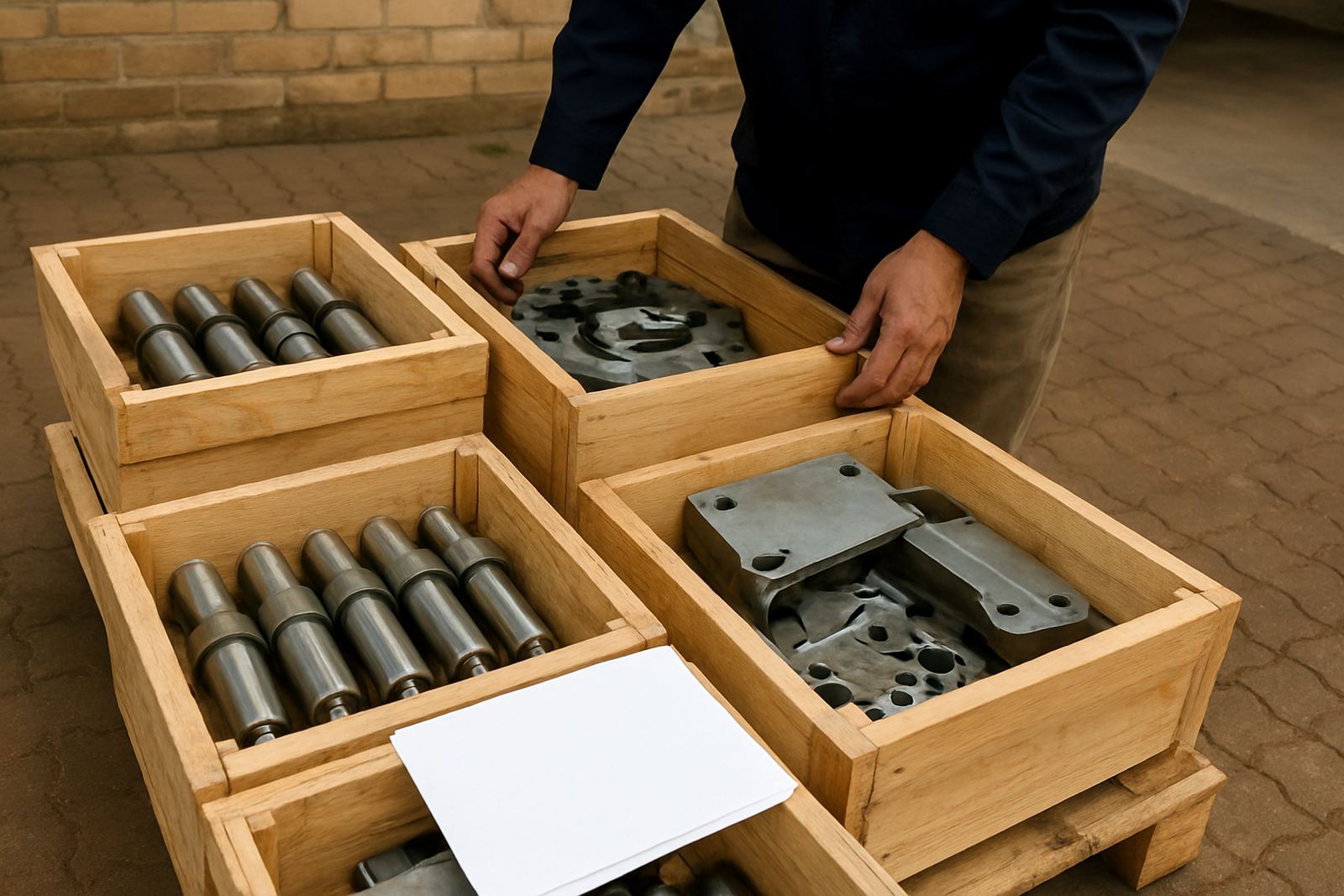
Based in Centurion, the workshop handles items brought in directly, collected through Pretoria East or Midrand, or sent by courier from further afield. For many clients, that is the easiest way to move small precision parts without stopping a whole production line. Larger or repeat work can also be handled as batch items, which helps keep planning simpler for maintenance teams and buyers.
Load-shedding and municipal schedules can affect factory timing, so some clients prefer to send parts early in the week and plan collections around their own shutdown windows. If the item is fragile or expensive to replace, careful packing and clear labelling help keep things moving without confusion.
Using These Jobs As A Starting Point
Think of this hub as a practical reference, not a gallery of the same kind of work repeated. A client with a cracked machine component in Rosslyn may only need one page to recognise the type of repair. Another client in Jet Park might need to compare two or three pages before deciding whether the item should be restored, rebuilt or replaced. That is normal, because repairs come in all sizes and some jobs needs a closer look before the best route is clear.
The completed jobs pages are there to show range, not just finish. They help you judge whether the part can be saved, what level of detail the repair needs, and whether the job is better handled as a one-off or a batch run.