Valve seat restoration for a Boksburg production site
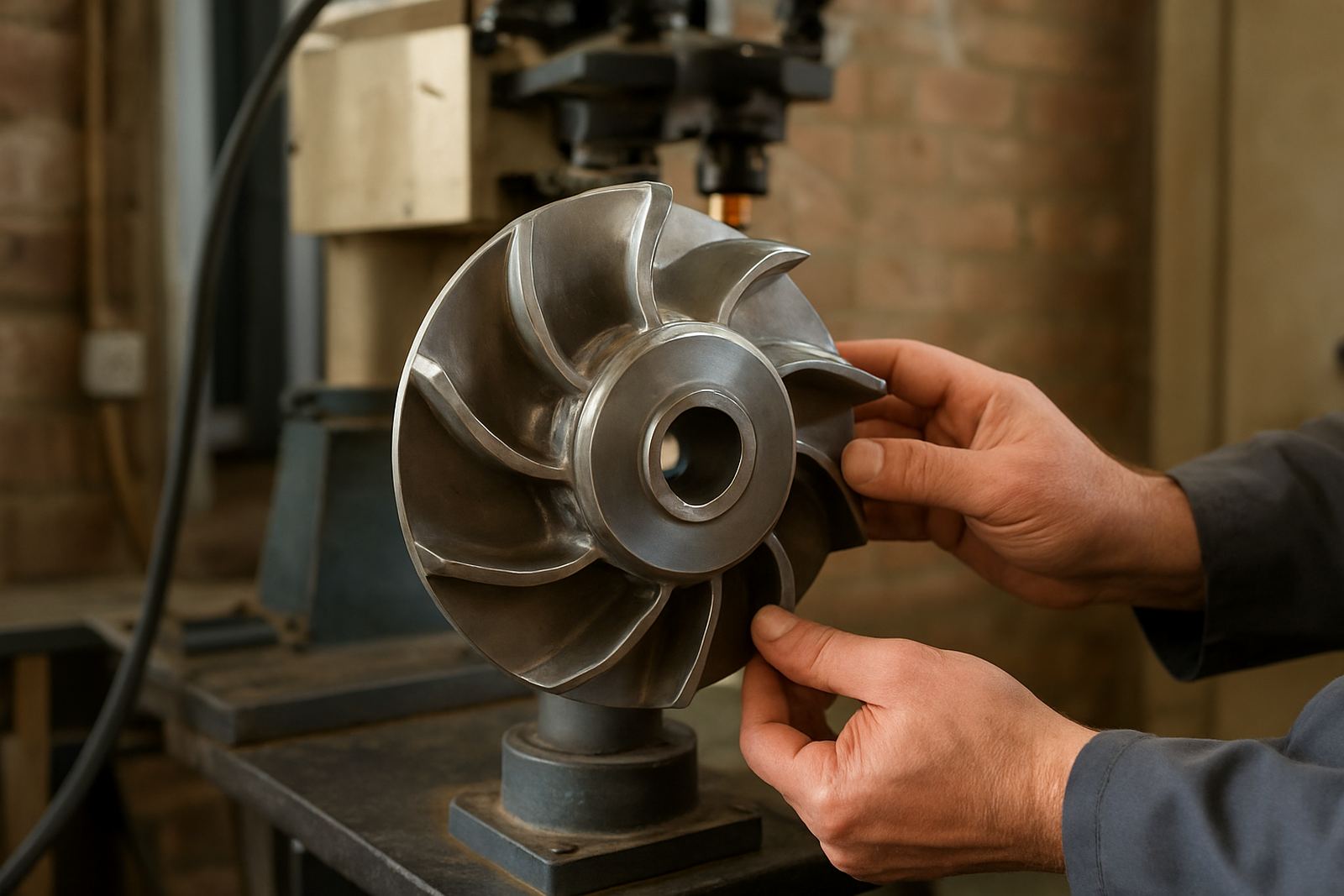
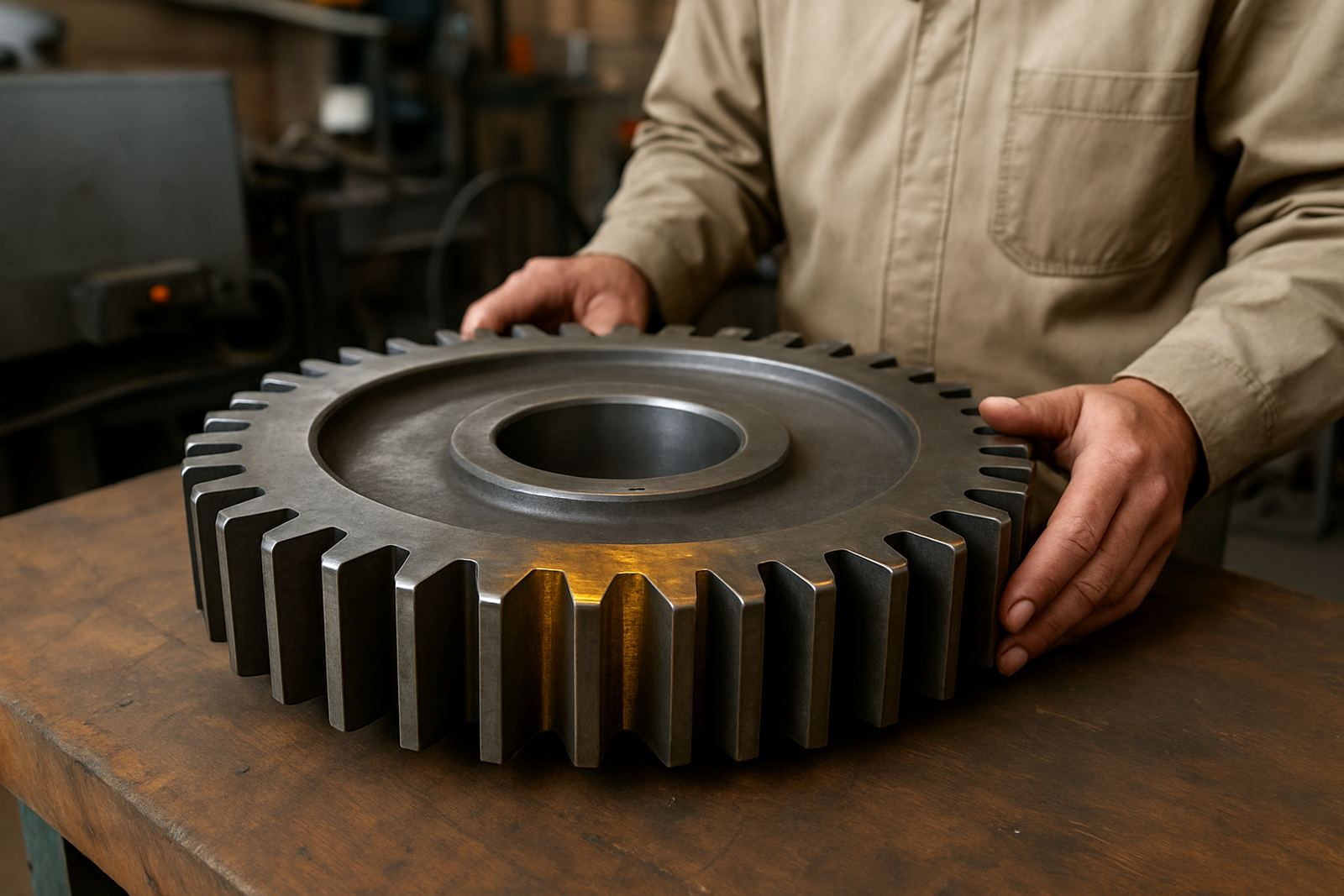
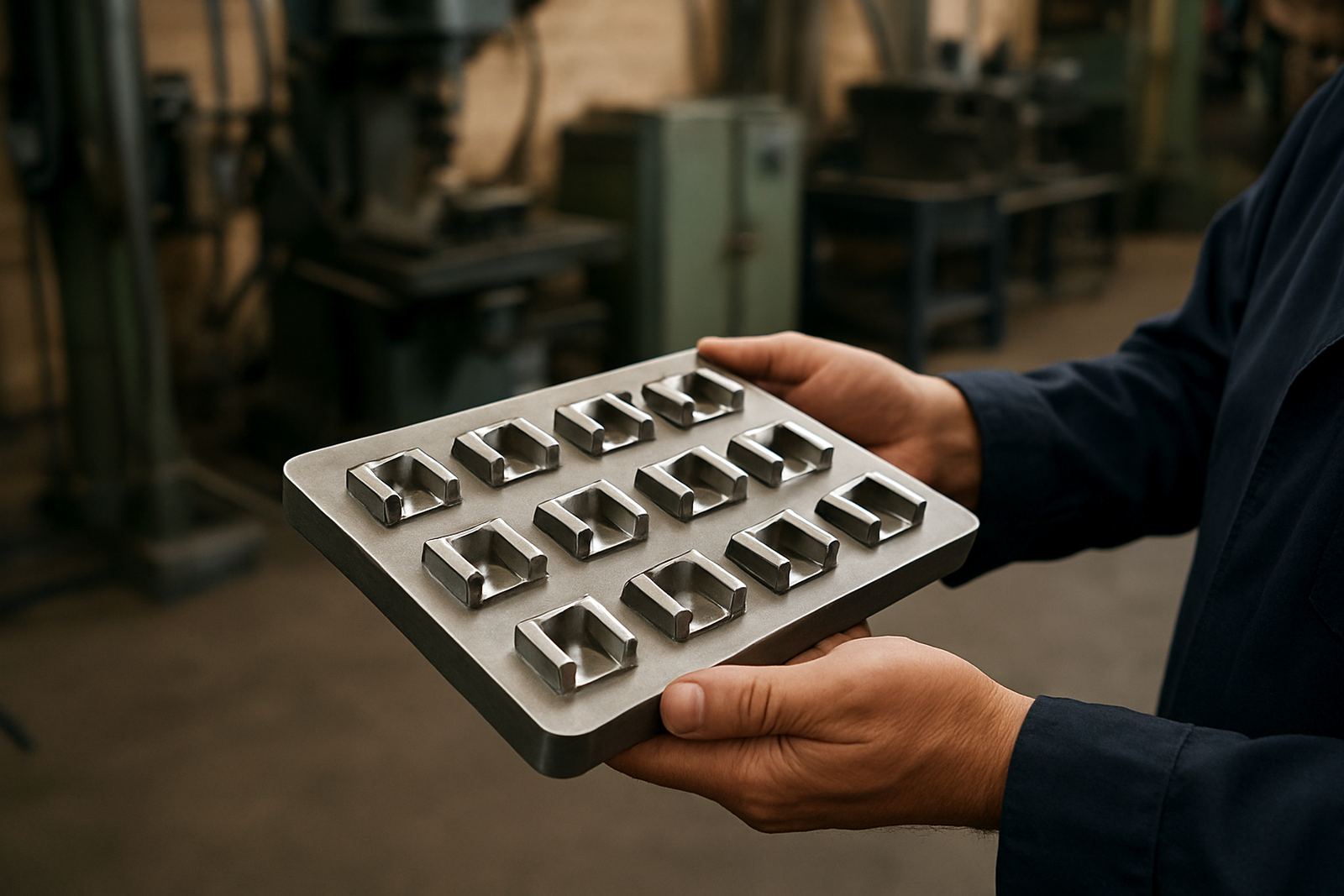
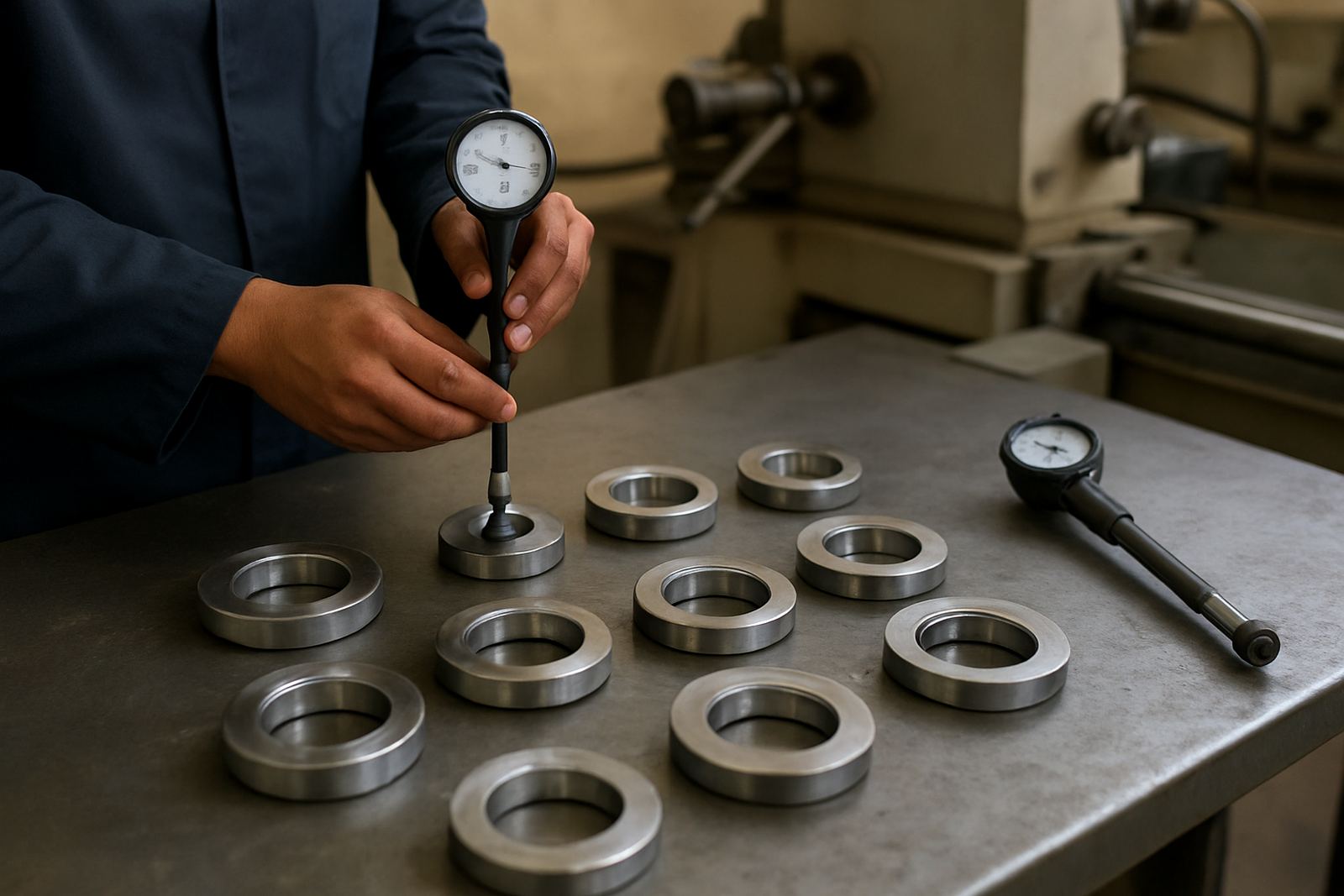
The client was a manufacturing operation in Boksburg dealing with worn valve seats on precision components used in a process line. The parts were still structurally sound, but the seating faces had wear, light pitting and previous machining marks that were affecting closure and repeatability. The brief was to rebuild the damaged areas without over-heating the parent material, then hand the parts back in a condition suitable for accurate re-machining.
This was a good fit for laser welding because the build-up needed to be narrow, controlled and tidy. The parts were not suitable for broad conventional welding repairs since the seating geometry had to remain stable. Our team handled the work in our Centurion workshop, with collection arranged through our Midrand and Jet Park service routes for quick handover. The job was completed over 2 weeks from receipt to dispatch.
What the seats needed before machining could start again
The main challenge was the condition of the seat faces. These areas had to be restored just enough to allow fresh machining, but not so much that the profile would distort or the part would need excessive clean-up. The component type called for close control on heat input, bead placement and filler volume. Accuracy was critical and the seats had to line up with the valve faces for remachining, so we set up the work in stages and checked each pass.
- Worn valve seating lands with localised pitting
- Controlled build-up required to avoid distortion
- Subsequent machining allowance kept consistent
- Parts had to remain dimensionally stable for repeat fitment
- Surface condition had to support sealing performance after rework
Because the parts came from a working plant, there was also a practical constraint around downtime. The client needed the parts back quickly, but not at the expense of finish or accuracy. We planned the sequence so the welding, inspection and release all moved in a tight window.
How we carried out the welding and repair work
We started with a full visual check and marked the damaged areas to define the repair boundaries. The seats were cleaned thoroughly to remove oil, scale and any residue that could affect fusion. We then used precision laser welding to add material only where needed, building the worn zones in controlled layers. This kept the repair localised and reduced the amount of heat carried into the surrounding metal.
The deposit height was monitored against the required machining allowance, and each part was checked after welding for shape, edge condition and any sign of movement. Where the wear pattern varied across the seat, we adjusted the build-up rather than applying a one size fits all repair. That saved time later at the machining stage and helped avoid rework. A few of the seats had slightly awkward access points, so the process had to be steady and patient rather than rushed.
- Precision laser build-up on seating faces
- Localised repairs with minimal heat input
- Pre-machining allowance kept within tolerance
- Part-by-part inspection after repair
- Work completed to suit final re-machining
Specs and repair details from the job
The parts were medium-sized valve components from an industrial plant in Boksburg, with seating areas that needed restoration rather than full replacement. The repair scope focused on accuracy, repeatability and a clean finish for the machinist. The final deposit was kept modest and even, because these seats needed a controlled machining pass rather than heavy grinding afterwards.
The job was handled in our Centurion workshop, with the client using our Johannesburg metro collection options to move the components efficiently. We also kept the communication direct, so the production team knew what had been repaired and what machining allowance was left on each item. That helped them schedule the next operation without guesswork.
Why the repair held up well in service
The main result was that the valve seating areas were recovered to a usable condition without changing the basic part geometry. The rebuilt zones machined cleanly, and the seating faces could be returned to specification with normal finishing methods. The client avoided replacement of parts that still had good life left in them, which kept costs down and reduced unnecessary downtime.
Another benefit was the consistency between parts. Because the build-up was controlled from the start, the machinist had predictable stock to work with. That means less time chasing one-off problems and better fit across the batch. For process equipment, that sort of consistency matters just as much as the repair itself.
- Seats restored for accurate remachining
- Reduced risk of distortion during repair
- Better control over final valve fit
- Parts returned within the planned 2 week turnaround
What we would do again on a similar valve seat job
We would follow the same approach on the next Boksburg valve seat repair job: strip the part clean, assess each seat individually, build only what is needed, and leave enough allowance for the machinist to finish properly. That method works well on components where sealing performance and size control are both important. It also suits sites that need practical turnaround without long waits for new parts.
For customers dealing with worn seats, damaged edges or repeat leakage problems, the key is early intervention. If the wear is caught before the base material is too far gone, laser welding can often recover the part at a fraction of replacement cost. If you need valve seats, mould details, cracked sections or thin parts repaired, our Centurion base supports job-shop work nationwide, including collection through Pretoria East, Midrand, Rosslyn and Jet Park. Send a message through our contact form and we will advise on the next step.
- Best suited to worn seats with sound parent metal
- Useful where remachining is planned after repair
- Can be coordinated for courier or branch collection nationwide
- Works well on parts that need tight localised build-up
Key facts
| Project | Boksburg valve seats restoration |
|---|---|
| Service | Precision laser welding and controlled build-up |
| Industry | Industrial valve and process equipment |
| Location | Boksburg, Gauteng |
| Turnaround | 2 weeks from receipt to dispatch |
| Base | Centurion, Pretoria with nationwide job-shop work |