Toolroom Repair Work For A Local Centurion Team
The job came from a local toolroom in Centurion that services production tooling for a mix of light manufacturing and maintenance work. Their inserts had worn on the working edges and a few areas showed small chips from repeated stripping, handling and line stoppages. The parts were not candidates for full replacement because the geometry still matched the tool set and the customer needed them back in service fast.
The brief was simple enough to say and tricky to execute: restore the edges, keep heat input low, and leave enough material for final fit-up and polishing. The parts had to hold tolerance, and the repaired zones could not pull the inserts out of shape. In toolroom work that matters a lot, because once a face goes out by even a few tenths you start chasing problems right through the tool. We also had to keep the finish clean so the inserts could go straight back for fitting with very little hand work.
What We Were Given And What Had To Stay In Spec
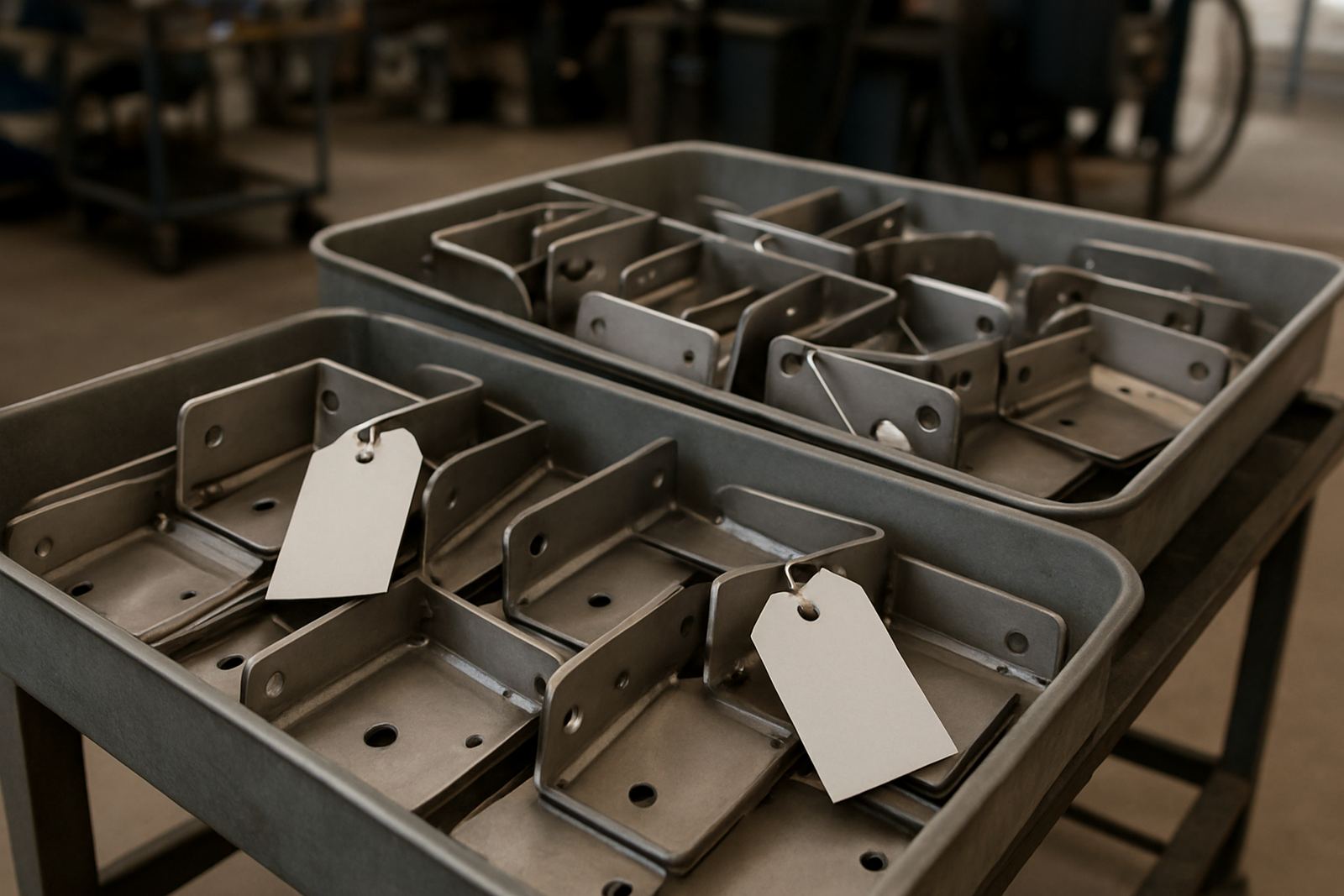
The set included small precision inserts with worn corners, edge break-down on the working faces, and shallow damage along contact areas. Some pieces had fine cracking at stress points, while others were mainly rounded off from use. The material was not especially forgiving, and the parts had already seen enough service that any extra heat could have caused movement or softening in the wrong place.
- Part type: toolroom inserts for maintenance and production support
- Repair type: edge build-up, crack repair, and local restoration
- Typical damage: corner wear, chipped edges, surface fatigue and small cracks
- Constraint: low distortion for accurate re-fit
- Finish requirement: near-ready for final grind and polish
The customer also needed a practical turnaround because the inserts formed part of a working set. If one piece stays on the bench too long, the whole tool sits idle and that means lost output. So we planned the repair in a way that let us process the damaged zones first, then move to the more delicate finish work only once the build-up was sound.
Laser Welding Method Used On The Inserts
We cleaned each insert fully before repair so that oil, oxide and handling marks would not interfere with the weld pool. Then we used precision laser welding to place controlled material only where it was needed. This method works well for toolroom jobs because the heat is narrow and the base metal around the repair stays stable. That means less distortion, less grinding, and less risk of re-machining the whole part.
For the edge build-up, we added material in short controlled passes and checked the profile often. On the crack repair areas we first stabilised the damaged section, then filled and blended the line so it would not telegraph through after finishing. In a couple of spots the repair needed a second pass because the wear had gone deeper than it looked at first, but that is normal on old tooling and it is better to add carefully than to overdo it. We kept the repaired sections tight and slightly proud, which gave the toolroom enough material for final finish without making the insert oversized.
Turnaround, Handling And Workshop Control
The whole job ran over 2 weeks from receipt to collection-ready completion. That included assessment, repair work, cooling and intermediate inspection, then final dressing and release. Because the parts were small and value-dense, we handled them as a batch jobshop repair rather than treating each one as a separate emergency. That kept the sequence neat and allowed the client to bring back the whole set together.
Centurion is practical for this kind of work because local clients can drop off, collect, or send a courier without fighting long lead times. We also see a lot of toolroom work from Pretoria East, Midrand, Rosslyn and Jet Park, and the same approach applies each time: identify the worn zones, decide which areas can be built and which should be left alone, then keep the process tight. Load-shedding is also part of the planning in Gauteng, so we schedule the sensitive stages around stable workshop power and avoid leaving half-finished parts on a cold bench for too long.
- Assessment and quoting before repair start
- Controlled build-up in the worn zones only
- Cooling between passes to limit movement
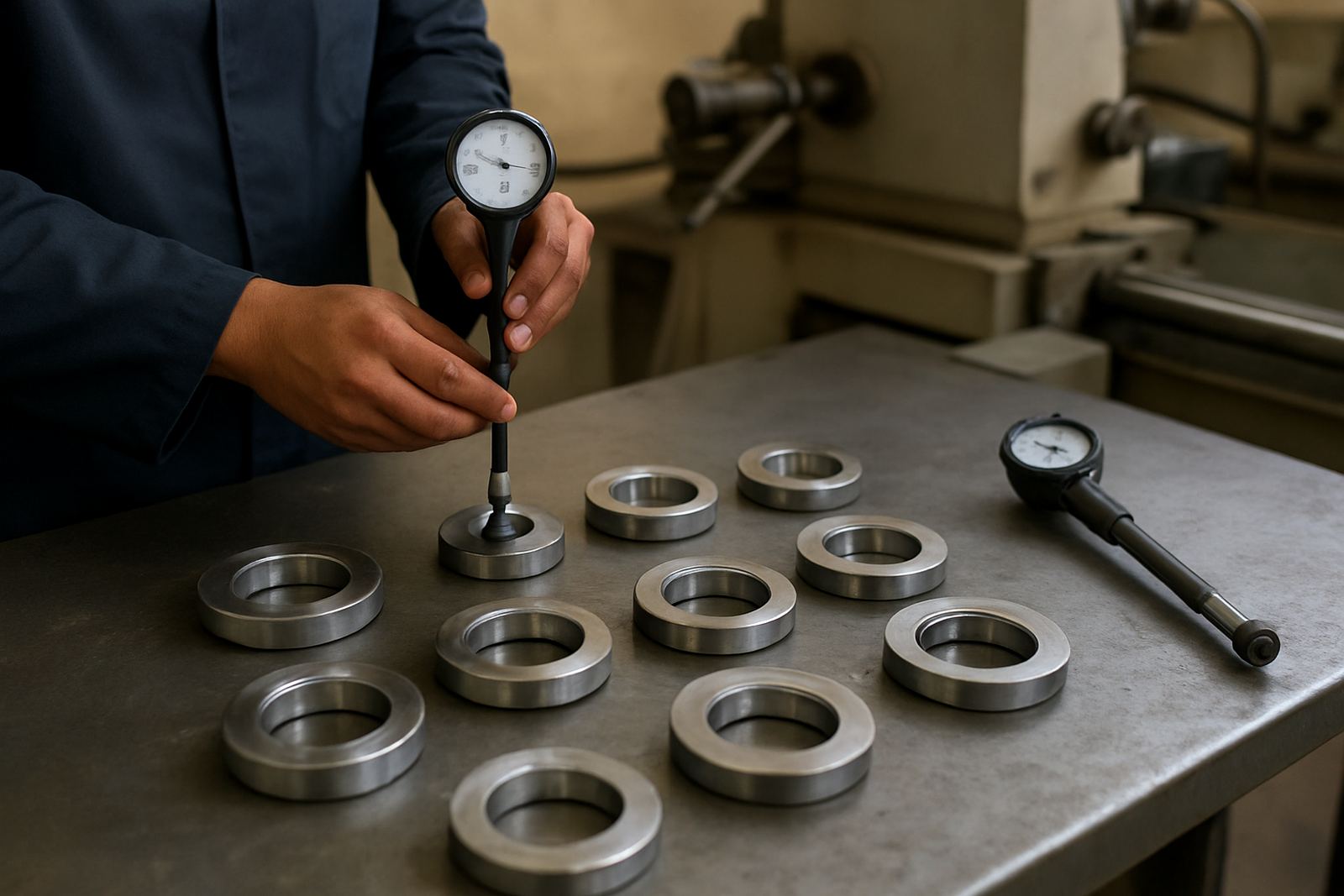
- Intermediate checks for profile and alignment
- Final hand dressing for finish-ready condition
Results On The Repaired Insert Set
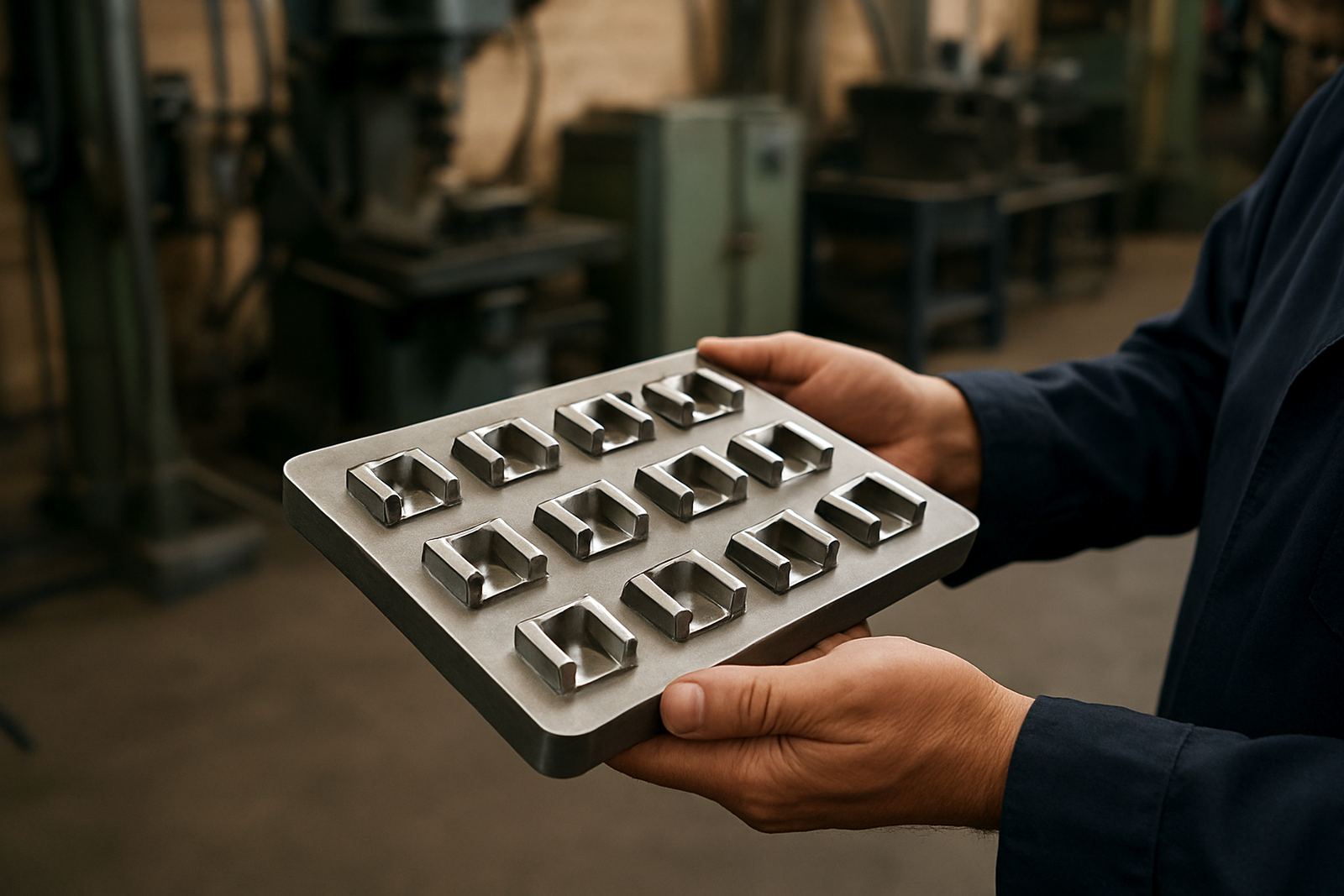
The repaired inserts returned with their edges restored, the chipped sections filled back to usable profile, and the cracked areas stabilised for further service. The customer could refit the parts with far less correction than expected, which saved time at the bench and reduced the amount of material that would have been lost if they had scrapped the set. In short, the repair put useful life back into tooling that still had plenty to give.
The finish came out clean enough for the toolroom to do a light final grind and move on. There was no obvious heat spread outside the repair zones, and the parts held their shape well through handling and finish work. That is the real measure on this type of job: if the repair saves the insert and does not create another problem downstream, the work has done its job properly.
What We Would Do Again On The Next Toolroom Job
On a similar Centurion toolroom repair, we would keep the same process: early inspection, tight marking of damage, laser build-up only where required, and careful finish allowance left on the repaired faces. For inserts that are still valuable but tired, this approach gives the best balance between cost and service life. It also suits Johannesburg, Pretoria and wider Gauteng where downtime has a direct cost and nobody wants to wait for a full remake if the original part can be saved.
We would also recommend sending matching parts as a set, not one by one, because toolroom work often depends on balance and fit across the whole assembly. If there are multiple inserts showing the same wear pattern, repairing them together keeps the finished result more even and usually shortens the total handling time. For customers on the coast, we can also plan around humidity and storage so freshly repaired parts are packed properly before transport. One small bit of planning at the start often prevents a bigger repair later on.
Nationwide Support From Our Centurion Base
Laser Welders Jobshop is based in Centurion, Pretoria and we handle job-shop laser welding work across South Africa. Toolrooms, maintenance teams and production workshops bring us parts for precision repair, crack repair, edge build-up, thin section welding, stainless repairs, aluminium repairs and part restoration. We also support collections from Pretoria East, Midrand, Rosslyn and Jet Park, with courier work available nationwide when the parts need to move quickly.
If your tooling has worn corners, chipped edges or a crack that does not justify replacement, we can assess it and advise on the best route. For many small and medium precision parts, laser welding gives you back usable life with far less heat than conventional repair methods, and that can make a real difference in fit and finish.
- Base: Centurion, Pretoria
- Job-shop coverage: nationwide
- Contact: our contact form
- Best for: precision parts, tooling, inserts and repairs
Key facts
| Project type | Centurion toolroom insert repair |
|---|---|
| Client location | Centurion |
| Work completed | Edge build-up, crack repair, finish-ready laser restoration |
| Timeline | 2 weeks |
| Material condition | Worn edges, chipped corners, fine cracking |
| Service route | Centurion workshop with nationwide courier support |