Rosslyn batch problem: thin stainless brackets with cracking
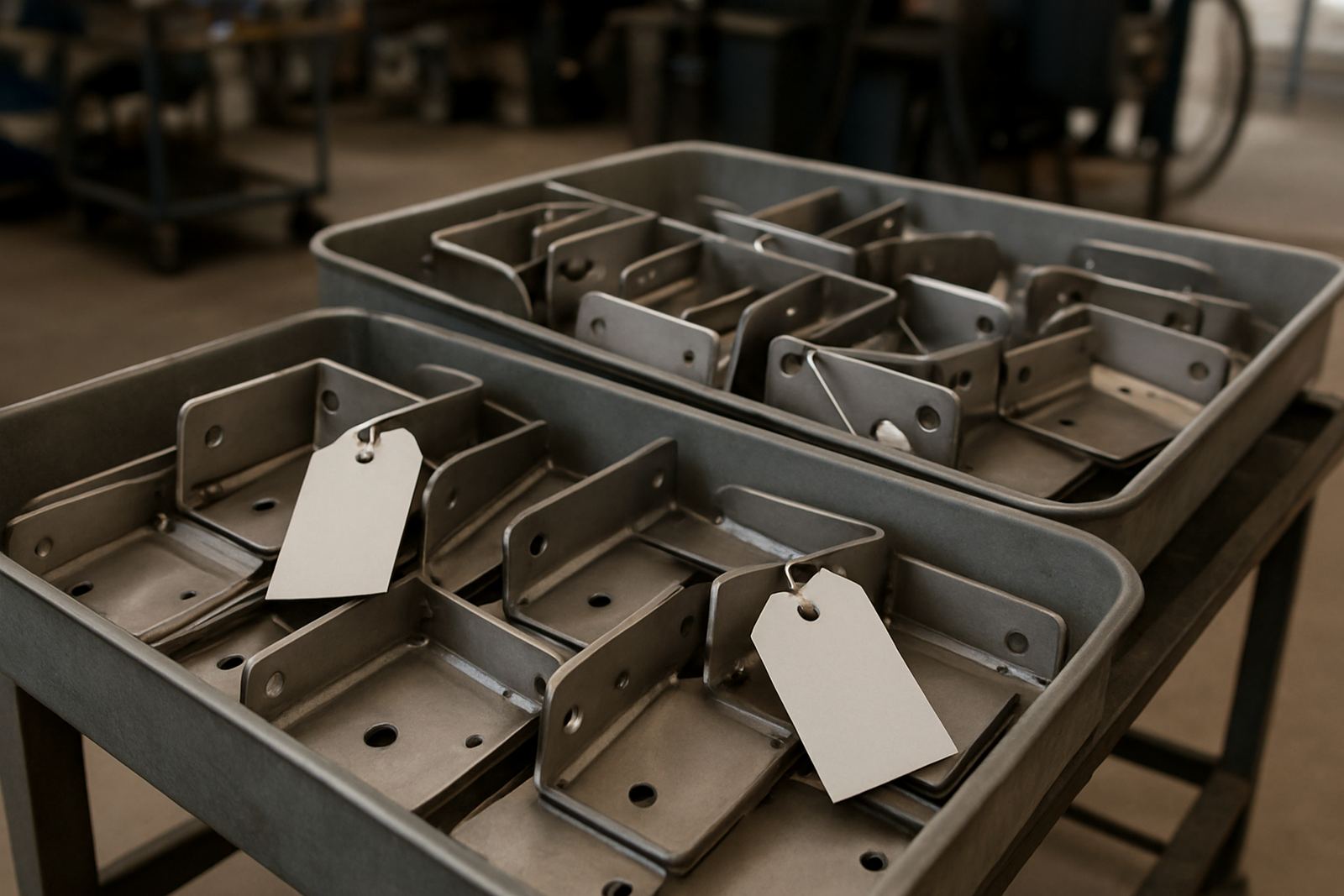
The job came in from a parts supplier in Rosslyn that was struggling with a batch of small stainless brackets used on an automotive assembly line. The parts were thin, awkward to hold and prone to cracking at the bend line during handling and fitment. Some had already been repaired once by another process, but the heat had pulled the shape and left marks that could not be passed through final inspection.
The brief was simple on paper and strict in practice. Fix the cracks, keep the bracket geometry within tolerance, and do it without opening up more heat damage on the surrounding area. These were not decorative items. They had to fit jigs, clear neighbouring components and survive repeat handling in a factory environment where a few tenths of a millimetre can cause stoppages.
- Part type: fine stainless brackets
- Location: Rosslyn, Pretoria North
- Issue: crack repair and batch correction
- Material: thin stainless steel, 0.8 mm to 1.5 mm sections
What made this job difficult
Thin stainless needs careful energy control. Too much heat and the part warps, too little and the repair does not tie in properly. In this case the brackets had tight formed corners and small mounting ears, so the weld area was limited and any overrun would have changed the fit. We also had to work around earlier repair attempts that left uneven edges and a little surface contamination.
The batch needed to be consistent from the first part to the last. The supplier could not afford a handful of good brackets and a few rejects because the whole lot was destined for repeat use. We checked the damage on each piece, marked the repair zones and separated parts that needed edge build up from those that only needed a fine crack seal. That saved time and kept the process controlled.
- Constraint: low heat input to avoid distortion
- Constraint: preserve hole positions and bracket angles
- Constraint: keep finish suitable for downstream handling
- Constraint: batch consistency across all repaired parts
Our laser welding process in Centurion
The parts came to our Centurion workshop for assessment, then we ran the repair in stages. First we cleaned each bracket properly so there was no oil, oxide or loose scale in the repair zone. Then we clamped the pieces in a small holding setup to keep the angle steady during welding. With laser welding, that control matters because the beam lets us concentrate the heat exactly where it is needed.
We carried out fine crack repair, then a controlled edge build up where the metal had broken away at the corner. On a few parts we did small touch-ups to restore the profile at the mounting tab. The aim was not to make the part look freshly manufactured, but to make it usable again with the least possible material removal and the least amount of heat spread. That approach is especially useful on thin stainless in local plants where load-shedding and production interruptions already put pressure on lead times.
- Method: precision laser welding for localised repairs
- Support work: cleaning, clamping and part-by-part inspection
- Repair types: crack repair, edge build up, profile correction
Timeline and turnaround for Rosslyn
The full job ran over 2 weeks from first sample inspection to final handover. Week 1 was assessment, test repairs and the main batch setup. Week 2 was production welding, final checking and collection coordination for the client. Because the brackets were small, we could move through the lot without long setup delays once the repair plan was confirmed.
For a supplier in the Rosslyn and Pretoria industrial area, that kind of turnaround matters. Parts can sit in a queue for days if the repair method is not suited to the geometry. In this case the batch was turned around quickly enough to keep the client’s downstream schedule moving, and there was no need for extra fabrication of replacement brackets. That saved both time and material cost.
- Week 1: inspection, test pieces and process confirmation
- Week 2: batch repair, QC checks and release
- Collection point: Pretoria East support route, with Centurion workshop work
Results on the repaired bracket batch
The repaired brackets were returned with the cracks closed, the damaged edges restored and the part shape held within the required fit range. The client was able to use the repaired batch instead of scrapping fine stainless stock and starting over. That matters on small fittings because new parts often mean extra pressing, cutting and finishing time that does not need to be spent if the base part is still sound.
The parts also handled better after repair. Because the heat was kept localised, the surrounding surface stayed stable and the brackets did not need aggressive straightening afterwards. The supplier told us the batch went back into circulation with less rework than expected. In a factory setting, that is what you want from a repair job: part saved, fit preserved, and no drama at the line.
- Outcome: batch rescued instead of scrapped
- Outcome: fit preserved for assembly use
- Outcome: less rework after repair
- Outcome: lower replacement cost for the supplier
What we would do again for similar work
We would follow the same method for any small stainless bracket batch with cracking or edge loss. Start with inspection, keep the repair zone clean, clamp properly and use the lightest effective laser setting for the thickness involved. On parts like these, the detail work at the start saves problems later. It also helps to sort the batch by damage type so each bracket gets the right repair rather than a one-size-fits-all pass.
For Rosslyn, Pretoria and nearby manufacturing areas, this is a practical repair option when the parts are too valuable to scrap and too delicate for hotter welding methods. We handle job-shop work nationwide, including courier-in repairs from other provinces, but this type of local industrial batch is exactly the sort of work we do week in, week out. If the parts are small, precise and awkward, laser welding is usually the cleaner answer.
- Best for: thin stainless, fine brackets and small batch repairs
- Works well when: heat must be tightly controlled
- Useful for: local factories, suppliers and maintenance teams
Key facts
| Client type | Automotive parts supplier, Rosslyn, Pretoria North |
|---|---|
| Work carried out | Precision laser welding on a batch of fine stainless brackets |
| Material | Thin stainless steel, approx. 0.8 mm to 1.5 mm |
| Project duration | 2 weeks from inspection to collection |
| Repair methods | Crack repair, edge build up, profile correction |
| Service area | Centurion workshop with Pretoria East, Rosslyn and nationwide courier support |