The brief from Silverton
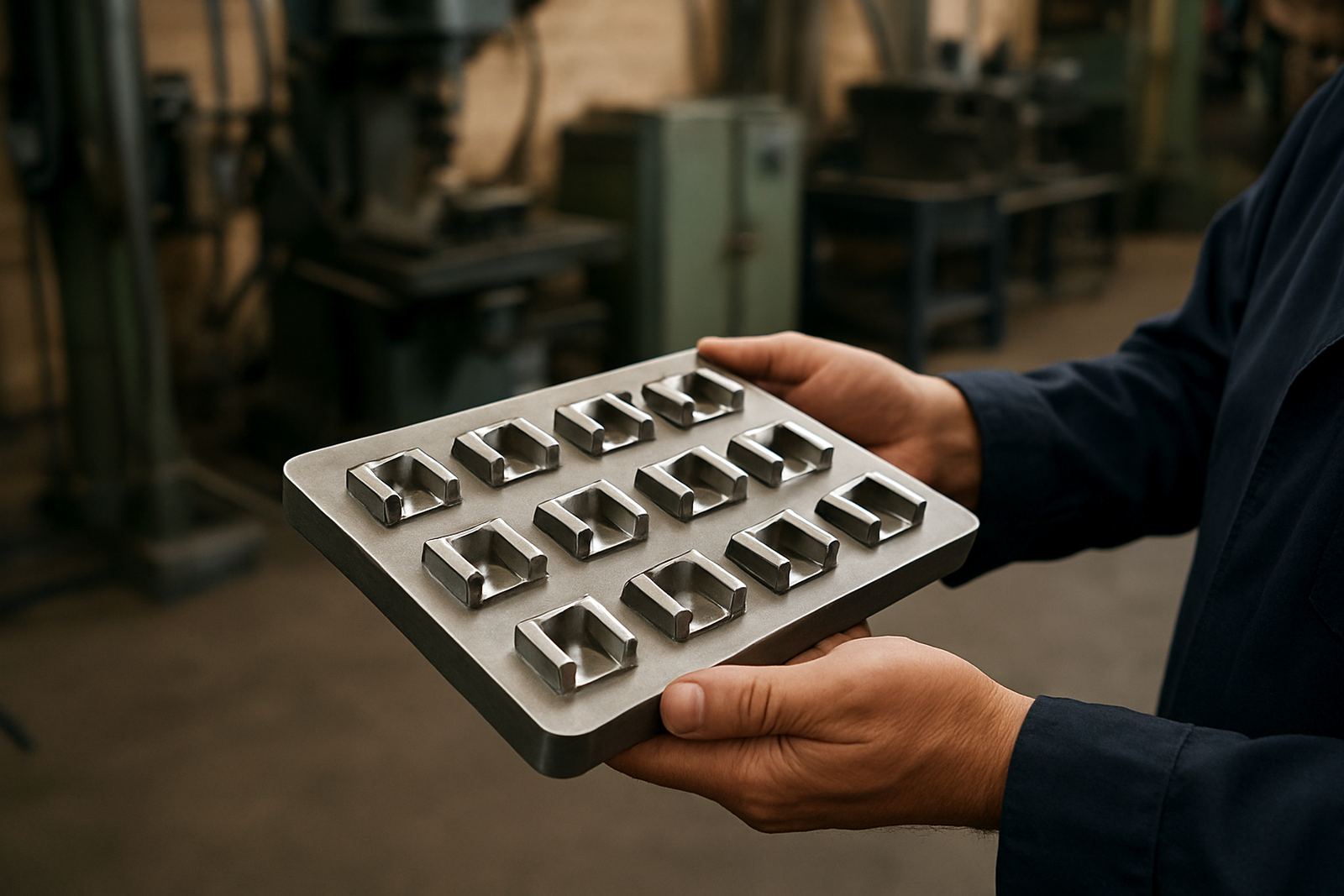
The client was a small manufacturing operation in Silverton, Pretoria, supplying sensor assemblies used in equipment exposed to dust, vibration and regular washdown. Several housings had fine cracks at the edges and around threaded features, while a few others needed local build-up where previous handling had caused wear. The brief was straight forward: repair the parts, keep the walls true, and avoid any heat damage that would affect the internal components or sealing faces.
These were thin-wall metal housings, roughly 1 mm to 1.8 mm in section, with small machined faces and close-fitting covers. The client could not afford large-area welding, grinding that changed dimensions, or a process that left visible distortion. They also needed the work done quickly because the housings supported an active production line in Gauteng.
Why laser welding was the right fit
Thin housings like this are not forgiving. With conventional welding, the heat spreads too far and you end up chasing warpage, sink marks or hard spots around the repair. Laser welding allows us to put heat exactly where it is needed, then move on before the whole part starts to move. That low heat input is what makes it suitable for sensor housings, covers, brackets and other precision parts.
For this job we worked on mixed metal sections and a few parts with small previous repairs that had failed. In each case we cleaned the area, opened the crack where needed, and prepared the joint so the weld could fuse properly instead of sitting on top. The aim was not just to close the crack, but to restore a usable part with proper strength and a neat finish. We also checked each housing under magnification before any repair started, because tiny fractures can run further than they look.
- Material thickness: about 1 mm to 1.8 mm
- Repair type: cracks, edge build-up and sealing areas
- Risk factors: heat distortion, thread damage and sealing failure
- Process used: controlled laser welding with fine filler where required
Workshop control from Centurion
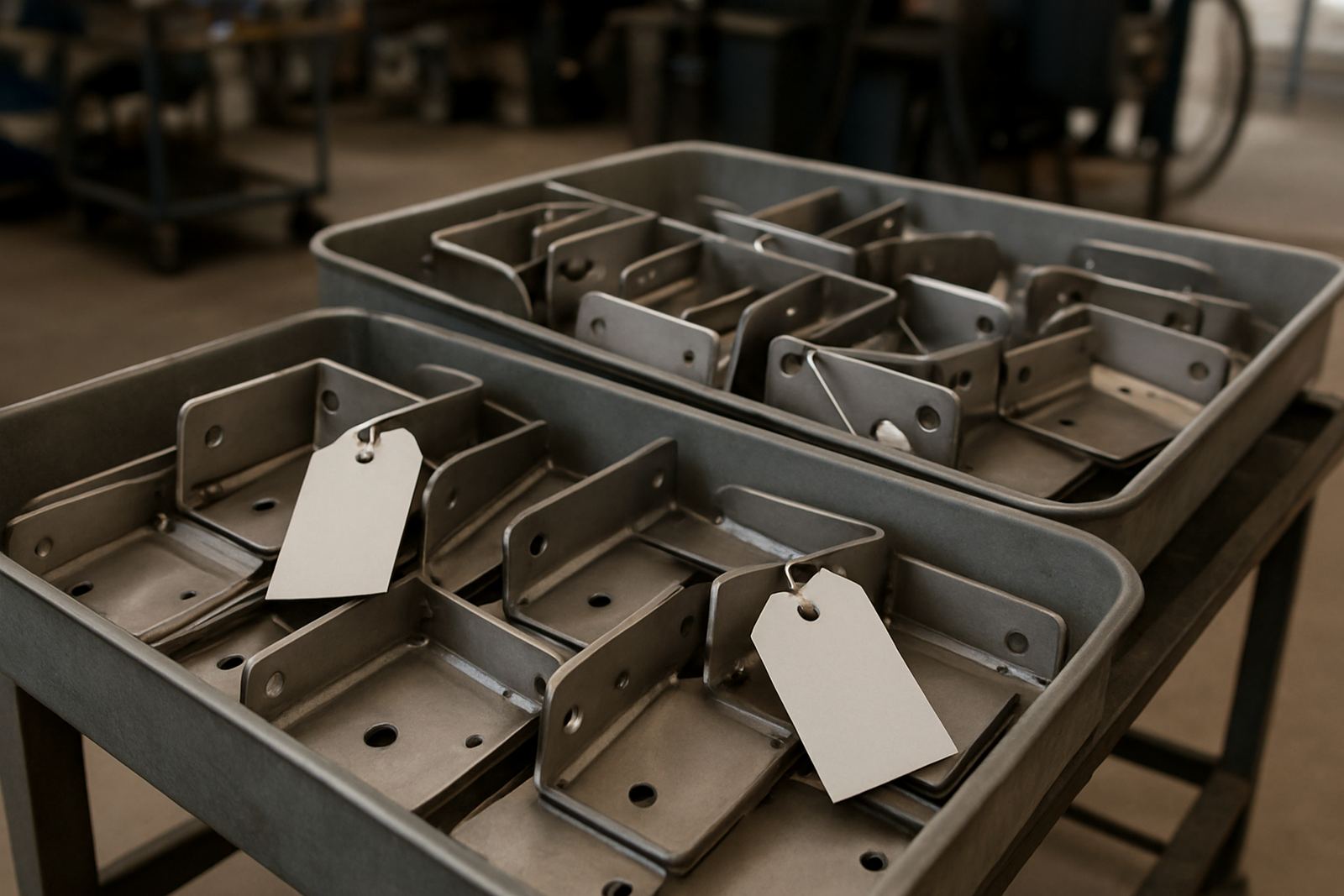
The housings came through to our Centurion workshop for job-shop processing, with collection arranged from the Pretoria side and return transport planned once the parts passed inspection. We logged the parts by batch, separated the damaged units from the salvageable ones, and agreed a repair sequence with the client so the most urgent items could go first. That kept the turnaround tight and avoided confusion in a mixed batch.
Our operations team set the routing, while the welding technician assigned to the job handled the actual repair sequence and the quality lead checked each completed unit against the original fit. The workshop is set up for small precision parts, so we can work on one housing at a time or run a batch when the job calls for it. For this project we used both methods, which helped us keep consistency across the full set.
- Location handled from: Centurion workshop
- Collection area: Pretoria East and Silverton side routing
- Job type: batch repair with individual inspection
- Turnaround: completed over 2 weeks
What we repaired and sealed
The main repairs were fine crack sealing at the housing corners, local edge build-up on worn flanges, and rebuilding small damaged spots near threaded sections. In a few cases there was minor pitting and surface damage from previous handling, so we dressed the area carefully before welding and then blended the repair to keep the housing square. We did not chase perfection with excessive grinding, because that can be more harmful than the original fault on a thin part.
To protect the internal shape, we used short weld runs with pauses between passes and kept the heat affected area as small as possible. Where a housing had a sealing lip, we protected the mating face and checked it again after the repair. A couple of parts needed a second look after initial dressing, which is normal on this kind of precision work. Better to spend a few extra minutes than send out a part that drifts out of spec, simple as that.
Inspection, fit-up and final checks
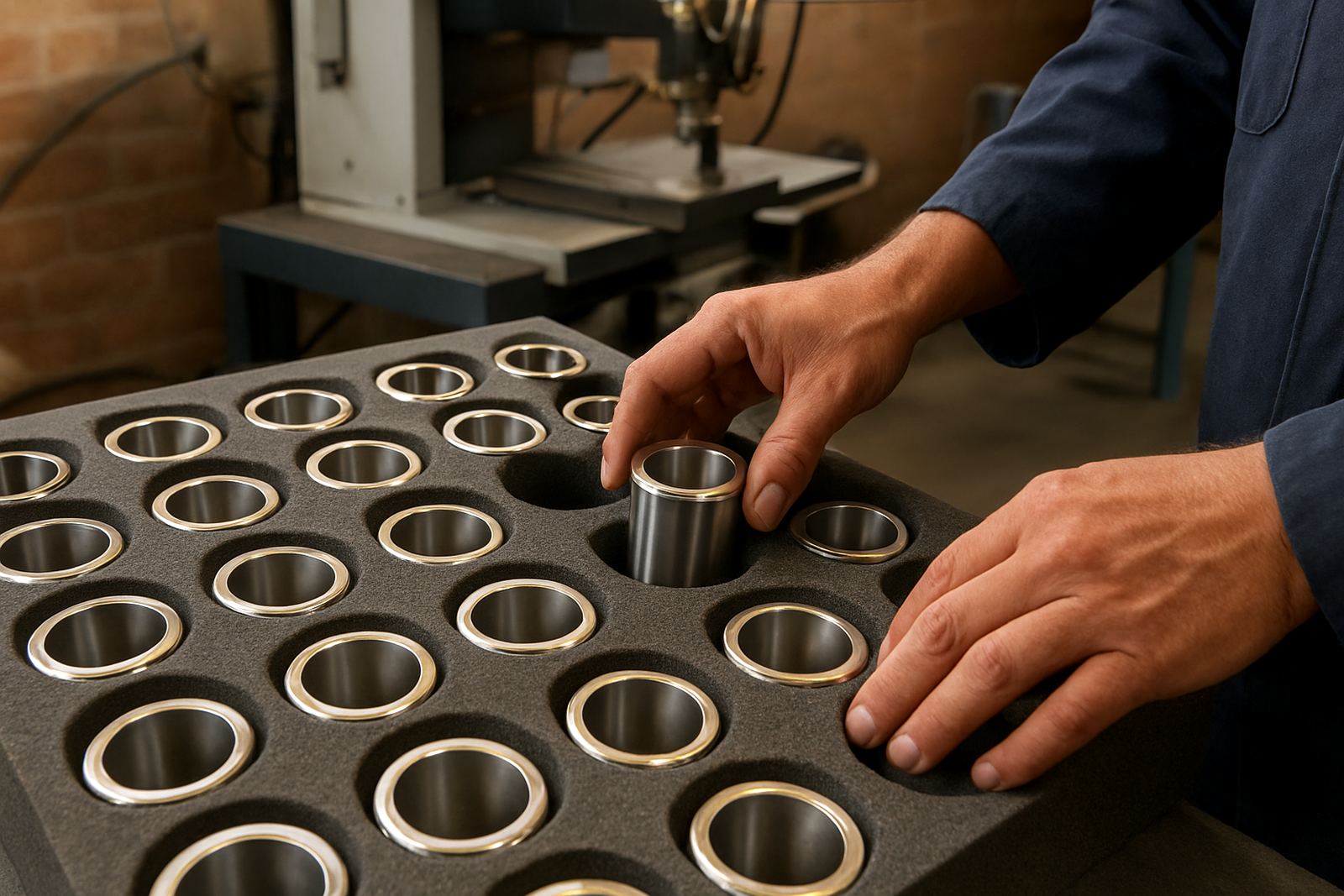
Once the welding was done, each housing was checked for visual finish, crack closure, edge integrity and fit against the mating component. We also confirmed that the repaired areas did not interfere with mounting points, seals or covers. The client asked for parts that could go straight back into assembly, so the final standard was practical: the housings needed to fit, seal and hold up under day-to-day use.
Our quality control lead reviewed the batch against the repair notes and flagged any item that needed touch-up before release. The result was a set of housings with clean repairs and no excessive heat distortion. The client was able to return the parts to service without re-machining the entire set, which saved both time and material. For a job like this, that is the real value.
- Finish outcome: neat repaired lines with minimal cosmetic marking
- Functional outcome: restored sealing and mounting surfaces
- Distortion control: kept within acceptable tolerance for reassembly
- Service result: returned parts ready for use, with no full remake required
What we would do again on a repeat order
If the Silverton client sends a similar batch again, we would follow the same approach: sort the parts early, inspect every housing before repair, and use laser welding rather than heavier heat methods. For thin-wall work, preparation matters just as much as the weld itself. We would also keep the same batch tracking process so the client can match repaired items to their own production notes without delays.
Jobs like this are common across Pretoria, Centurion, Midrand and the industrial areas around Rosslyn and Jet Park. The parts are often small, but the consequences of a poor repair are not. That is why we keep the process controlled from first inspection to final release, and why clients bring us precision housings, dies, brackets and special repair work when the ordinary options are too risky.
Key facts
| Project | Silverton sensor housings repair |
|---|---|
| Client area | Silverton, Pretoria |
| Part type | Thin-wall sensor housings |
| Material thickness | About 1 mm to 1.8 mm |
| Work completed | Crack repair, edge build-up and sealing area restoration |
| Timeline | 2 weeks from receipt to release |