

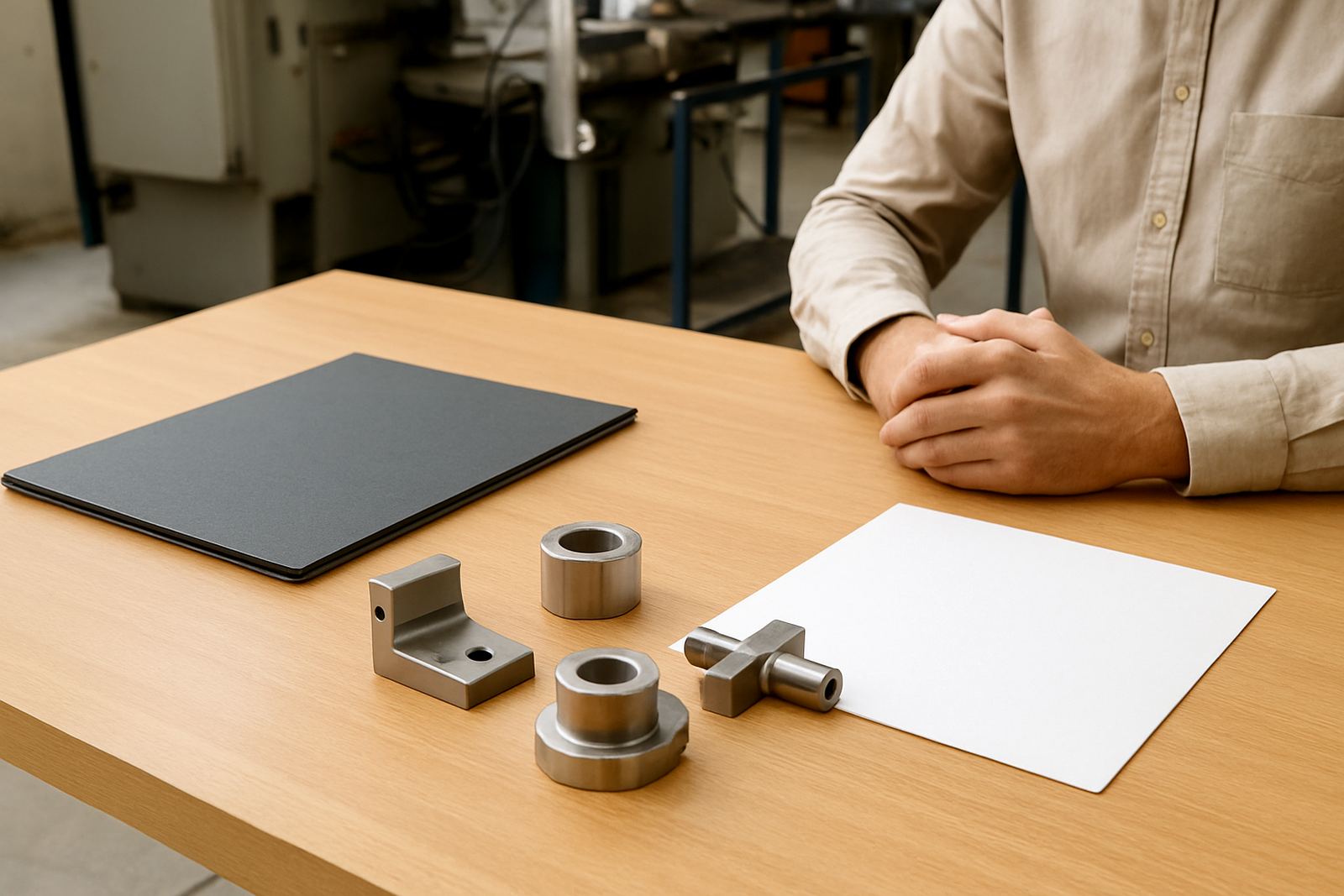
When Laser Welding Is the Better Repair Choice
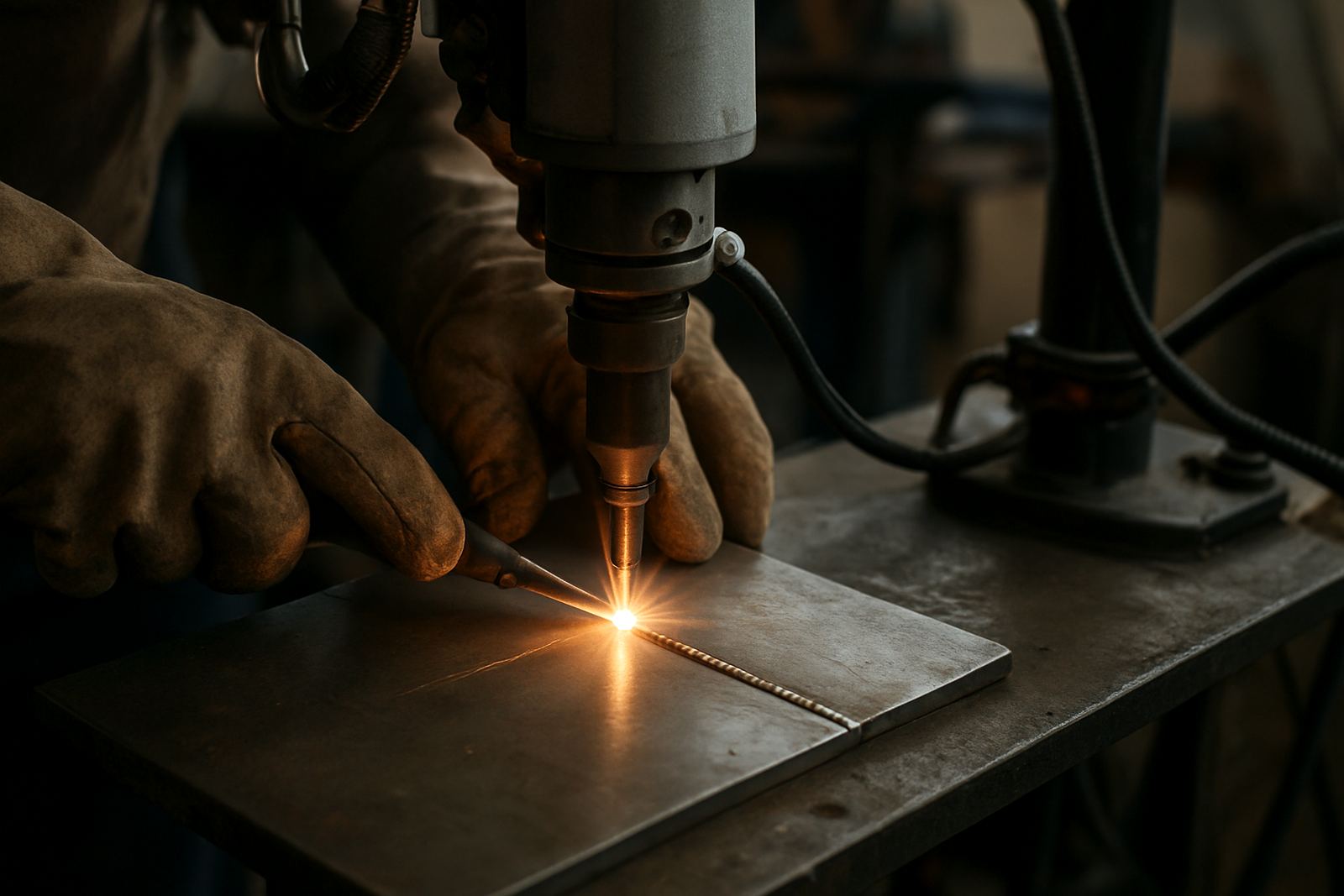
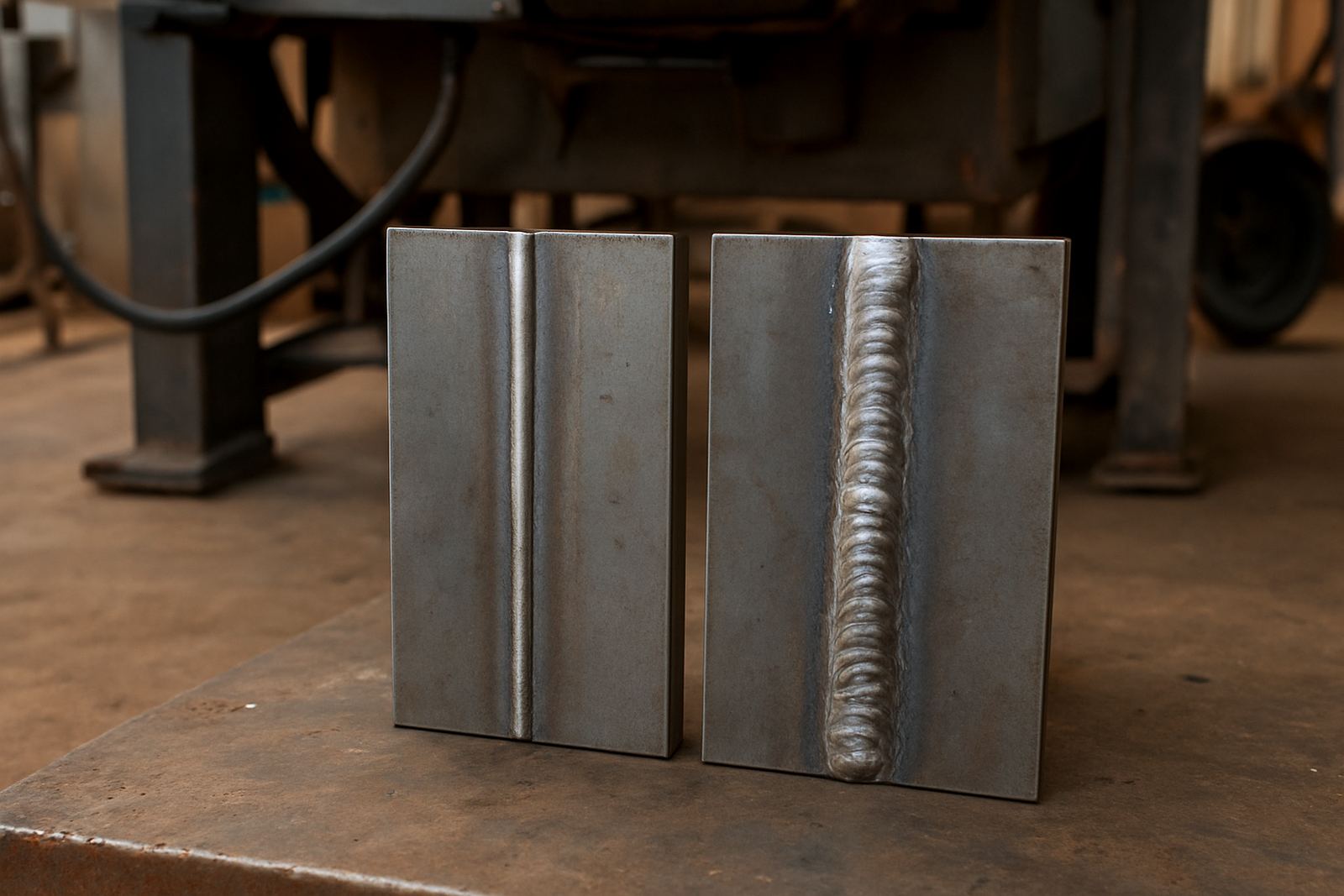
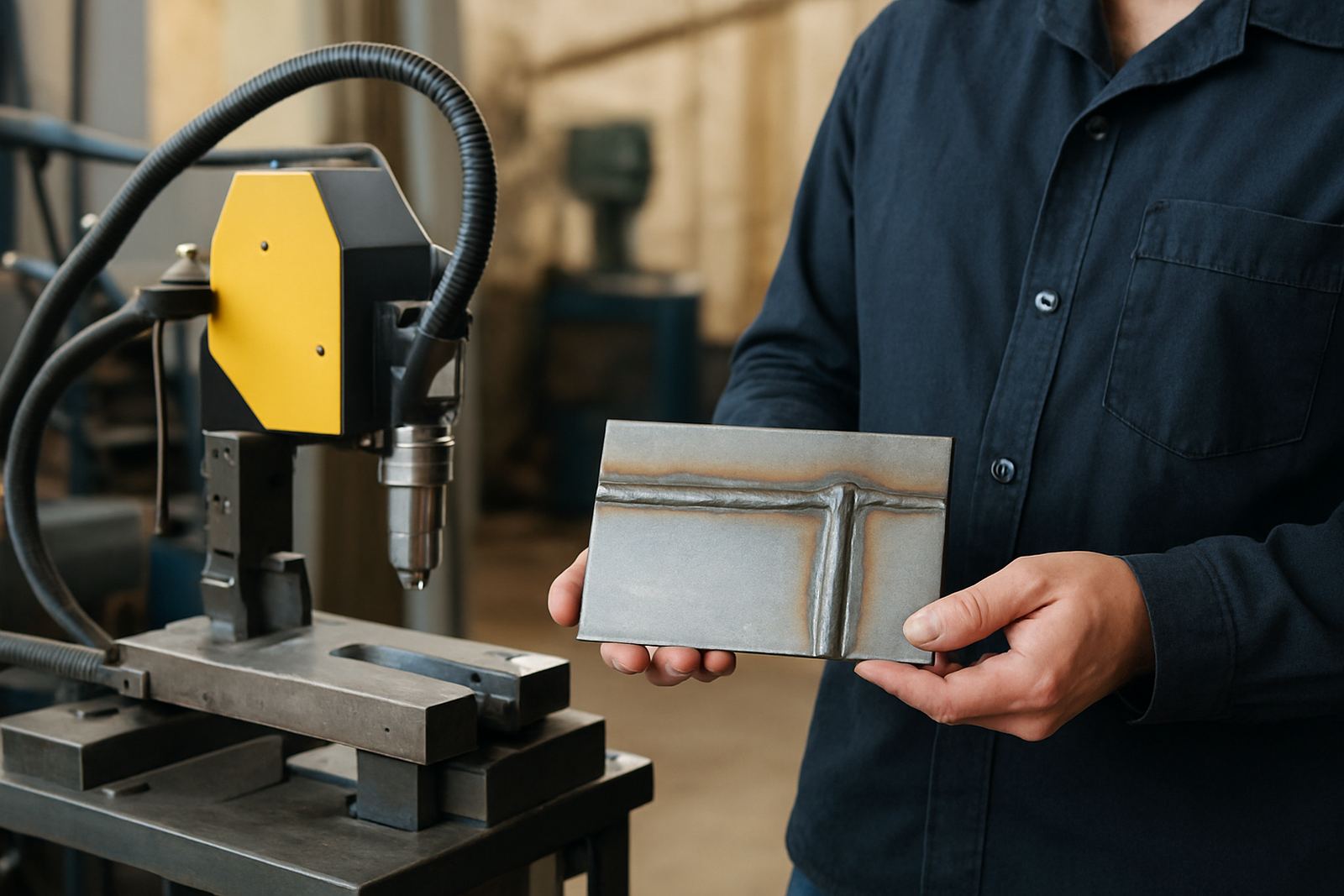
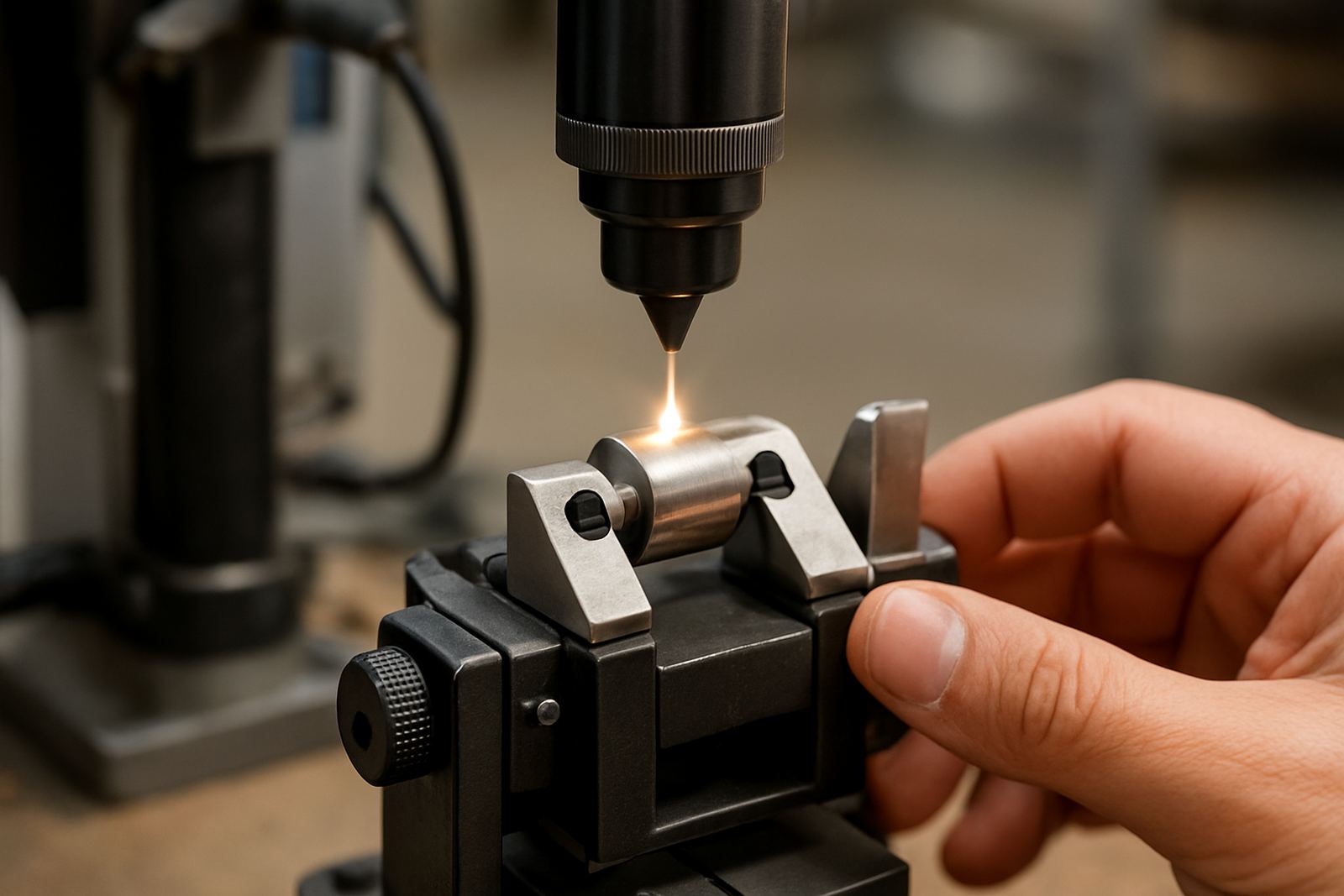
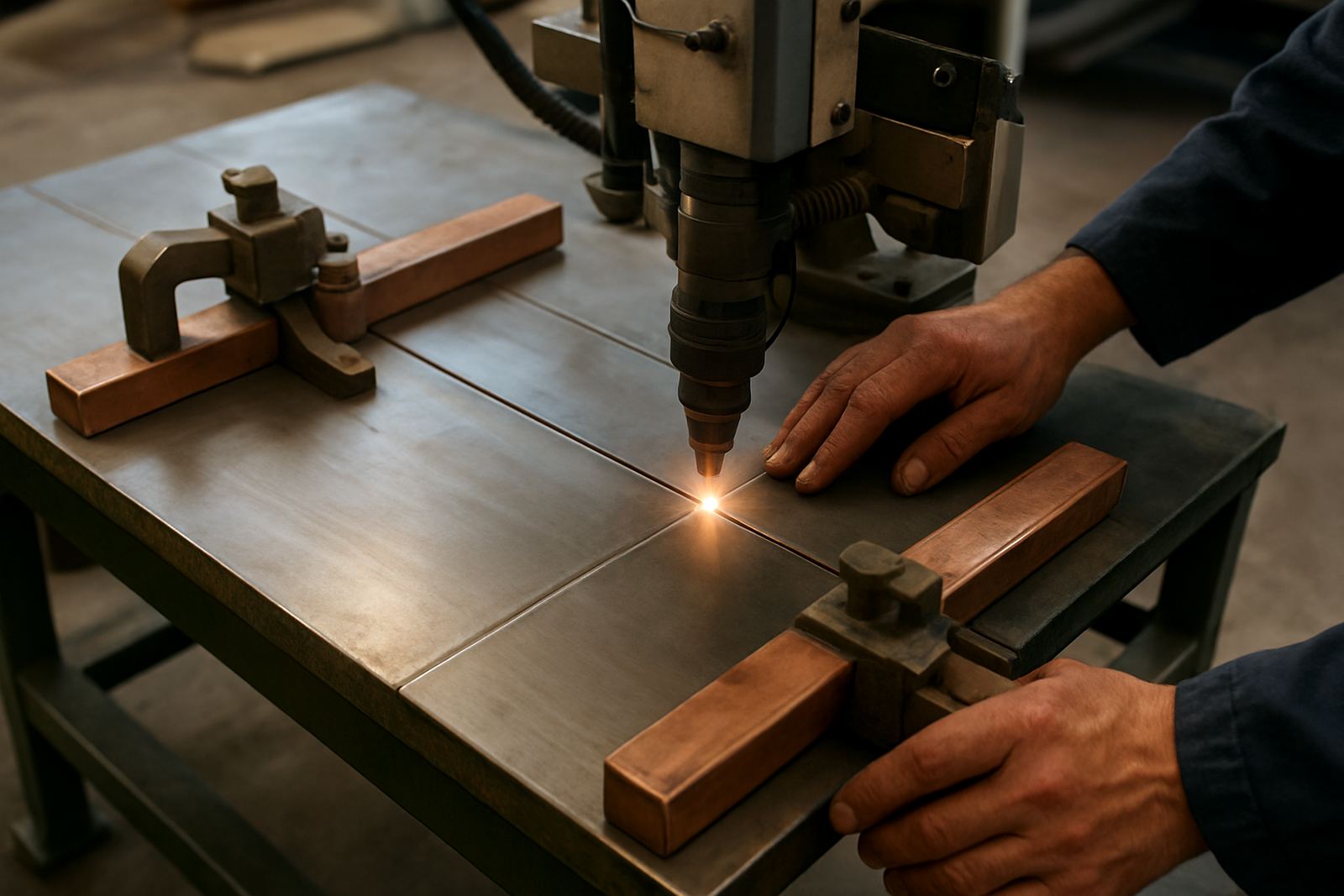
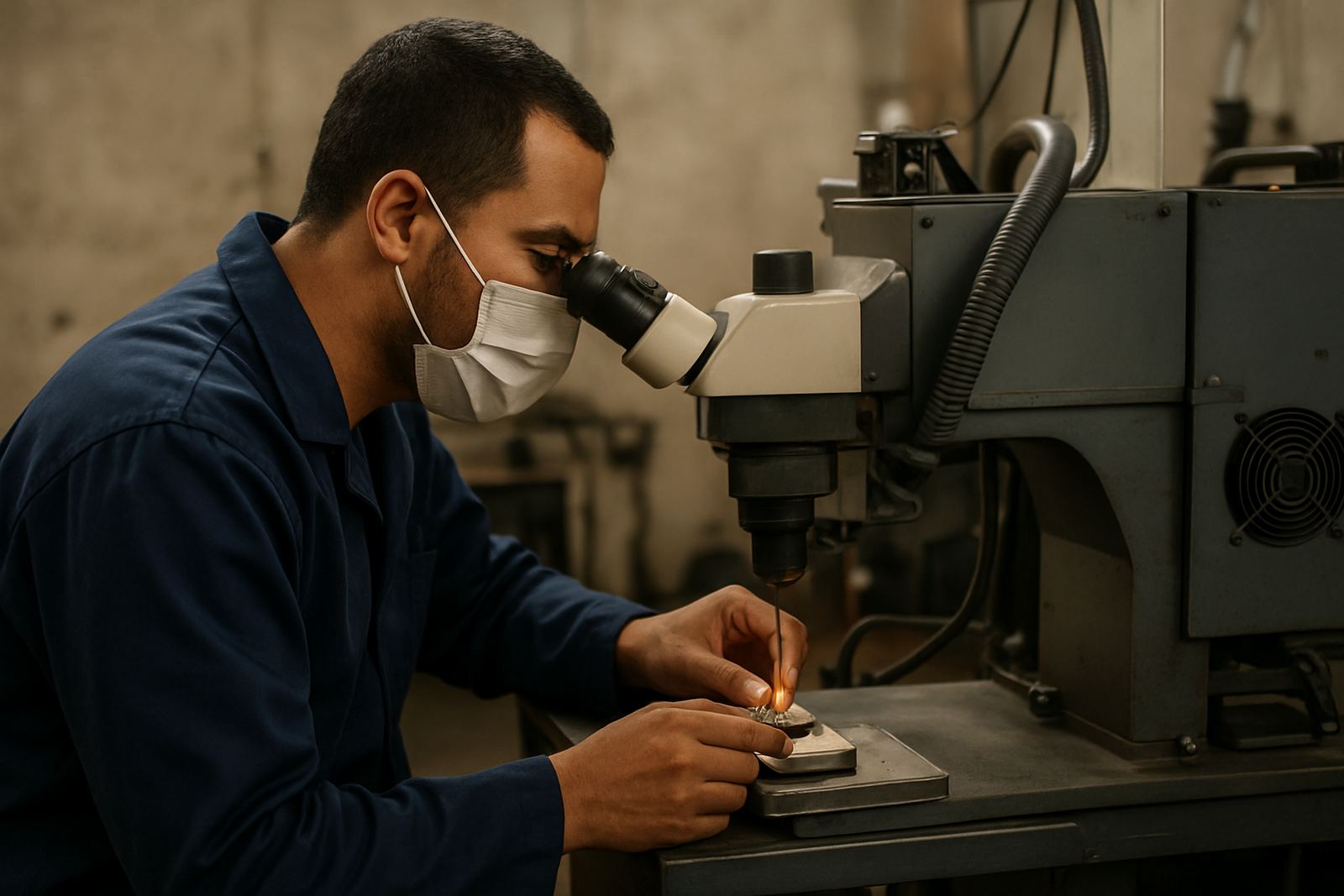
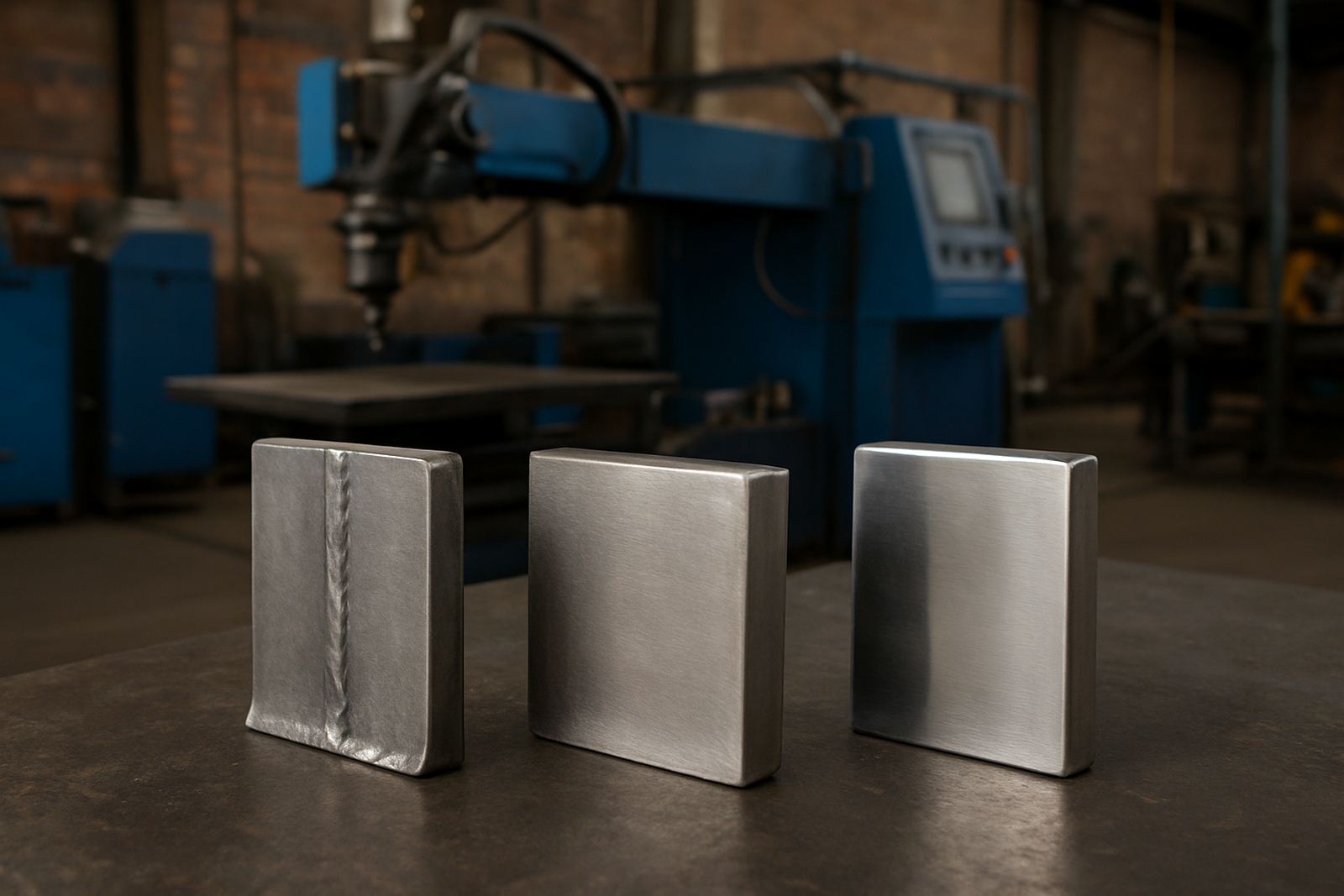
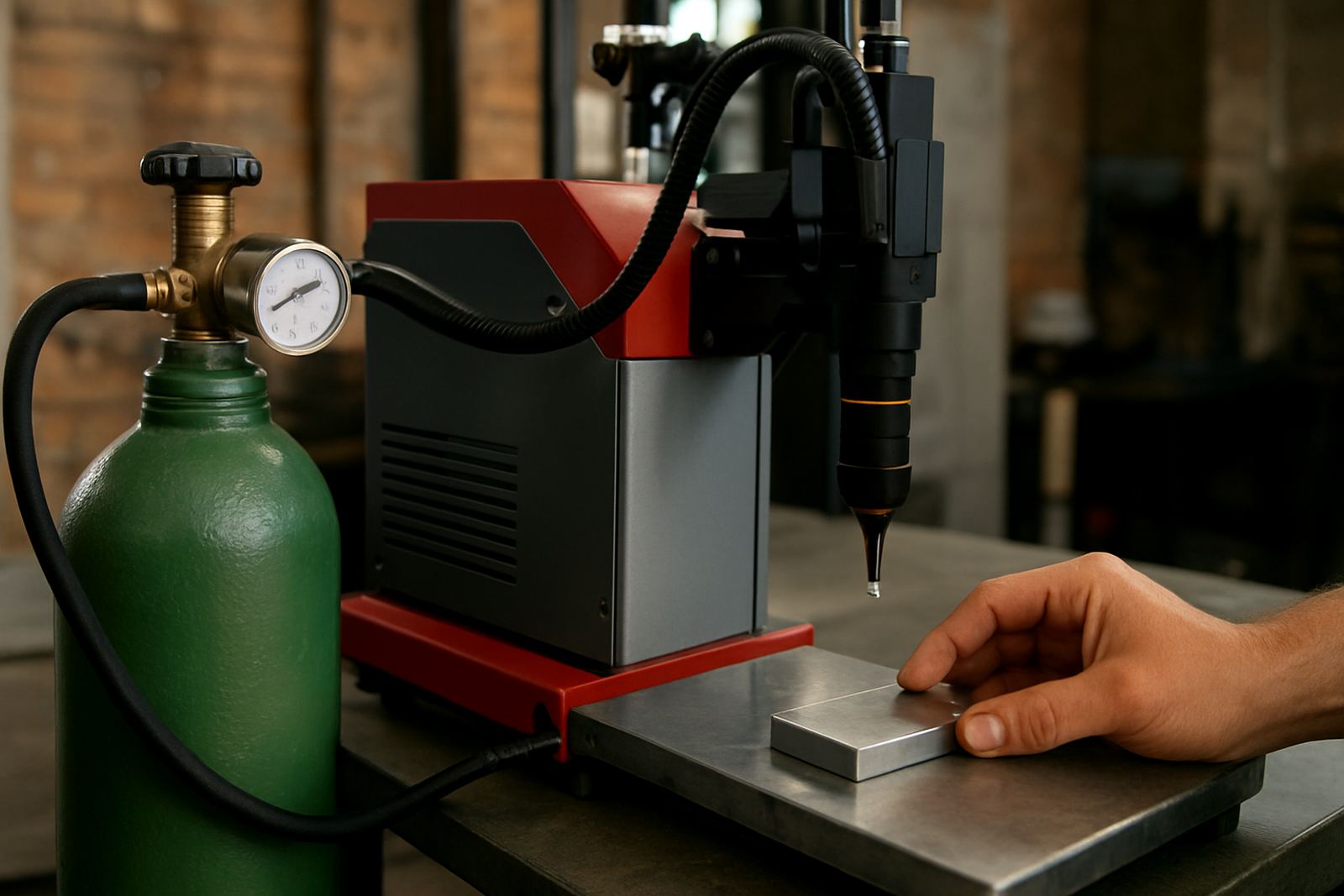
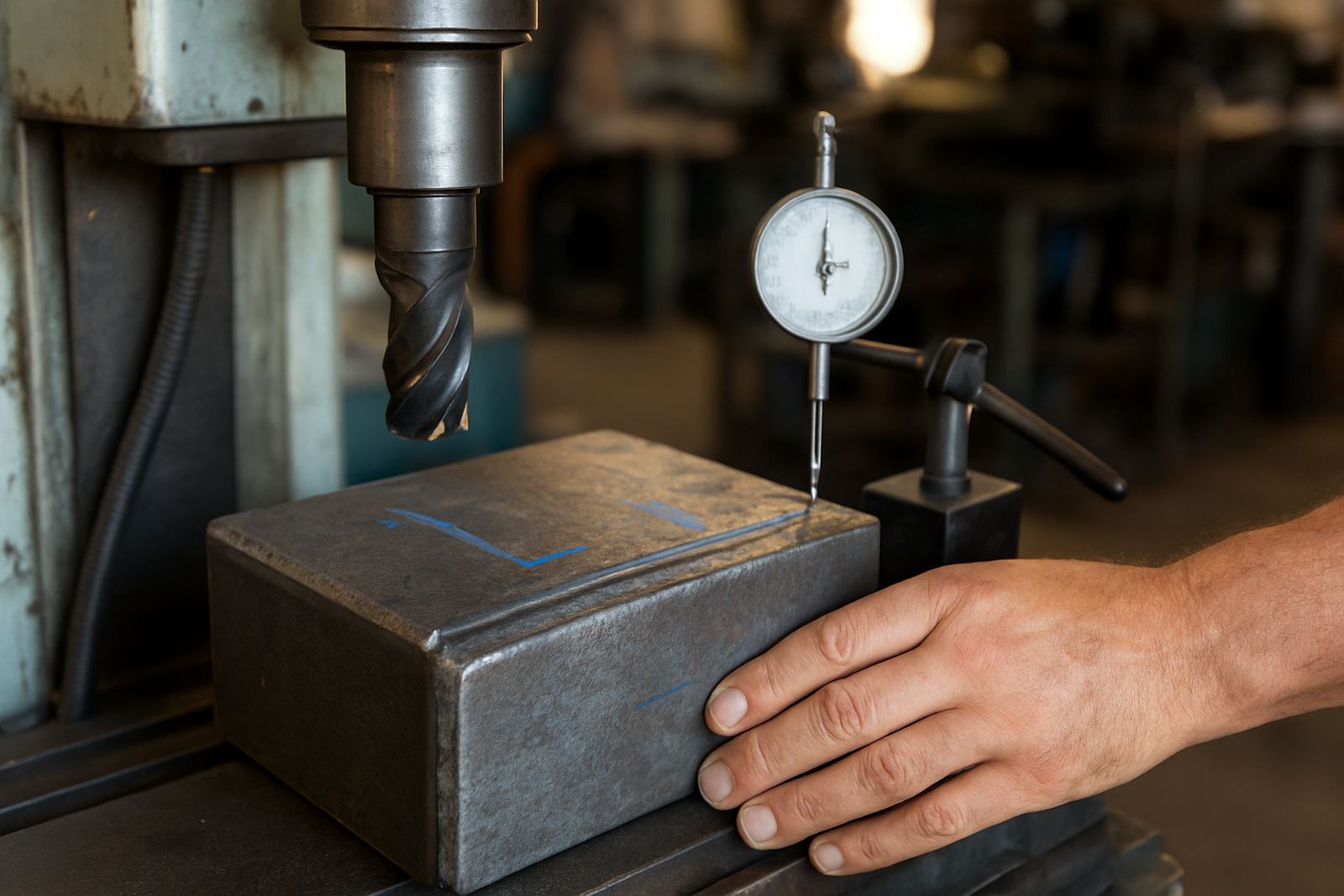
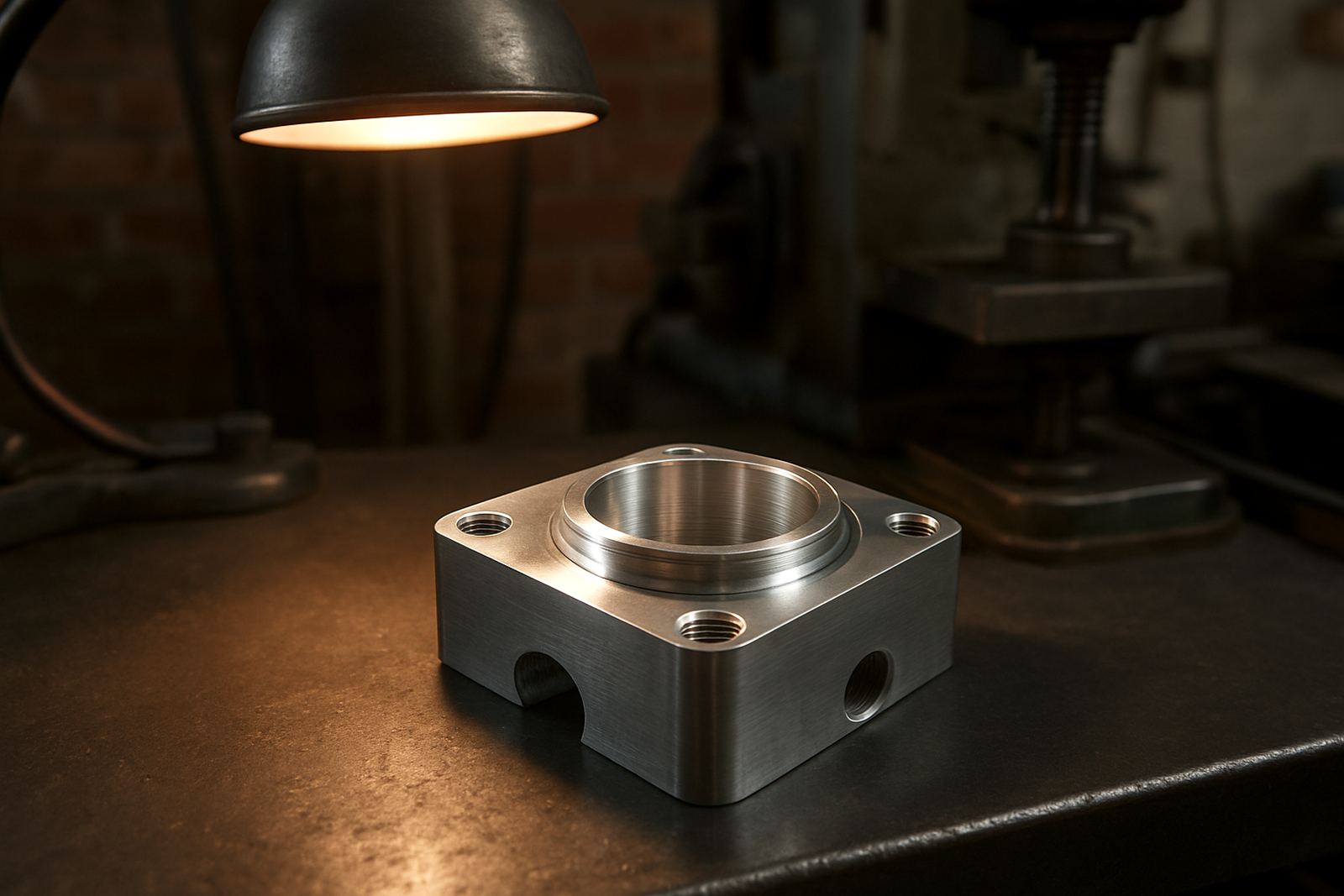
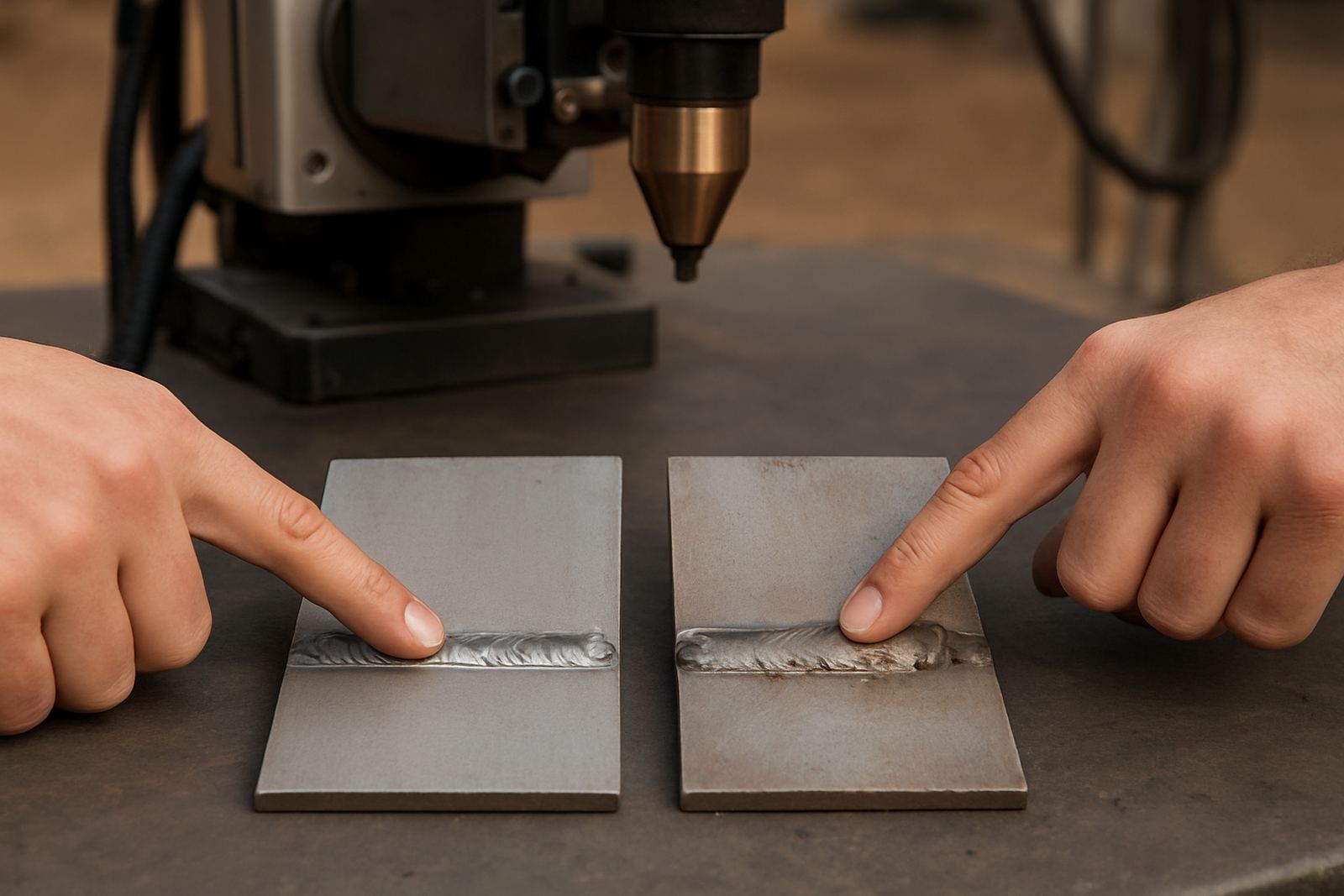
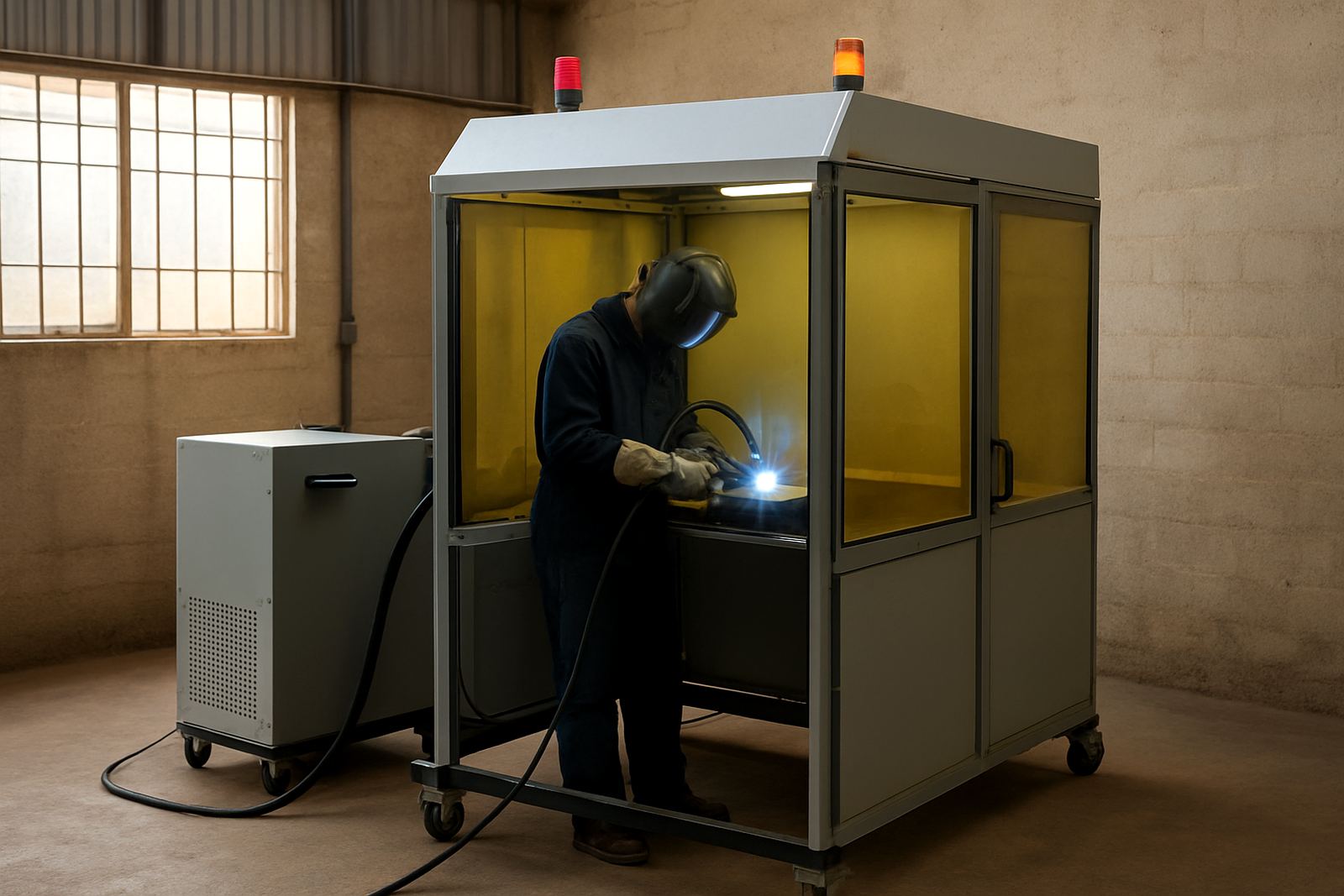
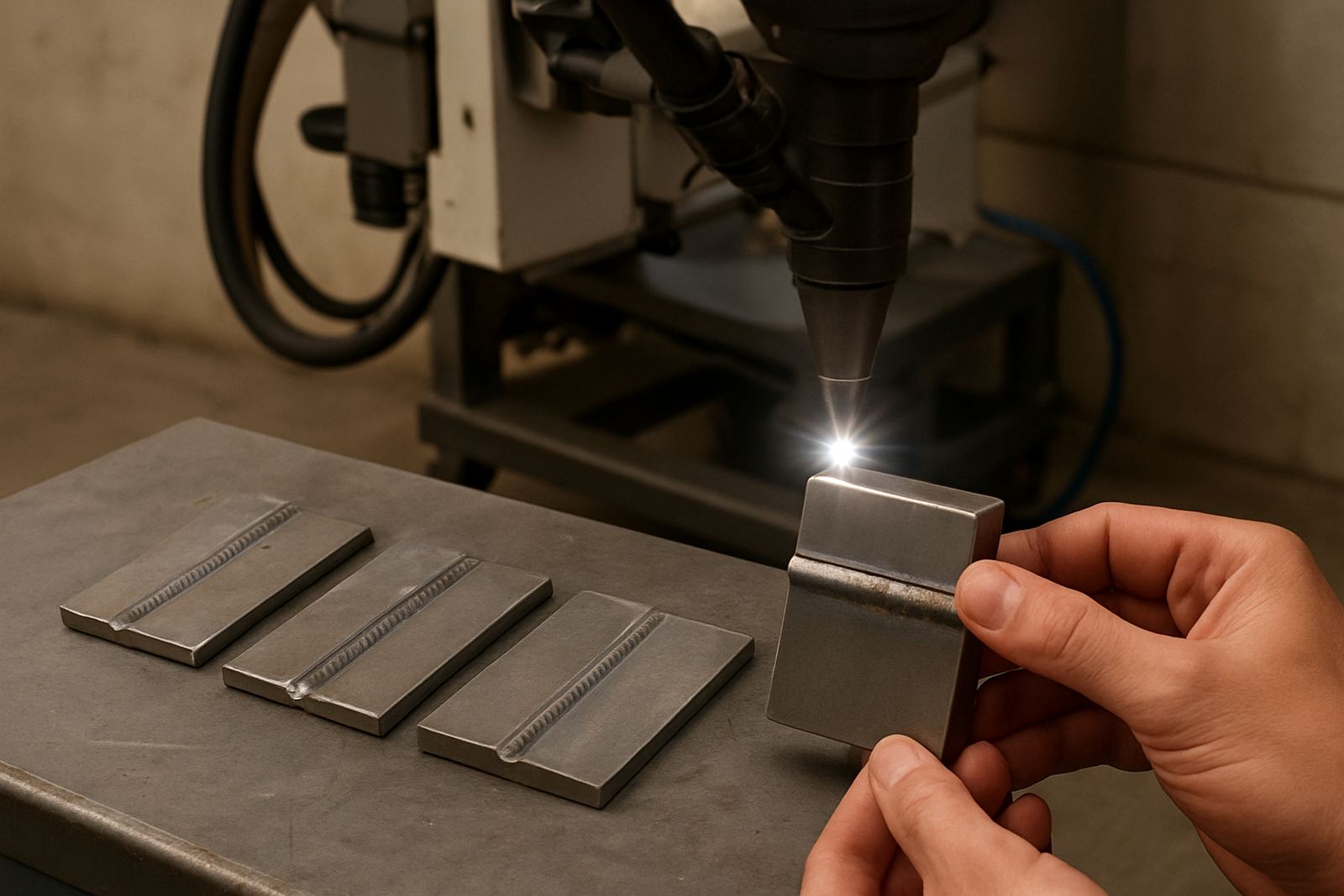
Laser welding is a good fit when the part is small, detailed or costly to replace. It suits thin sections, edges, crack repairs, worn tooling, moulds and dies, and parts where heat distortion must stay low. In practice, that means less rework on machined components and better control on surfaces that must still fit tight tolerances.
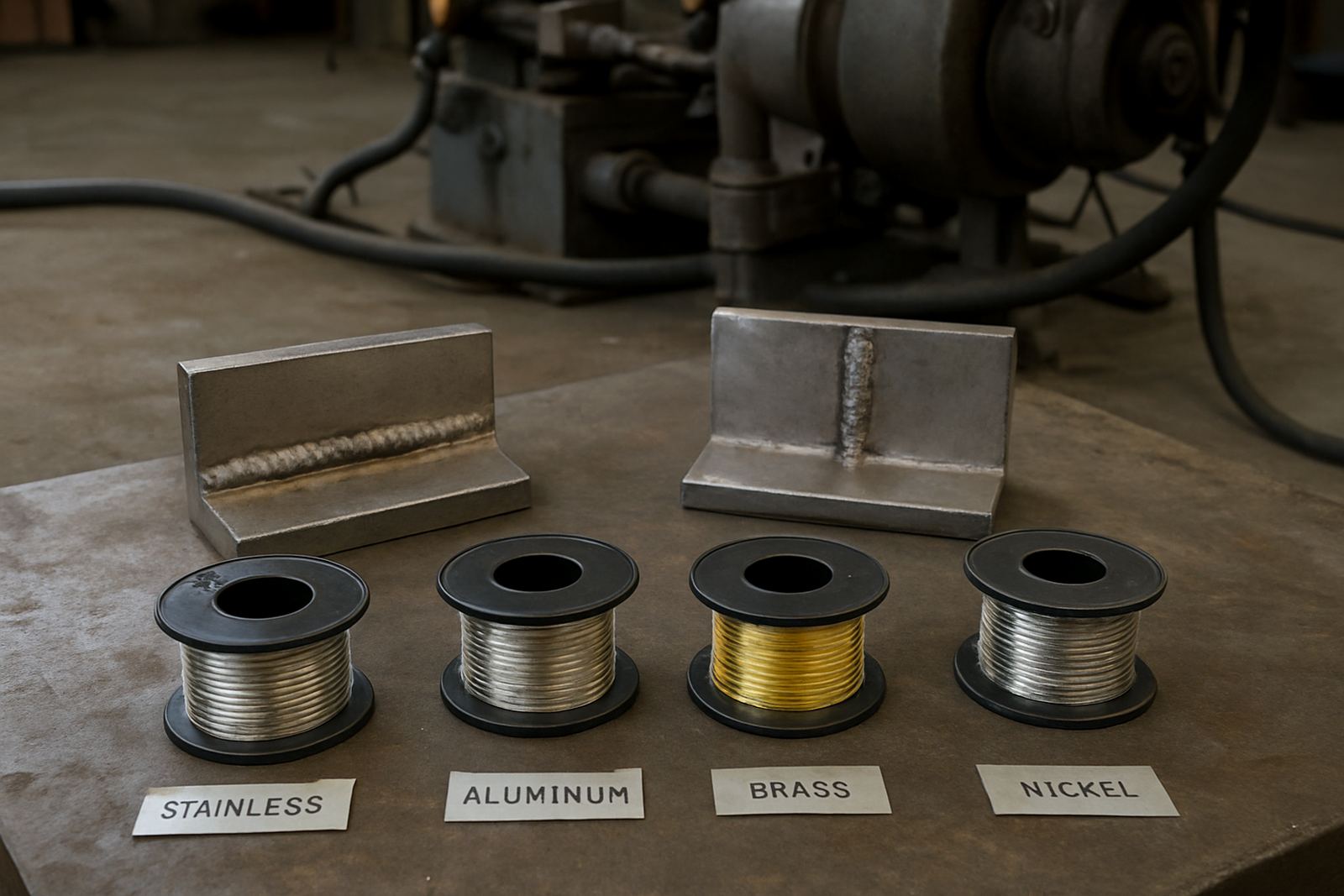
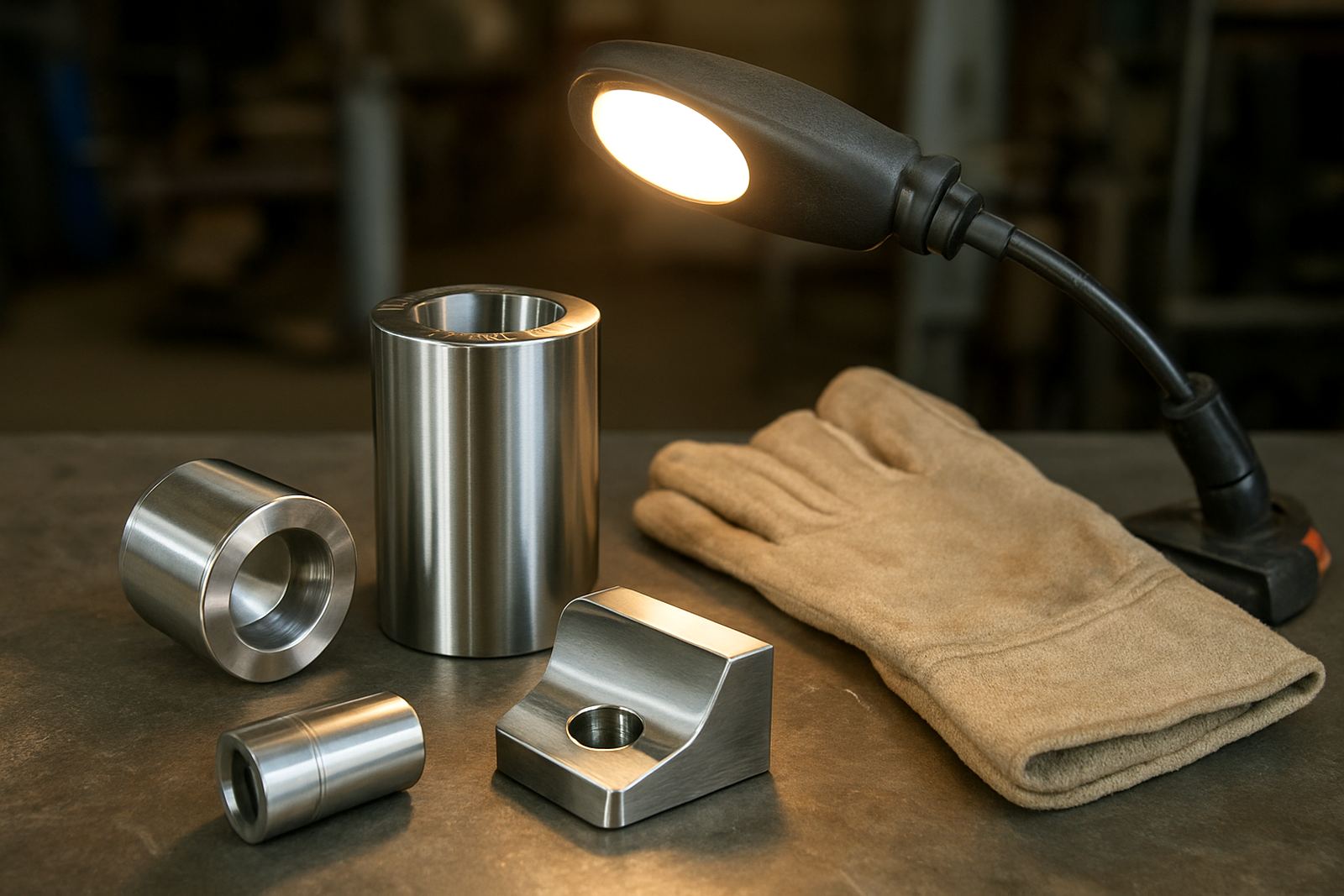
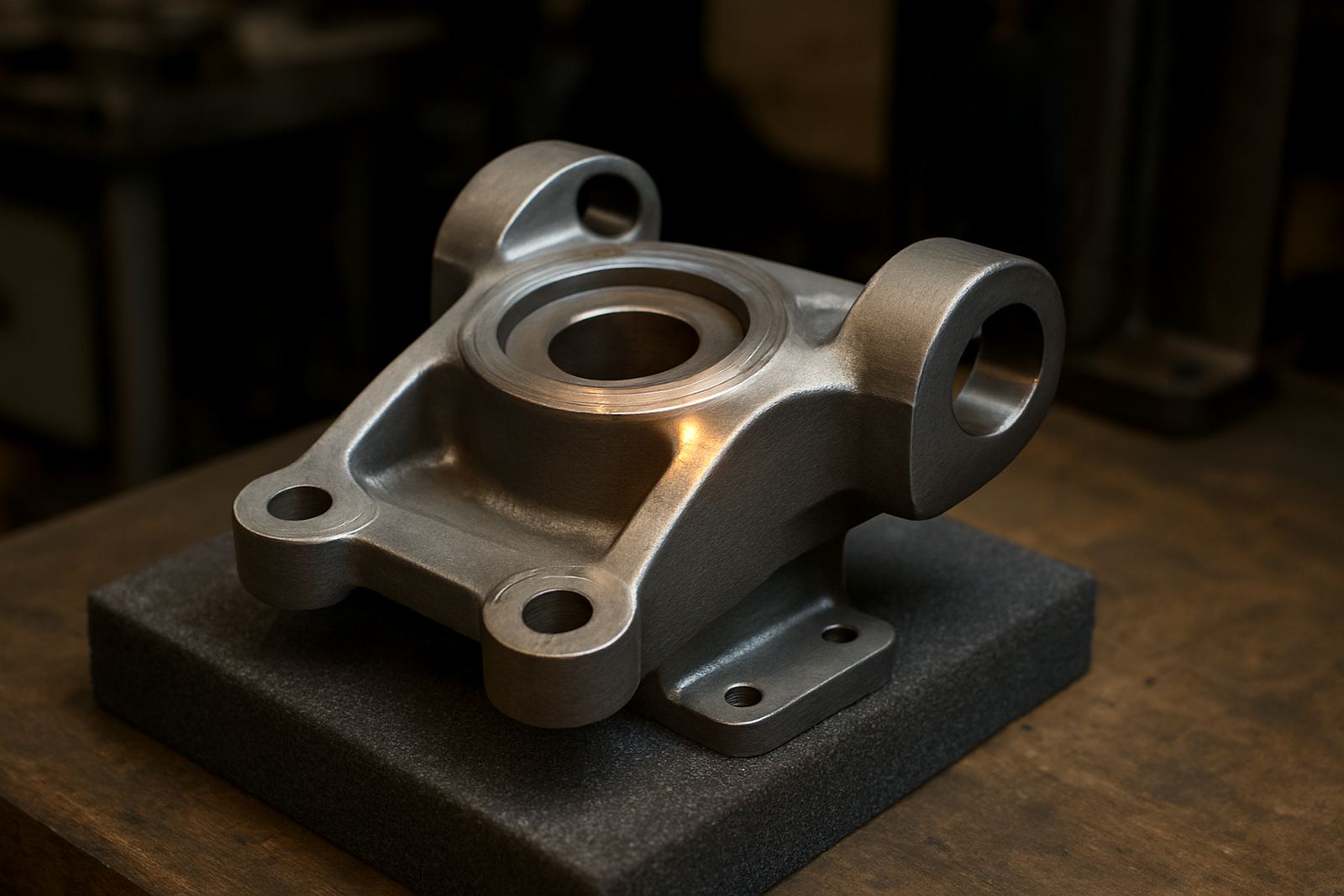
It is often chosen for stainless steel, tool steel and aluminium parts, but the real question is not only the metal type. Wall thickness, access to the damaged area, previous repairs and the required finish all matter. A cracked bracket in Pretoria East may be a simple fix, while a worn production component from Midrand may need edge build up and post-weld machining.
If a part has already been heavily damaged, laser welding may still help, but it must be assessed properly. A good workshop will first check the crack length, contamination, heat history and whether the item can be clamped safely for accurate work.
What To Send With A Job Request
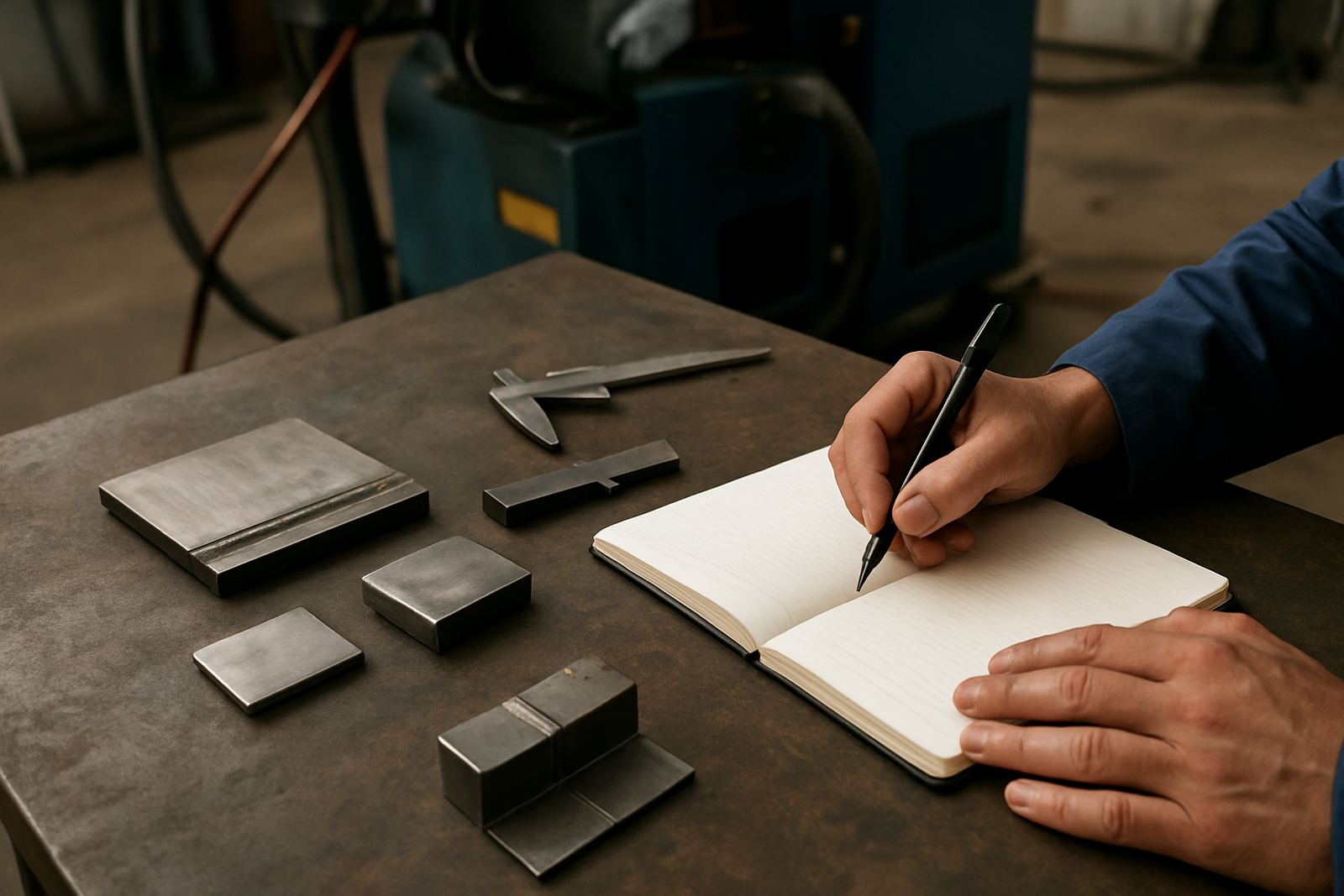
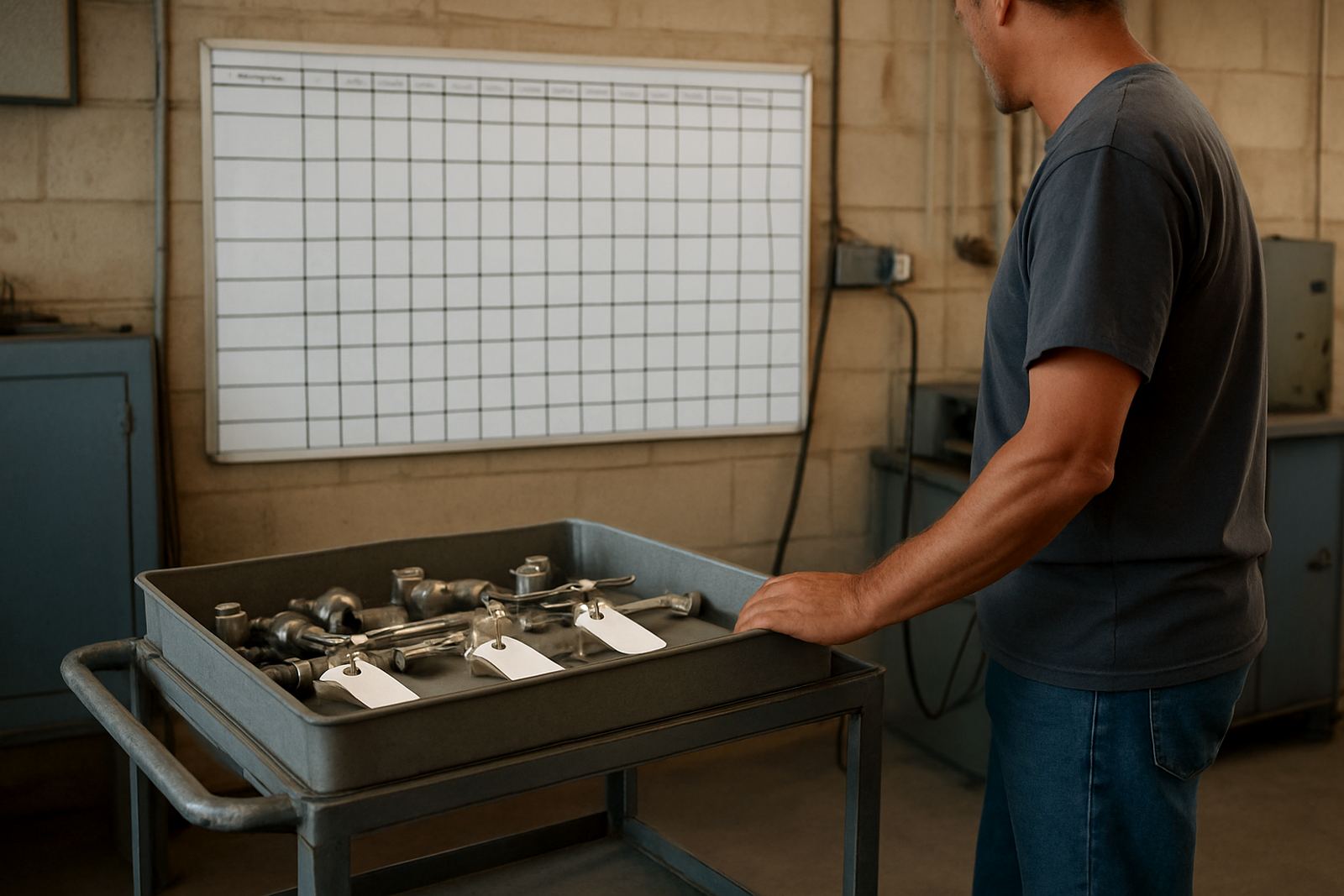
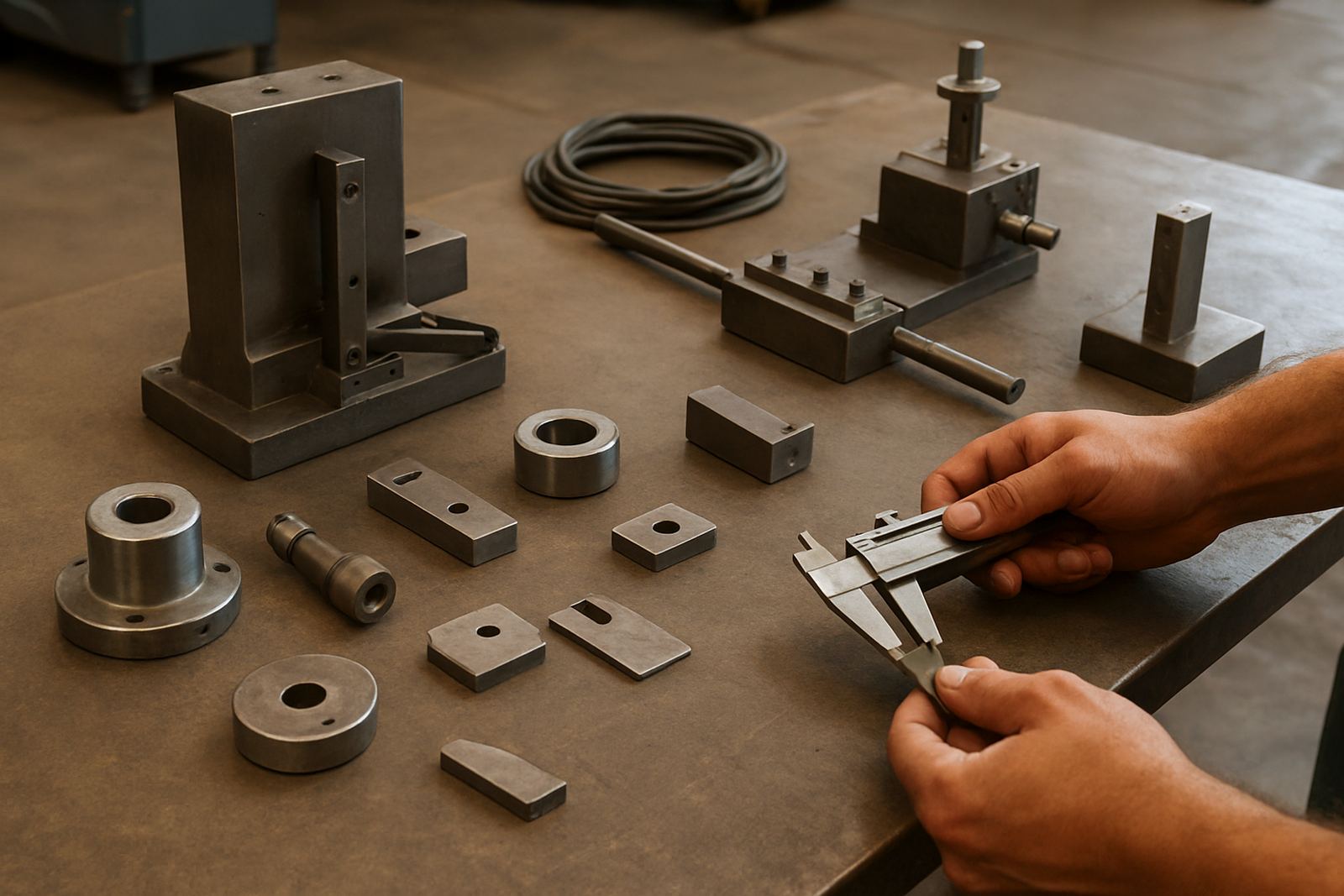
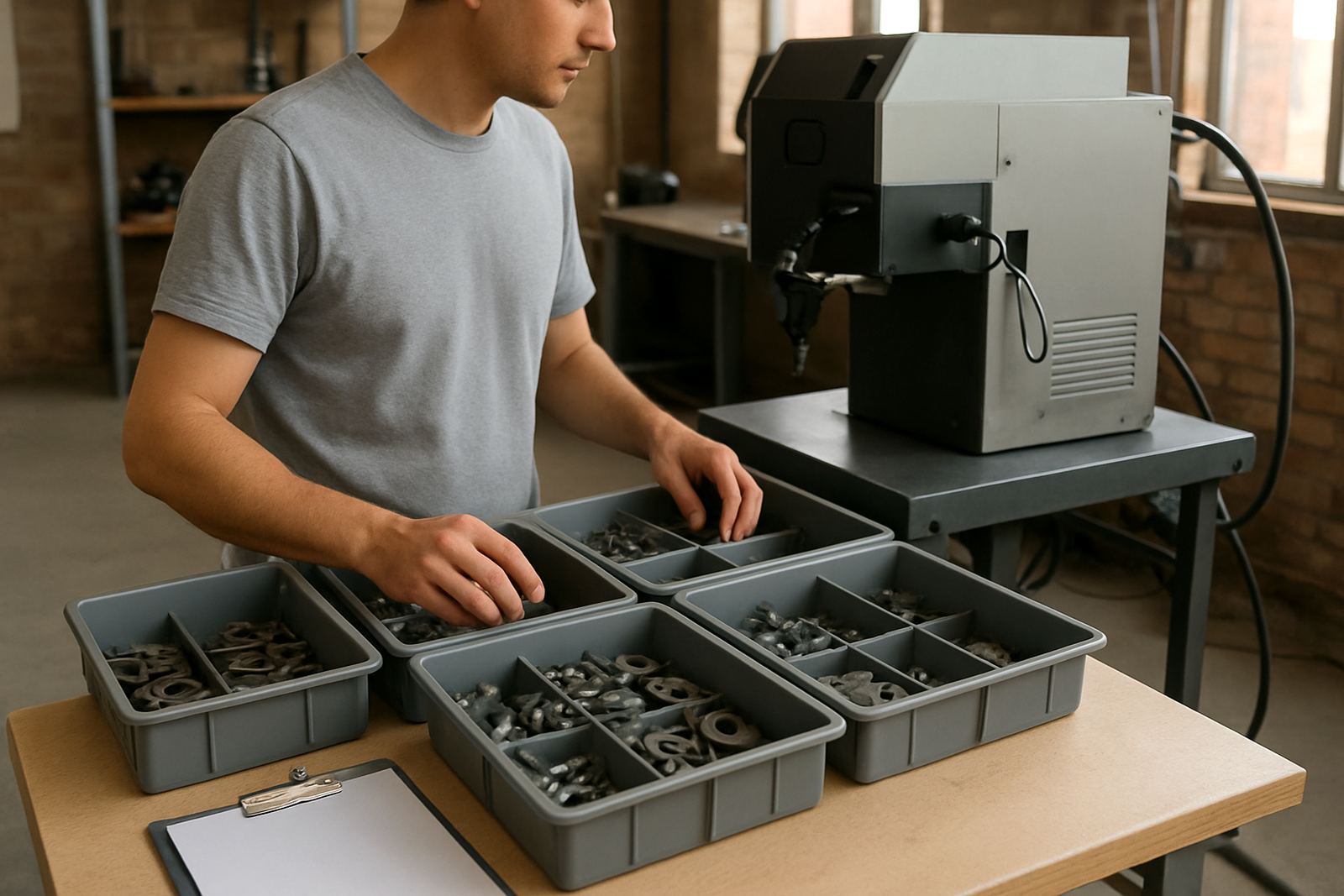
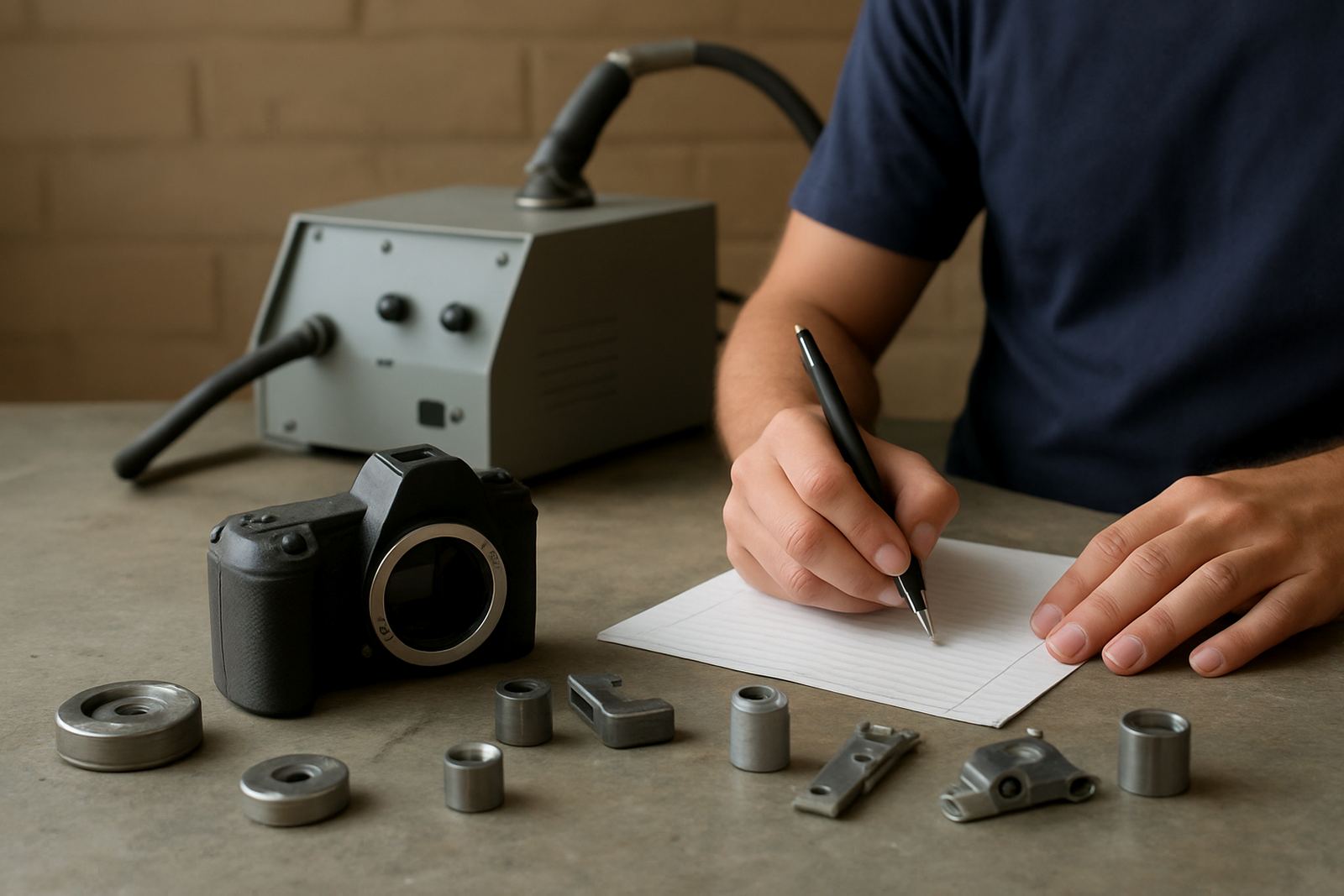
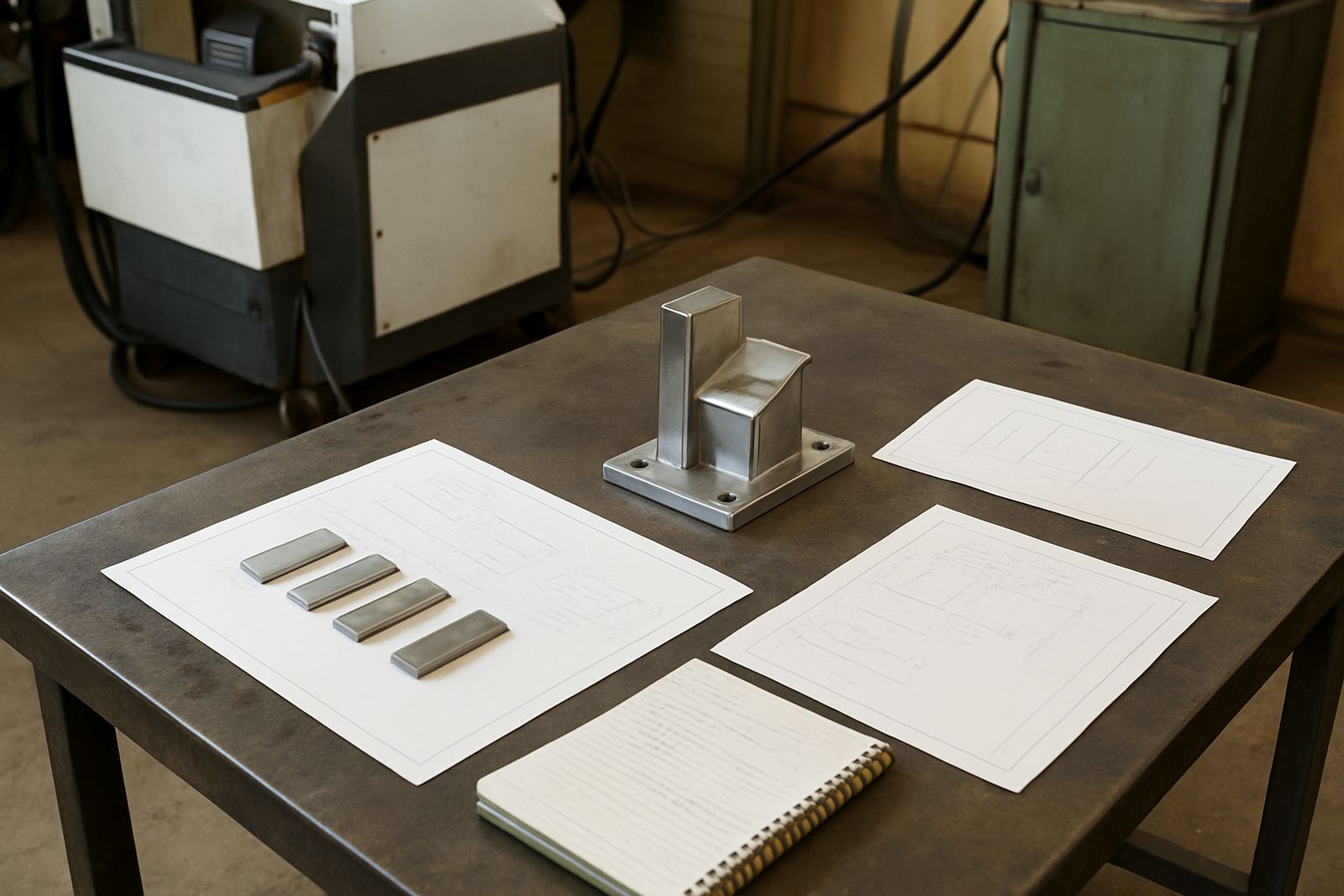
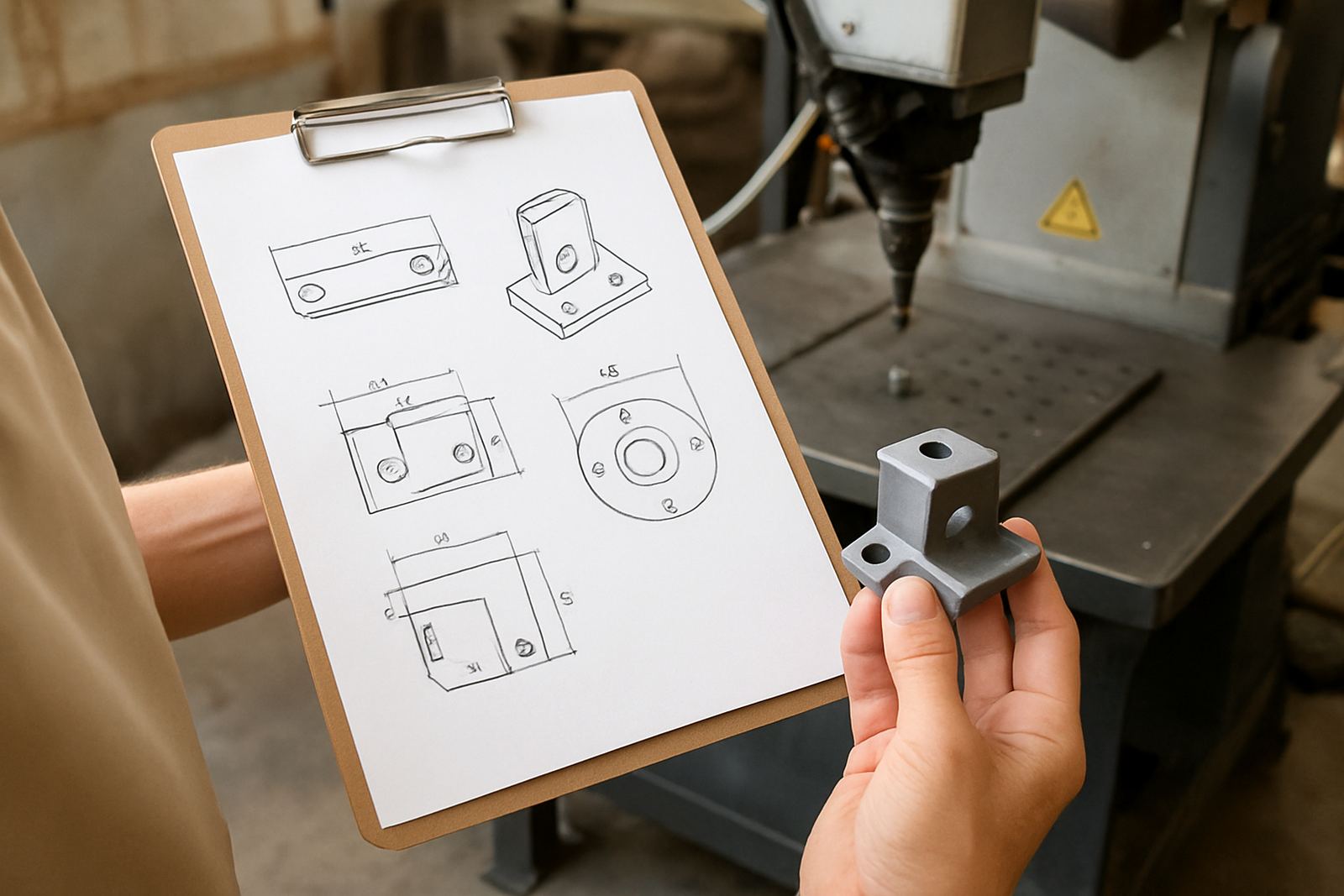
Clear information saves time and reduces back-and-forth. For job-shop welding, send good photos, dimensions, material details if known, and the quantity needed. If the part must match an existing assembly, include a sample, drawing or a marked-up image showing the wear area.
- Part name, material and quantity
- Photos of the damage from several angles
- Critical dimensions, tolerances and finish requirements
- Whether the part is for repair, prototyping or batch work
- Deadlines and collection point, such as Centurion, Rosslyn or Jet Park
If you are unsure of the material, say so. Guessing can waste time. A technician can often identify the likely metal from the component use, colour, weight and spark behaviour, then confirm with testing where needed.
How Part Preparation Affects Weld Quality
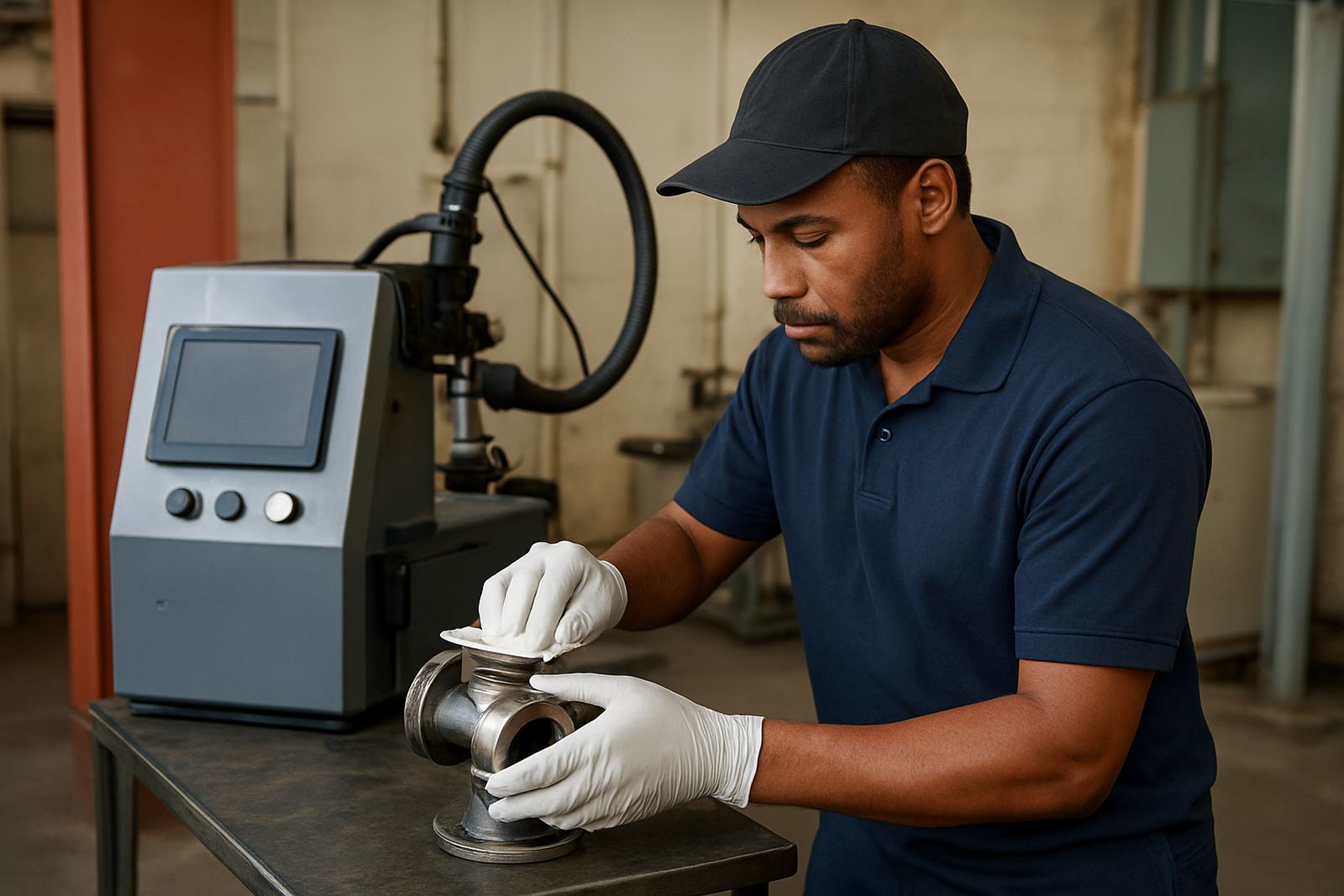
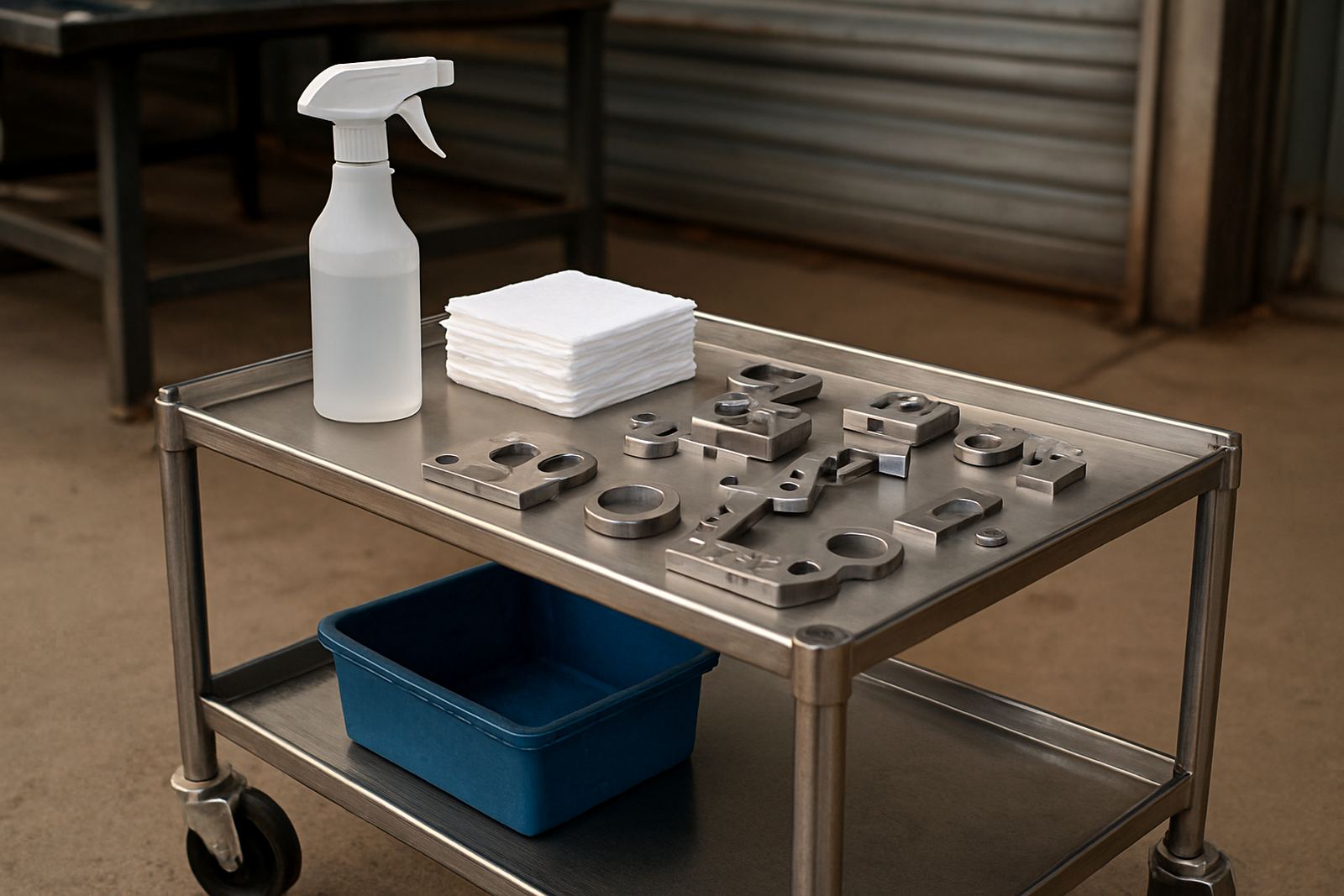
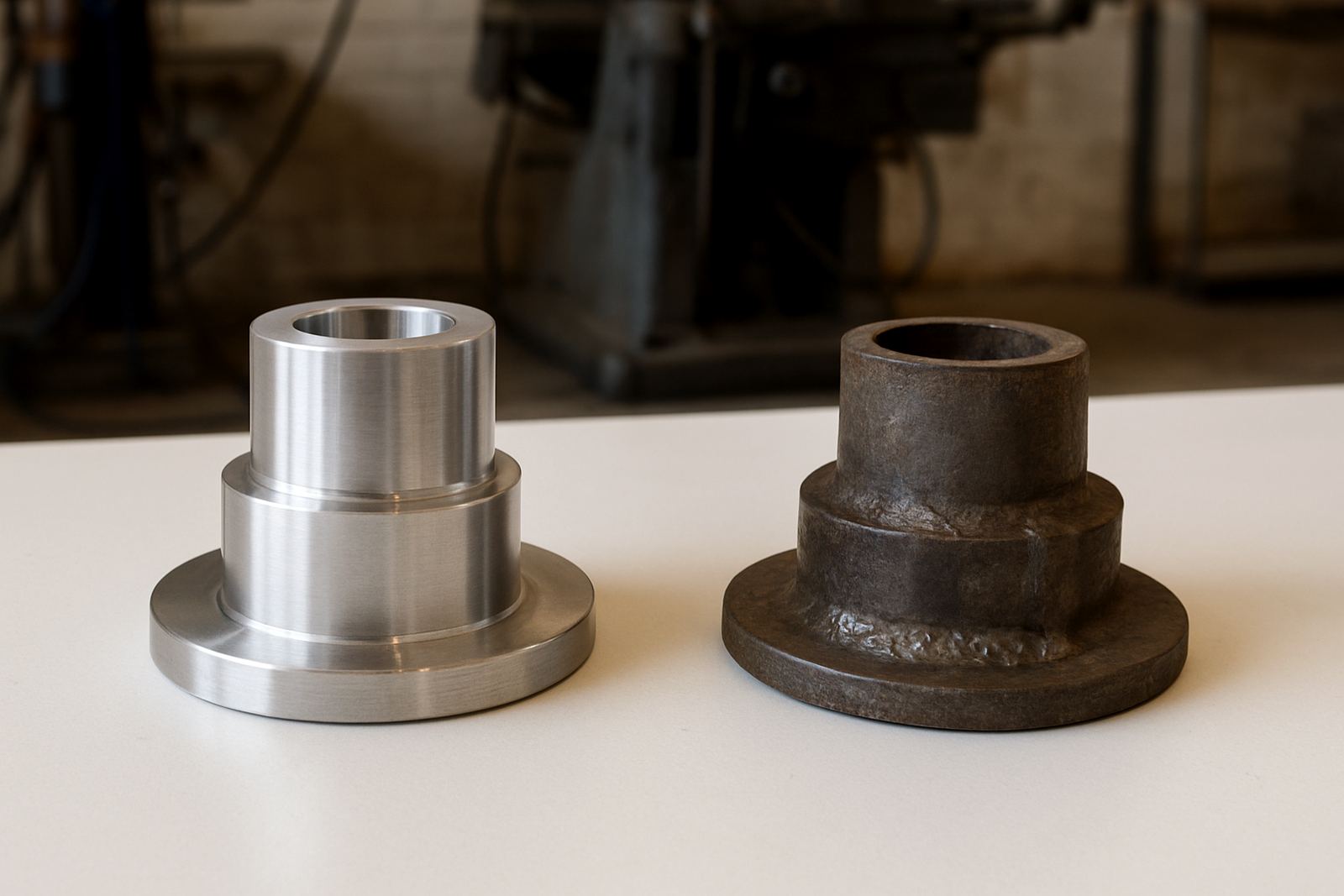
Most poor repair outcomes start before the torch is even used. Parts should be cleaned properly, with oil, paint, plating residue and heavy oxidation removed. For coastal sites, corrosion and salt contamination must be dealt with fully because trapped salts can affect weld quality and later corrosion resistance.
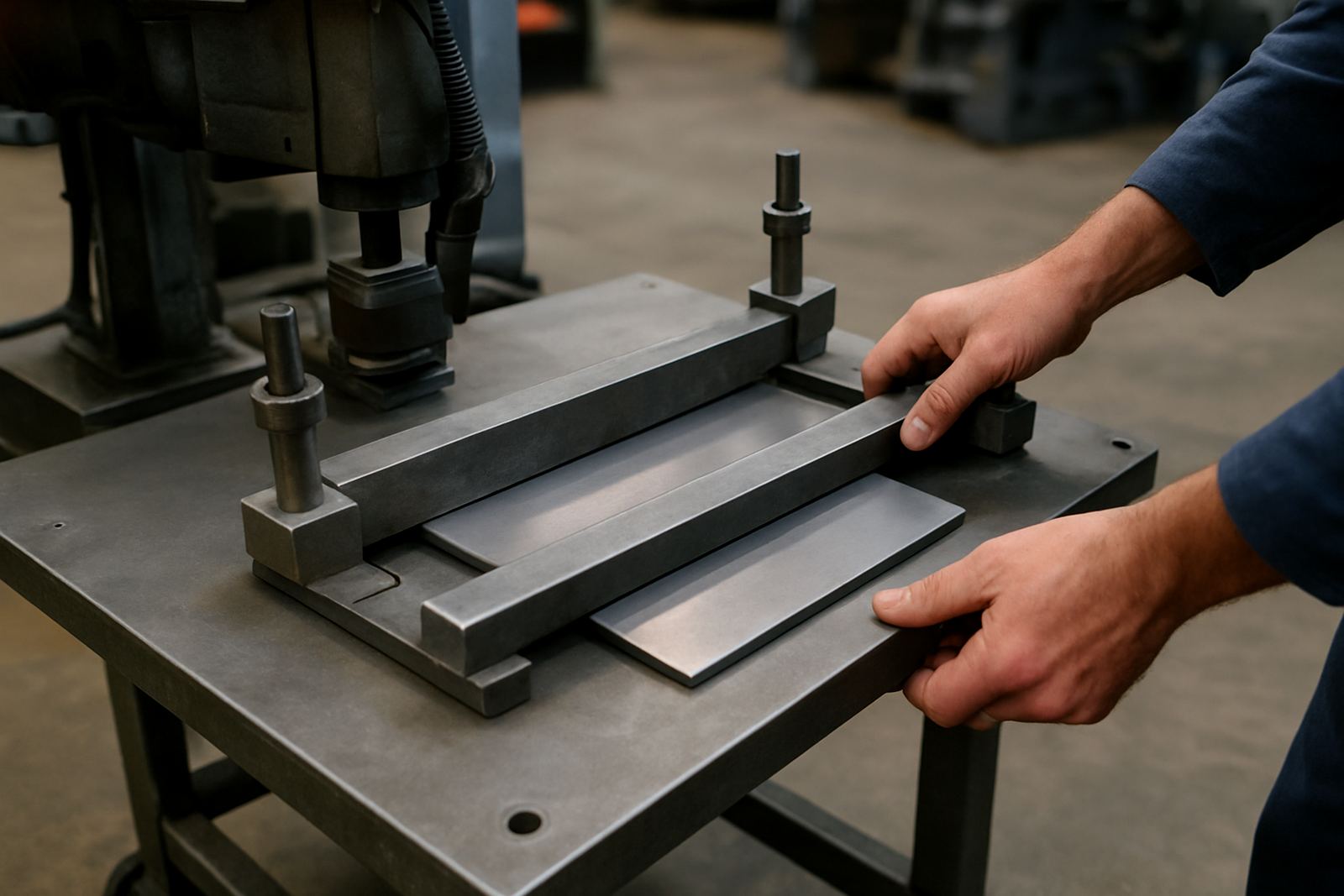
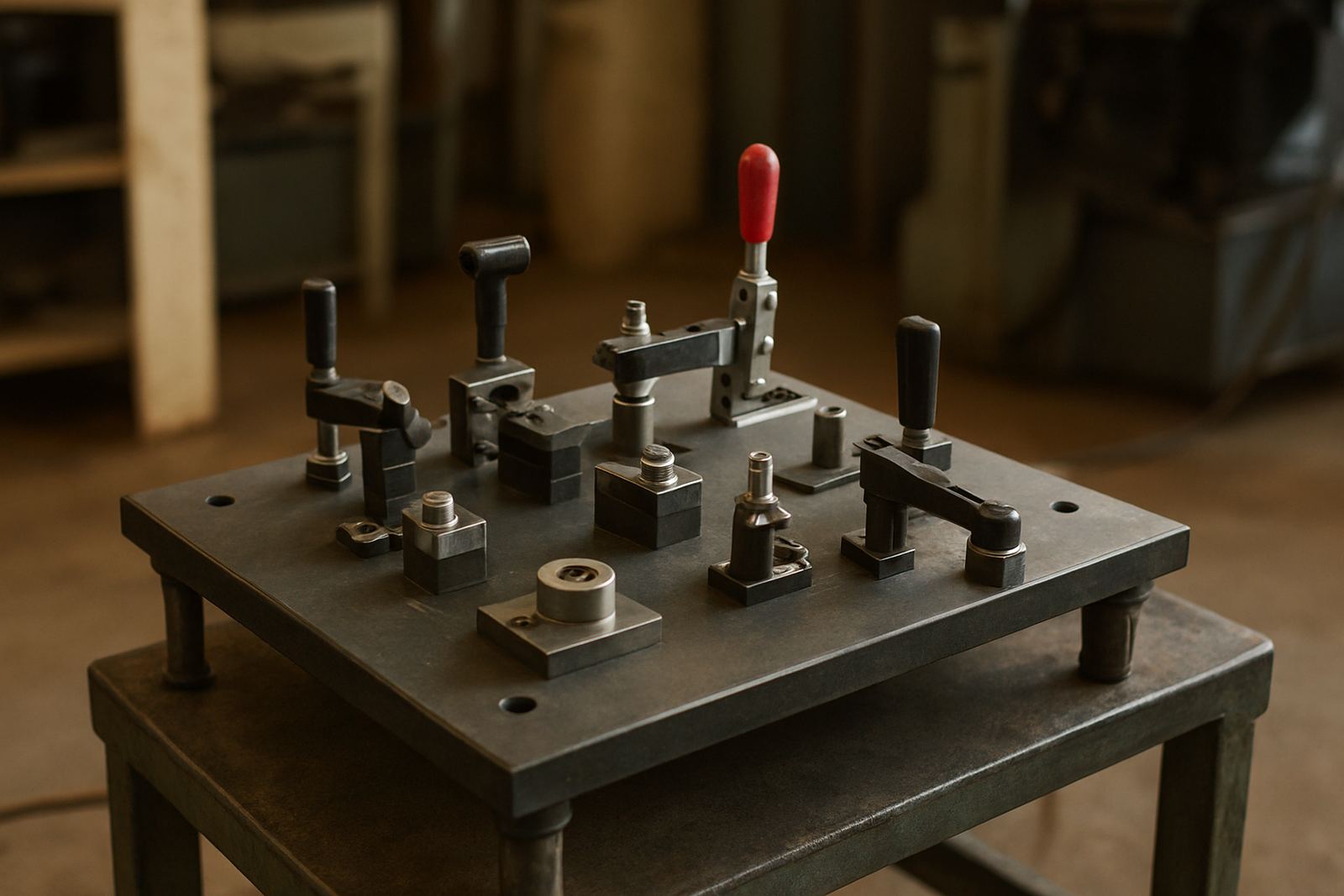
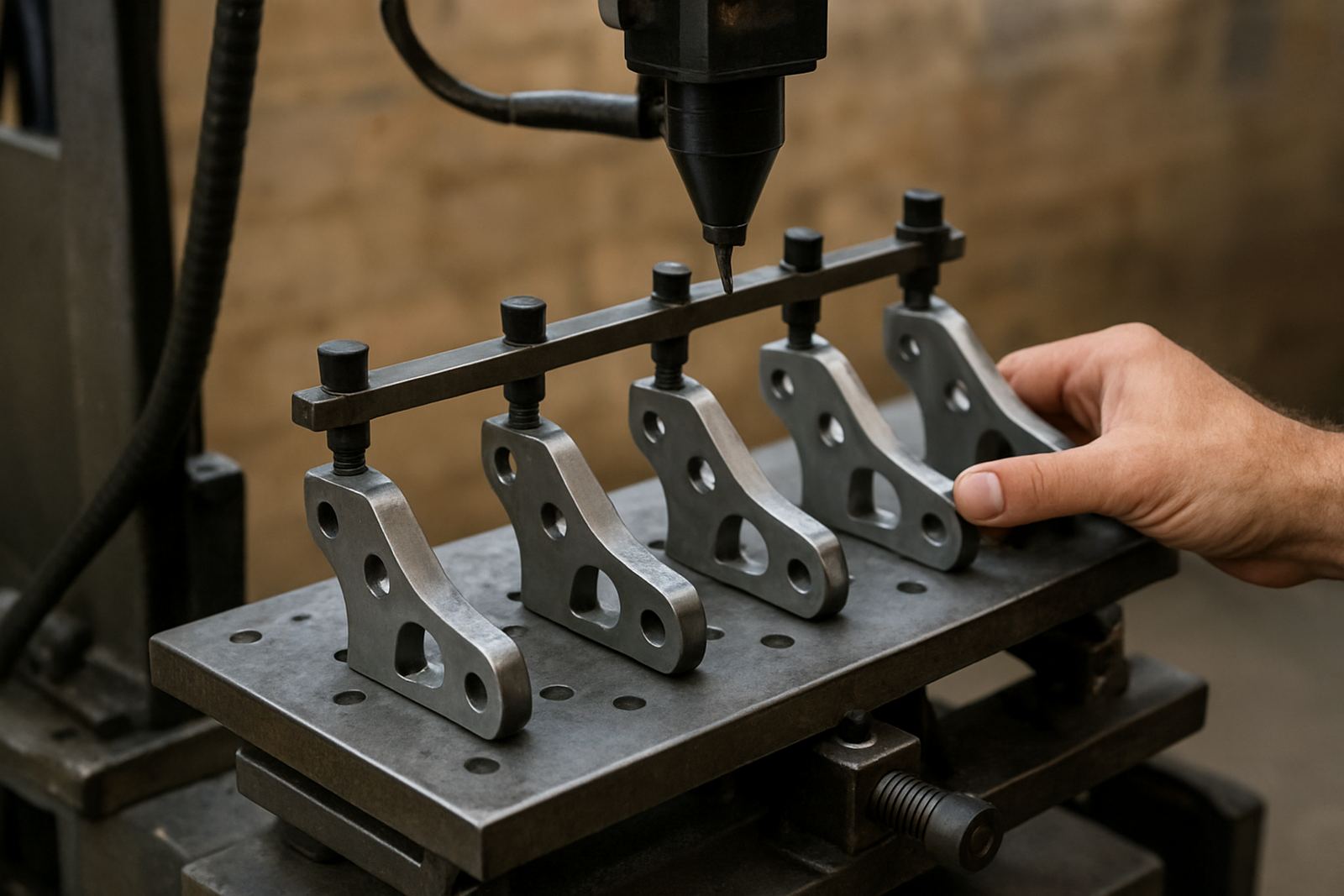
For cracked parts, the crack must be fully exposed so the ends can be seen and prepared correctly. If the crack is left closed, the repair may only seal the surface and the fault can reopen under load. On precision jobs, masking and careful fixturing also help prevent unnecessary heat spread and distortion.
Load-shedding can also affect production planning. If your maintenance shutdown window is short, send the part early and allow for inspection, set-up and any post-weld finishing. Last-minute courier jobs can still be handled, but the part must arrive clean and well packed.
Common Jobs That Suit Laser Welding
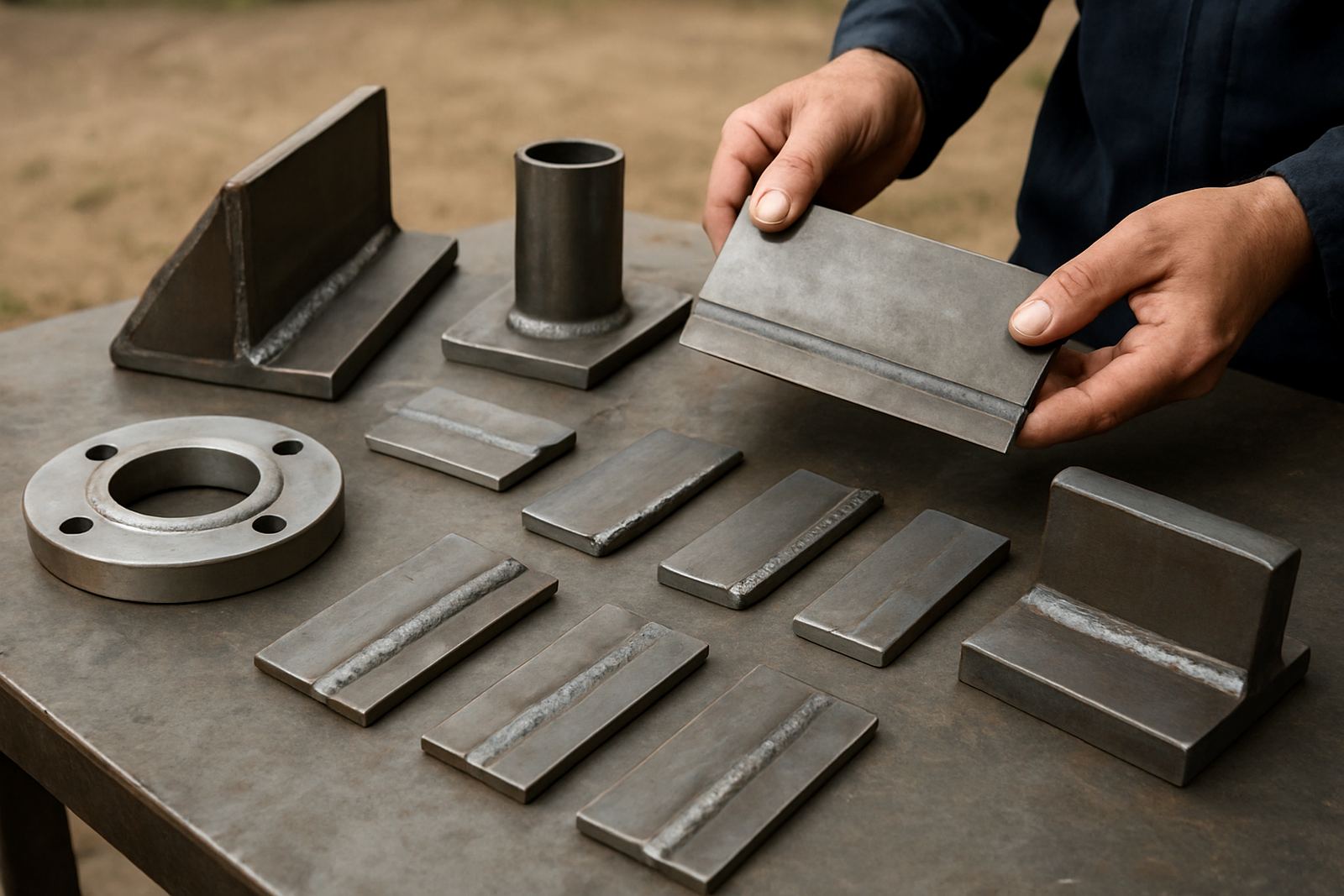
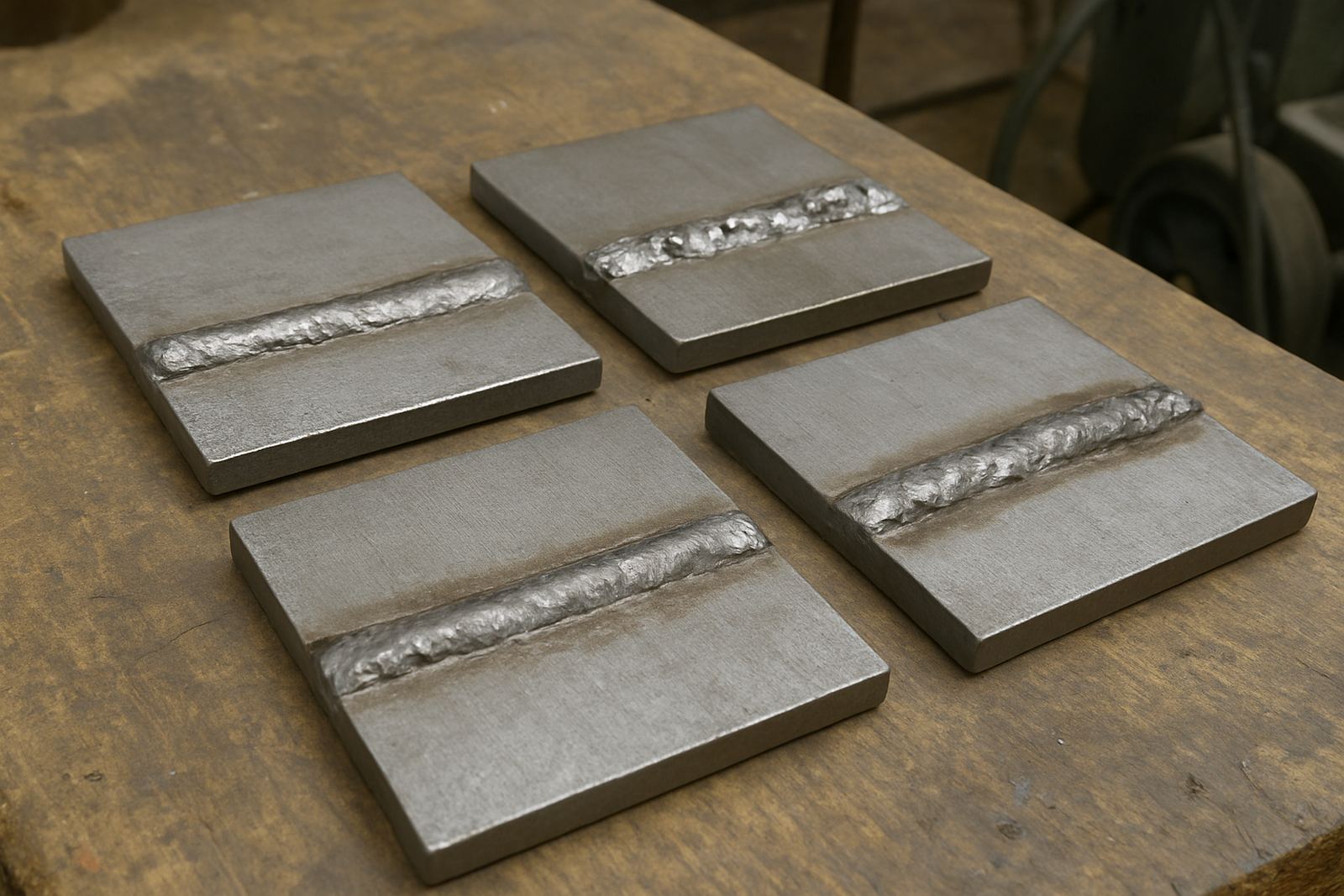
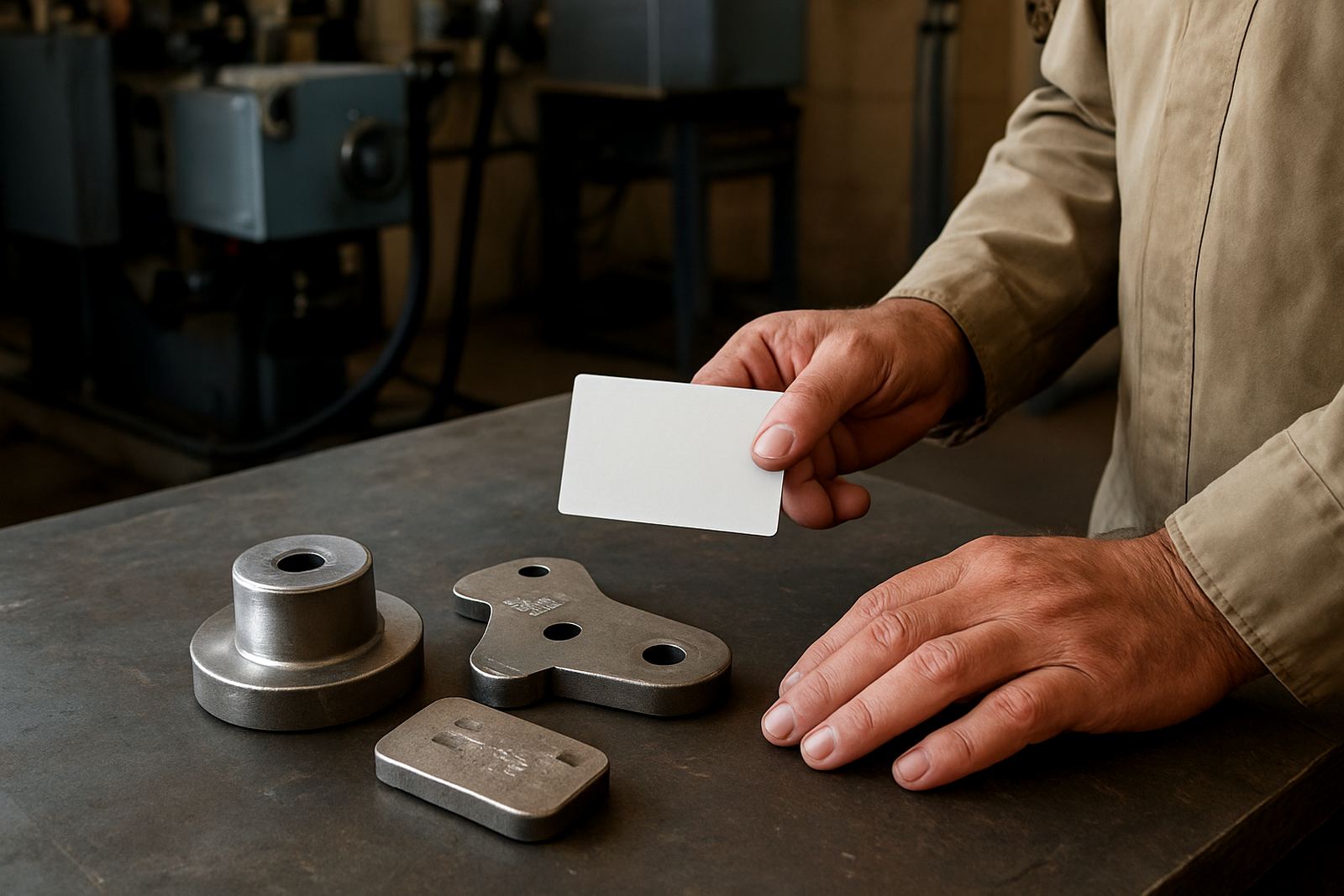
Laser welding is used across factories, workshops and maintenance teams because it can handle small repairs with control. It is not just for new components. Many jobs are restoration work that keep a line running until replacement stock is available, or extend the life of an expensive tool.
- Crack repair on small machine parts and housings
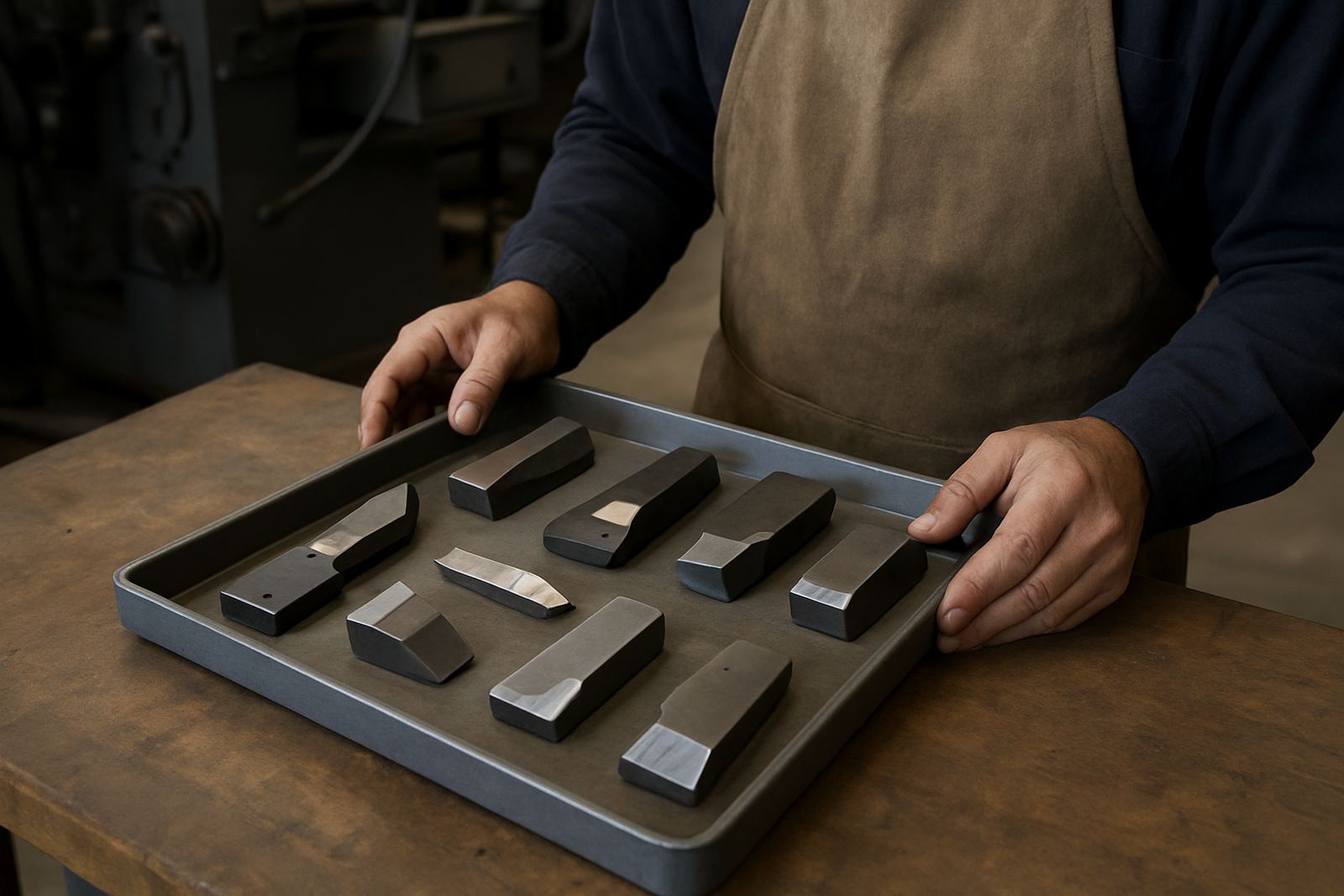
- Edge build up on worn tooling and dies
- Thin section welding where distortion must stay low
- Stainless repairs for process and food-related equipment
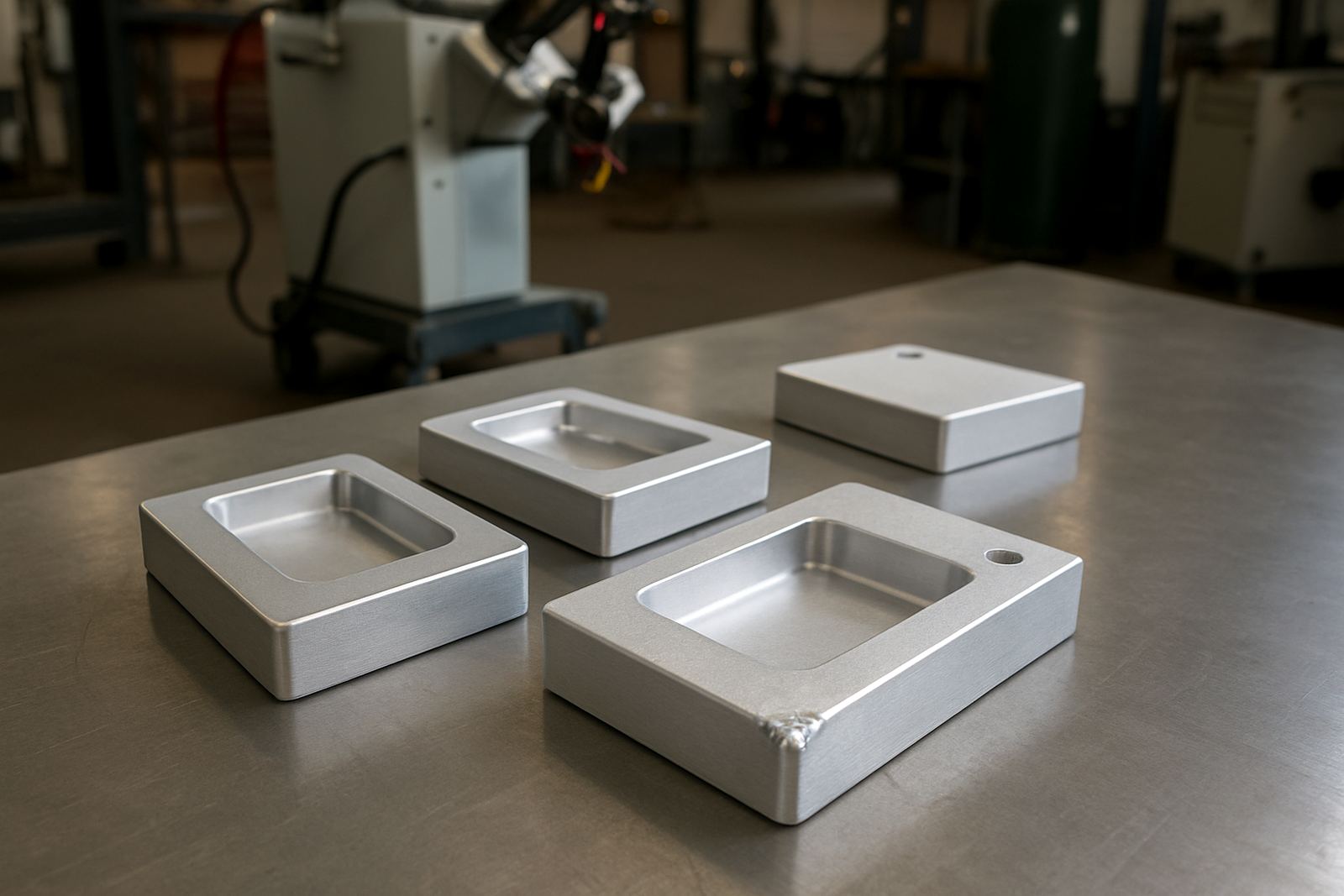
- Aluminium repairs on lighter structures and brackets
- Prototype joining before a production run is approved
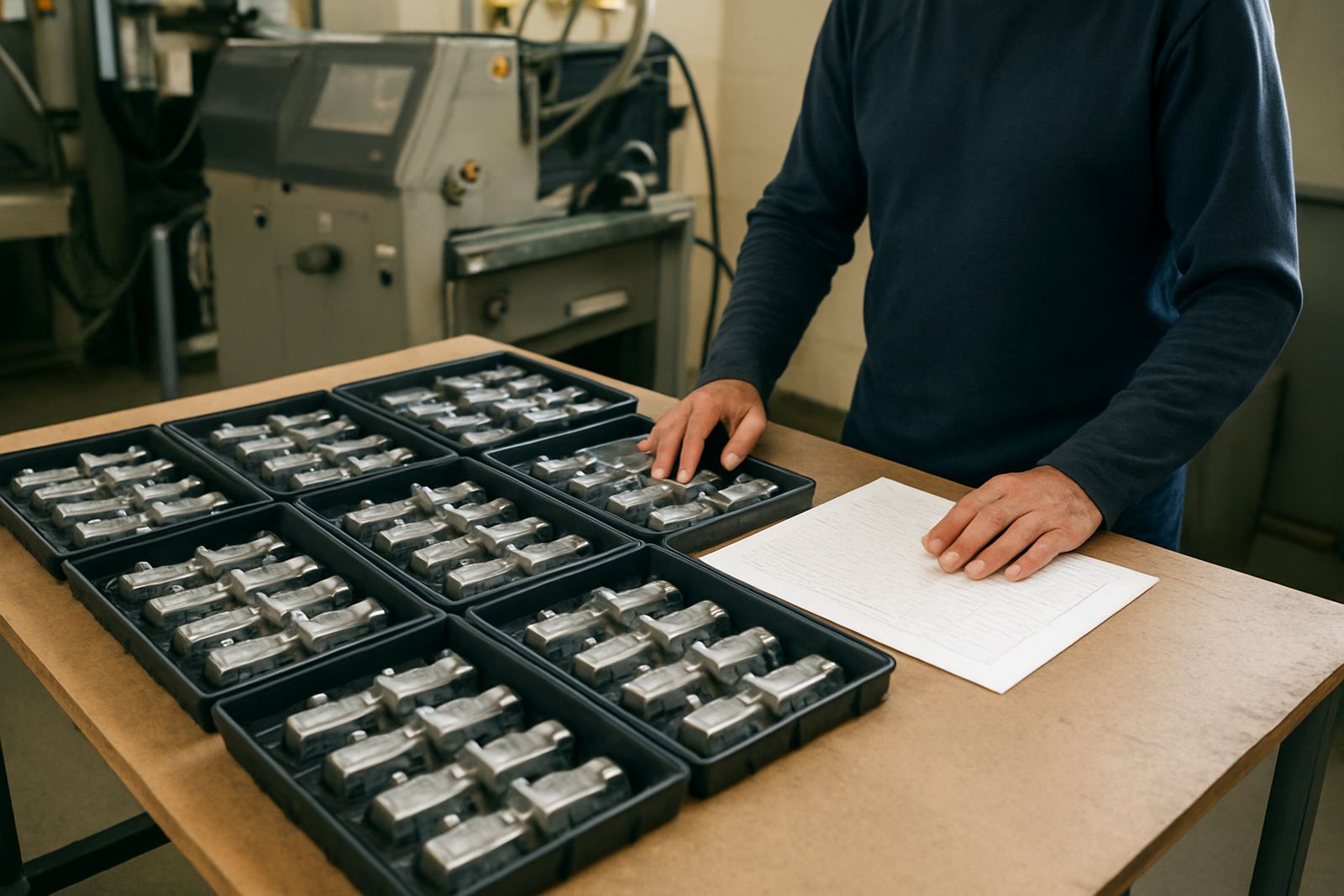
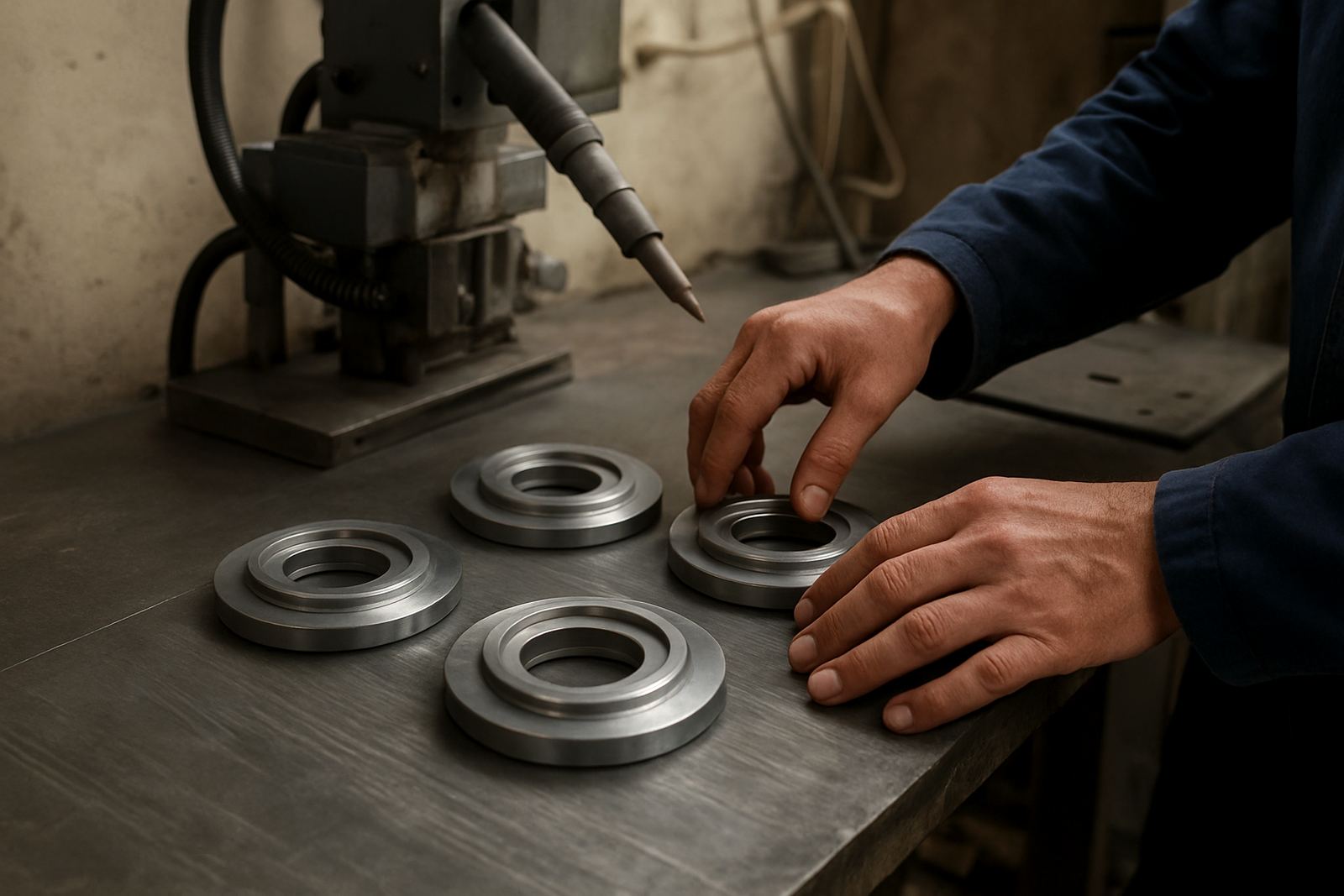
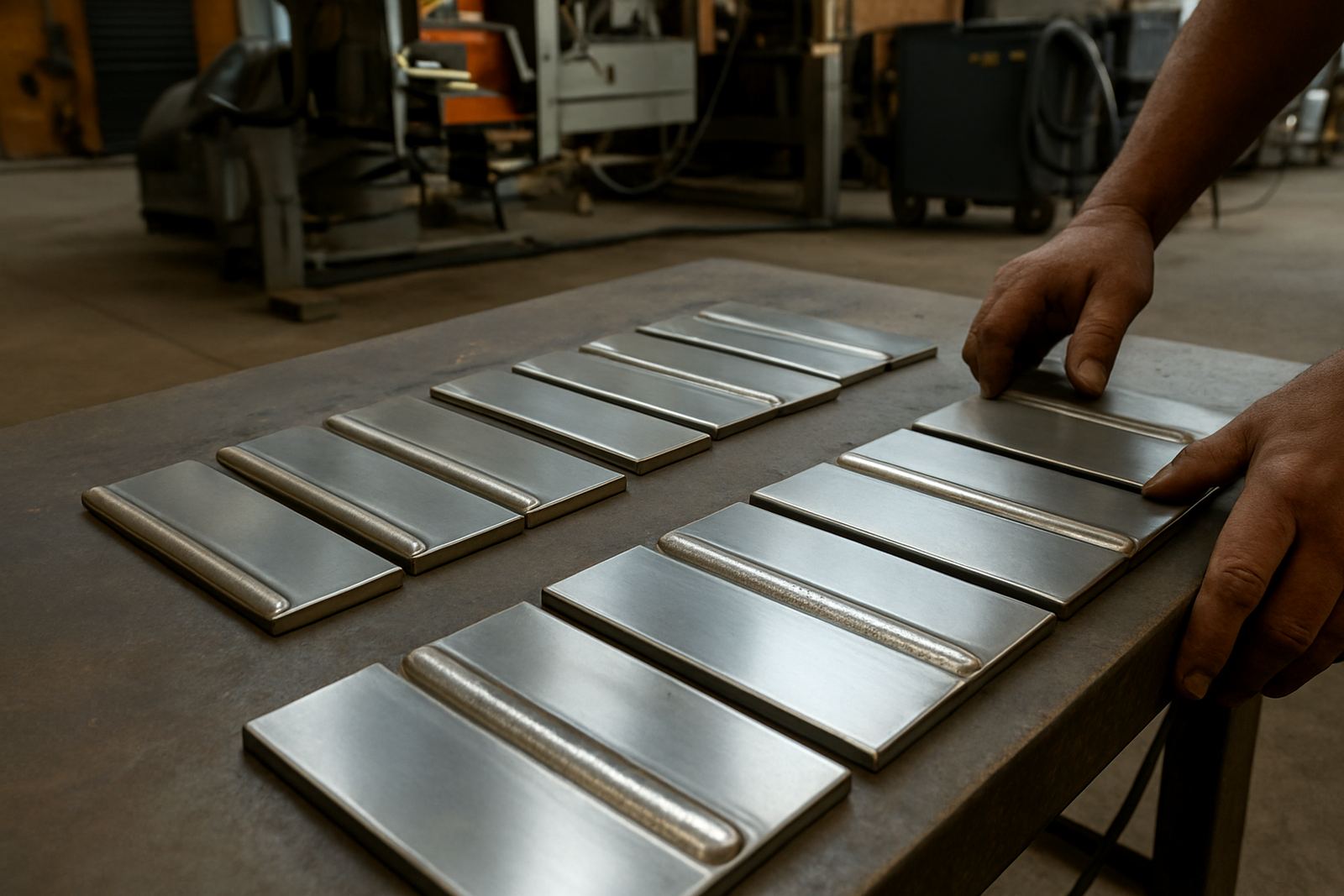
Batch jobshop welding is also common when the same fault appears across several parts. That is useful for production plants in Pretoria, Midrand and across Gauteng where repeat failures need a fast, repeatable answer.
Choosing Between Repair and Replacement
Not every damaged part should be repaired. A sensible decision depends on safety, downtime, material cost and the risk of repeat failure. If a component carries load, seals under pressure or runs at speed, the repaired area must be examined against the original duty. If the wear is too deep, replacement may be the better value.
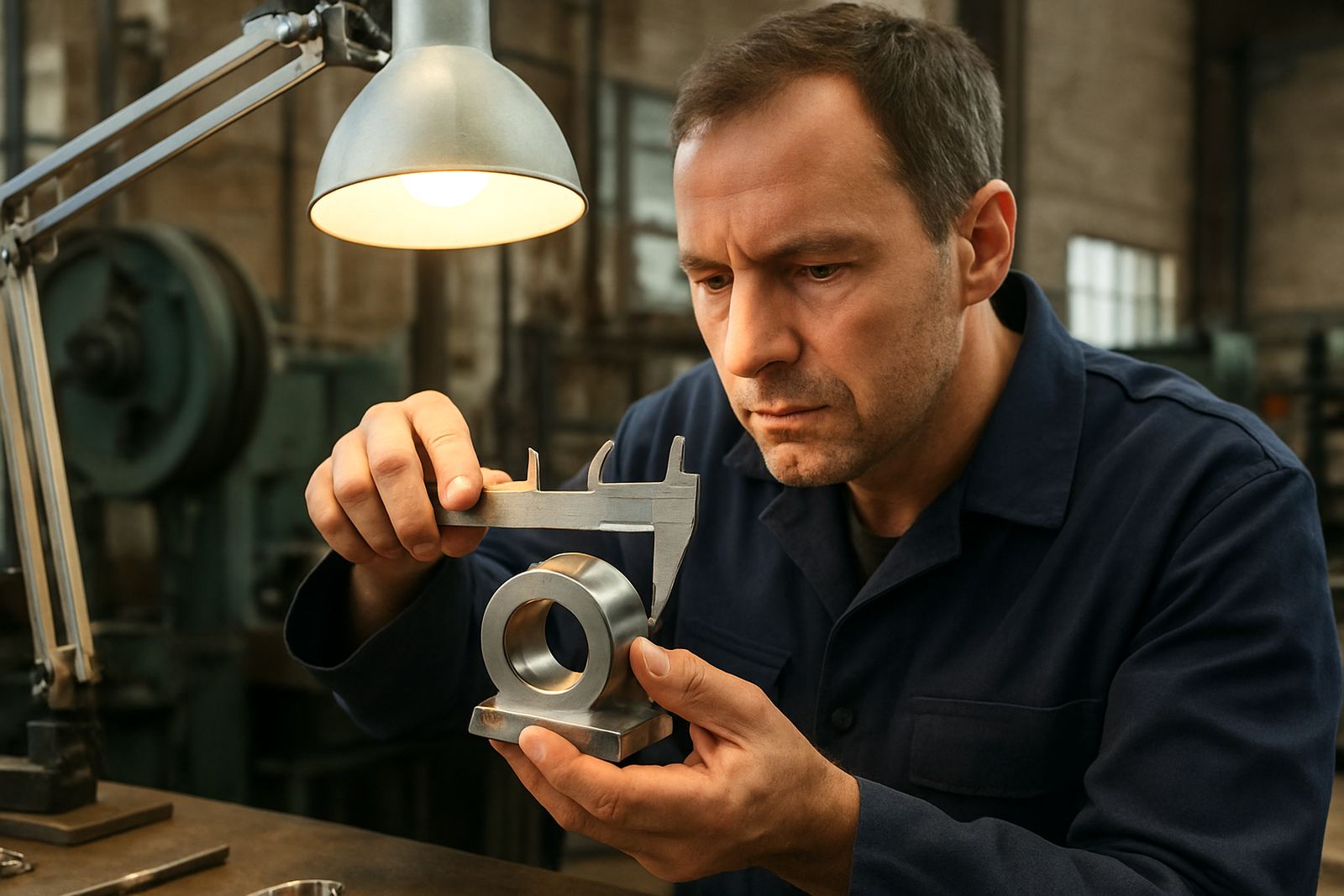
For mould and die work, the decision often comes down to accuracy and finish. A small build up can save a costly item, but only if the repaired area can still be machined or polished back to spec. On the other hand, if the component is already thin throughout, repair may not hold long enough to justify the labour.
A practical workshop will tell you honestly when a job is worth doing and when it is not. That matters more than promising everything can be fixed.
Collections, Couriers And Turnaround In SA Conditions
Laser Welders Jobshop works from Centurion with support for Pretoria East, Midrand collections, Rosslyn manufacturing and Jet Park service work, plus nationwide courier jobs. That makes it easier for buyers to move urgent parts without losing time on transport. If a component is small and urgent, couriering it to the workshop is often quicker than removing a whole machine.
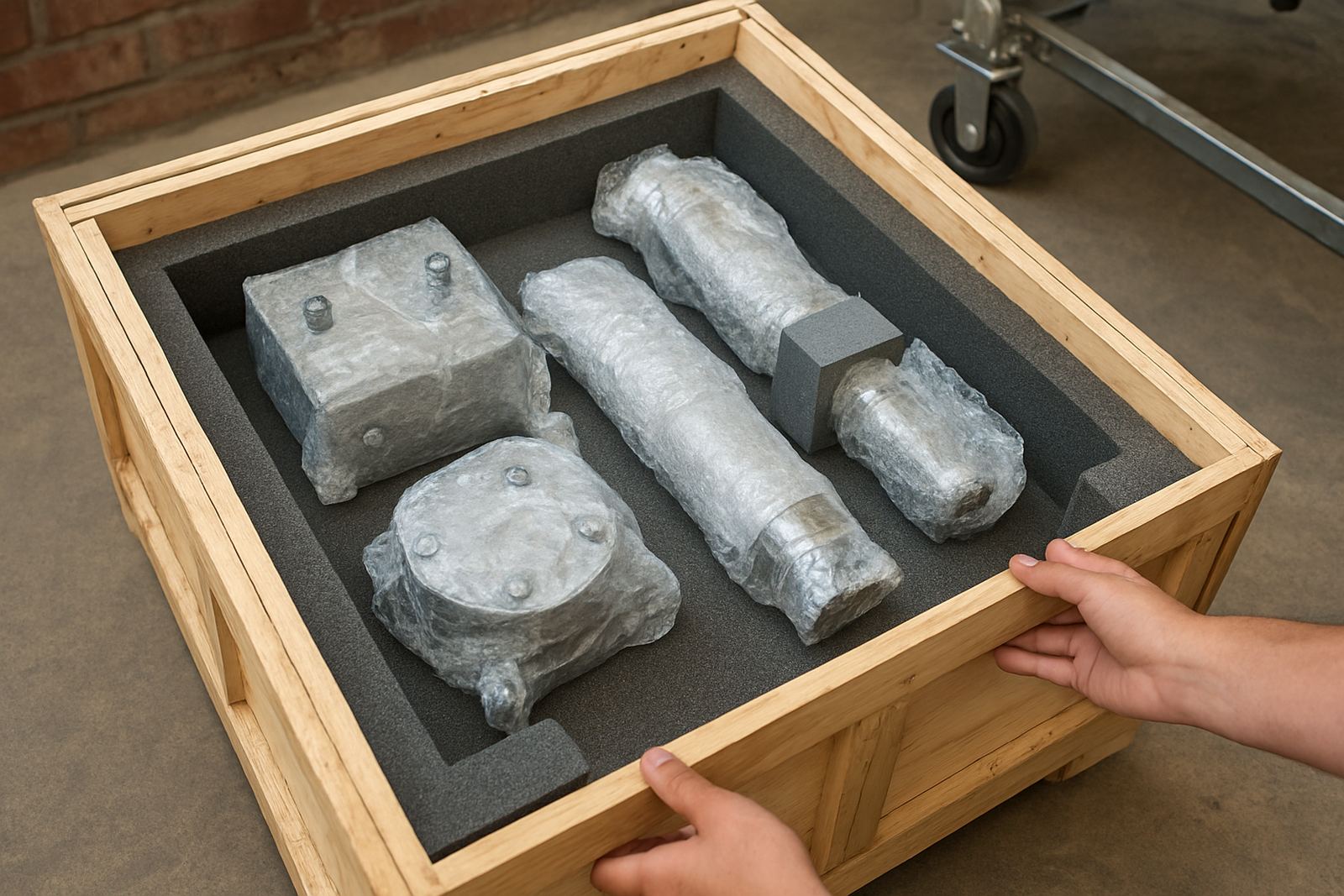
Turnaround depends on preparation, complexity and quantity. Simple crack repairs may move quickly, while batch jobs or parts needing inspection, build up and finishing will take longer. Good packing is essential, especially for machined edges and thin sections. Use wrapped parts, fixed boxes and a clear note inside the package with your contact details and job reference.
For plant maintenance teams, the best results usually come from early contact, accurate part info and a clear plan for return delivery. That keeps the repair work practical, costed properly and ready for installation.