Use laser welding when heat must stay local
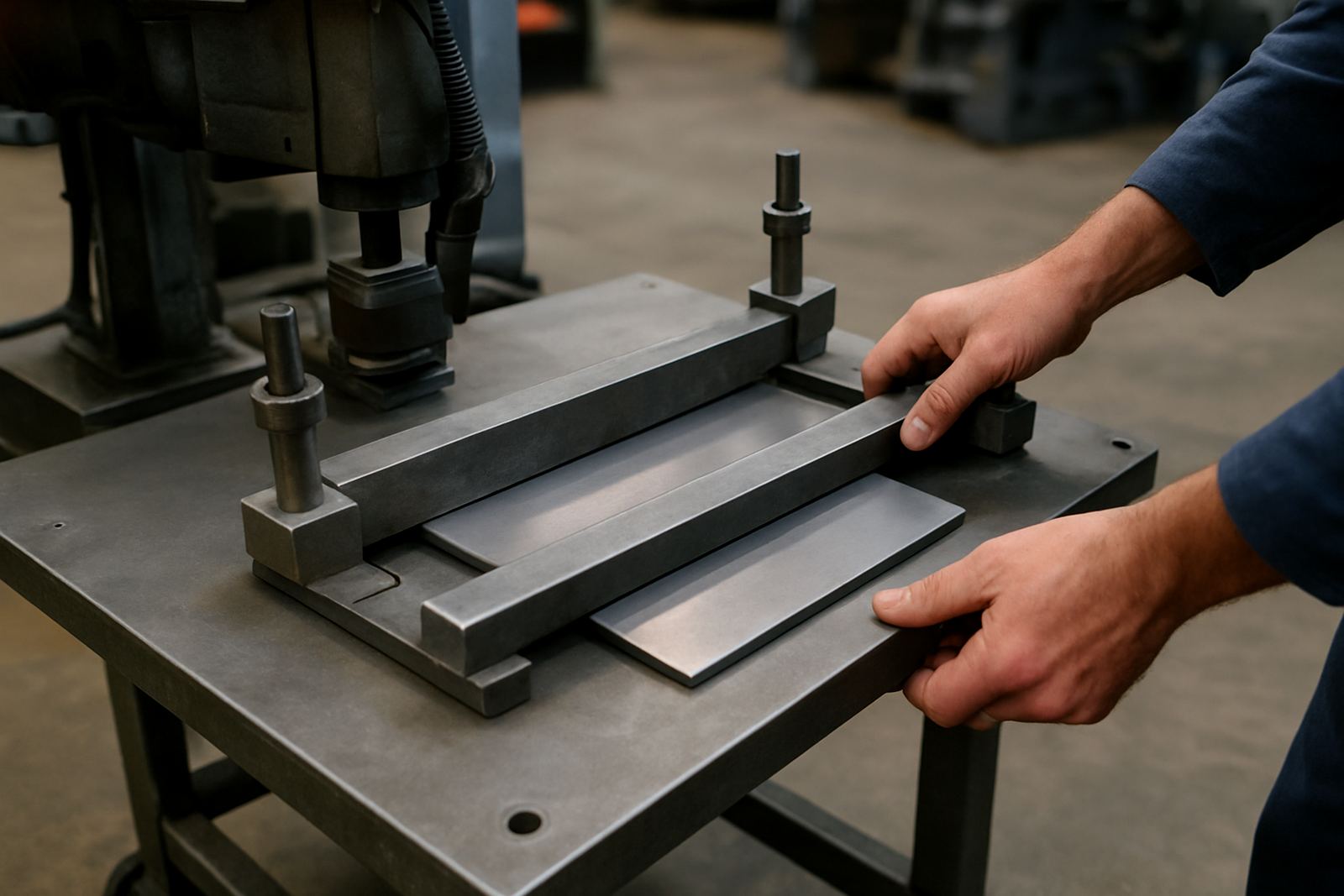
Laser welding suits jobs where the surrounding part cannot take much heat. That is common on thin stainless, small shafts, fine tooling, precision brackets, and parts with nearby machined faces. The heat goes into a tight area, so there is less chance of a part pulling out of shape or losing fit-up after repair.
In practice, this matters when a component is expensive to remake or when the tolerances are tight. If a hole must stay round, a flange must stay flat, or a repaired edge still needs to seat against another surface, laser welding can be the smarter option. It is often used for crack repair, edge build up and thin section work where careful control counts more than speed alone.
Good candidates for repairs and rework
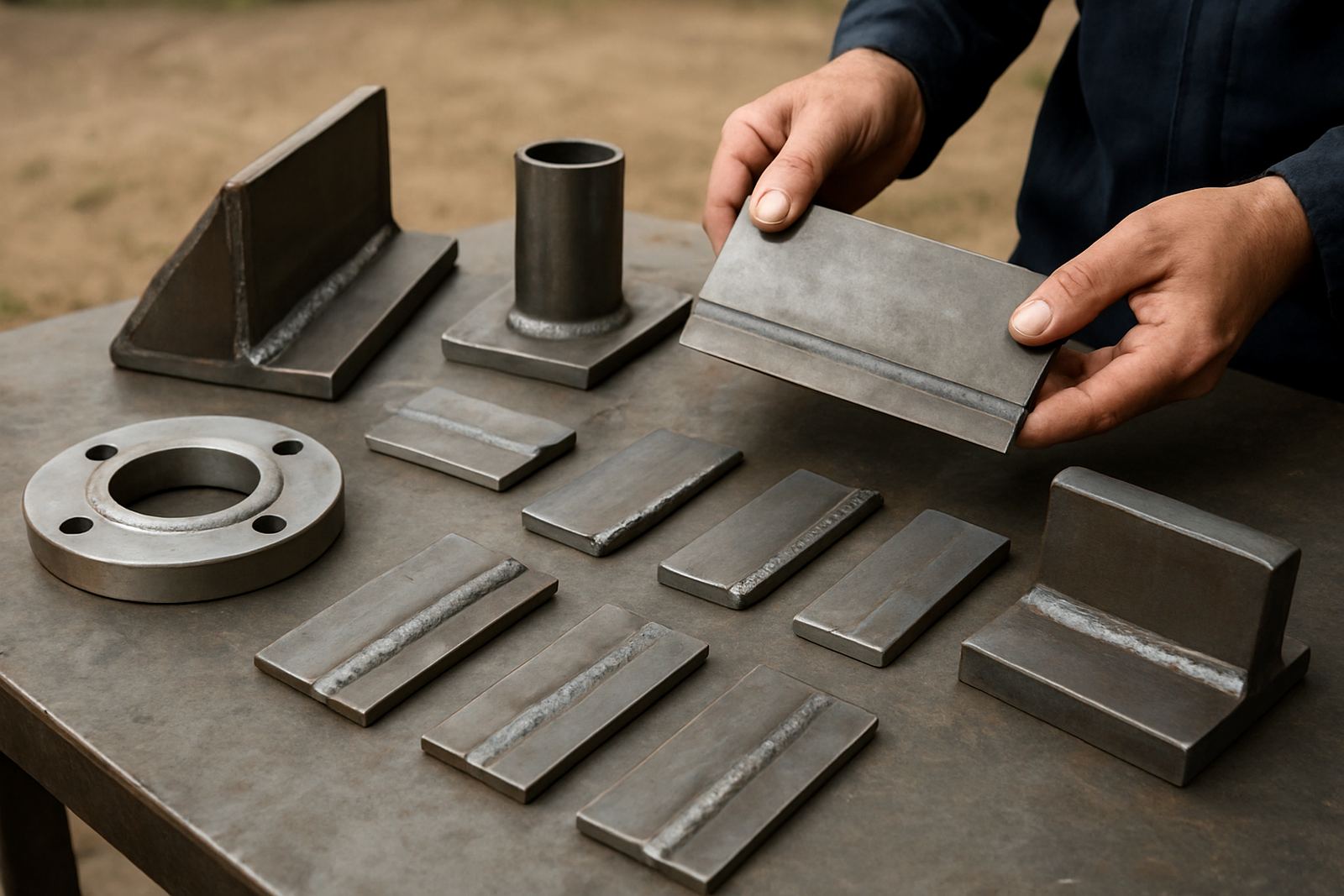
Laser welding is often the right call for parts that are too valuable to scrap but too delicate for heavy rework. In a Centurion workshop, that might be a worn mould insert, a small die section, a stainless fitting, or a broken tab on a production component. Instead of replacing the full item, the damaged area can be repaired locally.
- Cracks in thin or precision parts
- Worn edges that need build up before machining
- Broken features on moulds, dies, and fixtures
- Stainless or aluminium parts that need careful heat control
- Prototype pieces that still need design changes after welding
For many businesses, that means less downtime and less scrap. It also means the repaired item can often go back into service without major reshaping or extra grinding.
When laser is better than heavier welding methods
There are jobs where a stronger, hotter process is simply too much. If the weld area is small, the parent material is thin, or the part has close tolerances, laser welding may give a cleaner result with less clean-up after. That is especially helpful on parts that already went through machining, polishing, or fit checks.
Choose laser welding when you need:
- Low distortion on small or thin parts
- Minimal post-weld finishing
- Targeted repairs on one local area
- Good control near sensitive edges or corners
- Work on mixed repair batches where each item is slightly different
It is not about replacing every other process. It is about choosing the method that fits the part, the deadline, and the final tolerance. Sometimes a conventional repair is still better, but on fine work the laser often wins.
Materials that commonly suit laser work
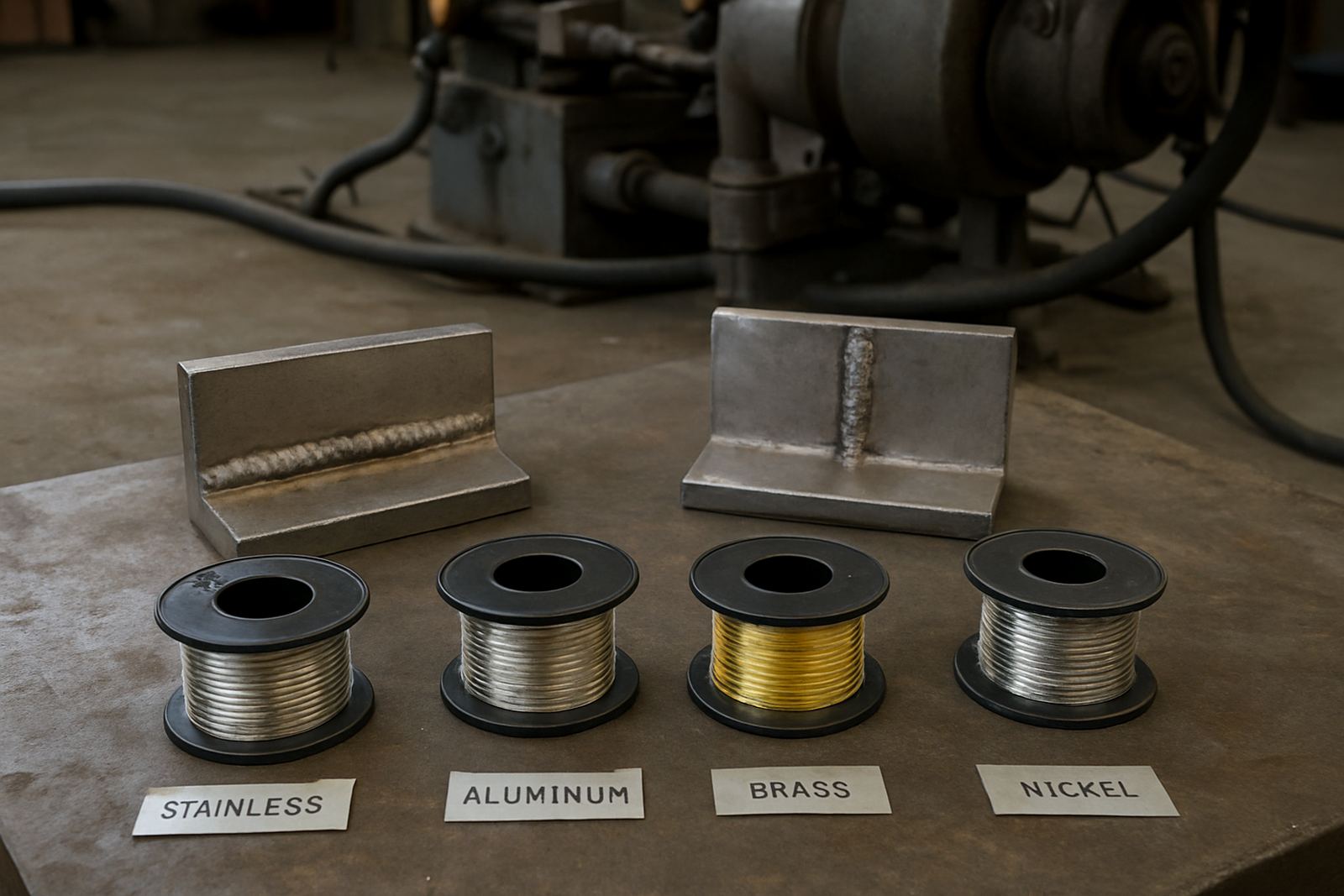
Different materials respond differently, so the right call depends on the job and the end use. Stainless steel is a frequent candidate because many parts need neat repairs without staining or warping. Aluminium can also be repaired, though it needs proper handling and a clean surface. Small tool steel items, some carbon steel parts, and mixed repair pieces may also be suitable.
Before starting, the surface must be checked for contamination, old grease, cracks that run deeper than they first appear, and any previous repairs. A part that looks simple can hide a bigger problem, so an experienced workshop will inspect the full item before agreeing to the method. That avoids surprises half way through the job, which nobody wants.
Batch work, prototypes and production support
Laser welding is useful not only for one-off repairs. It also helps when a business has a small batch of similar parts needing the same correction, or when a prototype needs changes between test runs. In those cases, consistency matters. The workshop must repeat the same repair depth, edge build up and finish across the whole run.
This is common in Rosslyn, Midrand and Jet Park where production teams need fast turnaround on parts that cannot sit in the queue for long. Courier jobs from other provinces also make sense when the part is small, valuable, or awkward to replace. If a component can be boxed, labelled and sent safely, the jobshop model can keep things moving without requiring the client to shut down for days.
A practical Pretoria example
A Centurion manufacturer may bring in a cracked stainless part used on a filling or clamping line. The crack is only a few millimetres long, but the part sits against a mating surface and cannot be allowed to distort. In that case laser welding can close the crack, add a little material where needed, and keep the rest of the part close to its original shape.
That is the real value of laser work. It is not for every repair, but when the part is important, the finish matters, and the heat must stay under control, it gives a clean route back into service. On busy sites dealing with load-shedding and tight shutdown windows, that can save a full production stoppage and a lot of hassle.
How to decide before you send the part
If you are not sure whether laser is suitable, start with the part itself and the result you need. Ask whether the item is thin, precise, expensive, or difficult to replace. If yes, laser welding may be a strong option. If the part is thick, heavily worn, or already badly misshapen, another method may be more suitable first.
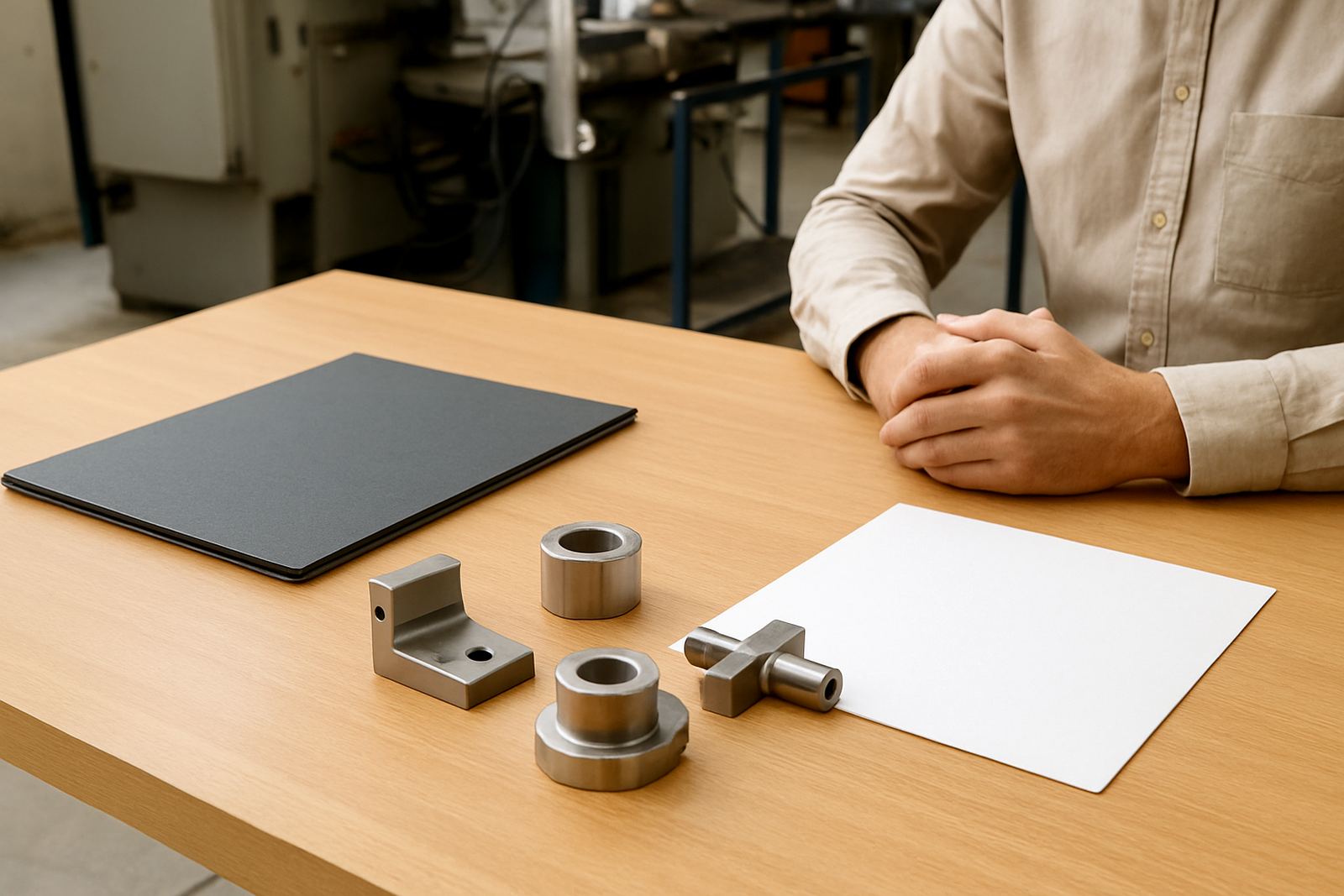
Before sending a job, note the material, approximate size, where the damage sits, and whether the part must still fit a mating component after repair. That information helps the workshop judge the repair path quickly and avoid delay. A simple call or email with photos can save a lot of back-and-forth, and it helps the team plan the right process from the start.