Why filler wire choice changes the repair
In laser welding, the filler is not just extra metal. It has to match the parent material closely enough to bond properly, while also handling heat, movement, corrosion and any later machining or polishing. A good weld on paper can still fail if the filler is too hard, too soft, or too different in composition.
For job-shop work in Centurion and across Gauteng, we often see parts that have already been repaired with whatever wire was on hand. That usually leads to porous welds, colour mismatch on stainless, or a repaired edge that chips after one more shift. On thin sections, even a small mismatch can cause distorsion or an uneven bead that affects fitment.
Match the filler to the parent metal first
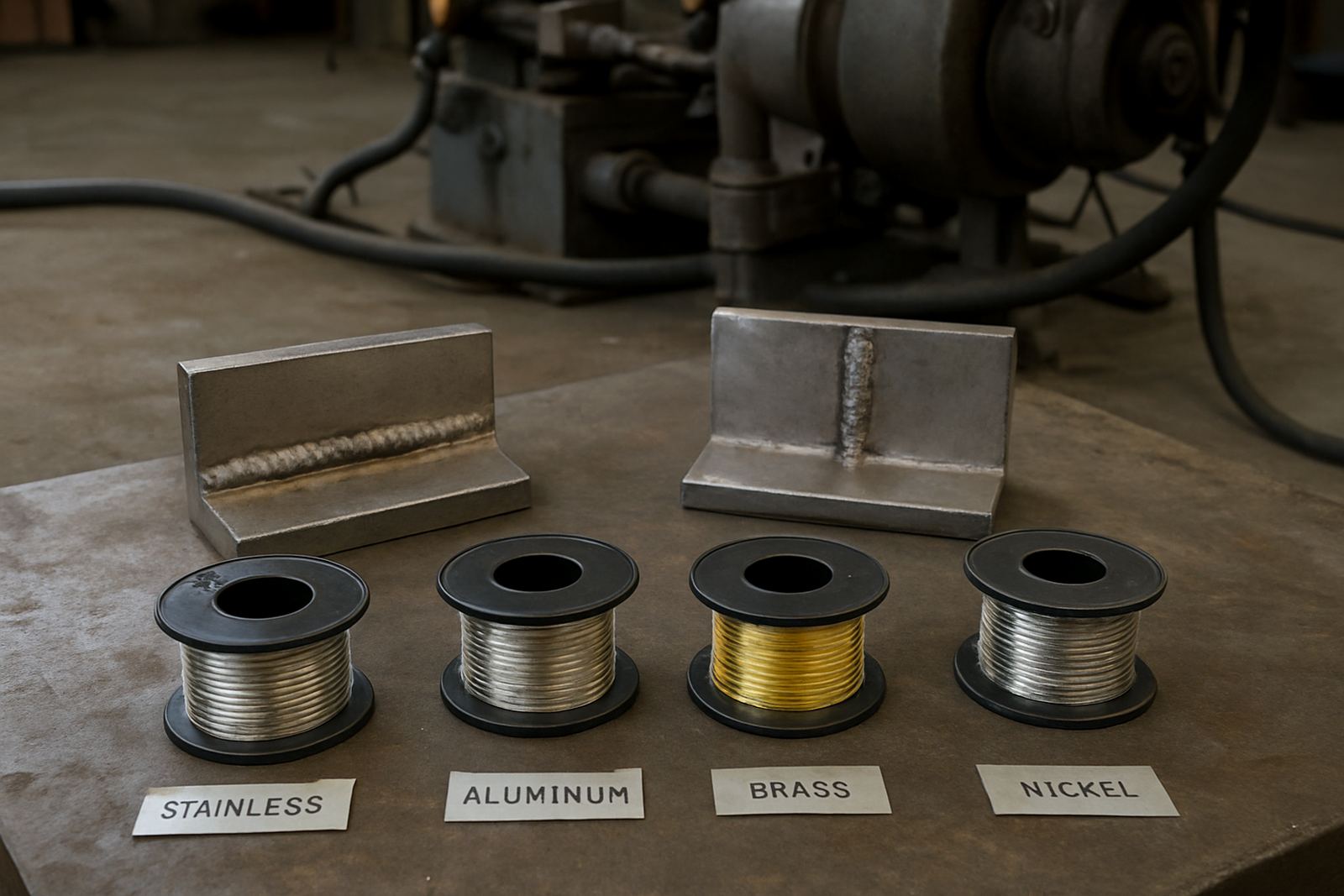
The starting point is always the base material. If the part is stainless steel, use a compatible stainless filler. If it is aluminium, select an aluminium filler that suits the alloy and the repair purpose. For carbon steel, a mild steel filler may work, but the final choice still depends on hardness, wear, and whether the part will be painted, plated, or left bare.
- Stainless on stainless: choose a filler that supports corrosion resistance and colour consistency.
- Aluminium on aluminium: confirm the alloy family before welding, because not all aluminium fillers behave the same.
- Tool steel or die steel: match hardness carefully so the repair does not become a weak spot or a crack point.
- Dissimilar repairs: test the joint first, especially where heat cycling or vibration is expected.
At our Centurion workshop, we keep filler selection tied to the job card, not guesswork. That saves time on repeat work and helps avoid extra grinding or rework later.
Think about the part in service, not only the weld
A filler wire can look suitable at the bench and still be wrong for the application. A mould face, for example, may need a filler that machines cleanly after build-up. A cracked bracket on plant equipment may need more ductility so it can tolerate vibration. A decorative stainless item in a coastal area may need filler that supports better corrosion resistance, because humidity and salt air are hard on repaired surfaces.
Ask what the part does every day. Does it carry load, seal pressure, guide movement, or only need cosmetic restoration? Does it run hot? Will it be exposed to washing chemicals, coolant, or outdoor weather? The answers guide the filler choice as much as the metal type does.
- Wear surfaces: choose a filler that can take abrasion without becoming brittle.
- Cosmetic repairs: focus on colour match and finishing behaviour.
- Load-bearing parts: prioritise strength and crack resistance.
- Heat affected areas: use a filler that reduces the chance of post-weld cracking.
Common repair jobs and the filler approach
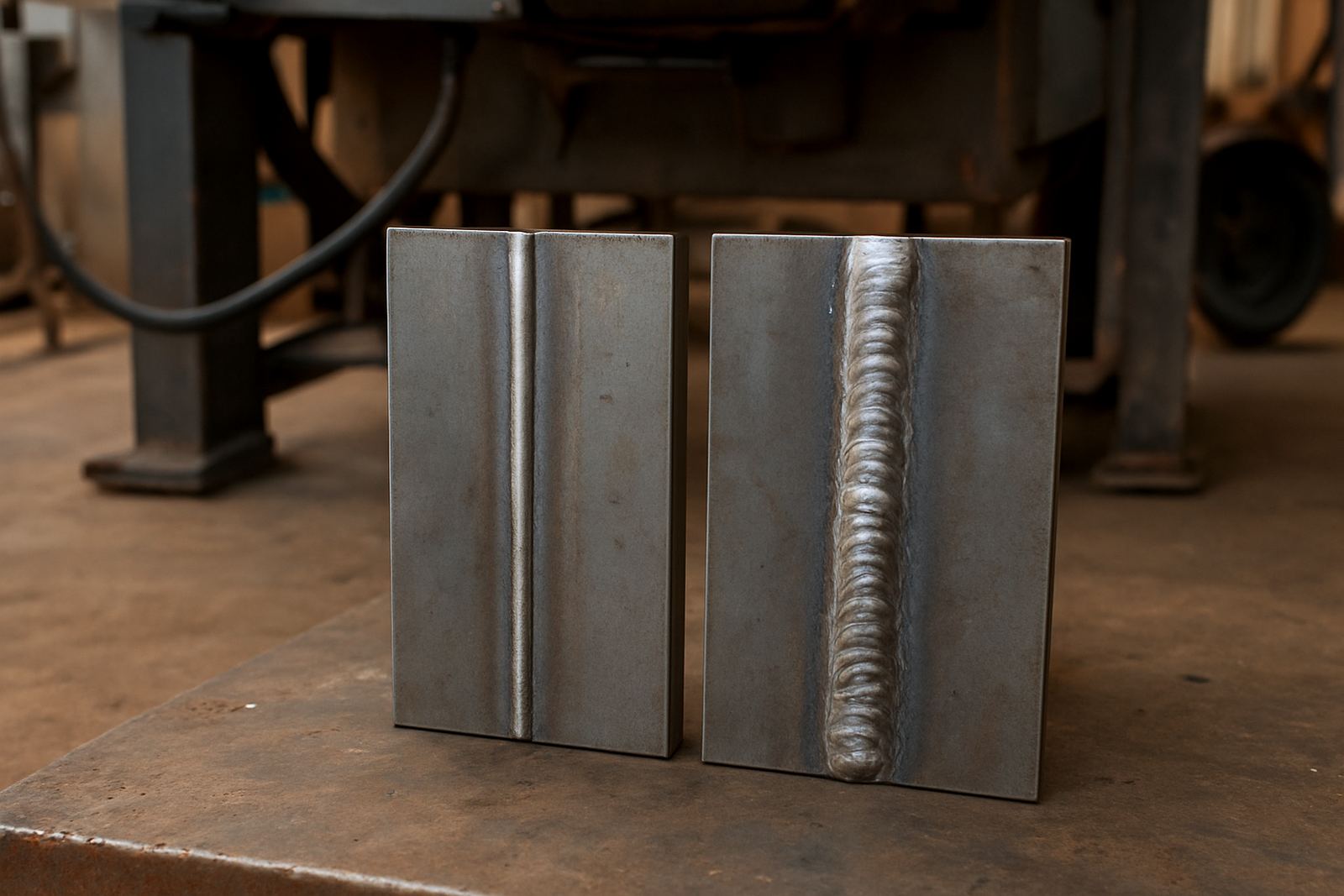
Different repair tasks call for different thinking. For edge build up on a worn component, the filler needs to add material cleanly and allow accurate re-machining. For crack repair, the filler should bridge the damaged section without making the joint too hard. For thin section welding, a finer filler and tighter heat control help keep the part flat and usable. On aluminium repairs, controlling oxide and filler cleanliness is just as important as wire choice.
Batch work also changes the decision. If twenty similar parts come in from Rosslyn Manufacturing or Jet Park, the filler has to produce repeatable results over the whole run. If only one rare component arrives by courier from Durban or Gqeberha, the emphasis may be on preservation and minimal heat input. The best filler is the one that suits the job, not the one that is simply available.
Workshop checks before you strike the arc
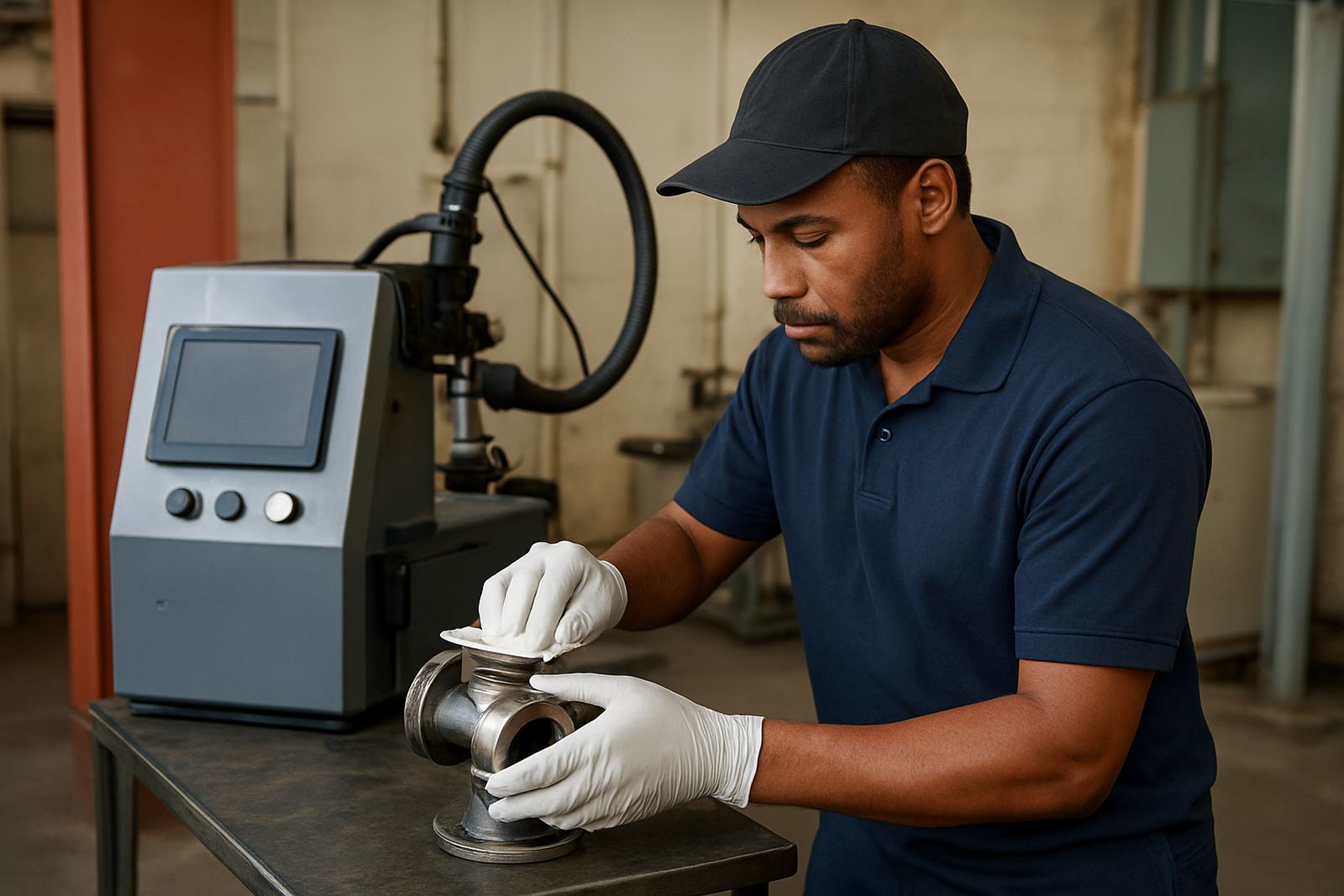
Before welding, confirm the material, clean the surface properly, and remove oils, oxide, paint, and old repair metal. On stainless and aluminium, contamination can ruin the weld faster than a wrong parameter. On older parts, check for hidden cracks, porosity, or previous filler that may react badly with the new repair. If the part has been heat treated, note that too, since some fillers can affect the final hardness.
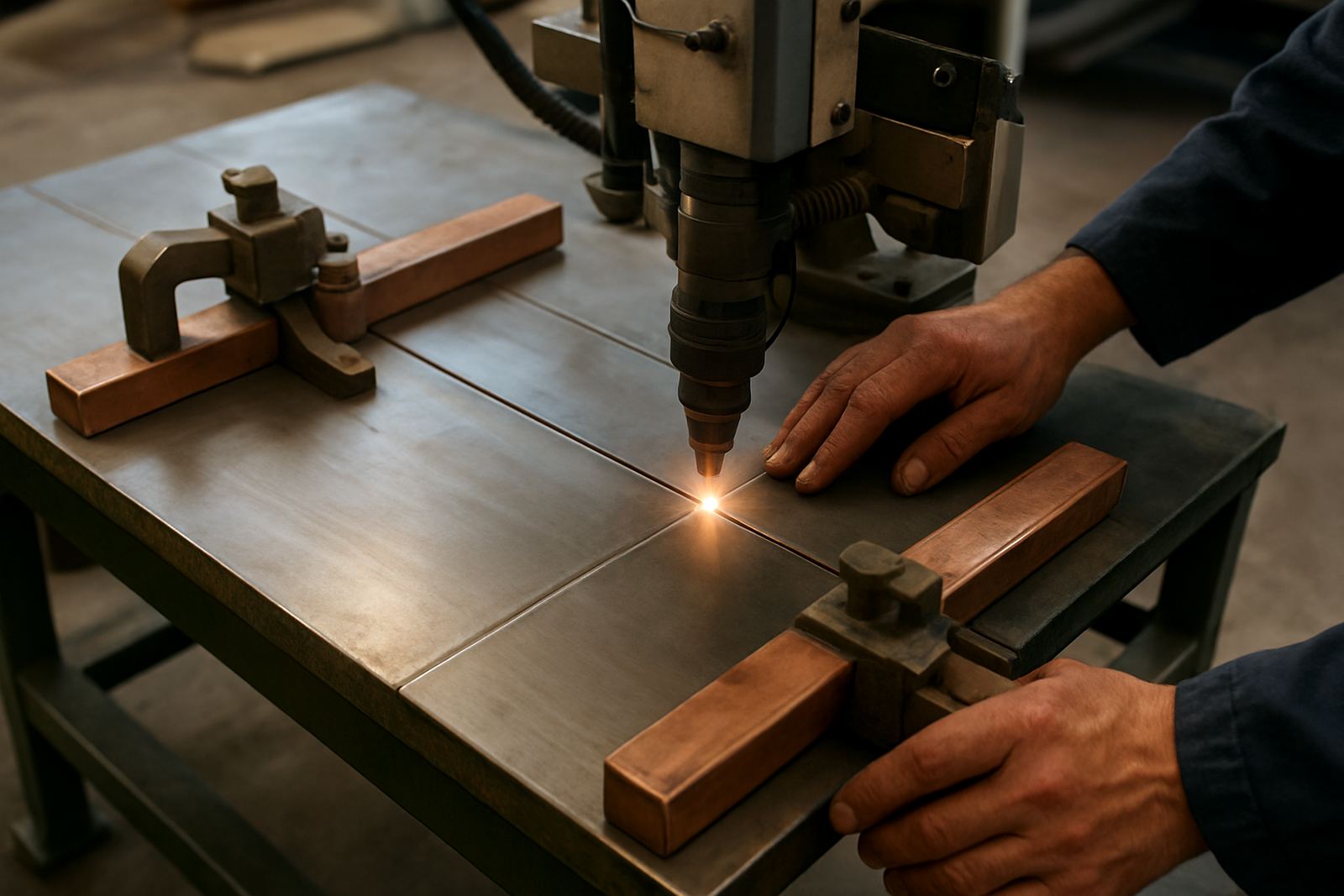
We also look at geometry. A fine crack at the corner of a tool insert is not handled the same way as a worn shaft shoulder. Wire diameter, feed rate, and bead size should match the space available. In some cases, smaller filler makes it easier to control the molten pool and keep the repair tidy, especally when the part cannot be stripped down again for another pass.
- Confirm the metal grade if there is any doubt.
- Clean back to sound material before filling.
- Check for heat sensitivity and distortion risk.
- Choose the smallest practical filler size for the space.
A Pretoria example: when the right filler saves a part
A client in Pretoria East brought in a small stainless component used in a production line, with a cracked edge and a worn contact face. The part had to fit back into service the same week. After checking the material and the operating conditions, we selected a compatible stainless filler that would allow a neat build-up and resist corrosion in a humid washdown area. The repair was finished with light dressing so the part could go straight back into fitment.
If the filler had been too hard, the edge could have chipped during installation. If it had been the wrong stainless type, the repaired area might have shown staining after cleaning. That is the difference filler selection makes: not just a better-looking weld, but a part that stays useful under local conditions and everyday plant handling.
When to ask for a test repair or second opinion
Some jobs are straightforward, but others deserve a test first. Rare alloys, mixed-metal repairs, thin mould sections, and critical plant parts are all worth checking before committing to the final weld. A short test repair can confirm colour, hardness, finish, and whether the filler behaves properly under heat. It is a simple step that can save a costly component.
For nationwide job-shop work, good communication helps too. If you are sending parts from Midrand, Rosslyn, or further afield, include photos, the part function, and any known material information. The more detail we have, the better the filler choice and the fewer surprises during the repair.