Where laser welding pulls ahead on precision work
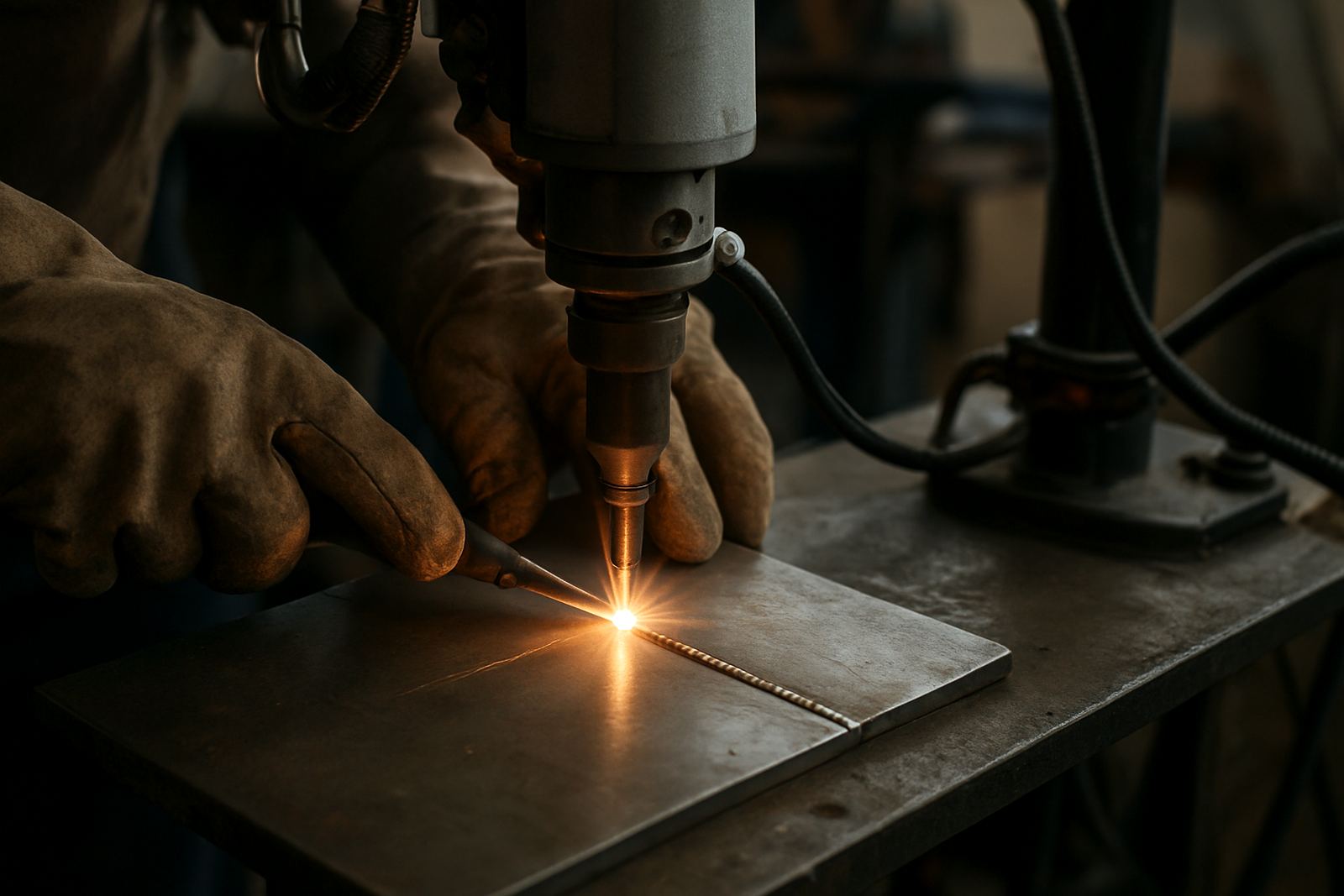
Laser welding is built for small, exact work where the weld needs to be narrow and the surrounding material must stay as close to original as possible. The beam concentrates heat into a very small area, so distortion is lower and thin parts keep their shape better. That matters when you are working on toolroom components, fine stainless details, medical or automotive parts, and mould repairs that cannot afford much grinding afterwards.
In a Centurion workshop, a cracked mould insert or a worn locating edge can often be restored without opening the damage too far. That means less material removed, less filler added, and a shorter clean-up job. For parts with tight tolerances, laser welding can be the better fit because the heat affected zone is smaller and the finish is usually easier to control.
What TIG still does well in the workshop
TIG remains a strong choice when the job is larger, the access is easier, or the repair needs more build-up across a wider area. It gives the operator a lot of control and works well on brackets, frames, piping, fabrication repairs and thicker sections. When a component can take more heat and there is enough room to work, TIG can be practical and cost effective.
There are also repairs where the joint preparation is less exact or where the part has not been machined to final size yet. In those cases TIG can be easier to use because it is forgiving on broader repairs. For general fabrication and on-site maintenance in Pretoria, Midrand or Rosslyn, TIG is often the sensible route when speed and accessibility matter more than ultra-fine finish.
- TIG suits thicker sections and wider joints
- It is useful where access is open and simple
- It can be a good option for general fabrication repairs
Heat input, distortion and the risk of extra rework
The biggest difference between laser and TIG is heat input. With laser welding, the energy is focused and fast, which helps reduce warping, discolouration and movement in thin material. That is especially useful on parts that must still fit into a larger assembly after repair. If a part twists even slightly, the whole job can go off and then more machining is needed.
TIG uses more distributed heat, so the operator has to manage temperature carefully, especially on stainless and aluminium. On long runs or on small parts, that extra heat can create a wider clean-up area. In summer humidity around Gauteng workshops can also make storage and handling a bit tricky because clean surfaces pick up contamination fast, so prep matters on both processes. Still, if the repair is relatively open and the part is not too thin, TIG can handle it well.
- Laser welding usually means less distortion
- TIG can create more heat spread on thin parts
- Good cleaning and fit-up improve both methods
Finish quality on visible parts and machined surfaces
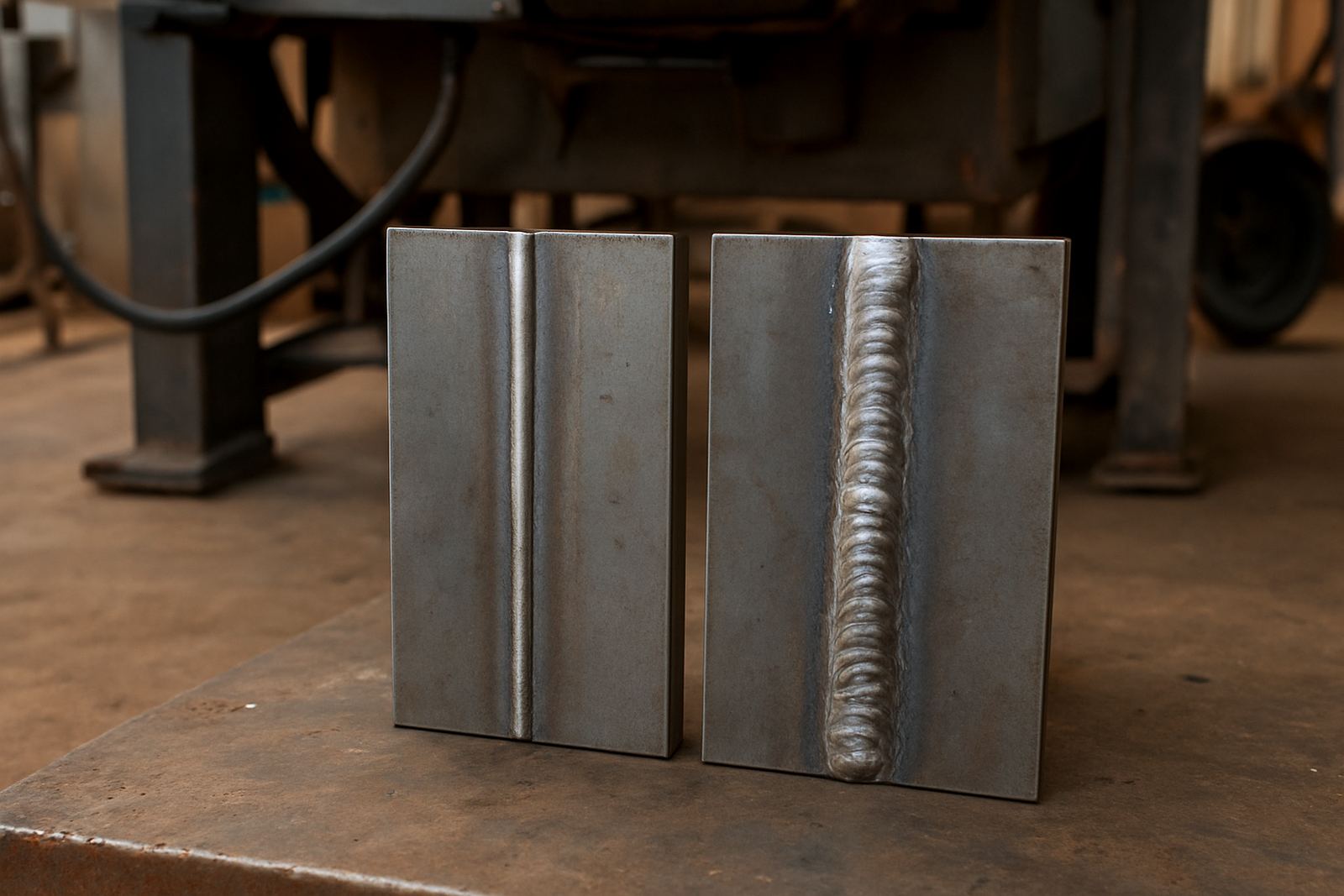
When the repaired area is visible, finish becomes more than just appearance. It affects how much grinding, blending or re-machining is needed afterwards. Laser welding is often chosen for jobs where the repair must stay neat and localised, such as fine edges, small chips, surface damage and detailed mould features. Because the bead is smaller, the final tidy-up is often shorter.
TIG can also produce a clean finish in skilled hands, but it normally leaves a wider weld profile. That is not a problem on many fabrication jobs, yet on precision parts it may mean more hand finishing. For companies in Jet Park, Pretoria East or Centurion that need parts back in service with minimum interruption, the decision often comes down to how much finishing time the job can spare.
If the part will be machined after welding, both processes can work. If the weld itself must already be tidy and controlled, laser normally has the edge.
Repair suitability: when to choose laser and when to choose TIG
There is no single winner for every repair. Laser welding is usually the better choice for precision parts, thin sections, crack repair on fine components, mould and die work, and part restoration where you want to protect the base metal. It is also useful on jobs with repeated small repairs because the setup can be focused on consistency and detail.
TIG is often preferred for bigger repairs, structural fabrication touch-ups, parts with wider access, and jobs where a stronger build-up is needed over a broader section. It is also useful when the component is already removed from production and there is room for more heat and dressing afterwards. A good workshop will not force one process into every job, because that normally costs more in the end.
- Choose laser for fine cracks, thin parts and detail repair
- Choose TIG for wider build-up and open access jobs
- Ask what finish, size tolerance and turnaround the part really needs
A Pretoria example from a working job-shop
Take a local example from a Centurion manufacturer with a worn stainless component used in a machine line. The part had a small edge break that was causing repeated alignment issues. TIG could have repaired it, but the amount of heat needed would have meant more finishing and a bigger chance of pulling the edge out of shape. Laser welding allowed the damaged section to be rebuilt with far less movement, so the part could go back into service with minimal machining.
That kind of decision is common across Gauteng, especially where downtime costs more than the repair itself. If a client needs a batch handled through the workshop, or a courier job collected from Midrand and returned after repair, the chosen process has to suit the part and the schedule. In many cases the question is not which process is better in general, but which one protects the component and gets it working again with the least fuss.
How to brief a welding job so the right process is chosen
When you send a part for assessment, give as much practical detail as you can. Mention the material, whether the part is thin or thick, if it must still fit a mating component, and whether the repair area is visible or hidden. Photos help, but a physical sample is better when the fit is critical. If there is an existing drawing or sample part, include that too.
It also helps to say whether the job is a once-off or a batch, and whether you need courier collection anywhere in South Africa. For municipal or plant work, let the workshop know if there are any site restrictions, contamination concerns or timing limits. The more accurate the brief, the easier it is to match the repair method to the job. And if you are comparing laser and TIG for the same part, ask for the reasoning, not just the price, because the cheapest answer is not always the one that lasts.
For precision work in Pretoria and nationwide job-shop repairs, the right process should be chosen on fit, finish and real service life. That is where experience counts, and that is often the difference between a repair that holds and one that comes back in a week.