What actually slows an urgent repair down
Most delays on urgent laser welding jobs happen before the torch is even on. Missing measurements, unclear damage photos, dirty surfaces and no confirmation of the base material can all add hours. In a job-shop setting, those hours matter because the technician has to stop, test and sometimes rework the setup before the repair can begin.
At our Centurion workshop, the quickest turnaround usually starts with a good first handover. If a client can tell us the part name, material, thickness, how it failed and what the part must do after repair, we can plan the right sequence. That means less back and forth, less waiting for approval and fewer surprises when the part is on the table.
- Send clear photos from more than one angle
- Share dimensions in millimetres
- Say whether the part is stainless, aluminium, tool steel or another alloy
- Explain if the part must be machined, polished or assembled after welding
Preparation on your side saves more time than you think
Many urgent repairs are delayed by poor prep rather than the weld itself. Oil, paint, rust, coolant residue and old filler can affect heat control and weld consistency. If a component arrives cleaned and labelled, the team can move straight to inspection instead of spending the first part of the day on surface work.
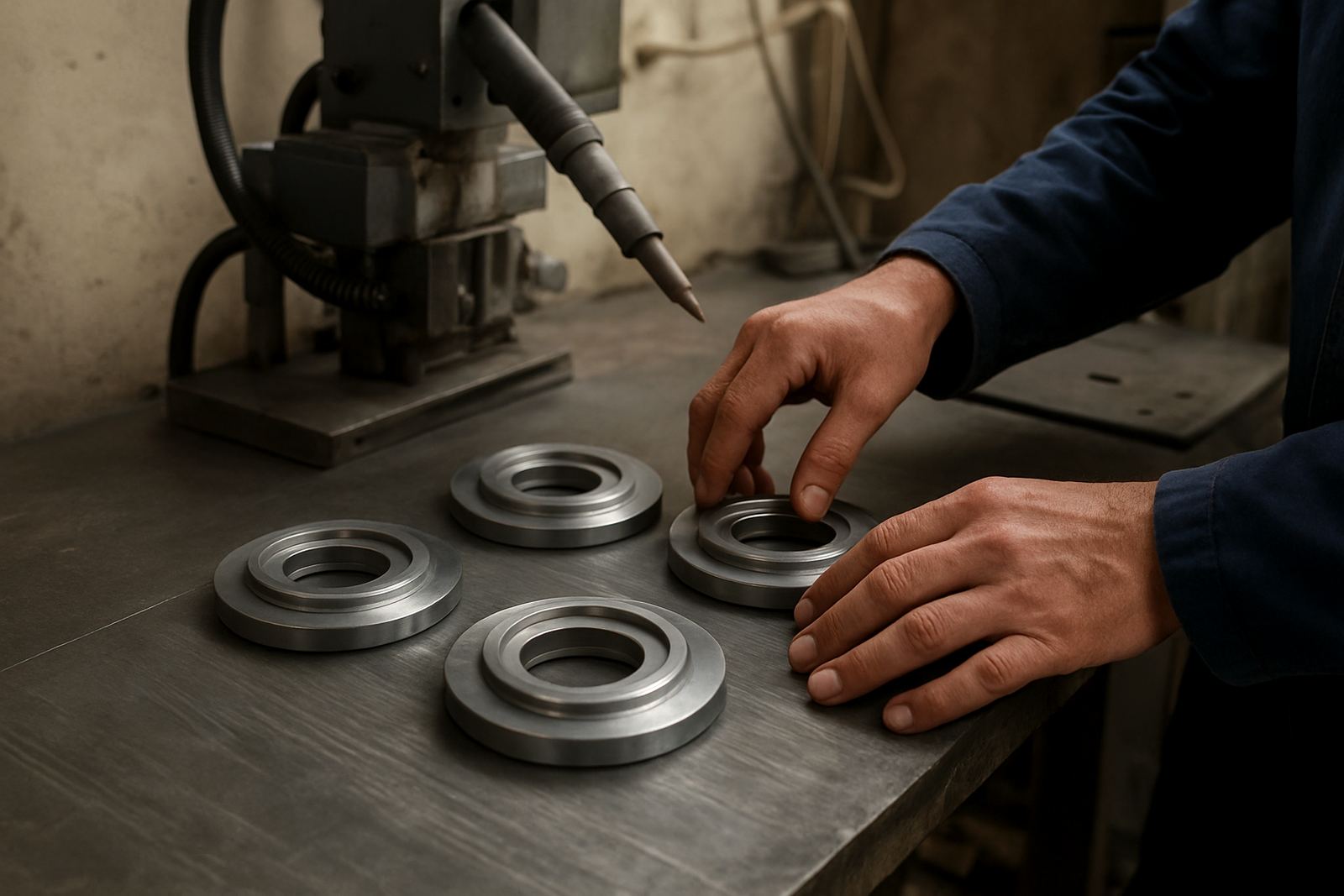
For precision parts, it also helps to remove anything that is not needed for the weld. Bearings, seals, plastic inserts and sensitive electronics should come off before courier drop-off where possible. On tight turnaround work, that kind of prep can cut the total job time by a meaningful margin. It also reduces the chance of heat damage to nearby features.
- Clean the part with a non-contaminating solvent if safe to do so
- Pack broken edges so they do not chip in transit
- Mark the repair area with tape or chalk if needed
- Keep matched parts together when alignment is important
The right information lets the workshop plan correctly
Urgent does not mean guesswork. A repair can only be fast if the workshop knows whether it is a crack repair, edge build up, part restoration or a thin section weld. Each one needs a different approach. If a mould corner needs rebuilding, for example, the technician may need to control heat in a very small zone. If a shaft has a fractured lip, the team may need to balance strength with final size tolerance.
Good communication also helps with prioritisation. A part that is holding up production in Rosslyn or a machine changeover in Jet Park may need a different slot from a non-critical spare. When the urgency is explained clearly, the workshop can plan the sequence around actual downtime, not just the wording on a message.
The same applies to nationwide courier jobs. If a part is leaving Durban, Bloemfontein or Polokwane, the courier cut-off time and return route must be considered before the repair starts. That way the work is not finished late in the day only to miss the collection and sit for another 24 hours.
Quality control should happen before the part leaves the bay
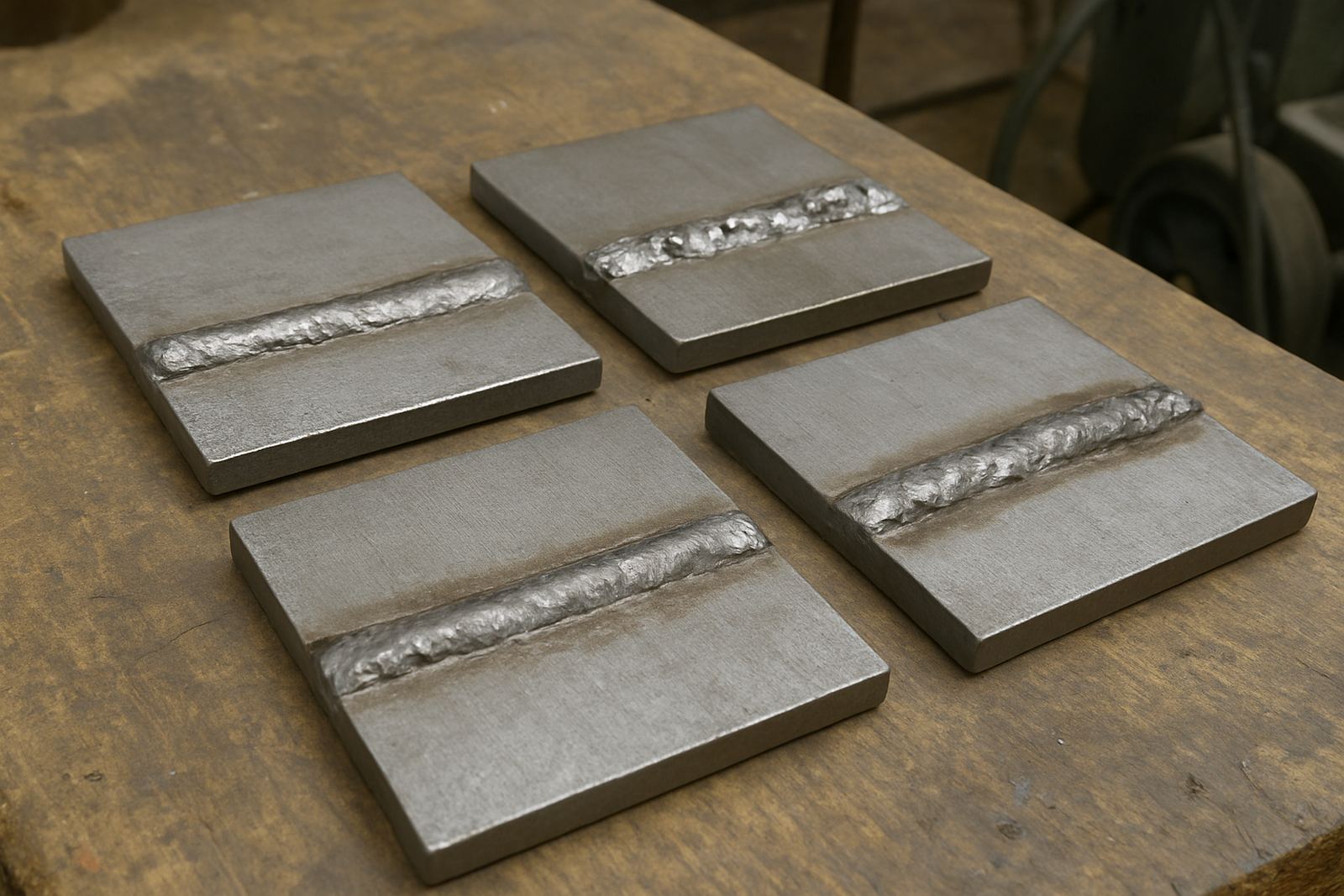
Speed is useful only if the repair holds up. The most reliable urgent jobs still include inspection, measurement and finish checks before dispatch. That means looking at the weld bead, checking for distortion, confirming the repaired dimension and making sure the part is fit for its next step whether that is machining, assembly or direct use.
On repeat work, it helps to keep a record of what was done. Notes on heat sensitive sections, filler choice and any post-weld finishing save time on the next urgent call-out. Over time, those records reduce the number of trial runs and help the team keep turnaround tight even when load-shedding or courier delays put pressure on the schedule.
- Check repaired dimensions against the original drawing or sample
- Inspect for undercut, porosity or incomplete fusion
- Confirm the part is cool enough for handling and packing
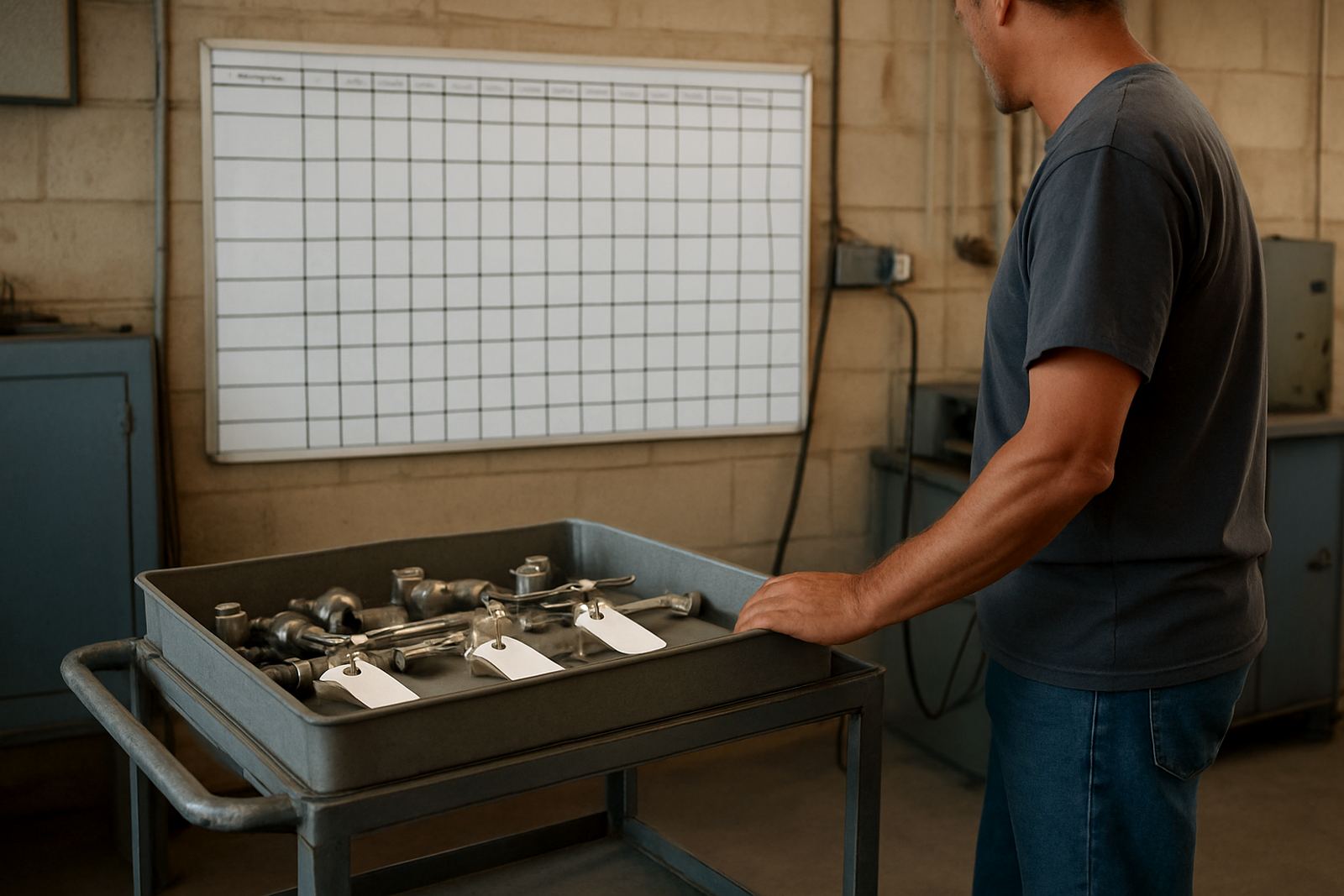
- Label the job clearly for collection or return courier
Local example: a mould insert in Centurion that could not wait
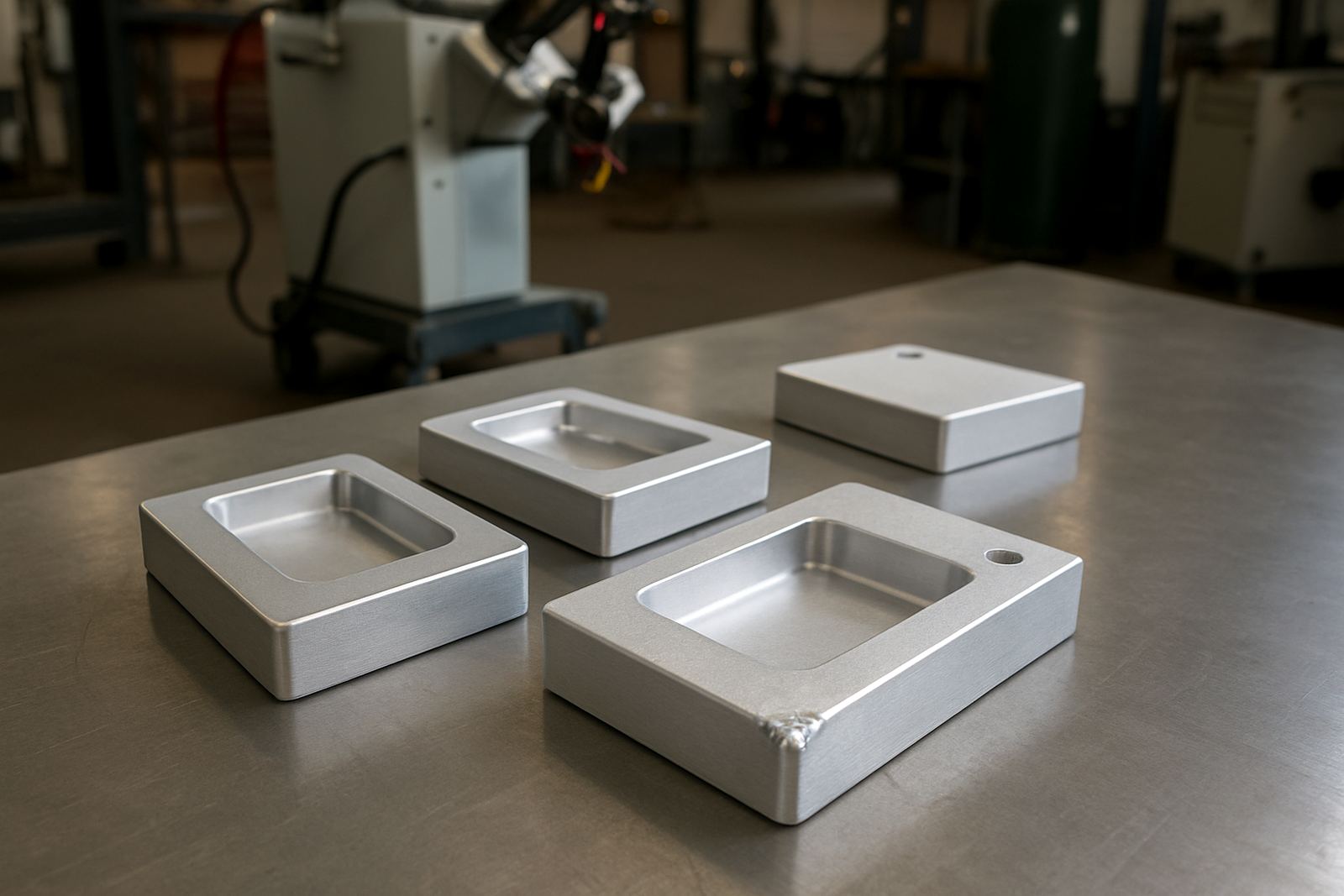
A common urgent case is a mould insert with a chipped edge that stops production. In one Centurion job, a client needed a small insert back in service before the next shift because the line was waiting on a repeat run. The part was couriered in after lunch with clear photos, a marked damage zone and a sample measurement.
Because the damage was explained well, the team could assess the repair path quickly and start same-day work. The insert was cleaned, the edge was built up in a controlled way and the final profile was checked before release. The client could get it back without chasing multiple updates. That kind of turnaround depends on practical details, not shortcuts. It is quicker when everyone knows what matters and what does not.
In Pretoria East and Midrand, we see the same pattern with worn fixtures, cracked brackets and thin stainless parts. The urgent jobs that move fastest are usually the ones where the client has already done part of the admin before the part reaches the workshop.
How to help an urgent job move faster from first call to collection
If you want a repair done quickly and properly, the aim is to remove uncertainty early. A short call or message can save a lot of waiting later. Share the part type, failure point, material, quantity and the deadline. If there is a drawing, send it. If the part must survive heat, vibration or corrosion, say so up front.
For coastal jobs, mention salt exposure or humidity. For industrial sites, note whether the part sees chemical wash-down, dust or repeated impact. These details matter because the repair has to last in the same conditions that caused the failure in the first place. A fast fix that fails again is no fix at all.
- Tell us when the part is needed back, not only that it is urgent
- Say whether one-off or batch work is involved
- Include your location for collection or courier planning
- Confirm any post-weld machining or fitting required
When the brief is clear, urgent repair work can move at a proper pace without cutting corners. That is the balance that keeps production going and avoids repeat downtime.