Why aluminium repairs need a careful hand
Aluminium is common in machinery housings, pumps, brackets, covers, frames and castings, but it behaves very differently from mild steel. It pulls heat away fast, it oxidises quickly, and many parts carry oil, paint or old repair material in the crack line. That is why a simple weld often turns into a warped part, a porous bead or a repair that fails again soon after the job is put back into service.
Laser welding helps because the heat can be kept tightly focused. That matters when you are dealing with thin wall sections, small locating faces or machined edges that must stay true. In a workshop job, the aim is not only to join metal, but to keep the part usable without turning a repair into a bigger machining problem later.
What aluminium parts can often be saved
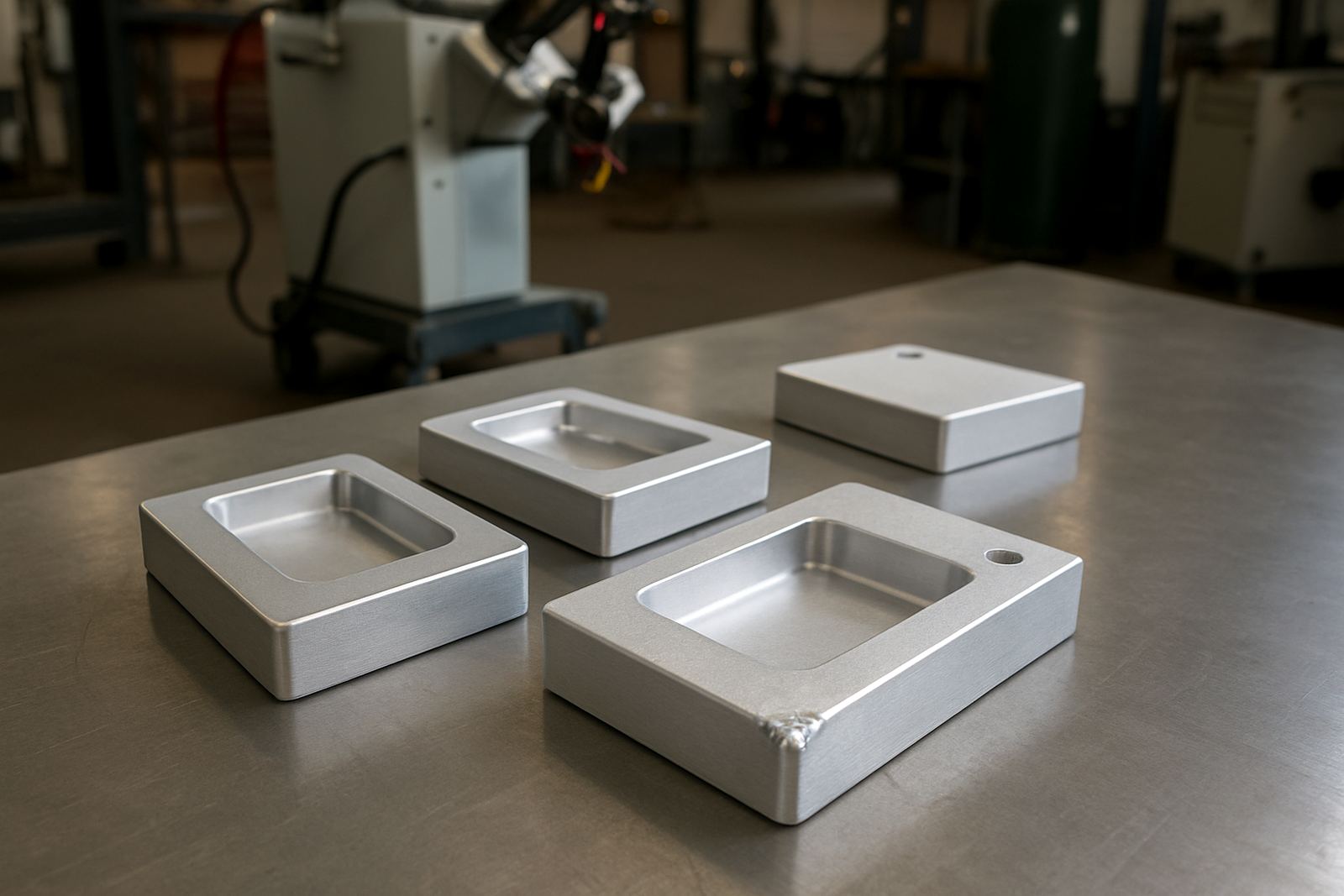
Not every damaged aluminium component should be scrapped. In many cases, a clean crack, a chipped corner, worn thread area or broken lug can be rebuilt and machined back to size. The best candidates are parts where the base material is still sound and the damage is local rather than across the full section.
- Engine covers, gear housings and machine guards with local cracks
- Cast brackets, mounts and flanges with broken edges
- Precision parts with worn sealing faces
- Thin aluminium sections that cannot tolerate heavy welding heat
- Prototype parts that need a correction before full production
For a plant in Centurion or Rosslyn, that can mean getting a part back into service without waiting for a full replacement import or a long machine shop turnaround. On urgent breakdown work, that time saving can be the difference between a short stop and a full shift lost.
The main challenges with aluminium castings and sections
Cast aluminium is often the hardest to repair because the material can hold contamination deep in the surface. Old oil, coolant residue and internal porosity can show up once the heat goes in. Some castings also have mixed alloy content, which means the technician must read the part carefully before committing to the repair. If the wrong approach is used, the weld may look acceptable but crack during cooling or after machining.
Thin sections bring another set of risks. They can collapse at the edge if too much energy is applied, and they can distort fast if the clamping is poor. A good repair starts with stripping the damaged area, cleaning back to clean metal and checking whether the part is still structurally worth repairing. In many cases, the answer is yes, but only if the prep work is done properly.
Local conditions matter too. In Gauteng, dust from workshop floors and dry air can affect cleanliness during prep. Near the coast, humidity can leave oxide and surface contamination more quickly, so parts coming in from Durban, Gqeberha or Richards Bay often need extra cleaning before repair begins.
How laser welding helps control heat, fit and finish
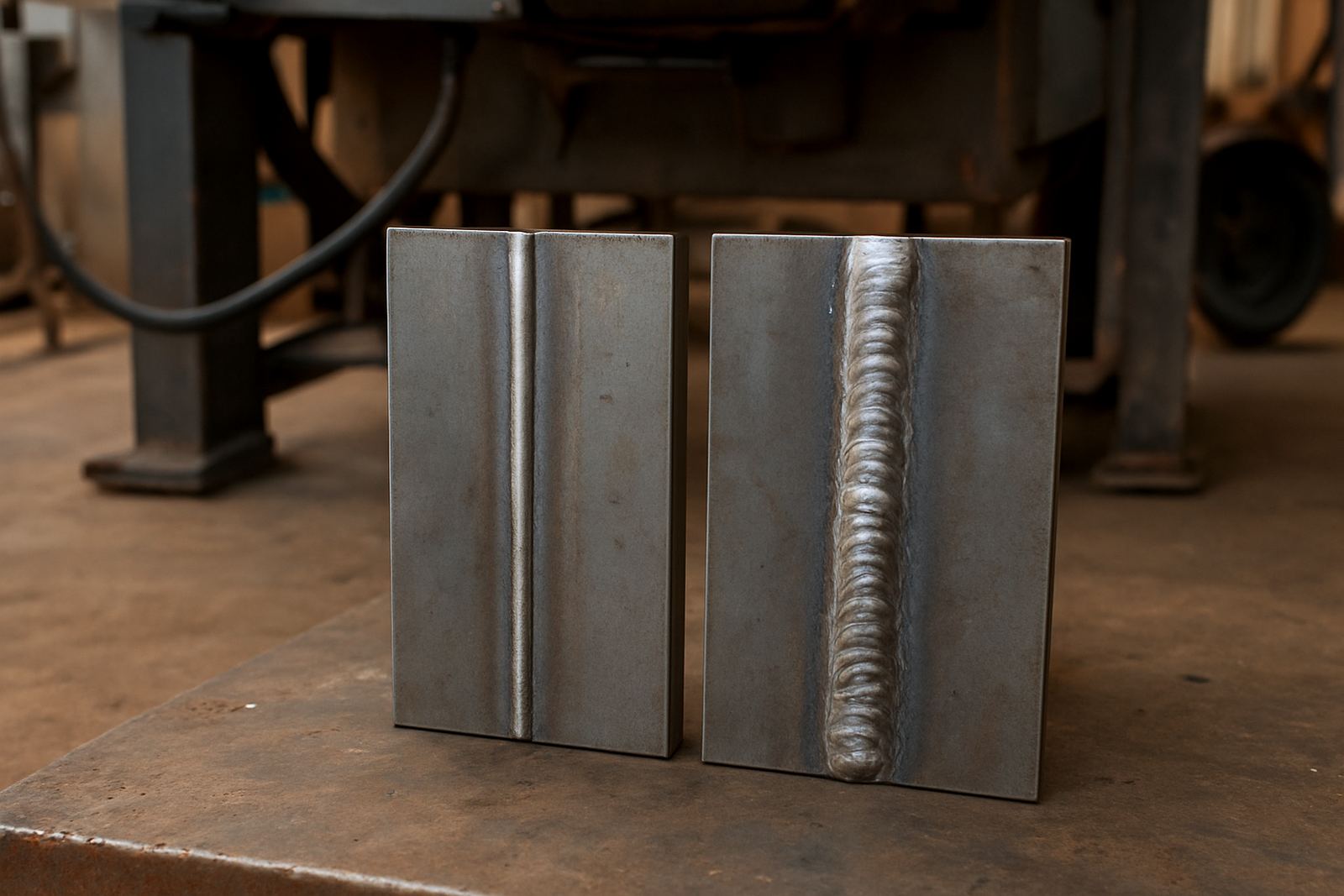
Laser welding is especially useful where the part has to keep its shape. The concentrated heat input helps limit the area that softens or pulls out of line, which is important on machined aluminium parts with close tolerances. It also gives better control when building up a worn edge or restoring a small section near a thread, seal face or locating shoulder.
That control does not remove the need for skill. The part still has to be prepared, positioned and checked carefully before and after the weld. But for many repair jobs, laser welding reduces the amount of rework needed afterwards. Less distortion means less time on the mill or lathe, and in a job-shop setting that can keep the overall cost under control.
- Less heat spread into the surrounding metal
- Lower risk of warping on small or thin parts
- Better control for local build-up and crack stops
- Cleaner repair zones for later machining or finishing
A practical Pretoria example from a breakdown job
A Centurion client recently brought in an aluminium housing from a production line near Pretoria East. A mounting ear had cracked away from the body after repeated vibration and the machine was down. The part was too specific to replace quickly, and the fixing face had to stay accurate for the unit to run true again. After inspection, the damaged section was cleaned back, the crack was fully prepared and the missing area was rebuilt in controlled passes.
Once the repair cooled, the face was checked, then the part was sent for finishing to bring it back to size. The key was not speed alone, but keeping the repair local and avoiding extra movement in the housing. For factories in Rosslyn, Jet Park or Midrand, this kind of work is often the difference between a practical repair and a full change-out that costs more time and Rand.
What to do before sending an aluminium part for repair
The best results usually start with good information. If you can, send photos of the damage, note the machine or application, and let the workshop know whether the part is cast, machined or extruded. If the component carries oil, paint or sealant, mention that too. A cracked part that has been cleaned once is very different from one that still has contamination deep in the crack line.
It also helps to think about what the part must do after repair. Does it need to hold pressure, carry load, keep alignment or simply close a gap? That changes how the job is approached. For some parts the aim is full restoration, while for others the goal is to make the component serviceable again with minimal downtime.
- Remove loose dirt, grease and heavy paint if possible
- Identify the material type or the machine it came from
- Tell the workshop if the part is under pressure or load
- Let the team know if there are tight tolerance faces or threads
Why local job-shop support helps across South Africa
Repairing aluminium parts is often about timing. A small component can stop a bigger line, and waiting for a replacement can affect production, transport and labour costs. Having a Centurion base with nationwide courier work helps when a client in Pretoria, Polokwane, Bloemfontein or Cape Town needs a precise repair without sending the whole assembly offsite. It also suits batch work, where several similar parts need to be repaired in one run rather than one by one.
Laser Welders Jobshop handles precision laser welding, crack repair, edge build up, mould and die work, thin section welding, stainless repairs, aluminium repairs, part restoration, prototype joining and batch jobshop welding. For aluminium, the real advantage is controlled repair on parts that still have value. If the component can be saved properly, the job often pays for itself in reduced downtime and avoided replacement costs.
When an aluminium part matters to production, fit or safety, the repair method should match the job. That is where careful preparation, clear assessment and controlled welding make the difference.