


How To Use These Guides For Real Workshop Decisions
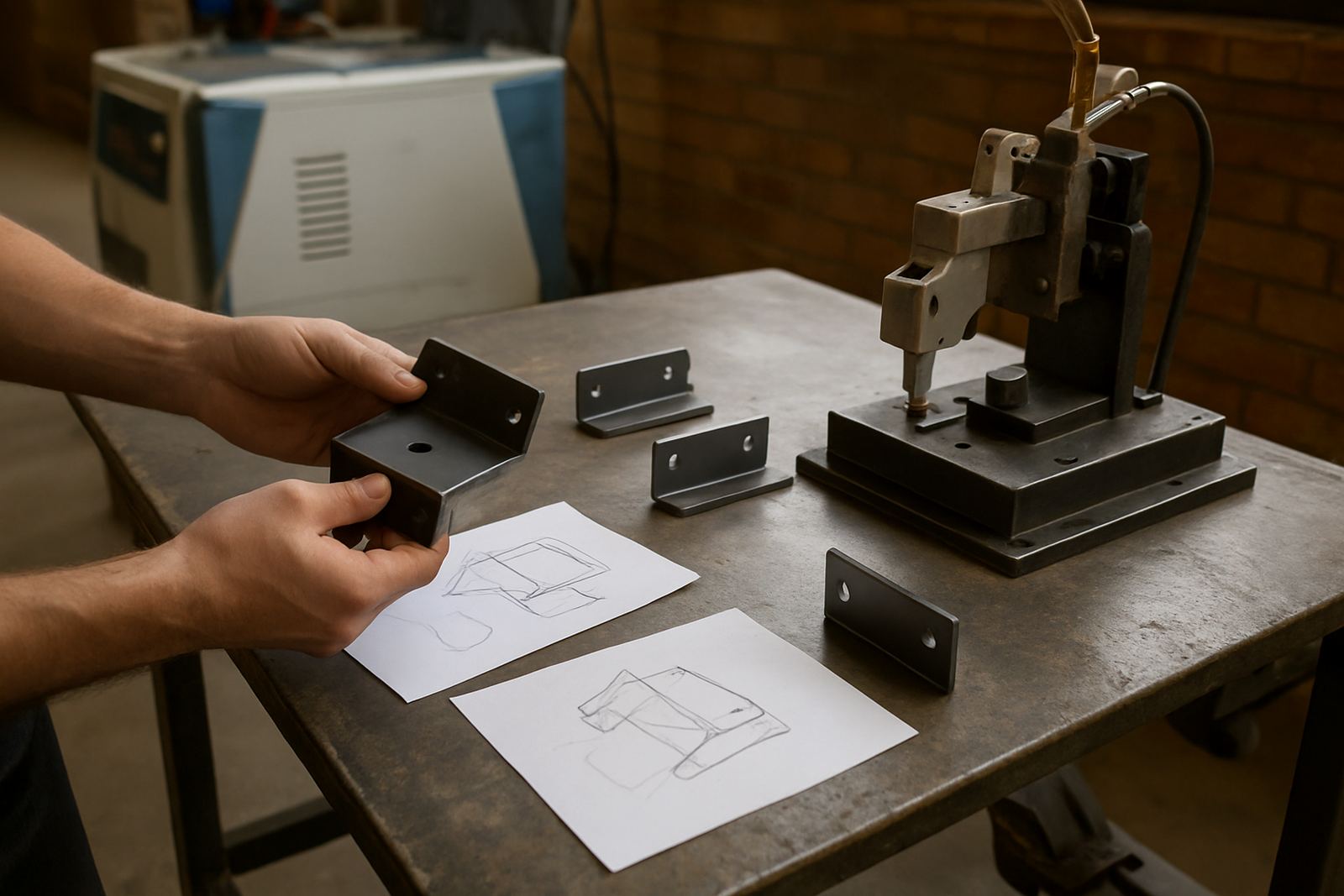
Start with the part, the metal and the fault. A cracked mould, a worn stainless edge and a thin aluminium bracket all need a different approach, even if they look like simple repairs at first glance. These guides help you work out what can be laser welded, what needs build-up first, and where careful prep will save time later.
If you are managing a plant in Centurion, a maintenance stop in Rosslyn or a couriered repair from Durban or Gqeberha, the aim is the same: get the part back in service without needless rework. The notes below support practical calls around heat input, access, finish quality and turnaround. It is a workshop tool, not a sales pitch.
Matching The Guide To The Job Type
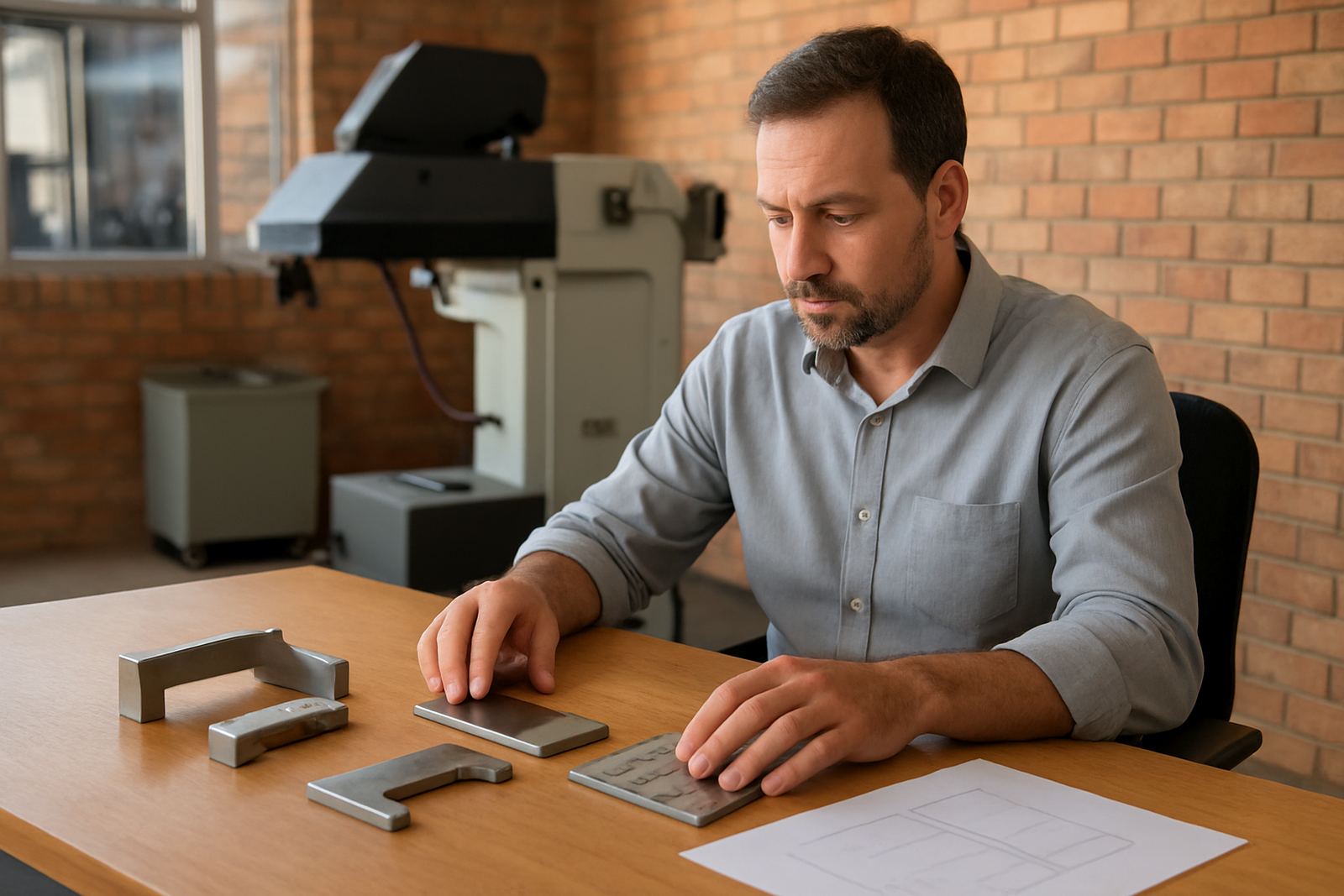
Some jobs are one-off repairs, others are repeat batches, and some sit somewhere in between. Use the guide that fits the work pattern so you do not over-specify a simple crack repair or under-specify a batch of precision parts.
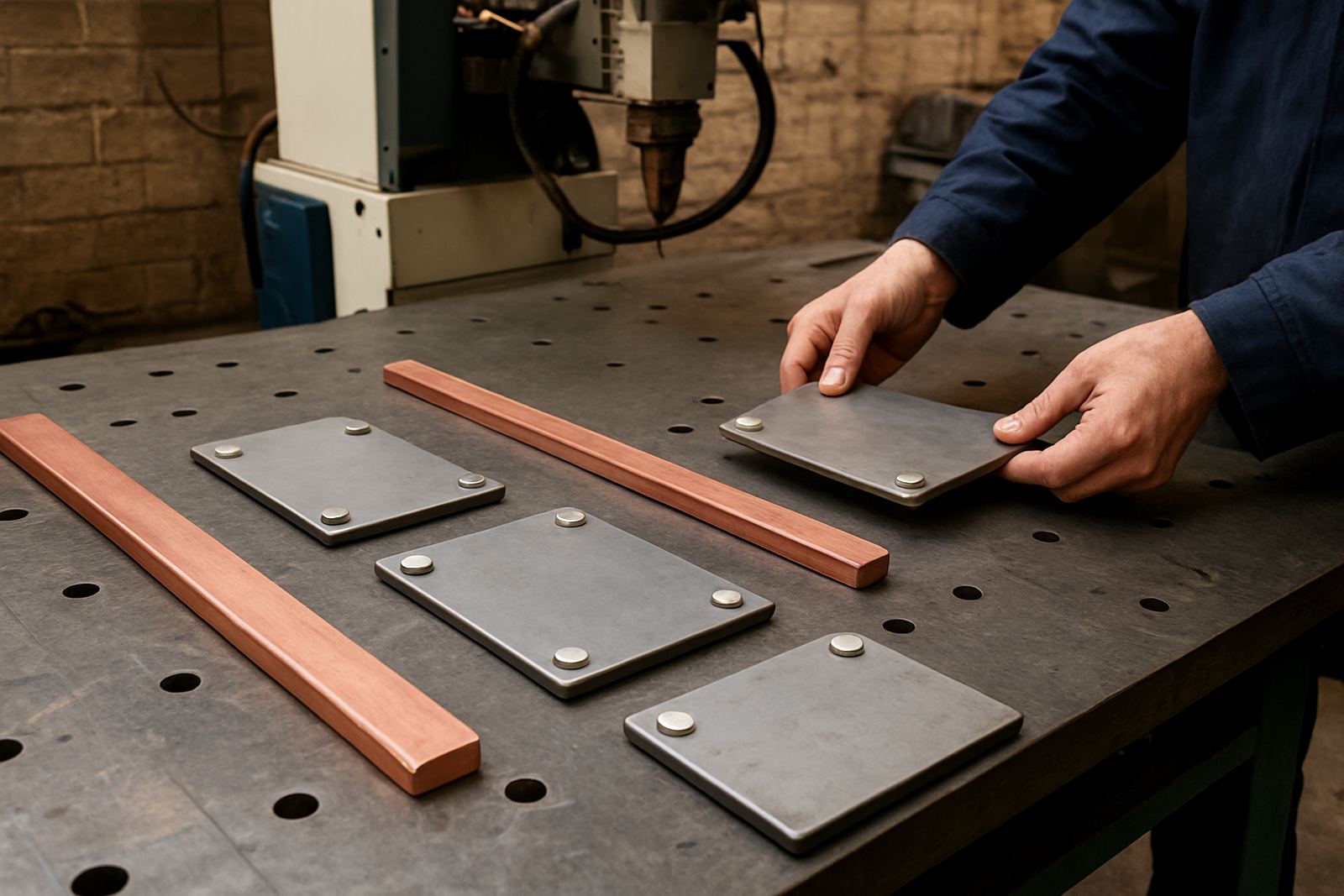
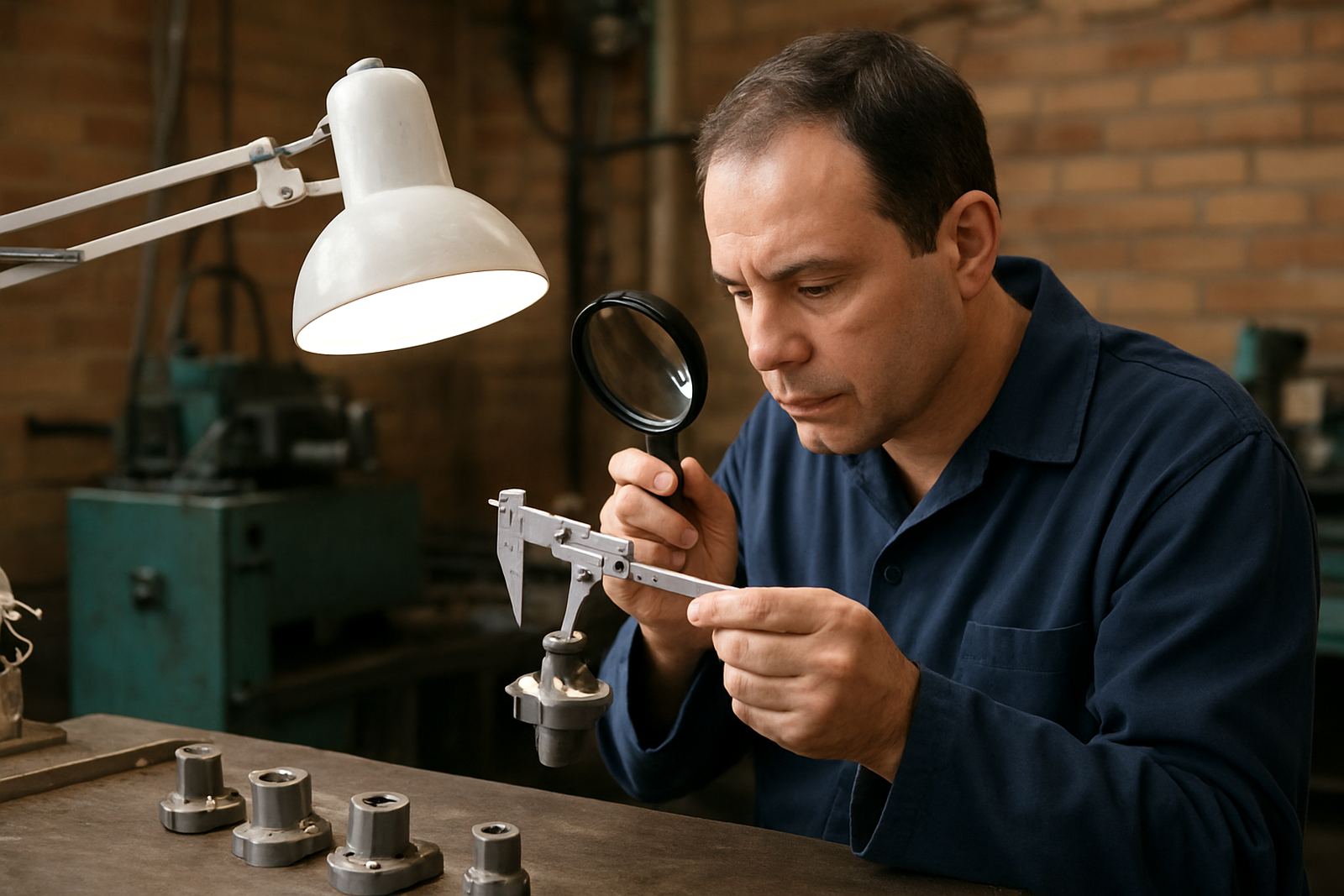
- Precision welding for tight tolerances, small features and visible surfaces.
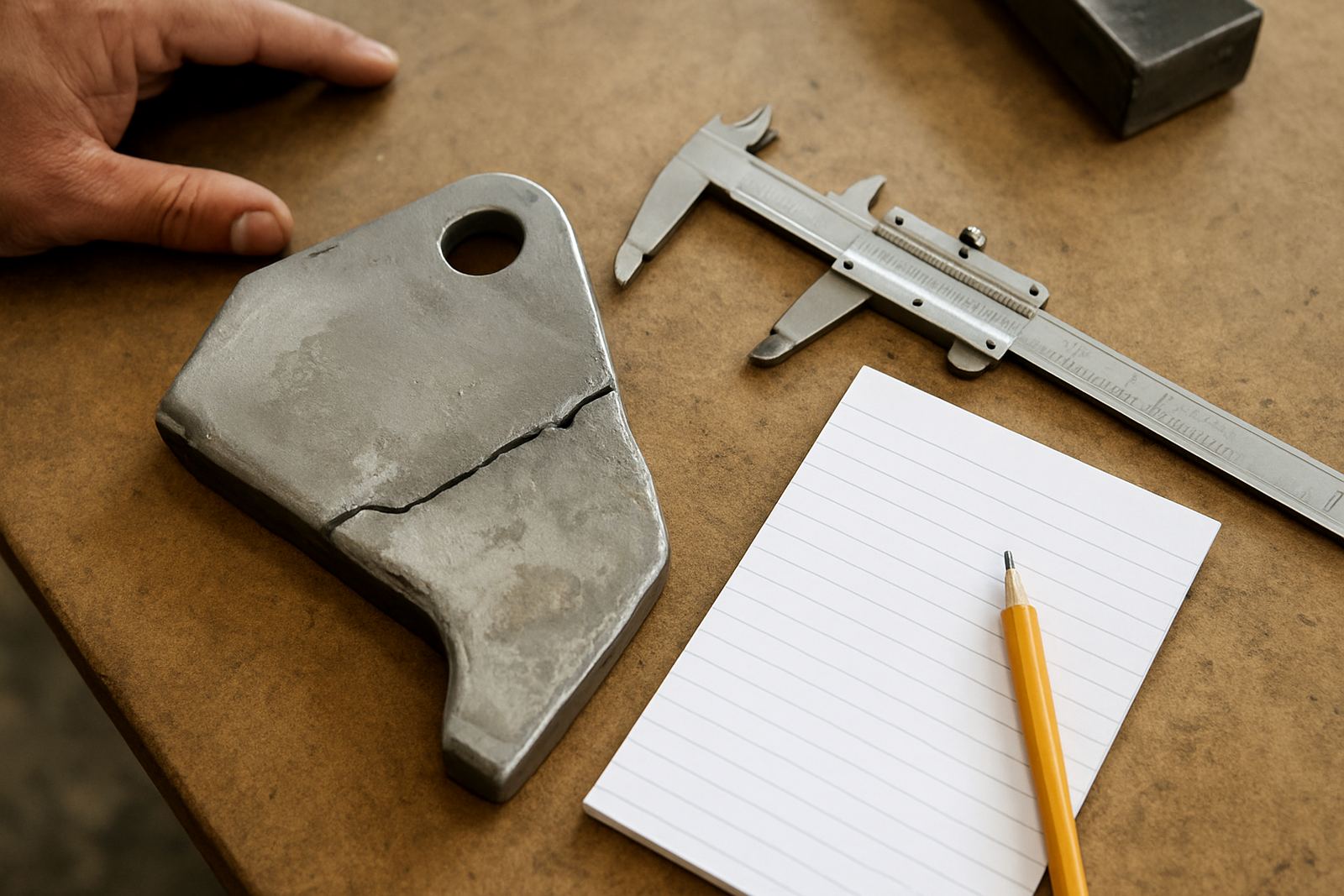
- Crack repair for fatigue lines, chipped edges and local damage on serviceable parts.
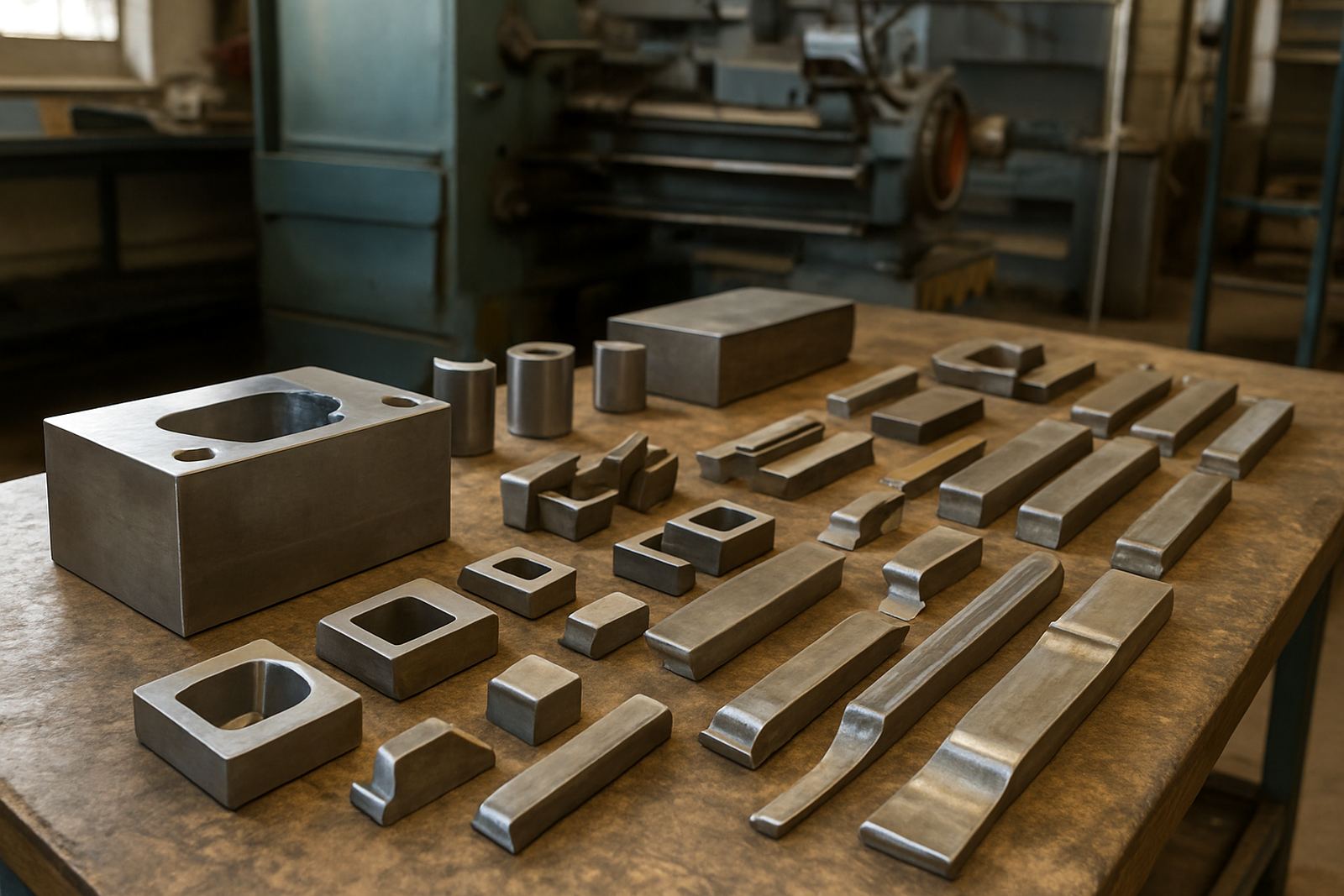
- Edge build-up where material has worn away and the profile must be restored.
- Part restoration for worn components that are expensive to replace or slow to import.
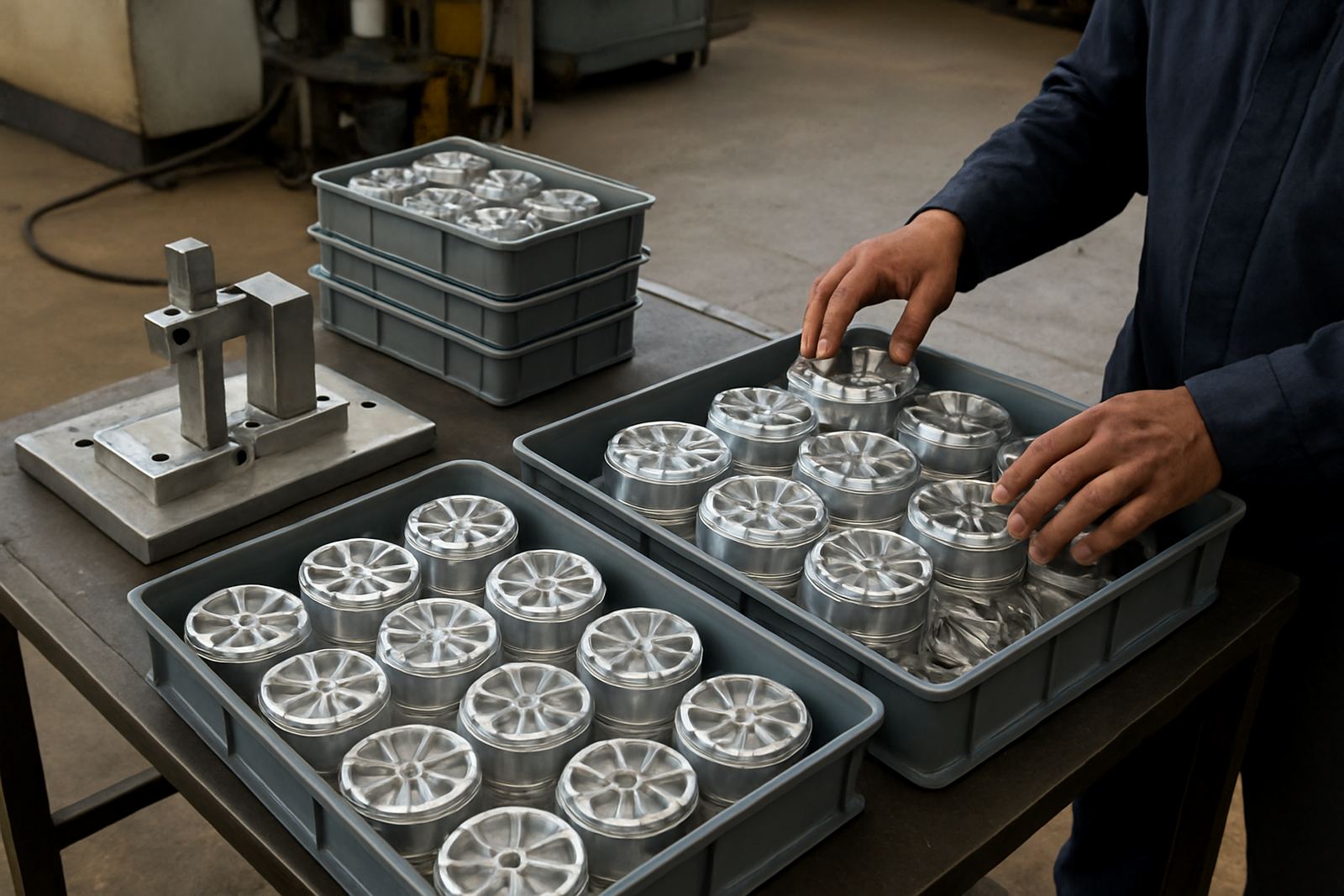
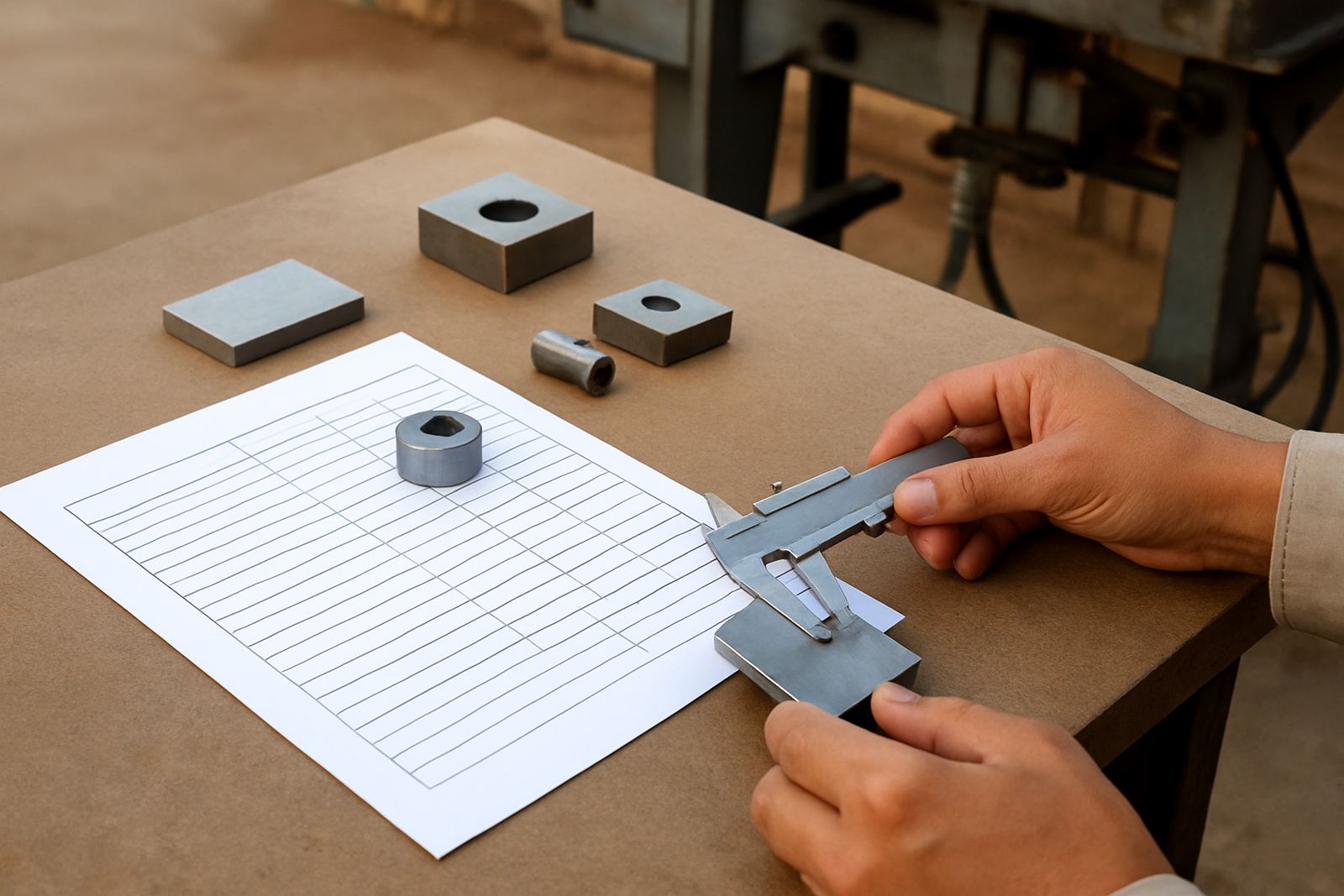
- Batch jobshop welding for repeat items where consistency matters across the full run.
What To Check Before You Send A Part
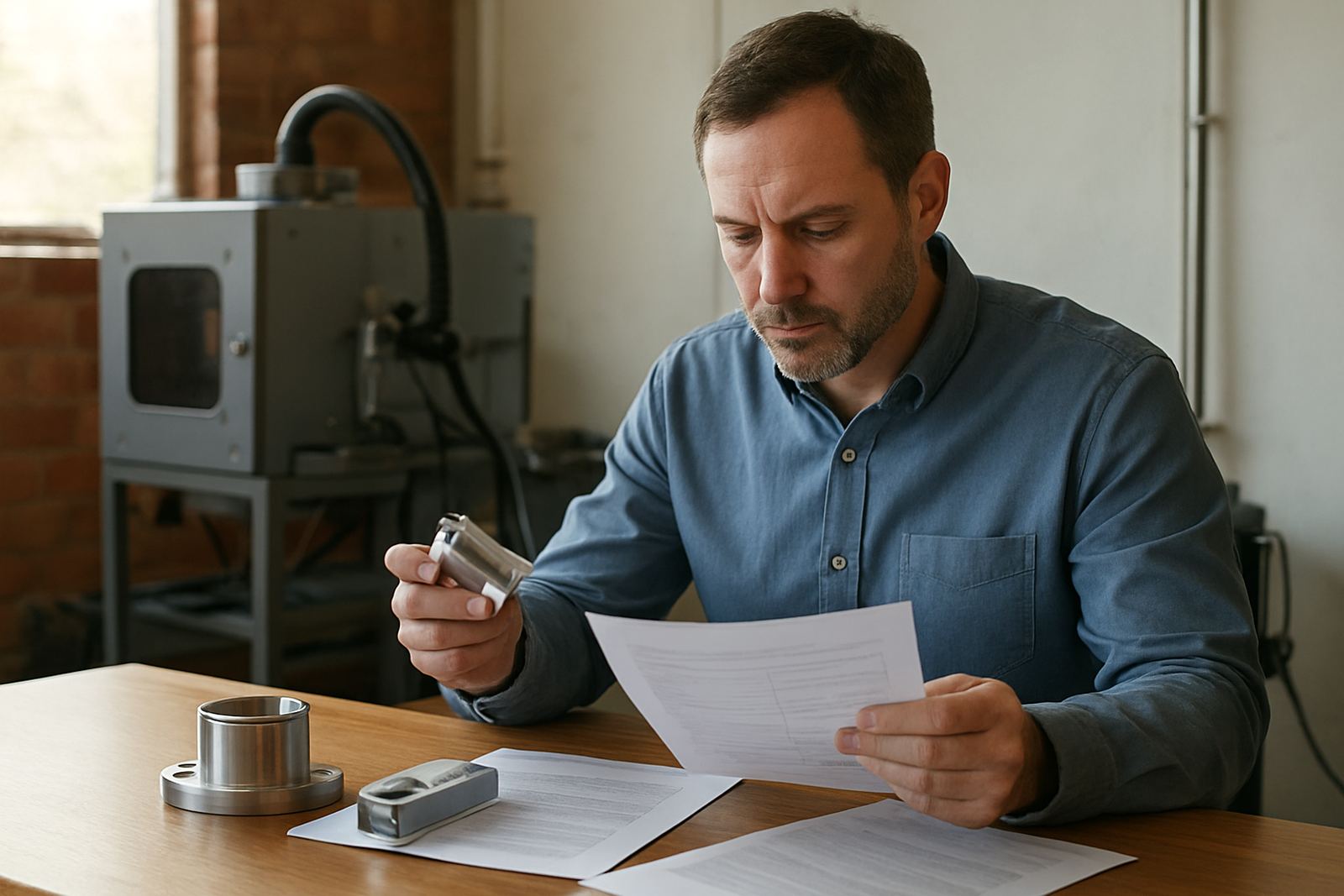
A good brief prevents delays. Include clear photos, dimensions, the material type if known, and whether the part must be machined, coated or assembled after welding. If the item comes from a humid coastal site, mention that too because corrosion and surface condition can affect prep.
- Is the part stainless, aluminium, tool steel or another alloy?
- Is the crack active, stable or caused by wear?
- Does the repair area need blending, grinding or final machining?
- Can the part tolerate heat, or must distortion stay very low?
- Is there a deadline linked to shutdowns, load-shedding or machine downtime?
For some jobs, a sample or matching off-cut helps the technician set up the right approach first time. That small step can save a lot of back and forth.
Material Notes That Matter In South African Workshops
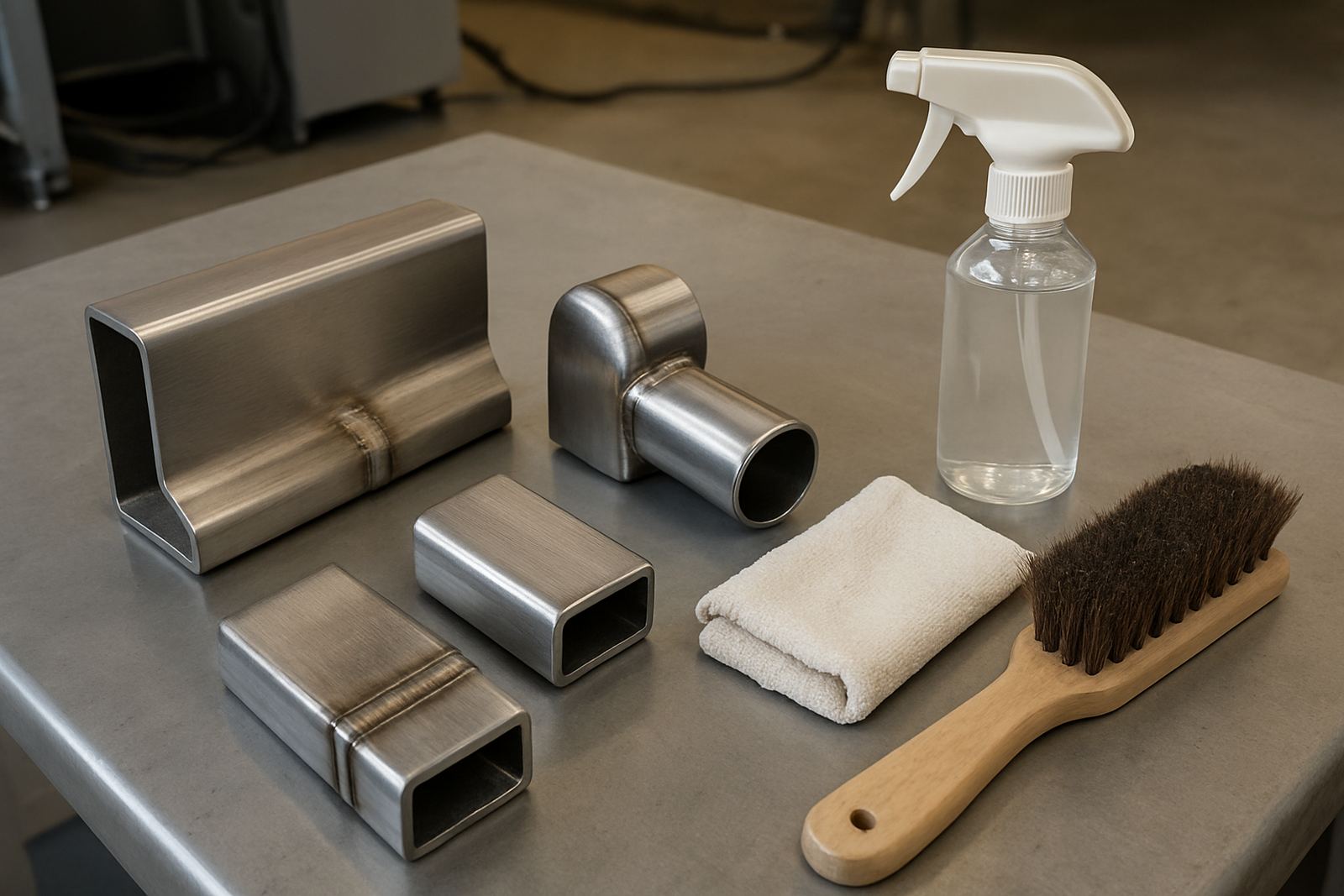
Different metals behave differently under laser welding, especially when parts are thin or already stressed. Stainless repairs often need clean surfaces and careful heat control. Aluminium can be trickier because oxide and thermal movement can make a neat repair harder than it looks. Mould and die work usually calls for accurate local repair with minimal disturbance to the surrounding section.
In Gauteng workshops, dust and handling marks are common. On coastal jobs, surface oxidation is often more aggressive. Knowing the environment helps the workshop choose prep steps and choose whether a repair is suitable as-is or needs extra cleaning before welding.
When Repair Beats Replacement
Many parts are not worth replacing if the worn area is local and the base material is still sound. That is where laser welding can make financial sense, especially on imported tooling, precision components and machines with long lead times. Repair is often the better choice when the geometry must remain true and the rest of the part is still in good condition.
It also helps with older equipment where drawings are missing or the original supplier is no longer available. In those cases the workshop is not just fixing metal, it is solving a supply problem as well.
Working From Centurion To Nationwide Collections
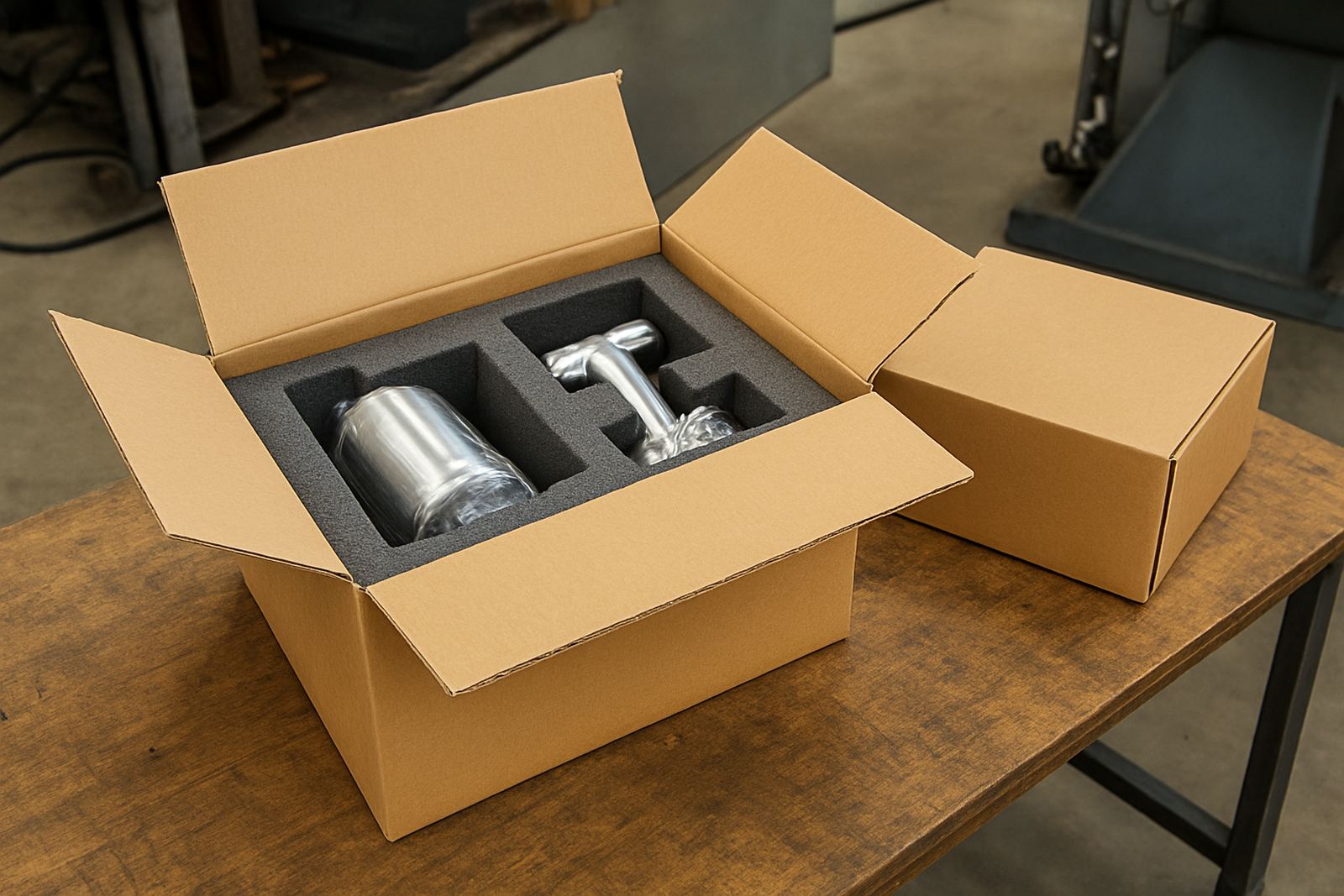
Laser Welders Jobshop runs from Centurion, Pretoria base with job-shop work across South Africa. That means local drop-offs from Midrand, Pretoria East, Jet Park and Rosslyn can be handled alongside couriered jobs from other provinces. The guide pages help you decide what to send, how to label it and what detail to include before the part leaves site.
Where timing is tight, the right brief helps the workshop plan around outages, machine stoppages and municipal operating windows. For buyers and maintenance teams, that makes the repair process simpler and the result easier to sign off.