Start With A Clear Batch Welding Brief
Good batch work begins before the first part reaches the bench. For repeat laser welding on small production quantities, we need a clear brief that covers material type, part dimensions, drawing revisions, weld locations, and the quantity due in each run. If the job is for Centurion, Pretoria East, Midrand or a courier collection from elsewhere in South Africa, the same rule applies: the more detail you give upfront, the fewer interruptions later.
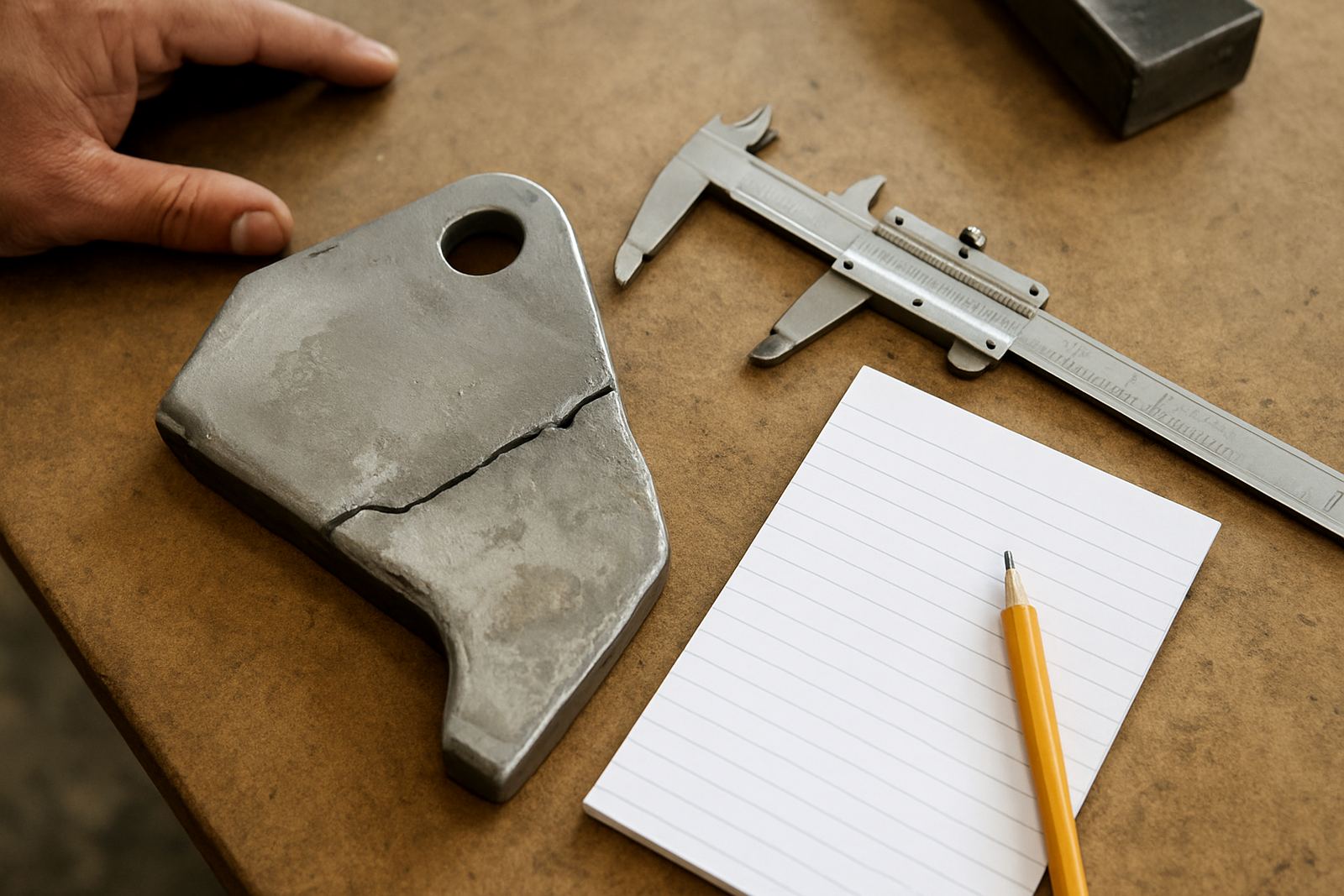
Where possible, send a sample part and note whether the batch is for repair, assembly, or part restoration. If the work involves thin stainless, aluminium, tool steel, or mixed components, mention it early. That allows the team to set the right fixture approach, laser settings, and inspection points before production starts.
- Confirm material grade and thickness
- State the quantity required and any split deliveries
- Mark critical dimensions and cosmetic areas
- Include drawing numbers, revision dates, or a sample part
- Tell us if the batch must suit heat-sensitive parts or coated surfaces
Sort Parts Before They Reach The Workshop
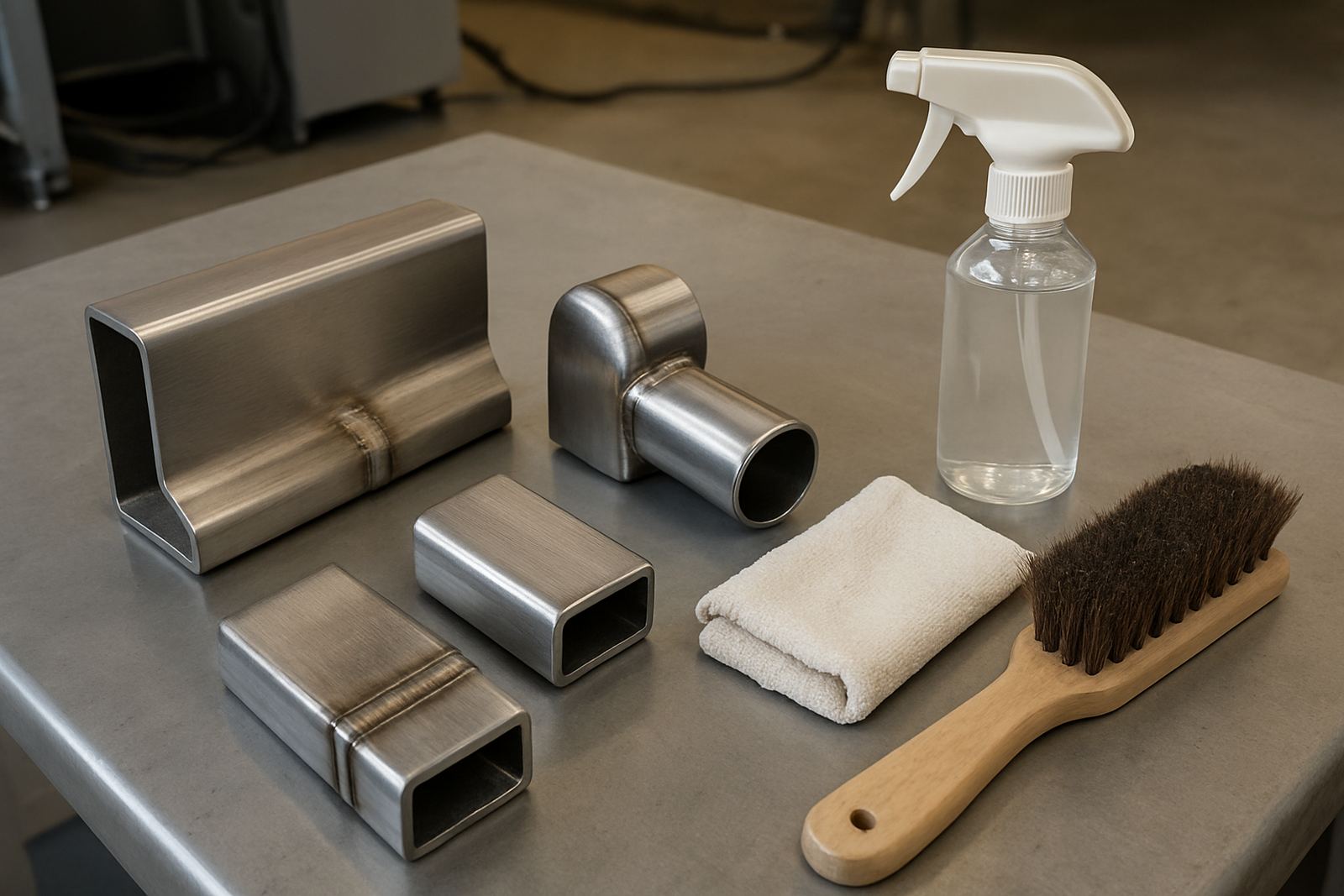
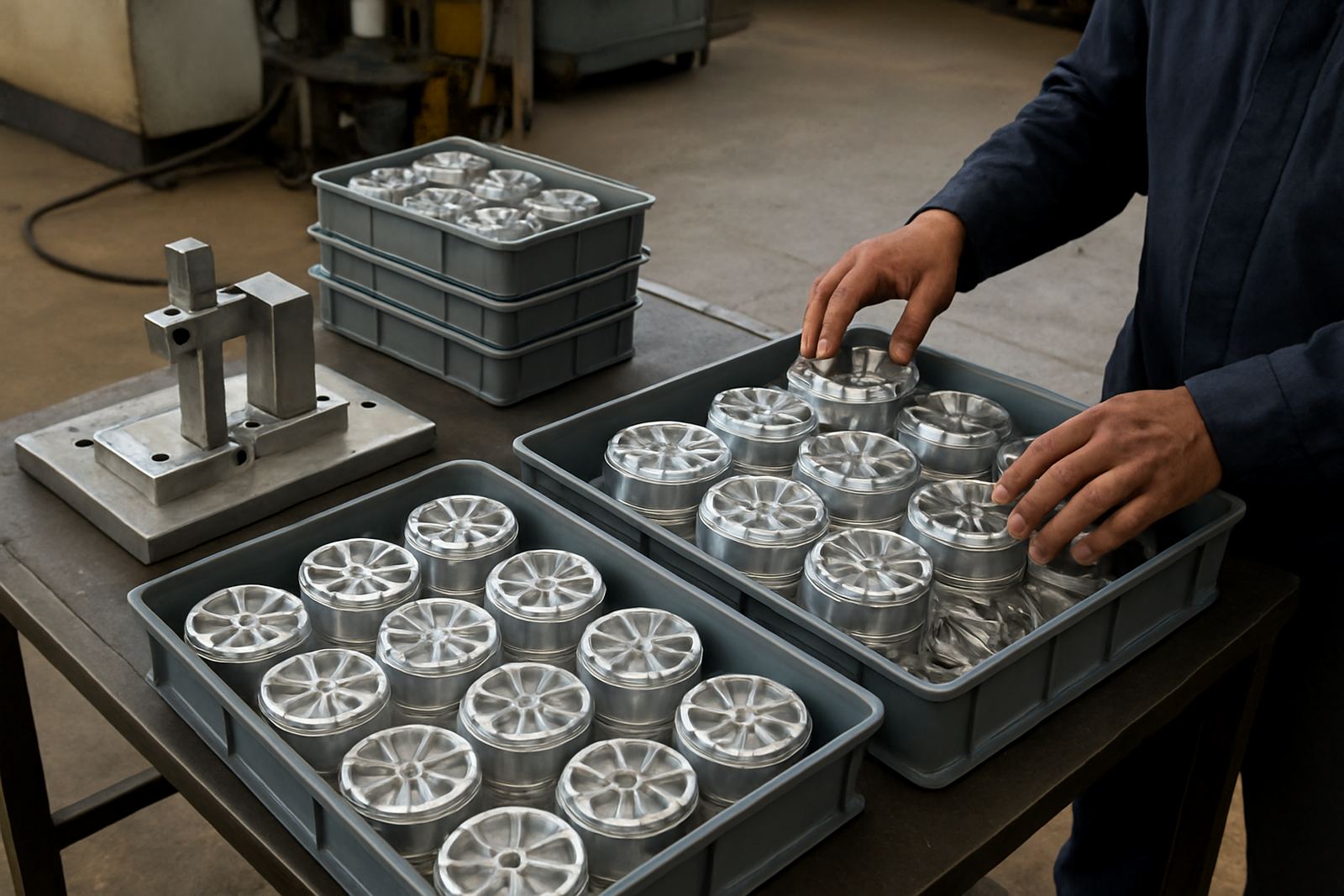
Batch welding runs best when parts arrive sorted and ready to handle. Mixed boxes cost time, and time adds cost on any job-shop floor. Separate good parts from damaged ones, clean away oil, dust, paint, plating residue, and loose scale, then package similar items together. In humid coastal conditions, light surface oxidation can appear fast, so sealed containers or dry packaging help preserve the fit-up.
For repeated jobs, keep one reference part aside as the master sample. That part should remain untouched and clearly marked. It helps the technician compare alignment, edge build-up, and finish from the first piece to the last. If a batch has handedness or orientation, label left and right clearly. It sounds simple, but it prevents crossed parts and wasted cycles.
- Use separate bags or bins for each part family
- Remove grease, swarf, and packing residue before delivery
- Label fragile, heat-sensitive, or finished surfaces
- Keep one master sample for comparison
- Mark quantity per container so counts stay accurate
Set Up Fixtures For Repeatability
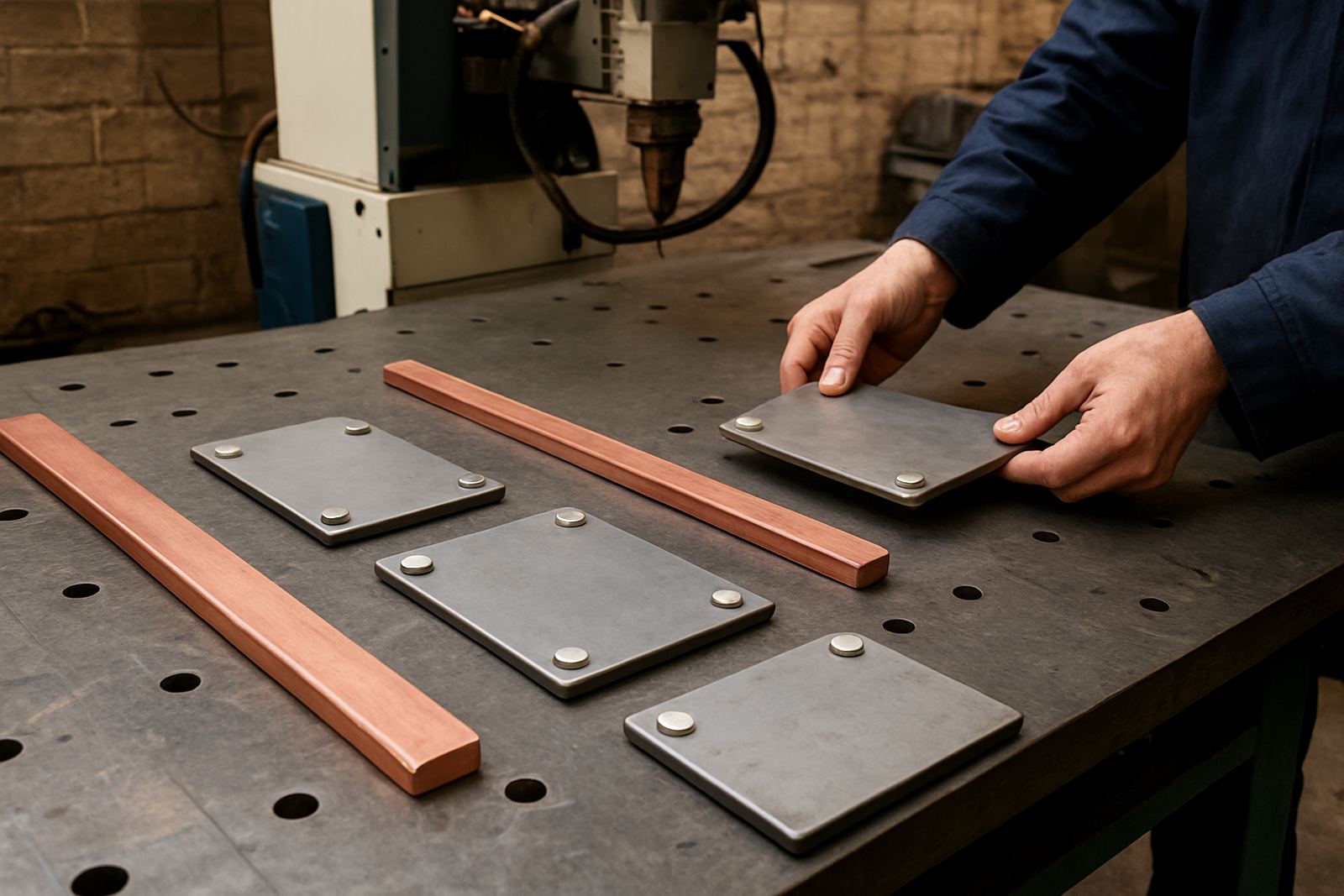
Repeat laser welding depends on consistent part location. A good fixture keeps each item sitting in the same position, so the weld sees the same gap, angle, and access every time. That matters even more on thin section welding, edge build up, and mould or die repair where a small shift can change the result. If the parts are small and the geometry is tight, a simple locating stop can save a lot of rework.
For higher volumes, we often recommend a dry run with two or three pieces before the full batch starts. This checks access, heat spread, and whether the clamp points are leaving marks in the wrong place. On load-shedding days or when power supply is unstable, planning the batch in logical sections also helps keep the run moving with less interruption. The goal is steady output, not rushed welding.
- Use stops, pins, or nests that locate the part the same way each time
- Keep clamp marks away from visible or critical areas
- Check fit-up with a trial run before full production
- Plan batches in manageable groups if the job is long
- Keep spares for fixtures, clamps and locating parts
Use The Right Welding Method For The Job
Not every batch needs the same treatment. Precision laser welding is ideal for small parts, fine repairs, crack repair, and jobs where heat distortion must stay low. For some batches, a light edge build up is enough. For others, the part may need restoration before finishing. We look at the job by function, not just by material, because a decorative repair and a working component do not fail in the same way.
If the batch includes stainless repairs, aluminium repairs, or prototype joining, it helps to note where the part will be used. Parts in plant rooms, food areas, outdoor sites, or near vibration need different attention to finish and strength. The best results come from matching the weld size, travel pattern, and post-weld clean-up to the real duty of the part, not just the drawing.
For small production quantities, the aim is repeatable quality. That means one method, one reference standard, and one clear approval point before the run continues. It also means checking that the heat affected zone stays under control, especially on thin or cosmetic components.
Check Quality At Set Points During The Run
Batch work is easier to control when inspection happens during the process, not only at the end. We usually set check points after the first piece, then at agreed intervals through the run. This catches drift in alignment, fit-up, or finish before a whole box of parts is affected. On precision work, a small variation can become a large problem by piece twenty or piece fifty.
A practical quality routine should be simple enough that it gets followed every time. Measure what matters, compare against the master part, and record any changes. If the part has cosmetic faces, inspect under the same lighting each time. If the part is structural, check penetration, fill, and any sign of distortion or cracking. It is better to stop a run for five minutes than to sort out a bad lot later.
- Approve the first piece before the batch continues
- Check dimensions at fixed intervals
- Inspect weld finish, build height, and heat distortion
- Record any change in material behaviour during the run
- Separate rejects immediately so they are not mixed back in
Plan Collection, Packing, And Delivery Properly
Once the batch is complete, packing matters almost as much as welding. Parts should leave the workshop in a way that protects the repaired area, preserves the finish, and keeps counts correct. Use labelled packaging for each job, especially where multiple part numbers are involved. For nationwide courier jobs, a clear packing list saves confusion at the receiving end and helps when work is split between Centurion Workshop, Midrand Collections, Jet Park Service, or Pretoria East Support.
If the job is going straight back into production, tell us whether you need the parts returned by collection, courier, or phased delivery. Small batch work often feeds another process, so timing matters. We can also help keep repeat orders consistent by using the same notes, the same sample, and the same quality points each time. That is how a run stays under control from start to finish, even when the order is only ten or twenty pieces.
For clients across South Africa, reliable packaging also reduces damage in transit. Moisture, vibration, and loose parts in the same carton can undo a careful repair. A little extra care here avoids repeat work later.
Simple Batch Welding Checklist For Clients
Before you send the job, work through a short checklist. It keeps the process tidy and cuts down on back-and-forth, especially when the parts are going through a repeat production cycle. If you have a standing order, use the same checklist each time so the batch arrives the same way every run.
- Confirm the material type and part count
- Send drawings, samples, or marked-up photos
- Note if the job is repair, build-up, joining, or restoration
- State any visible finish requirements
- Tell us about heat-sensitive features, plating, or coatings
- Label left, right, top, and bottom where needed
- Choose collection, courier, or workshop drop-off
With a clear brief, sorted parts, proper fixturing, and set inspection points, small production quantities can be welded repeatably and accurately. That is the practical side of batch work, and it is what keeps the job moving without unnecessary hold-ups.