Start With the Part’s Value, Function and Downtime
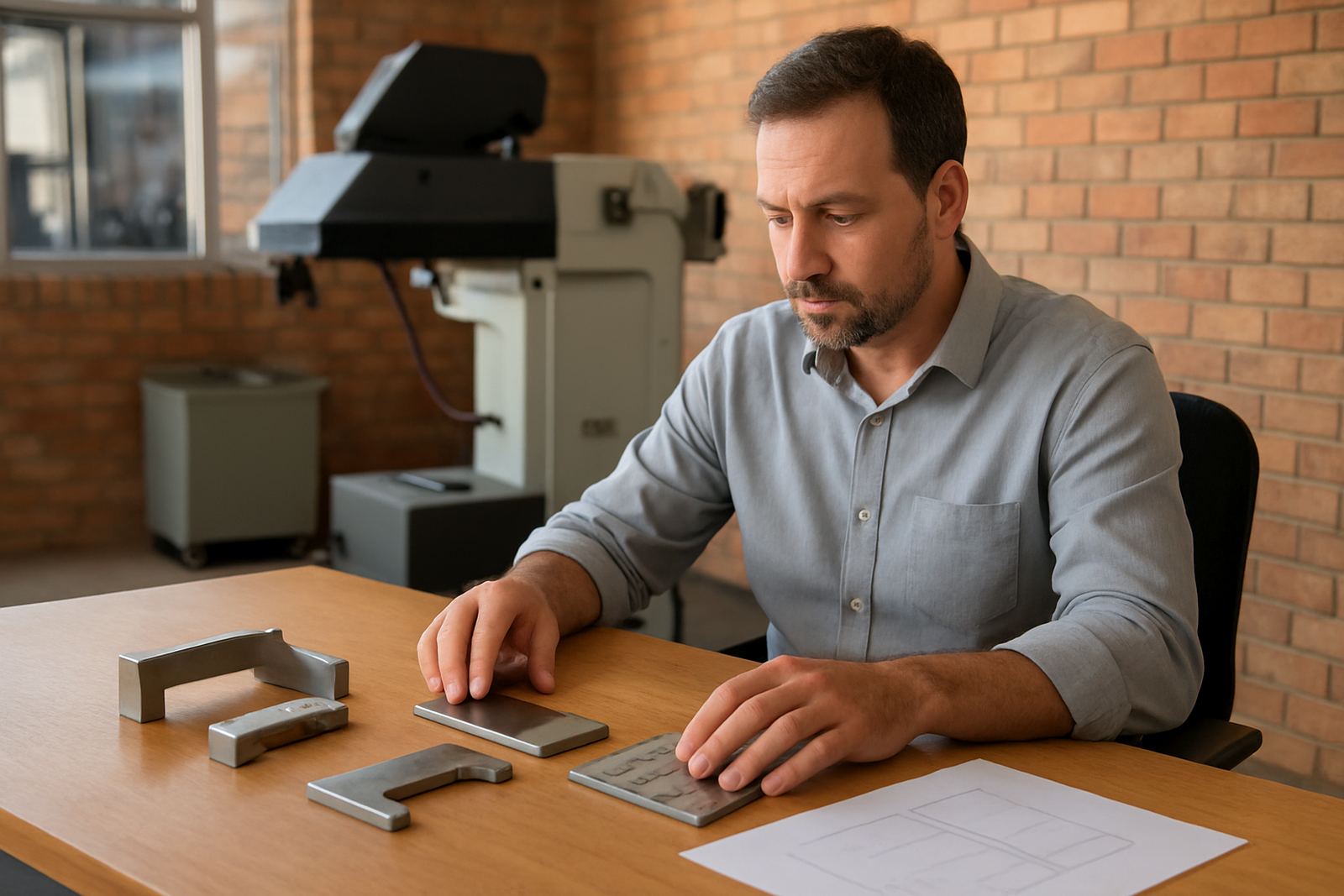
The first question is simple: what happens if this part stays out of service? A cracked mould insert on a production line in Rosslyn is a different decision from a worn bracket on a non-critical machine. If the component is expensive to replace, has a long lead time, or is part of a special assembly, repair often makes good sense.
We look at the part in practical terms, not just the visible damage. A clean repair can save time and money when the base material is still sound and the damaged area is localised. If the part is low value and easy to replace, replacement may be the better option. The aim is to avoid spending on a repair that will not last under the working conditions the part sees every day.
Damage That Usually Repairs Well
Laser welding works best when the damage is precise and the surrounding material is still stable. Small cracks, chipped edges, worn sealing faces and localised build-up areas are often good candidates. Parts from moulds, dies, tooling, jigs and fine mechanical components commonly fall into this group.
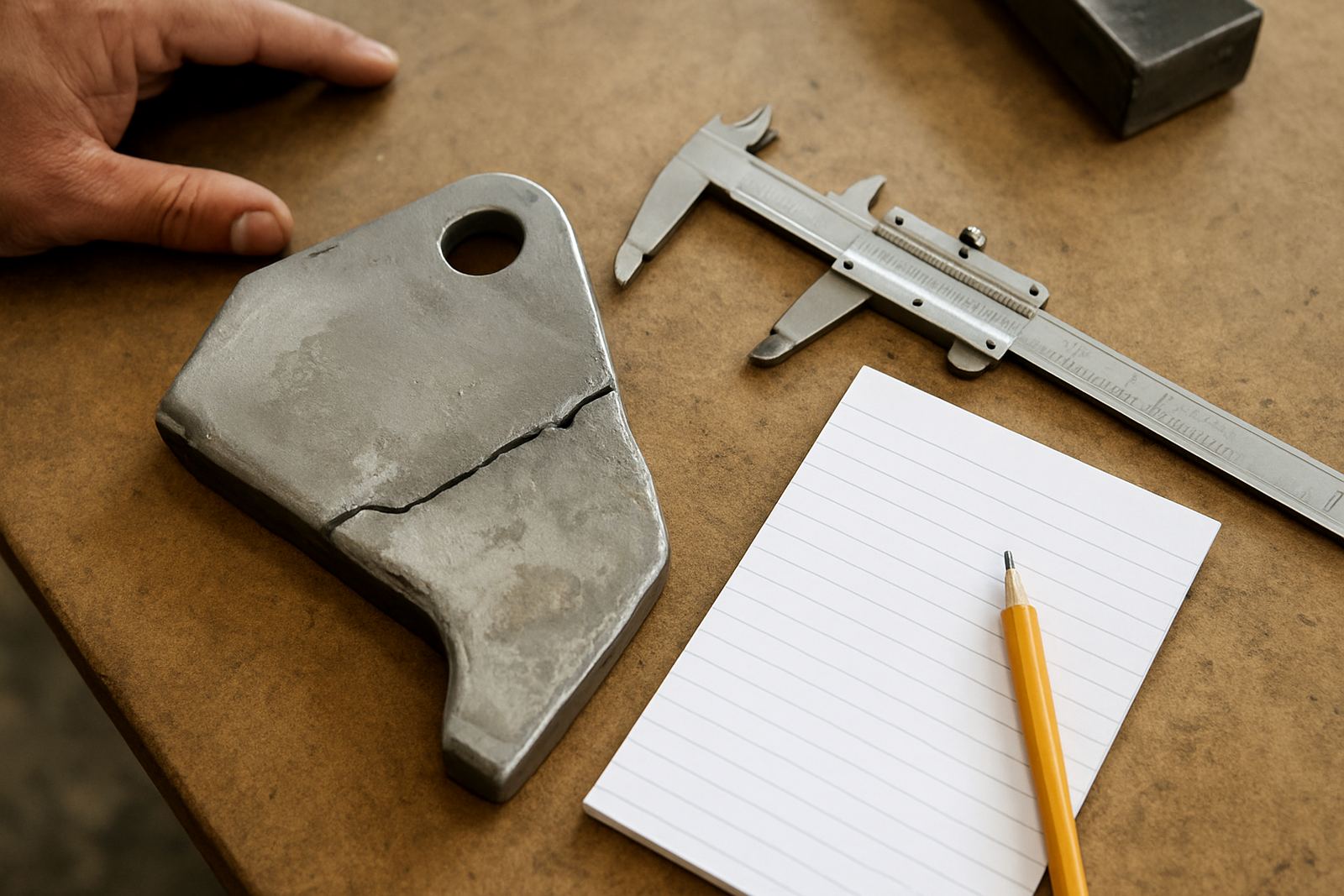
- Cracks that have not spread through a large section
- Worn edges that need controlled build up
- Broken corners where the original shape can be re-created
- Small holes or pitting in a defined area
- Parts that need restoration after repeated use
Thin sections, stainless steel and many aluminium items can also be suitable, but the wall thickness and heat sensitivity matter. Our workshop checks how much base material is left and whether the part can handle the welding process without distortion. On delicate work, the smallest movement can change fitment so the condition of the full component must be assessed.
Warning Signs That Need Careful Checking
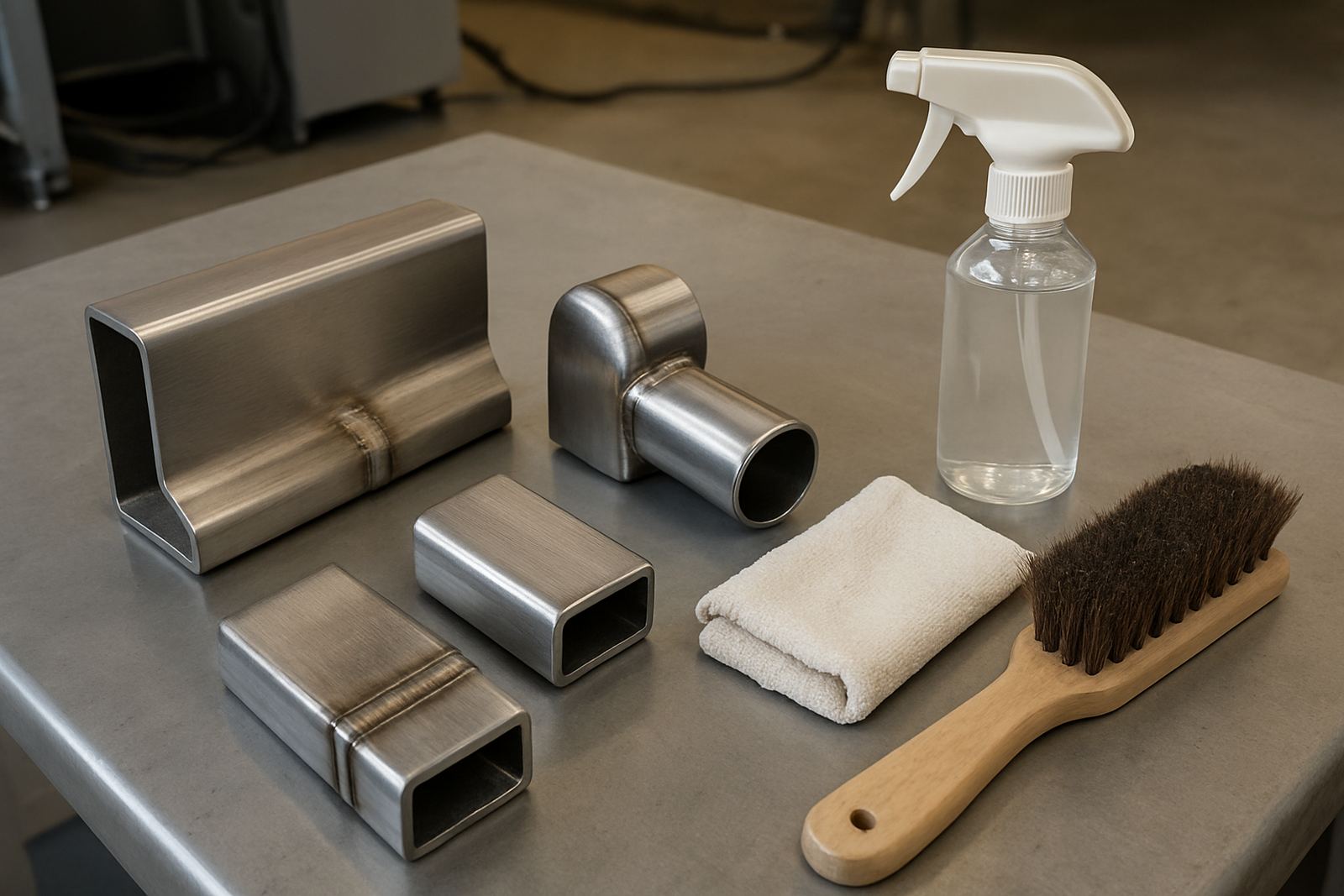
Some damage does not automatically rule out repair, but it does mean the job needs closer inspection. If a part has been overheated, bent badly, heavily corroded or repaired before in the same area, the risk goes up. Coastal humidity can also leave hidden oxidation or contamination on stainless and aluminium parts, which affects weld quality if the surface is not prepared properly.
Watch for these warning signs before you book the job:
- Cracks that run into corners, holes or stressed edges
- Thin sections that have lost too much material
- Parts with grease, scale, paint or trapped contamination
- Severe distortion from previous overheating
- Missing sections that are larger than the original support area
If a component is cracked through a load-bearing section, repair may still be possible but it needs a proper evaluation. We check whether the parent metal is still strong enough and whether the restored area will hold under normal use. Sometimes the real issue is not the visible crack but the reason it cracked in the first place. That needs to be fixed too, otherwise the problem returns.
What to Tell Us Before You Send the Part
Good repair decisions start with good information. If you are sending a part to our Centurion workshop or using courier collection from elsewhere in South Africa, a few details save time and help us assess the job properly. Include the material type if you know it, the machine or application, and where the part failed.
Try to send clear photos from several angles. A close-up of the damage is useful, but we also need to see the full part for size and context. If the part must match another component, give us the dimensions and any critical fitment points. A small mismatch can stop a repair from being usable, especially on precision parts and mould components.
- Part name and what it does
- Approximate size and weight
- Material if known, such as stainless steel, mild steel or aluminium
- Where the crack, wear or break started
- Any previous repairs or heat exposure
- Deadline, machine down time or production pressure
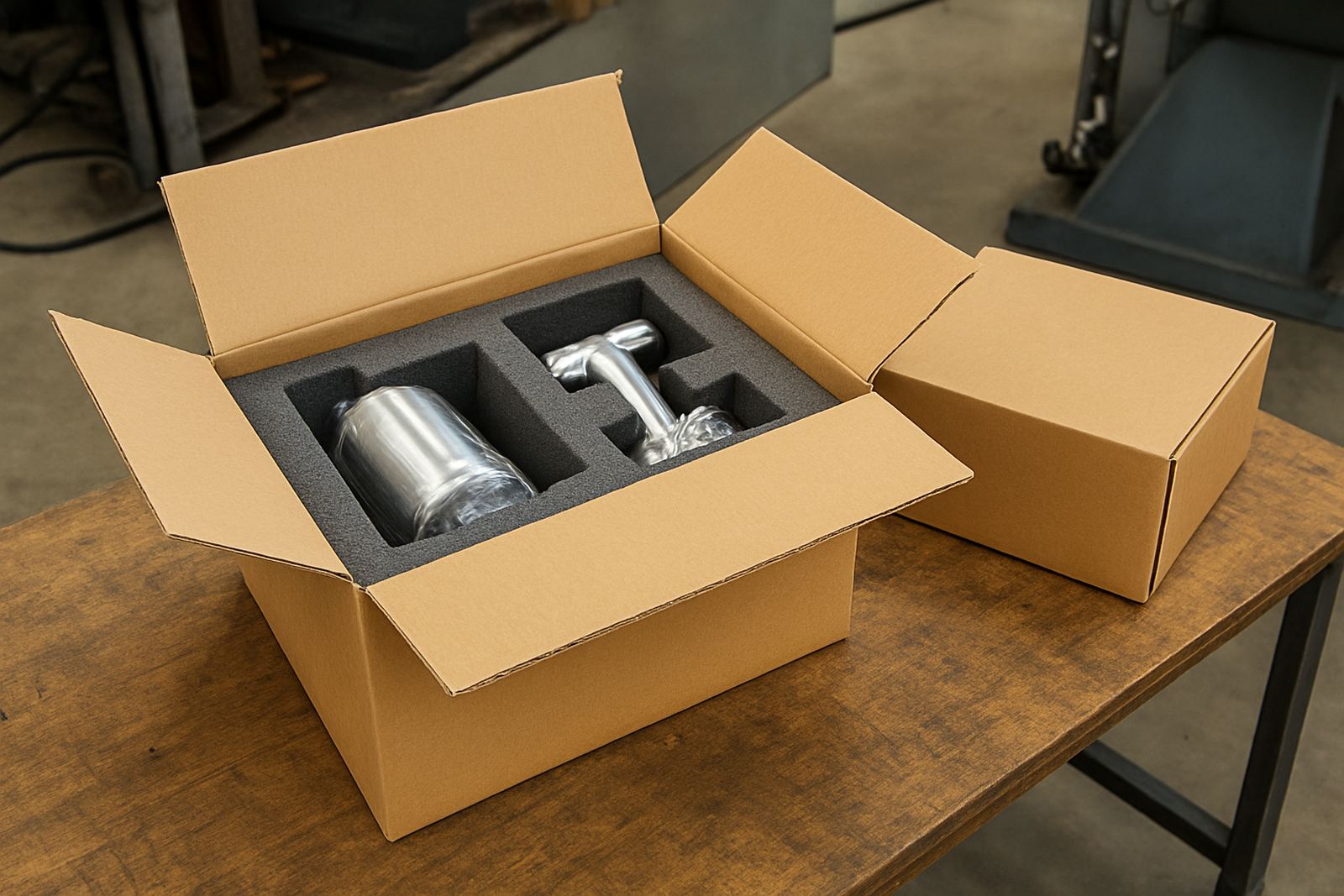
If you are based in Pretoria East, Midrand, Jet Park or further afield, courier jobs are often the easiest route for single items and batch work. For larger or repeat work, we can help you plan a practical turnaround based on the quantity and level of repair needed.
Our Feasibility Check in the Workshop
Once the part arrives, we inspect it for condition, access and repair method. This is where many jobs are confirmed or ruled out. We look at the crack path, the edges around the damaged area and whether the part can be cleaned and prepared properly. If there is hidden contamination inside a crack or porosity in the base material, that affects the outcome.
The question is not only whether we can weld it, but whether the repair will be precise enough for real use. For mould and die work, edge build up or thin section welding may be needed before final machining or fitting. For part restoration, we check if the original shape can be rebuilt without adding unnecessary heat or bulk. The goal is a repair that still fits, still functions and does not create a new problem elsewhere.
We also consider production timing. During load shedding or on jobs with tight deadlines, planning matters because the repair may need staging, inspection and follow-up finishing. If a component must go straight back into service, we will say whether that is realistic or if extra checking is needed first.
When Repair Is Sensible and When Replacement Wins
Repair makes sense when the part is costly, hard to source, or essential to a process that cannot wait. It also makes sense when the damage is local and the rest of the component is still in good condition. A well executed laser weld can restore service life without replacing the whole item.
Replacement is often better when the part is badly distorted, cracked in several places or worn beyond the point where the original dimensions can be recovered reliably. If the job would cost close to a new item and the lifespan would still be uncertain, replacement is usually the safer choice. We will tell you honestly where that line sits.
Use this quick rule of thumb: if the damage is local, the part still has sound base material, and the finished item can be measured and checked back to spec, repair is worth considering. If the damage is widespread or the part has already failed in a way that suggests deeper structural trouble, replacement may be the practical answer.
A Simple Decision Checklist Before You Book
If you are unsure, work through this checklist before sending the part:
- Is the part valuable or hard to replace?
- Is the damage local rather than spread across the full item?
- Is the base material still sound around the damage?
- Can the repaired area be measured and fitted back into service?
- Has the part been cleaned enough for proper assessment?
- Is there time for repair plus any finishing work required?
If most answers are yes, the part is likely worth a proper review. If several are no, ask for an assessment before committing to the job. We handle single repairs, batch jobshop welding and more complex restoration work from our Pretoria base, with collection support in areas like Centurion, Midrand and Rosslyn. For straight answers on a part that looks doubtful, send the photos and dimensions first, then we can advise on the next step.