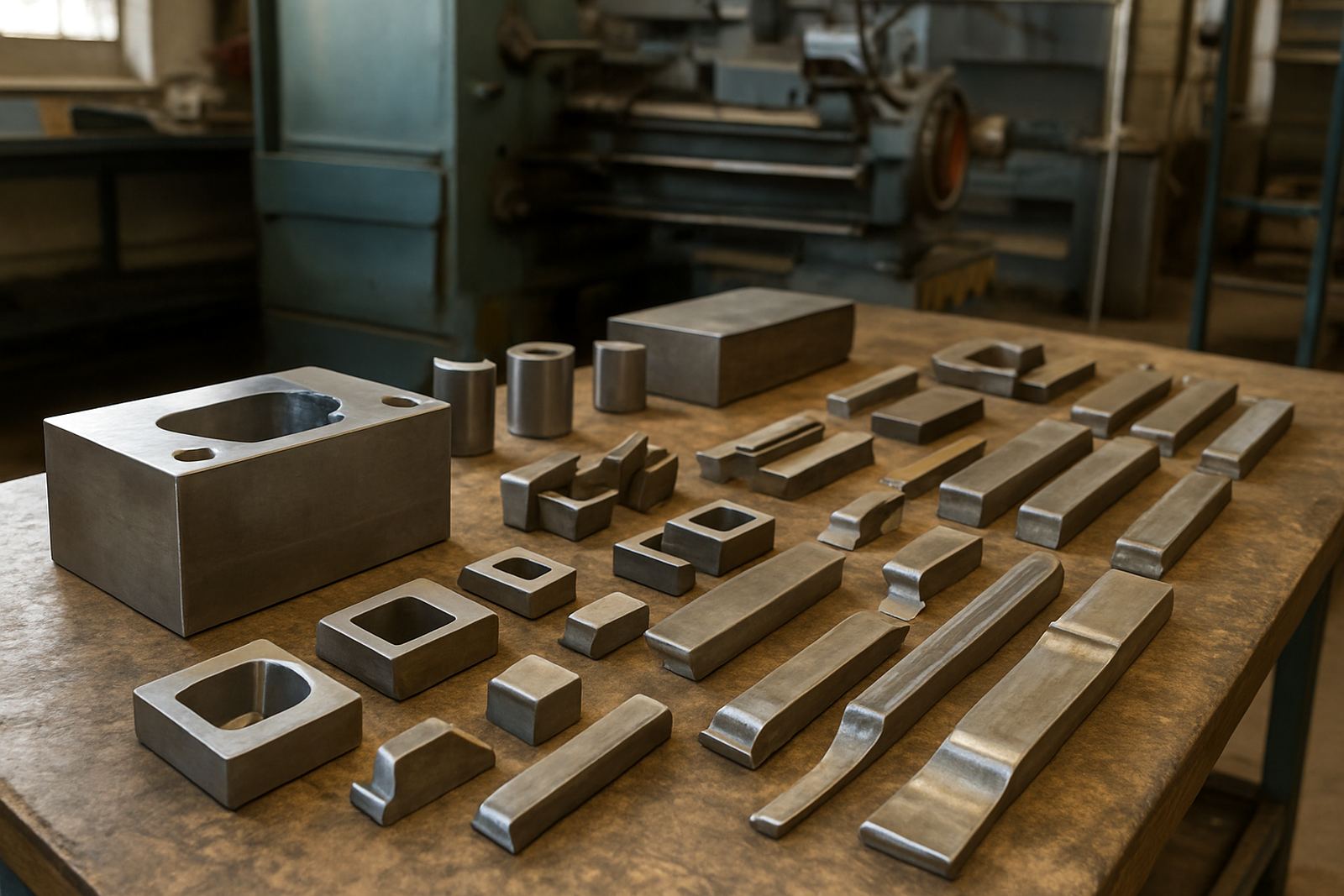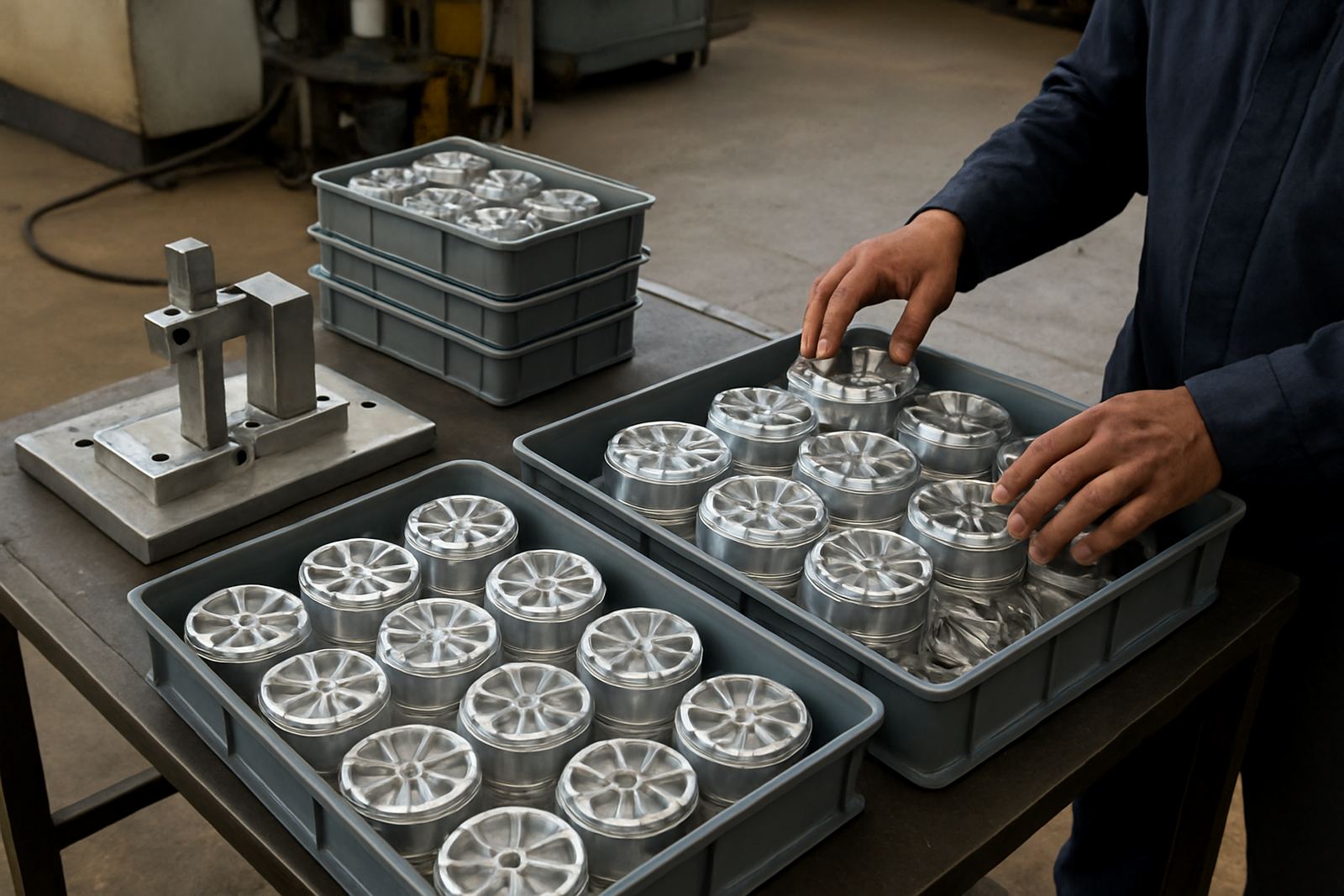
Start with a clear job note and part list
Before you wrap anything, write down exactly what must be done. A good job note helps the technician identify the part, understand the fault and choose the right process for the metal and thickness. Include the quantity, the material if you know it, the area that needs repair and whether the part is for precision fitment, cosmetic work or structural use.
If you have drawings, sample photos or measurements, send them with the parts. For moulds, dies, tooling inserts and small components, even a few millimetres can matter. Add any finish requirements too, such as grind flush, leave a build up for machining or keep heat input low on thin sections. The more detail you supply, the less back and forth later.
- Job reference number if you have one
- Your company name and contact person
- Material type and part quantity
- Fault description or repair request
- Deadline or production date
Clean the parts before you pack them
Parts should arrive as clean as possible. Oil, cutting fluid, loose rust, paint flakes and grinding dust can make inspection harder and slow the repair down. A quick wipe with a clean cloth and degreaser is often enough for most small items. For stainless, aluminium and fine tooling, remove contamination carefully so the surface can be assessed properly.
Do not sandblast or aggressively grind unless the job specifically calls for it. Excessive cleaning can remove the very detail the workshop needs to match up edges or rebuild a worn section. If the part has sensitive machined faces, protect them with clean paper or wrap them separately. In humid coastal areas like Durban or Port Elizabeth, keep cleaned steel parts sealed soon after prep so flash rust does not start on the way to Pretoria.
Pack each item so it cannot rub or move
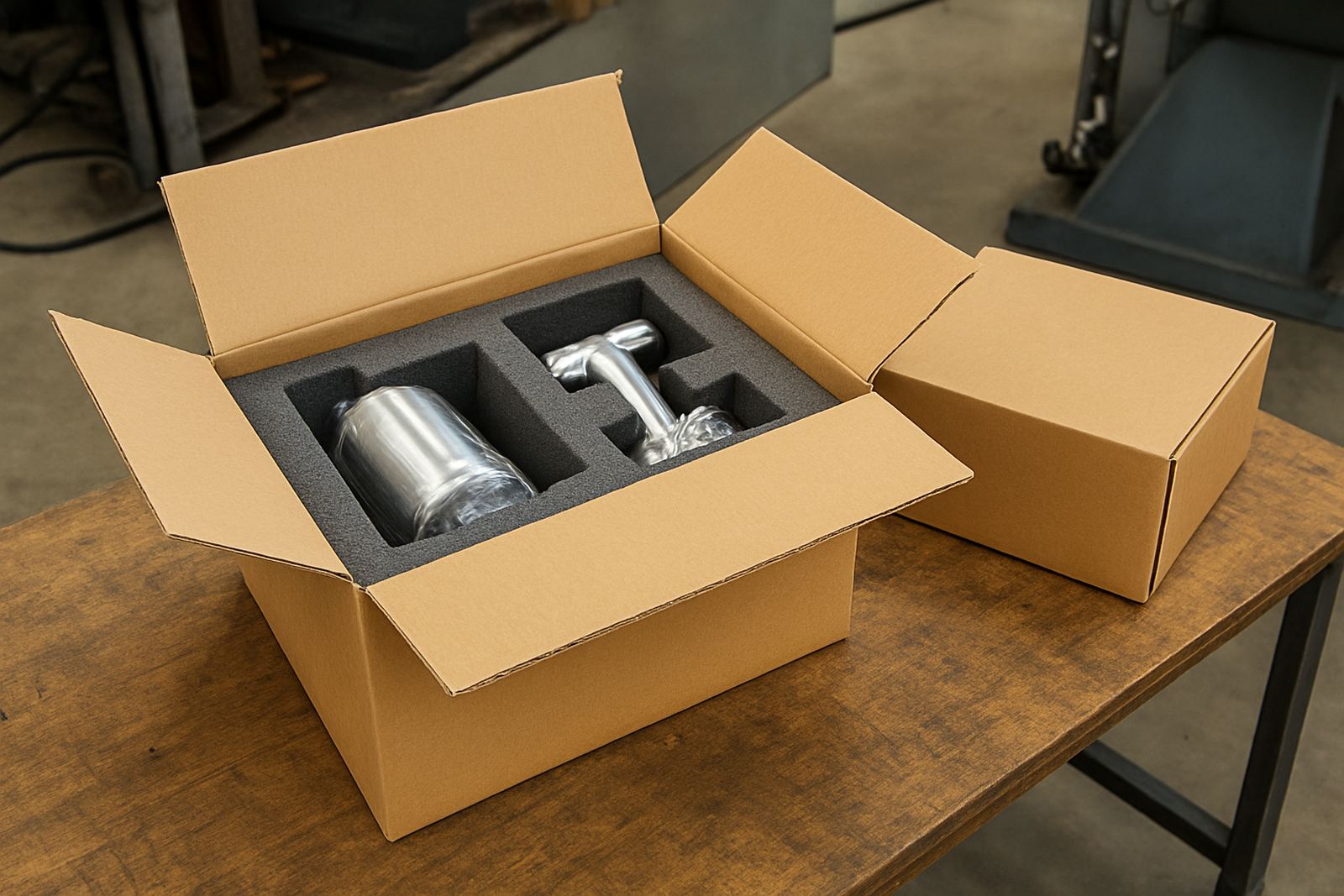
Laser welding jobs often involve precision parts, thin sections and repaired edges that can be damaged by movement in transit. Use a box or crate that suits the part size, then stop the item from shifting with foam, cardboard separators or bubble wrap. Heavy parts should be supported from underneath rather than left hanging on tape or loose padding.
If you are sending more than one part, wrap them individually. This matters for polished components, small tool inserts and aluminium parts that dent easily. Keep sharp edges covered and never let parts knock against one another. A box that is too large can be just as risky as one that is too small, because the contents can slide around during courier handling.
- Use a strong carton or crate with enough wall strength
- Wrap each part on its own
- Protect machined faces and sharp edges
- Fill empty space so nothing can move
- Seal the parcel with proper packing tape, not thin stationery tape
Label the parcel for fast receiving and sorting
Clear labelling saves time at the workshop. Mark the outside of the parcel with your company name, contact number and the job reference if there is one. If the contents are fragile, heavy or urgent, state that plainly. For multiple boxes, number them so the team knows whether a parcel is part one of two or part three of three.
It helps to place a copy of the job note inside the parcel in a sealed sleeve as well. That way, if the outer label gets damaged in transport, the team still knows who sent it and what work is required. For nationwide courier jobs this is especially useful when parcels move through more than one depot.
Choose the right dispatch method for the part type
Small urgent repairs can usually move by courier, while larger or awkward parts may need collection or a booked vehicle. Think about weight, size and fragility before you choose the transport method. A delicate die insert is not packed the same way as a long shaft, and a heavy manufactured item should be restrained properly so it does not punch through the box.
For Pretoria, Centurion and Midrand deliveries, drop off or scheduled collection can work well when turnaround is tight. For Johannesburg, Rosslyn, Jet Park and other Gauteng areas, a same day collection may suit production schedules. If the job is going further afield, use a tracked service and keep the waybill number handy so you can follow the parcel. During load-shedding periods, plan for possible collection delays at depots and keep your contact phone on.
- Use courier for compact items that are well packed
- Use collection or direct delivery for larger parts
- Book tracking and keep the waybill
- Allow extra time for public holidays and month-end courier pressure
Confirm the return details before the job is finished
Once the parts leave your side, make sure the return instructions are clear. Tell the workshop whether the items must come back to the same address, a site office, a branch or a receiving bay. Include the person who will sign for them and any delivery times to avoid missed handovers. This is important for factories, maintenance teams and job-shop work where production windows can be short.
If the repaired part must be kept clean for a final fit or machining stage, say so upfront. The team can then pack it accordingly and avoid unnecessary handling. For batch work, it is wise to keep one reference sample aside so the repaired pieces can be checked against the original if needed. Good communication at dispatch usually means fewer surprises at collection.
- State the return address and receiving contact
- Give delivery time windows where possible
- Say if the part must stay clean, dry or protected
- Ask for packaging to be kept if you need it for the return trip