Start With The Part, Not The Process
Before you ask whether laser welding is suitable, look closely at the part itself. Material type, thickness, access to the repair area and the final finish all matter. A small stainless bracket in Pretoria East may need a different approach from a worn die section in Rosslyn or a cracked aluminium housing from Midrand.
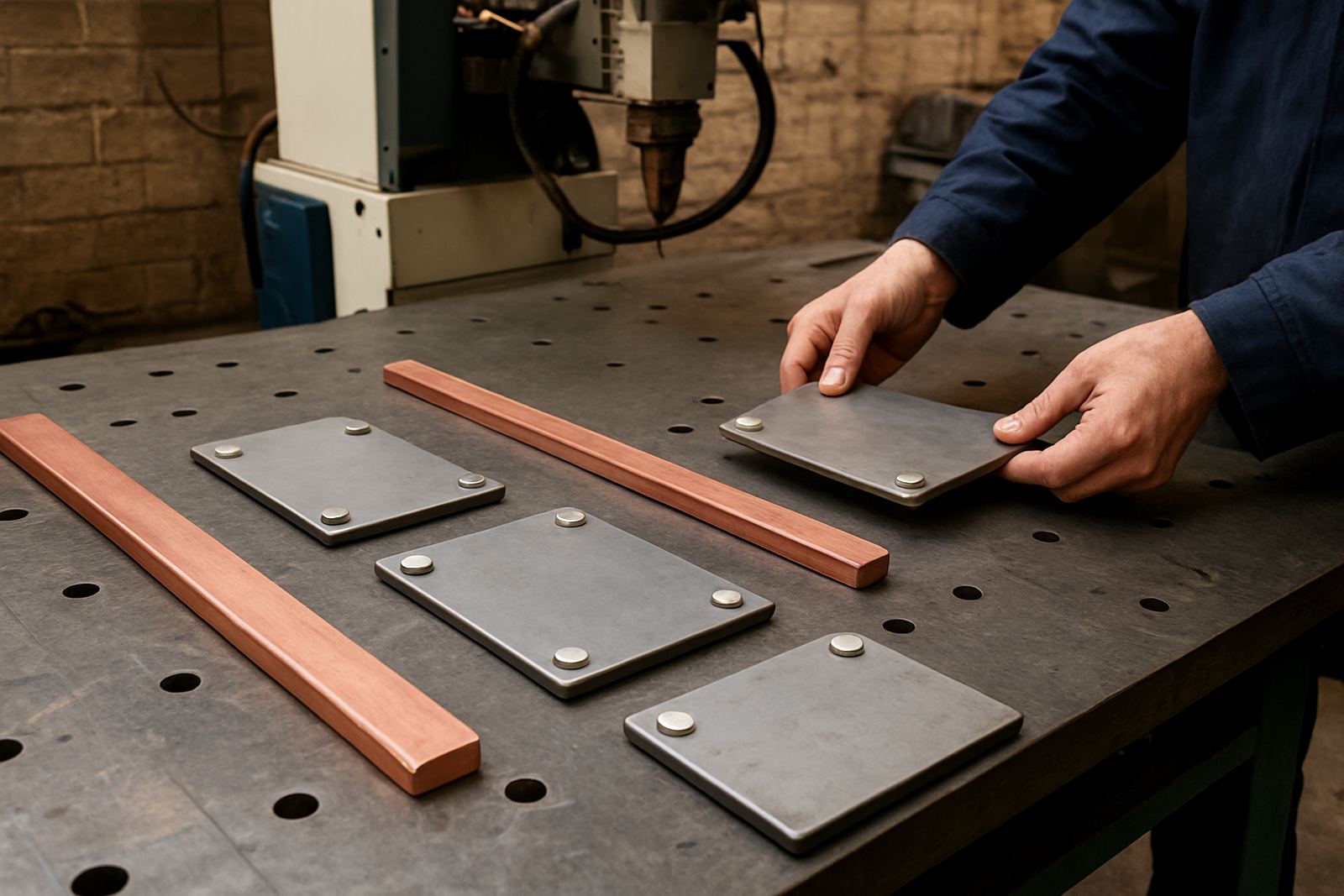
Laser welding is often a strong option when the job calls for localised heat, fine control and minimal clean-up. It is useful for precision components, mould and die work, thin sections, detailed repairs and parts that cannot tolerate much distortion. If the part is thick, heavily contaminated or needs a deep structural build-up over a wide area, another welding method may be better.
When Laser Welding Usually Makes Sense
A good starting point is to ask whether the job needs accuracy more than raw deposit rate. Laser welding can help when you want a neat repair, low heat input and tight control on the working area. It is commonly chosen for tooling, small production parts, stainless items, aluminium repairs and restoration work where the original shape must stay true.
- The damage is small to medium and localised.
- The part has fine features, sharp edges or close tolerances.
- You need to keep distortion to a minimum.
- The repair area is visible and finish quality matters.
- You want a cleaner process for follow-on machining or polishing.
If the same item will need batch work, prototype changes or repeated repairs, laser welding can also be practical because settings can be controlled consistently from one job to the next.
Cases Where Another Method May Be Better
Laser welding is not the right answer for every repair. If the material is badly corroded, greasy, cracked through a large section or previously repaired with poor workmanship, you may need a different route. Jobs with large gaps, heavy section thickness or broad area build-up can also be more suitable for conventional welding or fabrication methods.
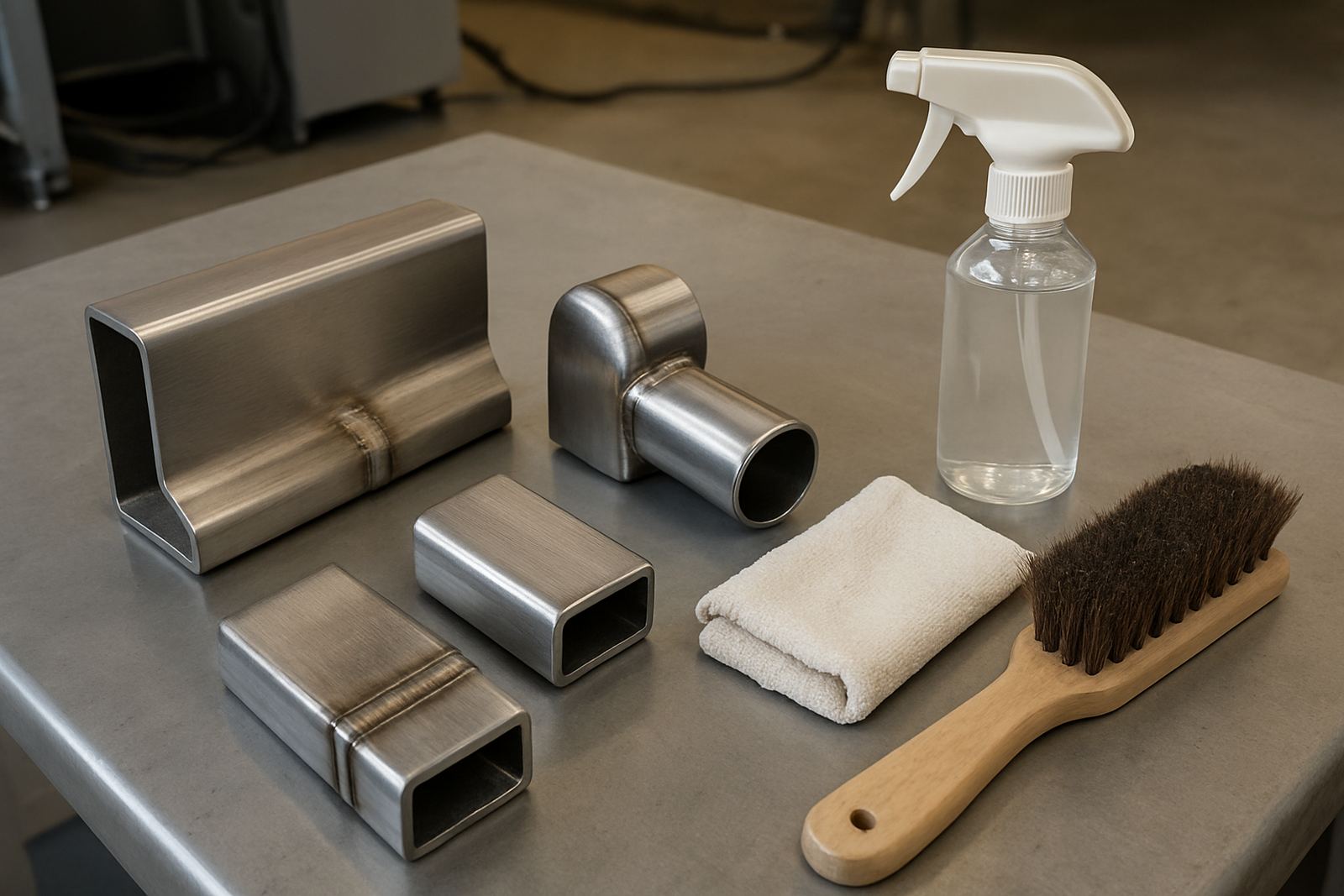
Another sign to pause is when the part cannot be cleaned properly. Dust, oil, paint, oxidation and contamination reduce weld quality. In coastal areas like Durban or Richards Bay, surface corrosion can be a bigger issue, so the part may need preparation before it can be assessed properly.
- Large structural welds with high fill volumes.
- Very dirty or contaminated surfaces.
- Parts with wide cracks that have not been prepped.
- Jobs where speed of material build-up is more important than precision.
Check The Material And Condition First
Material choice matters more than many buyers expect. Stainless steel, mild steel and aluminium each behave differently under heat. Thin material needs a careful approach to prevent warping, while harder tool steels often need a controlled repair strategy. If the item is part of a mould, die or jig, even a small error can affect the whole production run.
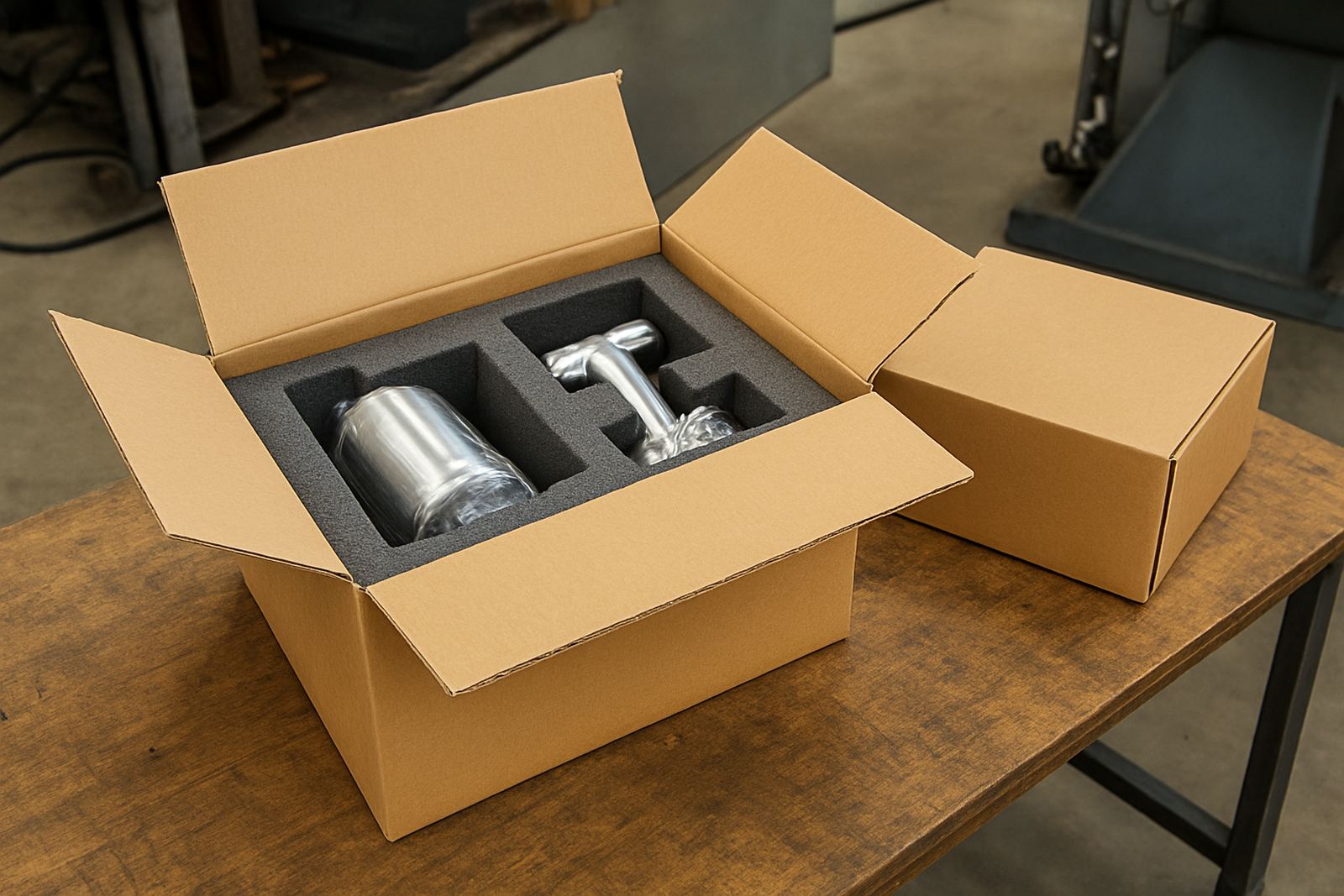
Bring as much information as you can: the material grade if known, the size of the damaged area, photos from several angles and any measurements that matter. For job-shop work, clear notes save time and help avoid a second trip. If the part is going by courier from another province, wrap it well and label the damage area before dispatch.
Use A Simple Job Checklist Before You Send It
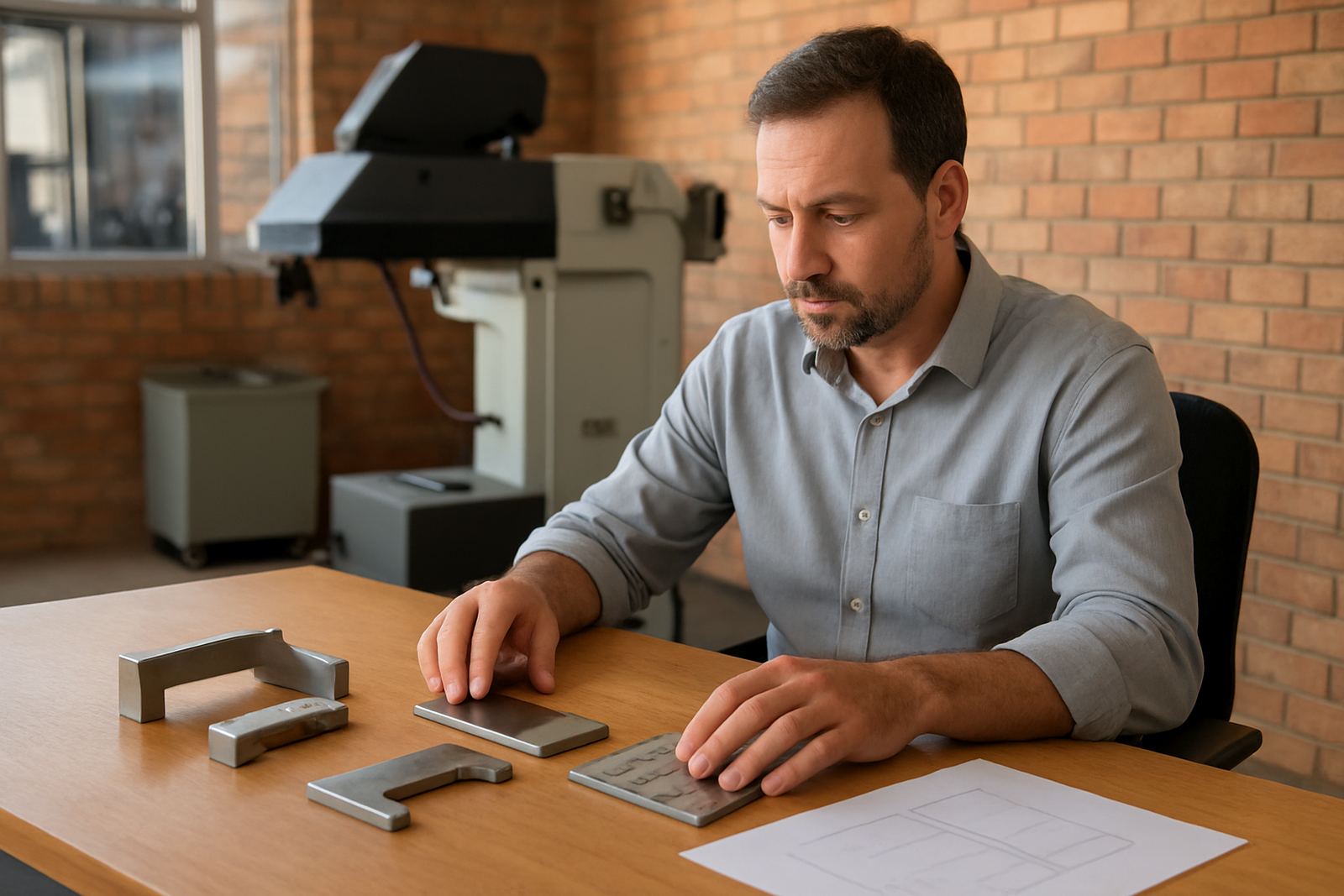
A short checklist will help you decide if laser welding is worth pursuing and will make quoting easier too. It also helps you decide whether the job should come to the Centurion workshop, a support point like Pretoria East or Jet Park, or be sent nationwide by courier.
- What is the part used for and how critical is the finish?
- What material is it made from, if known?
- How thick is the section at the repair point?
- Is the damage a crack, wear edge, broken corner or missing section?
- Can the part be cleaned before welding?
- Does the part need machining, polishing or a final fit after welding?
- Is there a deadline or shutdown window to work to?
When these points are clear, it becomes much easier to decide whether laser welding is the sensible option.
Practical Signs The Job Is A Good Candidate
There are a few signs that usually point toward laser welding being a good fit. If the part is valuable, delicate or hard to replace, the process can often save the component. If the repair must hold a close tolerance or match an existing surface, the accuracy helps. And if downtime is expensive, a well planned repair can keep a workshop or production line moving.
At Laser Welders Jobshop, we regularly handle one-off repairs and batch work from across South Africa. The right choice is not always the fastest one on paper, but it is the one that gives you the best outcome with the least rework. That is what matters on the floor.
What To Ask Before You Book The Job
Before you commit, ask practical questions. Can the damage be repaired without changing the part dimensions too much? Will there be post-weld machining needed? Is the finish cosmetic or only functional? Is the item likely to move during heating? These answers will guide whether laser welding is suitable and what preparation is needed.
If you are unsure, send clear photos and measurements together with your requirements through our contact form. From there, the workshop can advise whether the part should come in for inspection in Centurion, be collected through a branch point, or sent in from elsewhere in the country. A quick review now can save a lot of time later.