Why sealing faces fail in real workshop conditions
In plants around Pretoria, Centurion and Midrand, sealing faces wear from repeated clamping, vibration, chemical attack and poor alignment. On pumps, valve bodies, housings and machined covers, the damage often starts as a narrow line or ring, then grows into pitting, scoring or edge damage that affects the seal.
Coastal humidity on parts that travel from Durban or Gqeberha can make matters worse, while dust in mining and manufacturing sites around Gauteng adds abrasive wear. Once the face is uneven, operators start tightening harder to compensate, which usually makes the problem worse. A damaged face may still look usable at first glance but under pressure it leaks, and that means lost product, clean-up, and more callouts.
How laser build-up restores the face without overcooking the part
Laser welding is useful here because it keeps the heat focused into a very small area. That matters when you are trying to recover a sealing surface on a part that must stay flat, true and dimensionally stable. Instead of putting heat through the whole component, material is added only where the loss is. This helps limit distortion and reduces the chance of warping, especially on thinner sections.
The process is well suited to repair work where the base part is too valuable to scrap and the sealing land is still recoverable. The technician can build up worn spots, repair local damage, then the face is machined back to spec. In practical terms, that can save a pump body, flange or mould plate that would otherwise sit in the scrap bin.
- Localised heat input helps protect the surrounding metal.
- Material can be added only where wear has occurred.
- Final machining brings the face back to size and finish.
- Useful for small repairs and batch jobshop work.
Where this works best on plant and tooling
Restoring sealing faces is not just for one type of component. We see it on industrial parts from Centurion workshops, Rosslyn manufacturing sites and Jet Park service runs, especially where the part is expensive or the shutdown window is short. The right repair depends on the metal, the load on the face and what it has been sealing. In some cases the issue is a simple groove. In others the wear runs deeper near bolt holes or around a port.
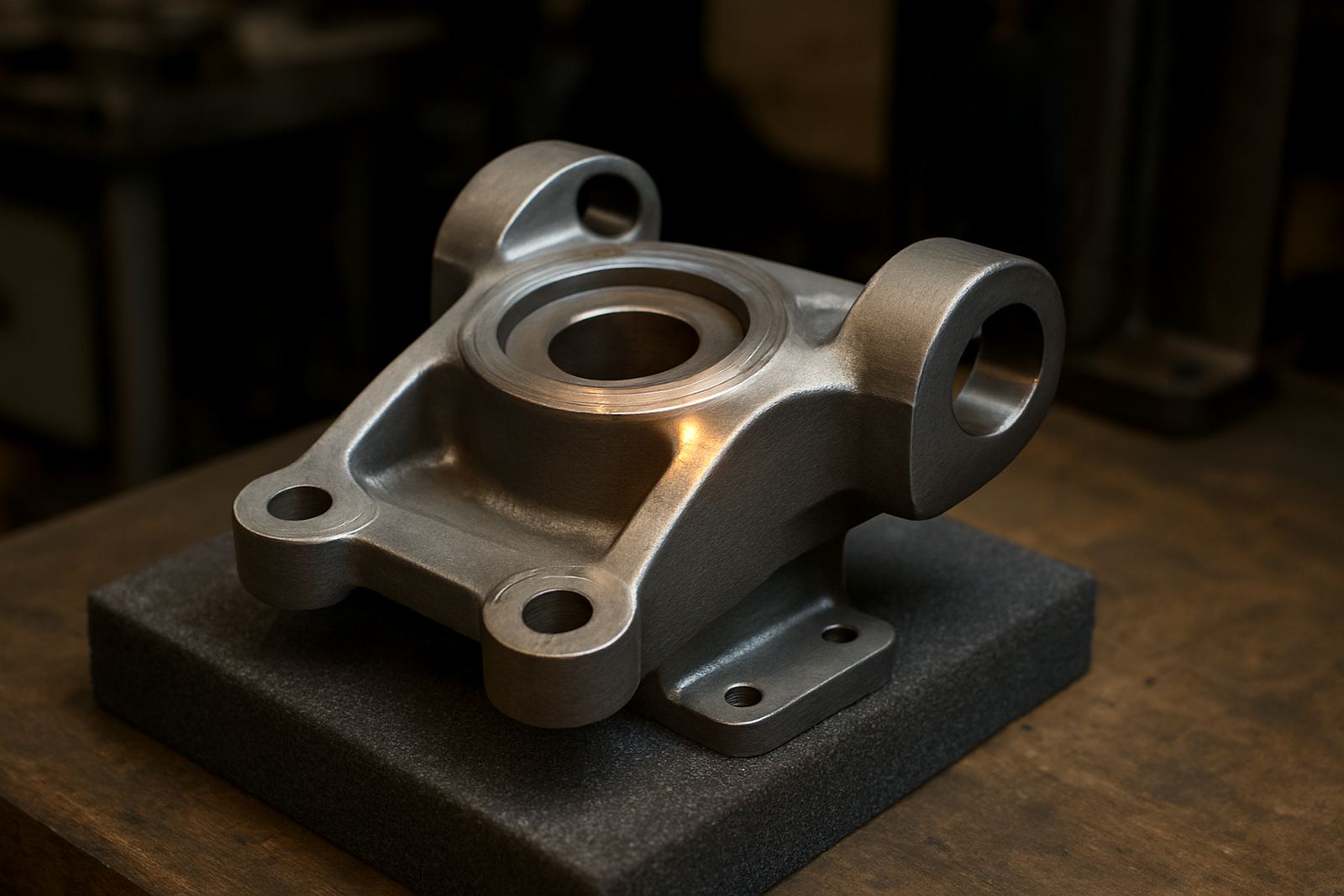
Typical parts include flanges, valve seats, pump housings, covers, manifolds, tooling inserts and mould components. If the damage is confined to the sealing land, laser build-up can often restore the part without affecting the wider geometry. That is important for assemblies that must line up after reinstallation with no extra shimming or rework.
- Pump and valve sealing faces
- Machined covers and housings
- Mould and die sealing areas
- Precision parts that must hold tolerance
What a proper repair process should include
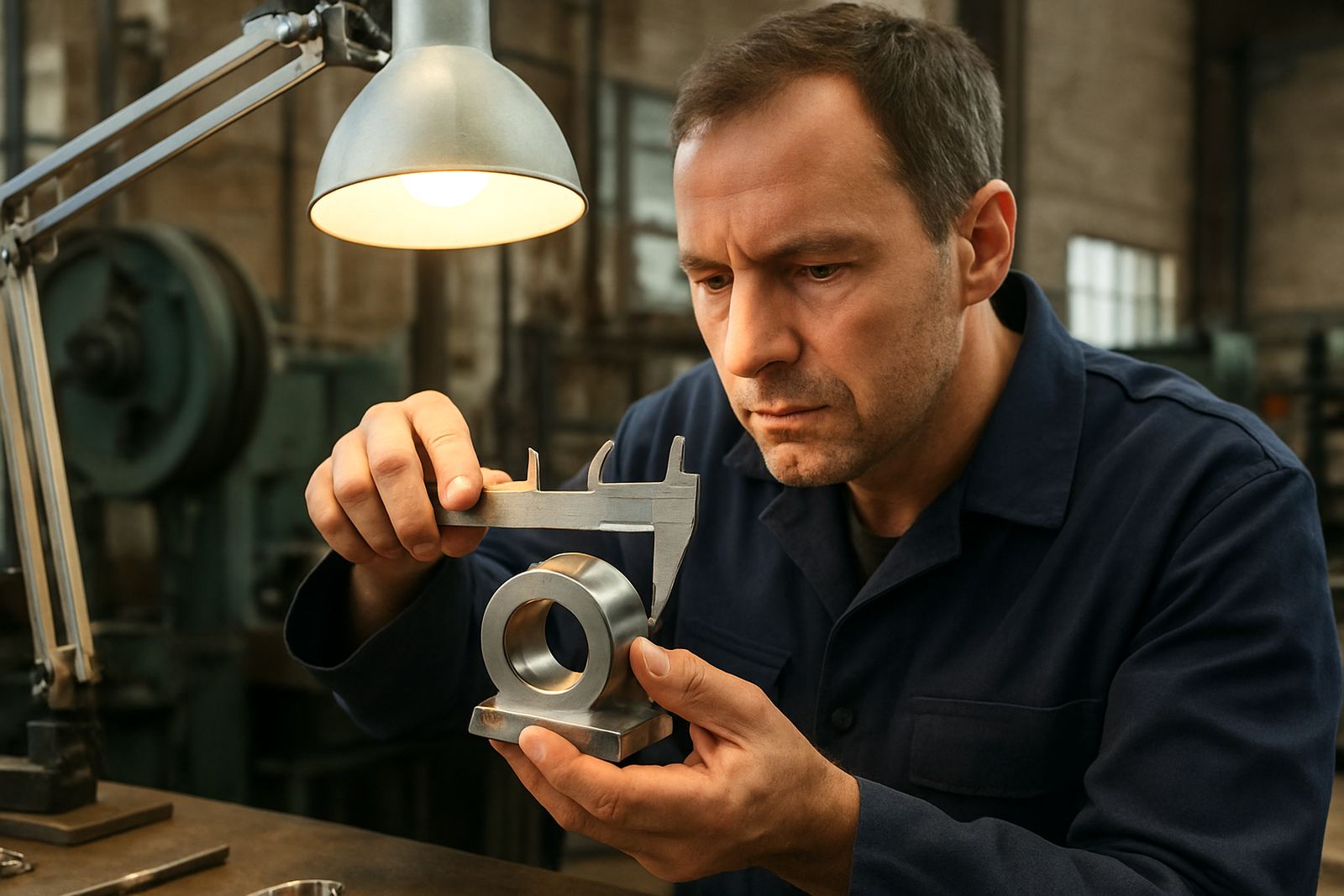
A good repair starts with inspection. The face must be checked for wear depth, cracks, contamination and previous repair material. Surface prep matters too, because oil, scale and process residue can interfere with the repair. If the part has been in service around chemicals or wet process lines, cleaning needs to be proper before any build-up begins. Rushing this part gives trouble later, and that is not worth the risk.
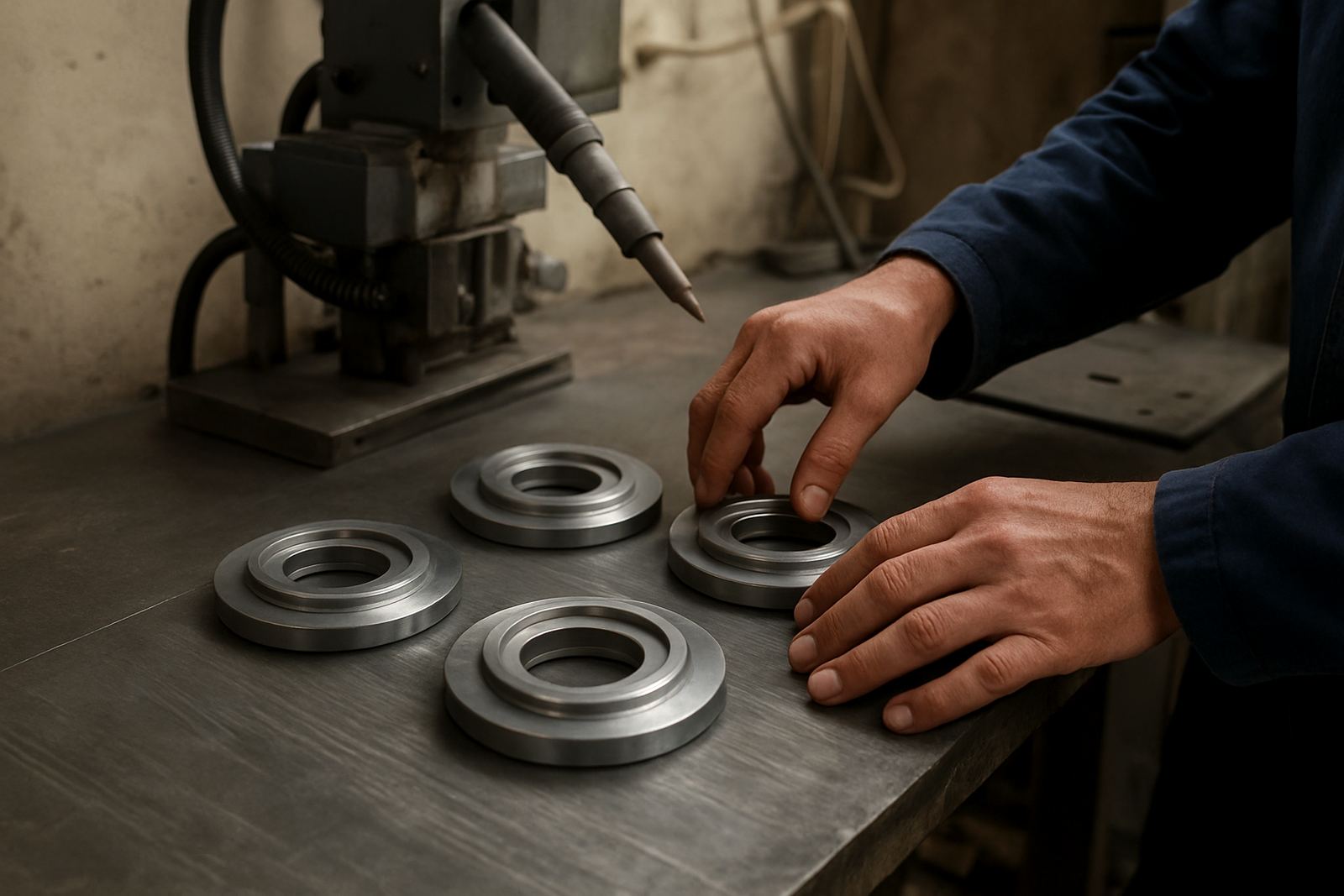
After build-up, the face should be checked again for flatness and the correct contact pattern. If machining is needed, the finish has to match the application. A sealing surface for water services may tolerate a different finish than one handling fine chemical duty or compressed air. Our workshop in Centurion handles these jobs with the aim of returning the part ready for fitment, not just looking repaired.
- Inspect wear, cracks and previous damage
- Clean the part fully before welding
- Build up only the worn area
- Machine and verify the finished face
When repair makes more sense than replacement
Replacement sounds easy until the part is imported, out of stock or tied to a long shutdown. In South Africa, lead times can stretch quickly, and a simple missing component can stop a line for days. Restoring the sealing face is often more practical when the base part is still sound, the wear is localised and the cost of remanufacture is high. For many clients, the savings are not only on the part itself but on freight, downtime and setup time.
This is especially useful for older equipment where drawings are incomplete or where the original item is no longer available. If the geometry is still readable and the wear is within repairable limits, laser build-up offers a controlled recovery route. It is a sensible option for shops that need to keep production moving without taking unnecessary stock risk.
A Pretoria example that shows the value of a local job-shop
A common case from the Pretoria side is a pump or valve component that starts leaking after a shutdown and restart cycle. The face has a narrow worn ring, but the body is still good. Instead of waiting for a replacement part from overseas or stripping an entire assembly, the item can be brought into our Centurion workshop or sent via courier from elsewhere in the country. The worn sealing land is rebuilt, machined and checked before it goes back out.
That approach suits maintenance teams that need a fast turnaround and a practical answer. It also helps when a job needs to be handled carefully because the component is thin, valuable or already close to its service limit. Our team, including Marius van der Merwe, Naledi Mokoena and Johan Erasmus, works on these repairs with the aim of keeping the part in service and the downtime short.
For sealing faces, the real test is not whether the repair looks neat. It is whether the part seals under load, after fitting and after the next shutdown cycle. That is the standard that matters.