When replacement costs more than the part itself
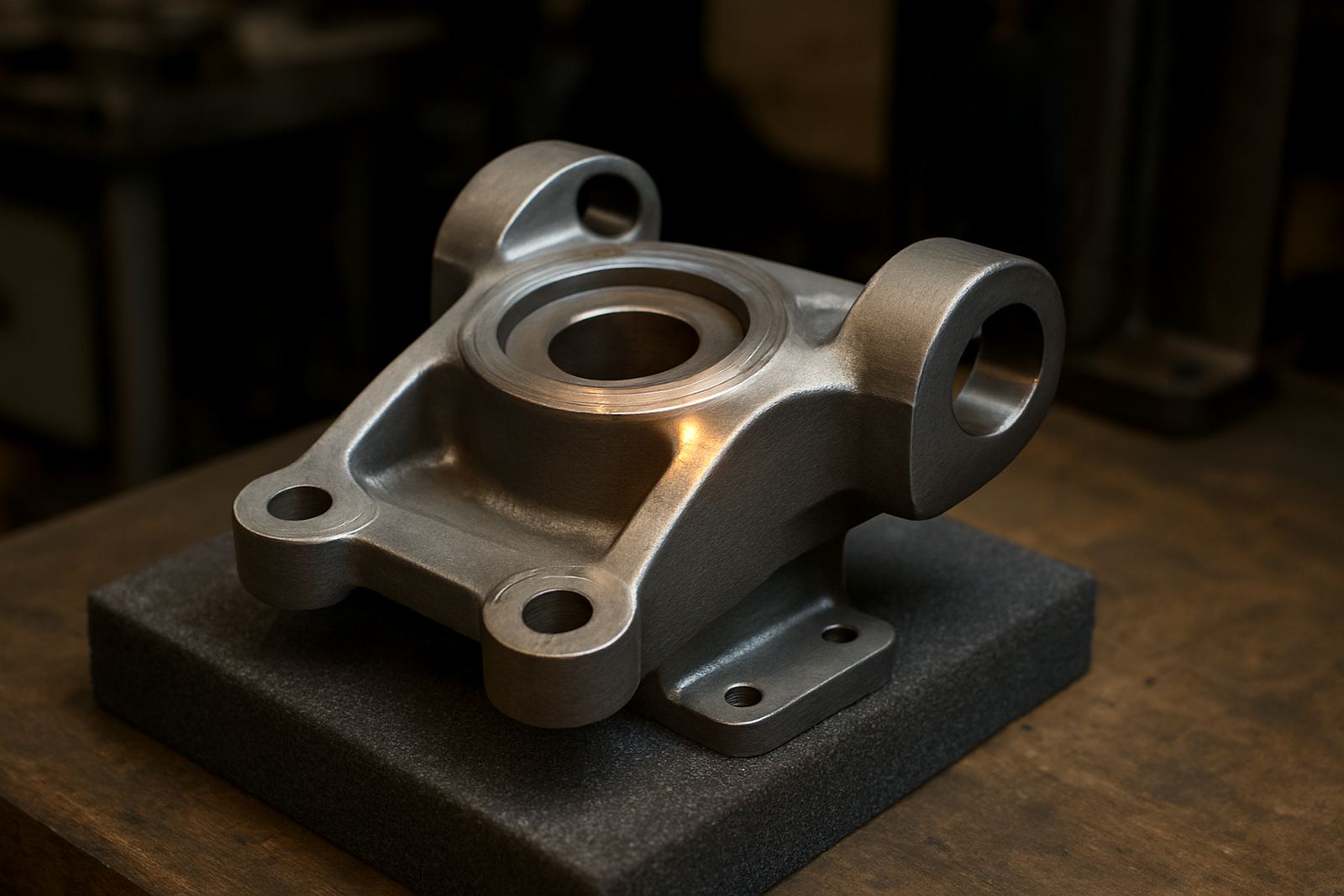
High value parts are often more costly to replace than people expect. Tooling, mould inserts, shafts, housings, locating faces and precision components can take weeks to source, and in many cases the original item is no longer stocked. If the machine sits idle while you wait, the real cost climbs fast.
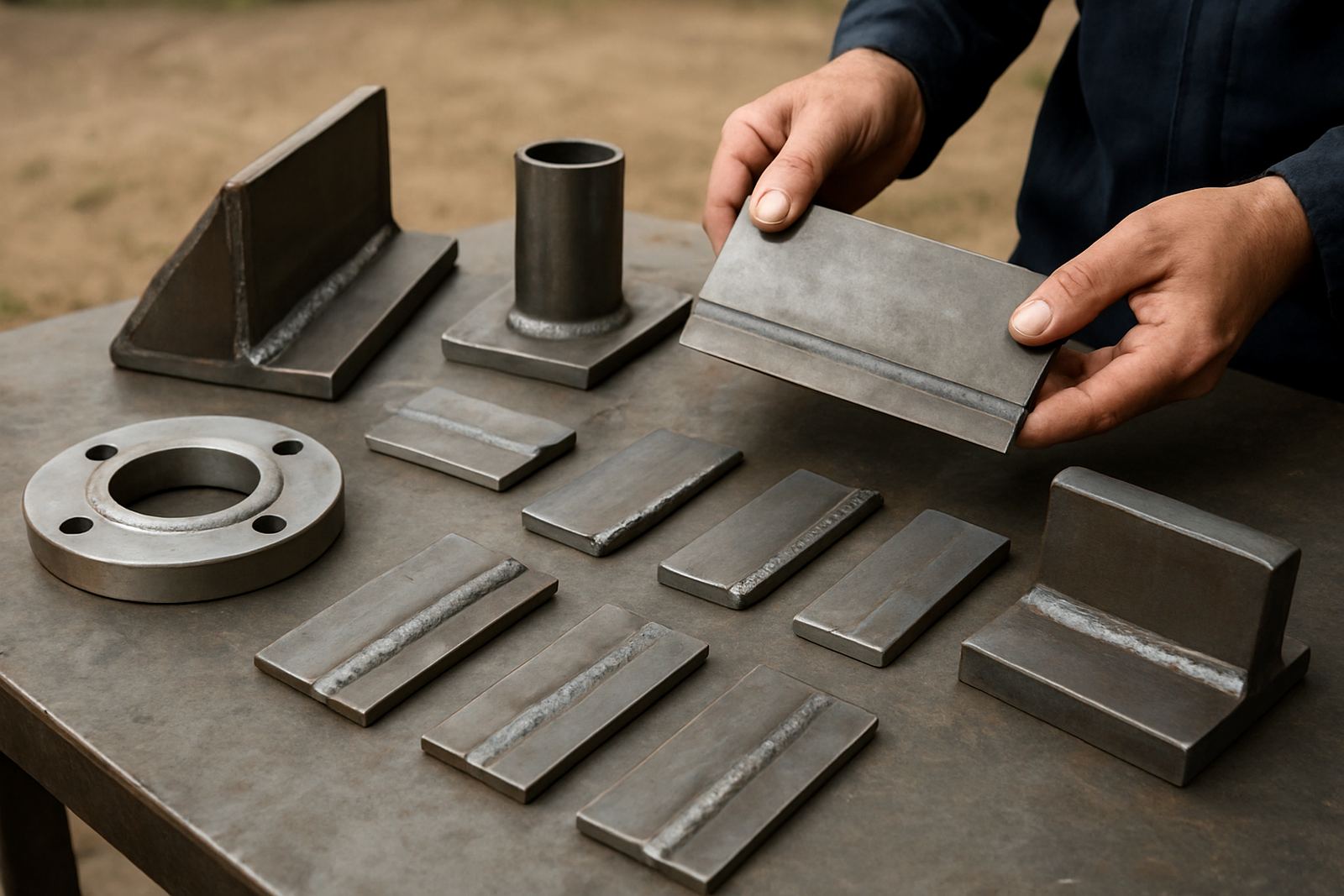
Laser welding is often chosen where the part still has most of its body intact, but one area is damaged, worn, chipped or cracked. Instead of scrapping the full item, the worn section is repaired with controlled heat and very small weld deposits. That makes it a practical option for components with tight tolerances, fine edges or previous heat treatment.
In Centurion, this matters for job shops, moulders, machine builders and maintenance teams that cannot afford a long outage. A part worth many thousands of Rand may only need a few square millimetres rebuilt, not full replacement.
Why laser repair suits precision work
Laser welding is not about covering a fault and hoping for the best. It is used because the process allows careful control of the repair area, which helps protect the rest of the component. The surrounding material is exposed to less heat than many traditional repair methods, so there is often less distortion, less clean-up and less risk of throwing a critical dimension out.
That matters on items like thin sections, sealing faces, small tooling details, stainless parts and aluminium components. A heavy repair on these can create more damage than the original problem. A targeted laser repair gives the technician better control over build-up and crack stoppage.
- Smaller heat-affected zone than many conventional repairs
- Better suited to fine detail and tight tolerances
- Less machining may be required after repair
- Useful for parts that cannot easily be reordered
The signs a part is worth saving
Not every damaged item should be repaired. The right call depends on the base material, the location of the fault and how much life the part still has left. A good repair candidate normally has enough sound material around the damaged area to support rebuilding and can still hold its function after finishing.
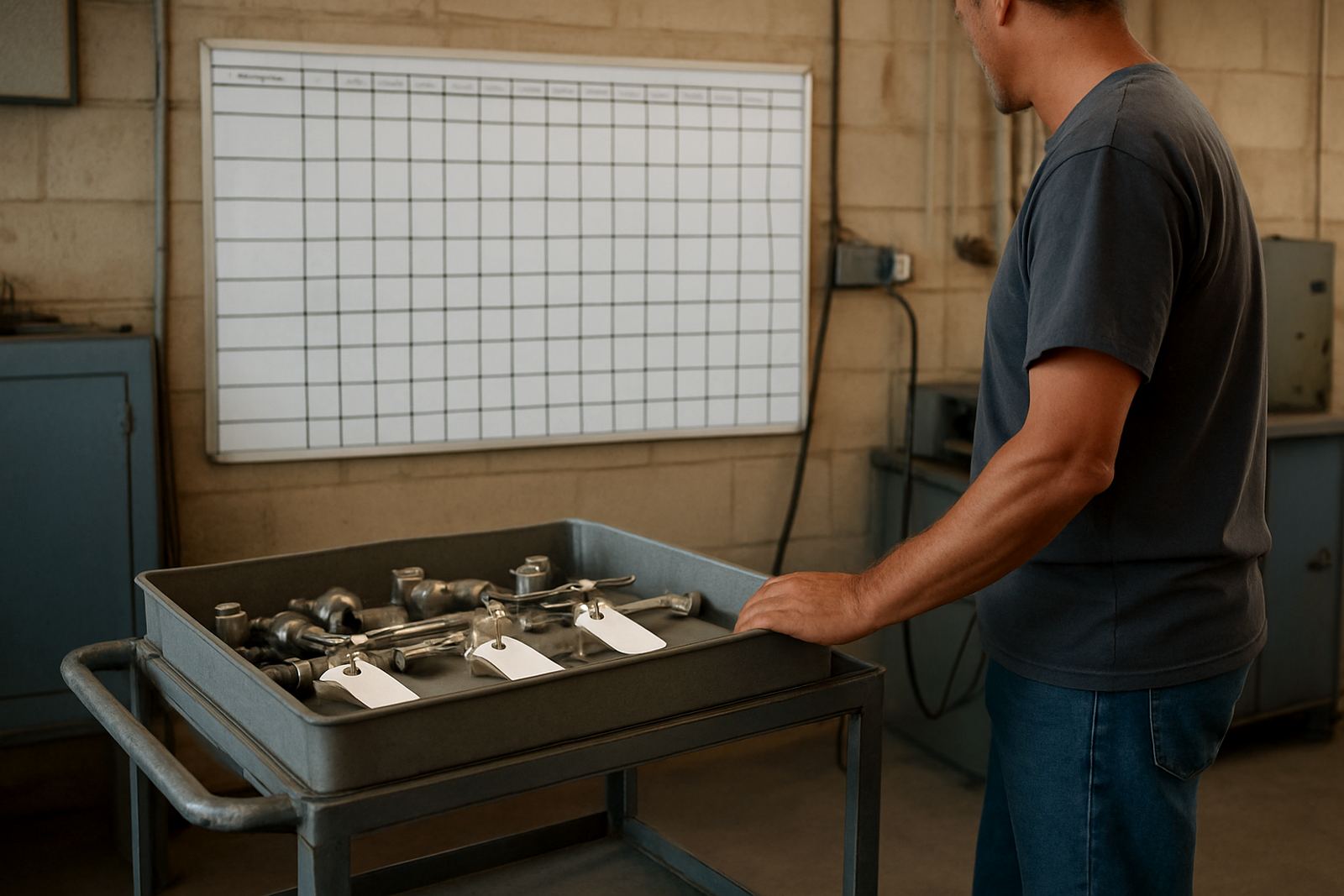
Typical cases include edge wear on tooling, a chipped corner on a machined block, a crack on a stainless bracket, or local damage on a part that would take too long to replace. If the damage spreads through a load-bearing zone, or if the component is badly warped, repair may not be sensible. That is why inspection before work starts is important.
At Laser Welders Jobshop, the first step is usually to assess whether the item can be restored economically and reliably. There is no sense in welding a part if the end result will not hold up in service.
- Cracks that are localised and stable
- Wear on one face, edge or corner
- Damage on expensive tooling or mould parts
- Components with long replacement lead times
A Pretoria example: saving production time on a worn mould section
A common local case involves a mould or die section used in production around Pretoria East or Rosslyn. A small impact damage or wear line can stop a whole line if the finished part no longer seals or forms correctly. Replacing the full component may mean waiting for new stock, transport delays and extra setup time.
In a case like this, the damaged section can often be rebuilt by laser welding, then brought back to size during machining or fitting. The workshop can then return the part to service without replacing the entire unit. For manufacturers working to tight delivery dates, that difference can save a full shift or more.
This is where a local job shop has value. A part can come in through Midrand collections, be assessed in Centurion, and go back out by courier if needed. For urgent work, that shorter route matters more than people think, especially when a machine stoppage is costing money every hour.
What a proper repair process should include
A good repair is more than striking an arc and sending the item out the door. The process should start with cleaning, crack detection where needed, and a clear plan for build-up and finishing. The welding itself needs the right settings for the material and thickness, followed by inspection and, where required, machining or hand finishing.
On stainless and aluminium parts, cleanliness is especially important. Coastal humidity, oil, oxide and contamination can all affect the result. In a South African workshop, conditions are not always perfect, so preparation becomes part of the quality of the final repair.
- Inspect the damage before welding starts
- Prepare the surface properly and remove contamination
- Use controlled heat input for the material
- Check dimensions after repair
- Finish the part so it fits and functions correctly
Getting value from job-shop welding nationwide
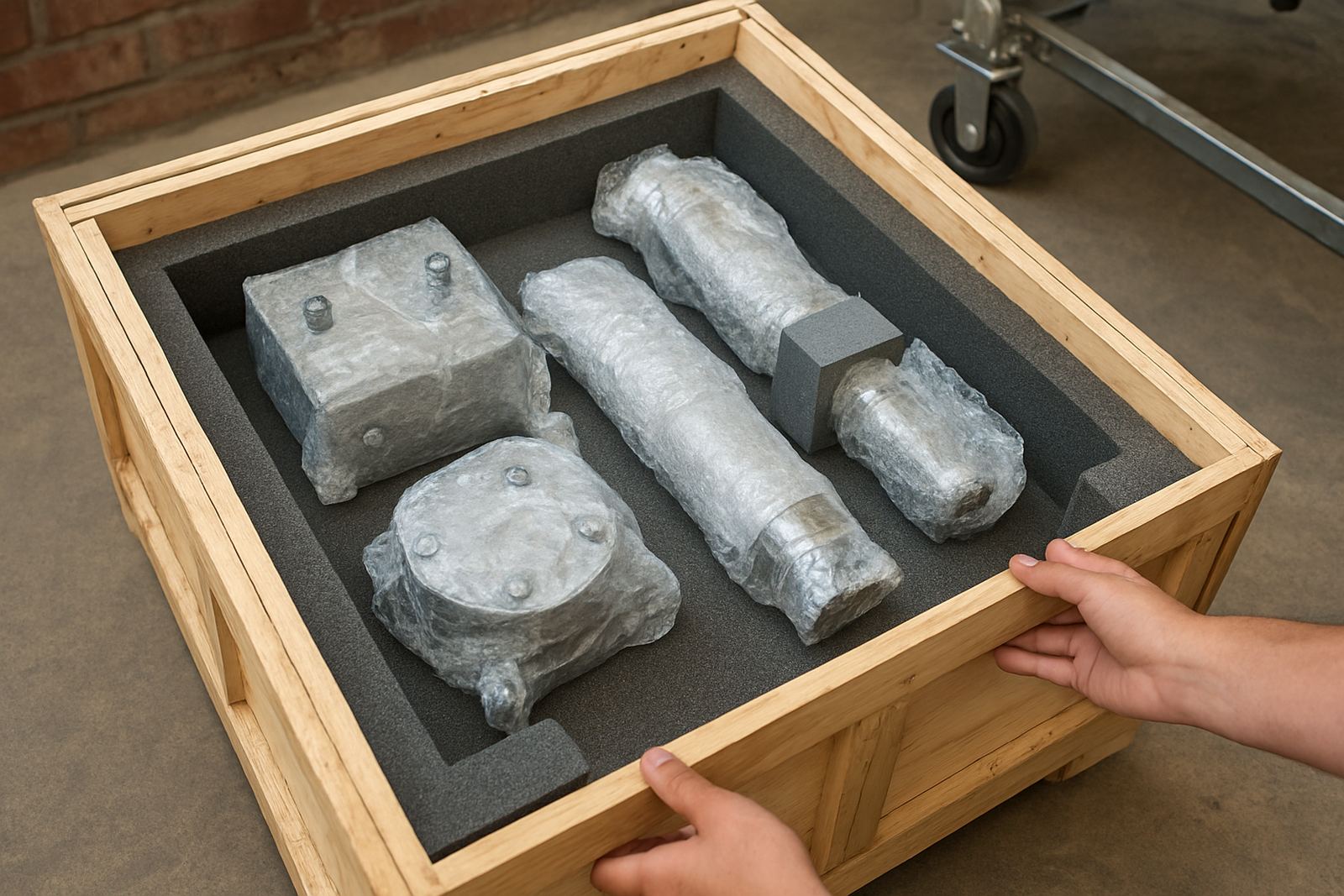
Some repairs need to be handled on site, but many high value parts are better suited to job-shop work. That allows careful attention, better access to the damaged area and more controlled finishing. For clients across South Africa, courier jobs are often the practical answer when the item can be packed safely and the repair timing is important.
From the Centurion workshop, Laser Welders Jobshop supports Pretoria, Midrand, Rosslyn, Jet Park and wider nationwide work. The team handles precision laser welding, crack repair, edge build-up, mould and die work, thin section welding, stainless repairs, aluminium repairs, part restoration, prototype joining and batch jobshop welding. That mix is useful when one small part can hold up a much larger operation.
For maintenance managers and production teams, the real question is simple: will repair return the part to useful service at lower cost and with less downtime? If the answer is yes, saving the part is often the better business decision.