Start With The Part, Not The Clock
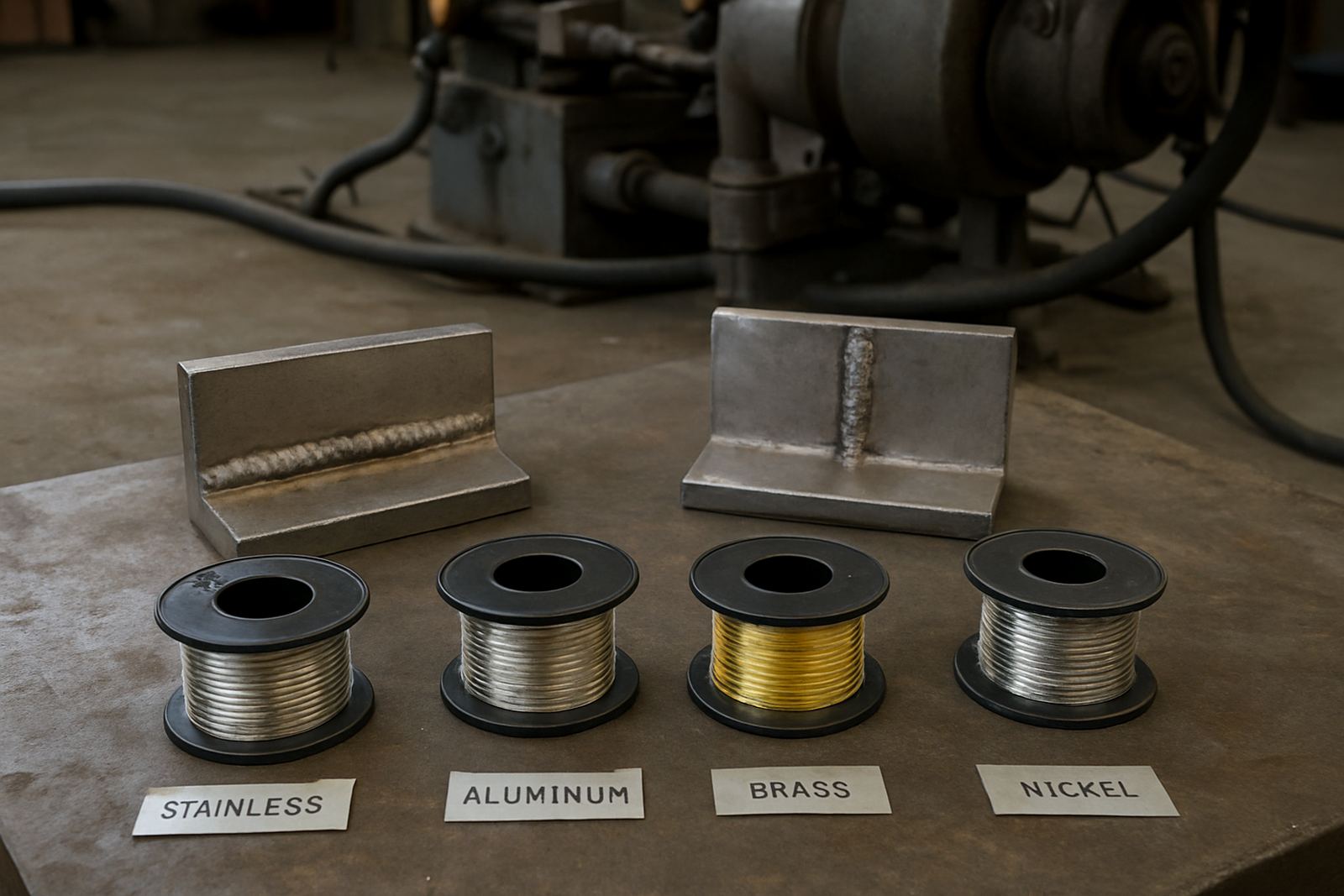
Good batch planning begins with the part itself. Before a run starts, the team checks material type, thickness, joint access, heat sensitivity and the finish required after welding. A stainless bracket for a food plant in Midrand needs a different setup from a mould insert for a tooling client in Pretoria East, even if the quantity is the same.
That first review saves time later. It also helps us group similar jobs together, so the torch settings, fixtures and inspection checks stay stable from one part to the next. When repeat work is planned properly, the workshop is not guessing from batch to batch.
Use Sample Parts To Lock In The Process
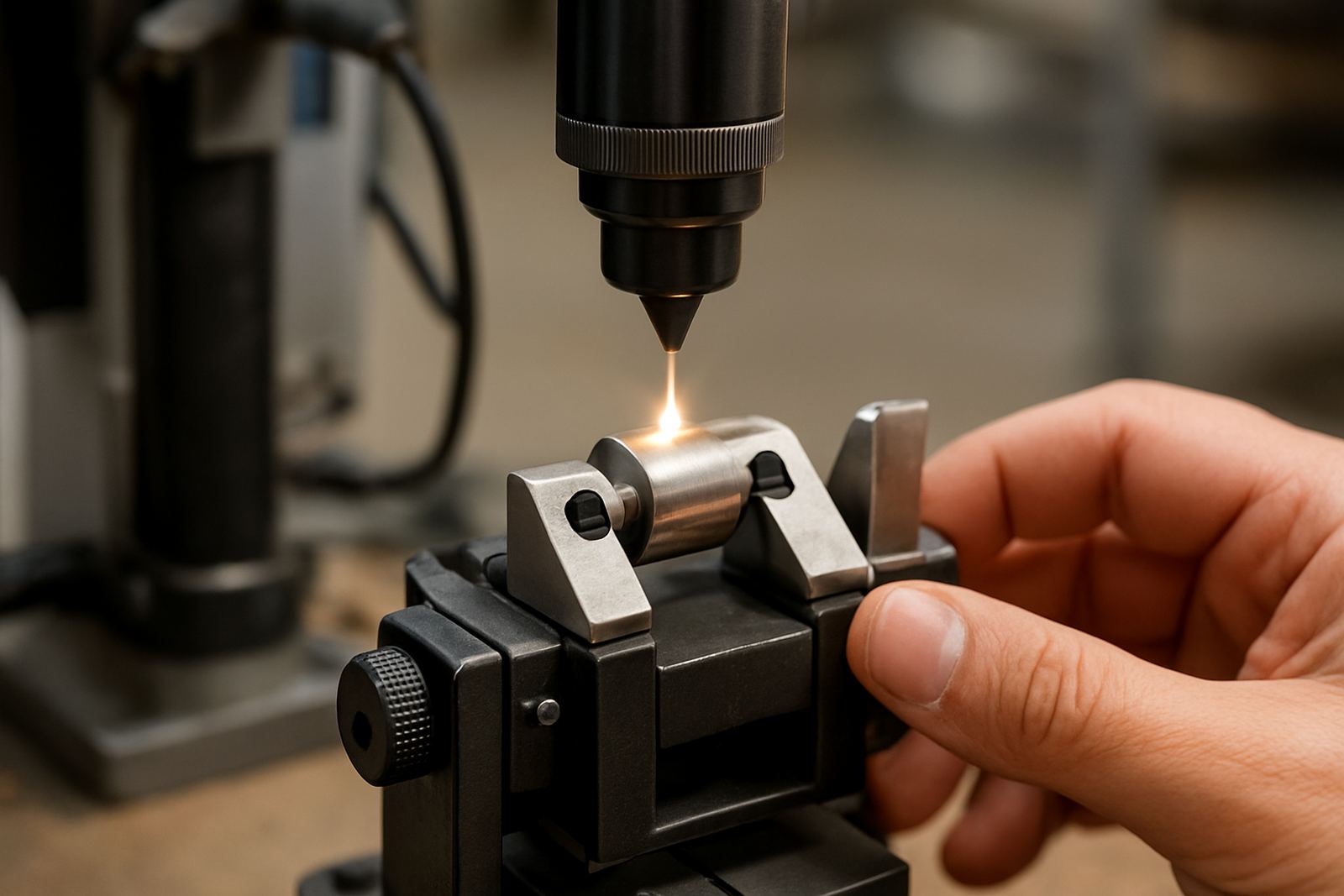
For repeat jobs, one sample part can prevent a lot of waste. We often test the first piece, confirm weld size, check distortion and agree on the acceptable finish before the full batch moves ahead. That is especially useful for thin sections and parts with tight tolerances, where a small change in heat input can affect the whole run.
- Confirm parent material and any previous repair work
- Check the joint gap and edge prep on the sample
- Agree on visible finish, grind limits and post-weld clean-up
- Record the final settings so the next batch starts the same way
Once the sample is signed off, the rest of the order becomes much more predictable. It also gives the client a clear reference if the job comes back months later for a repeat, so there is no confusion about what was approved.
Plan Around Batch Size And Handling
Batch size changes the whole workflow. Ten small parts can take more handling time than two larger ones, because each item must be loaded, aligned and checked. On the other hand, a bigger batch may need staggered release if the client wants deliveries split across sites in Rosslyn, Jet Park and Centurion.
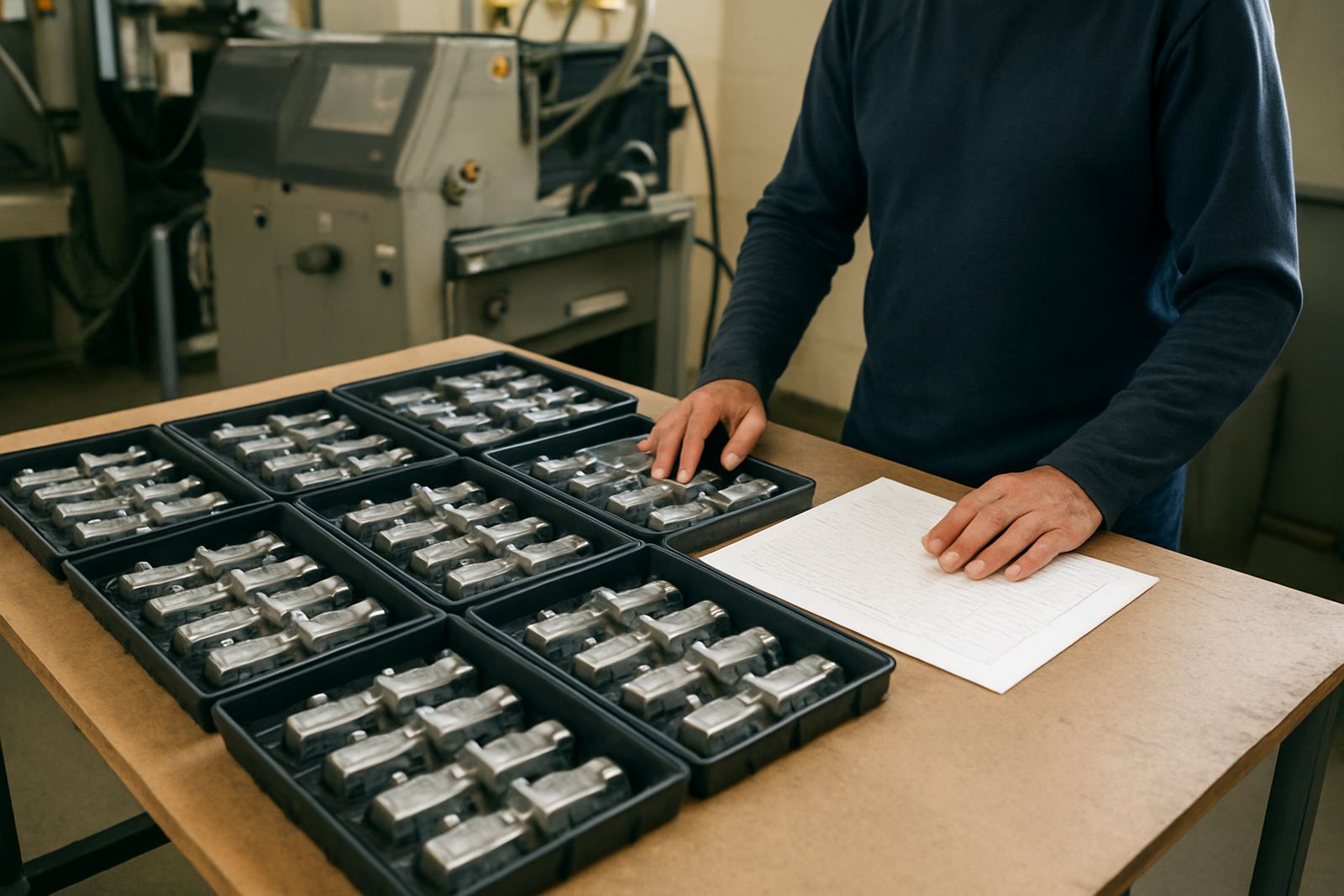
We look at how the parts will move through the workshop and how they will be packed after welding. If items scratch easily or have sharp edges, they need separators and proper trays. If they are being returned to a production line, the packing must allow quick identification. A batch plan that ignores handling usually costs more in the end.
- Number the parts or trays clearly
- Separate jobs by material and thickness
- Allow space for cooling before packing
- Match collection times to the client’s own production schedule
Keep The Schedule Honest In South African Conditions
Lead times can slip if the schedule is built on wishful thinking. In Centurion and Pretoria, batch work has to allow for load-shedding, courier cut-off times and the odd delay from incoming material. A realistic plan leaves room for machine checks and quality sign-off, rather than assuming the full day will go perfectly.
For clients outside Gauteng, timing matters even more. A batch for Durban, Gqeberha or Cape Town may travel through changing weather, warehouse delays and coastal humidity. If parts are not dried and packed well, surface condition can change before they ever reach the next process. Small details like these matter more than people think, especialy on repeat work.
Use Quality Checks That Catch Drift Early
When the same job runs again and again, the risk is not one bad part but gradual drift. Heat build-up, changed fit-up, worn fixtures or a different operator can all move the result away from the approved sample. That is why batch work needs checkpoints through the run, not only at the end.
At Laser Welders Jobshop, quality control looks at alignment, weld consistency, visible finish and dimensional change during the job, not just after it is complete. If the first few pieces stay true, the rest of the batch has a better chance of staying on spec too. That saves time on rework and reduces the chance of a late delivery.
Make Repeats Easier For The Next Order
The best batch plan is the one that can be repeated without starting over. We keep records of the approved approach, including part notes, weld sequence and any special handling requirements. That means a repeat order for a machinery client in Rosslyn or a manufacturing line in Jet Park can move faster the next time round.
For long-term clients, this becomes part of the production rhythm. A clear record helps with urgent call-offs, planned maintenance shutdowns and smaller follow-up quantities. It also makes it easier to combine batch work with repairs, edge build up or prototype joining when the same plant is under pressure.
Good batch planning is not fancy. It is simply careful work, written down properly and followed the same way every time. That is how you keep repeat jobs steady, even when the week is busy and the phone does not stop ringing.