What laser welding does to the metal
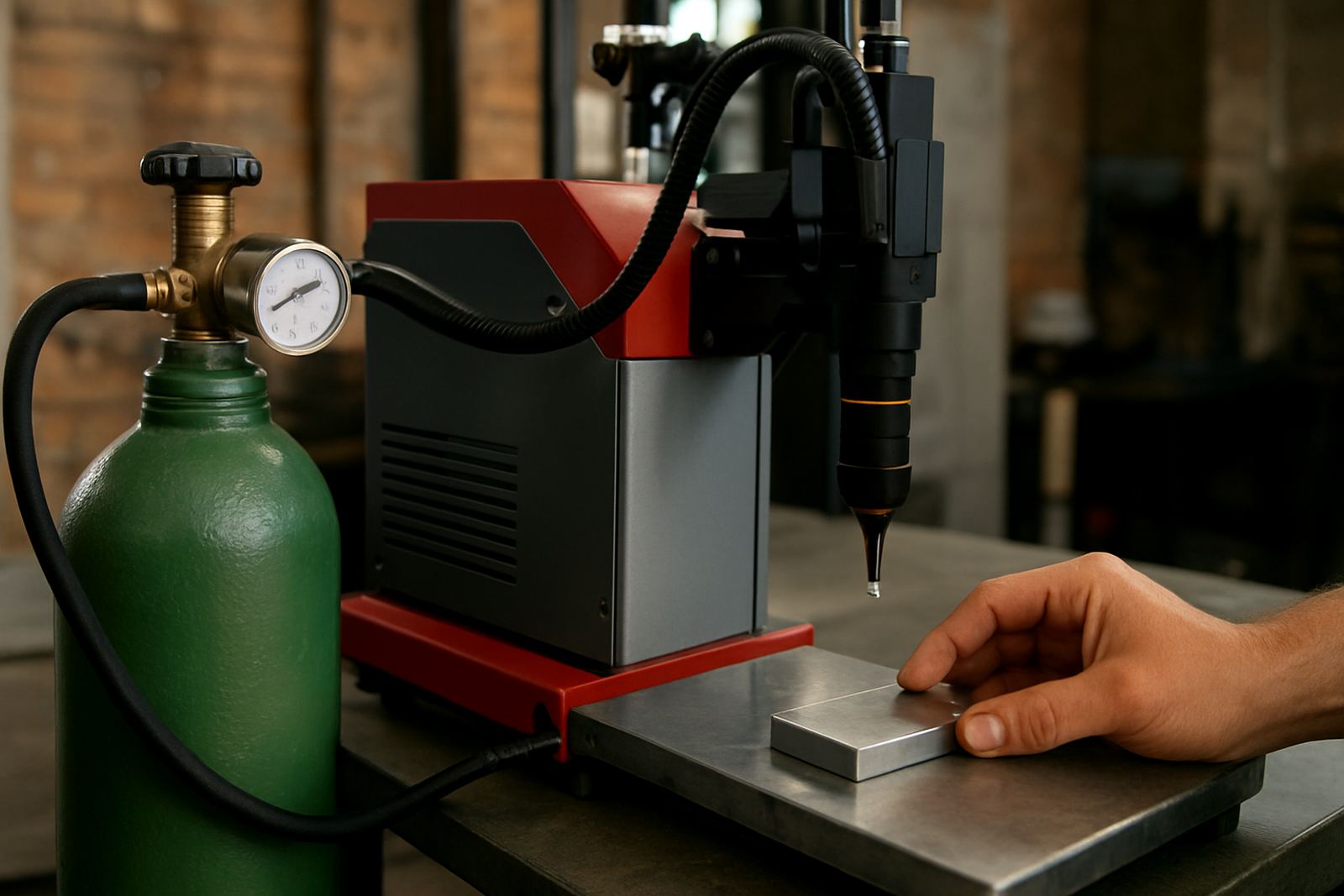
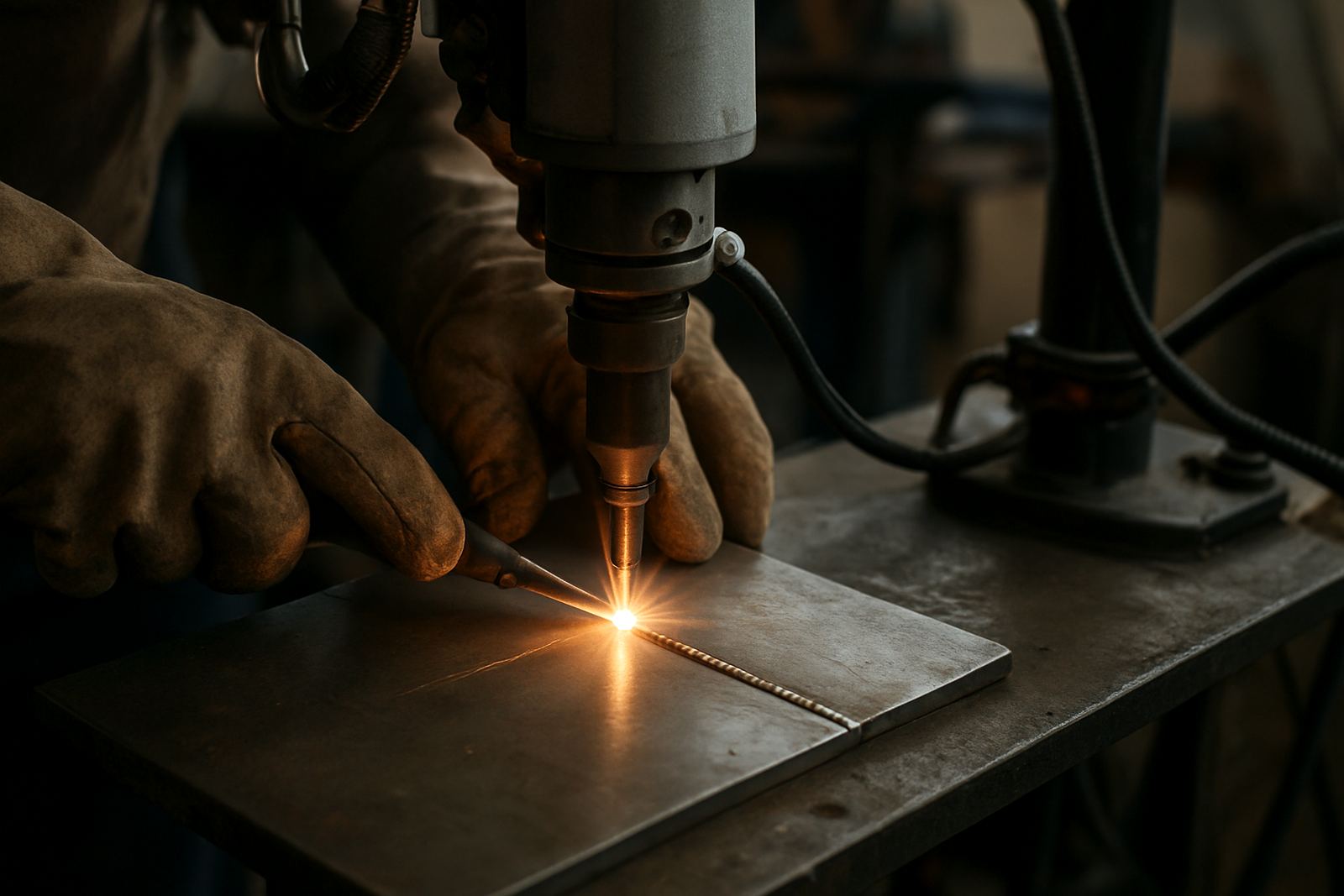
Laser welding joins metal by directing concentrated energy at a very small area, just where the repair or joint is needed. The heat is intense, but it is concentrated so the surrounding metal takes less stress than it would with broader welding methods. That matters when you are working on thin sections, small components, mould inserts or parts that have already been machined to size.
In simple terms, the beam brings the metal edges to melting point fast enough to form a controlled weld pool. The technician guides that pool along the joint and, where needed, adds filler material in tiny amounts. Because the heat input is narrow, the part usually moves less and there is less clean-up after the weld.
This is useful for repair work in Pretoria, Centurion and the surrounding industrial areas where parts often need to go back into service quickly. A cracked bracket, worn edge or damaged tool section can often be restored instead of replaced, which helps keep downtime and Rand spent on new parts under control.
The main steps in a laser welding job
Every job starts with inspection. The technician checks the metal type, thickness, crack length, previous repairs and any signs of contamination such as oil, paint, rust or oxide. Clean metal gives a cleaner weld, so preparation is a proper part of the process not an afterthought.
From there the part is clamped and aligned. Good alignment matters because laser welding works best when the joint gap is small and even. On many parts, especially in mould and die work, the setup is as important as the welding itself.
The basic workflow usually looks like this:
- Assess the damage and identify the metal
- Clean and prepare the area to be welded
- Set the beam position, power and travel speed
- Apply the weld in short controlled passes
- Check for profile, penetration and finish
- Do any light dressing, machining or polishing if required
For batch jobshop work, the settings are recorded so the same result can be repeated on the next part. That helps when a client in Rosslyn or Jet Park sends multiple components that must match closely.
Why small heat zones matter on precision parts
Many repairs fail not because the weld is weak, but because too much heat changes the part around the weld. Thin metal can warp, hard surfaces can soften, and precision features can move out of tolerance. Laser welding reduces those risks because the heat is tightly controlled.
This is especially important for:
- Thin section welding where distortion must be kept low
- Crack repair on parts with tight dimensions
- Edge build up before machining back to size
- Prototype joining where the design may still change
- Stainless repairs that need a neat finish and limited heat tint
In practical terms, a client with a worn tool edge or a damaged component does not always need a full replacement. If the base material is still sound, laser welding can add material back onto the worn area and give the machinist something usable again. That can save time in a workshop where a machine stoppage is costing money each hour.
Where laser welding helps in South African workshops
We see laser welding used across manufacturing, maintenance and repair work. In the Pretoria and Centurion area, it is often brought in for mould and die correction, fine stainless repairs, aluminium parts and general restoration jobs where a normal weld would leave too much distortion.
It also helps where access is awkward. Some parts have deep recesses, narrow corners or delicate surfaces close to the repair area. The focused beam can reach those spots with less surrounding heat, which is useful on assemblies that cannot be stripped down easily.
Local conditions also play a role. Coastal humidity can affect storage and surface condition, while dust in industrial areas can contaminate prepared joints. During load-shedding, workshops need to plan around power interruptions and scheduling becomes important. For that reason many clients send parts for focused repair work in batches, then collect them from Midrand or arrange courier from further afield.
Common jobs we handle include:
- Stainless steel crack repair
- Aluminium component repair
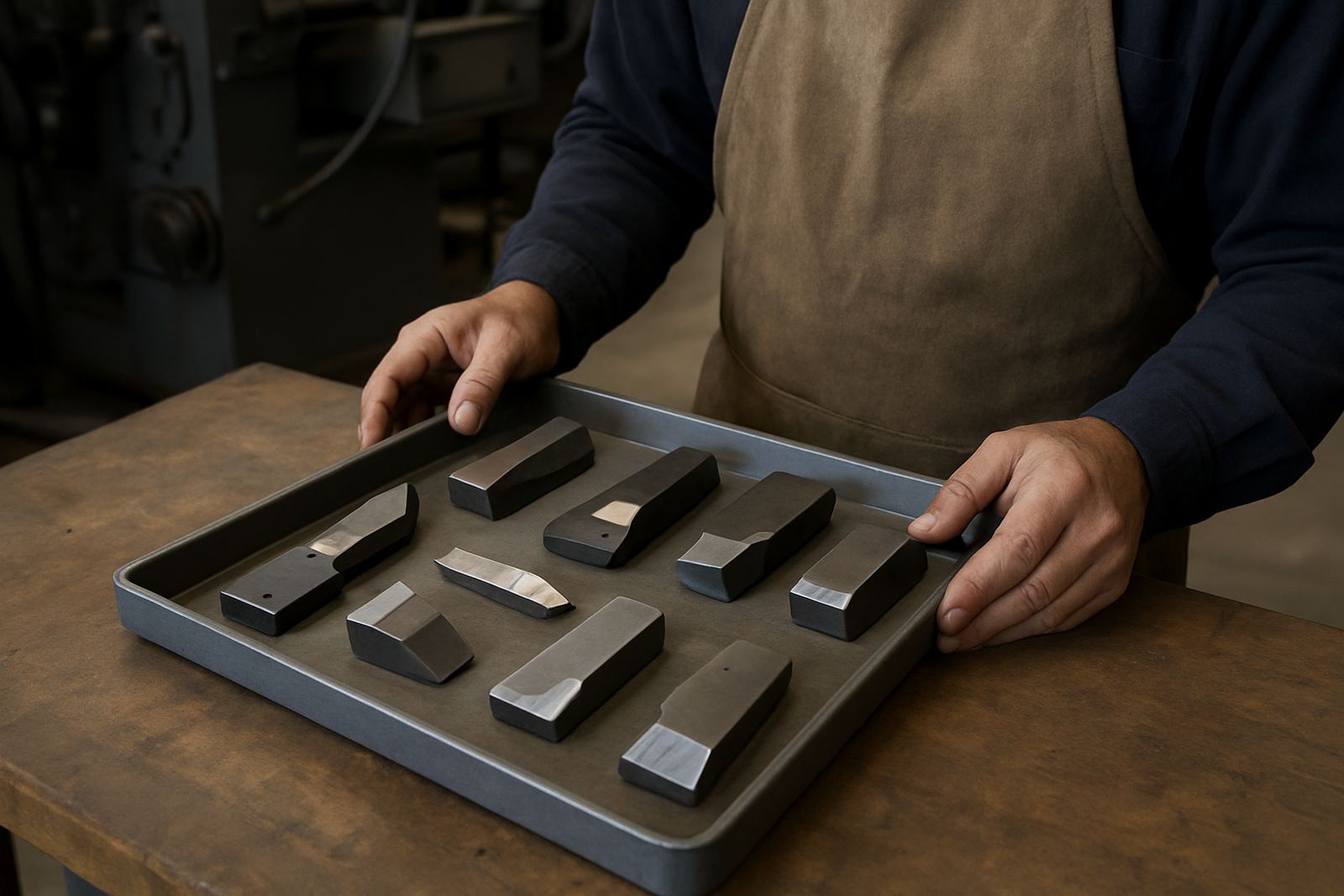
- Mould face touch-up
- Edge build up before re-machining
- Part restoration for worn industrial components
What a good laser weld should look like
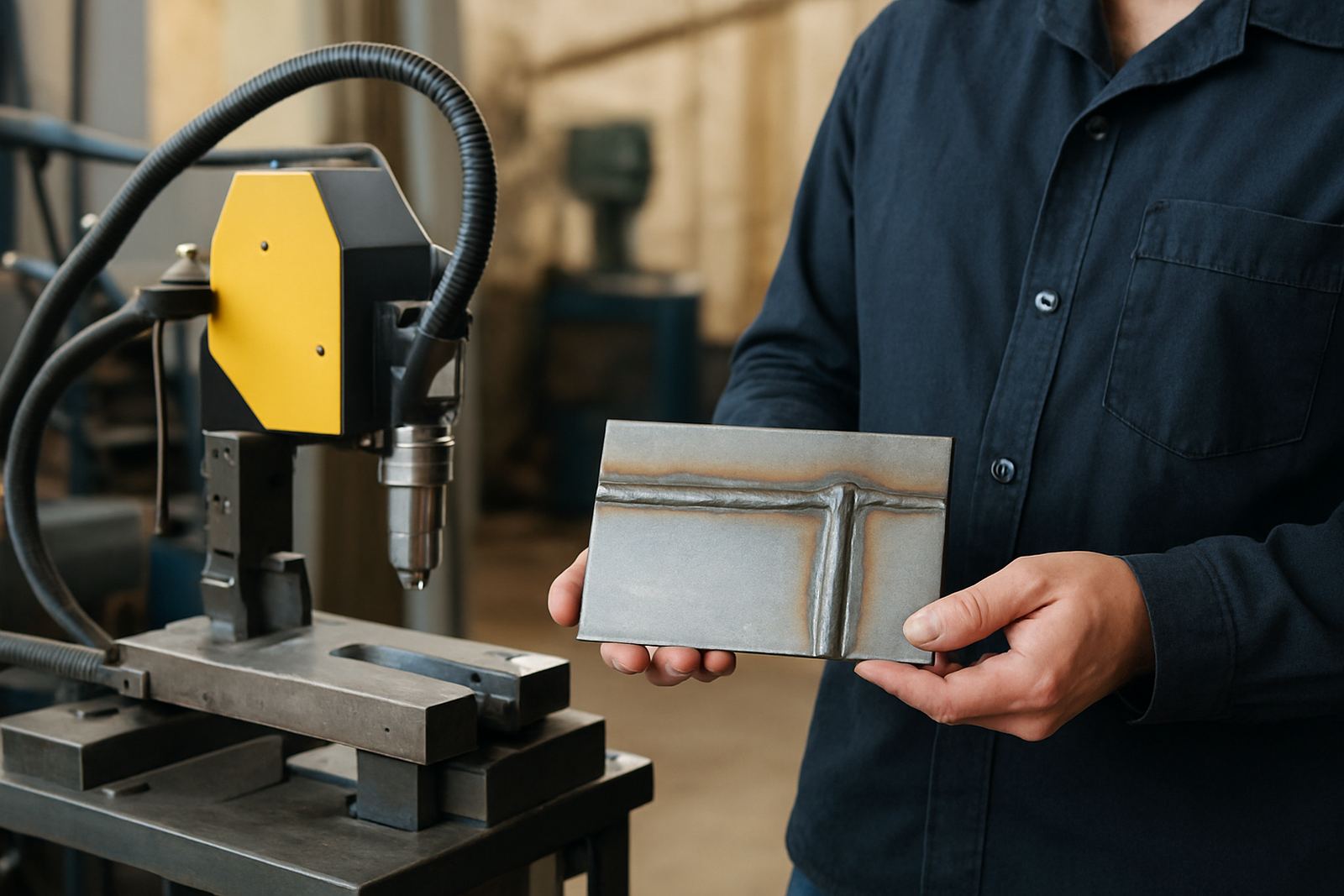
A sound laser weld should match the job spec, bond properly and leave the part fit for its next stage of use. On visible work, the bead should be neat and even. On functional repairs, the important part is correct fusion and the right amount of material in the repaired area.
Quality control is not just a final glance. The operator checks alignment during the job, then inspects the completed weld for cracks, underfill, overbuild and signs of overheating. If the part will be machined after welding, the repair has to leave enough material for finishing without creating extra clean-up work.
Good results depend on communication too. A client should be clear about whether the part must be cosmetic, structural or simply restored enough to run again. The better the brief, the better the outcome.
Useful information to send with a job includes:
- Material type if known
- What failed and where
- Any drawings or sample parts
- Required finish or tolerance
- Whether the part must be welded, built up, or only repaired locally
How to send a job in from Pretoria or farther afield
Laser welding jobs can be handled locally from our Centurion workshop, with support for clients across Pretoria East, Midrand, Rosslyn, Jet Park and nationwide courier work. For nearby clients, drop-off and collections are straightforward. For out-of-town work, it helps to pack the part properly and include a short written instruction sheet.
Before sending a component, clean off loose oil and dirt if possible and protect machined faces. If there are multiple similar parts, number them so they come back in the same sequence. That saves confusion in the workshop and speeds up turnaround.
For urgent repairs, communication is key. Tell us the deadline, the material and the consequences if the part is delayed. If a machine is standing idle or a production line is waiting, that needs to be clear from the start. It helps us decide whether the job can be prioritised and what process will suit the part best.
For advice or to book a job, use our contact form. Whether it is one cracked component or a batch of precision parts, the aim is the same: repair only what needs repairing and leave the part ready for the next step.