Why the heat affected zone changes the job
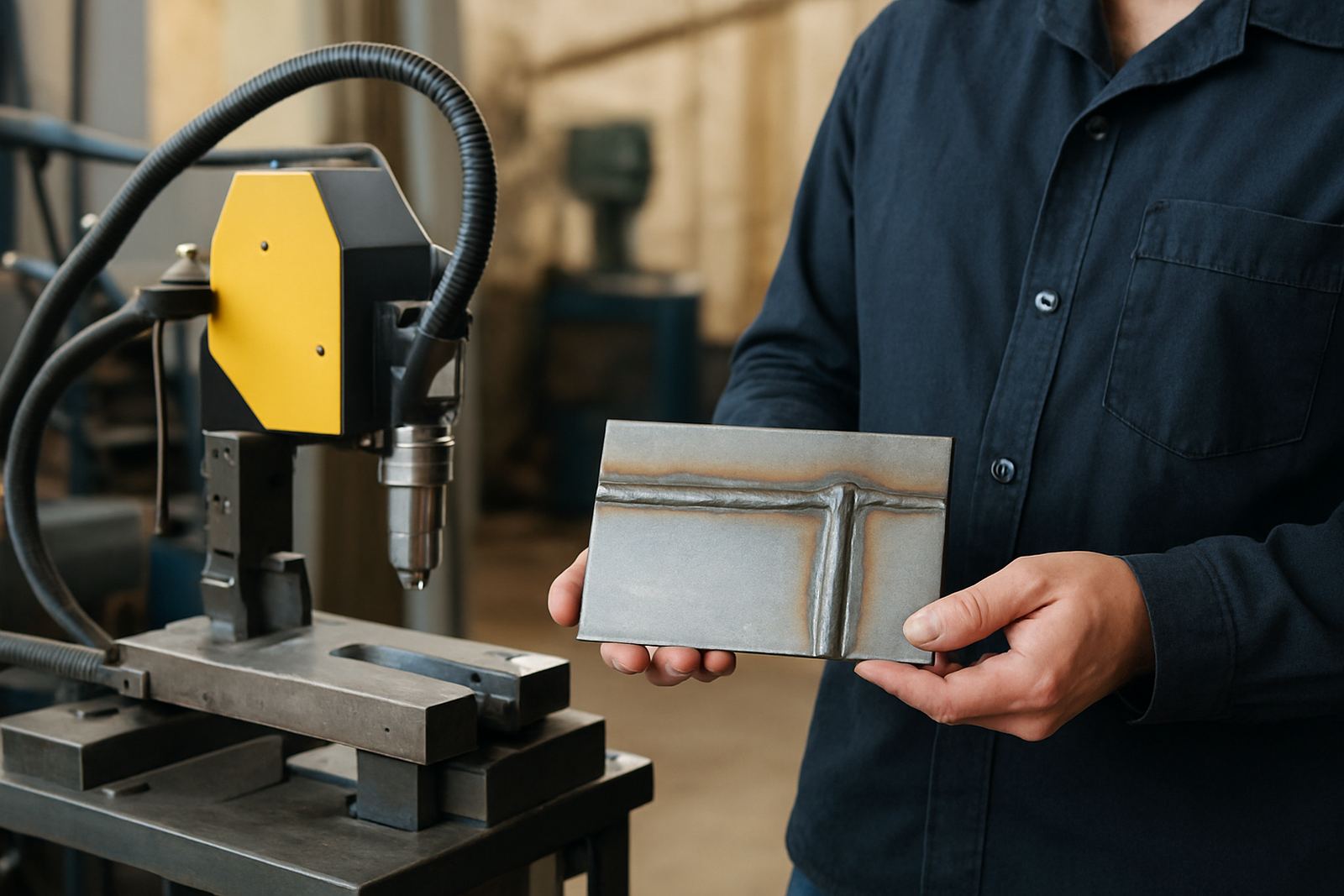
The heat affected zone, or HAZ, is the part of the parent material that is changed by welding heat but not melted. In practice, it is where grain structure, hardness and stress can shift. On a simple bracket that may not matter much. On a mould insert, thin section, stainless trim piece or precision shaft, it can decide whether the part still fits after welding.
Reduced heat input matters because South African job-shop work often involves parts that must go back into service quickly. A machine part from Rosslyn, a tooling insert from Midrand or a worn component from Centurion may already be close to tolerance. Too much heat can pull the part out of size, create warping, or leave it needing extra straightening and machining.
What low heat input protects on sensitive parts
Not every repair needs the same heat profile. Thin material, small corners and heat treated parts all react differently. Lower heat input helps protect dimensions and also reduces the chance of cracking later, especially where an item will see vibration, pressure or repeat heating in use.
- Maintains tighter dimensions on precision parts
- Reduces distortion on thin walls and edges
- Helps preserve nearby hardened areas
- Limits the amount of clean-up machining after repair
- Supports better repeatability on batch jobshop work
For sensitive components, the aim is not only to join metal, but to control how far the heat spreads. That includes the speed of the weld, the size of the affected area and how the part is clamped before work starts.
Where heat distortion shows up first
Distortion usually appears in the places people check last. A flange goes slightly out of flat. A seating face no longer sits true. A pin hole closes up a fraction. On stainless, a small change can also show as discolouration or a finish issue that must be sorted before the part can move on.
In workshop conditions, the risk is often higher on long, narrow or uneven parts. Aluminium can move quickly with heat, while thin stainless can show visible pull even when the weld looks neat. That is why clamping, sequence and the right heat settings matter so much. One small slip in prep can mean extra time later, and that cost is avoidable.
- Check flatness before and after welding
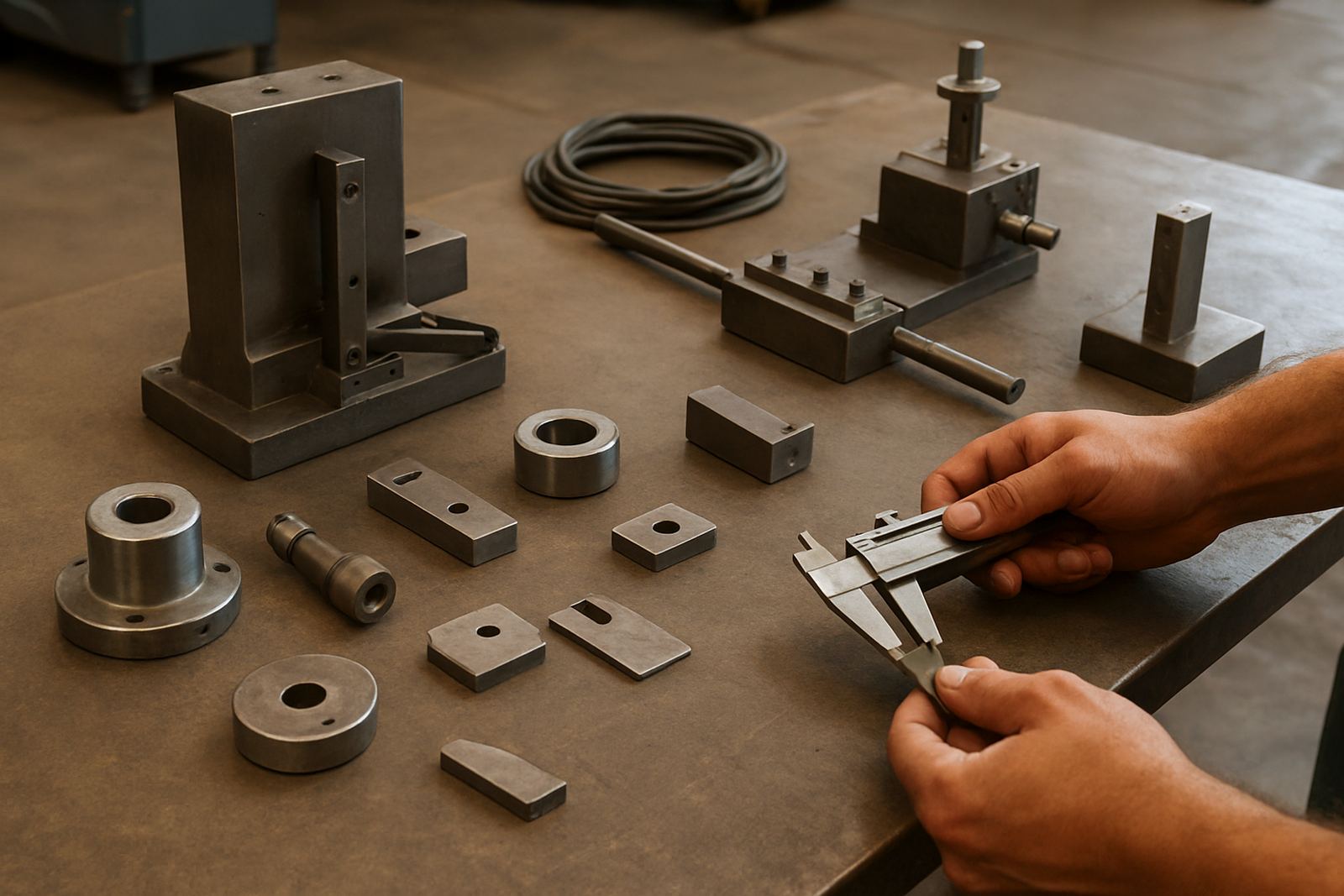
- Measure critical holes and mating surfaces
- Mark areas that must not overheat
- Allow controlled cooling instead of rushing quenching
How careful repair work keeps the part usable
Good repair work starts before the torch or beam is switched on. The technician needs to know what the part does, where it wears, and which faces carry load or seal pressure. A crack repair on a pump component is not handled the same way as edge build up on a mould half.
Careful prep can include cleaning out contamination, making a small repair groove, choosing a sensible weld path and keeping the heat concentrated where it is needed. Sometimes a part needs support fixturing, sometimes it needs a staged repair with cooling breaks. The point is to keep the work localised so the rest of the component stays stable.
For job-shop clients, that can save both time and material. Instead of replacing a whole section, a well controlled repair can bring the part back into service with less down time. That matters on production schedules where a single failed component can hold up a line.
A Pretoria example from a tight-tolerance repair
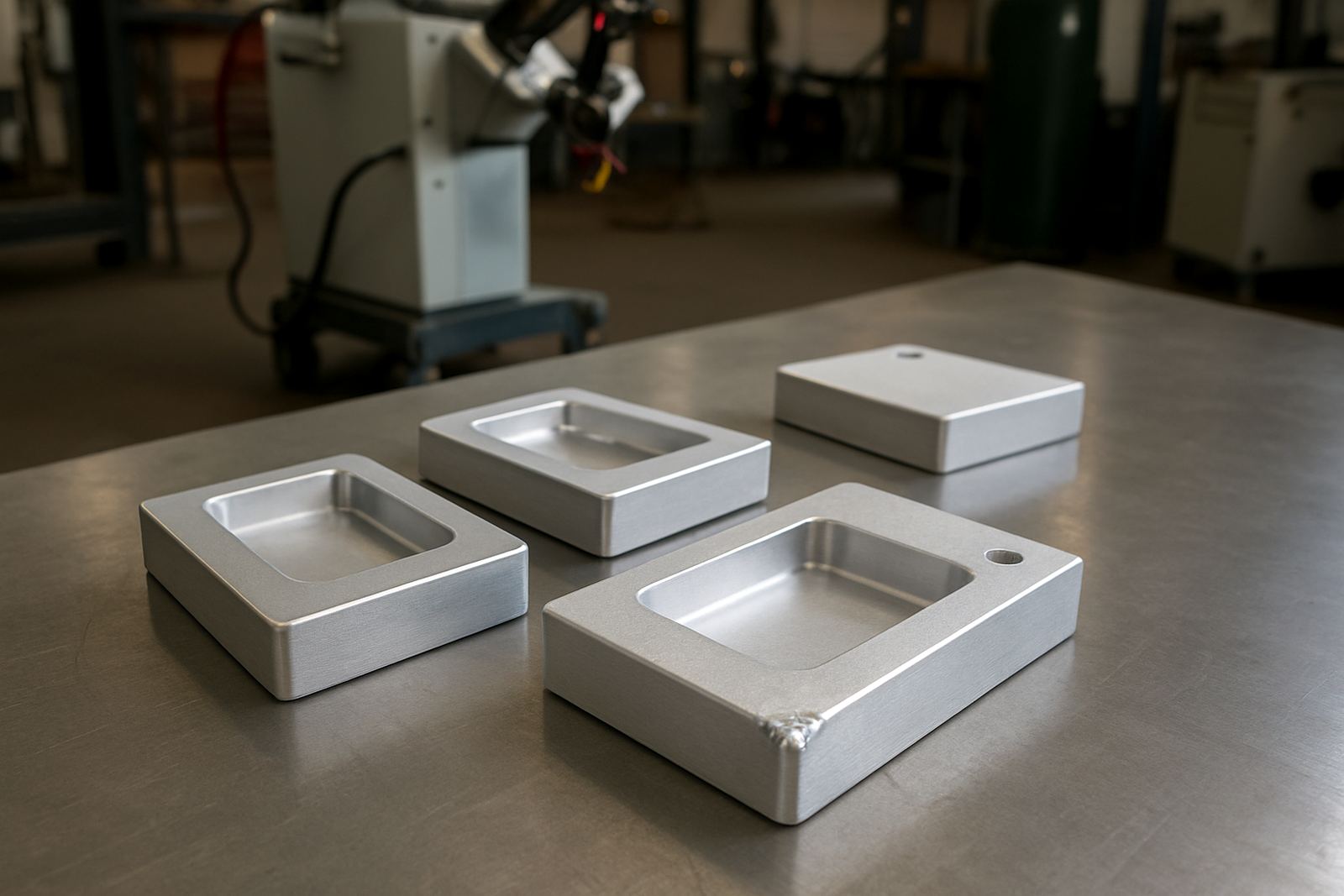
A common local case is a worn tooling component from a factory in the Pretoria East and Centurion corridor. The part may still be valuable, but the working edge has chipped and the fit is no longer right. If the repair introduces too much heat, the insert can move out of size and the tool then needs extra machining before it can go back into production.
With controlled heat input, the repair can be kept tight to the damaged area. That helps preserve the rest of the component and reduces the risk of rework. For many Gauteng clients, this is especially useful when load-shedding has already interrupted production and the workshop needs a fast, reliable turnaround. A part that comes back requiring less secondary work is a proper help, not a nuisance.
Questions to ask before you send a part for welding
If you are planning a repair or a batch job, it helps to give the workshop the right information up front. The more they know about fit, material and use, the better they can manage heat and avoid surprises.
- What material is the part made from?
- Which surfaces must stay true or flat?
- Has the part been heat treated, plated or machined?
- Will it carry load, pressure or repeated vibration?
- Is there a finish requirement after welding?
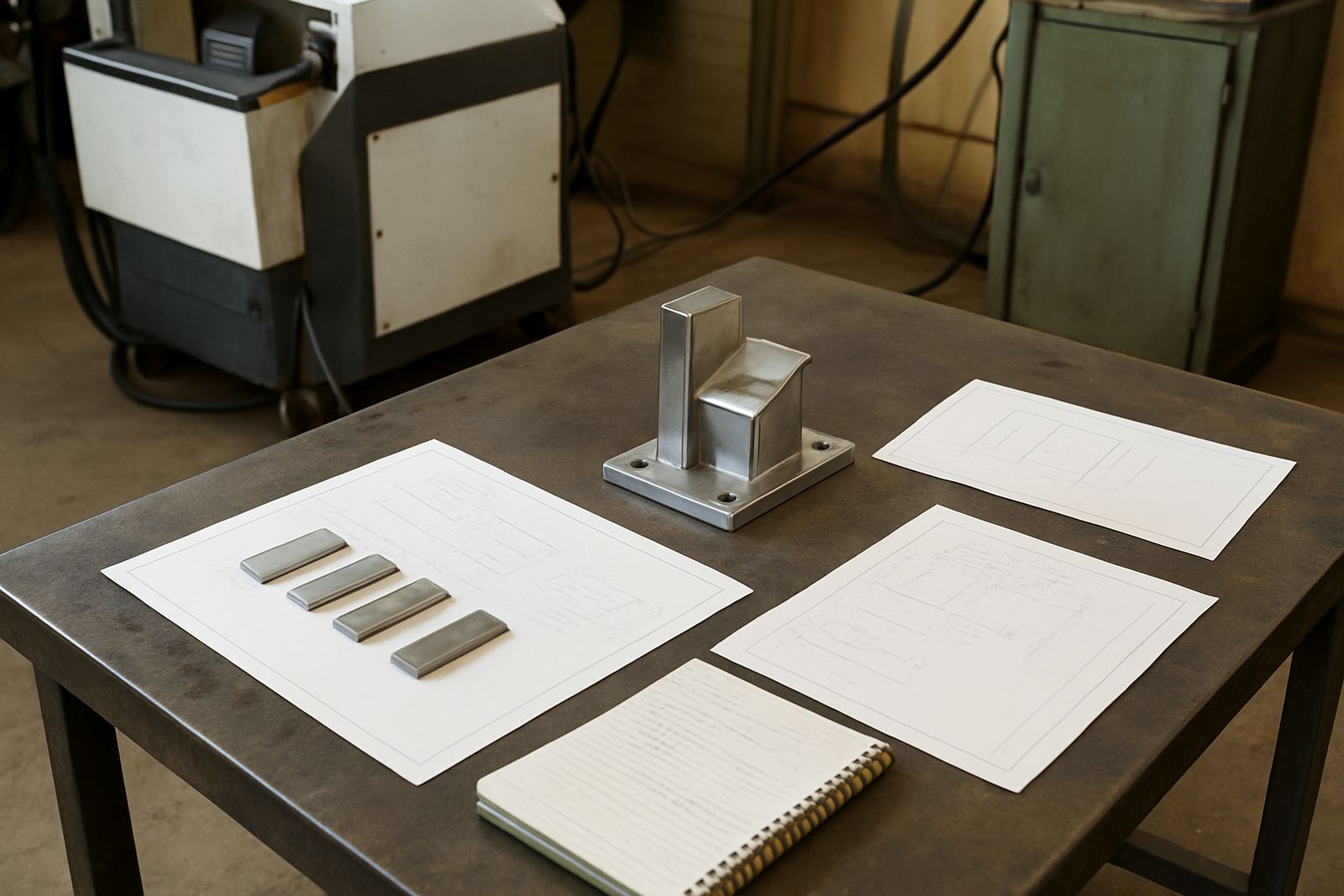
Photos, measurements and a brief note on how the part failed are usually enough to guide the repair process. For nationwide courier jobs, that detail helps the workshop plan the work before the part even arrives.
Why reduced heat input saves more than material
Low heat input is not only about neat appearance. It protects dimensions, shortens the route back into service and can reduce the need for extra machining or straightening. In a practical South African workshop setting, that means better use of time, less waste and fewer delays between collection and delivery.
For precision parts and sensitive components, the best repair is the one that does its job without creating another problem elsewhere. That is where controlled heat, careful sequencing and proper inspection matter. If the weld area stays local and the rest of the part stays stable, the repair has done what it should.