Material Type Changes the Whole Job
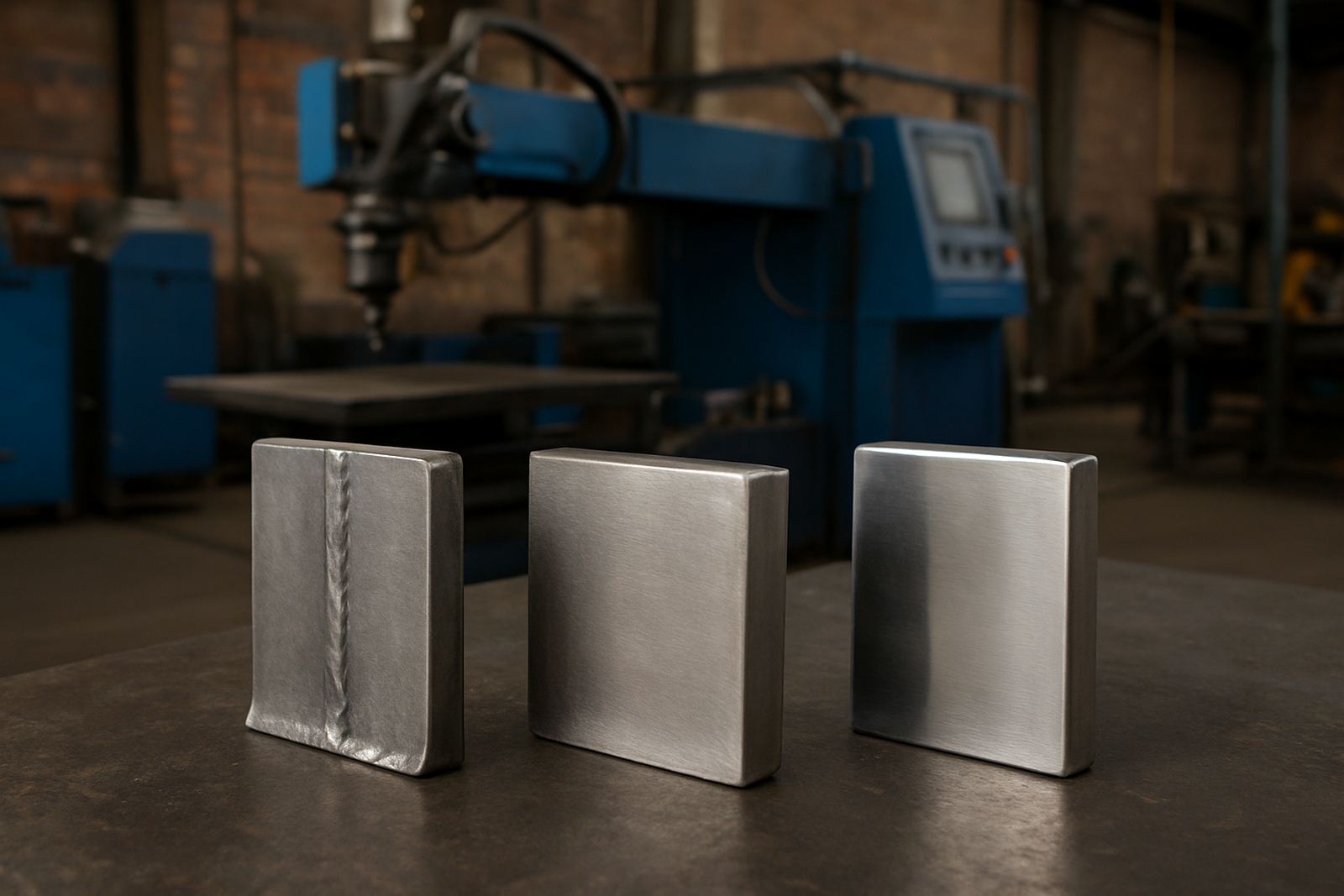
The first cost driver is the material itself. Mild steel is usually simpler to work with than stainless, aluminium or specialised tool steels, and each one needs a different approach to heat control, filler selection and finishing. A small crack in a steel bracket may be straightforward, while the same length of damage on aluminium can demand slower work, more checks and careful cleaning before welding starts.
In and around Pretoria, Centurion and Midrand, many jobs come from production plants, maintenance teams and mould shops that deal with mixed materials every day. That mix matters because the machine time is only part of the bill. The technician’s setup time, the way the part reacts to heat and the risk of distortion all affect the price.
- Stainless usually needs tighter control to avoid discolouration and finish issues.
- Aluminium often needs more prep because of oxidation and contamination.
- Tool steel and mould components may require slower, more careful passes.
- Some parts need post-repair finishing to restore the original profile.
Damage Size, Depth and Location on the Part
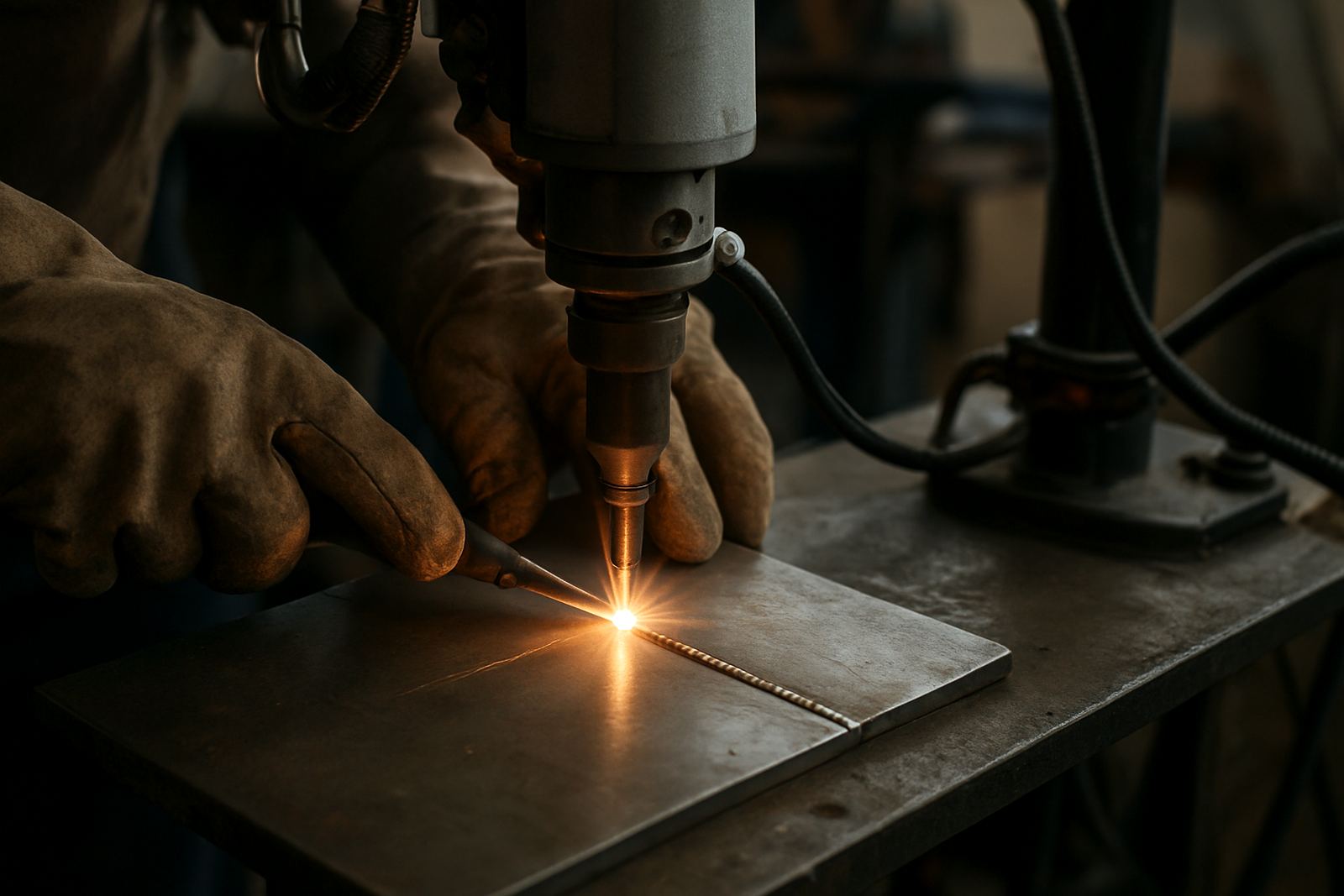
Not every crack or worn edge is equal. A hairline crack at the edge of a flat plate can be repaired faster than damage inside a deep pocket, on a curved surface or close to a tight corner. The deeper the defect, the more layers may be needed to rebuild the area properly. If the repair has to restore a sealing face, thread area or precision mating surface, the tolerance becomes much tighter and the work takes longer.
Location also affects access. A part that sits on an open bench is easier than a component with restricted access where the torch angle is limited. On some jobs, the team has to remove old weld metal, clean fatigue cracks, or rebuild worn edges a little at a time. That extra labour is part of the cost, not just the welding itself.
- Small surface crack: usually lower cost, faster turnaround.
- Deep crack or chipped edge: more build-up and inspection time.
- Hard-to-reach area: slower setup and more careful handling.
- Precision mating face: may need additional finishing after welding.
Prep Work, Cleanliness and Part Condition
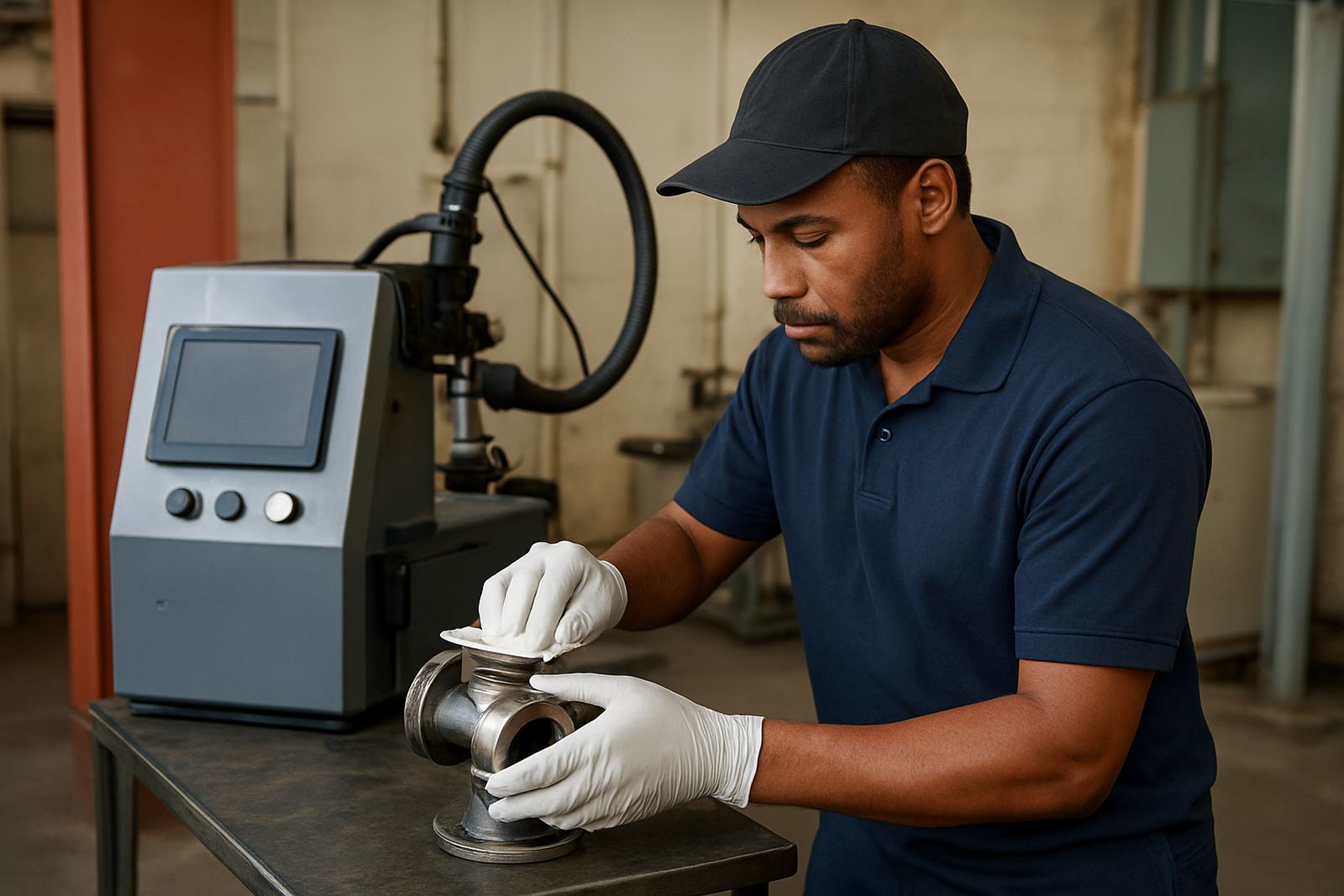
Good laser repair starts before the beam touches the part. Oil, paint, rust, plating and old filler can all interfere with the repair. If a component arrives dirty or contaminated, the workshop has to spend time cleaning, degreasing and sometimes stripping the area first. That prep time adds up, especially on batch work where every item must be handled the same way.
Parts that have already been damaged by previous welding can also be more expensive. Old repairs may have hard spots, porosity or distortion that needs to be corrected before a new pass can be applied. In some cases the component must be straightened or measured before repair to make sure the final size stays within spec. A clean part is cheaper to repair, its that simple.
- Clean, dry components reduce prep time and rework.
- Paint, grease and corrosion increase labour hours.
- Previously welded parts may need corrective work first.
- Missing measurements can delay pricing and production.
Tolerance, Finish and What the Part Must Do Next
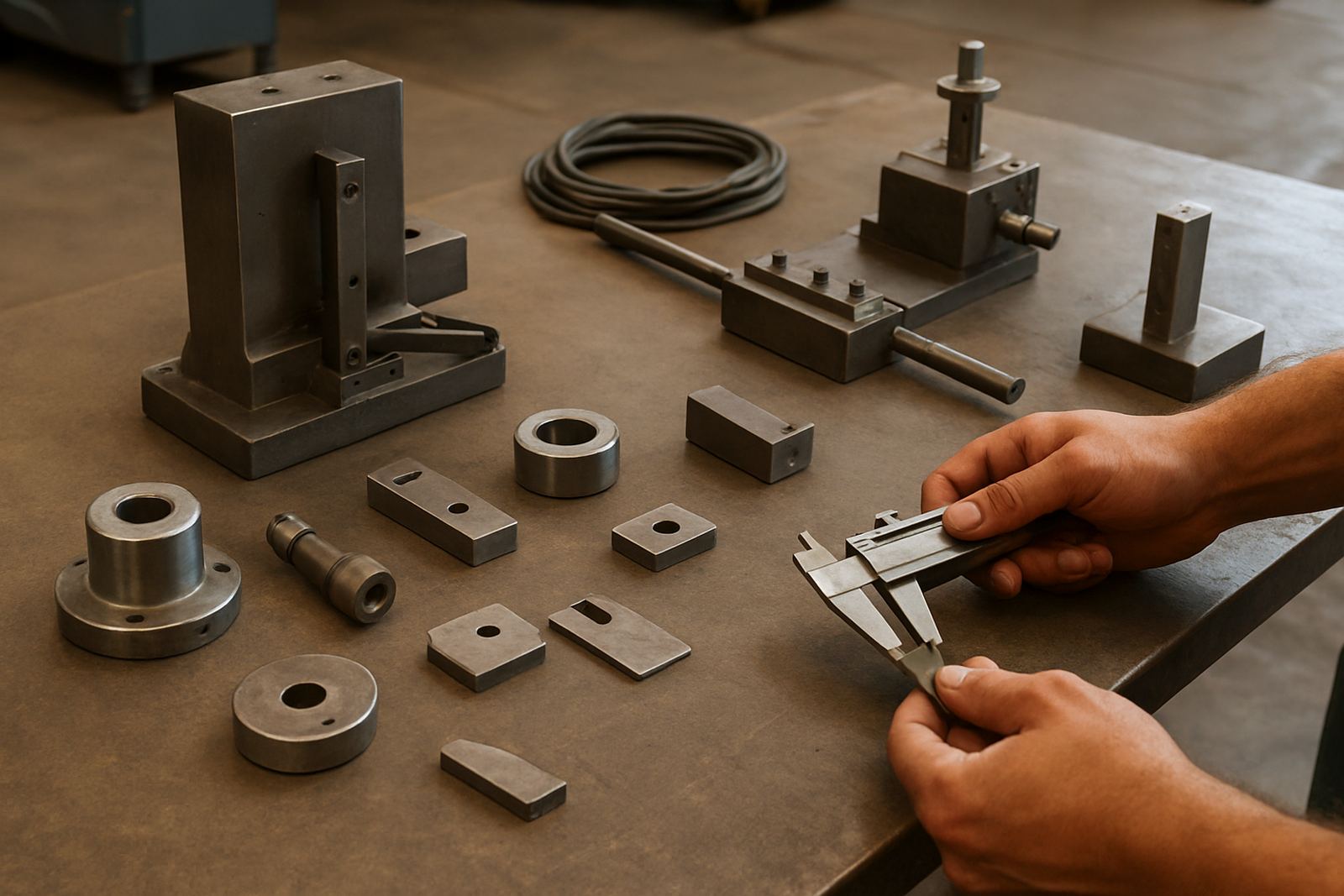
The price changes depending on what the part must do after the repair. A non-critical bracket can often be repaired to serviceable condition, while a mould insert, shaft shoulder or die component may need near-original geometry. The tighter the tolerance, the more time spent checking dimensions and refining the repaired area. Sometimes the job also needs polishing, machining or blending so the repair does not affect movement, sealing or wear patterns.
Clients often ask why two similar-looking repairs carry different prices. The answer is usually in the end use. A part that simply has to hold shape is different from a part that has to run in a production cycle all day. If the repair has to survive vibration, repeated heat or chemical exposure, the process must be done with more control, and that means a higher cost.
- Service parts are usually cheaper than precision tooling components.
- Wear surfaces may need blending or final finishing.
- High-precision repairs require more measurement checks.
- Parts used in production lines often justify extra control.
Quantity, Turnaround and Jobshop Scheduling
One-off repairs are priced differently from repeat batches. A single emergency repair may need machine setup, inspection and immediate attention, while a batch of similar parts allows the workshop to plan better and reduce handling time per item. That is why batch jobshop welding can sometimes lower the unit cost even when the total invoice is larger.
Turnaround also affects the number. Same-day work, late drops or urgent courier collections from places like Jet Park, Rosslyn or Pretoria East can push the price up because the workshop has to interrupt scheduled work. In South Africa, load-shedding can also affect timing. If a job needs to be completed within a tight production window, the team may have to adjust the workflow to keep the repair moving, which adds pressure and cost. Some clients are happy to wait a few days and save money, while others must get the part back in hours.
- Single urgent repair usually costs more than a planned batch.
- Regular repeat work can be priced more efficiently.
- Courier jobs and short deadlines may carry extra handling costs.
- Production stoppages are far more expensive than repair fees.
A Practical Pretoria Example and How to Get a Clear Quote
Take a Centurion manufacturer with a cracked stainless guide component. If the crack is visible, the part is clean and measurements are available, the repair can be assessed quickly. If the same part arrives with grease, unknown material grade and wear on the mating face, the quote must factor in prep, inspection and possible finishing. That is why good pricing starts with good information.
When asking for a quotation, send clear photos, dimensions, material type if known, the number of parts and the deadline. If the part is from a mould, die, production jig or wear component, mention whether it needs to function as new or simply return to service. For clients across South Africa, that detail helps avoid delays and keeps the job moving properly.
Laser repair is often more affordable than replacing a precision part, but only when the repair scope is clear. The more exact the brief, the tighter the quote.
- Send close-up and wide photos.
- Note dimensions and material if available.
- State the quantity and required turnaround.
- Explain whether the part is for repair, restoration or production use.