Why surface prep matters before the first arc
Surface prep is where many welding jobs are won or lost. A clean joint gives better fusion, steadier penetration and fewer defects to chase later. If oil, paint, oxide, rust or moisture stays on the part, the weld pool has to fight through contamination and that can lead to porosity, lack of fusion and weak repairs.
For precision parts, the cost of poor prep is not only a bad weld but also extra grinding, rework and delay. That matters on tight turnaround jobs in Centurion, Pretoria East or Midrand where clients often need parts back quickly and with repeatable results. On the shop floor, good prep also helps the technician keep heat input under control, which is important on thin material and small components.
Start with a clean, dry part and the right handling
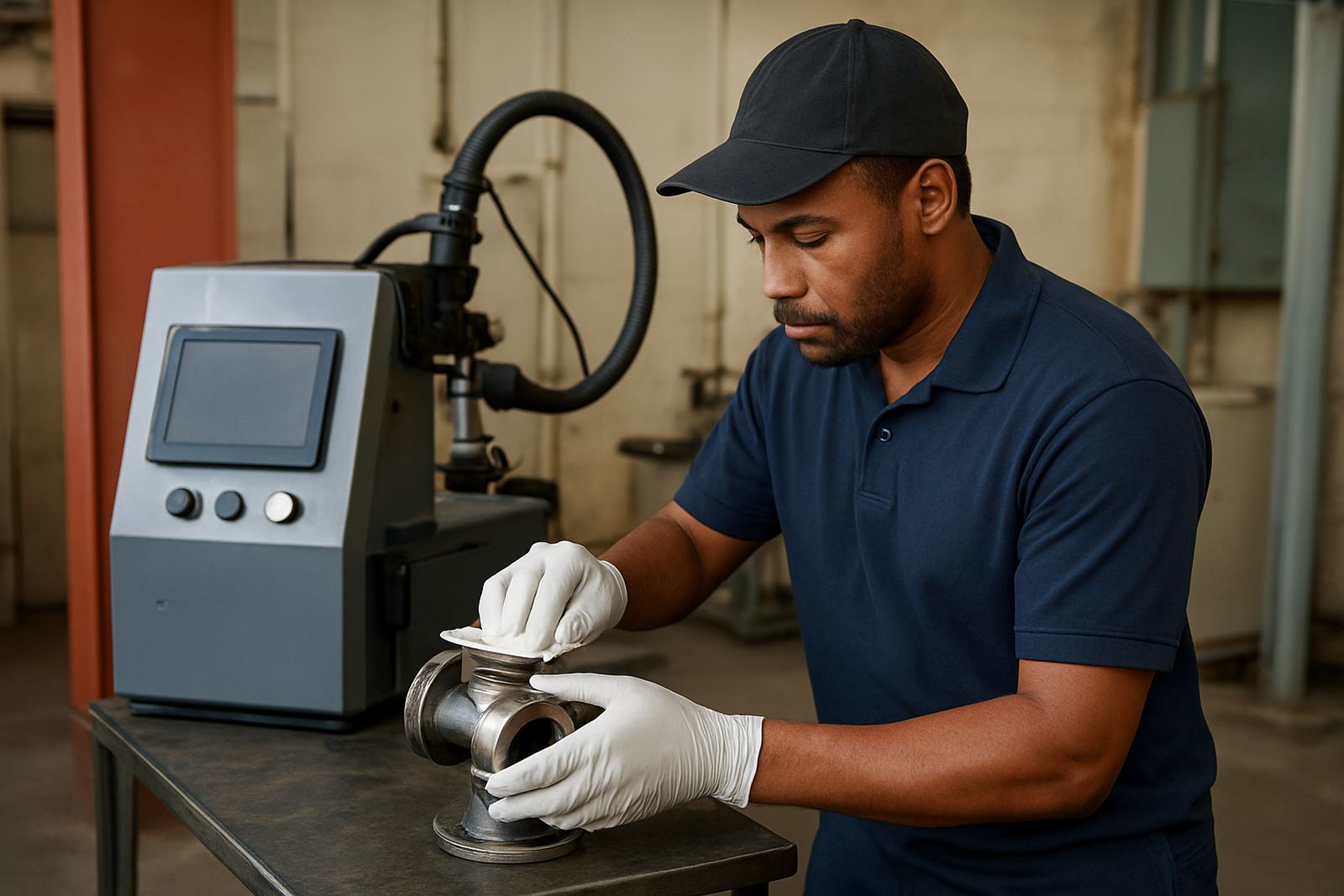
Before any welding starts, the part should be free of grease, dust and loose scale. Wiping a component with a clean solvent rag is a good first step, but it should be followed by proper mechanical cleaning where needed. A part that has sat in a damp store room near the coast may carry surface moisture or light corrosion even when it looks fine at a glance.
- Remove oil and cutting fluid with a suitable degreaser.
- Brush off loose rust, paint flakes and dirt before fine cleaning.
- Dry the part fully after washing or solvent cleaning.
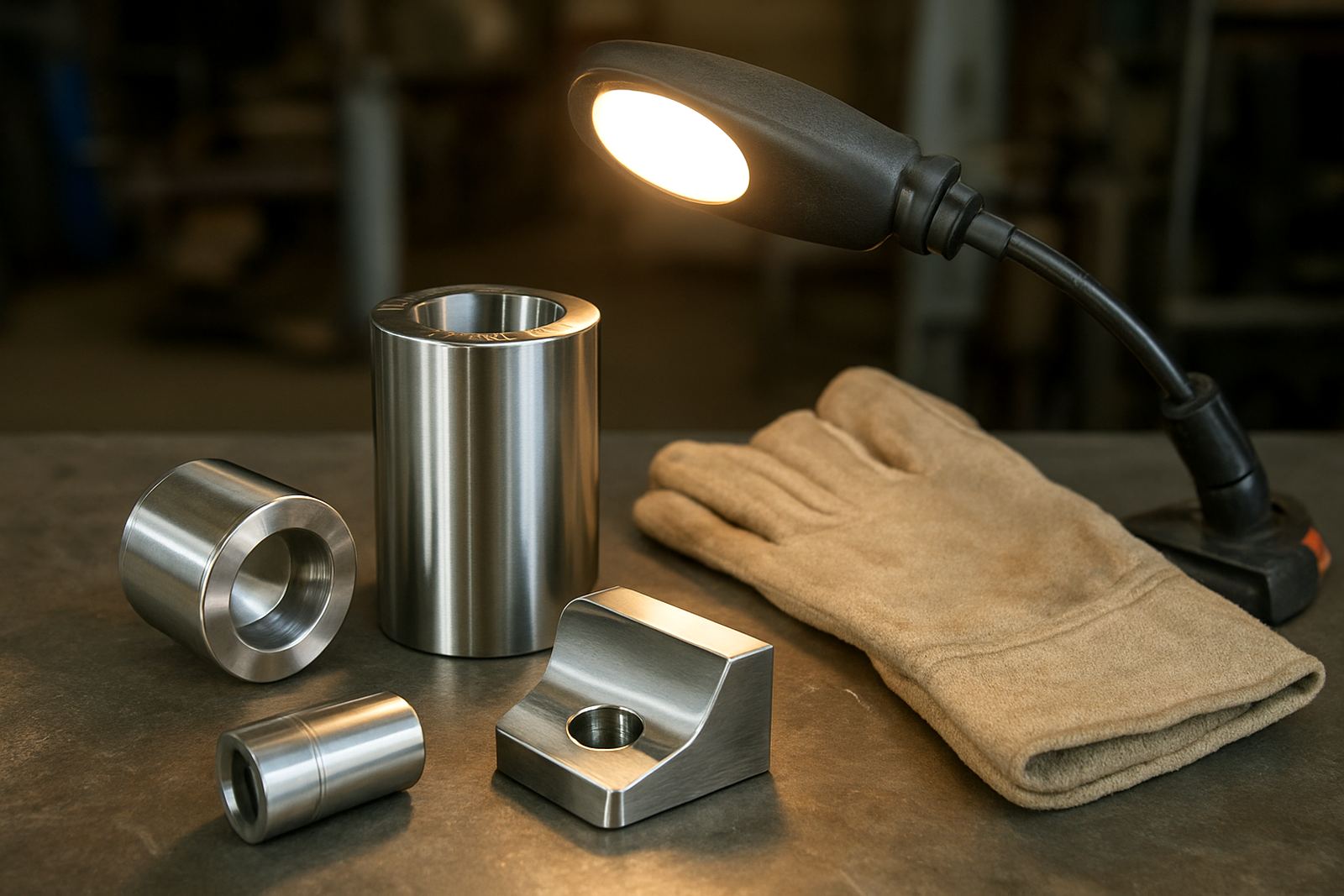
- Handle cleaned parts with clean gloves to avoid fingerprint contamination.
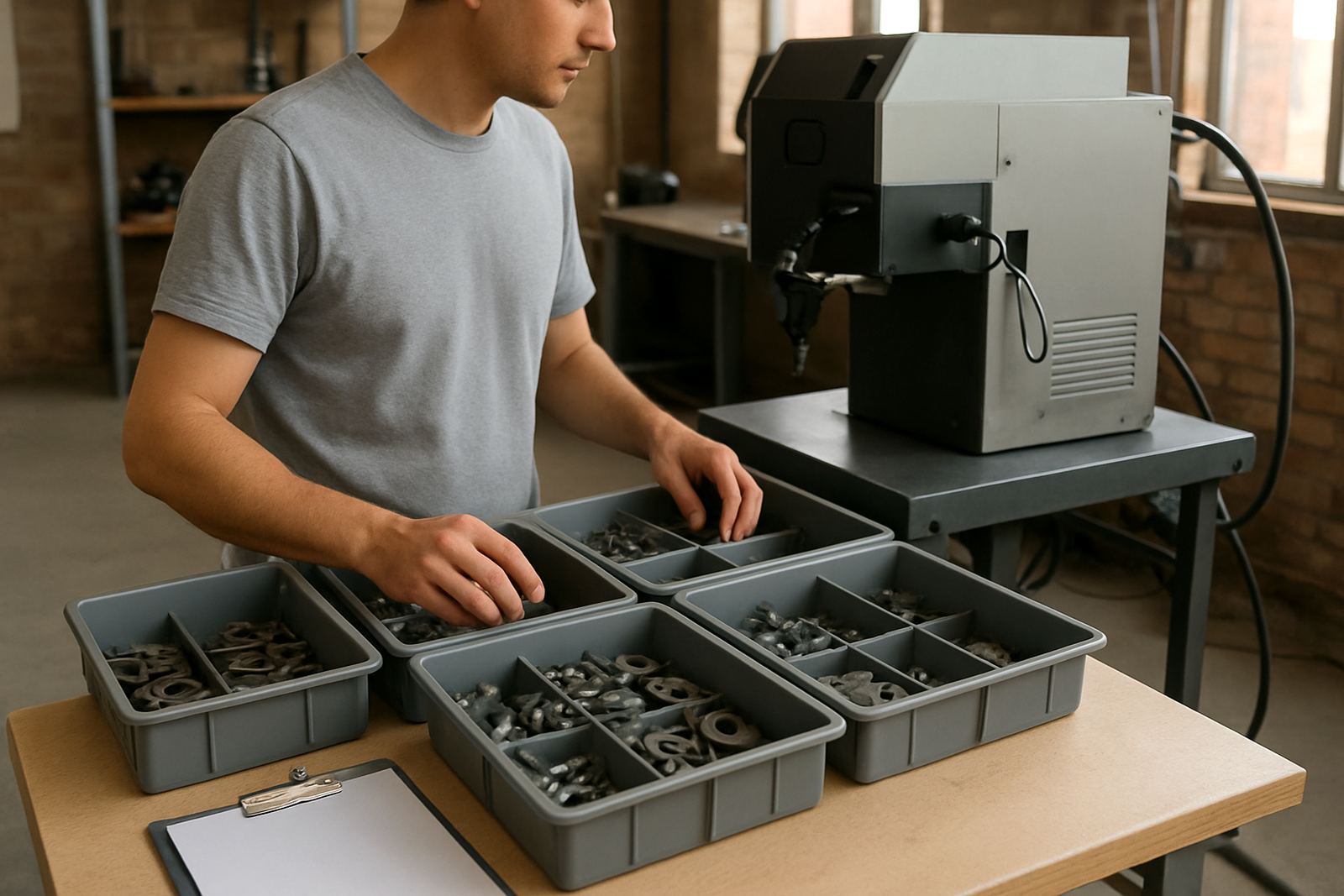
In our workshop, we also check how parts are stored before welding. A clean joint can still be spoiled if it is put on a dirty bench or touched with oily hands. That small step saves time later and keeps the job consistent.
Match prep method to the material and defect
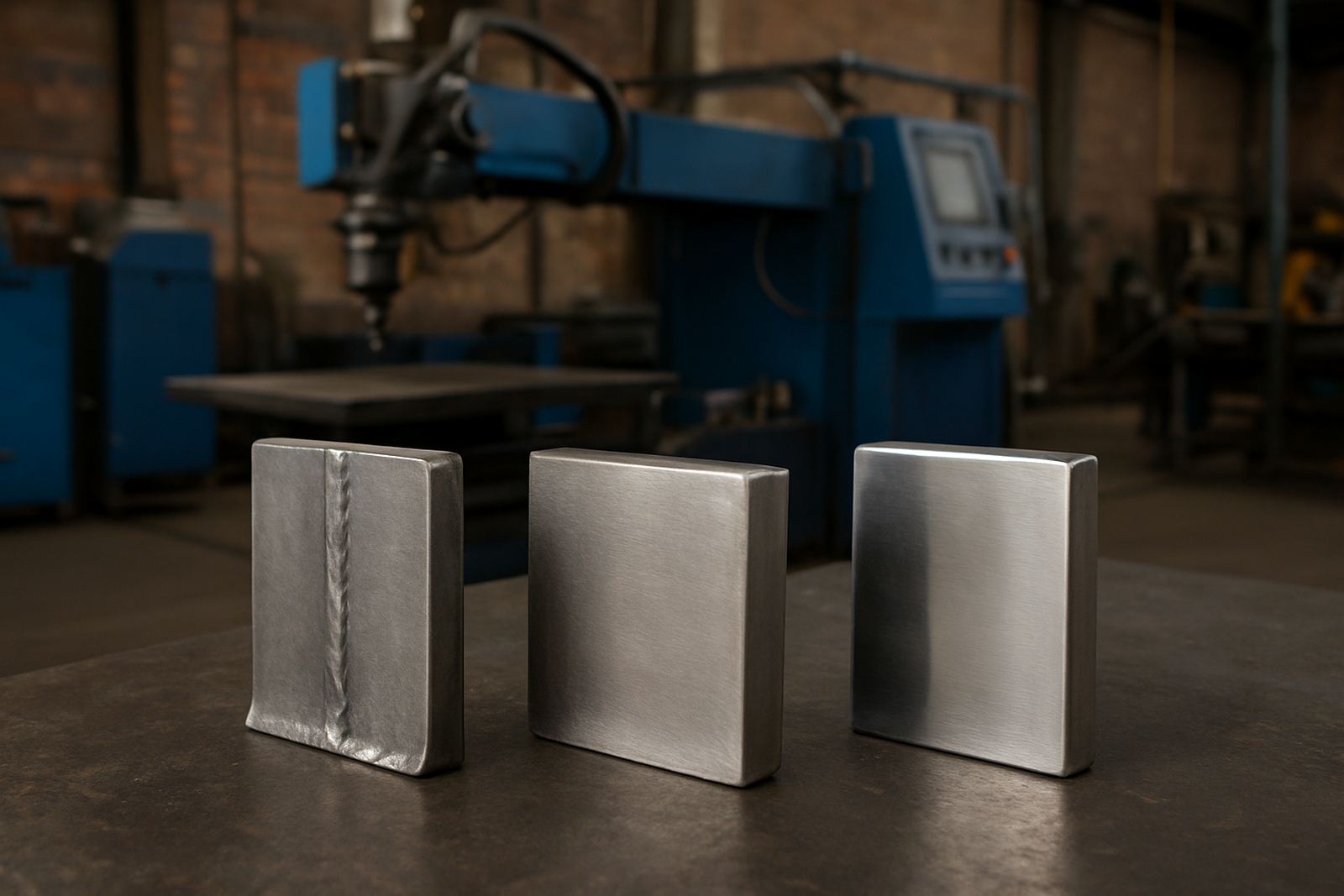
Different materials need different preparation. Stainless steel, aluminium and mild steel do not respond the same way, and a one-method-fits-all approach can create more trouble than it solves. Stainless often needs careful removal of surface contamination without introducing carbon steel particles. Aluminium usually needs oxide removal just before welding, because the oxide layer reforms quickly in humid weather. Mild steel may need more attention to rust, mill scale and old paint.
When dealing with crack repair, the crack must be opened and cleaned properly so the full length is visible. A surface crack that looks short can run deeper than expected. On edge build up work, the edge should be shaped and cleaned to give a stable path for the weld. For mould and die repair, even a small amount of trapped dirt can show up later in finish quality, so prep is as important as the weld itself.
Fit-up, gap control and joint access make the weld easier
Clean metal is only part of the story. The joint also needs good fit-up, correct alignment and enough access for the laser welding technician to work accurately. If the gap is too wide, the weld may need extra filler or repeated passes. If the parts are badly clamped, the joint can move as heat builds and that changes the result.
- Check the gap before welding and clamp the part securely.
- Remove burrs and sharp edges that can hold contamination.
- Make sure both sides of the joint are reachable where possible.
- Confirm the repair area is not under tension or sprung out of shape.
This is especially important on thin sections and small precision parts. A neat prep job lets the operator focus on heat control and bead placement instead of fighting the part all the way through the repair.
Prep for the real conditions on site and in the workshop
South African conditions can change prep requirements quite a bit. In Gauteng, dust and fine workshop debris can settle into open joints quickly, especially during windy afternoons or when doors stay open for moving stock in and out. In coastal areas, humidity can leave parts with a light film of moisture even after they have been wiped clean. During load-shedding, the workshop may be running with reduced lighting or slower extraction, so inspection needs to be extra careful.
For job-shop work, the best approach is to clean, inspect and then weld without long delay. If a part is prepped in the morning and welded much later, it may need another wipe down or brush before it goes onto the bench. That is simple practical discipline, but it makes a real difference to quality.
A Pretoria example: saving a precision part from repeat failure
A recent Centurion job came in from a Pretoria client with a cracked small component used on a production line. The part had already been repaired once elsewhere, but the crack came back within weeks. On inspection, the original prep had left old oil in the joint and there was still fine oxide around the repair line. The part looked clean enough at a glance, but the surface told a different story once it was opened up.
We stripped the damaged area, cleaned it properly, checked fit-up under magnification and then carried out the repair with controlled heat. The finished part went back into service and held up as expected. The lesson was simple: the weld was only part of the job. The prep decided whether the repair would last.
For this kind of work, our team looks closely at:
- crack length and depth before repair
- residue from oils, coatings or previous weld work
- part thickness and distortion risk
- the chance of repeat loading after repair
How proper prep supports better quality control
Good prep also makes inspection easier. A cleaner surface lets the quality control lead see the weld properly, which helps spot undercut, surface blemishes or incomplete fusion early. It also helps with repeat jobs because the same cleaning standard can be applied every time, whether the work is done in Rosslyn, Jet Park or sent in by courier from another province.
For batch jobshop welding, this consistency matters even more. When multiple parts need the same result, surface prep should be set out clearly and followed the same way for every item. That keeps rejection rates down and helps clients plan around delivery dates with less risk.
If you are unsure how much prep a part needs, it is better to over-prepare carefully than to rush the weld on a dirty surface. A few extra minutes spent cleaning, checking and fitting can save hours of repair work later.