Why the finish matters after welding
A weld can be sound and still fail the job if the finish is wrong. A part that lives in a press tool, a pump housing, a stainless frame or a thin aluminium component all need different after-work because the weld bead, heat tint and surface height affect fit, movement and wear.
In the workshop we look at three things first: what the part does, how tight the tolerances are, and whether the client wants a clean cosmetic result or only a functional repair. A machine part that must slide freely may need grinding and re-machining, while a bracket for plant service might only need light dressing and a corrosion-safe clean up.
For Gauteng factories, a missed finish can mean downtime and extra transport. If a mould half has to be sent back twice because the weld was left too proud, that is a costly delay. Better to decide upfront and save the back-and-forth.
Common finish choices for welded parts
Different jobs call for different end results. Some finishes are meant to blend the repair into the parent metal, while others are meant to protect the part and leave visible access for later inspection.
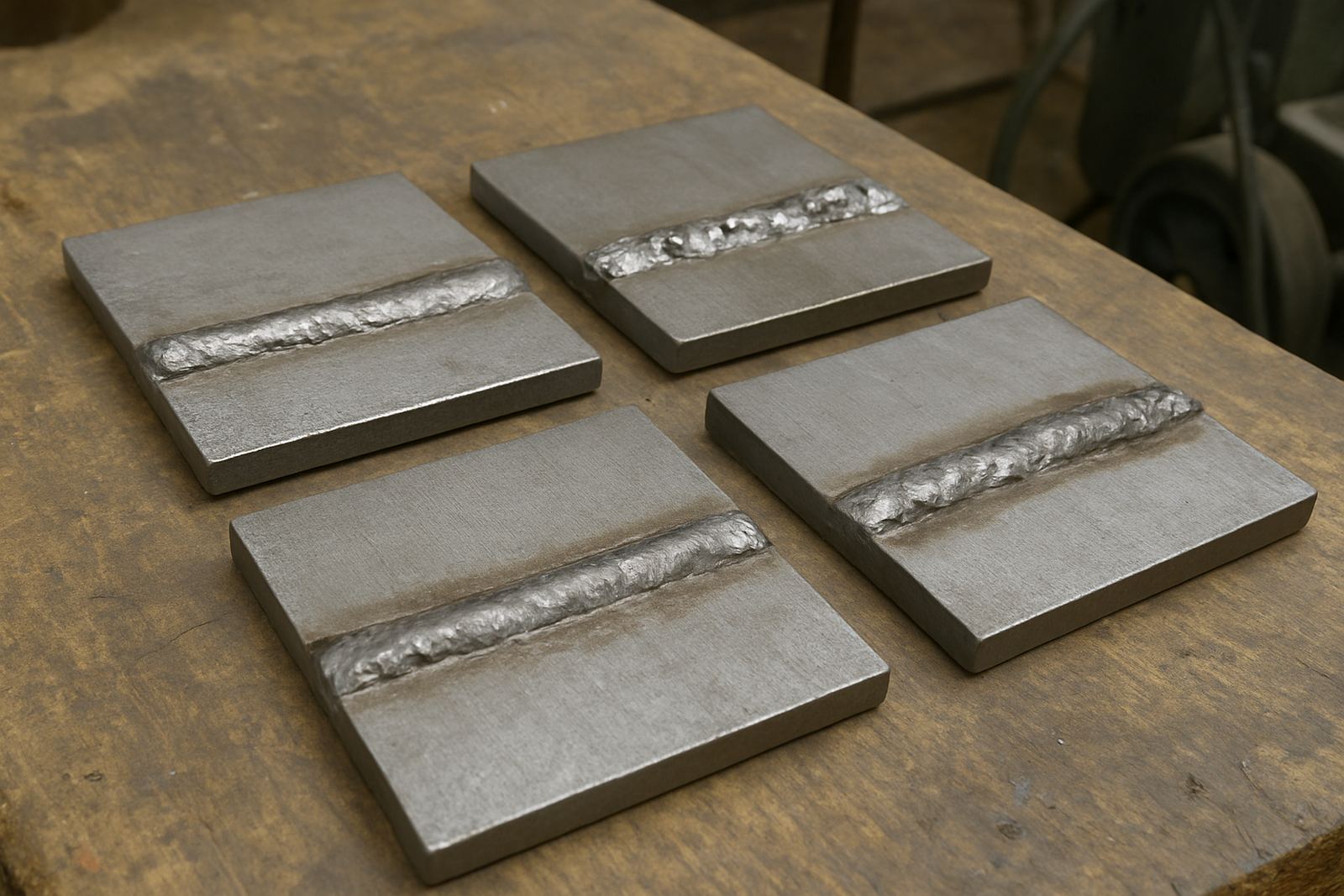
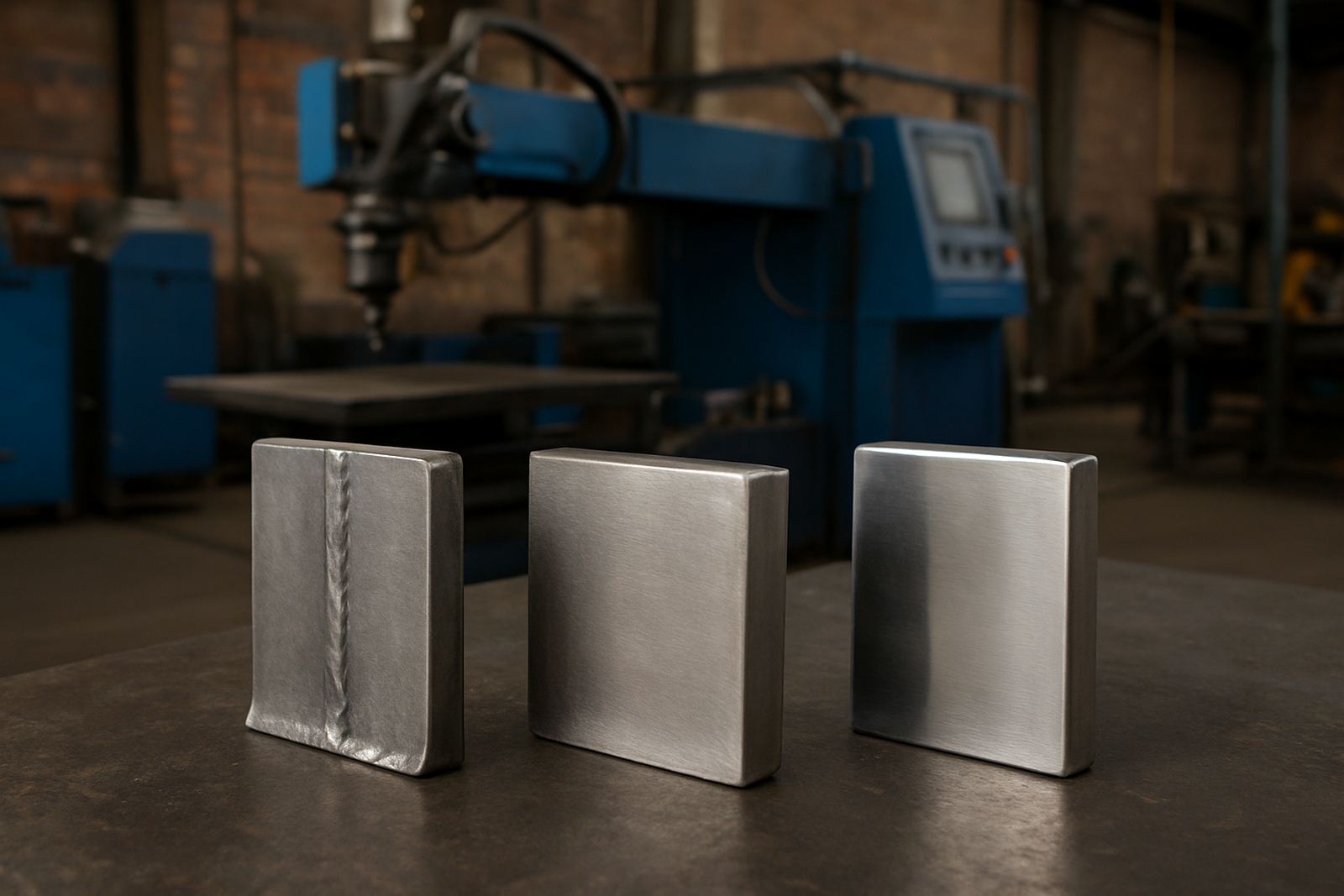
- As-welded: suitable where the bead will not affect fit or movement, often on structural repairs and non-contact areas.
- Ground flush: used when the surface must sit level, such as dies, tooling, sealing faces and mating edges.
- Blended finish: the weld is dressed back but not fully removed, useful on visible parts that still need strength.
- Machined after welding: needed when the repair changes critical dimensions and the part must be brought back to size.
- Polished or brushed: common on stainless parts where appearance and cleanability matter.
- Passivated or protected: used on corrosion-sensitive work to reduce staining, especially in humid or coastal conditions.
Not every job needs the same amount of dressing. On some repairs a light grind is enough, on others the weld must be built up then cut back in stages to keep the shape true.
How we match finish to function in the workshop
Before we touch the grinder, we check whether the weld zone has to carry load, seal fluid, or hold a precise line. That tells us how much post-weld work is safe. A thin section near a bolt hole may only allow a very light finish, because too much material removal can weaken the area.
On mould and die work, the surface shape is often just as important as the weld itself. We may build up an edge, then dress it back in small steps so the final contour matches the existing profile. With batch jobshop welding, consistency is key, so the finish method is repeated part for part to keep the measurements the same.
- Check the drawing or sample part before finishing.
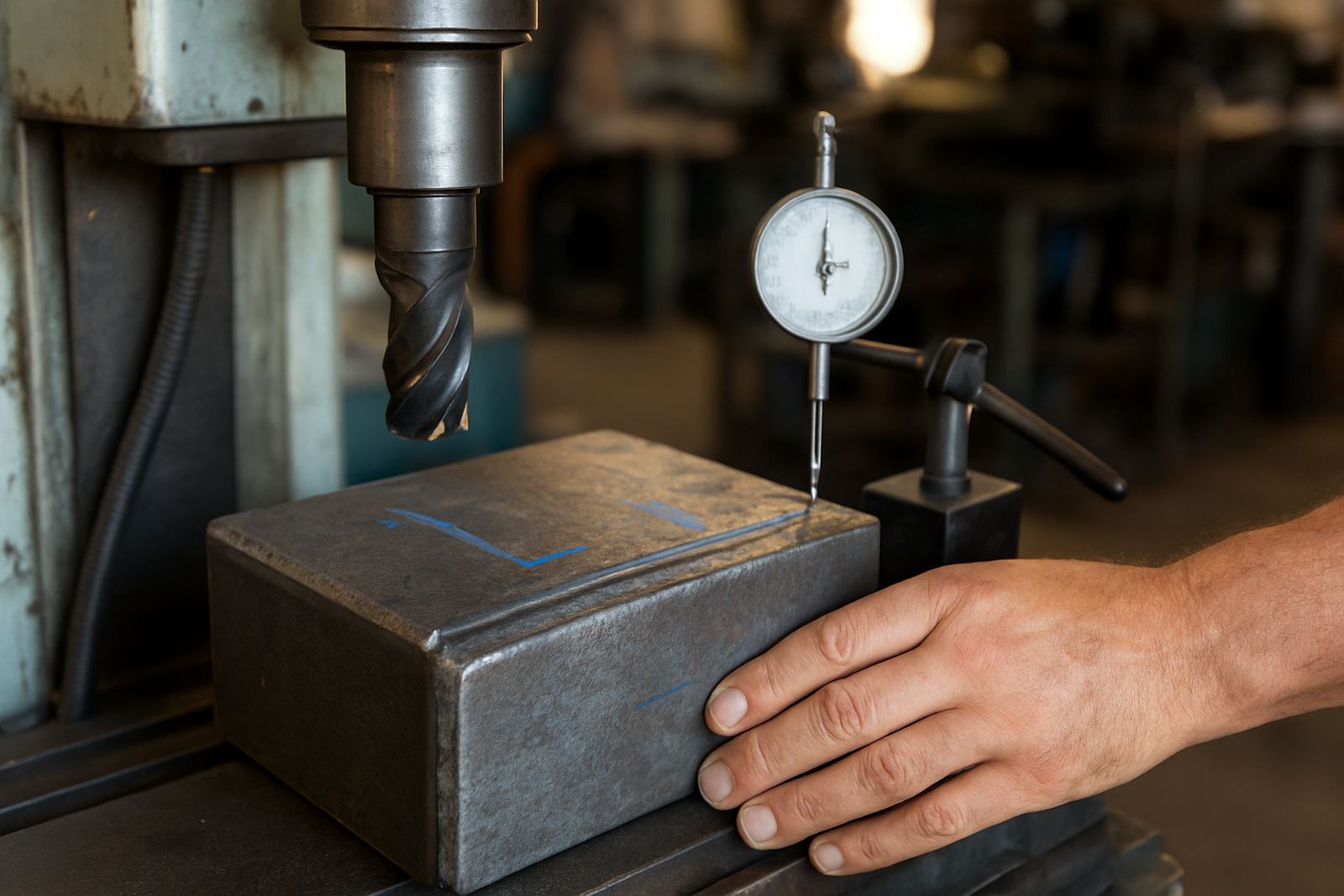
- Measure the weld height against the final tolerance.
- Choose hand dressing, machining or polishing based on the surface type.
- Inspect for undercut, porosity or heat distortion after finishing.
That order matters. If you finish first and inspect later, you can end up hiding a problem instead of solving it.
Finish options for stainless, aluminium and mixed-metal repairs
Material type makes a big difference. Stainless repairs often need a cleaner finish because heat marks can stand out and moisture can collect on rough surfaces. In a factory near Jet Park or a food-handling site in Pretoria East, that can be a hygiene concern as well as a visual issue.
Aluminium is softer and easier to mark, so finishing must be controlled. Too much pressure from a tool can leave scratches or drag marks that show up straight away. Mixed-metal jobs need extra care too, because the finish has to suit both the repair zone and the surrounding material.
For parts that will face washing, condensation or outdoor exposure, the final step may include cleaning and protection against surface staining. Along the Highveld that helps with dust and dry air, while on the coast it helps even more with humidity and salt in the air.
- Stainless: clean, even brushing or polishing where appearance matters.
- Aluminium: light finishing to avoid gouges and preserve the profile.
- Mixed-metal assemblies: finish each section according to its material and service conditions.
When grinding is enough and when machining is better
Grinding is useful for many weld finishes, but it is not the answer to every problem. If the part only needs a smooth transition and the dimensions are forgiving, hand grinding can save time. If the part must seal, slide or align with another component, machining is usually the safer choice.
We often see parts from Centurion, Midrand and Rosslyn where the original wear has already changed the geometry. In those cases the weld finish is only one part of the job, because the surface may also need to be re-cut or trued to bring it back into service. A quick grind might look fine, but it can leave the part out of spec by a fraction that matters.
For load-bearing repairs, we also consider heat build-up during finishing. If a section gets too hot while dressing, it can distort thin material or affect the area around the weld. Slow, controlled passes are better than forcing the finish in one go.
A Pretoria example from a time-sensitive repair
A local plastics supplier in Pretoria East brought in a worn tooling insert that had started to mark their production run. The part was still sound but the edge had chipped and the mating face needed careful restoration. The goal was not only to repair the damage, but to return the surface to a finish that would not snag during operation.
We built up the worn area with precision laser welding, then dressed it back in stages and checked the fit against the mating part. Because the insert had to go back into production quickly, we kept the finish focused on function first and appearance second. The result was a usable repair with enough surface quality to keep the line moving without a full replacement.
That is the value of choosing the right finish from the start. It avoids unnecessary rework and helps the part go straight back into service instead of bouncing between workshop and site.
How to brief us for the right weld finish
If you are sending a part for repair, give us as much detail as possible about how it is used. Even a short note can help us choose the right finish before the work begins. Include photos if the part is cracked, worn or has already been modified.
- Tell us if the finish must be cosmetic, functional or both.
- Share the material type if you know it.
- Note any critical dimensions, seal faces or moving contact points.
- Let us know whether the part will be used indoors, outdoors or in humid conditions.
- Say if the job needs collection in Pretoria, Midrand, Jet Park or courier support nationwide.
Based in Centurion, Laser Welders Jobshop handles one-off repairs and batch work for clients across South Africa. If you need guidance on the right finish for a weld repair, send a message through our contact form and we will help you match the job to the part, not the other way round.