Why the part must sit properly before the beam starts
Laser welding is precise, but the process is only as good as the way the part is held. If a component moves even a fraction during tacking or welding, the joint gap changes, heat is carried unevenly, and the final size can drift. That is why proper fixturing is not an extra step, it is part of the welding job itself.
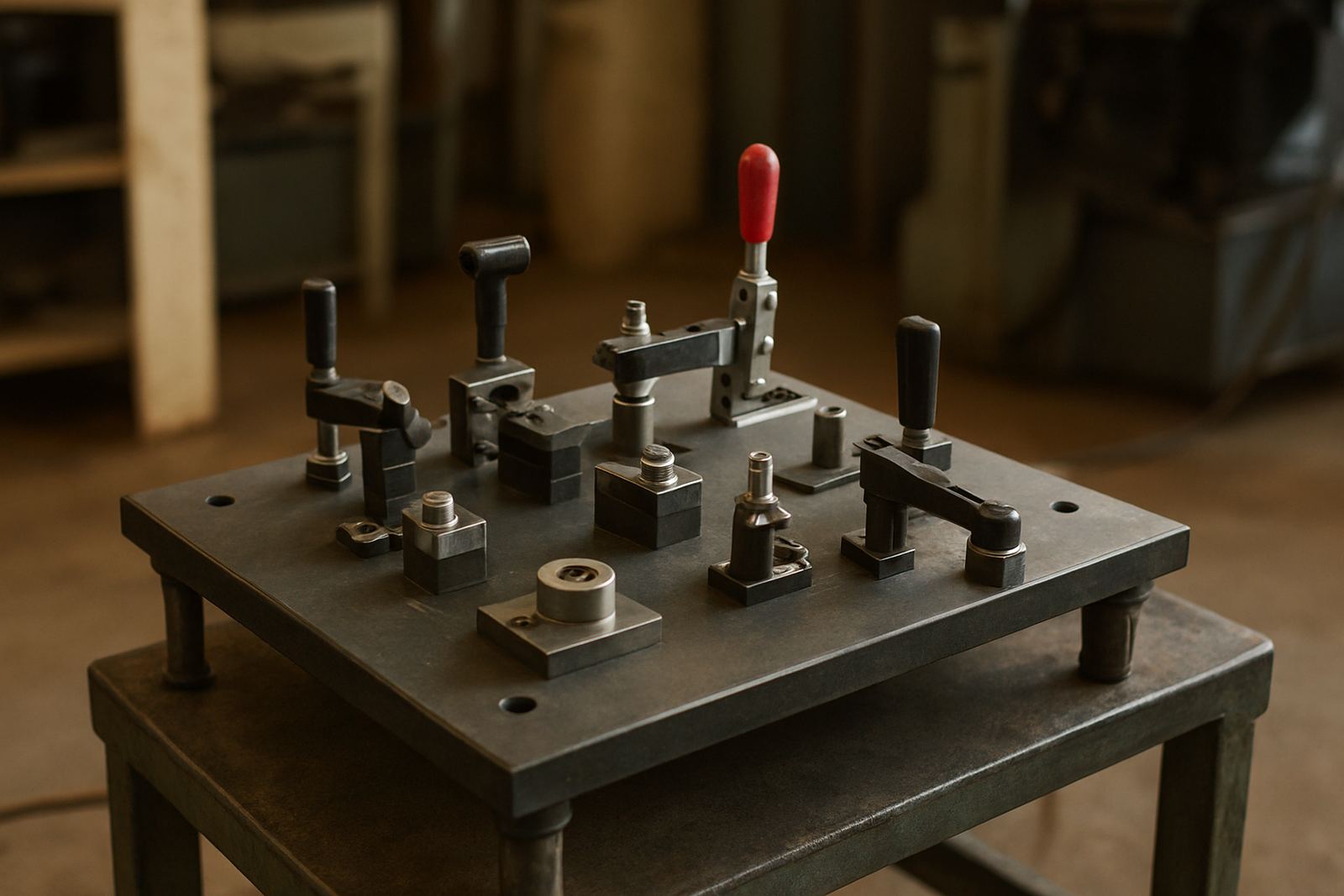
On small parts, a good fixture controls three things at once: position, clamp pressure, and access to the weld zone. On larger assemblies it also keeps the load balanced so the component does not twist while one side is being repaired. In Centurion we often see parts that arrive after a failed repair attempt, where the weld was fine but the holding method allowed the item to shift. The result is usually more grinding, more adjustment and more cost.
Repeatability matters on one-off jobs and batch work
For job-shop work, repeatability is important whether you are repairing one mould insert or processing a batch of 40 small stainless parts. A fixture gives you a known starting point every time. That matters when a client needs matching results across multiple items, or when the same component comes back later for a second operation.
With repeatable fixturing, the technician can work to the same datum lines and the same weld access every time. That keeps the job predictable, which is especially useful for batch welding where small changes can compound across the lot. It also saves time on measurement, because the part goes back into the same position instead of being reset by eye.
- Less variation between parts
- Quicker setup for repeat jobs
- Better control of weld placement
- Reduced risk of overbuilding and regrinding
Access to the joint is just as important as holding the part
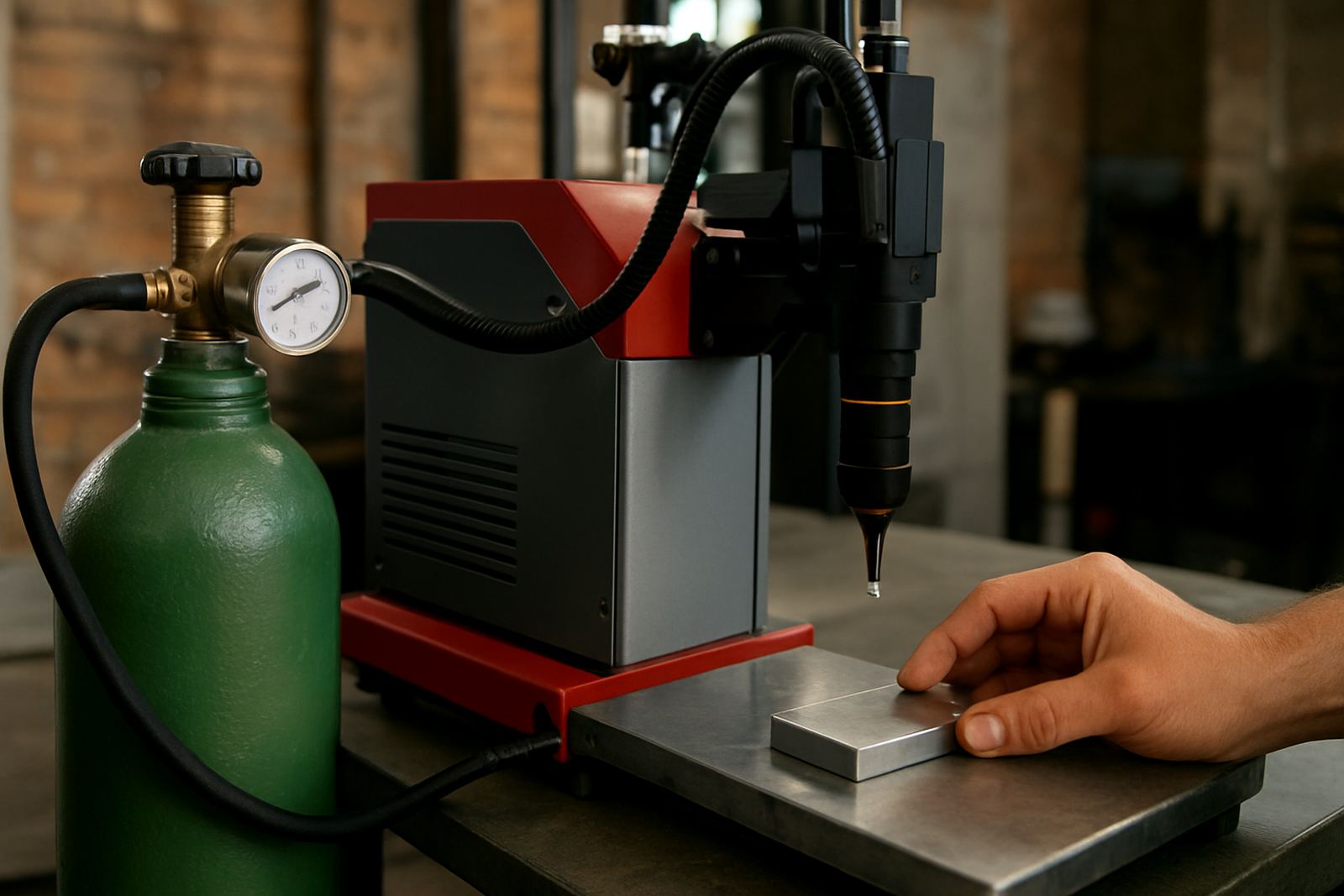
Fixturing should not block the very area you need to weld. A common mistake is to clamp too close to the repair zone, which leaves the technician with poor torch angle, limited visibility and no room to clean or blend the repair. In laser work, access is critical because the beam and shielding need a clear path to the joint.
A well thought-out fixture gives support from the sides that do not matter, while opening the weld line where it is needed. That is especially useful on mould and die repairs, thin section parts and corner rebuilds where the joint is tucked into a recess. In humid coastal conditions, parts can also carry moisture or fine contamination, so the fixture needs to allow proper cleaning before welding begins.
When access is poor, the technician may need to compromise on torch position, which can affect fusion and finish. Good fixturing avoids that problem before it starts.
Dimensional control keeps the repair inside tolerance
Many repair jobs are not just about joining metal. They are about returning a component to a size that still fits the machine, the mould, or the assembly line. If the fixture does not hold the original geometry, the weld can pull the part out of tolerance and the client then has to machine, skim or hand-fit it back into service.
That is where proper support, stop blocks and reference points make a big difference. They keep the part square while heat is applied, and they make it easier to check against the original measurement before the job is released. For precision work, we often build the setup around the critical faces, not just the overall size of the part.
- Preserves hole spacing and edge distance
- Helps control distortion during local heating
- Makes post-weld checking faster
- Supports accurate build-up on worn surfaces
Practical fixture choices for South African workshop conditions
In Pretoria, Midrand, Rosslyn and Jet Park, workshop conditions vary from light assembly areas to heavier production floors. The fixture must suit the part and the environment. A simple clamp table may work for small stainless repairs, while a dedicated jig is better for repeated prototype joining or batch jobshop welding. On site, the same principles still apply, only the setup has to be more portable.
Load-shedding also changes how a workshop plans its work. During power interruptions, parts may sit longer between stages, so the fixture should hold cleanly and safely without needing constant readjustment. A solid setup reduces handling, which lowers the chance of scuffing, contamination or losing alignment when power returns. In a busy shop, that can save a full second operation later.
For aluminium repairs, where heat moves quickly, the fixture must support the part without trapping too much heat in one area. For stainless, clean contact surfaces matter because marking and contamination show up fast on the finished job. Small details like these save time and money.
When fixturing is worth planning in advance
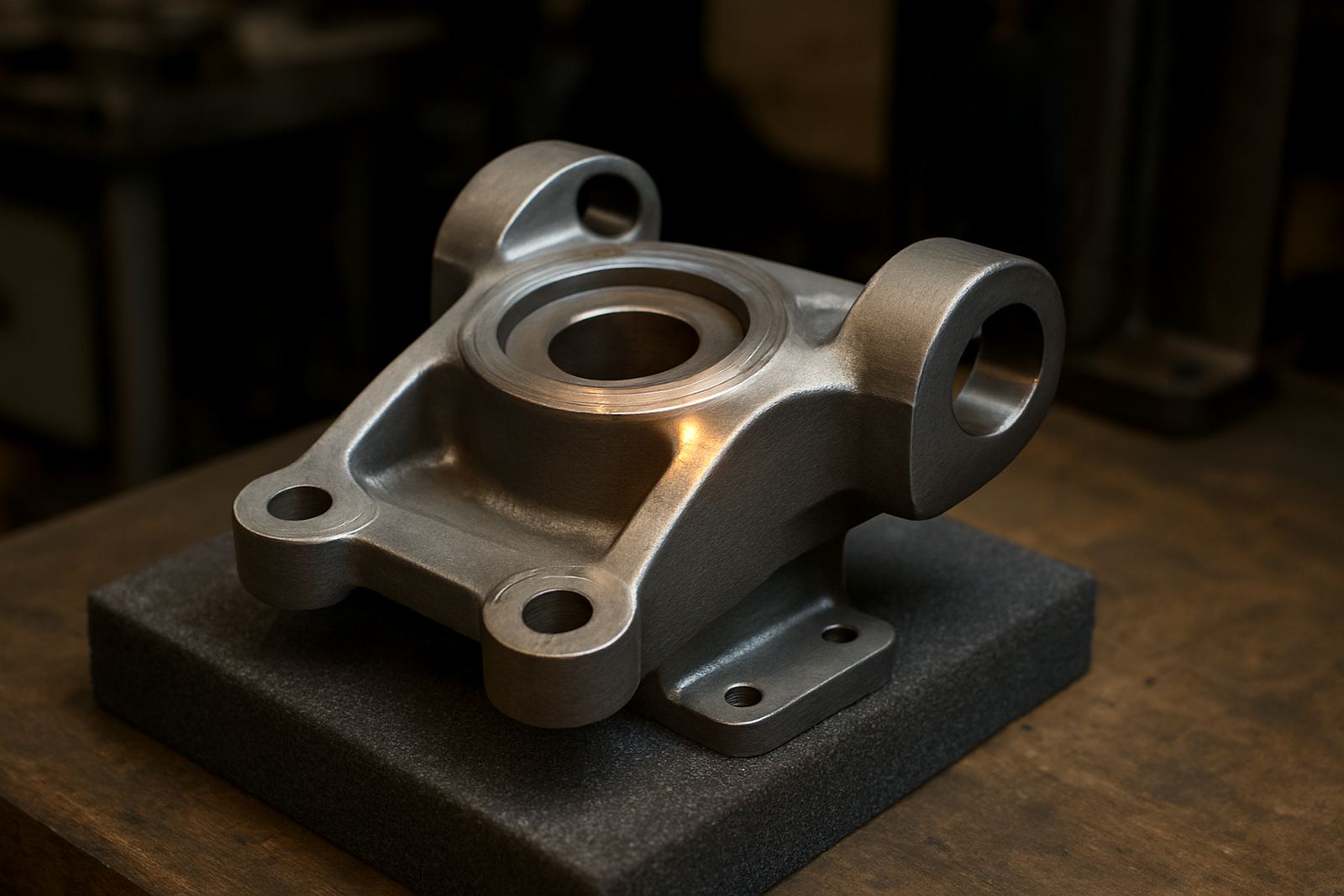
Not every repair needs a complex jig, but every job benefits from thinking ahead. If the part is thin, oddly shaped, expensive to machine, or already worn close to final size, the fixture plan should be discussed before the welding starts. The same goes for parts that need a neat cosmetic finish, or where the weld area is close to a sealing face or bearing seat.
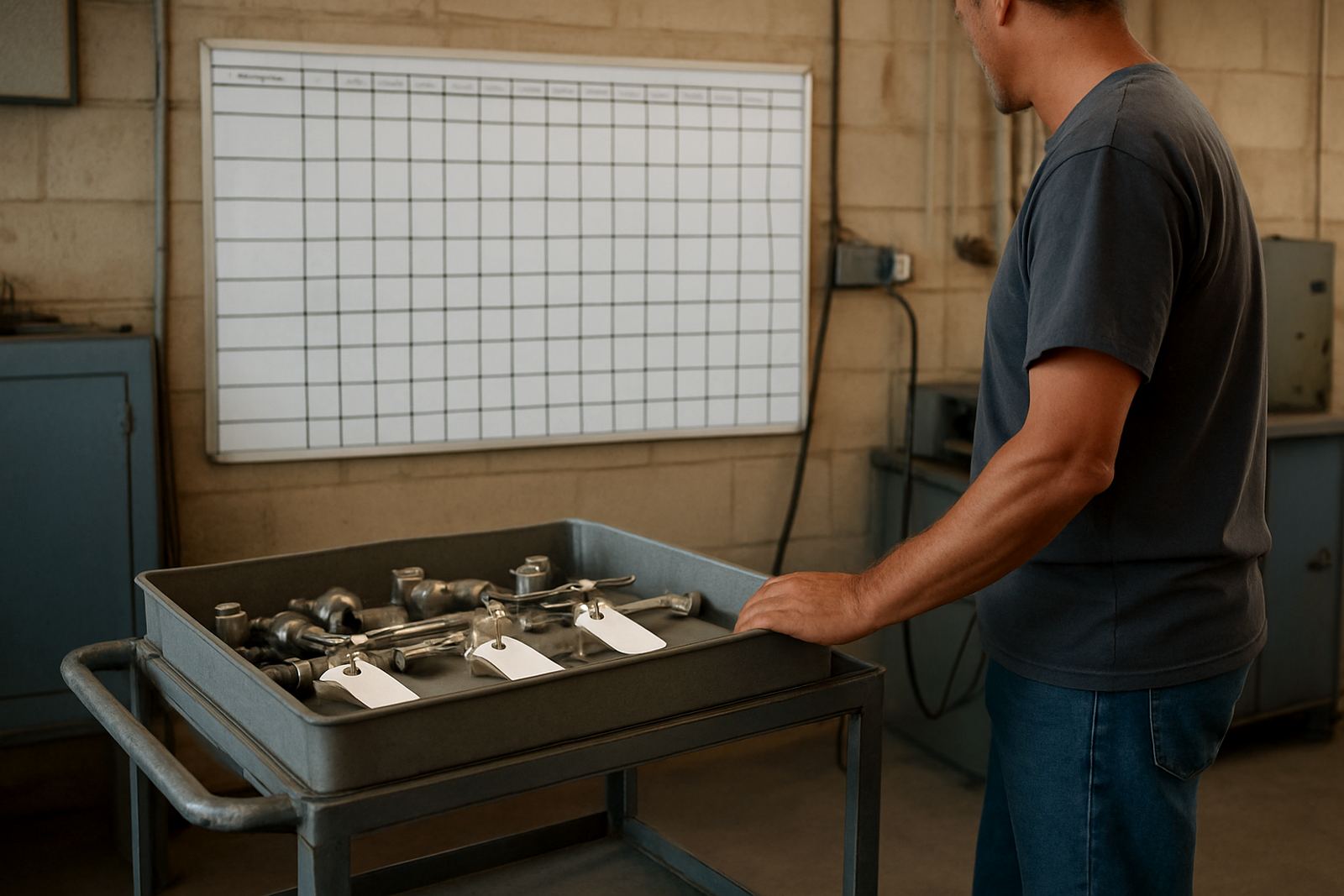
For clients sending work from across South Africa, advance planning is even more useful. A part collected in Midrand and sent by courier from Durban, Gqeberha or Polokwane should arrive with clear notes, measurements and any mating parts if available. That way the fixture can be set up for the actual repair rather than guessed after the fact. It cuts down on delays and avoids back-and-forth.
At Laser Welders Jobshop, fixturing is treated as part of the workmanship, not a separate admin step. The aim is simple: hold the part correctly, expose the joint properly, and keep the final dimensions where they should be. That is what lets a repair go back into service with confidence.