Why argon matters in laser welding
Argon is used as a shielding gas because it is inert, which means it does not react with the hot metal in the weld zone. That matters when you are working on fine parts, thin sections or finishes that must stay clean. In practice argon helps keep the puddle calm especially on thin stainless parts, where even small amounts of oxygen can leave colour, porosity or a rough edge.
For a Pretoria or Centurion workshop doing repair and production work, the value is straightforward. Less oxidation means less grinding, less polishing and less chance of sending a part back because the surface finish is not acceptable. On mould and die work, that can save a lot of time. On repair jobs, it can be the difference between a part that goes back into service and one that still looks patched.
What argon does at the weld zone
During laser welding, the beam creates a very localised melt. The shield gas covers that area while the metal is still hot. Without proper shielding, the molten metal can pick up oxygen and nitrogen from the air, which affects colour, surface quality and sometimes the internal soundness of the repair. Argon helps keep that zone stable long enough for the weld to solidify properly.
- It reduces oxidation on stainless steel and aluminium.
- It helps limit spatter and smoke around the joint.
- It supports a cleaner bead profile on fine repairs.
- It can improve repeatability on batch work.
For thin material, the gas flow also helps control heat behaviour around the joint. Too little gas and the weld can turn dull or dirty. Too much and you can disturb the molten pool or pull in air from the sides. That is why shielding setup is not a guess, it has to be matched to the job.
Where shielding makes the biggest difference
Some jobs are far more sensitive to shielding than others. Stainless steel, aluminium, small cracks and precision components usually need careful gas coverage because the surface finish matters and the heat affected area is small. If the part is used in tooling, food handling, medical support equipment or fine machine assemblies, a clean weld is not just nicer to look at, it is often part of the function.
In Centurion and Rosslyn, a lot of work comes through where the client needs parts back quickly and cannot afford trial and error. A laser welded repair on a worn edge or cracked mould insert often needs local protection right at the joint. If the part has deep corners, narrow grooves or awkward geometry, the shielding must reach those spots without blowing around. That is where the operator’s setup matters just as much as the machine settings.
- Thin stainless brackets and covers
- Aluminium housings and precision parts
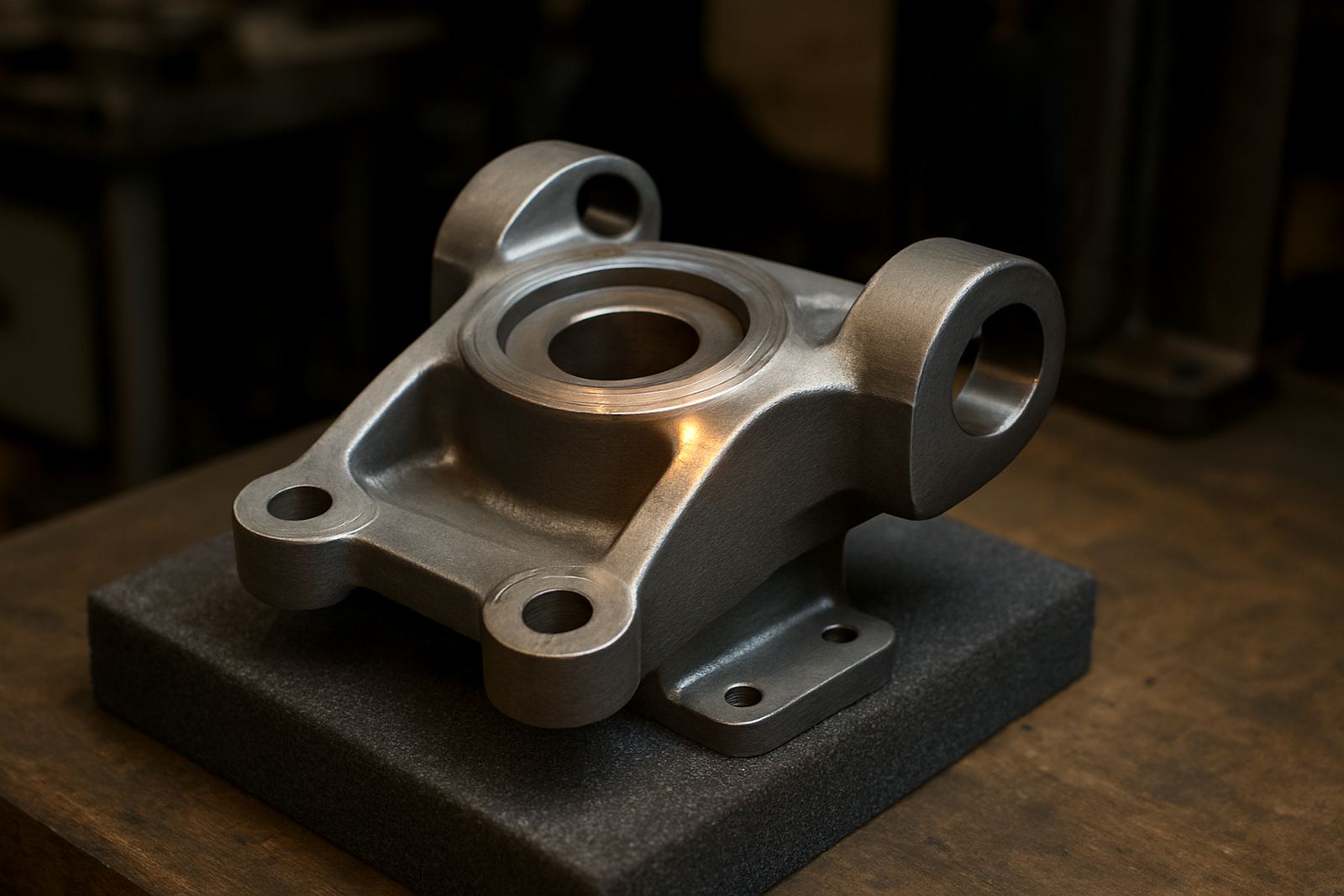
- Mould cavities and die repairs
- Small cracks on hard working components
- Batch repair work where finish consistency counts
Practical gas setup on a job-shop floor
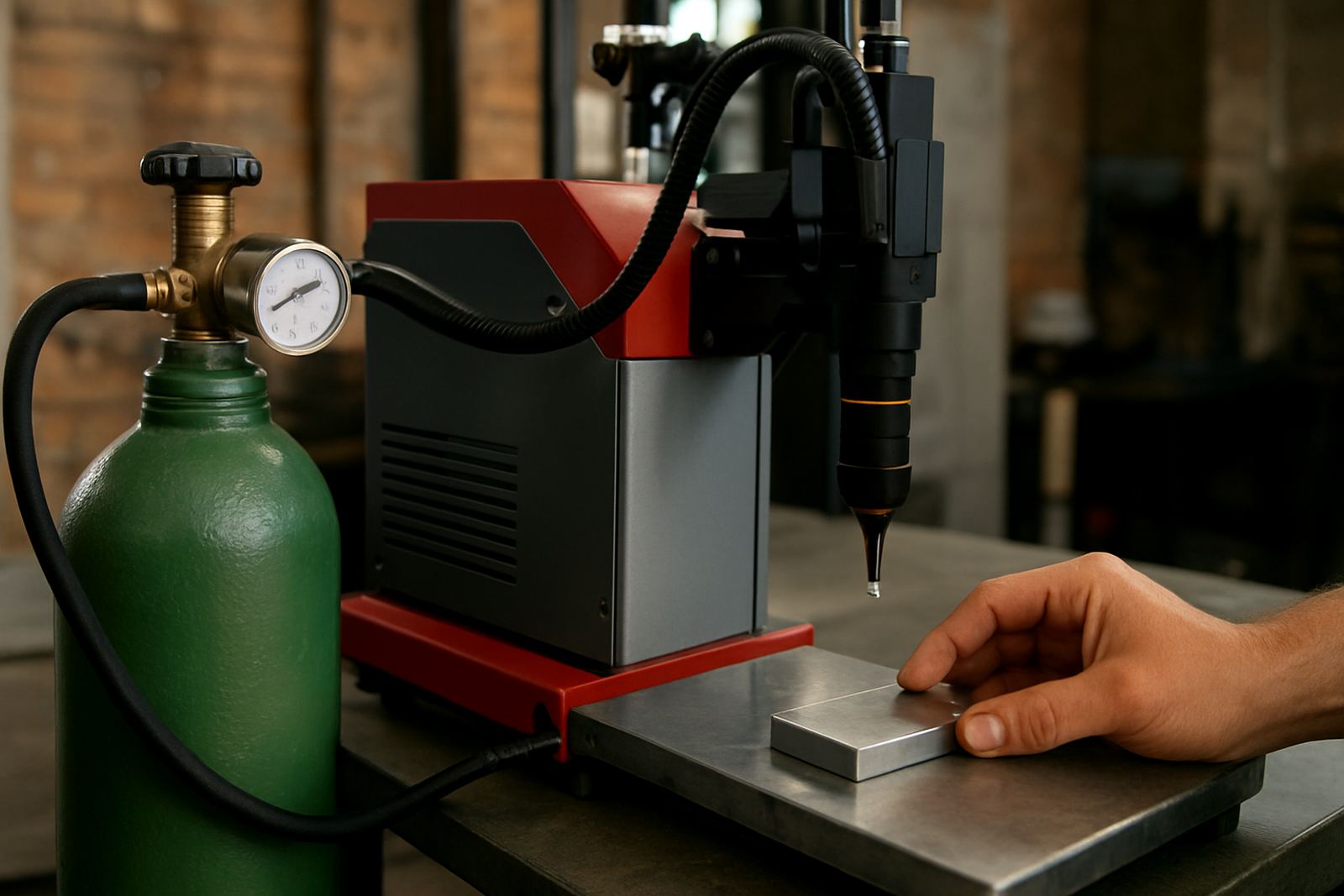
Good shielding starts before the torch or laser head is even switched on. The gas line must be clean, the regulator must be correct for the pressure range, and the nozzle or delivery point needs to suit the part size. On fine work, the gas should cover the weld area without flooding the whole bench. That saves gas and keeps the operator in control.
In a real job-shop environment, the work changes every day. One hour it is a small crack repair, the next it is a batch of stainless parts or a prototype joining job. That means the shielding setup has to be adjusted quickly and properly. If the workshop is in a load-shedding window or running on backup power, the gas system still has to stay consistent. Power cuts should not mean the weld face is suddenly exposed to air.
Humidity also plays a role, especially on the coast, but even inland moisture on stored parts can affect results. If the component has sat in a damp store room, or if oil and dust are still on the surface, shielding gas alone will not save the job. Clean the part, check fit-up and then let the gas do its work.
Common shielding mistakes to avoid
Most shielding problems are avoidable. They usually come from rushed setup, poor cleaning or trying to treat every material the same. Argon is not magic. It works well when the rest of the process is controlled too.
- Using the wrong flow rate for the joint size
- Letting the gas nozzle sit too far from the weld
- Ignoring oil, paint or oxide on the part
- Not checking for drafts from open doors or extraction fans
- Assuming a previous setup will suit the next job
A common mistake is to overcompensate with more gas. That often makes things worse. Excess flow can create turbulence and pull in air. Another issue is poor positioning on repair work where the weld is inside a pocket or close to a corner. The gas needs a clear path to the molten area, not just pressure in the line.
A Pretoria example: clean repair on a tight deadline
Consider a small stainless component sent in from a manufacturing site near Pretoria East. The part has a fine crack near an edge and must be repaired without adding much heat or distortion. It also needs to look tidy because it is part of equipment that is cleaned often. In that case argon shielding is doing a lot of quiet work. It protects the weld face, limits discolouration and helps the technician keep the repair localised.
For a job like that, the client usually cares about three things: the part must fit, it must last, and it must not need excessive rework. Good shielding supports all three. The repair can be carried out, checked under light, and then finished with only minor dressing if required. That saves time and keeps the component in service sooner. It is the kind of practical result that matters when a production line or workshop is waiting.
That is why experienced job-shop teams treat shielding as part of the repair plan, not an extra afterthought. The gas, the surface prep and the weld settings all have to line up if the result is going to hold up in the real world.