Why Repeat Jobs Need A Proper Jig
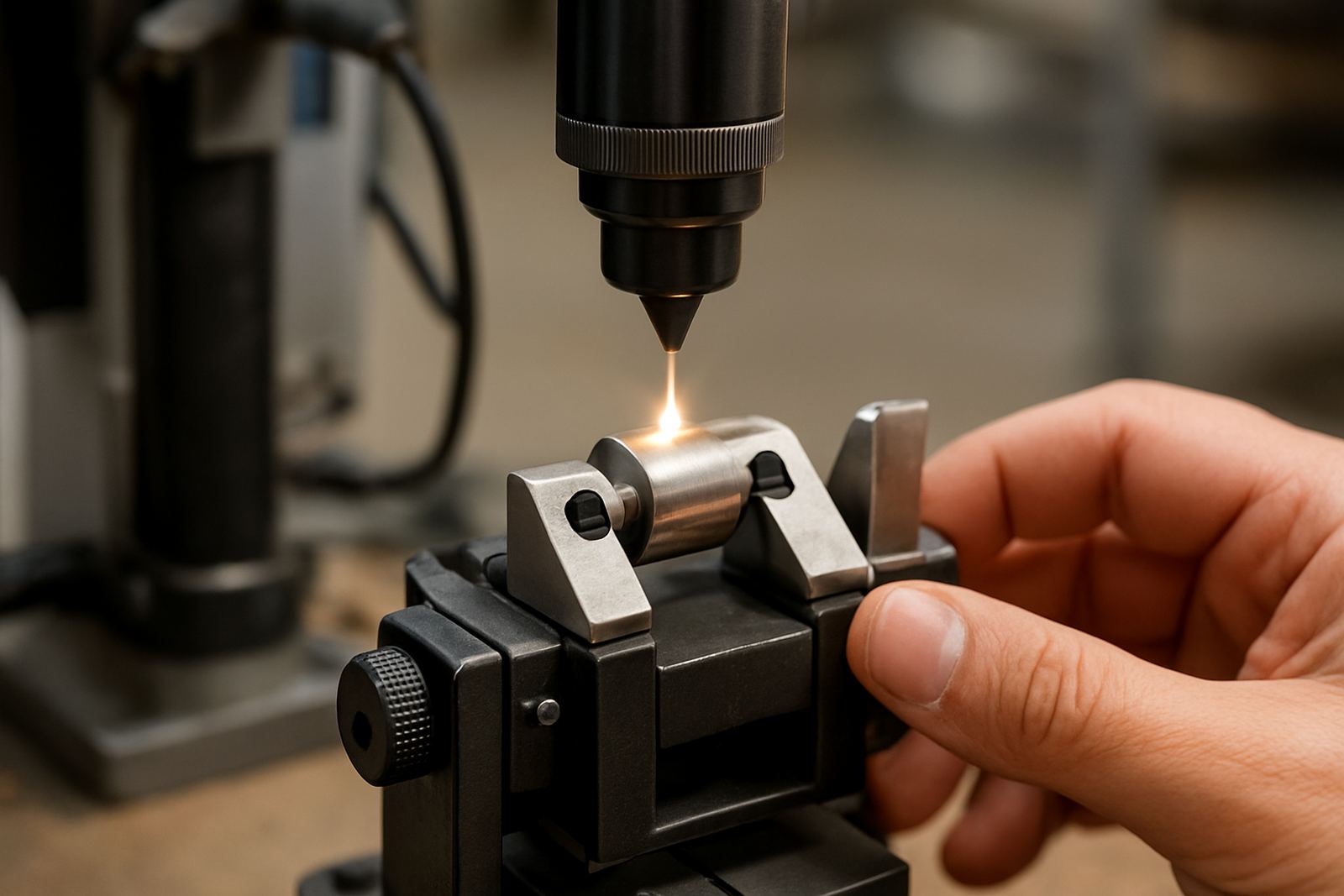
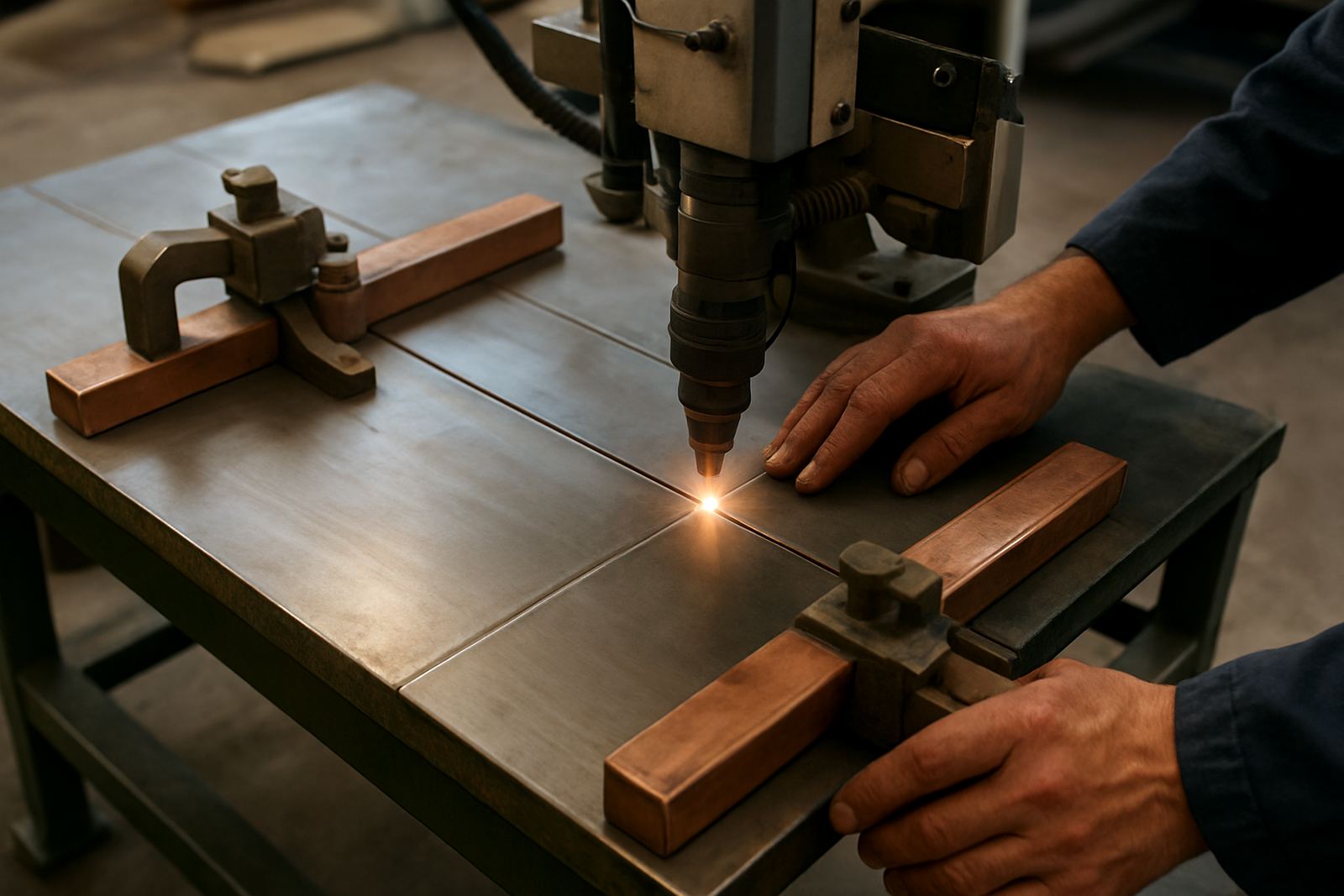
For repeat jobs, the jig should do two things well: hold the part securely and make loading simple. That means locating points that are easy to see, stops that are easy to clean, and clamps that do not get in the way of the weld path. If the operator has to fight the fixture, the fixture is wrong.
We often see parts that arrive in baskets from a workshop in Rosslyn or a factory in Midrand, and the original shape has already changed slightly from wear or heat. A good jig can account for that. It should guide the operator into the same position each time, even when the item is a little bit out of square.
- Use hard stops for edges and reference faces
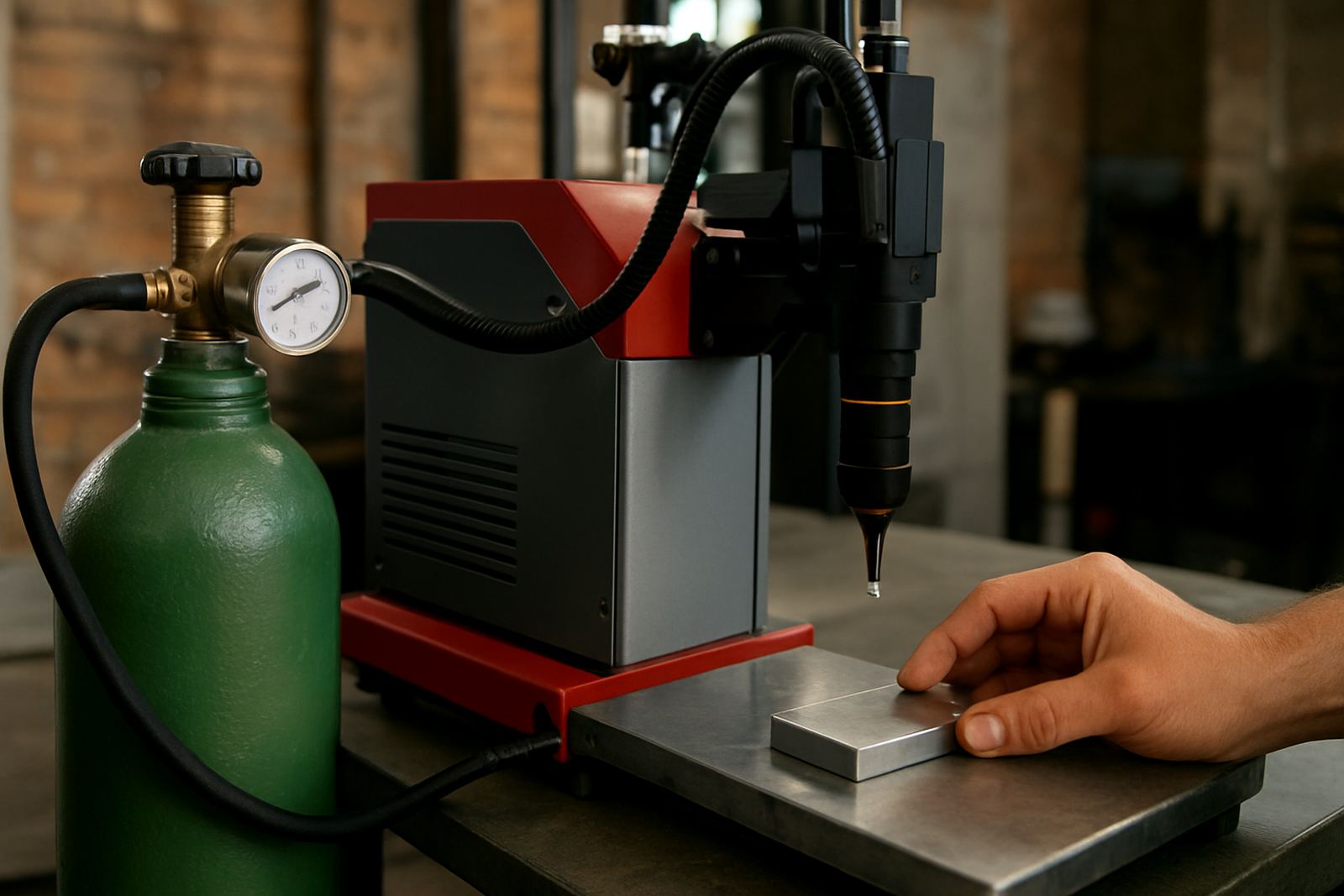
- Leave clear access for the laser head and shielding gas
- Design for quick cleaning between runs
Materials And Heat Control In South African Conditions
Local conditions play a part too. In Pretoria and along the coast, humidity can affect stored parts and sometimes the fit-up on fine work. In busy workshops, dust and grinder residue build up fast. A jig needs enough accuracy to cope with that, but it also needs to be practical in a real working bay with load-shedding interruptions and jobs moving in and out of the shop.
On aluminium, stainless steel, and thin sections, the fixture must support the work without pulling heat away too quickly or creating extra stress points. For edge build up or crack repair, a stable setup helps the technician place the repair neatly without chasing the part around the bench. If the part is warm, let it cool properly before the next cycle, otherwise the fit can change slightly and the repeat job suffers.
What Makes A Good Repeat-Job Jig
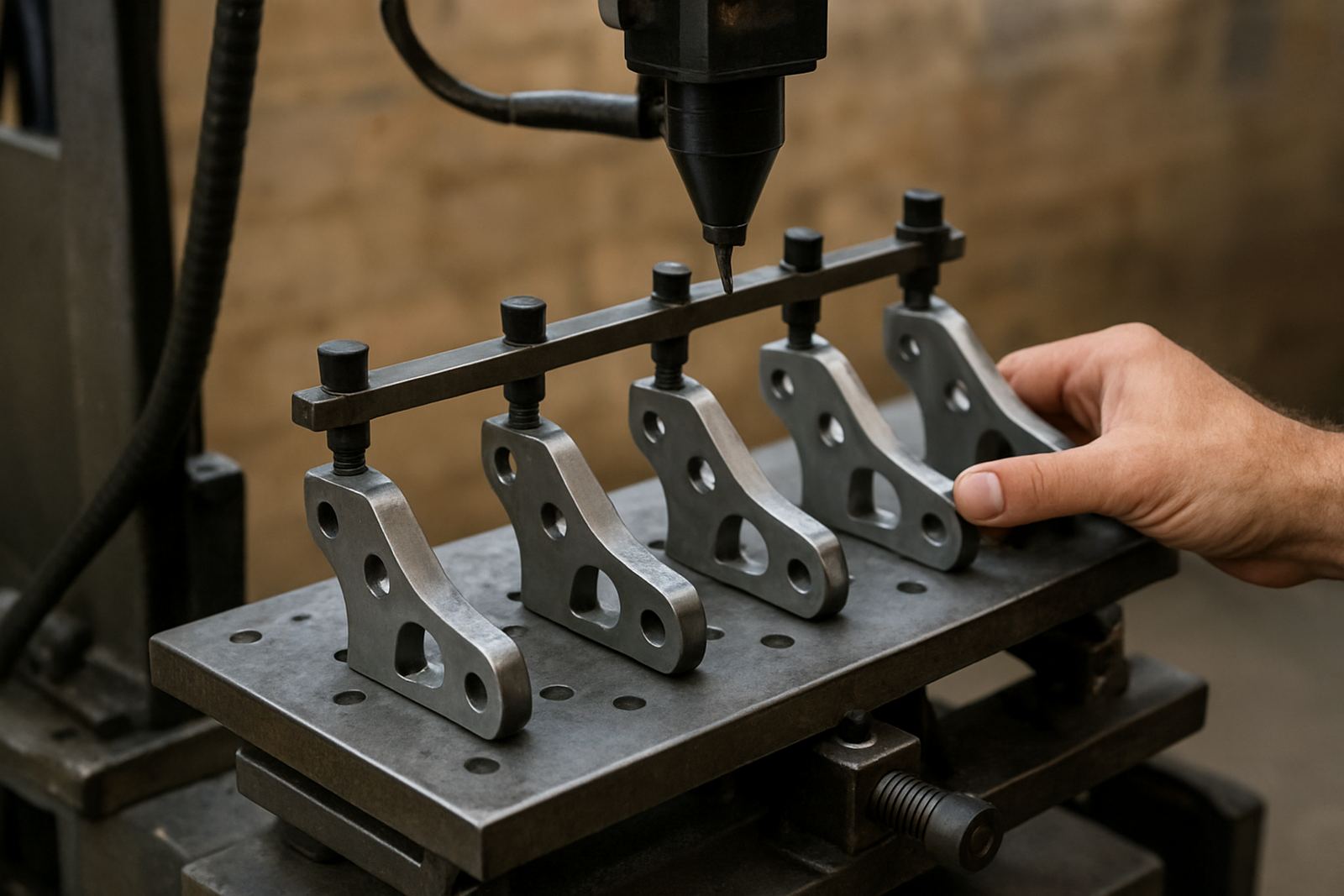
The best fixtures are usually simple. They are built around the part, not around a complicated idea. The aim is to save time on every cycle and keep the results the same for the full batch. For mould and die work, prototype joining, or part restoration, a jig can be the difference between a controlled repair and a long session of correction.
At our Centurion workshop, repeat jobs often come in after the first piece has been approved and the rest of the batch must match it exactly. That is where a jig earns its keep. It gives the team a known position, which is especially useful when a client needs ten or twenty identical repairs before dispatch.
- Keep the setup visible and easy to inspect
- Build in room for part variation where needed
- Use durable contact points that wont wear quickly
When A Jig Saves Money
Clients usually notice the saving in the final invoice, but the real saving starts earlier. Less time on set-up means more parts through the workshop, and fewer mistakes means fewer repeat passes. On batch jobshop welding, that can protect deadlines for a production line, a maintenance stop, or a scheduled shutdown.
A jig is also useful when the work must travel. We handle courier jobs nationwide, so the part may be jigged in Centurion, collected in Midrand, or sent on to another site for fitting. If the location method is clear, the same work can be repeated with far less back-and-forth. It keeps the job moving and helps the client plan with confidence.
Getting Repeat Jobs Ready For The Workshop
If you want a repeat job to run properly, send the workshop enough information to duplicate the setup. A sample part, a marked drawing, or a clear photo with dimensions all help. The more fixed reference points you can provide, the better the jig can be matched to the real job.
Before the first weld, check the part for wear, burrs, and distortion. Clean contact faces matter, especially on stainless and aluminium. If the job is sensitive, ask for one approved sample to be kept as the master. That way the next batch starts from the same point, not from memory. It sounds basic, but it saves time and keeps quality steady.
- Provide a sample or master part where possible
- Mark critical dimensions and reference faces
- Confirm quantities before the fixture is made