Why overweld becomes an expensive habit
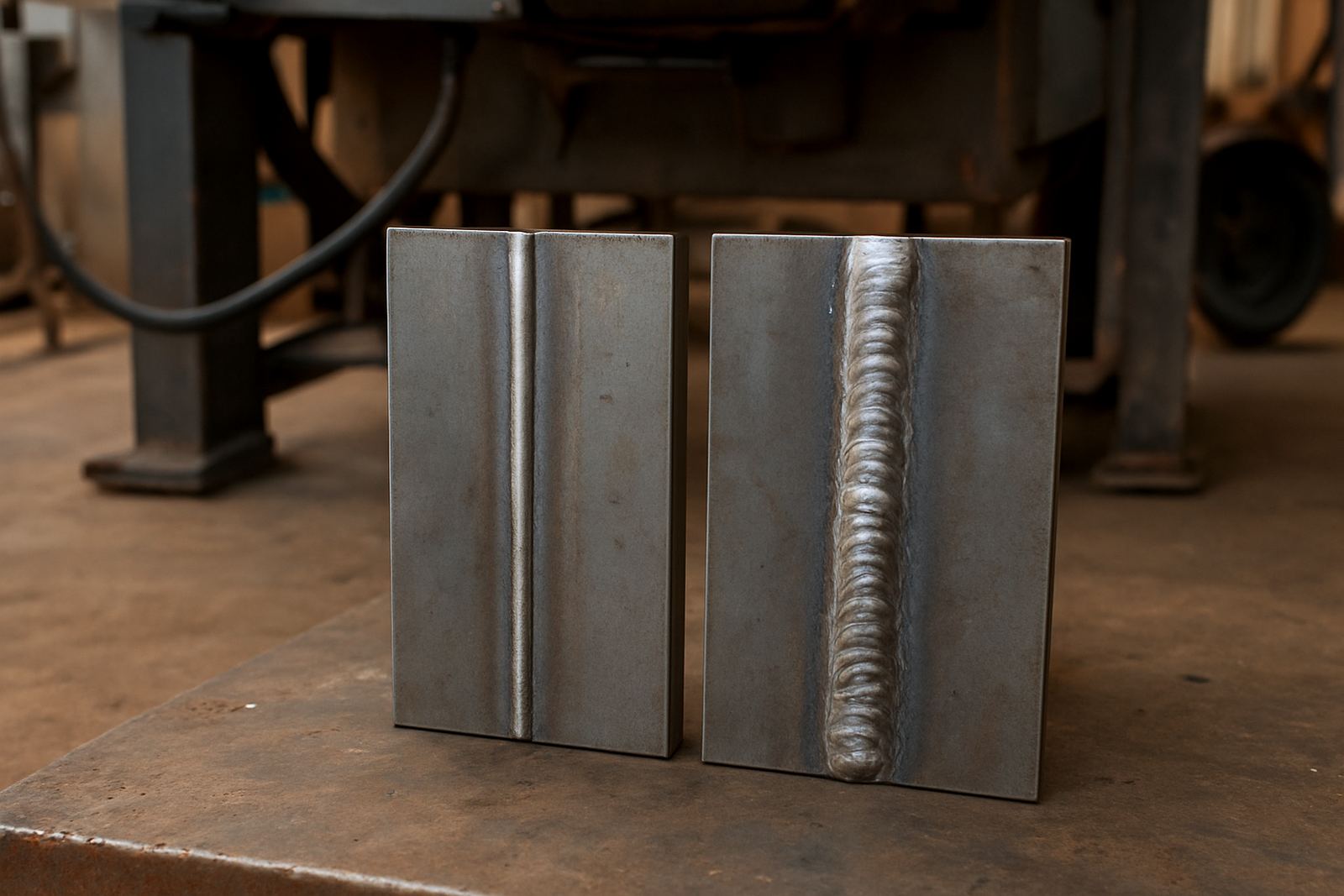
Overweld happens when extra weld metal is laid down beyond what the joint, crack or worn edge actually needs. It may look safe on the day, but it usually means more grinding, more machining and more time on the job card. For a repair shop in Centurion handling mould inserts, thin sections or small production parts, that extra time adds up fast.
There is also the risk of heat input creeping up. More passes can mean more distortion, more clean-up and a higher chance of damaging nearby features such as threads, sealing faces or fine edges. On parts that must fit back into existing assemblies, that is where a simple repair becomes a rework problem.
Start with the fit, not the filler
The best way to avoid overweld is to understand the original shape and the final tolerance before striking an arc or firing the laser. If a part only needs a 0.5 mm edge build-up, there is no benefit in adding 3 mm and expecting the machine shop to sort it out later. Measure first, then decide how much material is needed and where it should go.
This matters on high-value components where only one section is damaged. A skilled technician will prep the area, control the bead size and stop as soon as the profile is back. That approach saves filler, protects the base metal and keeps the part closer to spec.
- Check the worn area with calipers, gauges or a datum comparison.
- Confirm the finished size before repair starts.
- Plan for minimum clean-up after welding.
- Leave allowance only where machining or hand finishing is actually needed.
Where overweld shows up most often
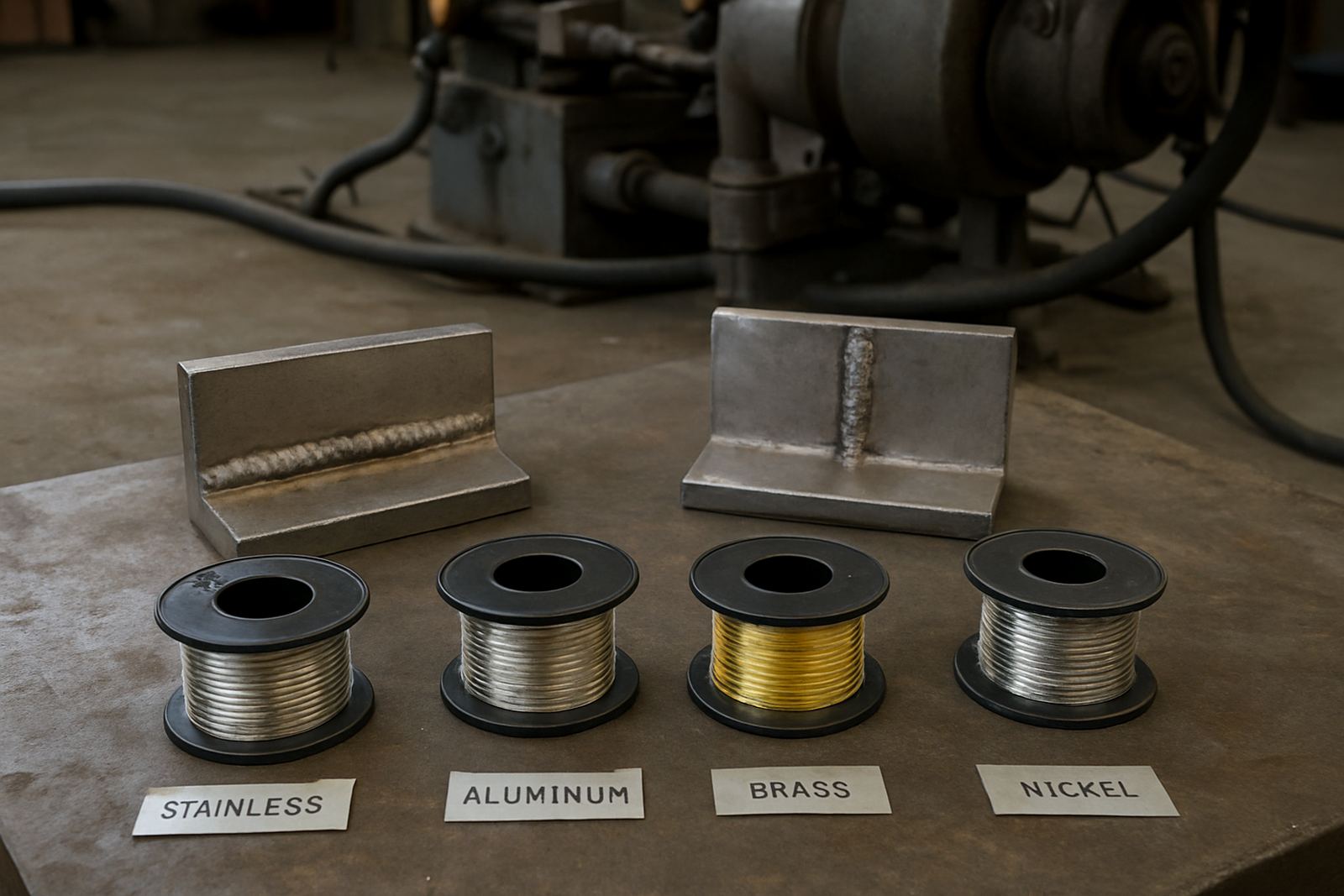
In job-shop work, overweld is common on parts that have been repaired before or where the original damage was poorly assessed. Cracks are sometimes chased too wide, then filled heavily. Edges are built up too much because the operator wants to make sure the material is there. On stainless and aluminium parts, this can create extra heat and more distortion than the job can tolerate.
You see it too on mould and die work, especially when the goal is to recover a sharp corner or a localised worn section. If the heat and material are not controlled, the repair can spread beyond the real damage zone. That means more finishing, and sometimes a part that no longer holds its original geometry.
- Unnecessary excess on sealing faces.
- Thick beads on thin sections.
- Wide heat-affected zones on small precision parts.
- More grinding than welding, which is a sign the repair was oversize.
Why laser welding helps keep deposits small
Laser welding is well suited to avoiding overweld because it is built for control. The heat is concentrated where it is needed, so the deposit can be small and precise. That is useful on components that must be restored without changing their shape too much, like instrument housings, tool sections, fine edges and mixed-metal parts.
For a Pretoria factory with limited shutdown windows or a Midrand workshop trying to get a batch back out before the afternoon courier, the benefit is practical. Less excess deposit means less grinding, less post-machining and less risk of losing another day on rework. It also helps on load-shedding days, because shorter repair times reduce the chance of a job being left half finished and needing extra set-up later.
A Centurion example: fixing the worn edge without rebuilding the whole part
A local example is a worn component from a manufacturing line in Rosslyn where one edge had been damaged over a short run length. The part did not need a full rebuild, only a controlled build-up on the affected section. By keeping the deposit tight to the wear zone, the repair stayed within the original profile and the final machining step was minimal.
If the repair had been done with too much filler, the part would have needed more hours on the milling machine and a larger risk of overshooting tolerance. In a job-shop setting, that difference is not small. It can mean the part is back in service on the same week, instead of sitting in a queue for extra finishing.
Practical ways to keep weld size under control
Operators and clients can both help prevent overweld by agreeing on the end result before work starts. Good repair practice is not about laying down as much metal as possible. It is about putting down only what will restore function, then stopping. That discipline protects time, material and accuracy.
On-site collection jobs, especially in Jet Park or across the Pretoria East industrial areas, this also helps with transport and turnaround. A smaller repair is easier to protect in transit and usually needs fewer handling steps. For nationwide work, that can lower the risk of damage before the part reaches the workshop or after it leaves.
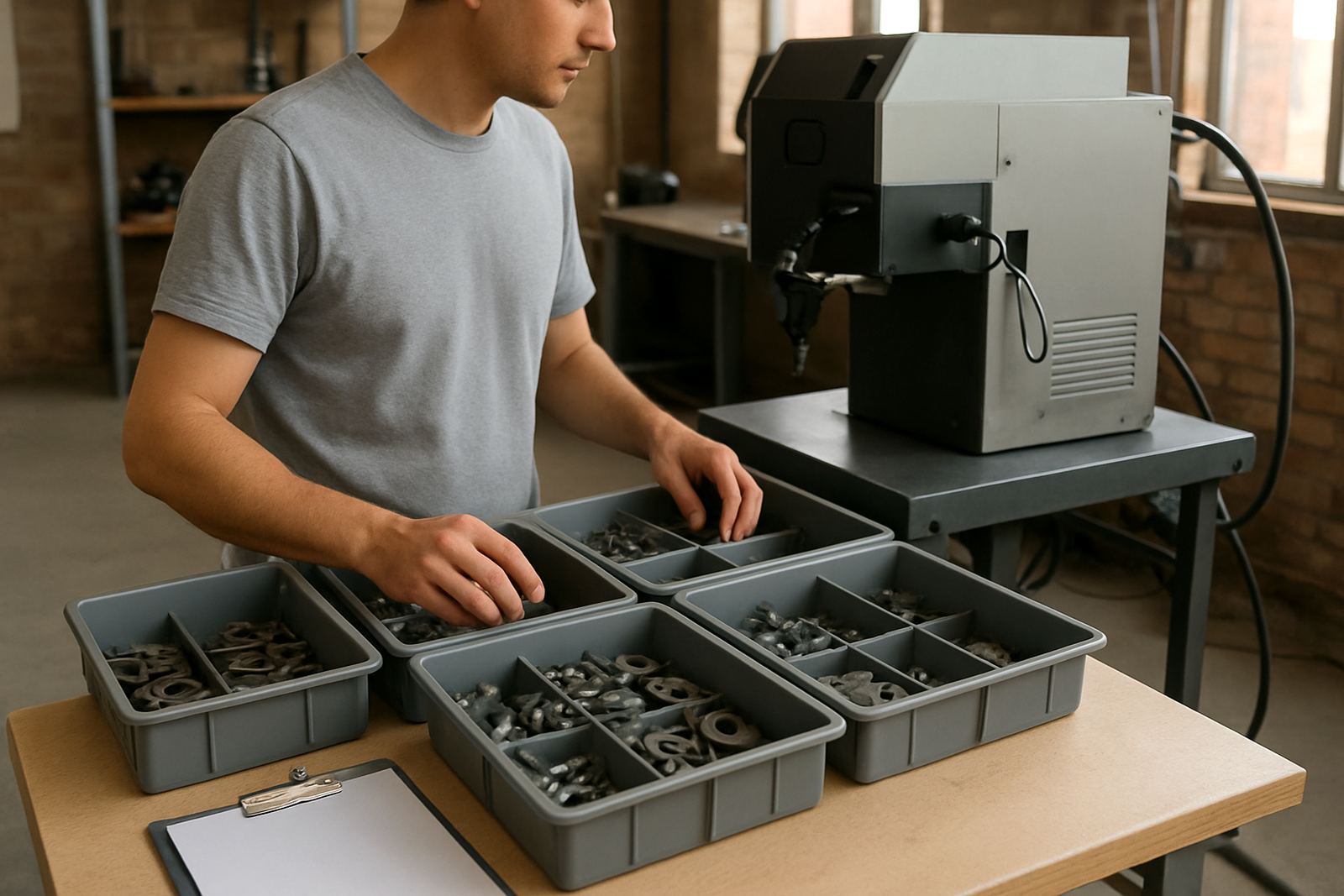
- Send clear photos with a ruler or scale in frame.
- Mark the exact damaged area instead of the full visible surface.
- State whether the part will be machined after welding.
- Ask for the minimum material needed to restore function.
When less weld gives a better result
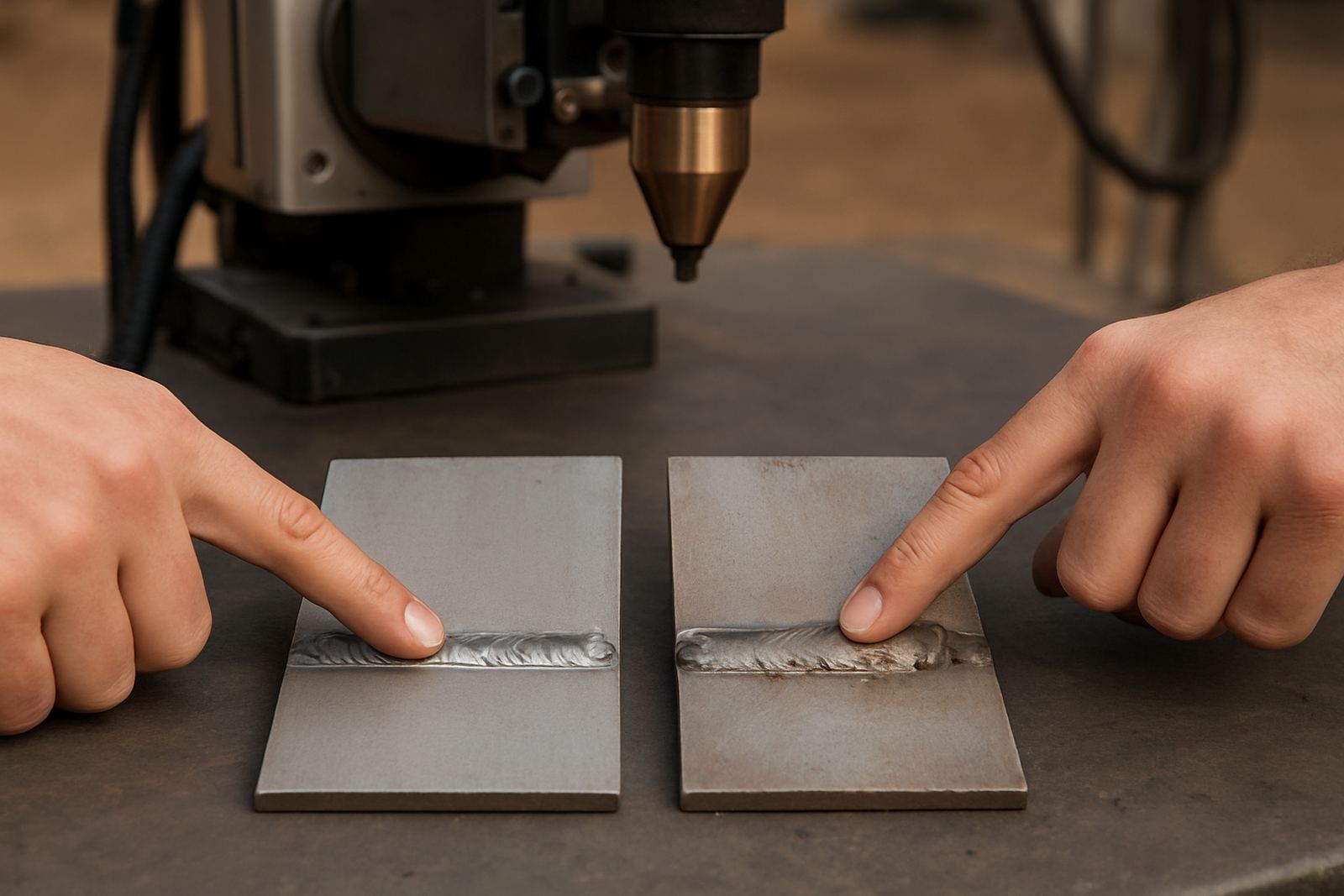
In precision repair, less is often better. A neat, controlled deposit is easier to finish, more likely to stay within size and usually safer for the surrounding material. That is why experienced welders aim for the smallest effective repair, not the biggest visible one.
For clients, the result is straightforward: lower cost, less downtime and a part that spends less time in finishing. Whether the job is a crack repair, a thin section restore or a batch of repeated parts, avoiding overweld keeps the work practical and the outcome predictable.