What microscope welding actually means
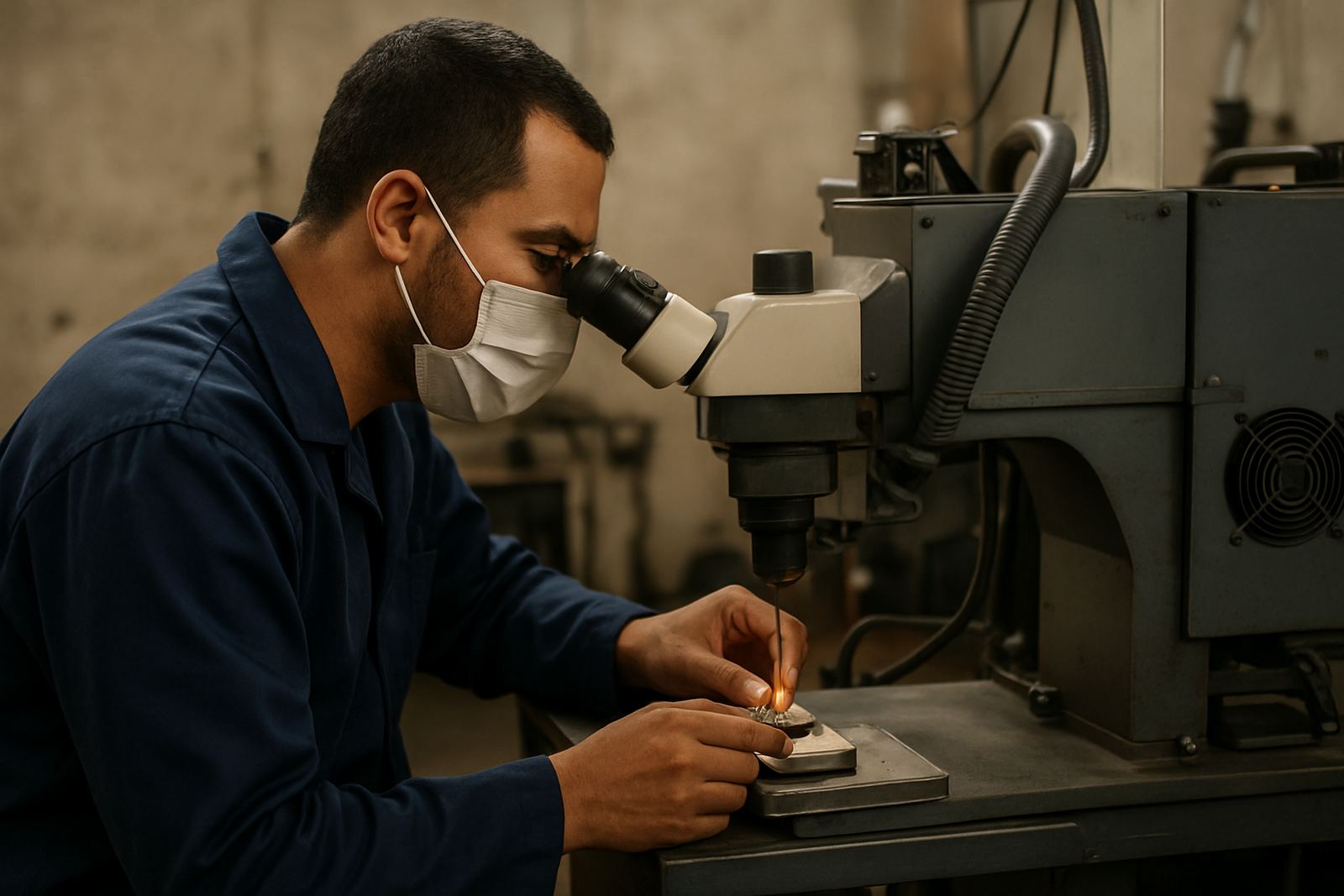
Microscope welding uses a magnified view of the work area while the technician controls a focused laser beam by hand. Instead of working by eye alone, the operator sees the joint, crack or missing edge in much greater detail and can place each pulse with care. That matters when the part is only a few millimetres thick, when the repair is near a polished surface, or when the job involves expensive components that cannot be handled roughly.
The process is especially useful for precision parts, mould inserts, dies, small tooling, medical type components and delicate stainless or aluminium repairs. In practical terms, it gives more control over the heat affected zone, which helps limit warping and reduces the need for rework. For job-shop work, that means parts can often be rescued rather than replaced.
When magnified welding is the better choice
Not every repair needs microscope work, but many intricate jobs do. If the crack is fine, the area is tight, or the surface finish must stay clean, magnification can make the difference between a usable repair and a costly scrap part. It is also useful when material is thin and the risk of burning through is high.
- Cracks on small tools, punches and dies
- Edge build-up on worn precision parts
- Restoration of chipped corners or broken tips
- Joining prototypes where fit-up is very exact
- Repairs near seals, threads or finished surfaces
In South African workshops, this is often the method chosen when a client needs a part back quickly and cannot wait for replacement imports. Around Pretoria, Centurion and Rosslyn, that can save production time, especially on items that are fitted into machines already on site.
How the job is prepared before the first pulse
A clean repair starts before the magnified welding even begins. The damaged area needs proper cleaning, inspection and accurate setup. Oil, oxide, paint and loose material must be removed so the weld bond is sound. If the part is clamped poorly or held under strain, the repair can pull out of shape as soon as heat is applied.
For many parts, the team will first assess the material type, wall thickness and the extent of the crack or wear. That tells the operator how much filler may be needed, whether the edge must be built up in stages, and if post weld finishing will be minimal or more involved. On a good job, the objective is not only to fix the damage but to leave the part ready for use with as little additional machining as possible.
In a place like Centurion, where workshop power interruptions can still affect production planning, careful preparation matters even more. If the job is set up properly from the start, the actual welding time is shorter and the chance of delays is lower.
Where microscope welding helps in local industry
Microscope welding has a clear place in South African manufacturing and repair work because so many projects involve imported components, custom tooling and short turnaround times. A small flaw on a production part can stop an entire line, so a focused repair is often more practical than waiting for a full replacement.
Typical local examples include worn mould details for plastics work, cracked tooling used in light manufacturing, stainless parts exposed to cleaning chemicals, and aluminium pieces damaged during assembly or handling. In coastal areas, humidity and corrosion can make small repairs more urgent, while inland workshops often deal with wear from heat, dust and repeated cycle use.
- Precision repairs for manufacturers in Rosslyn and Jet Park
- Prototype adjustments for engineering firms in Midrand
- Courier jobs sent in from other provinces for batch repair work
- On-site collection support through Pretoria East and Centurion
For clients outside Gauteng, the job-shop approach is useful because smaller items can be packed securely, collected by courier and returned once complete. That is often more efficient than bringing an entire machine or assembly to a standstill.
What good workmanship looks like under magnification
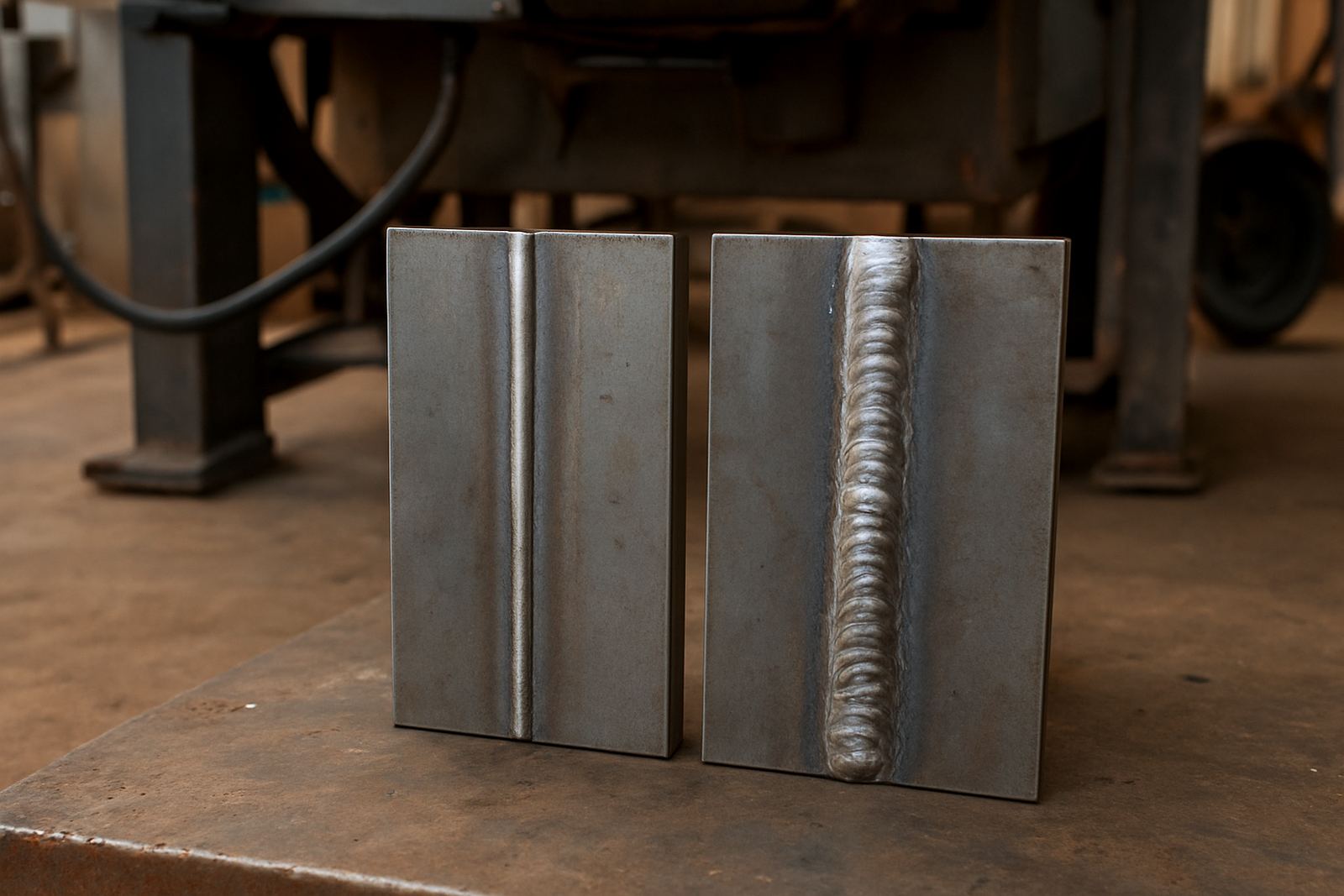
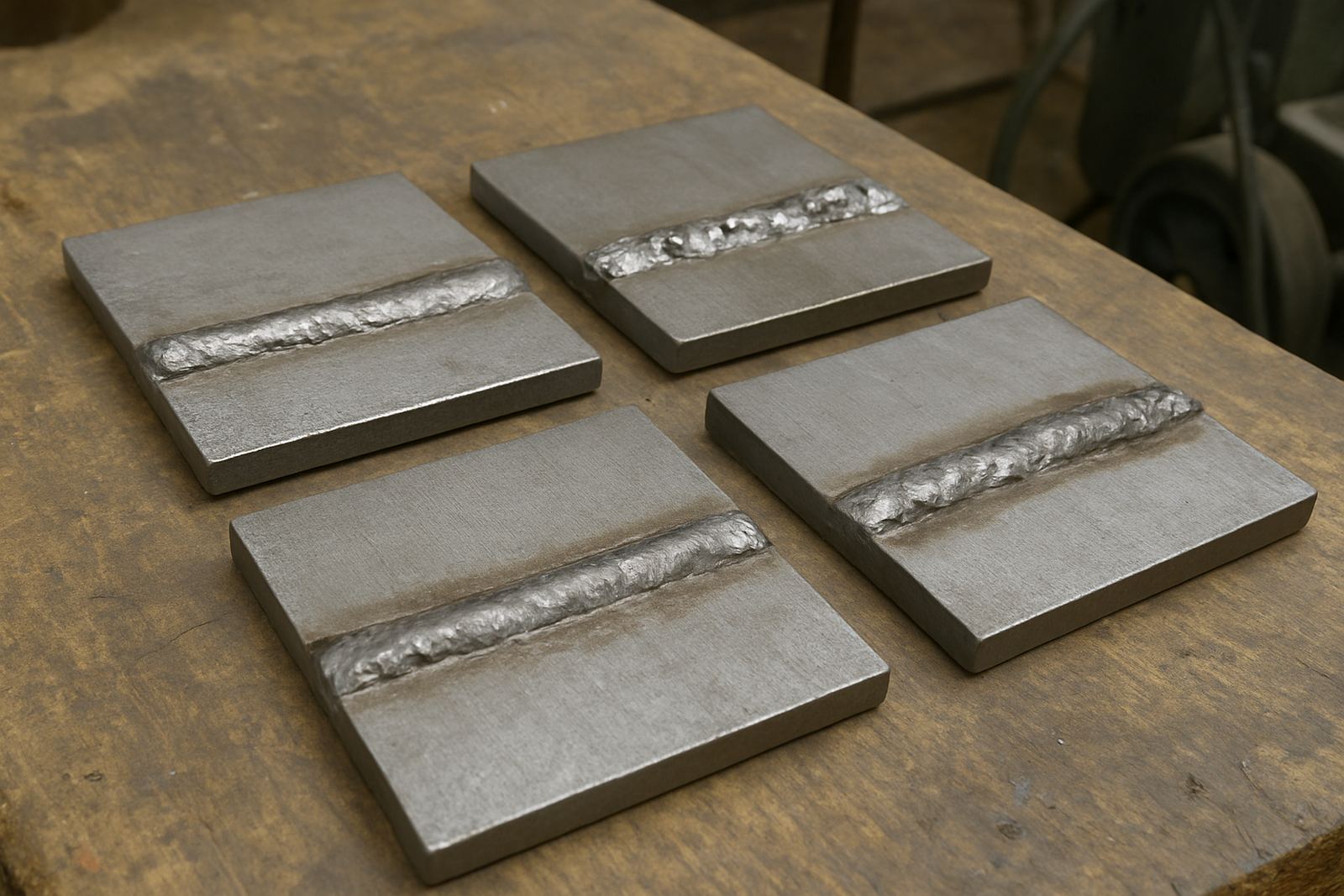
Good microscope welding should show in the finish. The repaired area must be aligned, smooth enough for the next process, and free from excess build-up that creates extra grinding. The operator should know when to stop, because overworking a small area can do more harm than good.
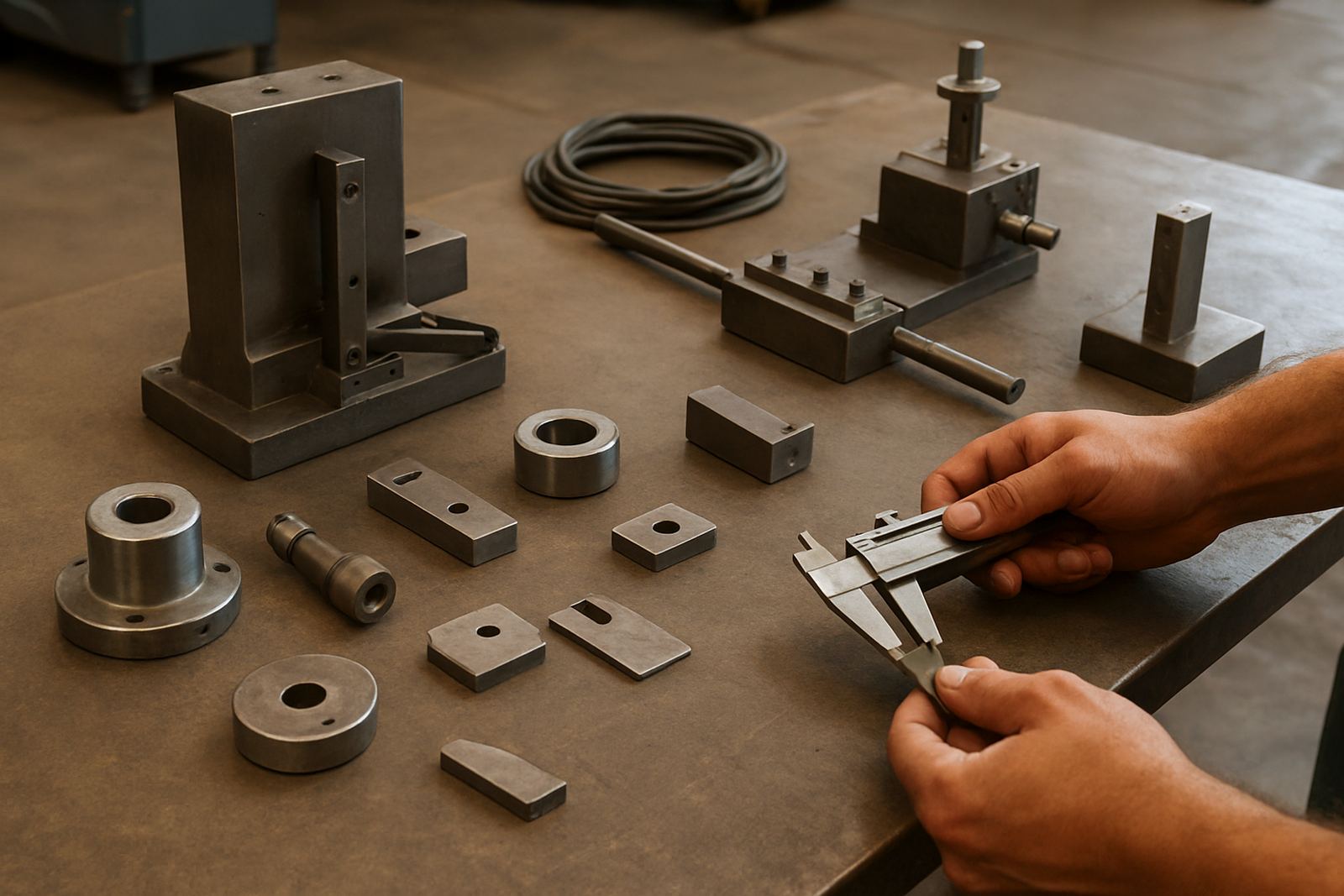
Attention to detail is critical. A sound repair usually shows controlled bead placement, consistent colour where appropriate, and a shape that matches the surrounding part. Where necessary, the work is checked carefully for size and integrity before it leaves the workshop. That is where experience counts, because tiny mistakes are easier to miss when the eye is looking through a magnified lens.
At Laser Welders Jobshop in Centurion, this kind of work is handled as a specialised service rather than a generic weld. The aim is to give clients a practical result they can put back into service with confidence, whether it is a single emergency repair or repeated batch work.
Questions to ask before sending a part in
If you are unsure whether microscope welding is right for your component, a few simple questions can save time. The more accurate the information you provide, the better the workshop can assess the job and decide on the best repair route.
- What material is the part made from, if known?
- How big is the damaged area in millimetres?
- Does the part need to be machined or polished after welding?
- Is it a one-off repair or part of a batch?
- How urgent is the turnaround?
Include clear photos if you can, and mention whether the part has already been cleaned or still has residue on it. For fragile items, packaging matters. A small crack can become a bigger problem if the part rattles around in transit. Once the team has the details, they can advise whether the job suits precision laser welding, crack repair, edge build up or part restoration.
Why this method suits careful repair work
Microscope welding is not about making noise or throwing heat at a problem. It is about control, visibility and judgement. That makes it a strong choice for intricate work where accuracy matters more than speed alone. When the part is valuable, the fit is exact and the margin for error is very small, magnified hand-guided welding is often the most sensible option.
For Pretoria, Centurion and nationwide clients, the real value is practical. You get a repair method that can handle small details, protect surrounding material and keep production moving. In a market where replacement lead times and import delays can be costly, being able to restore a part properly is often the difference between downtime and getting back to work.