Why Critical Features Need A Different Approach
Not every crack or worn edge can be treated the same way. A threaded section, precision bore or sealing face may only be a few millimetres away from the repair area, which means heat, filler placement and distortion control all matter from the first pass. In practice, the job is less about simply adding metal and more about preserving geometry.
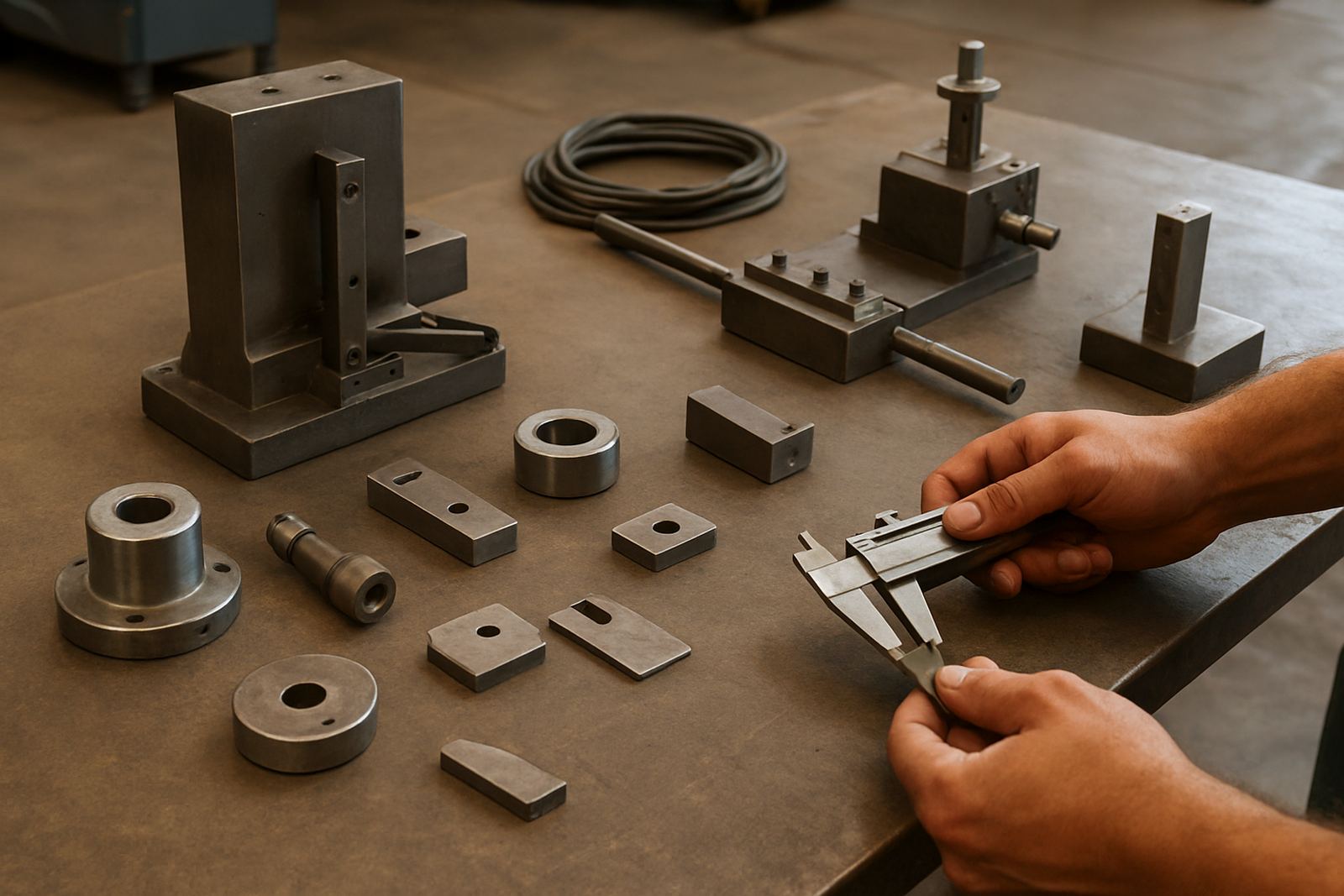
At our Centurion workshop, we see this often on tooling, housings, shafts and small production parts sent in from Pretoria, Midrand and Rosslyn. A normal repair can tolerate a little movement. A part with a bore that must still locate a bearing, or a face that must seal under pressure, cannot. That is why the job starts with measuring, marking and checking how the repair will affect the final fit.
In coastal areas such as Durban or Gqeberha, corrosion can make the original damage look worse than it is, while inland dust and repeated handling can mask a fine crack. Either way, the first question is always the same: what must remain true after the weld. If that answer is not clear, the repair is a gamble.
Setting Up So Threads And Bores Stay True
Accurate fixturing is one of the biggest differences between a useful repair and a part that comes back with new problems. When a thread, bore or slot is nearby, the part must be held so it cannot creep as heat enters the area. On smaller components, even a fraction of a millimetre can change how a bolt seats or how a shaft runs. That tiny change can cause leak paths, vibration or early wear.
We often isolate the heat affected zone by welding in short, controlled sections and allowing time for the part to cool. That may sound simple, but on a batch of worn mould inserts or repair pieces from a production line, it means the same method must be repeated part after part, with the same care each time. Good notes help, especially when the job comes back months later for another round of work.
- Confirm which dimension is critical before any welding starts.
- Mask or shield nearby threads where practical.
- Use holding methods that keep the part square under heat.
- Check the part again after cooling, not while it is still warm.
Managing Heat Near Sealing Faces And Fine Edges
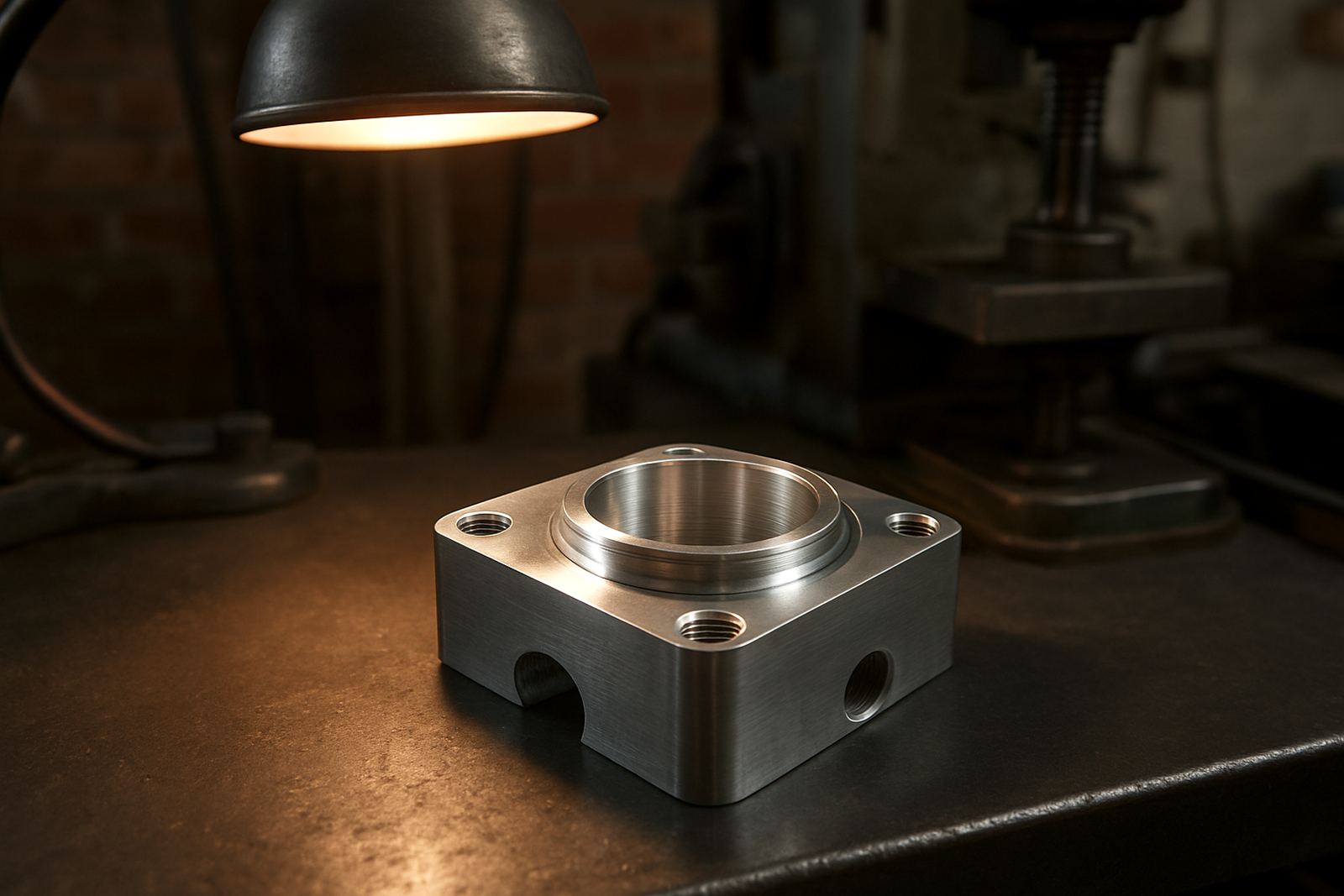
Sealing faces are unforgiving because they depend on flatness, finish and contact area all at once. A weld too close to the edge can create a high spot, pull the face slightly out of plane or leave a surface that needs far more machining than planned. The same applies to thin lips and knife edges where the material can shrink or warp if the heat is not controlled.
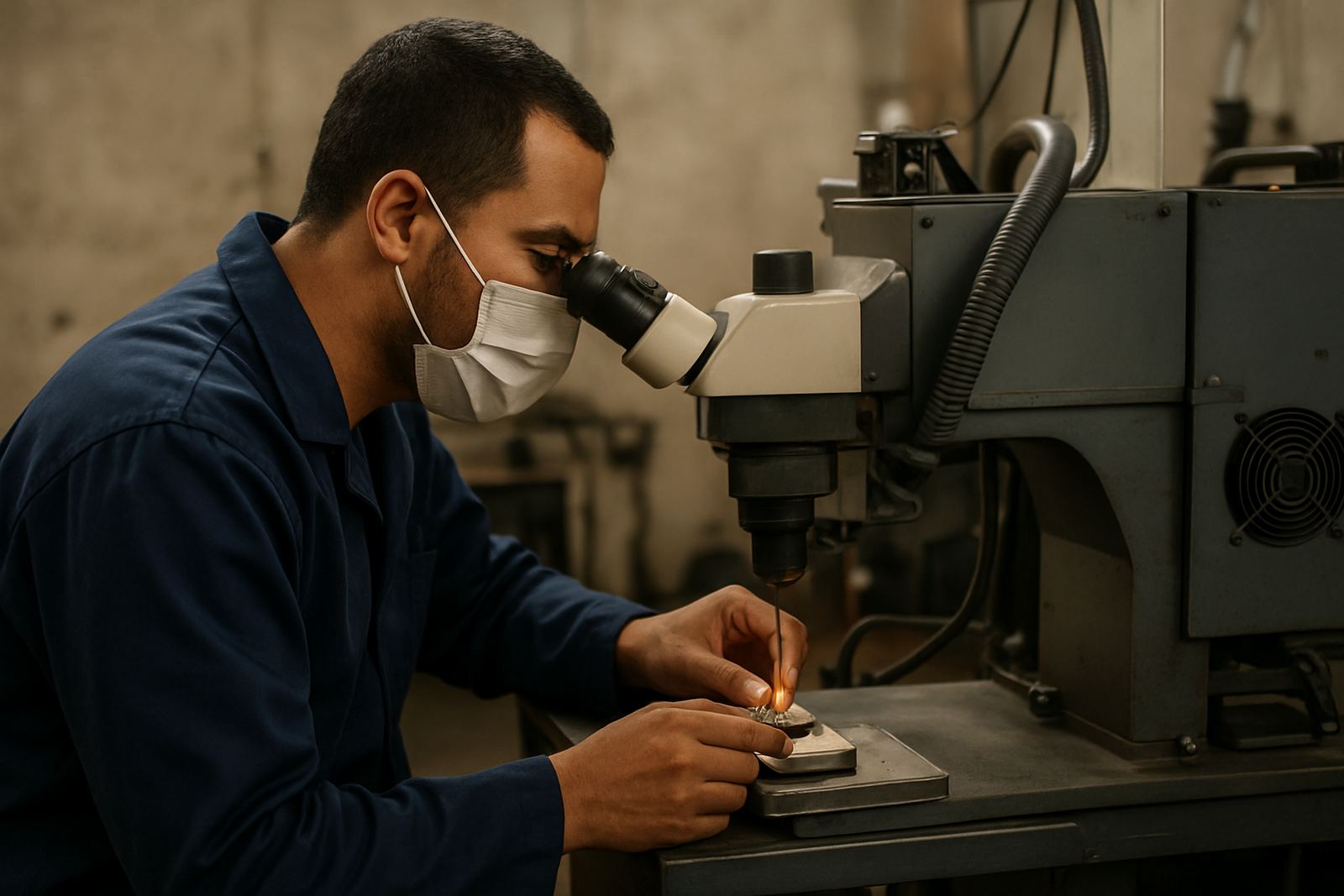
Laser welding gives us a very focused heat input, which helps when the repair sits near a precision face. That does not remove the need for caution. It does mean the technician can build material where it is needed with less spread into the surrounding metal. For items such as sealing lands, valve seats, cover plates and housings, this can be the difference between a part that goes straight back into service and one that still needs more work.
Where a face has already been damaged by galling, pitting or previous over tightening, the repair should be planned with the final finish in mind. If the part will be machined again, allow enough build-up so the machinist has room to true it up. If not, the weld bead must be controlled much more tightly from the start.
Common Mistakes That Turn A Small Repair Into A Bigger One
Most trouble on these jobs comes from rushing the assessment. A crack may look short, but if it starts at a threaded boss or runs into a bore wall, the true extent may be hidden until the part is cleaned and inspected. Another frequent issue is treating the part as if it were a general fabrication item, when in reality it may be a precision component with no spare metal to lose.
We also see repairs where too much material is added near the feature, then a later machining step removes more than expected. That can leave thin walls, reduced thread engagement or a face that no longer sits correctly. On stainless parts, poor cleaning before welding can also leave contamination that affects finish and corrosion resistance, especially in humid coastal service conditions.
- Do not weld before the crack is fully mapped.
- Do not assume the surrounding metal is the same thickness all round.
- Do not add excess material and hope machining will sort it out.
- Do not skip inspection after cooling and before dispatch.
A Pretoria Example From A Machine Shop Repair
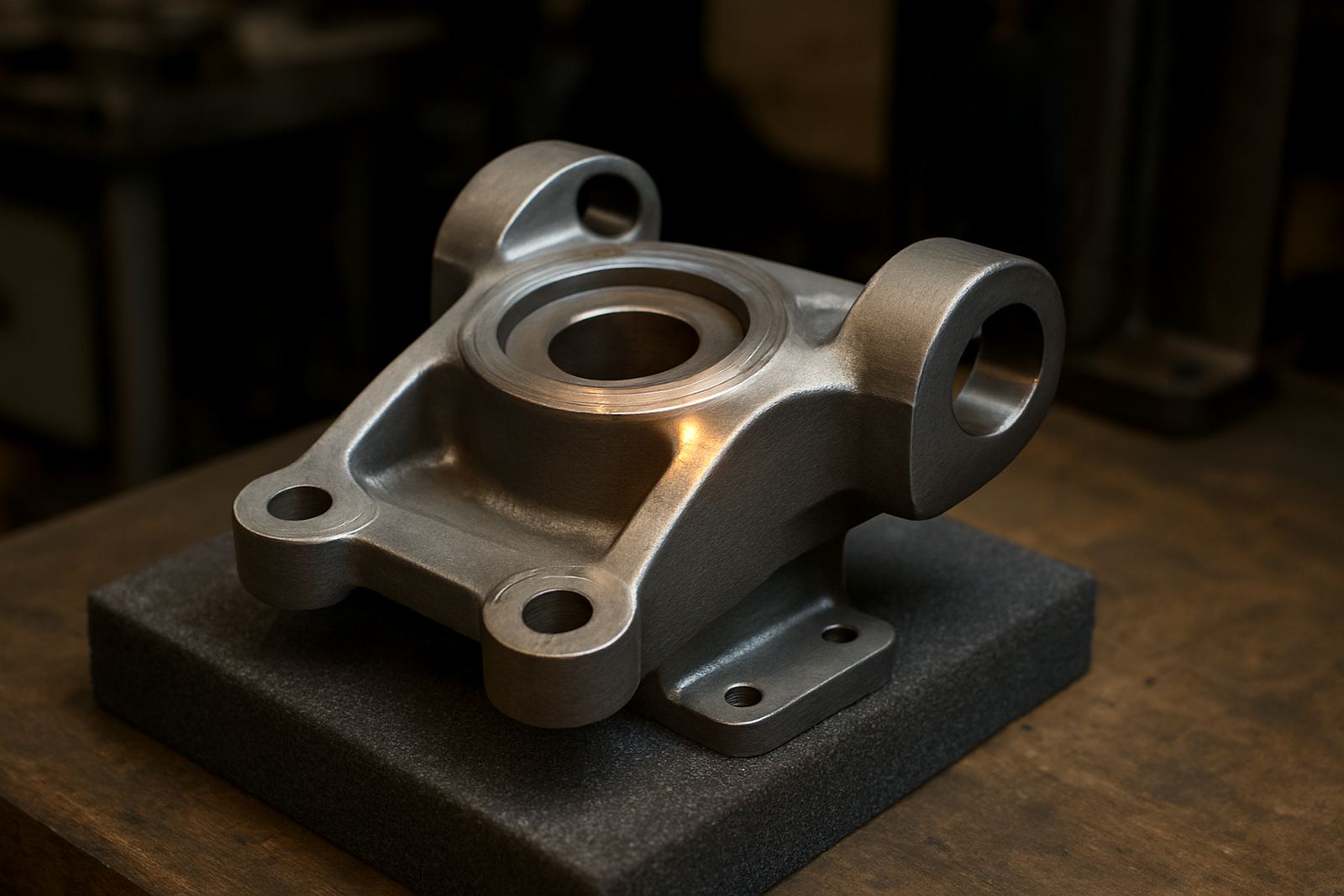
A recent job from a Pretoria East client involved a worn housing with a damaged thread near a sealing face. The part needed to go back into service on a production line, and the replacement lead time was not practical. The problem was not only the crack itself, but the fact that any extra heat could have pulled the face out of tolerance and affected the bolt clamp-up.
We cleaned the damaged area properly, set the part in a secure fixture and built the repair in controlled passes. The thread area was protected as far as possible and the sealing surface was checked before and after cooling. Once the build-up was complete, the part went back for finishing and fitment checks. The result was a usable component with the original geometry preserved closely enough for the client to proceed without delay.
That sort of outcome matters in Gauteng where machine uptime, transport lead times and load-shedding windows all affect scheduling. If a repair can be completed correctly the first time, it saves time on collection, rework and repeated setup.
What To Send In When The Weld Is Close To A Precision Feature
When you book a job-shop repair with features nearby, the quality of the information you send matters almost as much as the part itself. A photo of the damage helps, but dimensions and fit requirements are better. If there is a thread size, bore diameter, face width or hardness concern, mention it early so the repair can be planned around it.
For clients across South Africa, from Midrand collections to courier jobs from further afield, this makes coordination easier. It also reduces the chance of the part arriving at the workshop without the details needed to make the right call. In some cases we may ask for a mating component, a drawing or a sample measurement to confirm the final target.
- Send clear photos of the damaged area.
- Note any thread, bore or sealing surface that must stay accurate.
- State whether the part will be machined after welding.
- Tell us if the item works in high heat, vibration or corrosive service.
The Point Of Repairing Near Critical Features
Repairing close to a precision feature is not about making the weld look neat for the sake of it. It is about keeping the part useful. A clean repair that respects the thread, bore or sealing face can return a worn component to service with less downtime and less replacement cost. Done badly, the same job can waste time and create a new fault in a place that was sound before.
That is why these repairs call for careful setup, measured heat control and close attention to the final fit. Whether the part comes from a workshop in Centurion, a plant in Jet Park or a site elsewhere in South Africa, the aim stays the same: protect the critical features and fix only what needs fixing. Sometimes the best weld is the one that leaves everything around it exactly where it should be.