Jet Park Maintenance Call-Out And The Repair Brief
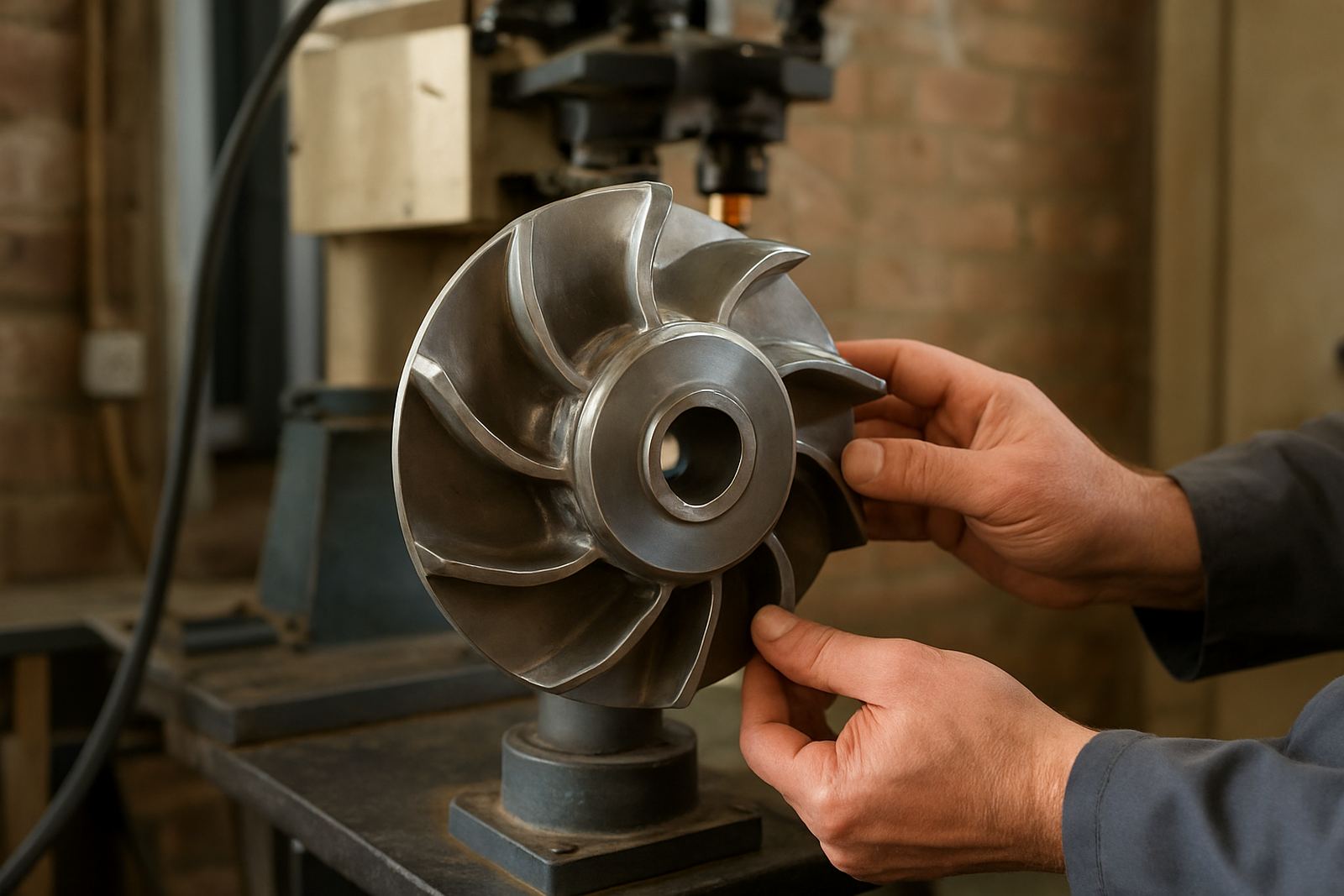
A maintenance team in Jet Park came to us with an impeller that had started losing performance in service. The issue was clear enough on inspection: the vane tips were worn, the leading edges were rounded off, and one section had minor pitting from repeated abrasion. The unit had to go back into service quickly because the plant was working around a short stoppage and could not wait for a new part to be sourced, machined, and balanced from scratch.
The brief was simple in wording but tight in execution. Restore the impeller, keep heat input under control, preserve the original geometry, and make sure the repair would hold up under continuous use. The customer also needed a practical answer for a job site in the East Rand, where dust, vibration and stop-start maintenance can punish rotating parts very quickly.
We assessed the component in our Centurion workshop, then confirmed the wear pattern and the areas that needed material build-up. For this kind of work, the first step is not welding, it is measurement. We checked vane thickness, edge loss, and the areas where previous service had left a thin section. That let us plan the repair properly instead of overbuilding and creating unnecessary post-work machining.
Why Laser Welding Was The Right Repair Method
This impeller was a good candidate for precision laser welding because the damaged areas were localised and the part still had sound base material. A conventional heavy repair would have introduced more heat, more distortion, and more grinding time than the job needed. With laser welding we could place material only where it was required and keep the surrounding surface stable.
The customer needed the vane tips rebuilt to original working dimensions, not just filled in. That meant controlling the bead size, limiting overlap at the edges, and blending the new material into the parent section so the impeller would run cleanly after refit. On a part like this, poor control can throw off balance or create a weak transition line, so precision matters as much as speed.
- Component type: industrial impeller for maintenance use
- Primary damage: worn vane tips and edge rounding
- Repair need: build-up, edge restoration and local surface correction
- Constraint: short shutdown window and no room for excess heat input
Because the job was urgent, we also needed to keep the workflow compact. The part came in, was inspected, repaired, checked, and released without unnecessary handling. That matters when a plant is trying to get back online before a weekend shift or before load-shedding makes access harder for the maintenance crew.
Build-Up On The Vane Tips And Edge Correction
Once the repair plan was set, we cleaned the damaged surfaces fully and prepared the impeller for build-up. The worn vane tips were restored with controlled laser deposited material, using short passes to keep the base section cool and avoid warping. The repair was built up only to the point required for final finishing, because overbuilding would have added time and risk for no real benefit.
In practical terms, the work involved rebuilding the missing profile, correcting sharp wear points, and blending the repaired sections into the original vane shape. The edge build-up had to be even across the impeller, so we worked methodically around the circumference and checked the profile as we went. One small area had deeper wear than the rest, so it needed a second pass and finer blending. That is normal on service parts that have run hard in a dusty environment.
We also paid attention to the likely operating conditions after repair. This impeller was expected to handle repeated starts, vibration, and the sort of harsh day-to-day service that can be common in factory support work around Johannesburg and the East Rand. The final result needed to be practical, not just neat on the bench.
Quality Checks Before Release
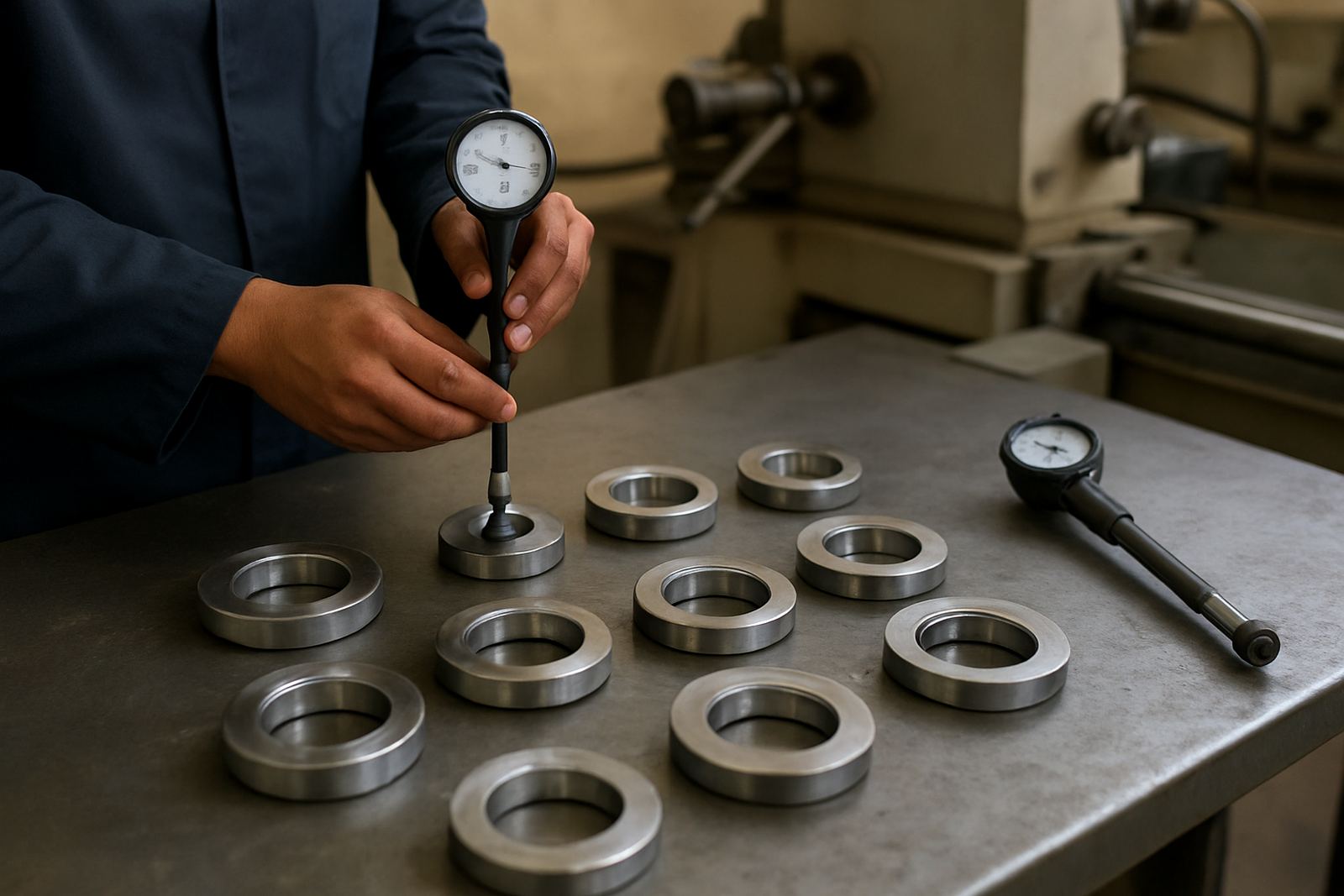
After welding, the repair went through a straightforward quality check process. We inspected the rebuilt vane tips for continuity, checked the transition between repaired and original areas, and confirmed that the restored profile was consistent from one vane to the next. The customer wanted a unit that could be fitted without surprises, so attention to symmetry was important.
- Visual inspection of repaired edges and build-up lines
- Dimensional check against the original wear pattern
- Surface blending to reduce stress points and sharp transitions
- Release for fitment only after the part was judged service-ready
For a rotating component, small inconsistencies can become bigger problems later. That is why we do not treat a repair as complete the moment the heat is off. We look at the whole part, the likely running conditions, and whether the repair will support the plant’s maintenance plan rather than just patching a single defect. In this case the impeller was returned with the worn zones properly reinstated and ready for refit.
Timeline, Turnaround And What The Client Needed Most
The job was handled over a short two week window from first inspection to release. The customer’s main concern was downtime, so we structured the work to avoid delays in the workshop and keep the component moving through the process. Because the wear was localised, the turnaround was quicker than sourcing a replacement unit, especially once the dimensions and repair scope were confirmed.
That kind of turnaround is one of the main reasons maintenance teams call us for impeller work. When a machine is down, a delay of even a few days can affect production, cleaning schedules, or downstream equipment. In this case the customer needed the repaired part back in Jet Park quickly so the maintenance crew could complete the shutdown and get the system running again.
The result was a repaired impeller with restored vane tips, corrected edges, and a clean finish ready for installation. The customer avoided full replacement costs and kept the shutdown contained. It was a practical repair for a real maintenance problem, and it solved the issue without stretching the outage.
When We Would Recommend The Same Approach Again
We would use the same approach again on any impeller or similar rotating part where the damage is local, the base material is still sound, and the client needs a fast, controlled repair rather than a full rebuild. It works especially well where the wear is concentrated on vane tips, edge surfaces, or thin sections that cannot tolerate heavy heat.
For future work, we would again begin with inspection and measurement, then repair only the worn zones, then complete the final check before release. That is the safest way to manage urgent repairs in industrial settings, whether the job comes from Jet Park, Pretoria East, Midrand, or a site farther afield and needs courier collection. If the part is repairable, we will usually say so plainly. If replacement makes more sense, we say that too.
That practical approach is what the client needed here. Not a sales pitch, just a restored part that could go back into service and do its job. As repairs go, this one was handled cleanly and on time, with no fuss.
Key facts
| Project | Jet Park impeller repair |
|---|---|
| Client type | Industrial maintenance customer |
| Location | Jet Park, Gauteng |
| Timeline | 2 weeks |
| Main damage | Worn vane tips and edge rounding |
| Repair method | Precision laser welding with local build-up |