Production-Critical Die Damage in Pretoria East
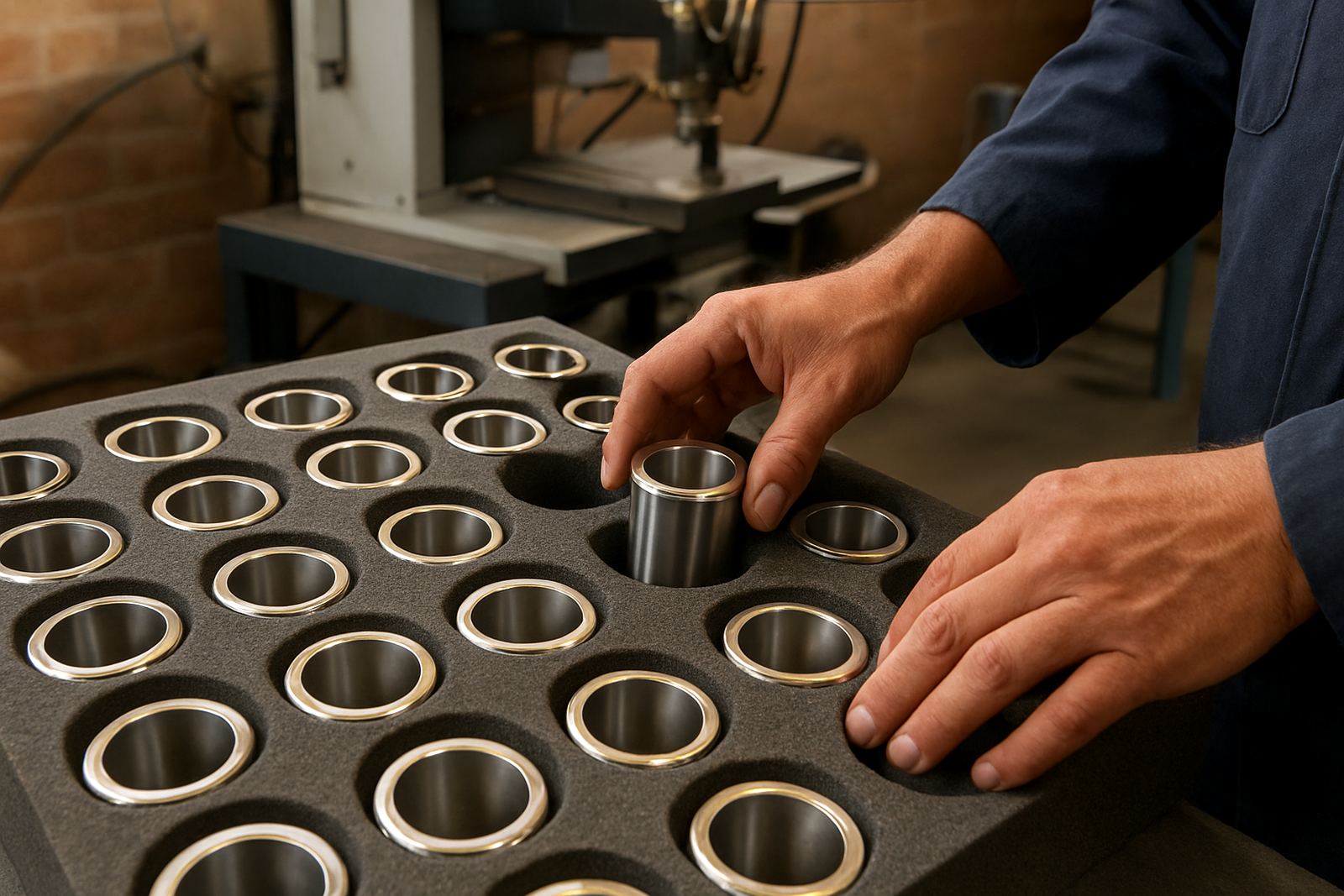
The call came from a manufacturer in Pretoria East that could not afford repeated downtime on a die used in a steady production run. The issue was concentrated at one corner where wear and minor chipping had started to change the forming profile. That meant the component was no longer giving consistent edges and the parts were drifting out of tolerance.
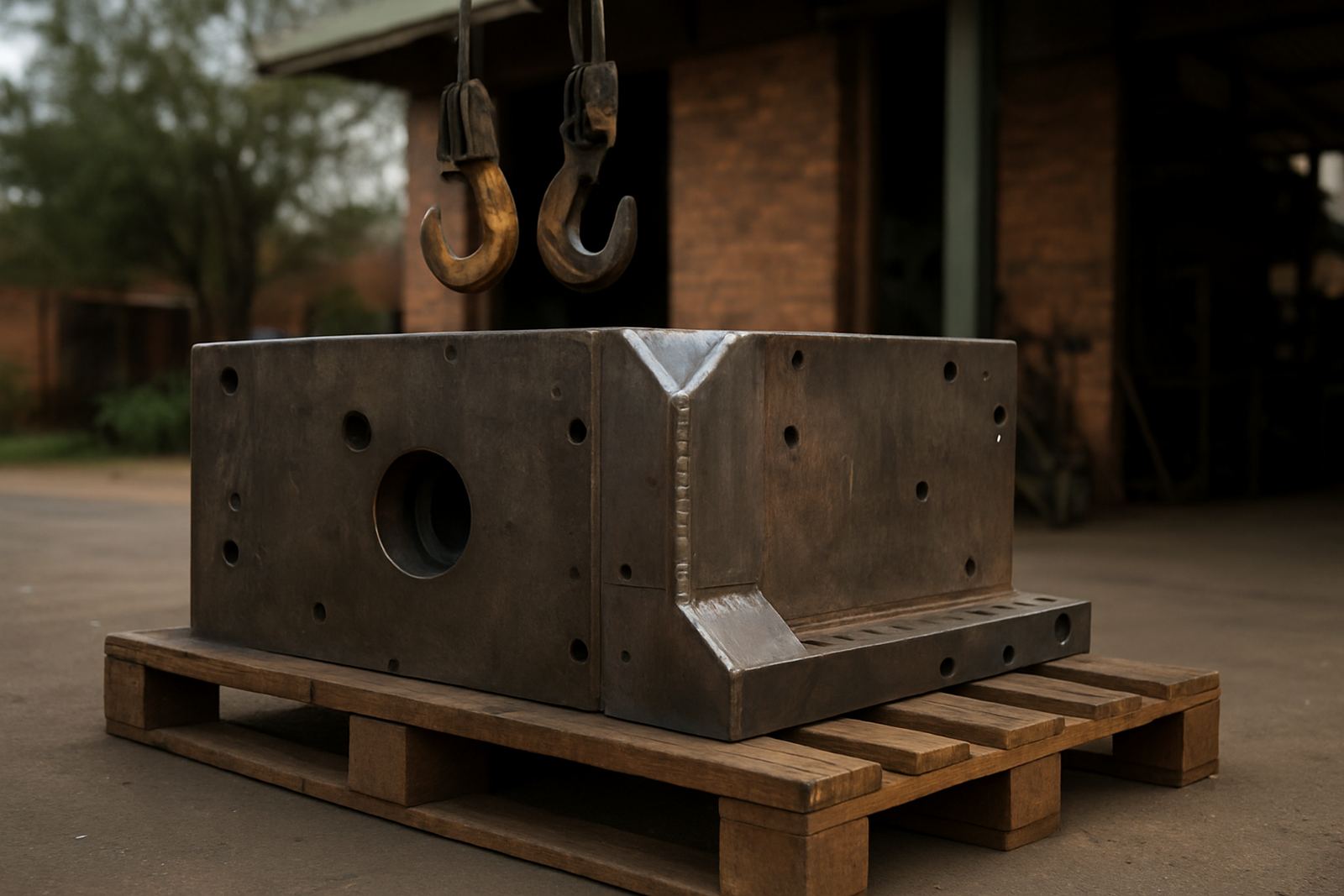
The client needed a repair that held detail, kept heat input low, and did not strip away any more of the parent material than necessary. In this kind of work, a heavy-handed repair can create more trouble than the original damage. We had to recover the corner accurately, protect nearby surfaces and keep the tool fit for production use. The die was brought in from the Pretoria East side, inspected at our Centurion workshop, and placed into the job-shop queue as a priority piece.
What the Brief Required and What We Checked First
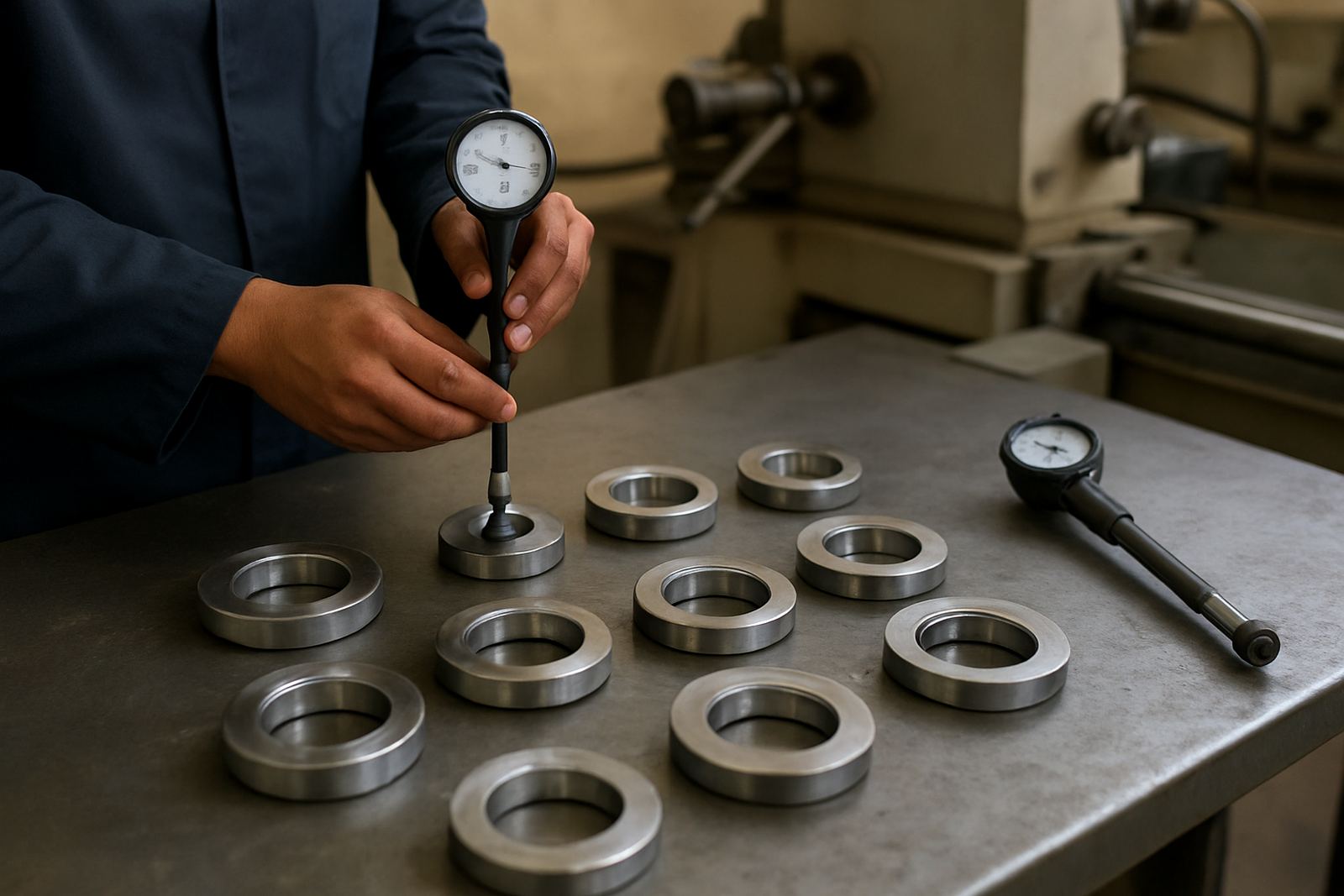
Before any welding started, we measured the damaged section and confirmed how the wear had affected the working corner. The brief was clear: rebuild the corner, preserve the die geometry, and return the item fast enough to limit plant disruption. The client also asked that the repair hold up under repeated cycles rather than just look correct on the bench.
- Die corner recovery on a production-critical tool
- Minimal heat affected zone to protect nearby detail
- Controlled build-up for later finishing and fit-up
- Turnaround planned around a 1 week work cycle
- Compatibility with downstream machining and final inspection
We checked the damaged edge, the depth of wear, and the nearby surfaces that could be affected by heat or distortion. The part was also assessed for previous repairs and any signs of cracking around the working face. In a die repair like this, the condition of the surrounding material matters as much as the damaged corner itself.
Precision Laser Welding on a Small Area with Tight Control
For this job we used precision laser welding to rebuild the worn section in a controlled way. The repair was focused only on the corner area, which helped us keep the heat input low and avoid unnecessary change to the rest of the die. That is especially important on tooling where one small error can affect alignment, edge formation, or release.
The build-up was done in layers so the profile could be restored cleanly. We worked to suit the final machining allowance and kept enough material on the repaired area for accurate finishing. The part was not treated as a quick patch, it was handled as a functional production tool that needed to go back into service and perform properly.
Because the die had to retain fine edge detail, we paid close attention to the transition between repaired and original material. The aim was a repair that would machine well and not leave soft spots or excess hardness around the working face. That balance is what makes laser welding useful on small, detailed tooling.
Workshop Process, Timing and Quality Control
The full job ran over 1 week from receipt to release for finishing. That included inspection, set-up, welding, cooling, and in-house quality checks before the die moved on for final machining. For a tool of this type, rushed handling usually costs more in the end, so we kept the process tight but disciplined.
- Incoming inspection and damage mapping
- Controlled laser build-up on the worn corner
- Interim checks during the repair to protect geometry
- Post-weld inspection and release notes for machining
- Prepared handover for the client’s next production window
Our quality control lead checked the repaired section against the original working profile and confirmed that the repair stayed within the planned build-up range. We also made sure the repair would not interfere with the die’s seating or downstream alignment. The workshop team coordinated the sequence so the client could plan around the recovered tool, rather than waiting without a clear update.
Results for the Pretoria East Manufacturer
The repaired die corner returned to service with the damaged area recovered and the working profile restored for production use. The client was able to continue with the batch without replacing the entire tool, which saved both cost and lead time. Just as importantly, the repair gave them a tool they could trust again instead of a short-term fix.
The part came back with stable detail at the repaired corner, good finishing allowance, and no unnecessary distortion around the job area. That helped the manufacturer keep output moving and avoid a longer stoppage in a production environment where delays quickly affect the rest of the line. In practical terms, the repair gave them a way forward without compromising the part quality they needed from that die.
For a production-critical component, the biggest result is often consistency. Once the corner was recovered properly, the tool could go back into routine use with much lower risk of repeated rejects. That is exactly the kind of outcome we aim for on die and mould work.
What We Would Repeat on a Similar Die Repair
We would follow the same approach again for a similar Pretoria East die job: inspect first, repair only the damaged zone, and leave enough material for accurate finishing. That approach works well on detailed tooling, especially where the production schedule does not allow for guesswork or trial and error.
- Keep the heat input low and localised
- Build the corner in measured layers
- Allow for final machining from the start
- Check fit and profile before release
- Keep the client updated on turnaround and next steps
We also would keep the communication practical and direct. Clients need to know whether the tool can be recovered, how long it will take, and what the finished repair will support in production. That is the way we handle job-shop work from Centurion, Pretoria East, Midrand, Rosslyn, Jet Park and nationwide courier jobs. If a die, mould or precision part needs careful recovery, we prefer to fix it properly the first time, rather than chase the same fault later.
Key facts
| Project | Pretoria East die corner recovery |
|---|---|
| Client type | Manufacturer with production-critical tooling |
| Repair method | Precision laser welding with controlled build-up |
| Material focus | Detailed die steel corner area |
| Turnaround | 1 week work cycle |
| Base | Centurion, Pretoria |