What the Die Build Cell is used for
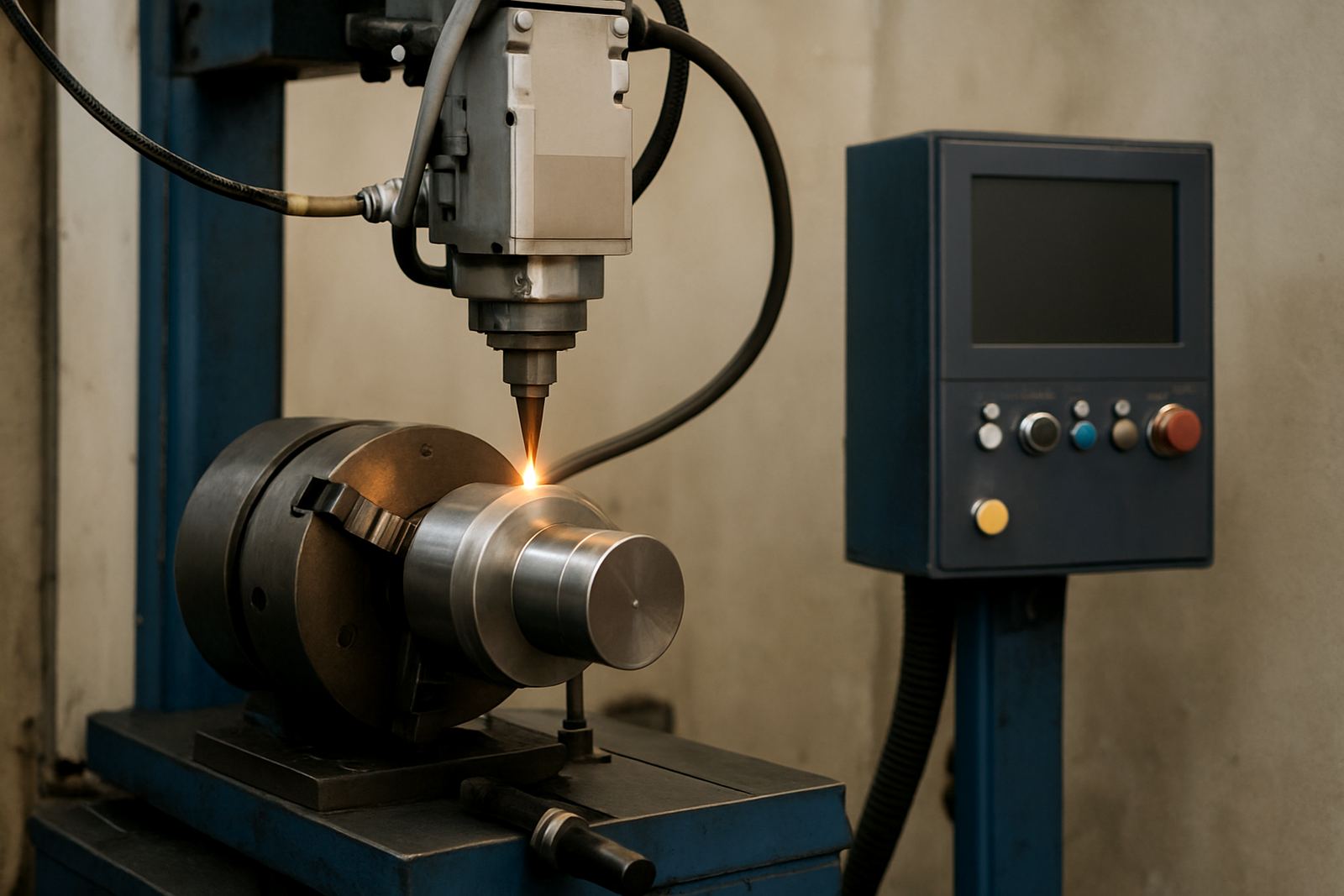
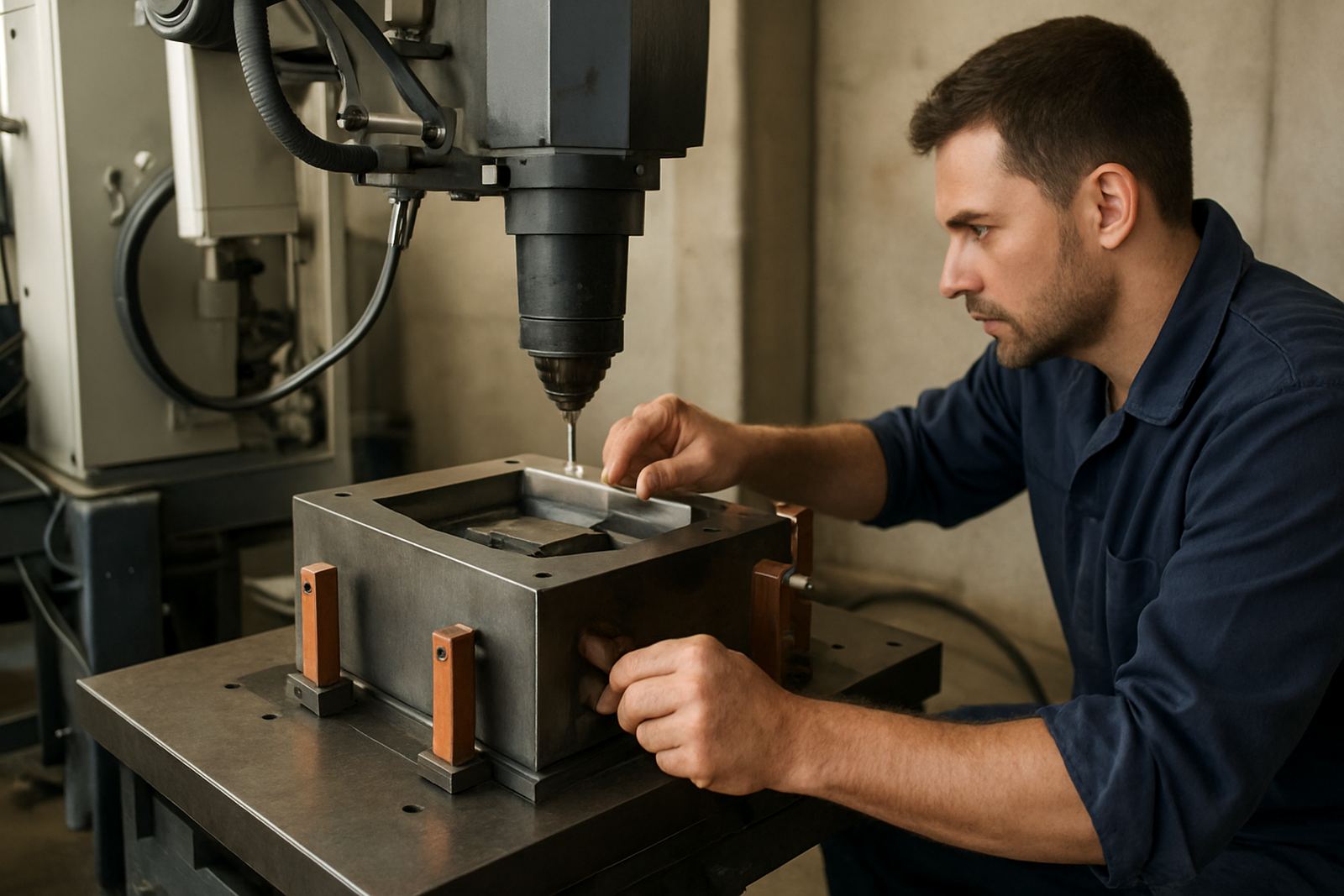
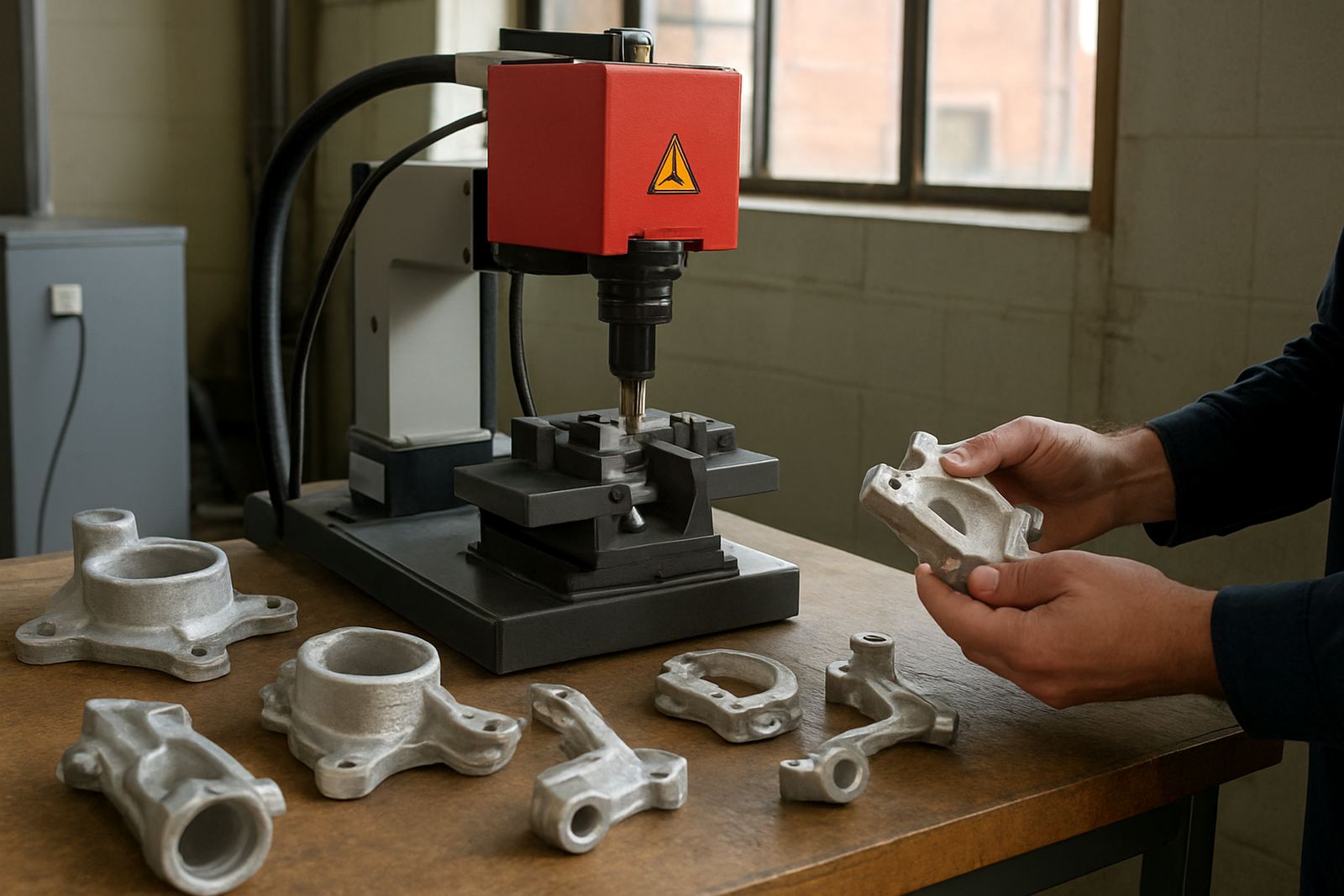
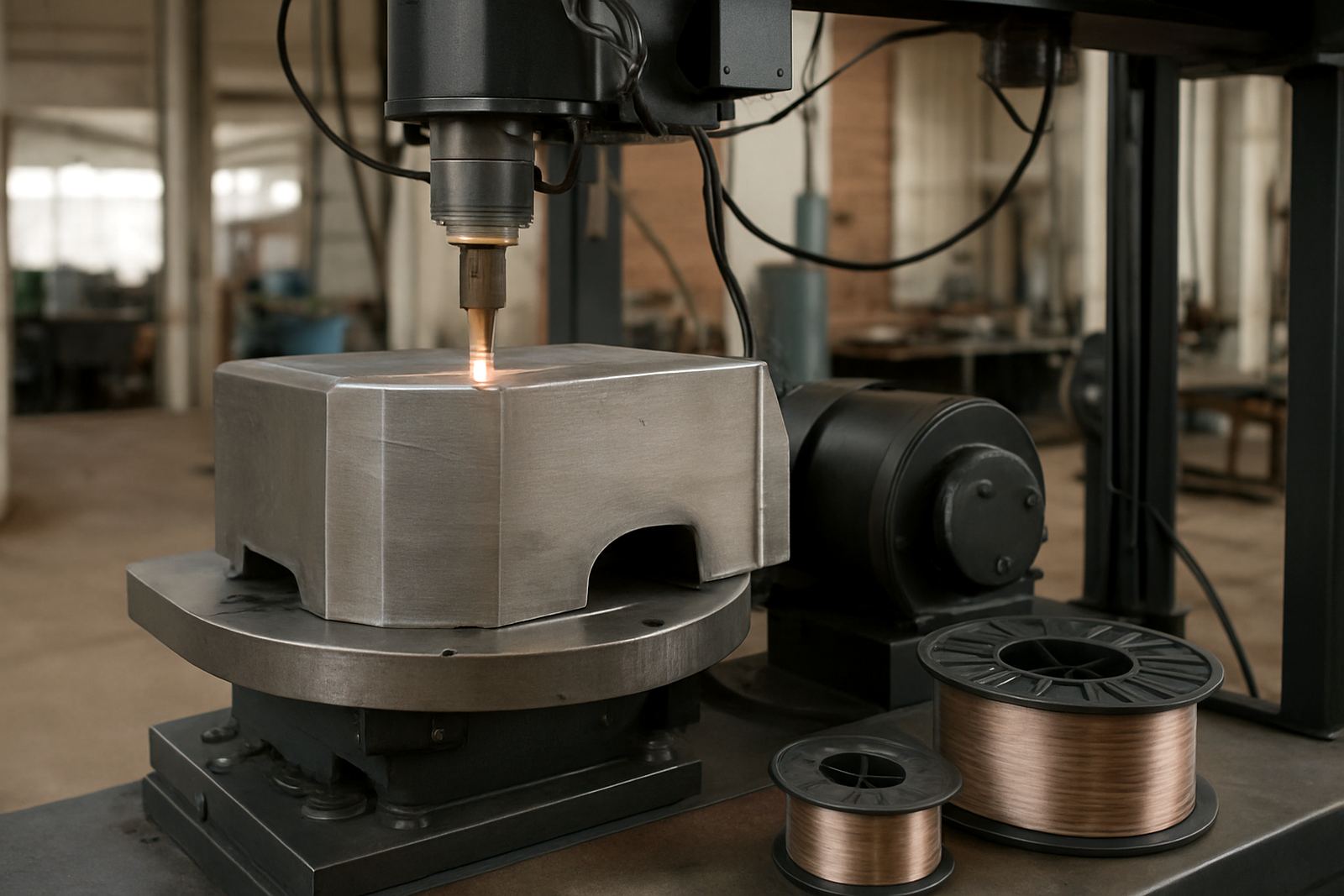
The Die Build Cell is a dedicated workcell for precision repair on die parts where welding has to stay localised and the finished component still needs to hold size. It is commonly used on punch and die edges, guiding features, corners, worn lands, tool steel sections and other parts that have picked up damage through impact, fatigue or wear.
Because the heat is tightly controlled, the surrounding area stays stable and there is less risk of distortion than with heavier conventional welding methods. That makes it a practical option for parts that must go back into service without lengthy re-machining. For high-value tooling, that can save a great deal of time and cost, especially when shutdown windows are short and every day out of production counts.
The cell is suited to one-off repairs as well as repeated jobshop work. For clients in Gauteng, the unit is often used for quick turnaround work coming through Centurion, Pretoria East and Midrand, while couriered jobs from Durban, Cape Town, Gqeberha and smaller industrial areas are handled to the same standard.
Typical size and layout options
The Die Build Cell is normally supplied as a compact workshop installation rather than a fixed production line. That gives flexibility for a Centurion base, a factory support bay or a dedicated repair corner inside a machining shop. The layout can be arranged for small precision components or larger die sections that need access from more than one side.
- Bench or cabinet mounted workstation for small to medium die parts
- Floor-space setup with operator seating and component access from the front
- Rotary positioning options for circular or stepped tooling parts
- Light enclosure or shielded bay where site conditions require added control
For sizing, the useful working area is usually planned around the part rather than the building, so we look at the largest component to be repaired, the clear access needed for torch movement, and whether the part can be brought in on a trolley or pallet. If your die set weighs several hundred kilogrammes, the floor and handling route should be checked before installation. In humid coastal areas, a cleaner enclosed space is recommended to keep consumables and components in better condition.
Where it suits best in industry
This workcell suits any environment where dies, tools and precision parts are too valuable to scrap at the first sign of wear. It is widely used in stamping and pressing operations, tooling shops, maintenance departments, component refurbishment and prototype work. It also suits manufacturers who need a local repair option instead of sending tooling away for long periods.
It is particularly useful for parts that have worn on the edges, chipped at corners, cracked on stressed points or lost material from repeated contact. The process can be used on hardened sections, but each job must be checked properly first because not every tool steel or heat-treated part will respond the same way. A short sample test is often better than guessing, and it helps avoid rework later.
The Die Build Cell works well for customers dealing with load-shedding too, because the job planning can be arranged around stable power windows and backup supply. For sites in Rosslyn, Jet Park or Pretoria industrial areas, that can make scheduled repairs easier to manage and less disruptive to the rest of the workshop.
Installation, power and gas needs
Installation depends on the final layout and the type of parts being handled, but the cell generally needs a clean, dry area with enough room for the operator, the welding head, the component stand and basic handling gear. Level flooring is important, especially where dies are shifted with jacks, rollers or a small crane. Good lighting and extraction also help with visibility and keeping the work area comfortable over long sessions.
Power requirements vary with the machine configuration, but most installations need a stable single-phase or three-phase supply depending on the equipment supplied for the job. A surge-protected feed is strongly advised in South Africa where municipal fluctuations and load-shedding can affect sensitive equipment. If the site runs a generator or inverter backup, we check whether the supply quality is suitable before scheduling commissioning.
- Clean electrical supply with proper earthing
- Dry compressed gas supply where shielding gas is required
- Space for part loading, rotation and safe operator movement
- Basic extraction or ventilation for fumes and fine particles
Gas needs depend on the material and the welding application. For most jobs, a controlled shielding setup is used to support a cleaner finish and reduce contamination. The gas cylinders or supply line should be secured correctly and kept away from heat, oil and impact risk. We usually ask for site photos before arrival so the practical installation points can be checked in advance.
Care, servicing and workshop discipline
Like any precision repair station, the Die Build Cell works best when it is kept clean and checked regularly. Dust, grinding grit and oil mist can affect the finish and make repeat repairs harder to control. Tooling components should be degreased properly before welding, and cracked areas should be opened and inspected instead of being covered over too quickly.
Routine care normally includes lens and optics checks, cable inspection, gas line checks, alignment verification and general cleaning of the work area. If the cell is used daily, these items should be part of the opening and closing routine rather than left for later. A missed inspection can lead to poor weld quality, extra grinding or a repair that does not hold under load. We see that alot with busy workshops that try to push too many jobs through in a day.
For clients who send in repeat work, we recommend keeping records of the material type, pre-cleaning method, previous repair history and any post-weld machining done. That makes it easier to match the next repair and reduces guesswork when the same die comes back after another production run.
What to check before placing an order
Before ordering the Die Build Cell or sending parts for a job, it helps to have a few basics ready. The more accurate the information, the easier it is to set up the repair correctly and quote the work on the right basis. Small details such as material grade, crack length and the amount of worn edge can change the method quite a bit.
- Part name, drawing number or sample photo
- Material type and hardness if known
- Dimensions of the damaged area and the final size required
- Whether the part is cracked, chipped, worn or all three
- Any previous welding, heat treatment or machining done
- Weight, handling method and delivery location
If the die forms part of a matched set, both sides should be checked so the repaired area does not throw the part out of alignment. Please also note whether the part must stay within a particular tolerance after welding, because that affects the amount of build-up allowed and the finishing work required afterwards. When in doubt, send clear photos with a scale next to the damage and include a short note on what the component does in service.
Spec sheet for the Die Build Cell
The exact configuration depends on the application, but the following specs are a practical guide for planning and ordering. Final dimensions and utilities are confirmed to suit the part size, workshop space and job volume.
Common working envelope: small precision parts up to large die sections, with access planned around the largest component
Preferred setup space: compact workshop bay with room for part handling and finishing
Electrical supply: stable mains supply, single-phase or three-phase depending on configuration
Shielding gas: controlled gas supply suited to the material and weld procedure
Typical applications: edge build-up, crack repair, dimensional recovery, thin section repair and local restoration
Finishing requirement: light dressing, grinding or machining after welding depending on tolerance
For nationwide jobshop work, the cell can be linked to collection from Midrand, service support in Jet Park, and couriered deliveries from across South Africa. Centurion remains the main base for planning, assessment and repair scheduling.
Key facts
| Application | Die edge build-up, crack repair and dimensional recovery |
|---|---|
| Workcell type | Precision laser welding station for repair work |
| Typical parts | Punches, dies, inserts, tool sections and matched tooling |
| Power | Stable mains supply, configuration dependent |
| Gas | Controlled shielding gas as required by material |
| Service area | Centurion, Pretoria and nationwide courier jobs |