What The Gear Tooth Cell Does On Repair Work
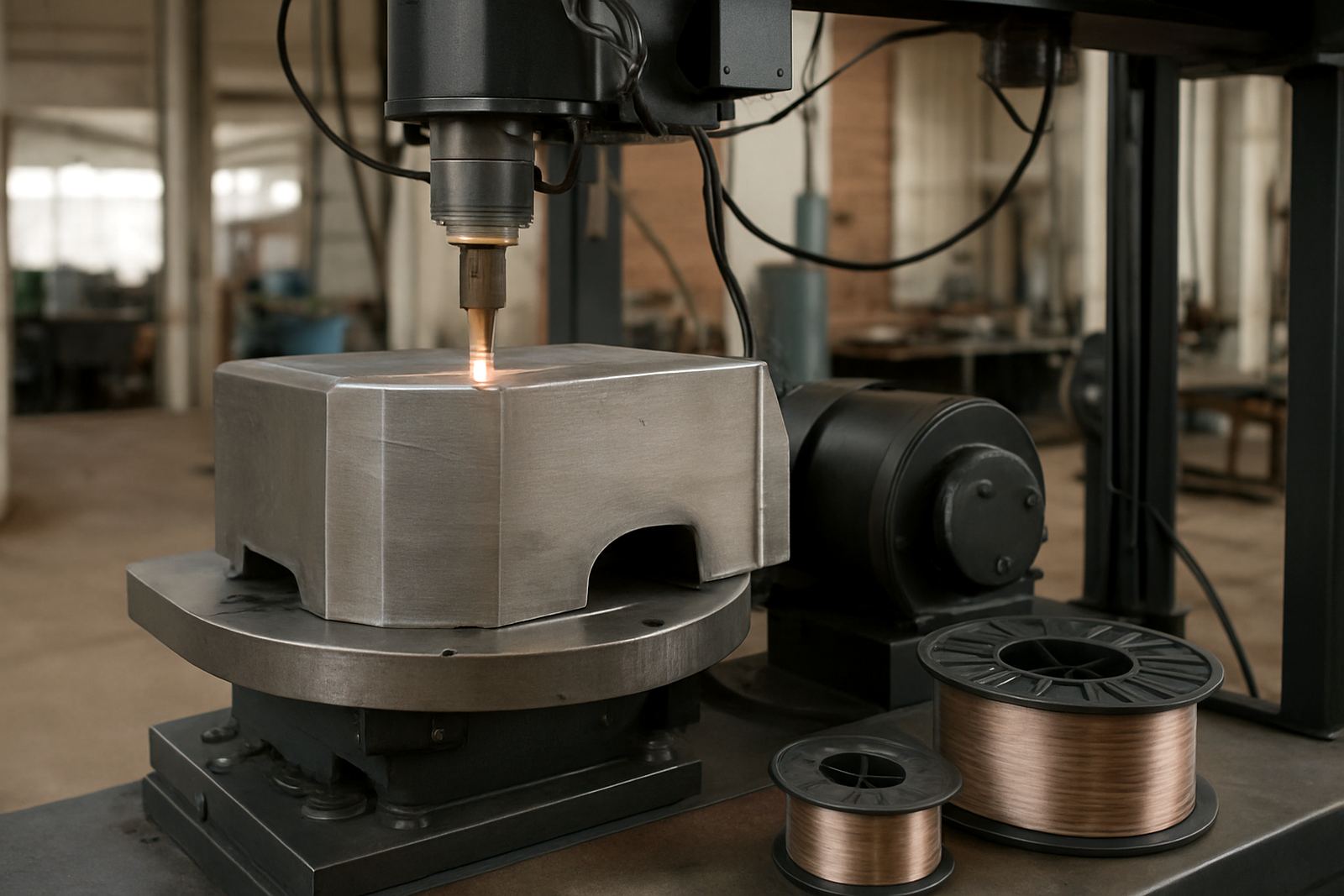
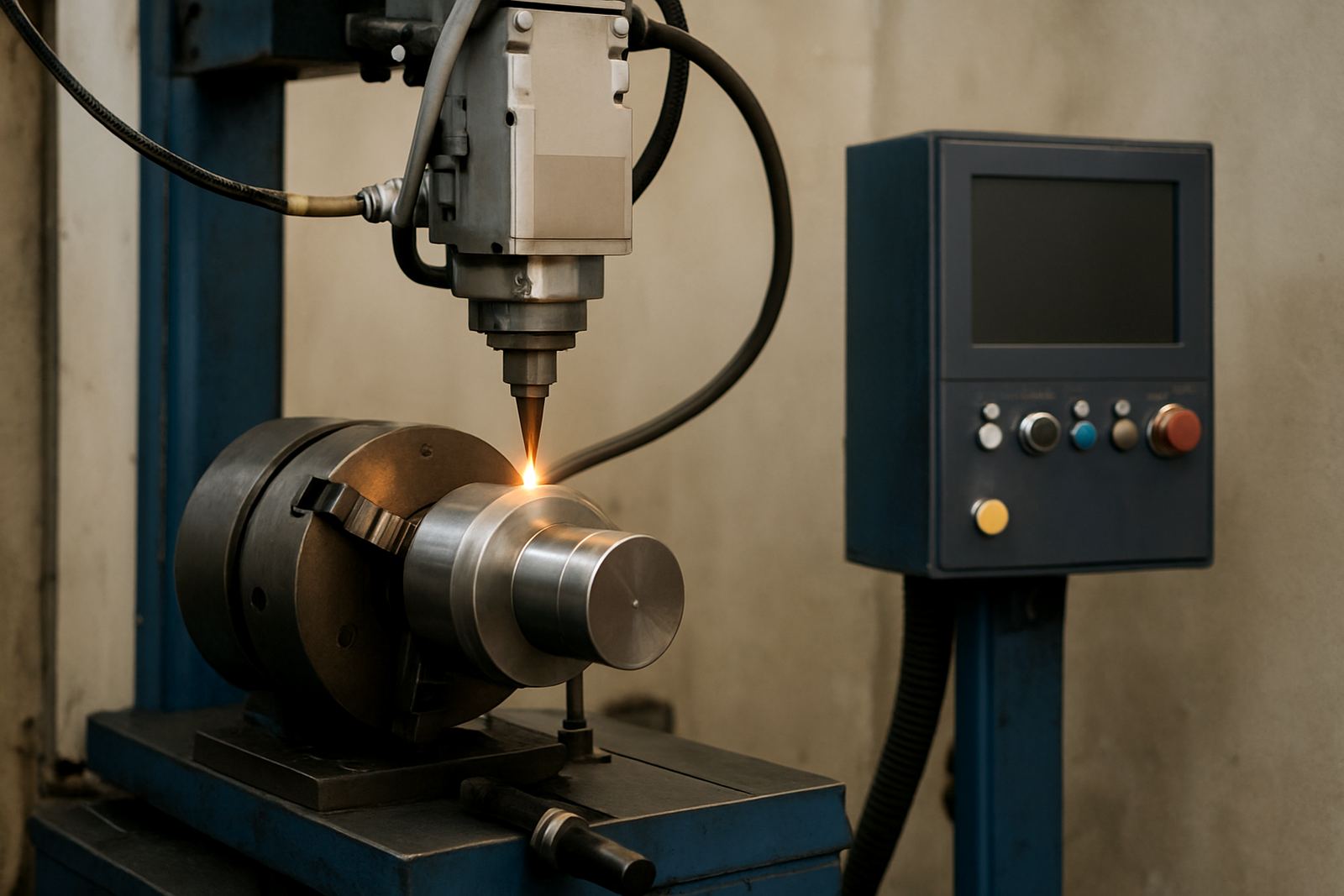
The Gear Tooth Cell is set up for controlled laser welding on gear teeth where standard welding can put too much heat into the part. It is used to add material back to a worn tooth, repair chips at the edge, or build a section before final machining back to profile. That means less distortion, less grinding and a better chance of saving a costly component.
This setup suits spur gears, helical gears, racks and similar parts in steel and stainless steel, and in some cases aluminium gear components with the right preparation. We use it for precision parts from local workshops in Pretoria East to production lines in Rosslyn and Jet Park where downtime costs real money. The process is especially useful when the part is expensive, hard to replace, or must match an existing mating gear exactly.
Typical Cell Sizes And Working Envelope
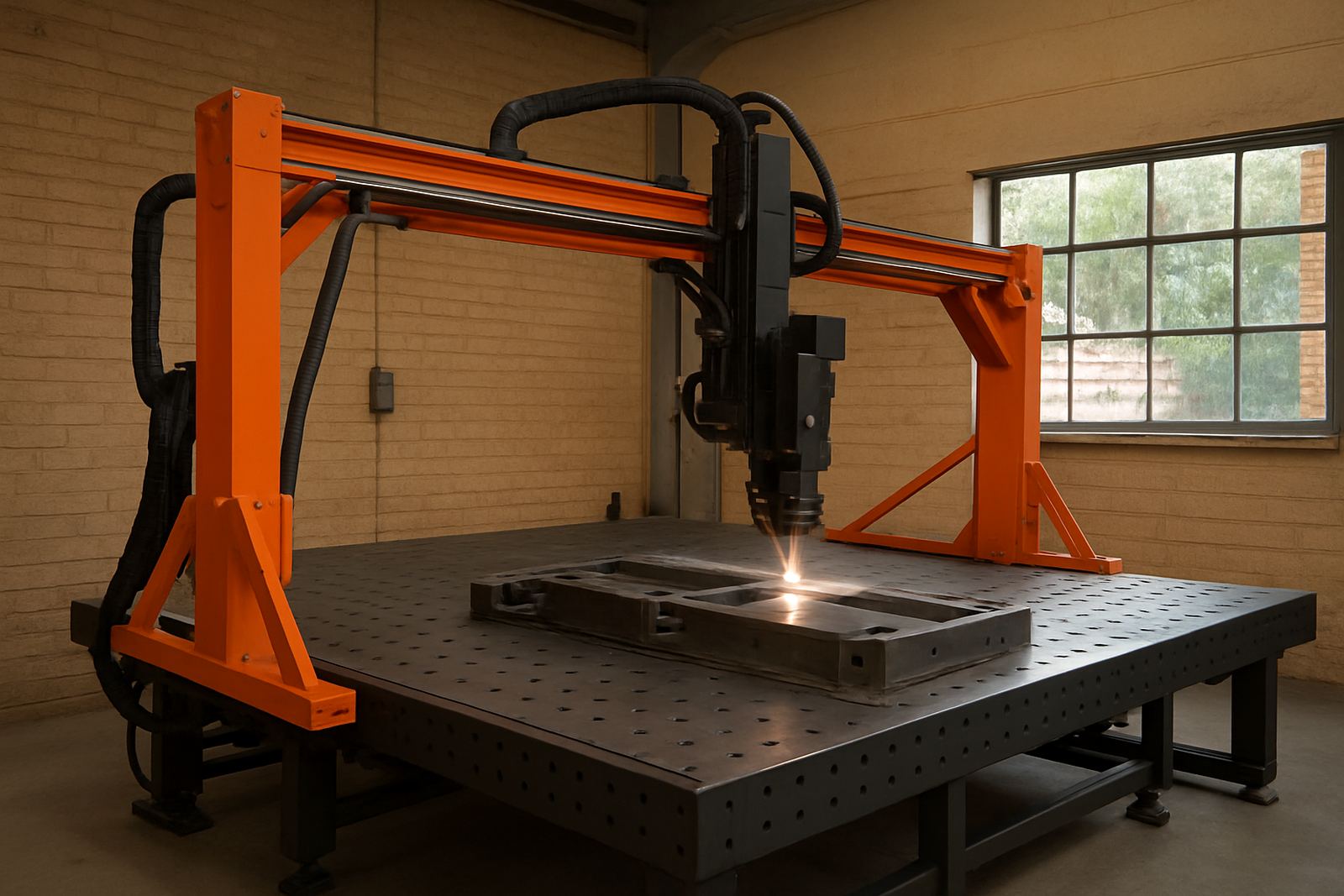
The Gear Tooth Cell is supplied as a compact workshop station rather than a fixed production line. The exact setup depends on part size and access, but most jobs are handled on bench-size components through to larger gears that need careful fixturing and indexed rotation.
- Working parts commonly range from small precision gears to heavy industrial gears up to around 1 000 mm diameter, subject to access and handling.
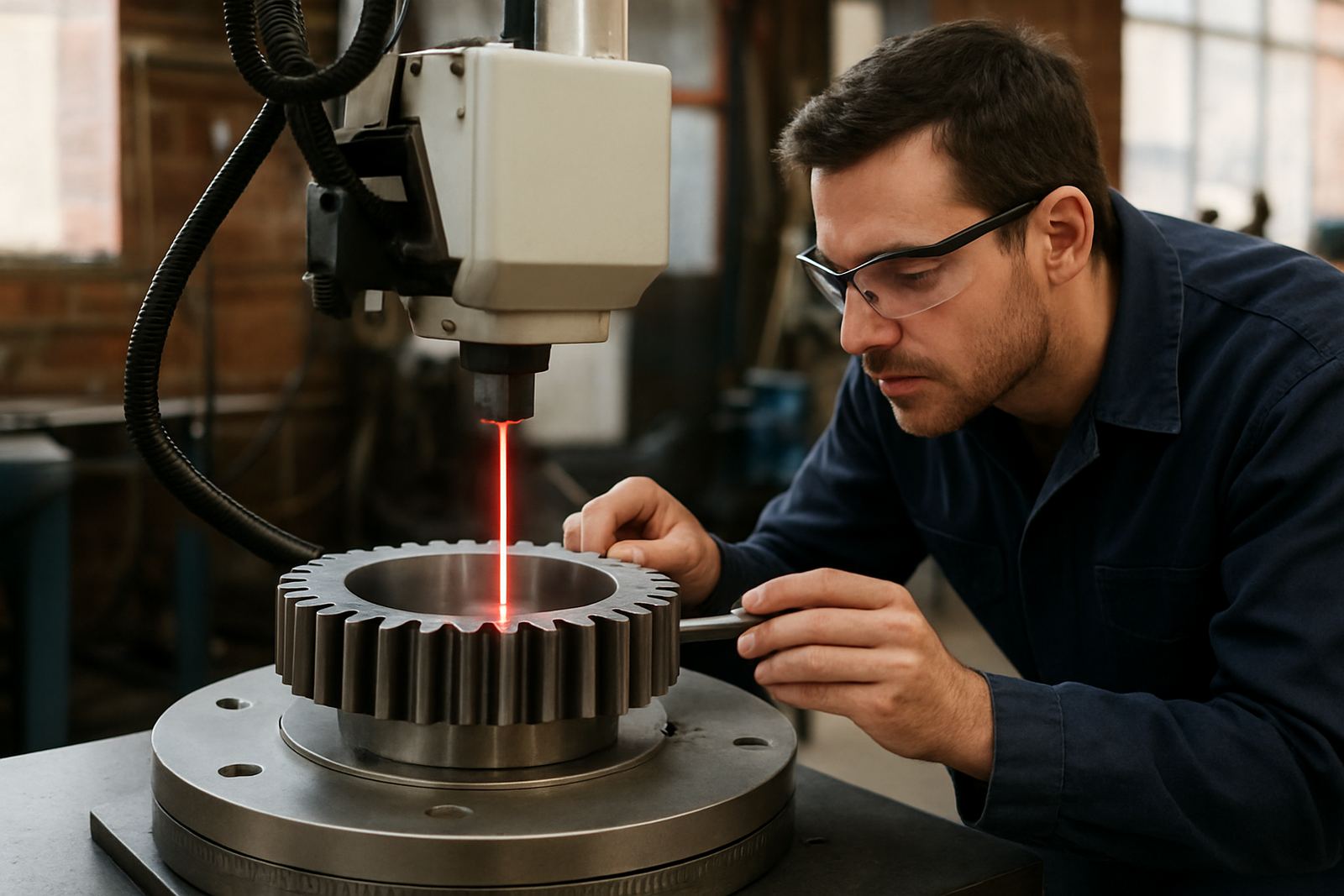
- Fine repair work is done under magnification for tooth tips, flanks and root areas.
- Indexing fixtures can be used to keep repeat teeth aligned across batch work.
- For oversized parts, the gear can be moved by crane, forklift or pallet jack, depending on site rules and safe handling.
For larger or awkward parts, we assess whether the job is best done at the Centurion Workshop, collected from Midrand, or handled through nationwide courier transport. In some cases, a site visit in Pretoria or nearby industrial areas is the safer option.
Where The Cell Suits Best
This station suits maintenance teams, machine shops and manufacturers that deal with worn gear teeth, cracked crowns, broken corners or surface damage from misalignment. It is also useful on legacy equipment where no off-the-shelf replacement is available and a new gear would mean long lead times or extra machining.
It works well in mining support, packaging, agricultural equipment, metal processing, pumps, gearboxes and general plant maintenance. In coastal areas such as Durban or Gqeberha, where corrosion and humidity can make repairs more difficult, the controlled process helps keep heat input predictable and reduces extra finishing work. In Gauteng, it is a practical choice when a line must be back up quickly and load-shedding has already disrupted the week.
- Ideal for emergency repair and planned shutdown work.
- Useful when the mating gear must stay matched to the original profile.
- Suitable for parts that need only localised build-up, not full replacement.
- Can support one-off repairs or repeat batch jobs for the same component type.
Power, Gas And Workshop Setup
The Gear Tooth Cell is set up for controlled workshop use and needs a stable electrical supply, clean working area and suitable shielding around the repair point. The power requirement depends on the job size and the laser welding system in use, but most jobs need a reliable single-phase or three-phase supply with proper earthing. If the site has unstable power, a generator or backup supply may be needed, especially during load-shedding.
Gas shielding is used for the weld zone, usually with a suitable inert gas selected for the material and finish required. Clean, dry air and a dust-free prep area make a real difference. Gear parts should be free of oil, loose rust and gearbox residue before welding, otherwise the weld pool can get contaminated and the finish becomes harder to machine back.
- Stable mains power or approved backup supply.
- Clean, dry compressed air where the setup requires it.
- Inert shielding gas matched to the material.
- Access for lifting gear, benches and safe part rotation.
Care, Servicing And Rework Control
The Gear Tooth Cell needs basic housekeeping and regular checks to keep repair quality consistent. Lenses, nozzles, fixtures and alignment points should be inspected before each job. Any build-up of dust or metal fines can affect the beam path and the repeatability of the repair. The station also needs routine calibration so tooth build-up stays where it should, with no wandering across the flank.
After each repair, the finished tooth should be measured against the drawing or sample tooth form, then checked for profile, pitch and runout before release. If the gear is going back into a gearbox, the mating set should be checked too because a repaired tooth can still fail if the root cause was misalignment or bearing wear. We can advise on follow-up machining, dressing, or rework if the part needs more than one pass.
- Inspect optics and fixtures before every shift.
- Keep parts clean, dry and free from coolant residue.
- Measure repaired teeth before final assembly.
- Check the gearbox condition so the same fault does not return.
What To Check Before Sending A Gear
Before you send a gear for repair, it helps to share the tooth count, outside diameter, bore size, material if known, and clear photos of the damage. If the part has already failed, tell us whether it runs in a gearbox, conveyor, mill or drive train and whether the problem happened suddenly or over time. That gives us a better idea of heat exposure, wear pattern and the level of build-up needed.
Please also note any coating, hardening, keyways, spline details or tight tolerances on the shaft fit. If the part has to go back into a matching set, we need the mating gear details as well. For jobs from outside Gauteng, send dimensions and weight first so courier collection can be arranged properly and the part arrives safely.
- Tooth count and gear type.
- Diameter, width and bore size.
- Material and any hardening or coating.
- Photos of the damaged area from several angles.
- Required turnaround time and whether the gear is part of a matched set.
For urgent work, the Centurion team can review the job details and advise on the best repair route, whether it needs workshop handling, collection from Pretoria East, or courier from another province. The aim is to restore the tooth cleanly and get the part back into service without unnecessary delay.
Key facts
| Product type | Precision laser welding station for gear tooth repair |
|---|---|
| Primary use | Chipped, worn and cracked gear tooth restoration |
| Typical material range | Mild steel, stainless steel, selected aluminium parts |
| Working method | Low-heat localised build-up with post-weld finishing |
| Power requirement | Stable mains supply, single-phase or three-phase depending on setup |
| Service area | Centurion, Pretoria and nationwide via courier jobs |