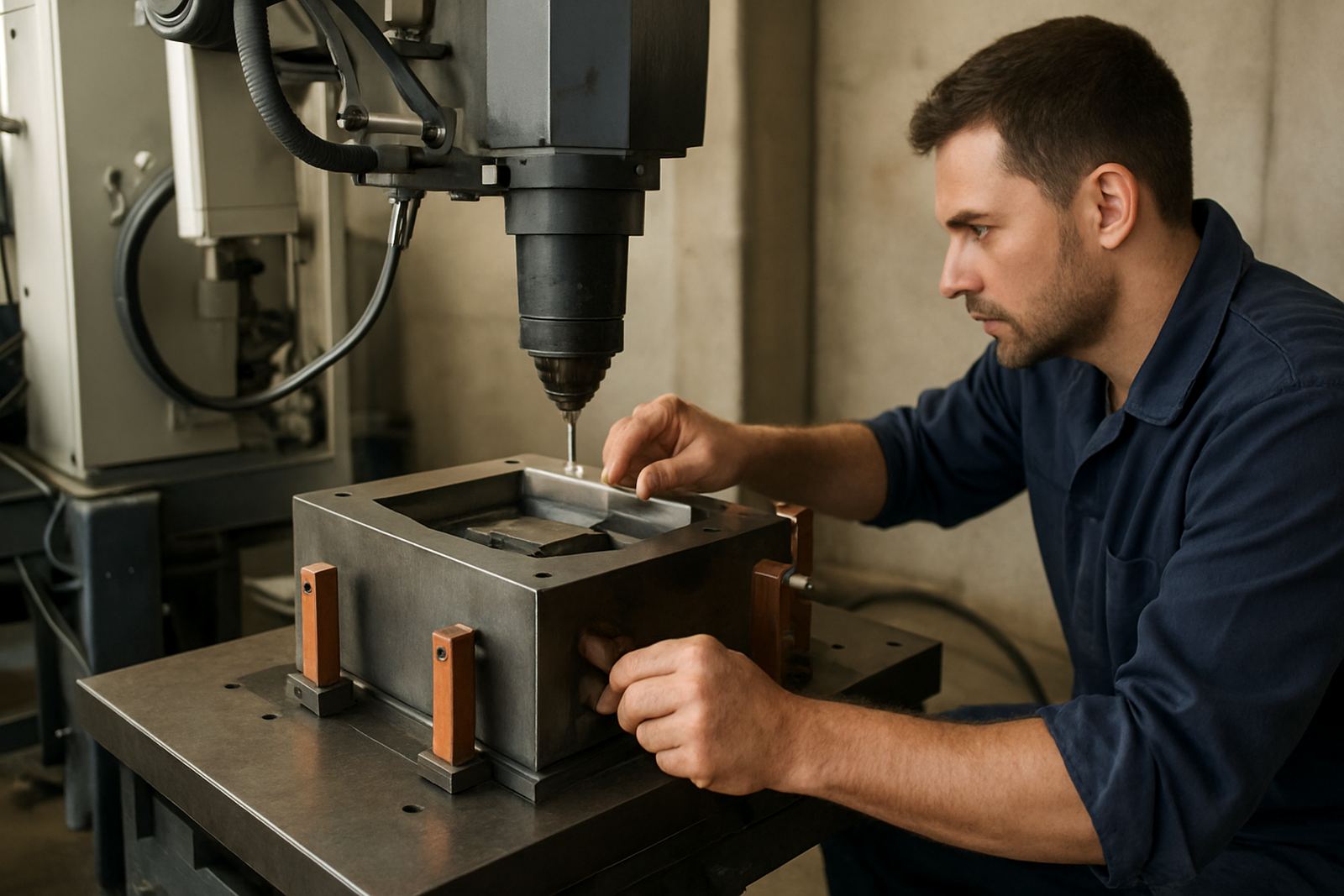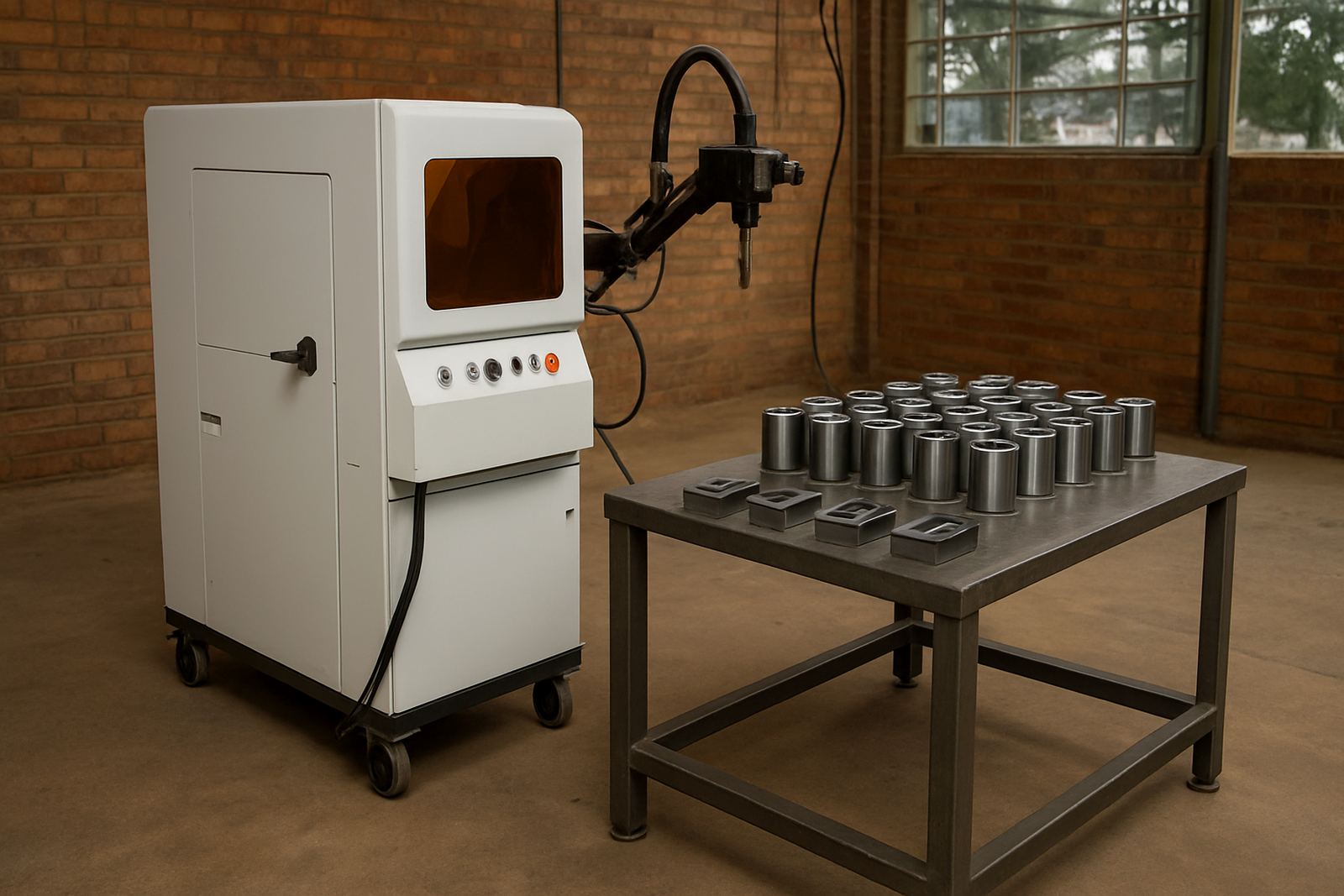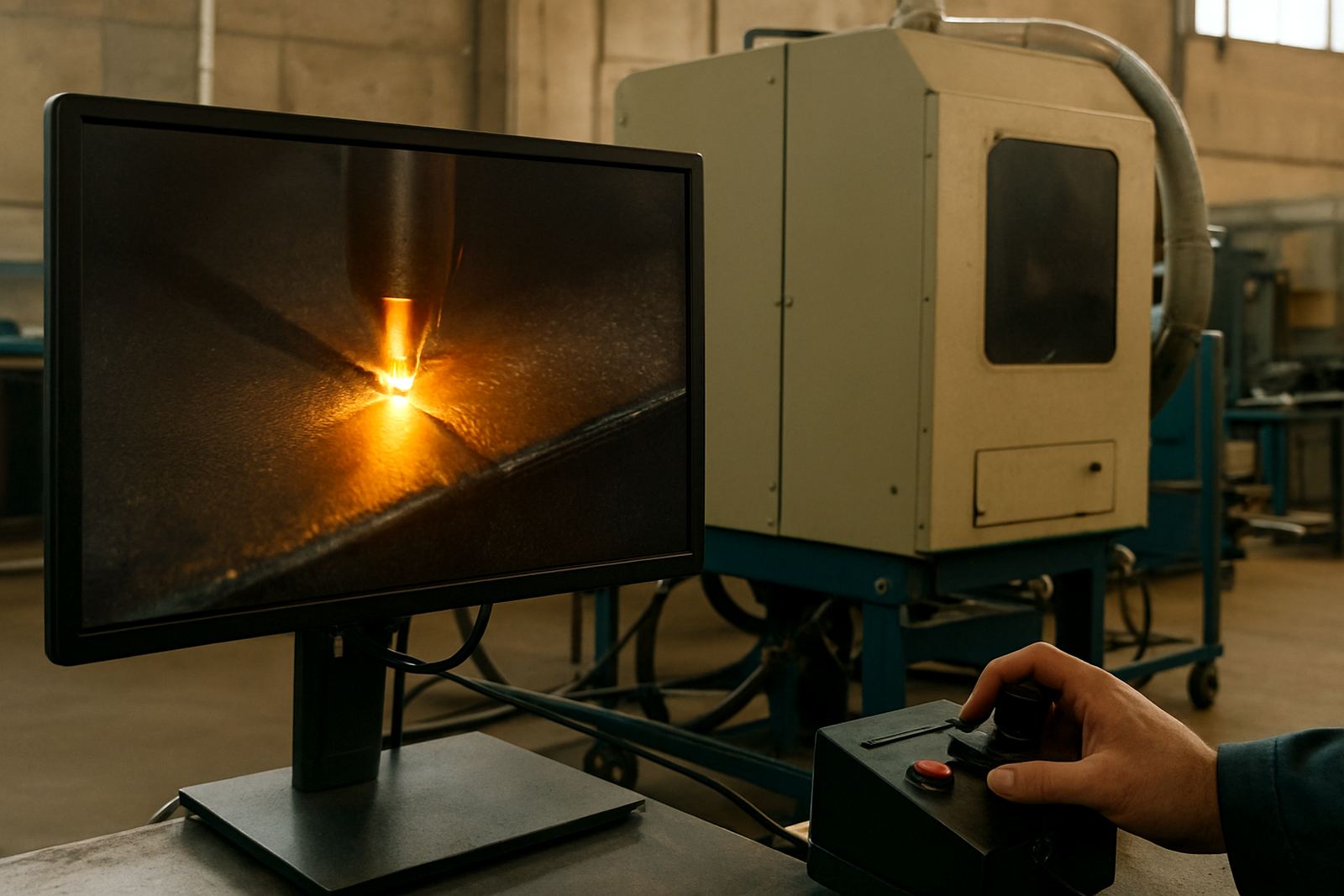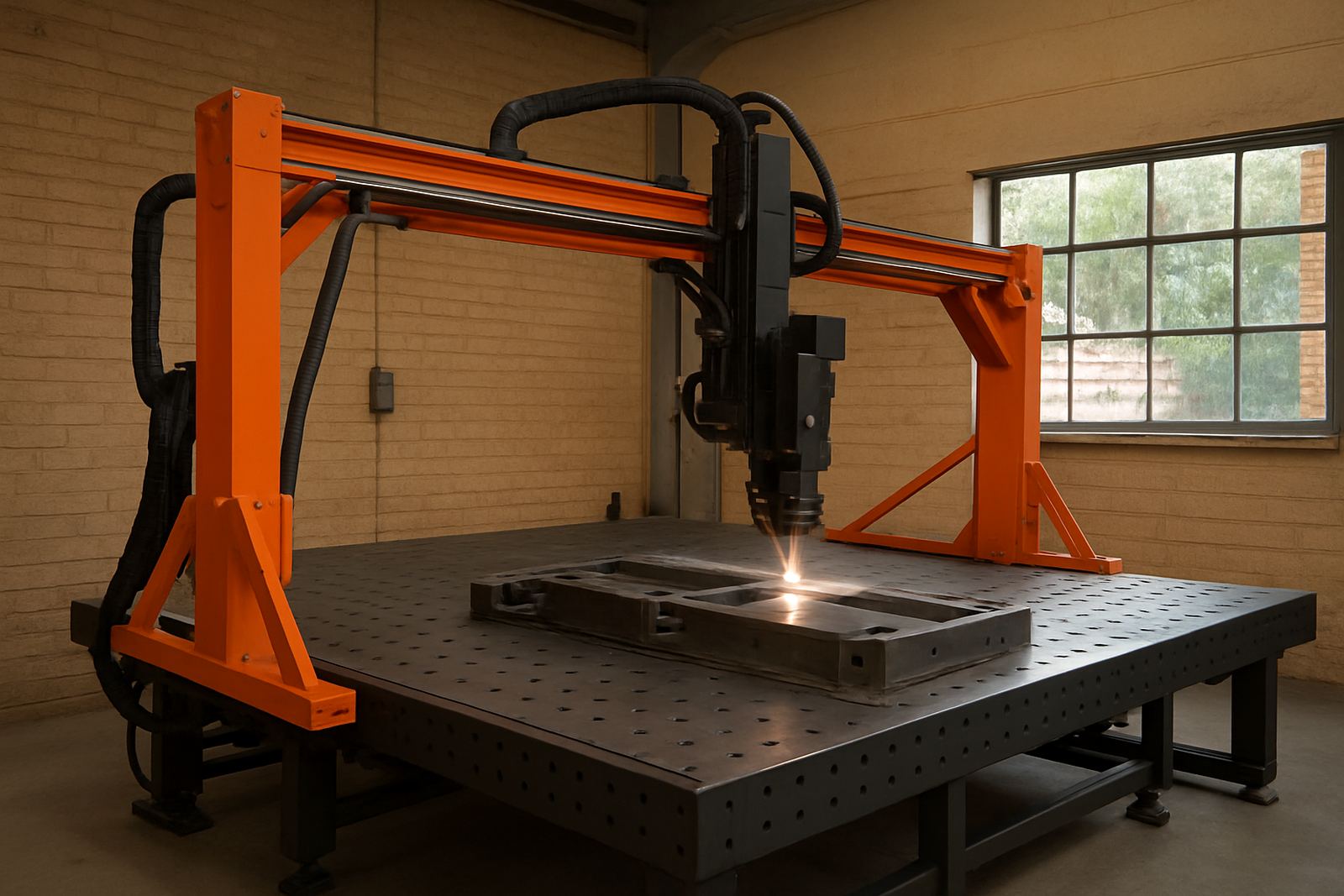
What a gantry laser cell does on the workshop floor
A gantry laser cell gives the operator a controlled work zone where the laser head moves over the part instead of the operator chasing the joint by hand. That makes it easier to hold position on longer runs, deeper profiles and parts with awkward access points. It is used where repeatability matters and where the job needs tidy heat control, especially on thin sections and detailed repairs.
For our Centurion base and nationwide job-shop work, this format is useful when a component is too large for a small bench set-up but still needs the fine control of laser welding. It is also a practical choice for batches, because the same path and settings can be repeated with less variation from part to part. In busy production environments that means fewer reworks and less time spent dressing the weld afterward.
The gantry cell is not for every job. It is best for parts that can be fixtured securely and presented consistently. If the component moves around too much, or if the joint is hidden deep inside a casing, another method may be better. We assess that before quoting so the job is matched to the right process from the start.
Typical sizes, travel and configuration options
We set up gantry laser cells around the part size and the repeat pattern required. The working envelope can be arranged for compact precision work or larger parts that need wider X and Y travel. In practical terms, the right cell is chosen to give enough reach for the joint with room for clamps, rotary fixtures or a positioner where needed.
Common configuration choices include fixed-bed cells, sliding gantry systems and cells paired with dedicated fixturing for production runs. On some jobs the most important detail is height clearance for a tall mould section or welded assembly, while on others it is table width for a long edge build-up. The machine layout should be matched to the heaviest part and the longest repeat job, not just the average piece.
- Working travel can be set for small precision parts or larger format assemblies.
- Fixtures may include v-blocks, rotary holders, bespoke clamps or jigs.
- Access can be arranged for top welding, side welding and repeat part loading.
- Controls can be adapted for batch jobs where the same path is used many times.
Where this cell suits best in South African industry
This setup suits workshops and factories that handle mould and die repair, stainless repair, aluminium repair, part restoration and prototype joining. It is also useful for manufacturers with short production runs, where each batch may be a bit different but the weld quality still has to stay consistent.
In Gauteng, gantry laser cells are often used for automotive support work, tooling, metal fabrication and general engineering. In Pretoria East, Midrand and Jet Park, many clients need a repeatable process for parts that must fit back into a line or machine without extra grinding. For Rosslyn manufacturing and similar industrial areas, the value is in controlled repair time and accurate build-up on worn surfaces.
Coastal clients sometimes ask for this type of set-up for stainless and aluminium components because the control helps manage distortion on thin material. In humid areas the workshop environment also matters, since storage, rust prevention and clean handling affect the finish. The cell is only part of the solution, the way the part is cleaned, clamped and packed matters just as much.
Power, gas and installation requirements
Installation depends on the machine size, the cooling package and the load of the supporting equipment. Most cells need a stable power supply, proper earthing and enough floor space for safe loading and unloading. If the site has load-shedding, backup planning is important so jobs are not interrupted mid-process and settings are not lost. For higher-duty work, clients should confirm whether their electrical supply can handle the cell, extraction and ancillary equipment together.
Gas selection depends on the material and the weld profile required. In many cases a shielding gas is used to protect the weld area and reduce oxidation. The exact arrangement must suit the metal, the joint design and the finish expected after welding. Ventilation and extraction should be checked as well, particularly when working on coated parts or on jobs that create fumes.
- Allow space for safe part loading, clamping and operator movement.
- Confirm incoming power capacity and any backup arrangement for outages.
- Check gas supply, regulators and cylinder storage requirements.
- Make sure floor level, extraction and access routes suit the cell layout.
Care, servicing and workshop discipline
Like any precision system, a gantry laser cell needs regular care if it is expected to hold repeat accuracy. Lenses, guides, fixtures and safety interlocks should be checked on a set schedule. Dust, metal swarf and oil mist can affect performance if the cell is not kept clean. In a busy shop, simple discipline saves time later because a neglected fixture or dirty optic can throw off an otherwise good setup.
We recommend routine inspection of the gantry movement, cable routing, cooling line condition and gas delivery. If the machine starts to sound different or the weld appearance changes, that is usually a sign to stop and check the system before continuing. Small issues are cheaper to deal with early than after a batch of parts has gone through with the wrong settings.
For clients sending work by courier from outside Gauteng, correct packing is part of care too. Parts should be cleaned, labelled and protected from knocks. If a surface is nicked on the way in, it can affect alignment and the weld finish, especially on precision restoration jobs.
What to check before you place an order
Before ordering or sending a job, it helps to confirm the part material, thickness, joint type and the actual area needing weld repair. Photos are useful but measurements are better. We normally want the length of the section, the depth of the worn area and whether the part must be machined again after welding. If there are critical tolerances, share those early so the process can be matched properly.
It also helps to know whether the job is a one-off repair or a batch run. For batch work, we need the expected quantity, the repeat cycle and any special marking or traceability required. If the component is sensitive to heat, say so up front. That affects fixturing, travel speed and the amount of post-weld finishing needed.
- Material type and thickness
- Overall size and the area needing weld
- Quantity, whether one-off or batch
- Required finish, machining allowance and tolerances
- Photos, drawings or sample parts if available
Key facts
| Product type | Gantry laser welding cell for precision repair and repeat work |
|---|---|
| Working style | Gantry movement over fixed or fixtured parts |
| Typical use | Wider travel components, batch jobs, mould and die, restoration |
| Material range | Stainless steel, aluminium and other weldable metals subject to assessment |
| Installation needs | Stable power, shielding gas, extraction, level floor and safe access |
| Service area | Centurion, Pretoria, Gauteng and nationwide courier jobs |