Built For Thin-Wall Housings That Cannot Be Overheated
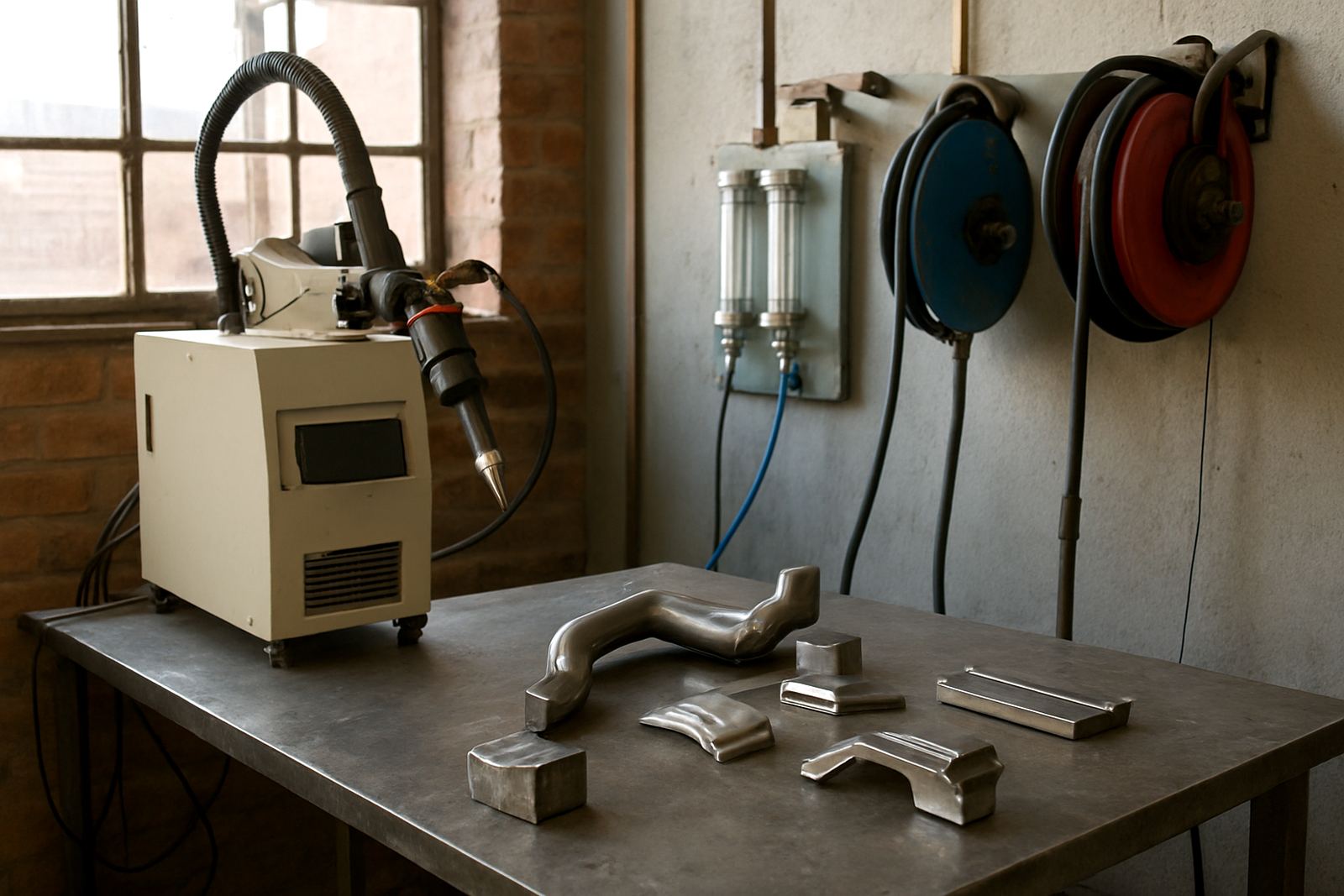
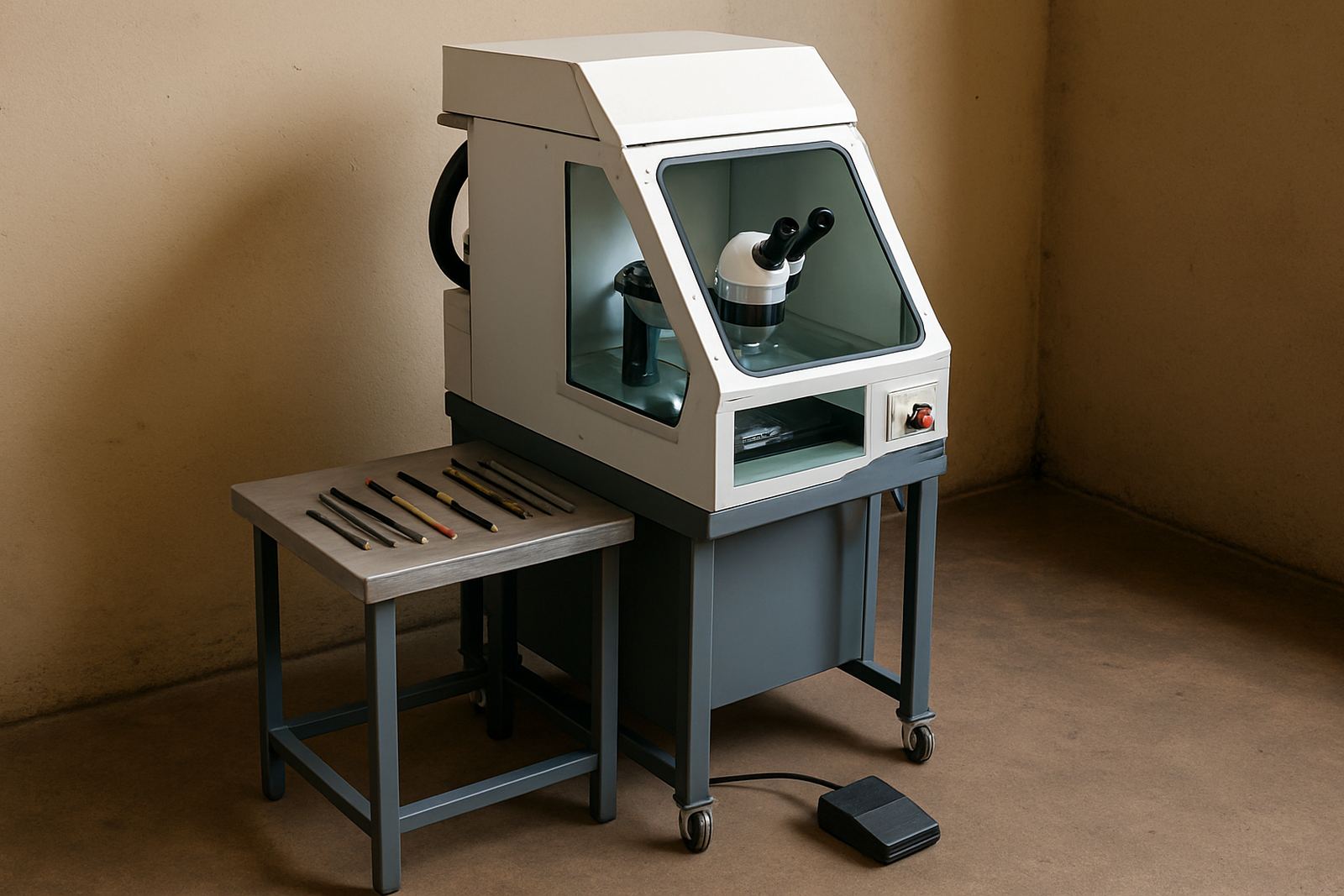
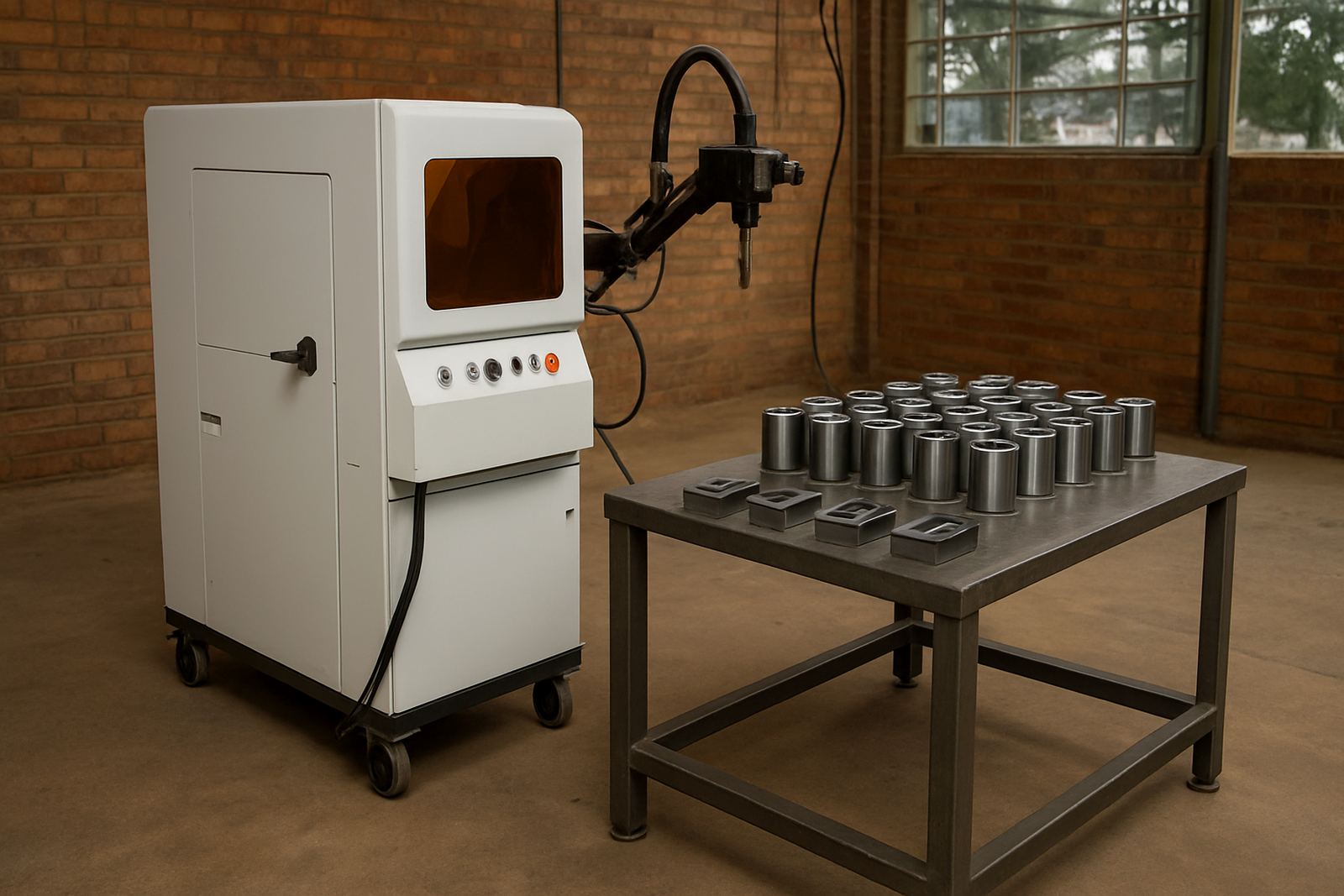
This cell is used where a housing must stay true to size while still getting a clean, durable weld repair. It is suited to small sensor bodies, aluminium or stainless enclosures, probe housings, and similar parts where the wall is often only 0.5 mm to 2.5 mm thick. The focus is on controlled energy delivery so the part does not pull out of shape, warp at the mounting face, or damage nearby threads and seals.
For many jobs the part arrives after a failed casting, a hairline crack, a worn edge, or a leak at a seam. The cell allows local repair instead of full replacement, which can save time on imported components or hard-to-source items. We often see these parts from process plants, agricultural control systems, security equipment and small OEM assemblies around Pretoria, Midrand, Rosslyn, Jet Park and further afield.
Because the work is done as a job-shop service, each item is checked on its own merits. If the housing is too thin, contaminated, or already repaired more than once, we will say so upfront and advise on the safest route.
Typical Sizes, Access Options And Part Types
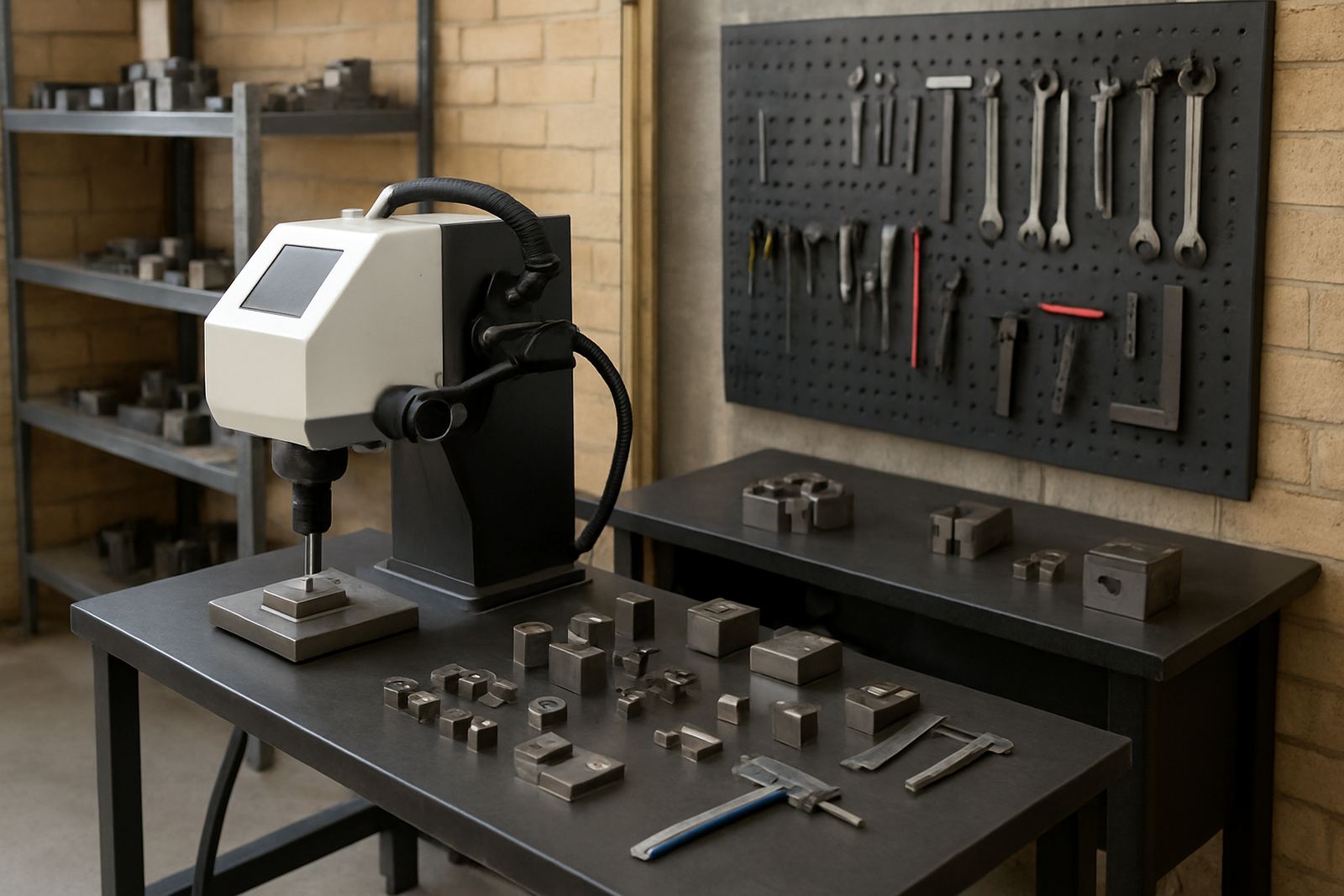
The Sensor Housing Cell handles compact precision parts rather than heavy structural items. Common working sizes are from very small palm-sized housings up to medium assemblies around 300 mm to 400 mm long, depending on geometry and how the part is fixtured. If the component has awkward corners, narrow entry points, or a shallow recess, the set-up can often still be adapted with the right holding method.
It is suitable for:
- Thin-wall sensor enclosures and covers
- Cracked instrument housings and control boxes
- Local edge build-up on worn sealing faces
- Small stainless or aluminium repair sections
- Prototype parts that need repeatable joining
In some cases a part only needs a short stitch repair, while others need a full seam rework or a small build-up followed by dressing back to dimension. The aim is always to keep the repair neat, measurable, and ready for the next step in assembly.
Where The Cell Suits Best In South African Work
This type of repair is common in industries that cannot afford long downtime or a replacement lead time of several weeks. It suits production support for light manufacturing, maintenance workshops, plant rooms, instrument fitters, automotive component suppliers, process control teams, and contract repair work.
It also works well for coastal and outdoor equipment where moisture, dust, and temperature changes put stress on fine housings. In Durban, Gqeberha and other humid areas, small cracks can spread faster than expected if a housing is left unrepaired. For inland sites around Pretoria and the Highveld, vibration and handling damage are often the bigger issue, especially where enclosures are moved between plant areas or taken out for calibration.
We also see this work on prototypes and batch jobs where engineers need one or two sample parts corrected before full production. If a drawing calls for tight alignment, a clean edge, or a sealing surface that must sit flat, the cell is a practical choice.
Installation, Power And Gas Requirements
The Sensor Housing Cell is a workshop service, so customers do not install the cell themselves. What matters is that the part is supplied clean, identified, and packed properly for transport or hand-over at collection. If you are sending work from Centurion, Midrand, Pretoria East, Jet Park, Rosslyn, or via courier from another province, the part should be protected against knocks and contamination.
For the weld process itself, the system uses controlled electrical supply and a shielding gas suitable for precision welding. In practical terms, that means a stable power source, dry gas, and a clean working area. If the job involves stainless or aluminium, the part must be free of oil, sealant, paint, anodising residue, and any loose oxide. A small amount of contamination can affect the weld pool and the final seal.
- Clean, grease-free parts are essential
- Original gaskets and seals should be removed before welding
- Threads, sensors and inserts must be identified before work starts
- Any pressure or leak test requirement should be stated on order
Where a customer has a production issue, we can work from a sample, a damaged part, or a drawing. If the item is sensitive to heat, please mention that early so the process can be set up with the least possible distortion.
Care After Welding And Ongoing Servicing
After repair, the housing should be handled as a precision part, not a general fabrication item. Let it cool fully before assembly, and avoid forcing fasteners through repaired areas until the piece has been checked. If the housing is part of a sealed system, always retest before commissioning. A repair that looks neat still needs to pass the actual leak or fit check.
For long-term care, keep the part clean and dry, especially if it runs in coastal humidity or in areas with oil mist and dust. If the housing is going back into a machine that vibrates, it is worth checking mounting points, gasket faces and any nearby brackets at the same time. Small movement in a bracket can re-open a repaired crack later on.
We also advise keeping a simple record of what was repaired, where the crack was found, and whether any build-up was added. That helps if the same component comes back for service six months or a year later.
What To Check Before You Send An Order
Good preparation makes a big difference to turnaround time and repair quality. Before sending a Sensor Housing Cell job, check the following:
- Exact material type, such as stainless or aluminium
- Overall dimensions and wall thickness if known
- Where the crack, leak or worn edge is located
- Whether threads, inserts or sensor seats must remain untouched
- Whether the part needs sealing only or sealing plus build-up
- Any drawing, sample, or mating part for reference
If the housing has already been repaired elsewhere, say so. Previous filler, braze, epoxy, or heat marks can change how the weld behaves. We also need to know if the part must still meet a pressure check, cosmetic standard, or dimensional tolerance after repair. If those details are missing, the job may still be possible, but the process may take longer.
For the best result, send clear photos from more than one angle and note the quantity if there are several identical housings. Batch jobs are often more efficient when parts are grouped together and labelled correctly on receipt.
Precision Work From Centurion With Nationwide Handling
Laser Welders Jobshop handles this type of precision repair from our Centurion base, with support for collections in Pretoria East, Midrand, Rosslyn and Jet Park, plus courier work nationwide. Some jobs are one-off repairs, others are repeated production fixes for the same housing type. Either way, the goal is the same: accurate work, honest feedback, and a part that can go back into service with confidence.
If you have a damaged sensor housing, send the details early and we will advise on the safest repair approach, expected lead time, and any prep needed before the part comes in. For urgent plant work, it helps to note shutdown windows or delivery deadlines so we can plan around them.
Key facts
| Service type | Precision laser welding repair for thin-wall housings |
|---|---|
| Typical materials | Stainless steel, aluminium and similar precision metals |
| Working size range | Small housings up to medium parts around 300 mm to 400 mm, subject to geometry |
| Wall thickness suitability | Commonly about 0.5 mm to 2.5 mm, depending on design and access |
| Common repairs | Crack sealing, edge build-up, part restoration and prototype joining |
| Service area | Centurion, Pretoria, Gauteng and nationwide via courier |