What the Argon Shield Cell does on a weld bench
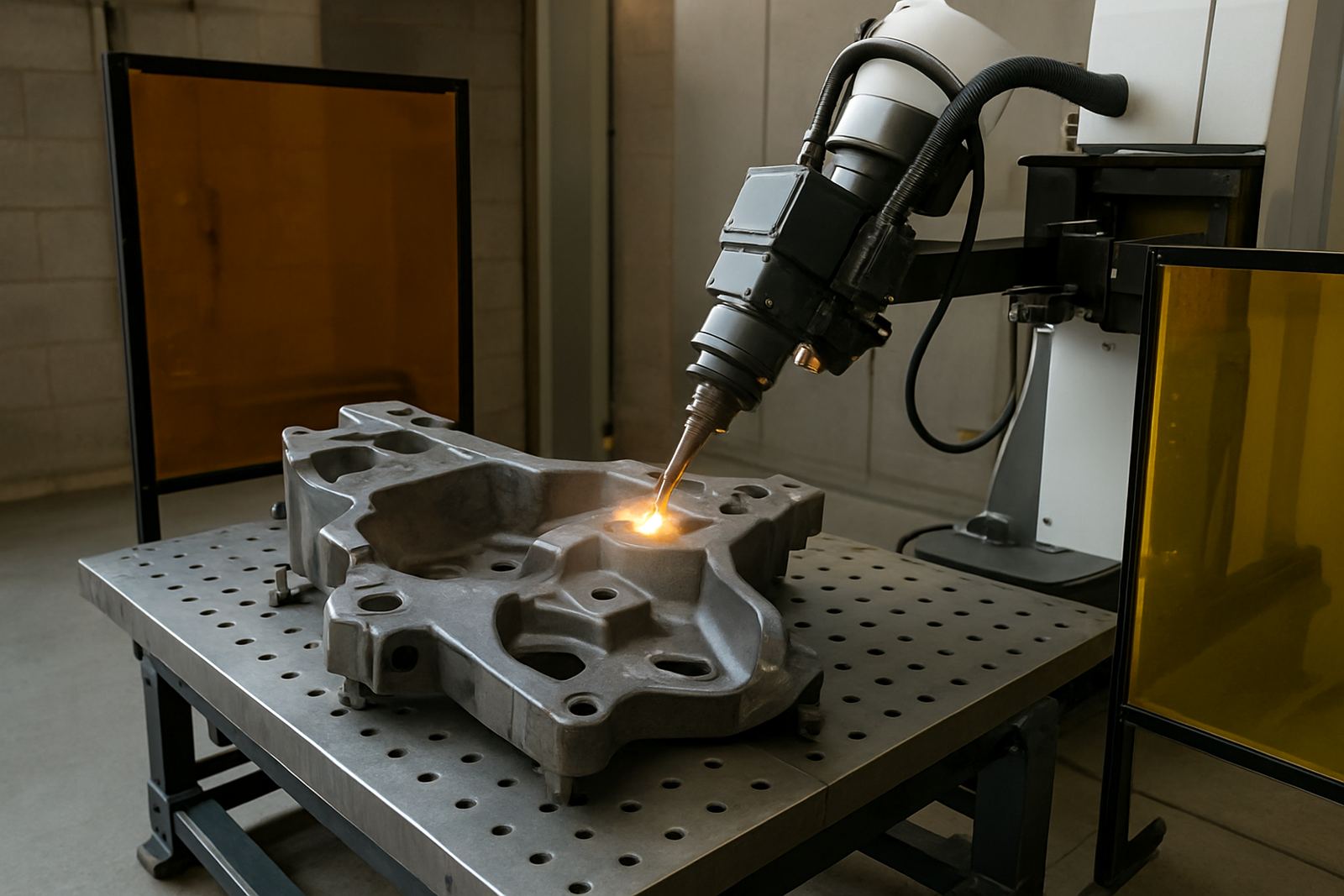
The Argon Shield Cell creates a controlled gas envelope around the weld area so the molten pool and heat-affected zone are protected from air movement, moisture and shop contamination. That extra shielding is useful when you need a cleaner bead on stainless steel, thin-wall parts, tool steels, aluminium repairs and small components that must go back into service with minimum post-cleaning.
In practical terms, it suits parts that cannot be heavily polished after welding or where discolouration would cause rejection. On sensitive work, such as precision repairs, mould inserts, fine edges and thin sections, the cell helps keep the weld surface more even and often reduces the amount of rework needed afterwards. It is a proper jobshop aid, not a substitute for correct fit-up, clean edges and steady operator control.
Size and option choices for different parts
The Argon Shield Cell is selected to suit the part size, access and gas coverage needed for the job. Small repair pieces may only need a compact shield arrangement, while larger fixtures or batch work may need a wider cell area so the gas blanket holds steady over a bigger section. We match the setup to the component, not the other way round.
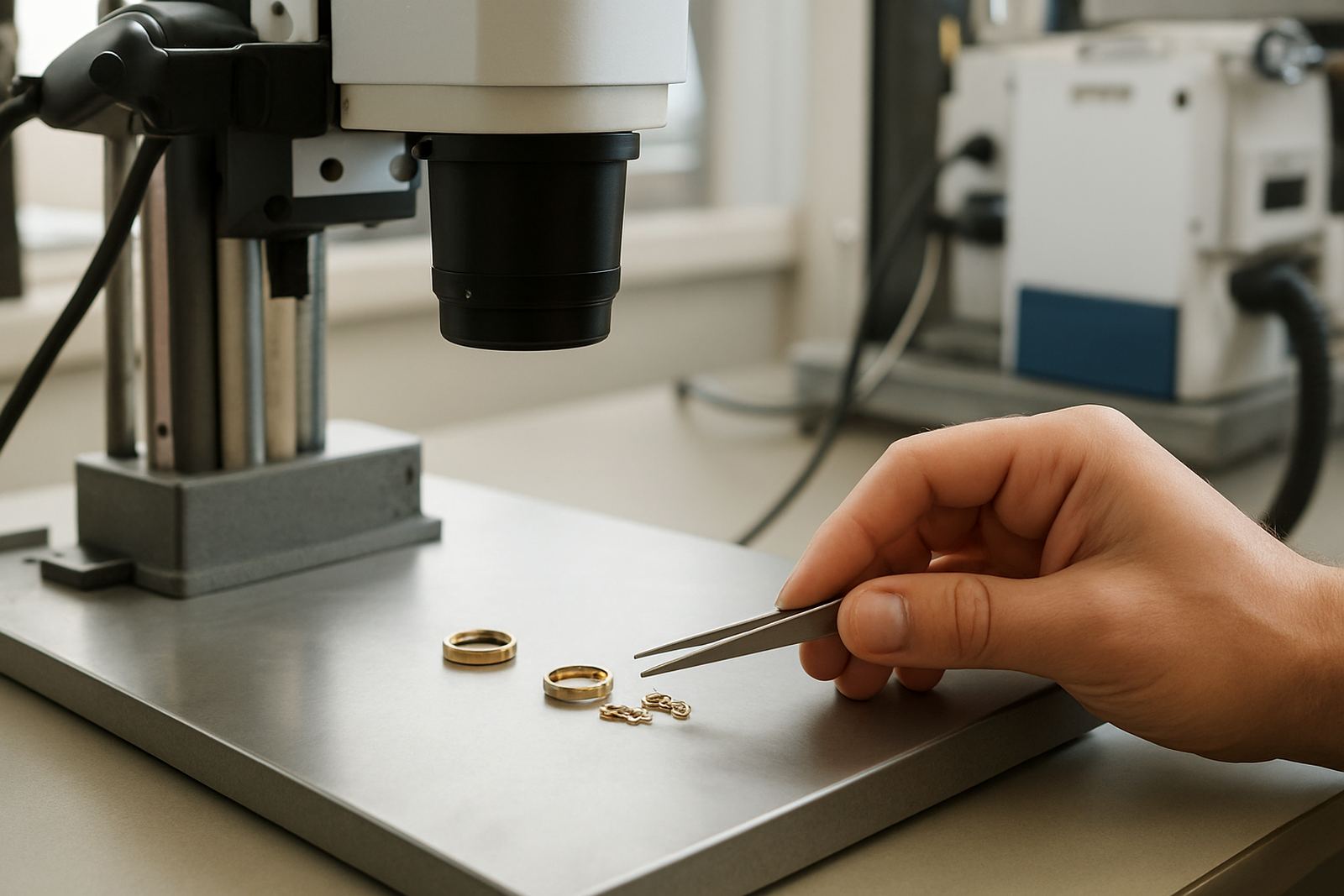
- Compact option for small precision repairs and edge build-up
- Standard option for general laser welding and thin section work
- Extended coverage for longer seams, prototype joining and batch parts
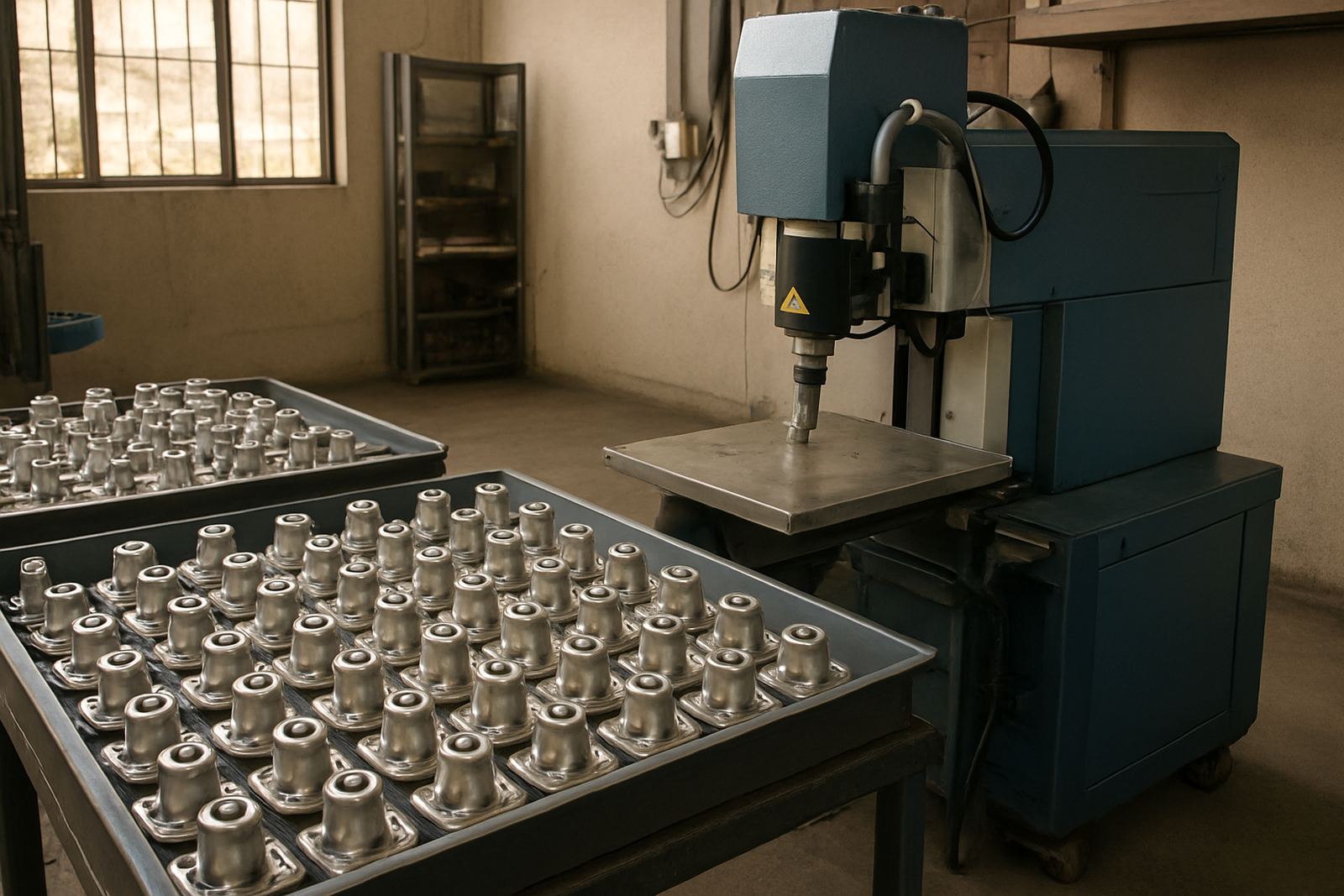
- Custom fit-up for mould and die pieces, awkward profiles and irregular shapes
For customers sending mixed parts from Pretoria East, Midrand or Rosslyn, it helps to group items by size and material. That lets us set the shielding arrangement once and keep the process consistent through the run. It saves time and avoids unnecessary handling.
Where the shield cell works best
This setup is well suited to stainless repairs, aluminium repairs, crack repair on fine sections, part restoration and prototype joining where the finish must stay clean. It is also a strong option for workshop jobs in Centurion and Pretoria where parts move between machining, welding and final assembly, especially when load-shedding or stop-start production can make repeat heating a problem.
The Argon Shield Cell is especially useful for industries that want neat cosmetic results and controlled heat input, such as tooling, light manufacturing, packaging equipment, instrument parts and maintenance jobs. In coastal humidity areas, or where parts have sat in storage a while, the extra shielding helps reduce surface spoilage from airborne moisture and minor contamination. The result is usually less staining and a better looking weld face.
Installation, gas flow and power needs
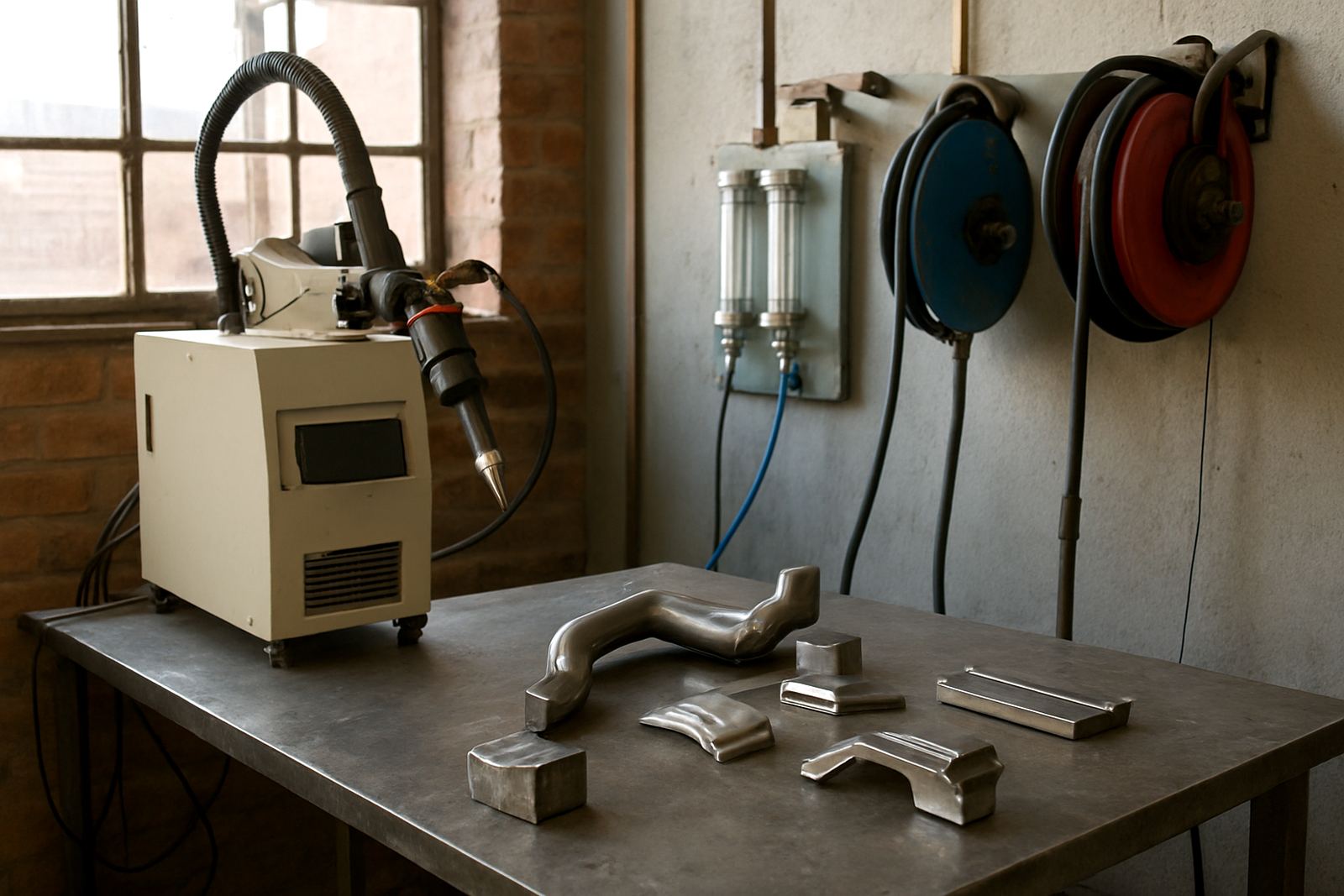
Installation is straightforward on a proper welding bench or fixture. The cell is positioned to cover the weld path and connected to the gas supply so the flow can be set for the material and part geometry. For thin work, too much gas can disturb the pool, so the setting must be balanced. For deeper or longer welds, a steadier flow helps maintain coverage across the whole seam.
- Clean, dry argon supply required
- Stable bench or fixture with enough access around the part
- Gas lines checked for leaks and tight fittings before use
- Suitable power supply for the welding system being used with the cell
- Air movement kept low around the work area
Because different jobs call for different weld settings, we confirm the setup before work starts. If the part is coming in by courier from elsewhere in South Africa, it helps to send a photo of the component, material type and approximate thickness so the cell setup can be matched properly.
Care and servicing between jobs
Like any shielding arrangement, the Argon Shield Cell works best when kept clean. Wipe down the body, nozzles and contact areas after use so fine dust, spatter or oil does not build up. Check seals and hoses for wear, and replace items that start to harden, crack or leak. On busy batch work, a quick check before each shift can prevent an avoidable problem later.
For regular users, we recommend a simple service routine based on the part count and gas hours rather than a fixed calendar only. If the welds start showing dullness, sugar, or uneven colour, that is usually the first sign the shielding needs attention. It is also worth checking the workshop area itself, because strong fan draughts and open doors can spoil coverage even when the cell is in good condition.
What to confirm before you order
To supply or set up the right Argon Shield Cell arrangement, we need a few basic details about the job. That helps us avoid sending the wrong size or a shield that does not suit the weld path. It also helps when the work must move quickly through our Centurion workshop or on a courier turnaround to another province.
- Material type, for example stainless steel, aluminium or tool steel
- Part thickness and approximate weld length
- Whether the job is repair, restoration, prototype or batch work
- Access around the weld area and any tight corners
- Finish requirement, cosmetic or purely functional
If you are not sure, send a clear photo and a short note with the part size. We can then advise whether the standard cell will do the job or whether a custom arrangement is needed. That saves time, and it avoids a machine setting that is more suited to another job entirely.
Key facts
| Product | Argon Shield Cell |
|---|---|
| Use | Enhanced shielding for cleaner weld surfaces on sensitive metals |
| Best for | Precision repairs, thin sections, stainless, aluminium and part restoration |
| Coverage options | Compact, standard, extended and custom fit-up |
| Gas requirement | Clean dry argon |
| Service area | Centurion, Pretoria and nationwide courier jobs |