Fine repair cell for small precious and precision items
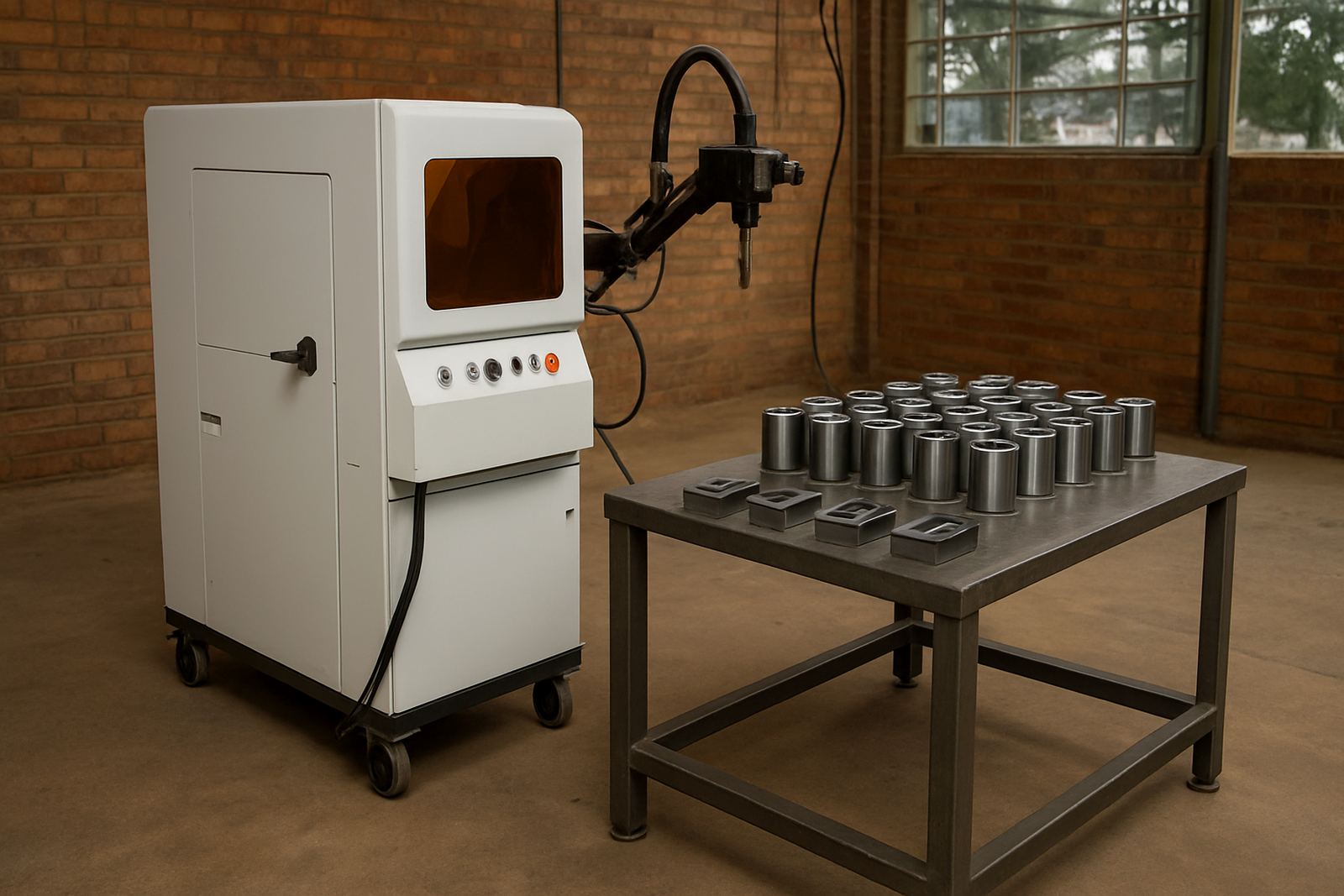
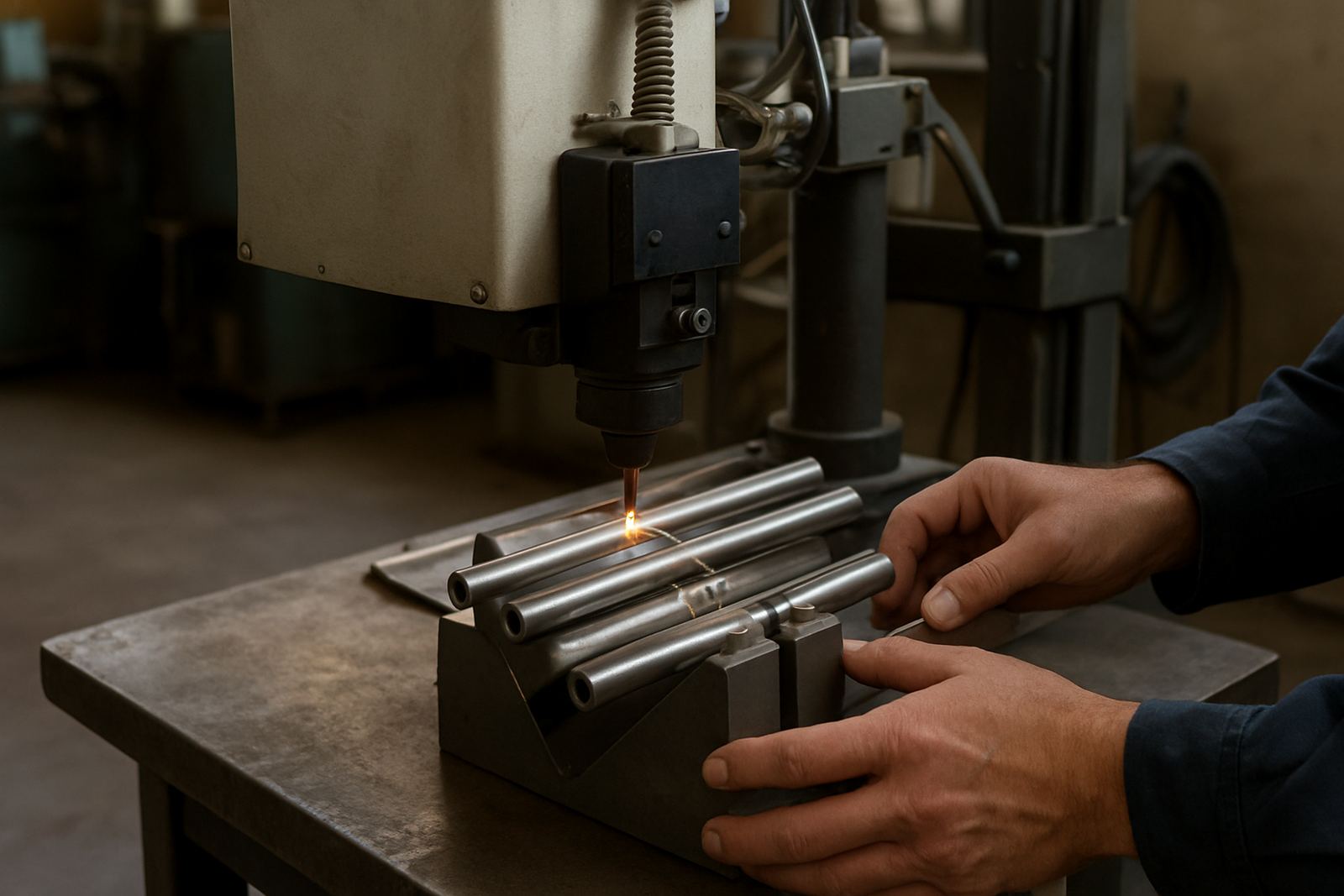
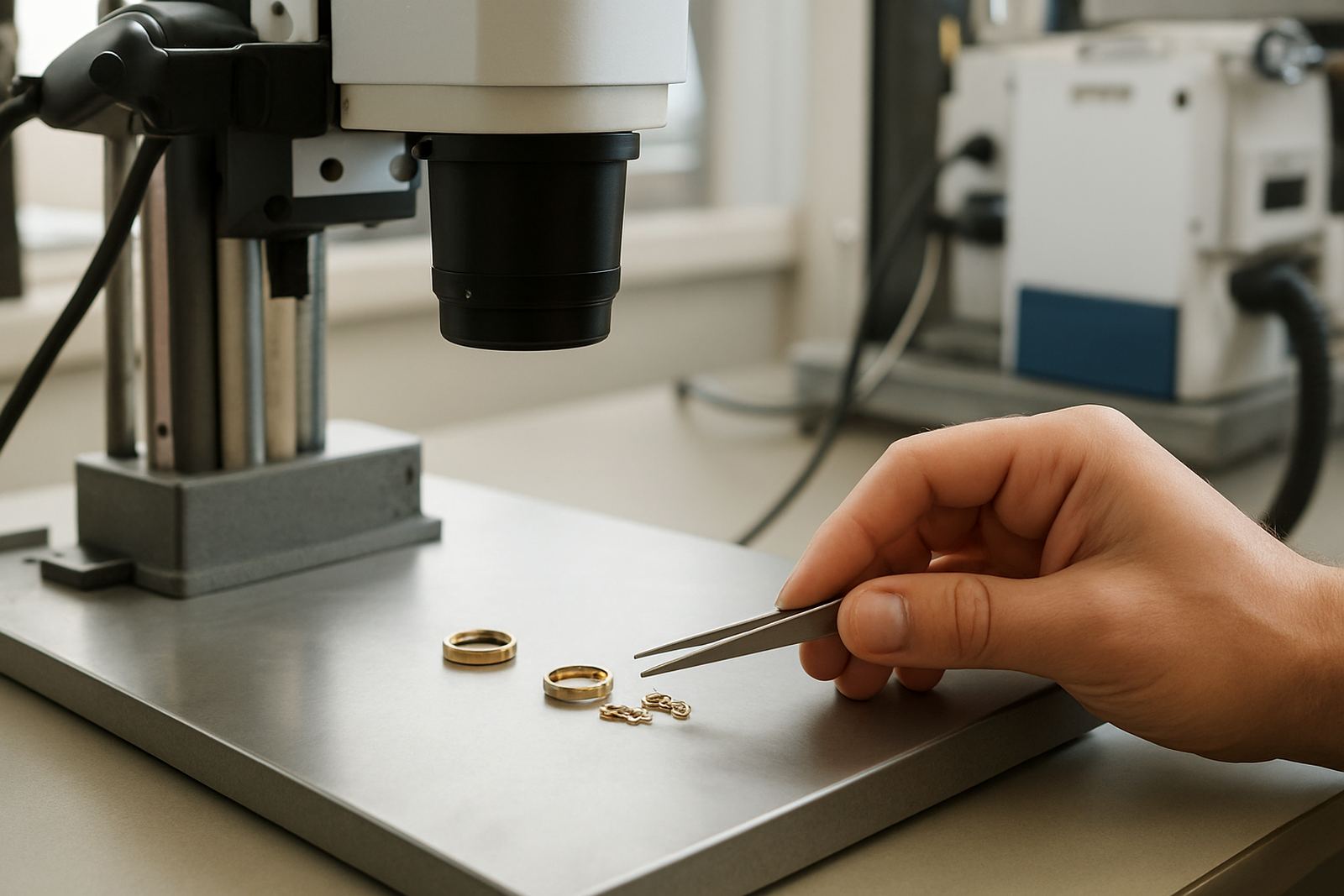
This cell is built for close work on small components that cannot take broad heating or heavy clamp marks. It is commonly used for jewellery repairs, watch parts, small fittings, decorative hardware, medical-type precision items and thin sections where a controlled laser spot gives a cleaner result than open flame or general welding.
In a workshop setting the cell is useful when you need to repair rather than remake. That helps on items with sentimental value, short deadlines or limited stock, and it also reduces finishing time because the weld zone stays small and predictable. For clients in Pretoria, Centurion, Midrand and further afield, it is a practical option for one-off jobs as well as repeat repair work.
- Small heat-affected zone for delicate parts
- Low distortion on thin sections and detailed items
- Suitable for repair, build-up and joining work
- Useful where visible finish matters after polishing
Typical sizes and working options
The cell is intended for bench-top style operation and is normally supplied in a format that fits a repair bay, secure workshop corner or controlled job-shop area. Final layout depends on the item type, access required and whether the unit will be used for occasional repairs or steady daily production.
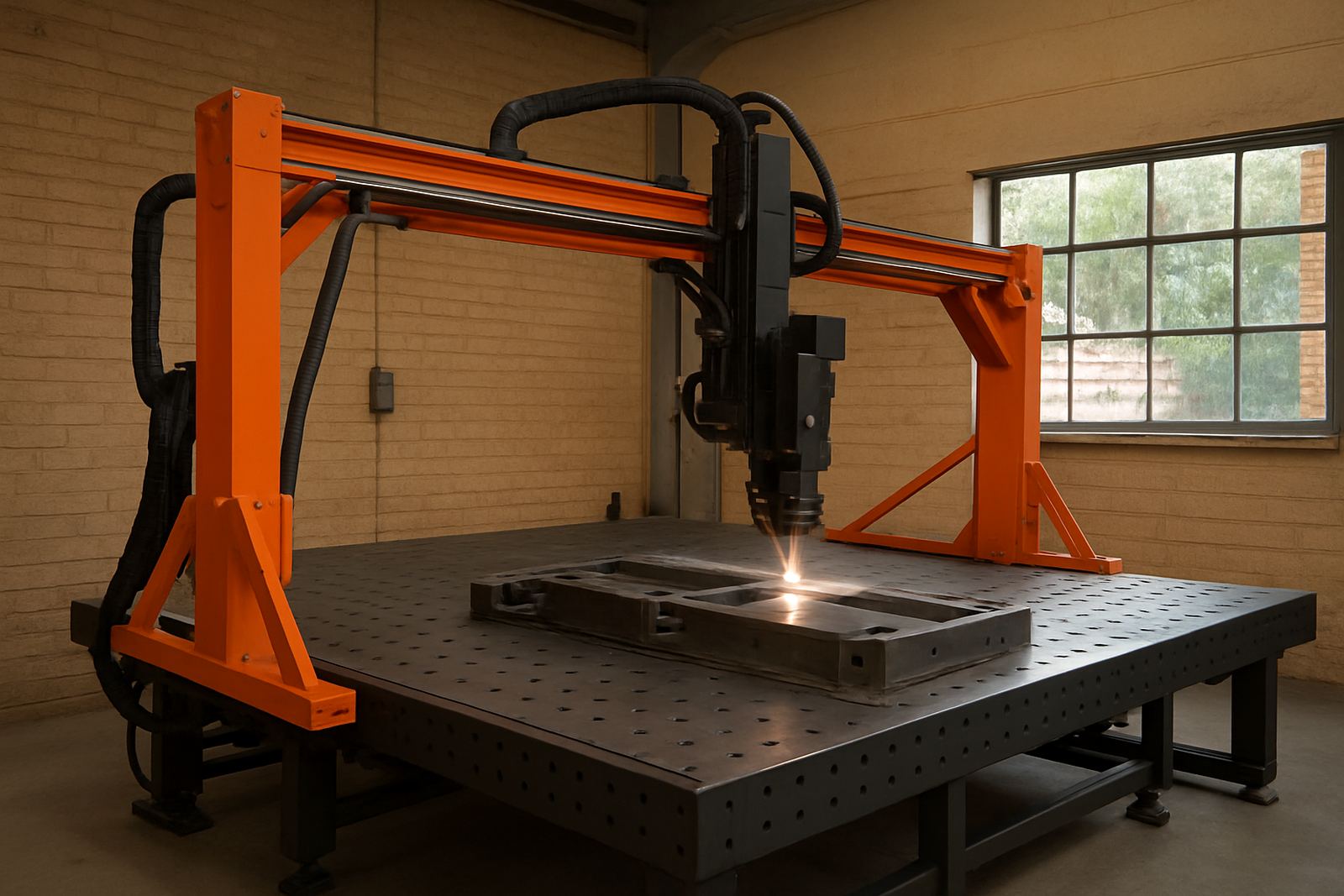
Working capacity depends on the material and geometry, but the system is generally chosen for small to medium precision items rather than large structural fabrication. It is well suited to rings, clasps, pins, fine brackets, engraved pieces, small housings and light assemblies that need spot repair without stripping the whole part down.
- Compact workshop footprint for bench or cell use
- Fine spot control for detailed repair points
- Optional viewing and handling aids for close work
- Suitable for single items or small batch repairs
Where the jewellery repair cell fits best
This setup suits jewellers, repair counters, precision fabricators, model makers, small engineering shops and service teams that handle fragile components. It is especially useful where parts arrive in mixed condition and each item needs a different repair approach. That happens often in the trade, from worn prongs and cracked clasps to tiny build-up work on decorative sections.
It also suits work that comes through for collection in Midrand or Jet Park, then heads back out after inspection and finishing. For coastal clients, the local conditions matter too. A proper enclosed repair cell helps keep delicate items cleaner during work, which is useful where humidity can affect storage and finishing if parts are left out too long.
- Jewellery repair and restoration
- Fine mechanical and decorative components
- Prototype joins and sample corrections
- Small batch job-shop repair work
Power, gas and installation notes
Installation should be planned around workshop power availability, space and extraction. The exact electrical requirement depends on the final unit selected, but most cells need a stable supply and a clean position on a firm surface. Where load-shedding is a factor, clients often pair the cell with backup power planning so work is not interrupted during set-up or critical repair cycles.
Some repair jobs are done with shielding gas depending on the material and finish required. Gas selection, flow control and regulator setup must be checked before first use, along with ventilation and eye protection requirements. In a shared workshop, keep the cell away from grinding dust, oil mist and heavy traffic. Good placement saves time and keeps the work area easier to maintain.
- Stable single-phase or specified workshop supply, depending on model
- Firm bench or floor position with clear operator access
- Ventilation and fume control for regular use
- Gas and regulator setup confirmed before commissioning
How to keep the cell in good condition
A fine laser repair cell needs regular care if you want repeatable results. Keep the lens area clean, check the optics schedule and make sure the working chamber is free of dust, polishing residue and loose metal filings. Those small particles can affect the clarity of the work area and the consistency of repairs. Operators should also record settings for common materials so repeat jobs can be set up quickly.
Routine servicing should include inspection of the power delivery, safety interlocks, alignment checks and any cooling or extraction components supplied with the unit. If the cell is used daily, plan a maintenance interval instead of waiting for a fault. It is simpler to keep a repair line running than to stop it for avoidable wear issues.
- Clean optics and viewing surfaces on a set schedule
- Check interlocks, cooling and extraction regularly
- Keep a job log for common materials and settings
- Store consumables and tools in a dry, organised place
What to confirm before you order
Before ordering, check what kinds of items you repair most often and what size range you need to cover. A cell for fine ring work is not always the same as one used for small engineering parts or mixed job-shop repairs. Material mix is important too, because gold, silver, stainless steel, aluminium and other alloys all behave differently under laser heat. If you repair plated items, confirm how the finish will be managed after welding.
It also helps to confirm access needs, operator training, power availability and whether the unit needs to move between rooms or stay in one place. For branches and courier work across South Africa, think about packing, collection points and who signs off on incoming items before repair starts. Clear handling rules reduce mistakes and keep the chain of custody tidy.
- Item sizes and material types you repair most often
- Whether you need batch work or one-off precision repairs
- Available power, ventilation and bench space
- Training, service support and spare parts access
Key facts
| Working type | Fine laser welding cell for delicate repair and build-up work |
|---|---|
| Typical use | Jewellery repair, small precision parts, thin sections and restoration |
| Footprint | Compact bench or cell format, final size depends on selected setup |
| Power | Stable workshop electrical supply required, model dependent |
| Gas | Shielding gas may be required for selected materials and finishes |
| Support area | Centurion base with nationwide job-shop collections and courier handling |